


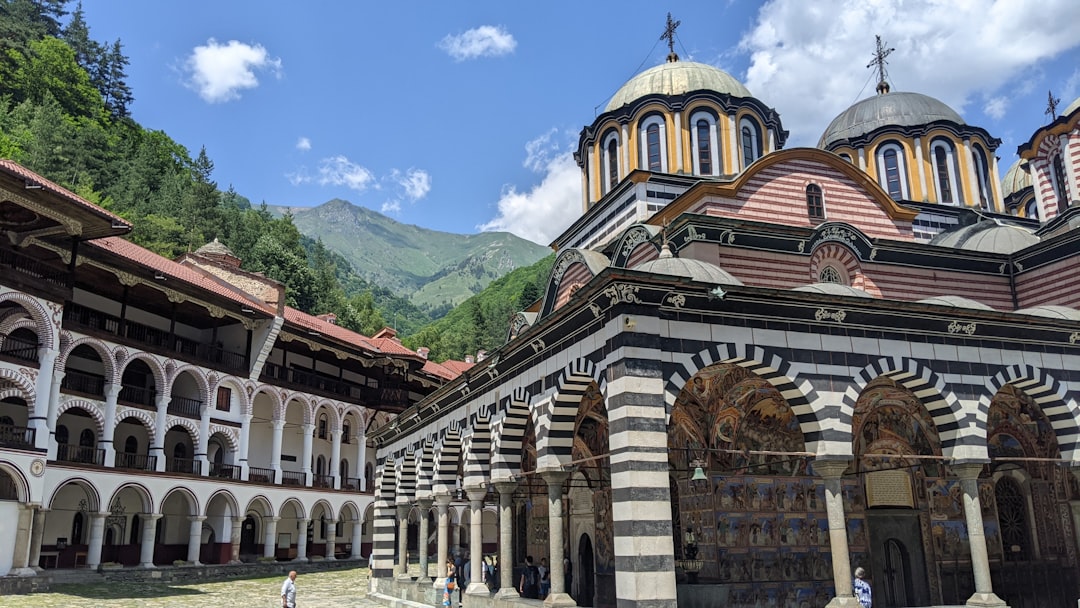
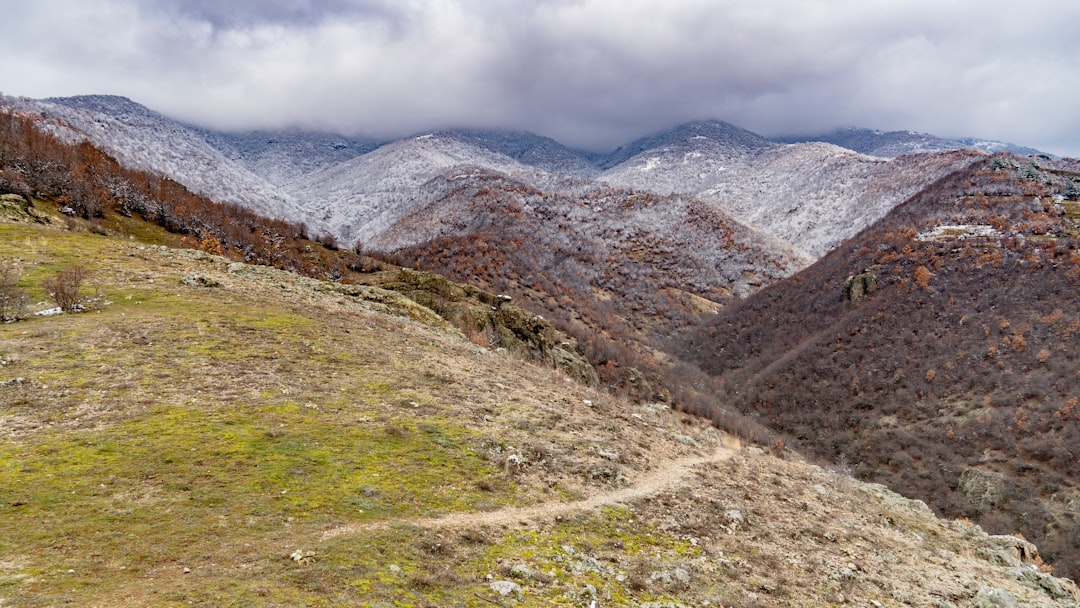
The bus from Sofia rattles up the mountain pass like a tin can in a washing machine, and by the time we pull into the valley, my teeth are still vibrating. A monk in black robes stands by the gate, lighting a cigarette with the casual indifference of a guy waiting for a coffee. He doesn't look at me. He doesn't look at the bus. He just exhales smoke into the crisp Balkan air, eyes fixed on the snow-capped peaks of Rila Mountains towering above us. This isn't a postcard. It's a fortress of faith clinging to a rock face, surrounded by pines that smell like resin and old prayers. I step off the bus, and the first thing I notice isn't the gold domes or the frescoes—it's the silence. Not the empty kind, but the heavy, expectant silence of a place that has been listening to centuries of footsteps.
I'm here to see Rila Monastery, the largest and most famous Eastern Orthodox monastery in Bulgaria, and maybe the most iconic spiritual site in the entire Balkans. It's a UNESCO World Heritage Site, sure, but that label feels thin against the reality of the place. This is a living organism of stone, wood, and devotion, built on the site where Saint Ivan Rilski retreated in the 10th century. The air here tastes different—sharper, cleaner. And the locals? They don't just visit. They return. Every Sunday, cars line the road from Sofia, people arriving with flowers, candles, and a quiet intensity that you can feel in your bones. I'm just passing through, but for a moment, I feel the weight of it all.
History & Identity
Rila Monastery isn't just a building; it's a symbol of Bulgarian survival. Founded in the 10th century by Saint Ivan Rilski, the monastery has been destroyed and rebuilt at least five times. The Ottomans burned it. Earthquakes shattered it. Wars scarred it. But every time, it rose again, not just as a religious center but as a repository of Bulgarian identity. During the Ottoman occupation, it became a secret school for the language, the alphabet, the very idea of a Bulgarian nation. The monks here weren't just praying; they were preserving a culture that the empire tried to erase. That's why the walls are so thick. That's why the frescoes are so vibrant. This place is a testament to stubbornness.
The architecture you see today is mostly 19th century, a blend of Bulgarian Revival style with Ottoman influences—notice the wooden galleries, the intricate carvings, the way the buildings huddle together for protection. It's a defensive complex, disguised as a monastery. The main church, built in 1832-1834, is the heart of it all, but the real story is in the details: the icons, the manuscripts, the way the light hits the gold leaf at dawn. This isn't a museum. It's a living monastery, with monks still living here, still praying, still keeping the flame alive. And that's what makes it so powerful. It's not just history; it's presence.
Where to Go
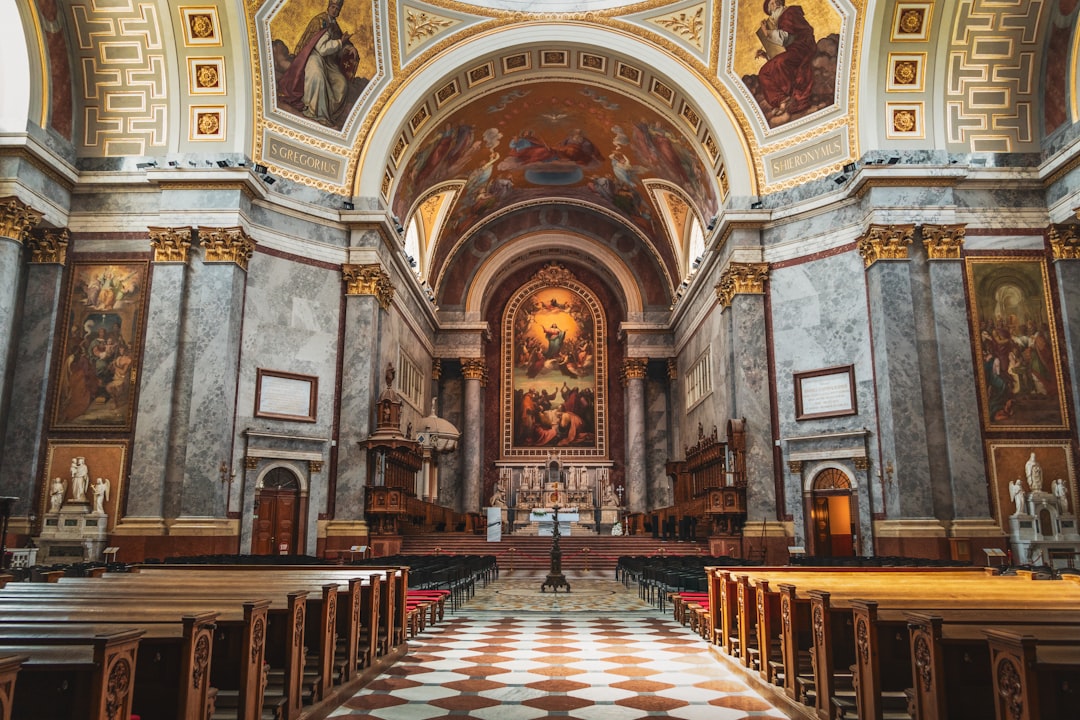
The Main Church — The centerpiece of the complex, this is where you go first. The interior is a shock of gold and color, with frescoes covering every inch of the walls and ceiling. The dome is painted with Christ Pantocrator, staring down at you with an intensity that's hard to ignore. Entry is free, but donations are expected. Go early in the morning to avoid the crowds, and stand still for a minute. Let the silence wash over you. The acoustics are incredible—you can hear the faint echo of prayers from the side chapels.
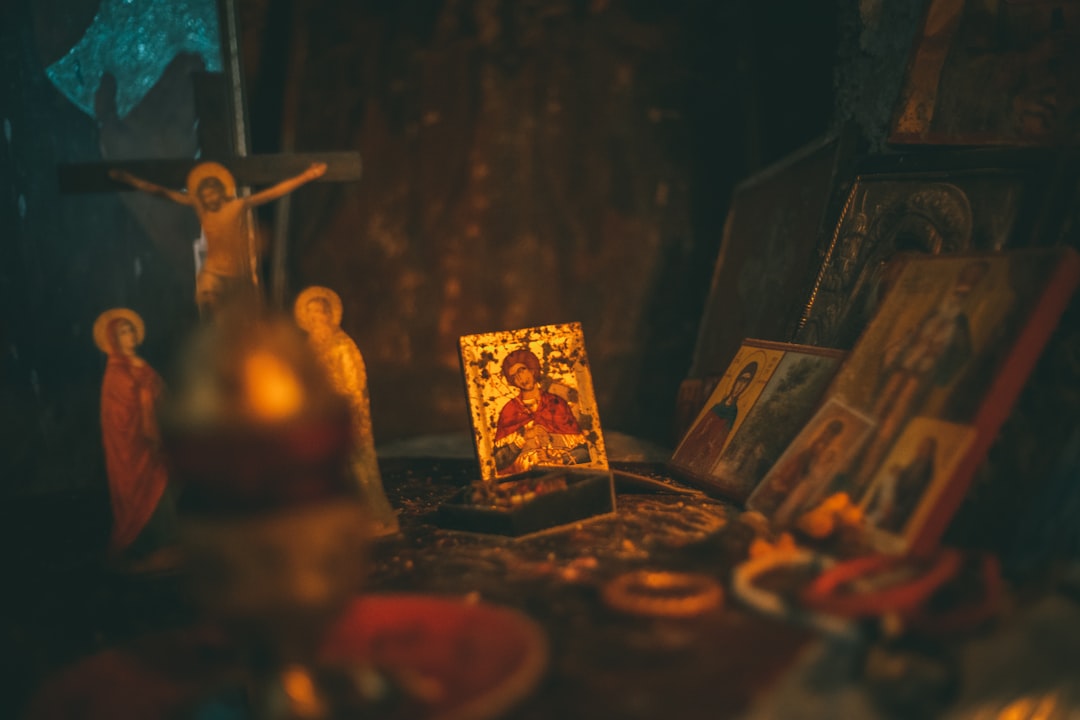
The Icon Museum — Tucked away in one of the side buildings, this museum holds over 1,000 icons, some dating back to the 13th century. The collection is staggering—wood, gold, silver, glass, even some made from human hair. The highlight is the "Rila Icon of the Mother of God," said to be miraculous. The museum is small, dimly lit, and incredibly intimate. It feels like walking through a secret archive of faith. Entry is 3 EUR, and it's worth every penny. The curator is a monk who speaks little English but gestures with a warmth that transcends language.
The Bell Tower — This isn't just a bell tower; it's a legend. The "Great Bell," cast in 1835, is said to have been melted down from Ottoman cannons. It weighs over 10 tons and is one of the largest bells in the Balkans. The tower is 61 meters tall, and the view from the top is worth the climb—though you'll need to ask permission from the monks. The bells ring at specific times, and the sound carries across the valley. It's a deep, resonant tone that vibrates in your chest. Don't miss it.
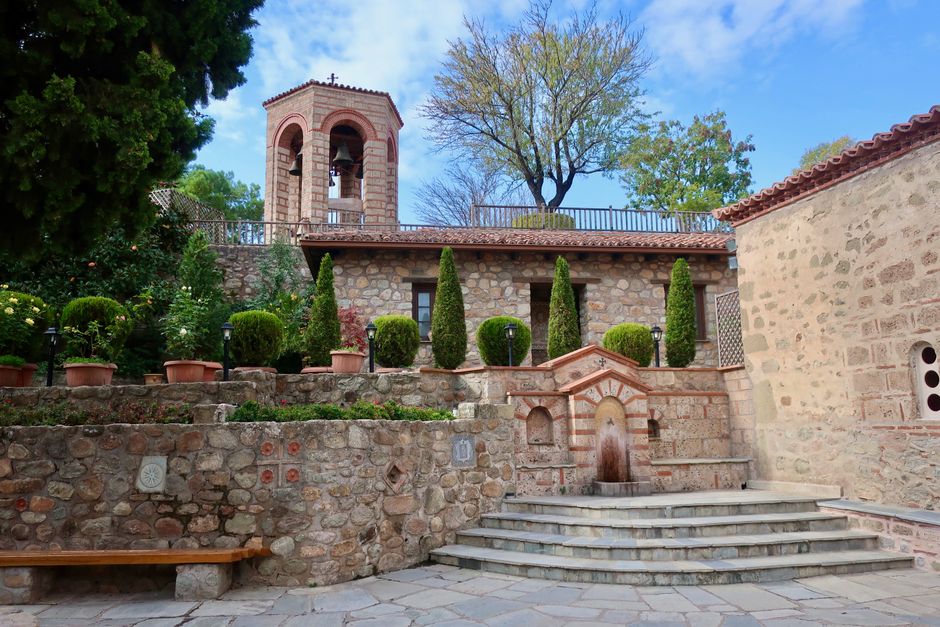
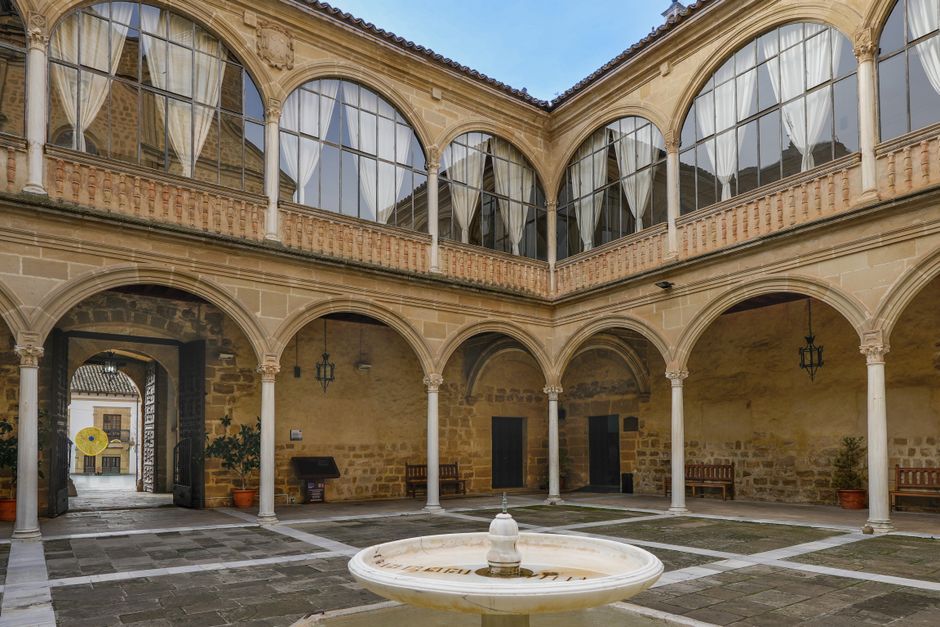
The Monastery Complex & Courtyards — The monastery isn't just one building; it's a maze of courtyards, chapels, refectories, and living quarters. The central courtyard is the main gathering spot, with a fountain in the middle and monks walking in quiet procession. The side courtyards are quieter, more secluded, with small chapels dedicated to various saints. The wooden galleries connecting the buildings are a masterpiece of Bulgarian Revival architecture, with intricate carvings and painted details. Wander slowly. There's no rush here.
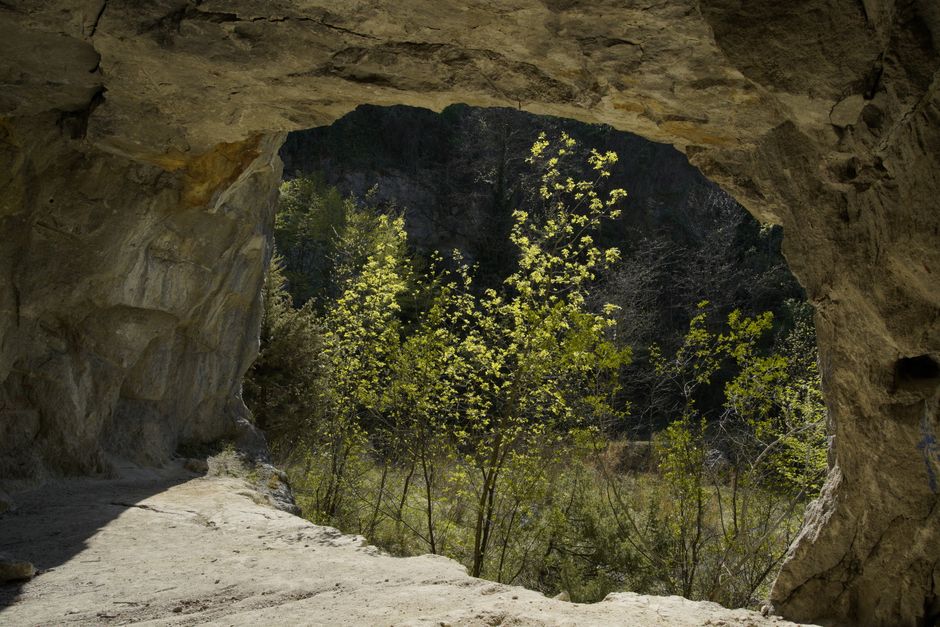
The Saint Ivan Rilski Cave — About 2.5 km from the monastery, you can hike to the cave where Saint Ivan Rilski lived for 40 years. The trail is steep but well-marked, and the hike takes about 45 minutes one way. The cave itself is small, dark, and deeply moving. There's a small chapel built around it, and the view from the top is spectacular. It's a short hike, but it connects you to the origins of the monastery. The monks still visit it on feast days.
What to Eat & Drink
Food at Rila Monastery isn't about gourmet dining; it's about sustenance, tradition, and community. The monastery has its own kitchen, and the meals are simple, hearty, and deeply satisfying. The main dish is banitsa—a flaky pastry filled with cheese or spinach, served with yogurt. It's 2-3 EUR per plate, and it's the kind of food that sticks to your ribs. You'll also find shopska salata (tomato, cucumber, onion, sirene cheese) for 3 EUR, and chorba (a thick vegetable soup) for 2 EUR.
The monastery has a small restaurant in the courtyard, where you can sit outside on wooden benches and eat while watching the monks go about their day. There's also a small shop selling local products: honey, rakia (fruit brandy), and handmade candles. The honey is incredible—dark, rich, and floral. A jar is 5-10 EUR, depending on the size. The rakia is strong, but smooth, and it's the perfect companion to a cold mountain day. There's no fine dining here, but there's something deeply comforting about eating food made by hands that have been cooking for centuries.
Nightlife
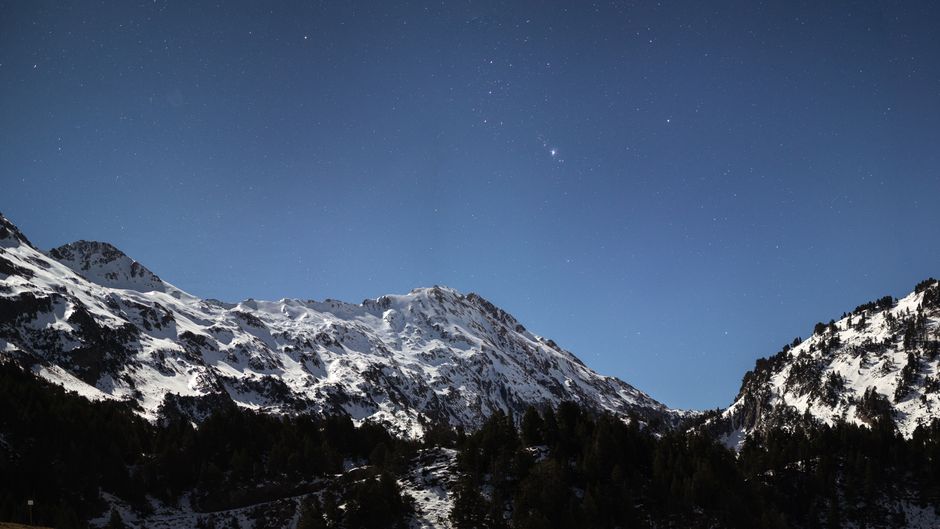
Let's be clear: there is no nightlife at Rila Monastery. The monks retire at a reasonable hour, the lights go out, and the valley falls silent. The nearest town, Rila, is about 5 km away, and it has a few small hotels and restaurants, but nothing that qualifies as "nightlife." The closest you'll get to a bar is a small tavern in Rila village, where you can have a beer and a plate of kyufte (meatballs) for 4-6 EUR. But honestly, you don't need nightlife here. The silence is the point. The stars are the entertainment. The cold mountain air is the vibe. This isn't a place for partying. It's a place for reflection. And if you're looking for clubs, you're in the wrong country.
Getting There & What to Expect
Getting to Rila Monastery is easy if you're in Sofia. Buses leave from the South Bus Station (Yuzhen Avtogardan) every 30 minutes during peak season, and the journey takes about 1.5 hours. The ticket is 6-8 EUR one way. You can also rent a car and drive up the Rila Road—it's a scenic route, but the mountain passes can be tricky in winter. If you're coming from other parts of Bulgaria, you'll need to connect through Sofia or Plovdiv. There are no trains to Rila, so buses or cars are your only options.
Accommodation is limited at the monastery itself—there's a small guesthouse for pilgrims, but it's basic and requires advance booking. Most visitors stay in the town of Rila, which has several budget hotels and guesthouses. A double room is 30-50 EUR per night, and breakfast is usually included. If you're on a tighter budget, there are hostels and camping options in the area, but be prepared for cold nights, even in summer. The best time to visit is May to October, when the weather is mild and the trails are open. In winter, the monastery is surrounded by snow, and the road can be closed due to avalanches. Check conditions before you go.
Search accommodation in Rila on Booking.com →
The Silence Between the Bells
I leave as the sun sets, casting long shadows across the valley. The bells ring one last time, deep and resonant, and the sound lingers in the air long after the notes have faded. I walk back to the bus, my mind still full of gold frescoes, quiet monks, and the weight of centuries. This isn't a place you "do." It's a place you feel. And when you leave, you carry a piece of that silence with you. It's not empty. It's full. Full of prayers, of history, of stubborn faith. And in a world that's loud and fast and forgetful, that's a rare thing. I don't know if I believe in miracles, but I know this: Rila Monastery is real. And it's waiting for you, up in the mountains, where the air is clean and the bells still ring.
Comments