


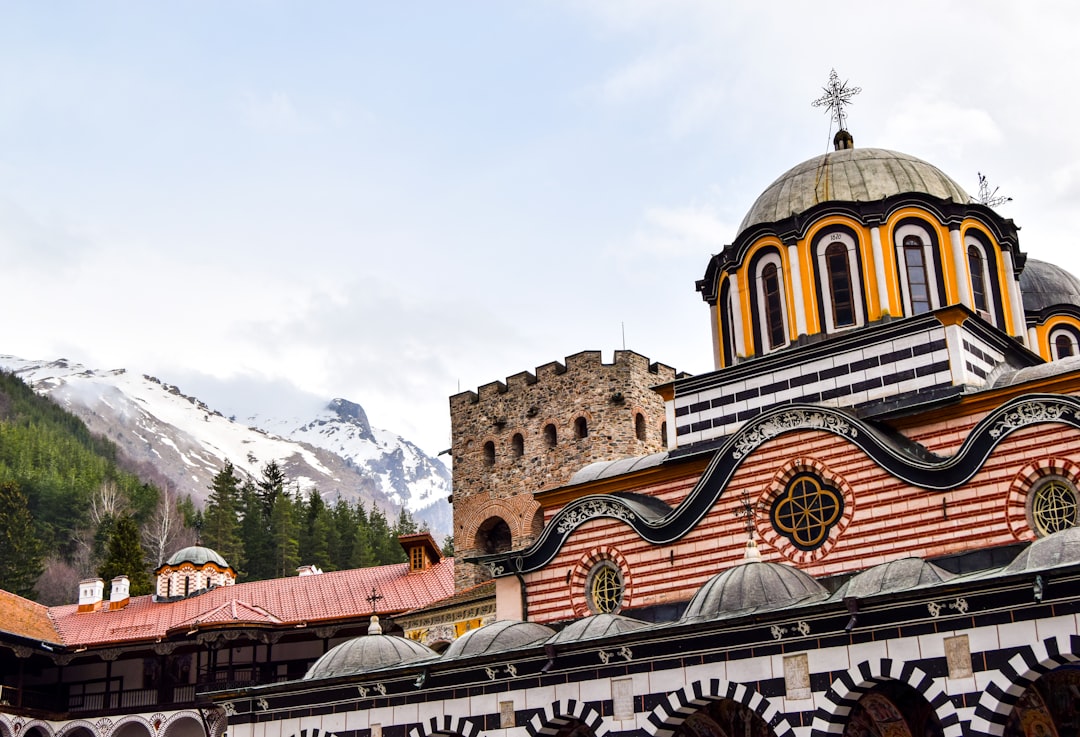
The air in Rila doesn't just feel cold; it feels heavy with centuries of suppressed history. I arrived late on a Tuesday, the bus rattling up the winding mountain road, my fingers numb from gripping the window ledge. When I stepped out, the monastery wasn't just a building; it was a fortress of stone and faith, looming against the jagged spine of the Rila Mountains. The locals don't treat this place like a tourist trap. They treat it like a living, breathing entity that has survived Ottoman rule, communist erasure, and the ravages of time. I was there to see the frescoes, but I found something grittier: a testament to how art can outlive empires.
Walking through the main gate, the noise of the modern world — the buses, the selfie sticks, the haggling over souvenirs — fades into a dull hum. What remains is the smell of beeswax, old stone, and incense. This isn't a museum. It's a working monastery, and the monks here move with a quiet, deliberate pace that contrasts sharply with the frantic energy of the tourists. I spent two days here, wandering the cloisters, climbing the steep paths to the upper courtyards, and staring up at the walls that have seen more blood and prayer than most of us will see in a lifetime. This is the story of Rila Monastery, not as a postcard, but as a survivor.
History & Identity
The origins of Rila Monastery Rila Monastery are steeped in legend and religious fervor. Founded in the 10th century by St. John of Rila John of Rila, the monastery quickly became the spiritual center of Bulgaria. But it wasn't always the grand complex we see today. For centuries, it was destroyed, rebuilt, burned, and restored. The Ottoman Empire viewed the monastery with suspicion, seeing it as a rallying point for Bulgarian nationalism. Yet, through bribes, political maneuvering, and sheer stubbornness, the monks kept the doors open.
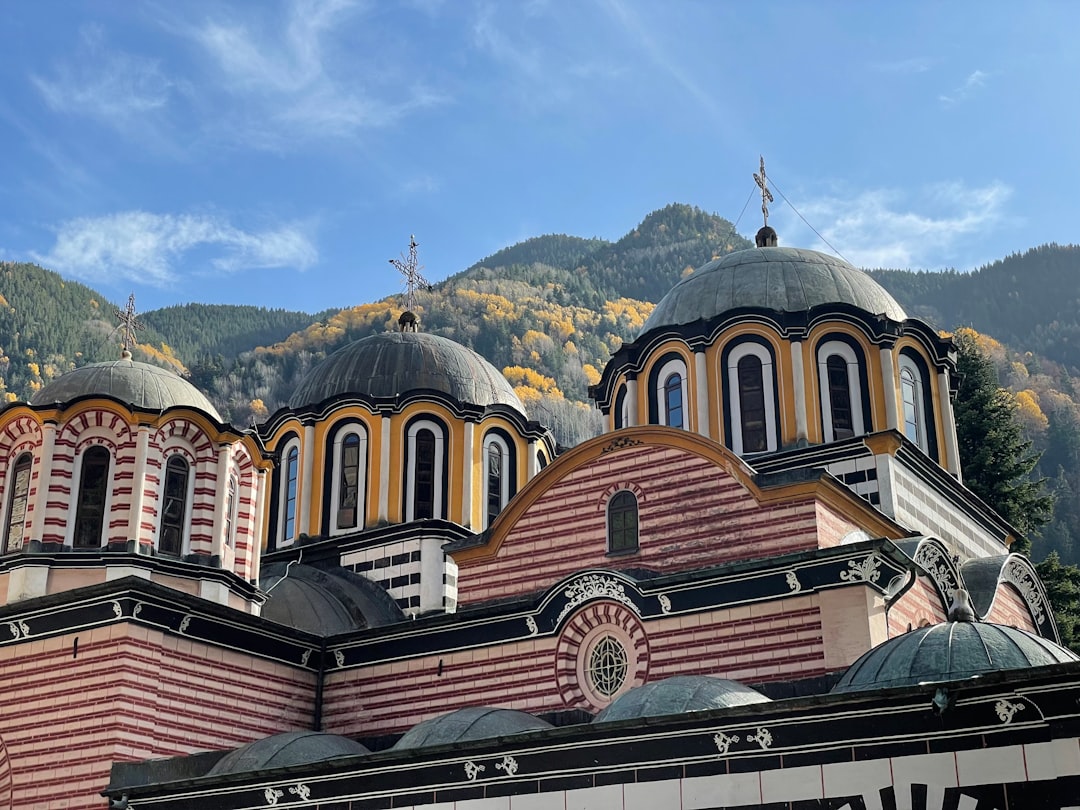
The current structure, mostly dating from the 16th to 19th centuries, is a architectural palimpsest. You can see the layers of history in the stone itself — the thick defensive walls, the fortified towers, and the intricate wooden balconies. The monastery survived the Ottoman period by becoming a center of education and culture, preserving the Bulgarian language and identity when everything else was being erased. It wasn't just a place of worship; it was a library, a school, and a fortress. The frescoes inside aren't just religious art; they are a visual record of a people's resistance.
During the communist era, the monastery faced a different kind of threat. The state sought to secularize everything, turning religious sites into museums or closing them entirely. But Rila Monastery was too iconic, too deeply woven into the Bulgarian psyche. It was allowed to remain open, though heavily monitored. Today, it stands as a symbol of Bulgarian resilience, a place where the past is not just remembered but actively lived. The monks still follow the ancient liturgical calendar, the bells still ring at dawn, and the frescoes still glow with a color that seems untouched by time.
Where to Go
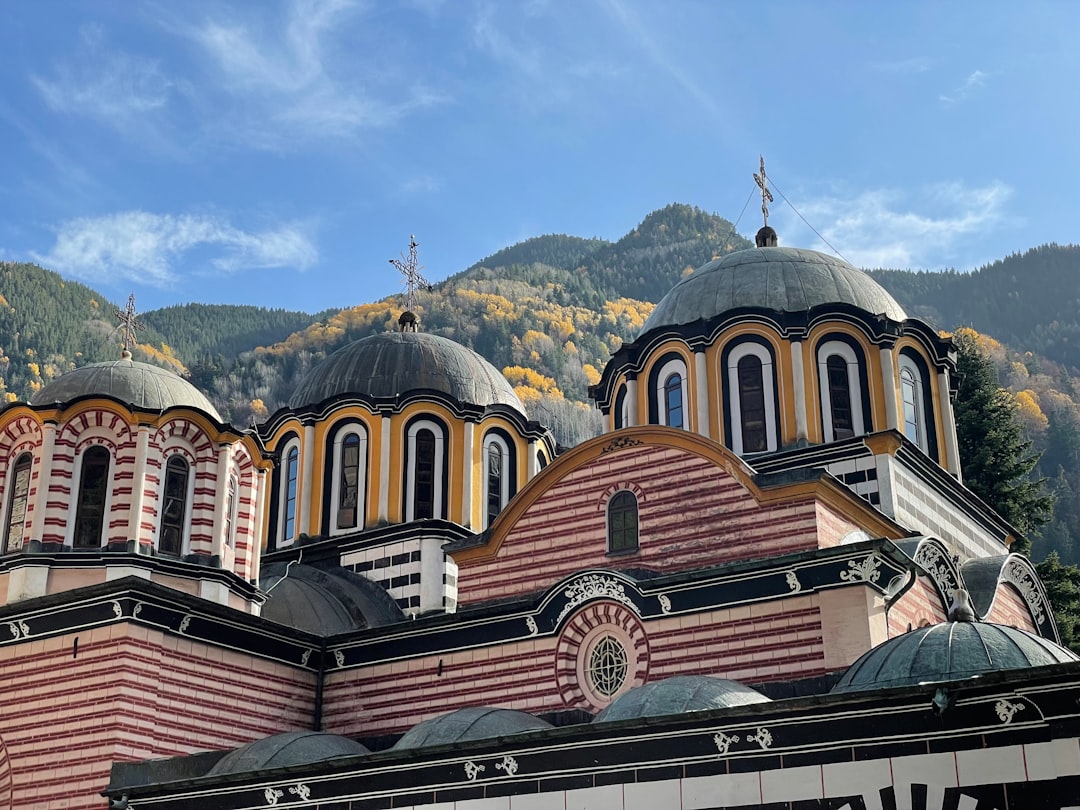
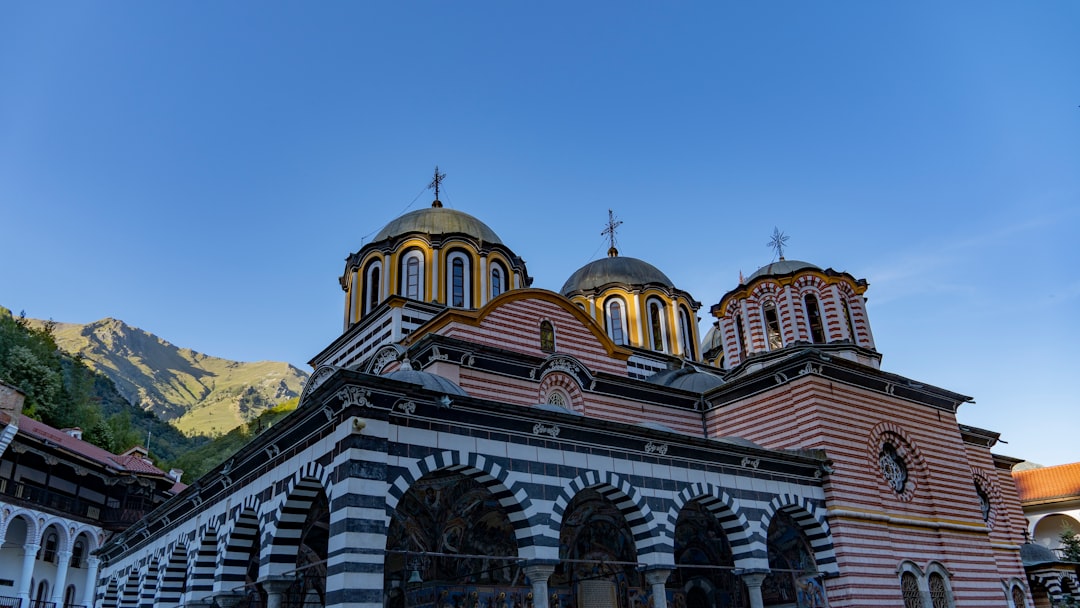
The Main Church of the Nativity of the Virgin is the heart of the monastery, and for good reason. Built in the 19th century, its exterior is a riot of colorful frescoes depicting saints, biblical scenes, and historical figures. The interior is equally stunning, with a dome painted with the Last Judgment and walls covered in intricate icons. The craftsmanship is meticulous, with every brushstroke telling a story. Entry is free, but donations are expected. Visit early in the morning to avoid the crowds and catch the light streaming through the high windows, illuminating the gold leaf on the icons.
The Iconographic Museum offers a deeper dive into the artistic heritage of the region. Housed in a separate building within the complex, it holds a collection of over 3,000 icons, manuscripts, and liturgical objects. The highlights include the famous "Rila Cross," a 12th-century artifact, and a series of icons painted by Zahari Zograf Zahari Zograf, the master painter who decorated the monastery in the 1840s. The museum is small but powerful, with each piece carefully curated to show the evolution of Bulgarian religious art. Entry is 2-3 EUR, and it's worth every penny for art lovers.
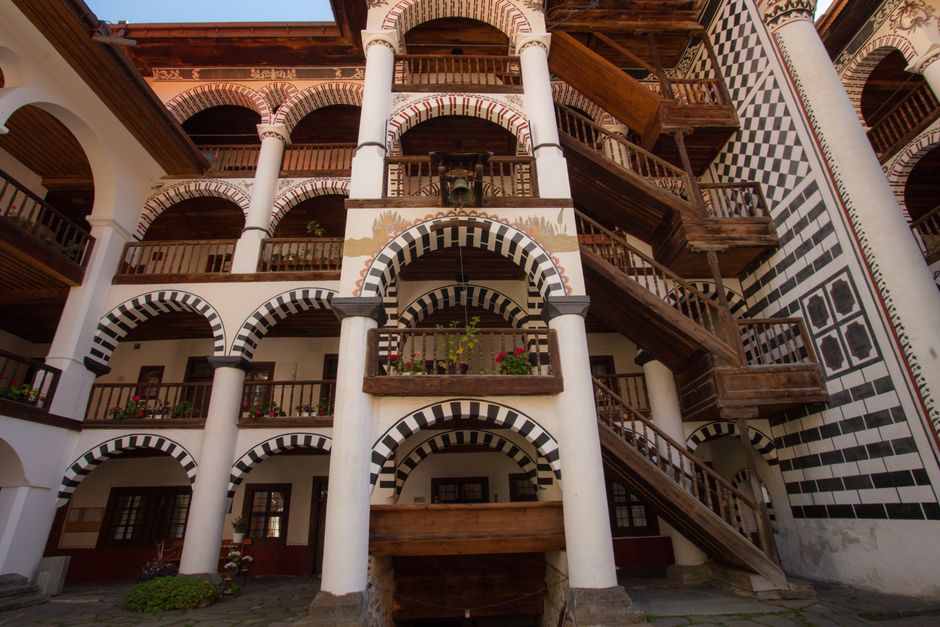
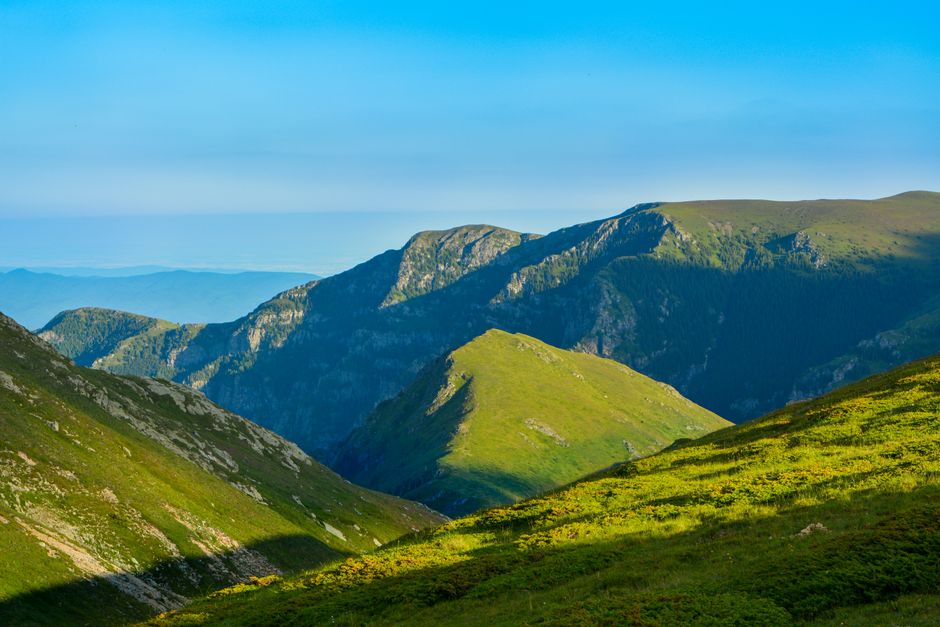
The Bell Tower offers a panoramic view of the monastery and the surrounding Rila Mountains Rila Mountains. Climbing the 144 steps to the top is a bit of a workout, but the reward is a breathtaking vista of the valley below. On a clear day, you can see the snow-capped peaks of Malail Peak Malail Peak in the distance. The tower itself is a masterpiece of Balkan architecture, with its intricate wooden balconies and vibrant frescoes. It's a great spot for photographers, but be respectful of the monks who use the tower for daily prayers.
The Monastery's Fortifications are a reminder of the turbulent history of the region. The thick stone walls, reinforced with towers and battlements, were designed to withstand sieges. Walking along the ramparts, you can imagine the monks defending their home against Ottoman raids. The walls are covered in frescoes, blending art with defense in a unique way. It's a lesser-known part of the complex, so you'll have it mostly to yourself. The views from the walls are excellent, offering a different perspective on the monastery's layout.
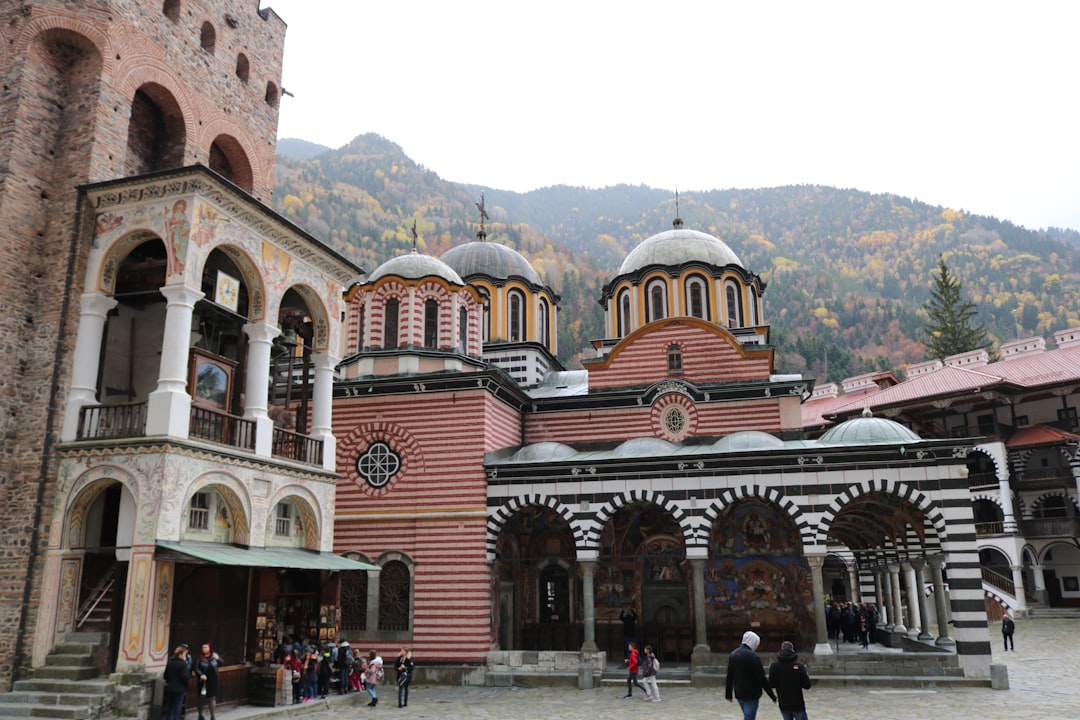
The Upper Courtyard is where the monks live and work. It's a quieter, more intimate space, with small cells, a refectory, and a garden. The atmosphere here is peaceful, a stark contrast to the bustle of the main church. You can watch the monks tending to their gardens or reading in the shade of the trees. It's a place to reflect and absorb the spiritual energy of the place. There's no entry fee, but respect is paramount. Keep your voice low and dress modestly.
What to Eat & Drink
Food in the Rila Rila region is hearty and simple, designed to fuel the body for the cold mountain climate. Inside the monastery, there's a small cafeteria where you can try banitsa — a flaky pastry filled with cheese — for about 2-4 EUR. It's best served fresh, warm from the oven. The monks also make their own honey and rakia (fruit brandy), which are popular souvenirs. The honey is particularly good, harvested from the bees that pollinate the wildflowers in the Rila National Park Rila National Park.
For a more substantial meal, head to one of the restaurants in the village of Rila below the monastery. Trakiyski Sad is a local favorite, known for its kyufte (meatballs) and shopska salata (tomato, cucumber, and onion salad with white cheese). A full meal here will set you back about 10-15 EUR. If you're on a budget, there are several bakeries and cafes in the village where you can grab a sandwich or a bowl of soup for under 5 EUR. The local markets also offer fresh produce, cheeses, and meats at reasonable prices.
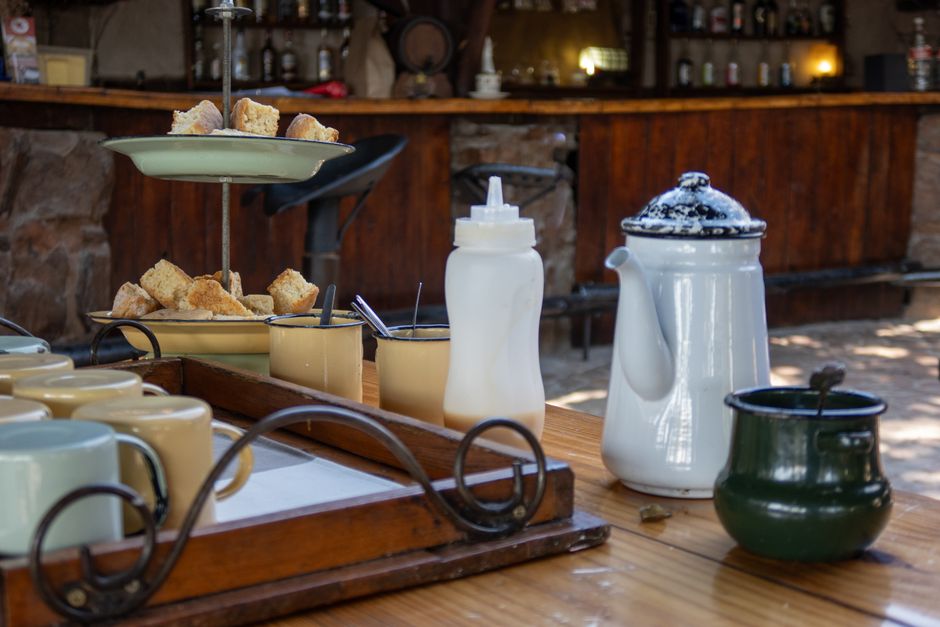
Dessert-wise, try lukanka (smoked sausage) with bread and cheese, or a bowl of tarator (cold yogurt soup) if you're visiting in the summer. The local rakia is strong and fiery, but it's a great way to warm up after a day of exploring. Most bars and restaurants in the village serve it, and a small glass will cost you around 2-3 EUR. It's not for the faint of heart, but it's an essential part of the local culture.
Nightlife
Let's be clear: Rila Monastery is not a place for partying. The nearest town, Rila, is small and sleepy, with nightlife consisting of a few quiet bars and cafes. The focus here is on reflection and relaxation, not revelry. If you're looking for clubs and loud music, you'll need to head to Sofia Sofia, which is about two hours away. But if you enjoy a quiet drink and a conversation, the cafes in Rila are perfect. Cafe Rila is a good spot, with a cozy atmosphere and a selection of local beers and wines.
The monastery itself closes to tourists at sunset, but the bells continue to ring throughout the night, marking the hours and calling the monks to prayer. It's a hauntingly beautiful sound, echoing through the mountains. If you stay overnight in the village, you can walk up to the monastery walls in the evening and listen. The darkness amplifies the sound, making it feel even more ancient and mysterious. It's a moment of pure tranquility, far removed from the noise of the modern world.
Getting There & What to Expect
Getting to Rila Monastery is straightforward. The nearest major city is Sofia, the capital of Bulgaria. From Sofia, you can take a direct bus to Rila village, which runs several times a day and takes about 2 hours. The bus fare is around 5-7 EUR. Alternatively, you can rent a car and drive up the mountain road, which is scenic but winding. The drive takes about 1.5 hours, and parking is available near the monastery for a small fee. If you're coming from other parts of Bulgaria, there are buses and trains to Sofia, from where you can transfer to the Rila bus.
Accommodation in Rila village ranges from budget hostels to mid-range hotels. A night in a hostel will cost you around 15-25 EUR, while a mid-range hotel is about 40-60 EUR. There are also several pensions and guesthouses in the village, which offer a more local experience. If you want to stay closer to the monastery, there are a few hotels within walking distance, but they tend to be more expensive. Booking in advance is recommended, especially during the summer months when tourist numbers peak.
The best time to visit Rila Monastery is from May to October, when the weather is mild and the mountains are green. July and August are the busiest months, so expect crowds. If you want a quieter experience, visit in the spring or early autumn. The monastery is open year-round, but some facilities may be closed during the winter months. The frescoes are protected from the elements, but the outdoor areas can be slippery and cold in winter. Dress warmly, even in summer, as the mountain climate can be unpredictable.
Search accommodation in Rila on Booking.com →
Expect to spend at least half a day exploring the monastery and its surroundings. There's a lot to see, from the main church to the iconographic museum to the bell tower. Take your time, wander the cloisters, and soak in the atmosphere. The monks are generally friendly and willing to answer questions, but be respectful of their privacy and their work. This is a living religious community, not a theme park. Leave your cameras at home if you feel uncomfortable, and focus on the experience rather than the photos.
The Fire That Didn't Consume
As I left Rila Monastery on my final morning, the sun was just beginning to crest over the Rila Mountains, casting long shadows across the stone walls. I thought about the fires that had burned here — the literal fires of siege and destruction, and the metaphorical fires of persecution and erasure. Yet, here stood the frescoes, still vivid, still vibrant. The art had survived because it was more than just paint on plaster; it was a declaration of identity, a refusal to be forgotten.
In a world that moves too fast, Rila Monastery is a reminder of the power of slowness, of patience, of faith. It's a place where time seems to stand still, where the past is not a burden but a foundation. I left with a sense of awe, not just for the beauty of the frescoes, but for the resilience of the people who created them. They knew that empires would fall, that governments would change, but that art would endure. And they were right.
Comments