


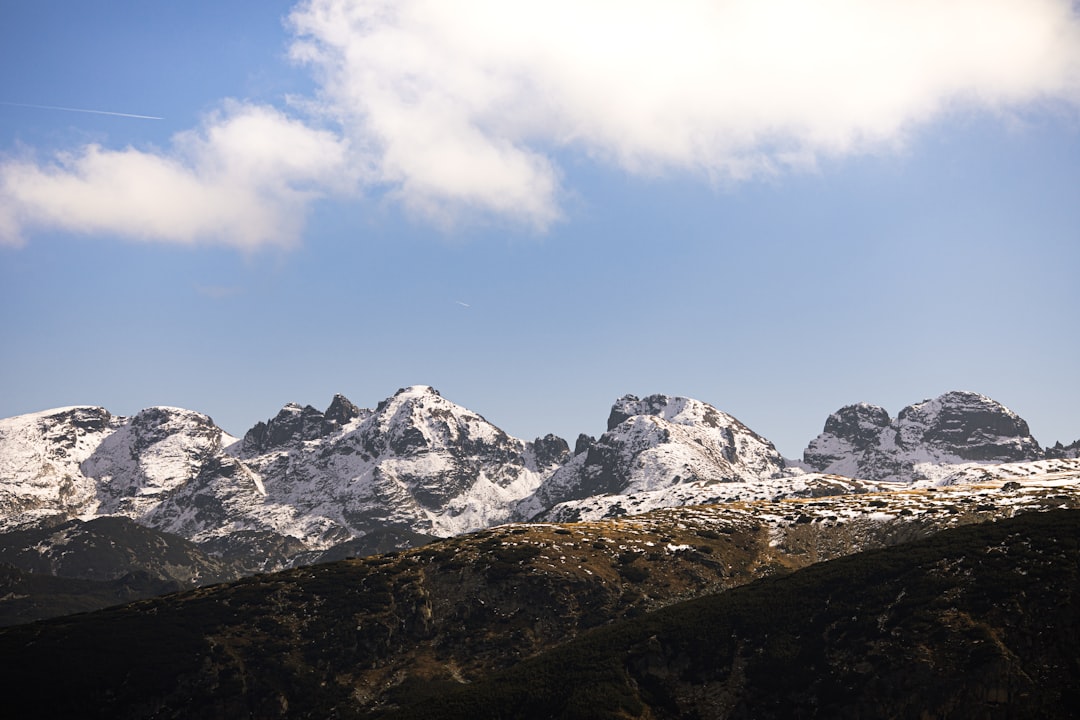
The bus from Sofia is old enough to have voted in the first free elections, rattling along a serpentine road that seems designed to test the structural integrity of the human spine. I am sitting next to a man in a faded military jacket who is eating a sandwich wrapped in newspaper and staring out the window with the intensity of a man who has seen things. We are heading toward the spine of the Balkans, the Rila range, where the air gets thin and the history gets thick. By the time we hit the mountain passes, the sun is bleeding out over the peaks, casting long, jagged shadows across the pine forests. This is not a gentle hike. This is a vertical assault on the highest point in the Balkan Peninsula, a place where Orthodox Christianity and raw alpine wilderness collide in a way that feels both ancient and violently modern. I am here to climb Musala, but first, I have to survive the descent into the valley of monks and miracles.
There is a specific kind of silence in the Rila Mountains that you don't find in the lower elevations. It is heavy, pressed down by centuries of snow and the weight of stone walls. I arrived at the base with my boots muddy and my lungs burning, expecting a simple trek. What I got was a pilgrimage. The trail to the summit is not just a physical challenge; it is a psychological one. You are walking through a landscape that has been shaped by hermits, emperors, and ice ages. The people here don't talk about "nature" in the abstract. They talk about the mountain as a living entity, a guardian of the faith and the nation. And if you make it to the top, you aren't just a hiker. You are a conqueror of the Balkan roof.
The Stone Heart of the Faith
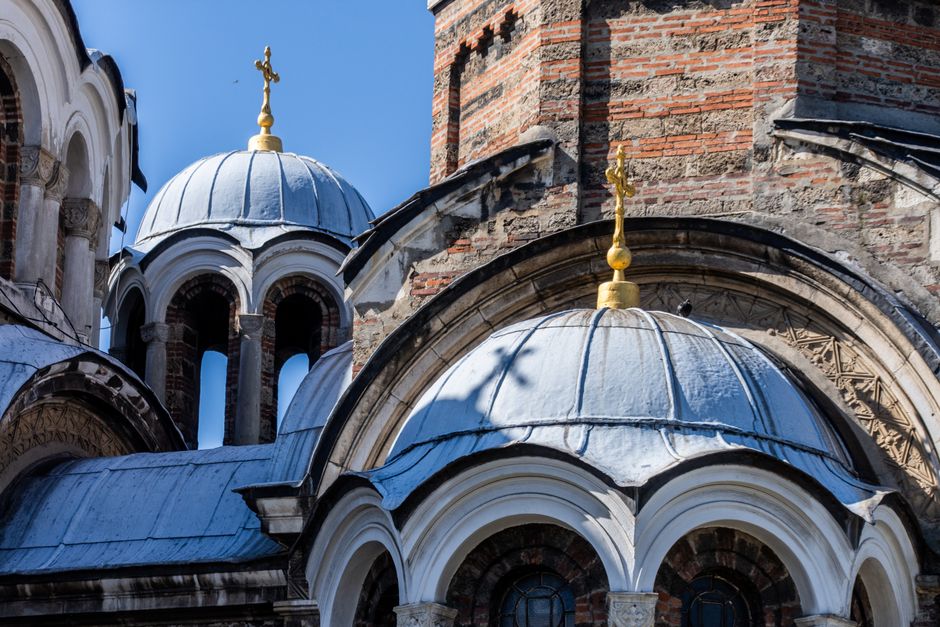
Before you think about the vertical gain, you have to understand the cultural anchor of this region. Rila Monastery is not just a tourist stop. It is the spiritual center of Bulgaria, a fortress of faith that has survived Ottoman rule, communist repression, and the ravages of time. Built in the 10th century and expanded over the centuries, this complex is a sprawling maze of stone walls, wooden galleries, and golden domes. It sits in a valley that feels like a separate country, protected by high walls and a sense of solemnity that permeates the air. The frescoes inside are vivid, almost garish in their intensity, depicting saints and sinners in a visual language that is both beautiful and terrifying. You can feel the eyes of the icons watching you as you walk through the courtyards. This is not a place for casual tourism. It is a place for reflection, for prayer, and for understanding the deep roots of Bulgarian identity.
The monastery is a UNESCO World Heritage site, but that label feels inadequate to describe its power. The architecture is a mix of Byzantine and local styles, with intricate woodwork and stone carvings that tell stories of resilience. The main church, dedicated to the Nativity of the Virgin Mary, is the heart of the complex, its interior bathed in the golden glow of oil lamps. Outside, the gardens are meticulously kept, a contrast to the wild, untamed mountains that rise up behind the walls. It is a place of order in a landscape of chaos. I spent an hour just sitting on a bench in the courtyard, watching the monks move with a quiet purpose, their black robes a stark contrast to the green of the pines and the grey of the stone. It is a reminder that this mountain is not just a physical challenge, but a spiritual one.
The Ascent to the Roof of the Balkans
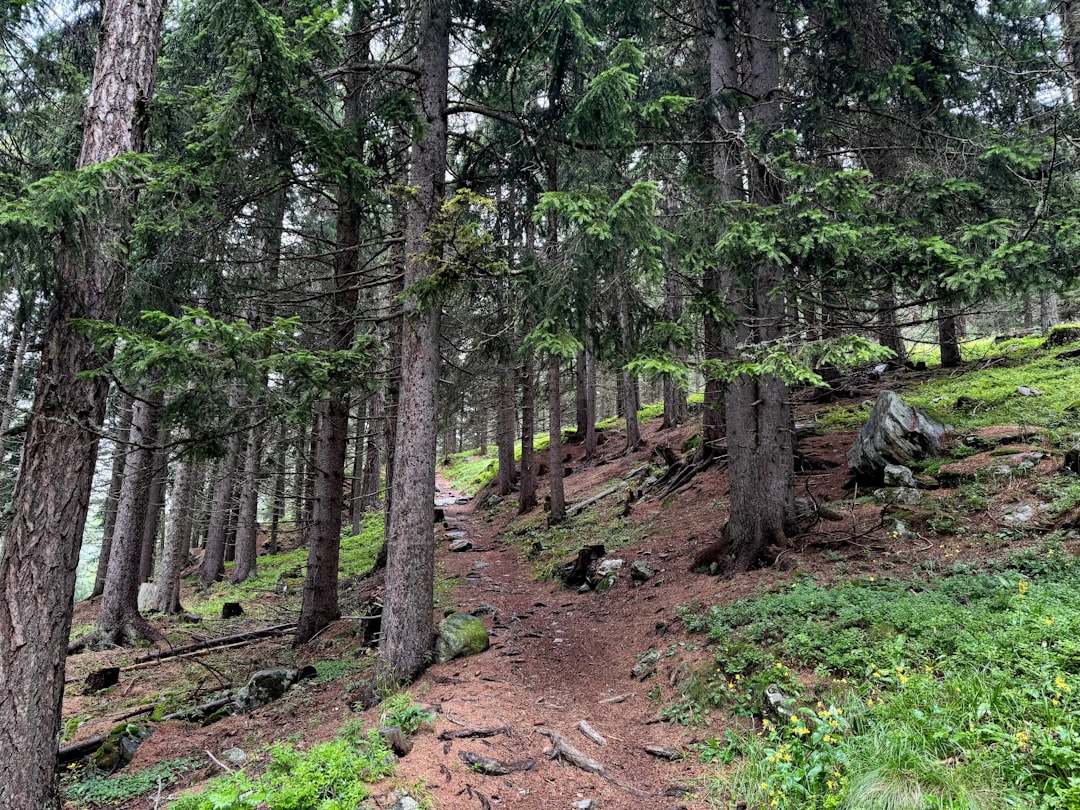
The real test begins at the Rila Monastery parking lot, where the trail to Musala starts. The first few kilometers are a gentle walk through a forest of pines and firs, the air cool and smelling of damp earth. But as you climb higher, the trees thin out, and the landscape opens up into a world of rock and sky. The trail is well-marked, but it is not easy. The elevation gain is relentless, and the air gets thinner with every step. By the time you reach the Banderitsa hut, you have already climbed over 1,000 meters, and your legs are burning. But this is only the halfway point. The final push to Musala is a steep, rocky scramble that tests your endurance and your will.
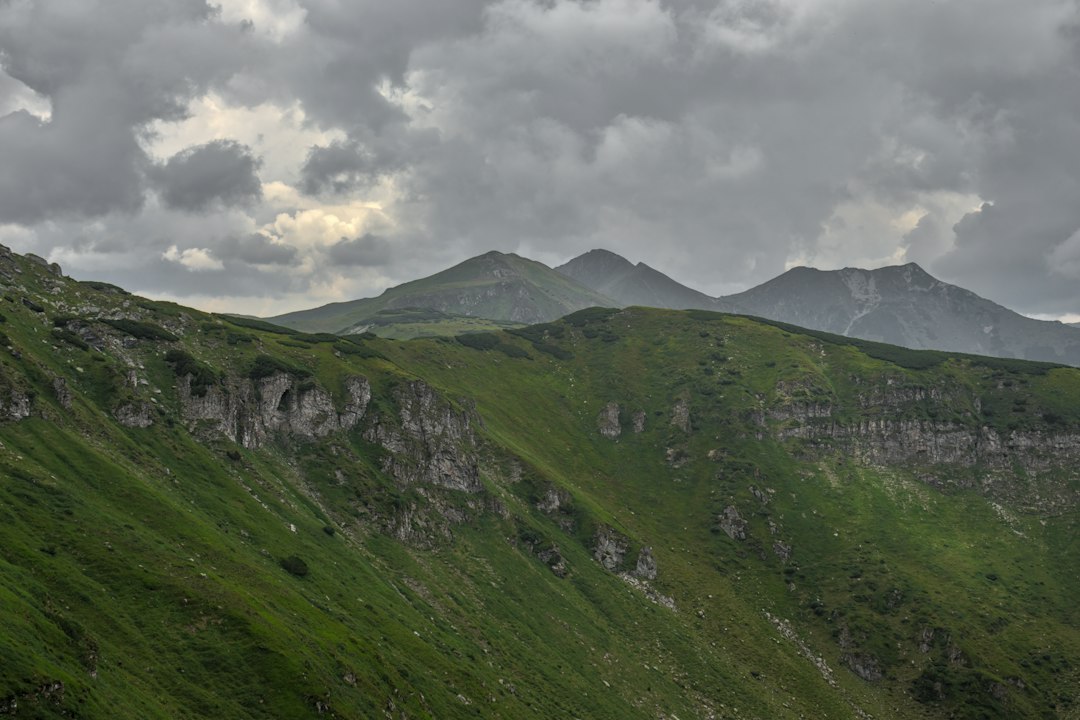
The Banderitsa hut is a crucial stop, a refuge for climbers and hikers who are making the long trek to the summit. It is a simple, stone building with basic amenities, but it offers a place to rest and refuel before the final challenge. From here, the trail becomes steeper and more technical, with sections of loose rock and narrow ledges. The view from the hut is spectacular, looking down on the Rila Monastery valley and up toward the jagged peaks of the Musala massif. But the view is not the point. The point is to reach the top. The final stretch to Musala is a grueling climb, but the reward is worth it. Standing on the summit, with the cross towering above you and the clouds swirling below, you feel a sense of accomplishment that is hard to describe. You have conquered the highest peak in the Balkans, and for a moment, you feel like you own the sky.
Routes & Trail Info
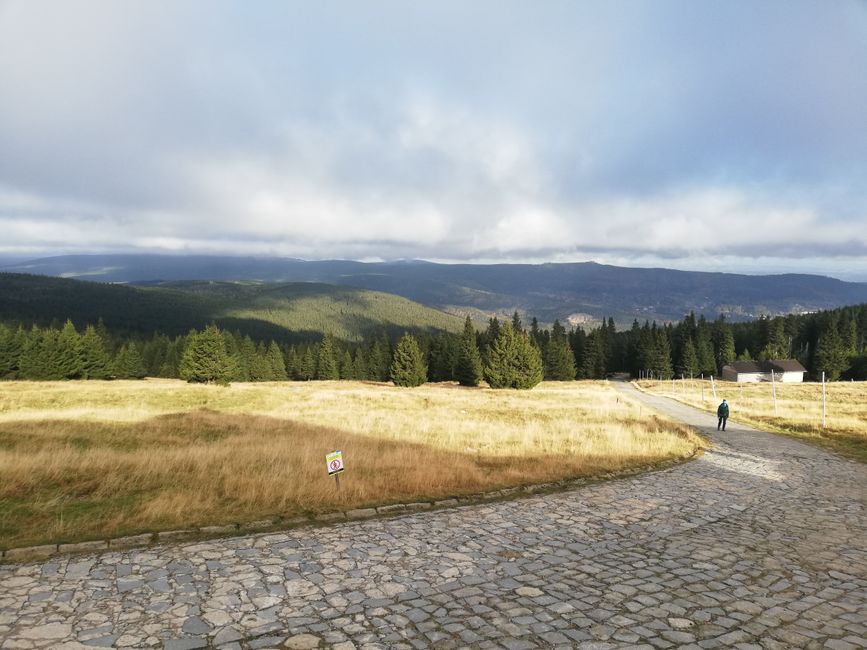
The standard route to Musala starts at the Rila Monastery and follows the main trail to the Banderitsa hut, then continues to the summit. This is the most popular route, and it is well-maintained, but it is also the longest and most strenuous. The total distance from the monastery to the summit is about 12 kilometers one way, with an elevation gain of over 1,500 meters. It is a full-day hike, taking most people 8-10 hours to complete. There are alternative routes, including a shorter but steeper path from the Rila ski resort, but the monastery route is the most scenic and the most rewarding. If you are not in good shape, or if you are not prepared for the physical challenge, do not attempt this hike. It is not a casual walk in the park. It is a serious mountain climb that requires preparation, endurance, and respect for the terrain.
For those who want to break the hike into two days, the Banderitsa hut is the ideal base. You can hike from the monastery to the hut on the first day, spend the night, and then make the final push to the summit early the next morning. This allows you to avoid the midday heat and the crowds, and it gives you more time to enjoy the views. The hut is basic, with dormitory-style accommodation and simple meals, but it is clean and safe. It is a place to rest and recover, to prepare for the final challenge. Whether you choose to do the hike in one day or two, the key is to be prepared. Bring plenty of water, food, and warm clothing, even in summer. The weather on the mountain can change quickly, and you need to be ready for anything.
Getting There & What to Expect
Getting to the Rila Monastery is easy from Sofia, which is about 120 kilometers away. There are regular buses and minibuses that run from the capital to the monastery, taking about 2-3 hours depending on traffic. You can also drive, but parking at the monastery is limited, especially in peak season. Once you are at the monastery, the trail to Musala starts right outside the main gate. The hike is possible from May to October, depending on the snow conditions. The best time to go is in late summer or early autumn, when the weather is stable and the crowds are thinner. In winter, the trail is closed, and the mountain is covered in snow.
Accommodation in the Rila region is limited. The Banderitsa hut is the only option on the mountain, and it fills up quickly in peak season. If you prefer more comfort, there are hotels and guesthouses in the nearby town of Rila, which is about 10 kilometers from the monastery. Prices for a night at the hut are around 15-20 EUR, while a room in a hotel in Rila can cost 40-60 EUR. Meals at the hut are simple but hearty, with prices around 10-15 EUR for a main course. In Rila, you can find a wider range of restaurants, with prices similar to those in Sofia. Whether you choose to stay on the mountain or in the town, the key is to book in advance, especially if you are planning to go during the busy season. This is a popular destination, and you don't want to be left without a place to sleep.
Search accommodation in Rila on Booking.com →
The Descent into Reality
Walking back down the mountain is a strange experience. Your legs are shaking, your lungs are burning, and your mind is still high up in the clouds. The trail is the same, but it feels different. You are no longer a conqueror. You are just a tired hiker, trying to get back to civilization. The monastery looks smaller from the bottom, a tiny cluster of stone and gold against the vastness of the mountain. And yet, it feels bigger. It has absorbed your effort, your struggle, your triumph. It is a place that remembers. As I walk through the gates, I feel a sense of peace that I haven't felt in years. The mountain has given me something, and I have given it something in return. It is a fair exchange. The bus ride back to Sofia is quiet, the passengers asleep or staring out the window. I am awake, watching the world go by, feeling the weight of the mountain in my bones. I have climbed the highest peak in the Balkans, and for a moment, I have touched the sky. But the mountain is still there, waiting for the next challenger. And I know I will be back.
Comments