


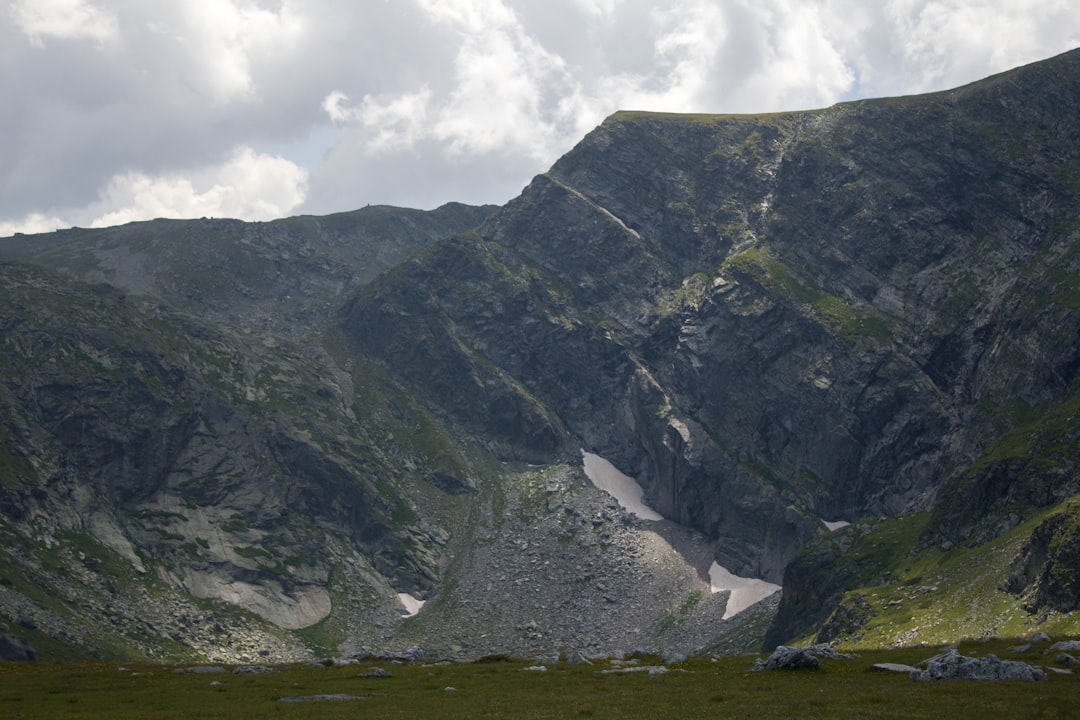
The air up here tastes like pine resin and old stone. I sat on the cold granite steps of Rila Monastery Rila Monastery, watching a pack of tourists shuffle past in their neon jackets, clutching prayer books and trail maps like they were the same thing. A monk with eyes like flint walked by, ignoring the flashbulbs, his boots crunching on gravel that had seen centuries of pilgrims. I was here for two reasons: to see the soul of Bulgarian Orthodoxy and to stand on the roof of the Balkans. It’s a clash of worlds—incense and altitude, prayer and sweat—and somehow, it works.
Most people treat these two places as separate checkboxes. You do the monastery, you do the mountain. But the real magic is in the tension between them. The monastery is the anchor, the spiritual weight holding the region down. Musala Peak Musala Peak is the release, the jagged finger pointing at the sky. Doing both in one trip isn’t just efficient; it’s a pilgrimage of a different kind. You go down into the earth of history, then up into the thin air of the present. Let’s talk about how to do it without losing your mind.
History & Identity
Rila Monastery isn’t just a building; it’s a fortress of identity. Founded in the 10th century by St. John of Rila St. John of Rila, it burned down, was rebuilt, burned again, and survived centuries of Ottoman rule. It’s the most visited site in Bulgaria, not just because of the art, but because it represents the survival of Bulgarian culture. When you walk through its gates, you’re walking through layers of defiance. The frescoes, the icons, the very stone walls—they’re a statement that this place, this people, endured.
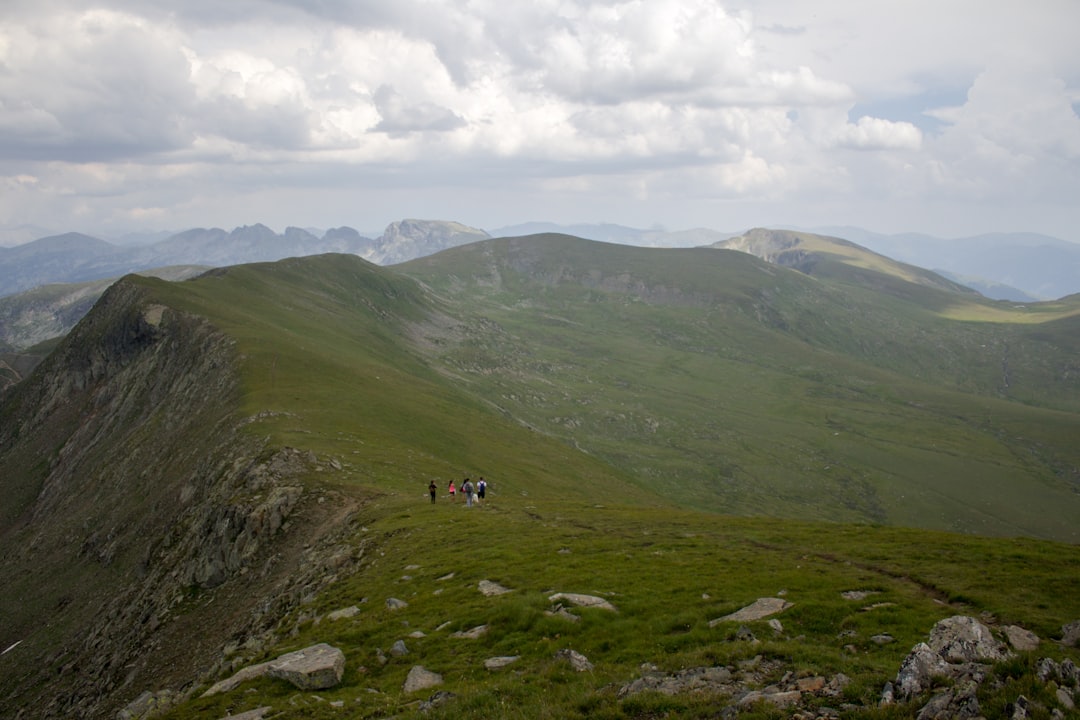
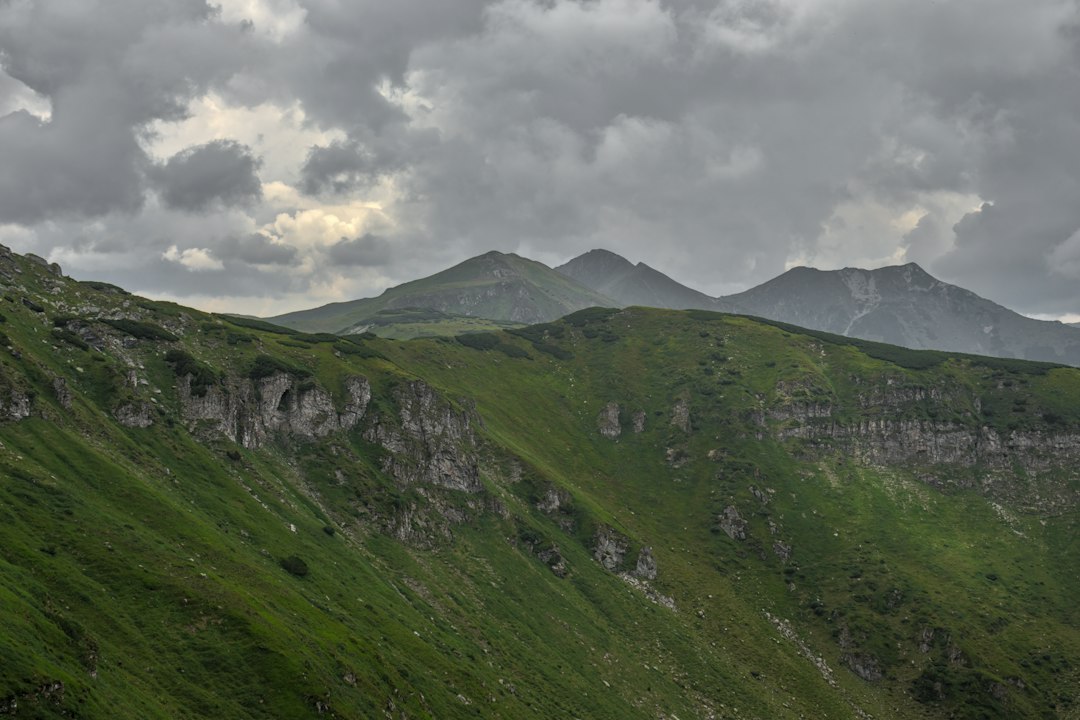
Then there’s Musala. At 2,925 meters, it’s the highest point in Bulgaria and the entire Balkan Peninsula. It’s not just a number on a map; it’s a physical challenge. The mountain range itself, Rila Rila, is the largest in the country, a wild, rugged spine that has shaped Bulgarian identity for millennia. The mountain is the body; the monastery is the soul. You can’t understand one without the other. The monks who lived here for centuries knew the mountain intimately. They didn’t just pray in the shade; they climbed it. They survived the winters that still kill hikers today.
The connection between the two is deeper than tourism. The monastery sits at the foot of the range, a base camp for the spiritual and the physical. When you hike to Musala, you’re not just climbing a peak; you’re stepping into the same landscape that shaped Bulgarian saints, writers, and revolutionaries. The mountain is a character in Bulgarian history, not just a backdrop. And the monastery is its heart.
Where to Go
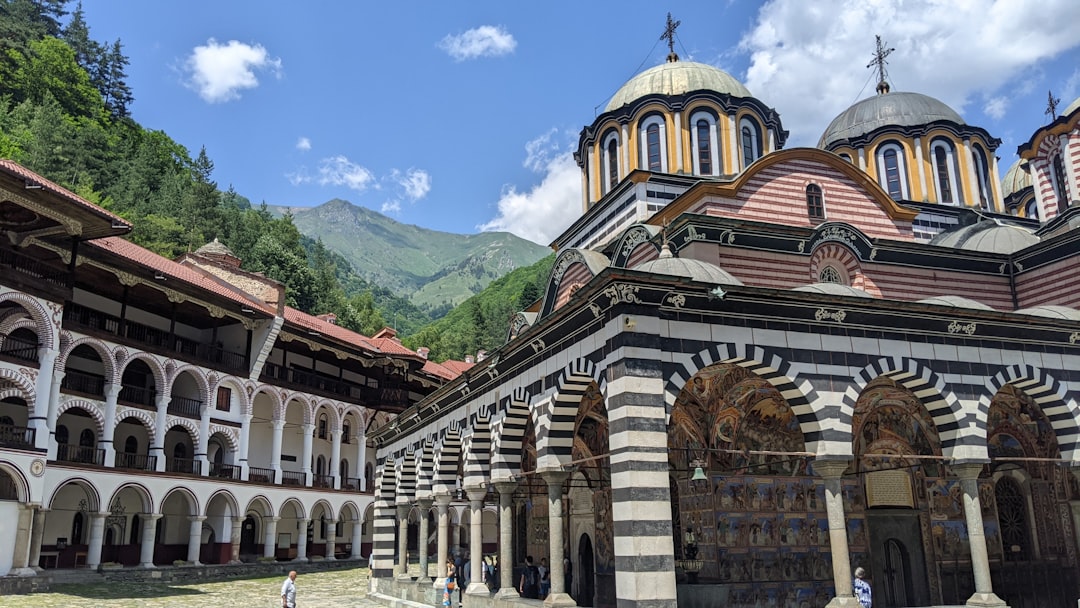
Rila Monastery — This is the main event. A massive complex of churches, bell towers, and frescoes. The main church is packed with icons that look like they’re staring into your soul. Entry is 15 EUR for foreigners, which feels steep until you see the detail in the paintings. Go early, before the buses arrive, and you’ll have the place to yourself. The silence here is heavy, purposeful. Don’t rush. Let the weight of it sink in. Rila Monastery is not a photo op; it’s an experience.
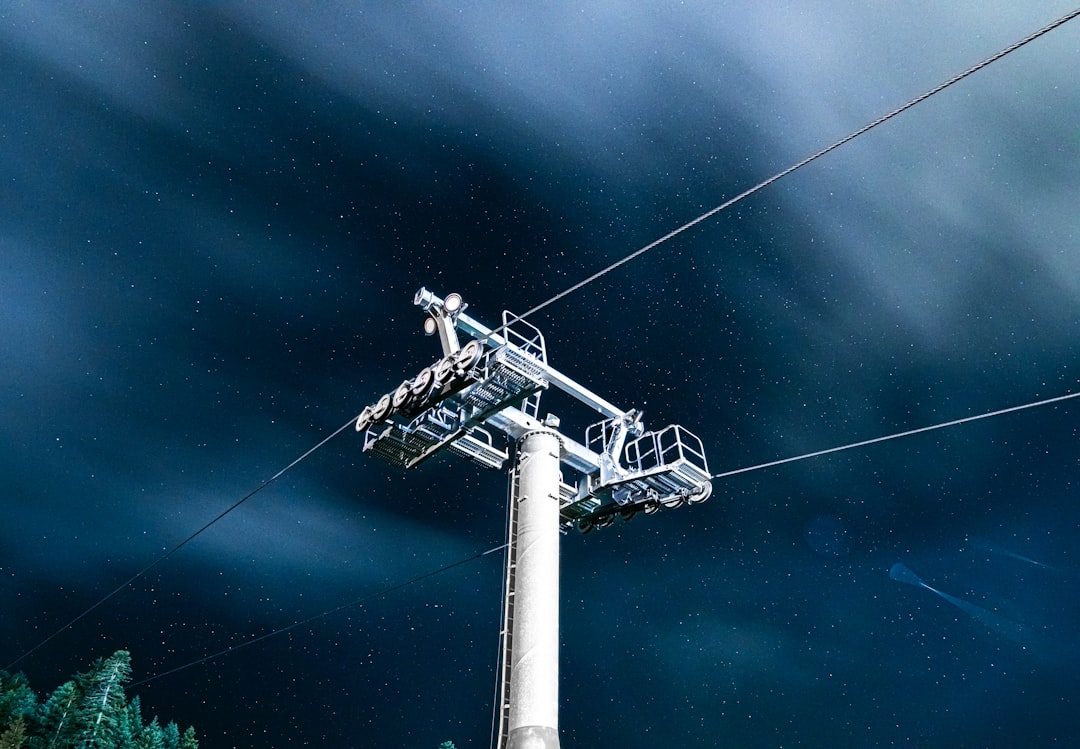
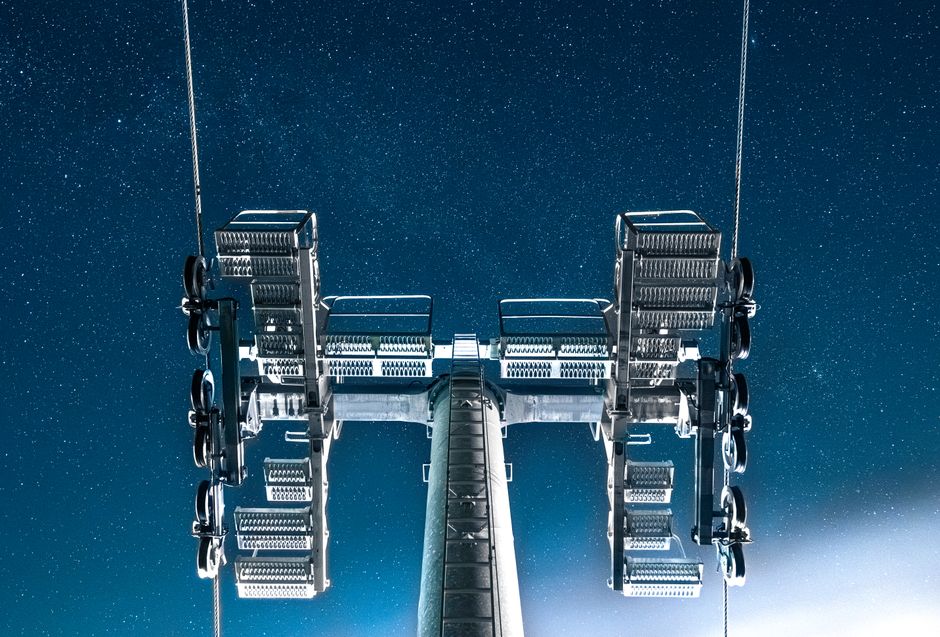
Borovets Ski Resort — This is your launchpad for Musala. Even in summer, it’s a busy hub. The cable car from Borovets to Yastrebets Peak is the first step of the hike. The ride up is smooth, the views are sharp, and the air gets colder with every meter. Borovets is also where you’ll find the most accommodation, from cheap hostels to mid-range hotels. It’s not pretty, but it’s functional. Think of it as a base camp, not a destination.
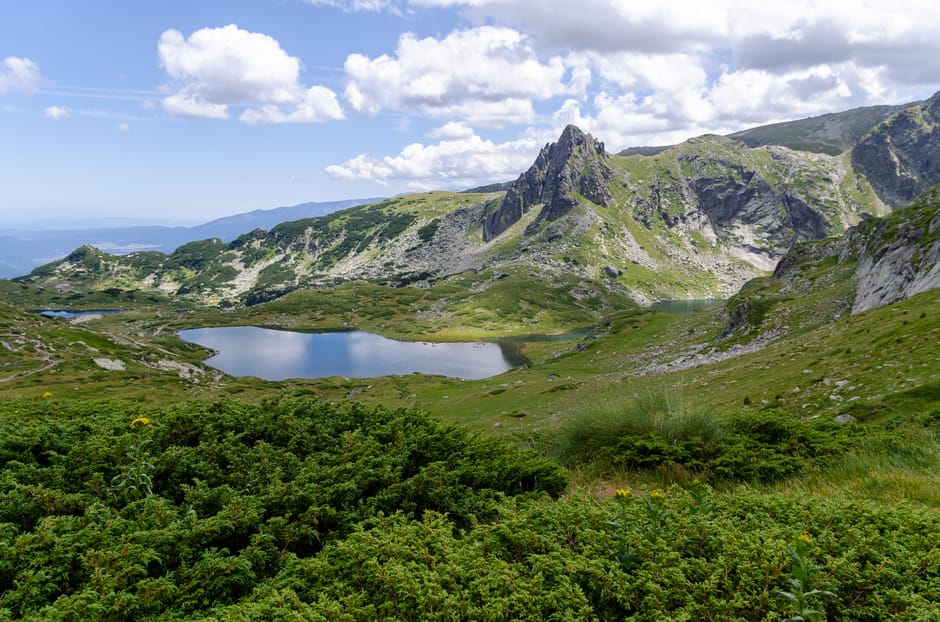
Yastrebets Peak — The cable car drops you here at 2,510 meters. It’s the highest point accessible by lift in Bulgaria. From here, the real hike begins. The view is 360 degrees of jagged peaks and deep valleys. It’s the last place you’ll see civilization before the trail gets serious. There’s a small restaurant here, serving overpriced sandwiches, but the view is free. Take a moment. Breathe. Then start walking.
Musala Peak — The summit. 2,925 meters. The highest point in the Balkans. The trail from Yastrebets is steep, rocky, and relentless. But when you reach the top, there’s a small chapel and a cross. It’s not much, but it’s enough. The view is of everything. The clouds are below you. The air is thin. You feel small, and that’s the point. This isn’t just a hike; it’s a confrontation with scale.
What to Eat & Drink
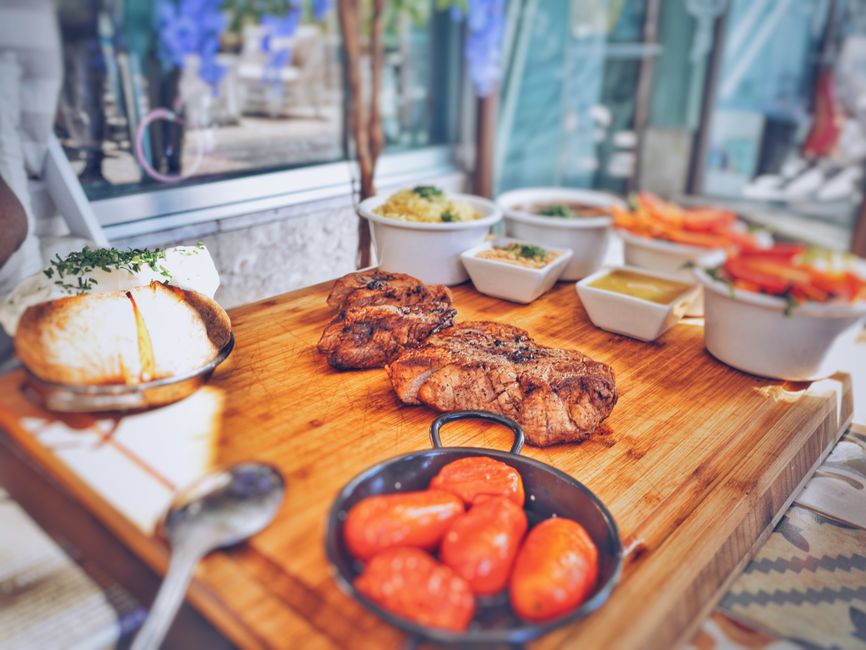
Food in Rila isn’t about Michelin stars; it’s about fuel and tradition. In the monastery, there’s a small shop selling local honey, rakia, and icons. The honey is good, the rakia is strong, and the icons are cheap. In Borovets, you’ll find standard mountain food: sausages, cheese, bread. It’s not fancy, but it’s hearty. Here’s what to expect:
Shopka Salad — 3-5 EUR. Tomatoes, cucumbers, peppers, onions, and sirene cheese. Simple, fresh, and essential. Shopska Goulash — 8-12 EUR. A meat and vegetable stew, thick and savory. Good for warming up after a hike. Byurек — 2-4 EUR. Phyllo pastry filled with cheese or meat. Cheap, filling, and available everywhere. Rakia — 2-5 EUR. Fruit brandy, usually plum or grape. Strong enough to strip paint, perfect for a cold evening. Local Beer — 2-3 EUR. Usually a Bulgarian lager, cold and crisp. Not award-winning, but it does the job.

Budget breakdown: Street food or take-away is under 5 EUR per meal. A sit-down meal in Borovets runs 10-15 EUR per person. Mid-range hotels with breakfast included start around 40-60 EUR per night. If you’re on a tight budget, hostels in Borovets go for 15-25 EUR per night. There’s no fine dining here, and that’s fine. The food is meant to refuel you, not impress you. Eat well, hike hard, sleep early.
Nightlife
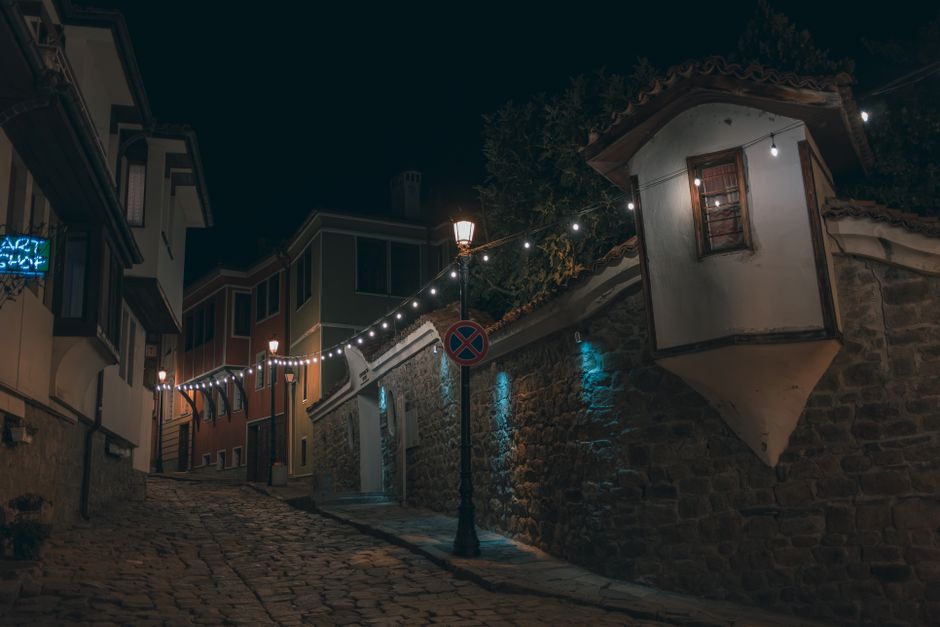
Nightlife in Borovets is a joke, and that’s okay. It’s a ski resort, not a party town. In summer, there are a few bars near the main street, playing Bulgarian pop or rock. The crowd is mostly locals and a few tourists too tired to party. The highlight is sitting outside with a beer, watching the sun go down behind the mountains. The air is cool, the views are sharp, and the silence is almost absolute. There’s no club scene, no neon lights, no bass dropping. Just the sound of the wind and the occasional clink of glasses.
If you’re looking for nightlife, this isn’t it. But if you’re looking for a place to unwind after a day of hiking, it’s perfect. The bars are cheap, the drinks are cold, and the atmosphere is relaxed. No pretension, no noise, just a quiet end to a hard day. It’s not exciting, but it’s peaceful. And after a day on Musala, peace is exactly what you need.
Getting There & What to Expect
Getting to Rila Monastery is easy. It’s about 120 km southwest of Sofia Sofia, the capital. Buses leave from Sofia’s central bus station every hour, taking about 2.5 hours and costing around 5-7 EUR. The ride is scenic, winding through valleys and forests. If you’re driving, the road is good, but watch for sharp turns. From the monastery, you can take a bus or taxi to Borovets, about 30 km away. The bus takes 45 minutes and costs 3-4 EUR. Taxis are more expensive, around 20-25 EUR, but faster.
Search accommodation in Borovets on Booking.com →
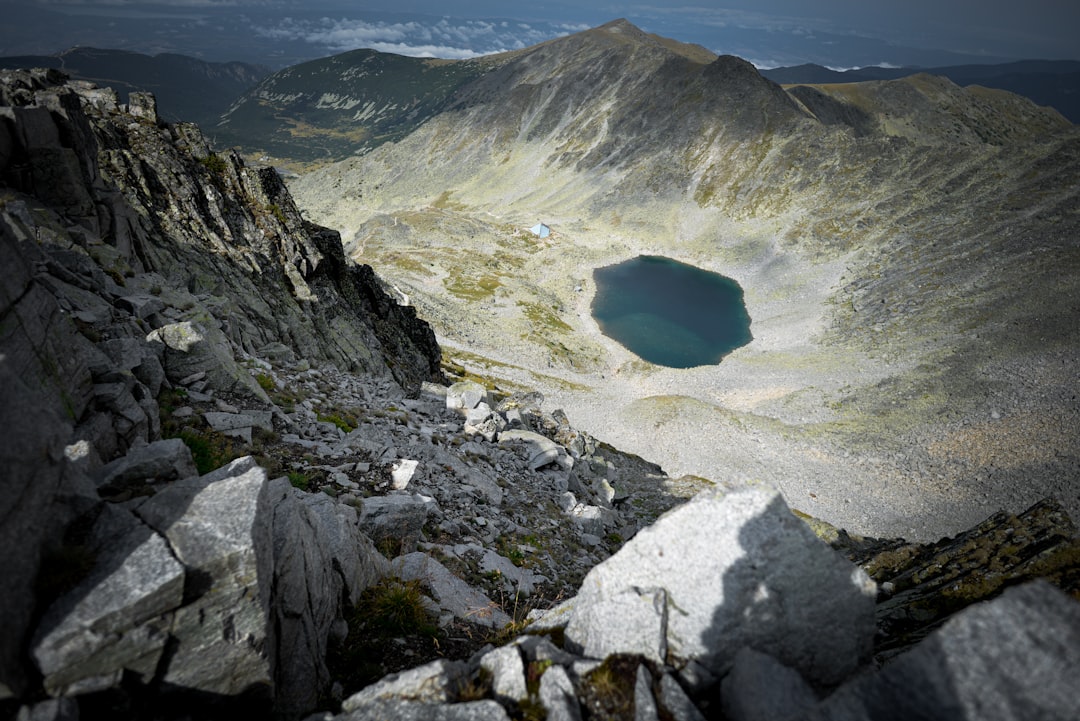
Getting to Musala is harder. You need to hike. The most common route is from Borovets, via the cable car to Yastrebets Peak. The cable car costs 20 EUR for a round trip. From Yastrebets, it’s a 3-4 hour hike to Musala, covering about 7 km with an elevation gain of 400 meters. It’s steep, rocky, and exposed. Bring water, sun protection, and good shoes. The trail is well-marked, but the weather can change fast. Start early, before noon, to avoid afternoon storms. The hike back down takes 2-3 hours. Total time: 6-8 hours. It’s not a casual walk; it’s a serious hike. But the view from the top is worth it.
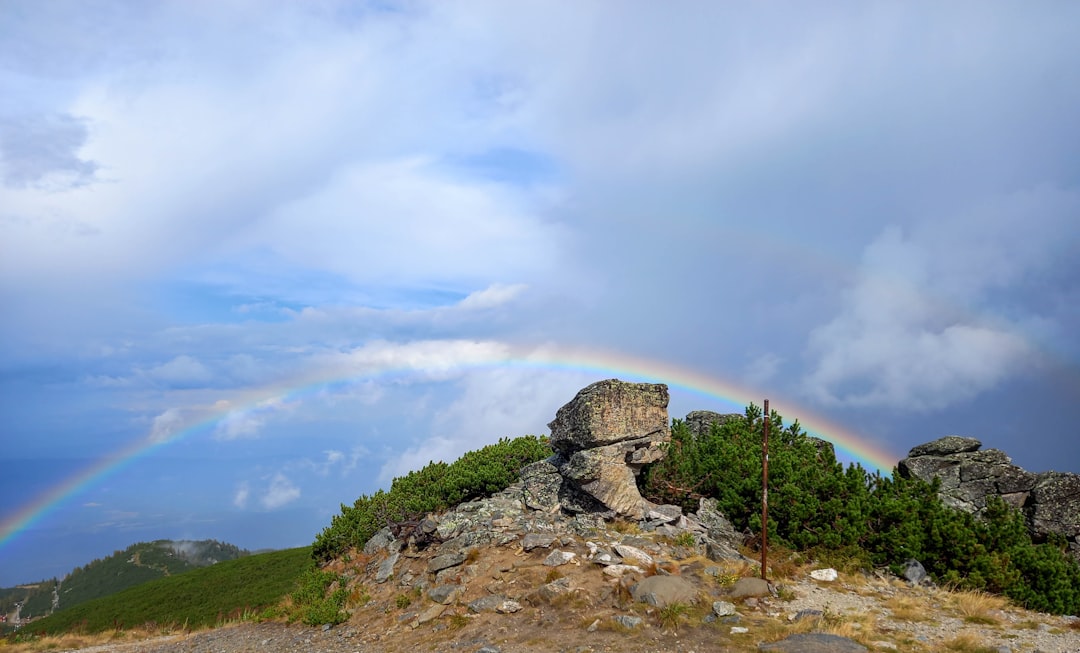
Accommodation in Borovets ranges from 15-25 EUR for hostels to 40-60 EUR for mid-range hotels. There’s no camping near the trailhead, so plan ahead. The best months to visit are June to September, when the weather is stable and the trails are clear. July and August are the busiest, so book early. May and October can be rainy and cold, but the crowds are smaller. Winter is for skiing, not hiking. The mountain is beautiful year-round, but the summit is only accessible in summer.
The Ascent of Silence
I made it to the top of Musala just as the clouds started to roll in. The air was thin, sharp, and cold. The chapel stood empty, the cross stark against the grey sky. I sat on a rock, breathing hard, feeling the weight of the mountain in my legs. Below, the world was hidden. Above, the sky was closing in. It was terrifying and beautiful. I thought about the monks who had climbed this mountain centuries ago, not for the view, but for the silence. They knew something we’ve forgotten: that the highest places are the quietest. And in that silence, you hear yourself. Not the tourist, not the hiker, but the person underneath. It’s a rare thing, that kind of clarity. The monastery gave me history. The mountain gave me perspective. Together, they gave me something else: a sense of place. Not just in Bulgaria, but in myself. I walked down slowly, letting the silence follow me. It’s a feeling that doesn’t fade. It stays with you, like the smell of pine and old stone. And when I left, I didn’t just take photos. I took the silence with me.
Comments