


The coffee tastes like burnt rubber and the train smells like wet wool and diesel fumes. I am sitting in a third-class carriage rattling along the riverbank, watching the Danube churn grey and muscular against the Serbian shore. There are no panoramic windows here, no complimentary champagne, no polished silver trays. Just a man in a flat cap selling lukewarm sausages from a plastic bag and a conductor who checks tickets with the weary indifference of a man who has seen it all. This is not the romantic river cruise you see in brochures. This is the raw, unvarnished spine of the Balkans, a rail line that stitches together empires, wars, and stubborn local pride. I am heading north, from the chaotic heart of Belgrade to the orderly spires of Budapest, and the Danube is the only constant companion.
Most travelers fly. They treat the Balkans as a series of disconnected dots. But to fly is to miss the texture of the borderlands. To ride the train is to feel the shift in altitude, the change in dialect, the slow transition from Ottoman shadow to Habsburg order. It is a journey of friction. The tracks are old, the schedules are suggestions, and the landscape is a collage of rusting factories, sunflower fields, and ancient fortresses clinging to cliffs. I packed light, brought a book I didn't read, and prepared for the kind of travel that leaves stains on your shoes and stories in your head.
History & Identity
The Danube is Europe's second-longest river, but in this section, it is a border, a barrier, and a bridge. For centuries, this river defined the limit of the known world for empires. To the south lay the Ottoman sphere; to the north, the Habsburg hegemony. The rail line I am on was built during the Austro-Hungarian era, a testament to imperial ambition and engineering grit. It was designed to move troops and goods, not tourists. You can feel that history in the heavy iron rails and the wide, sweeping curves that follow the river's natural path.
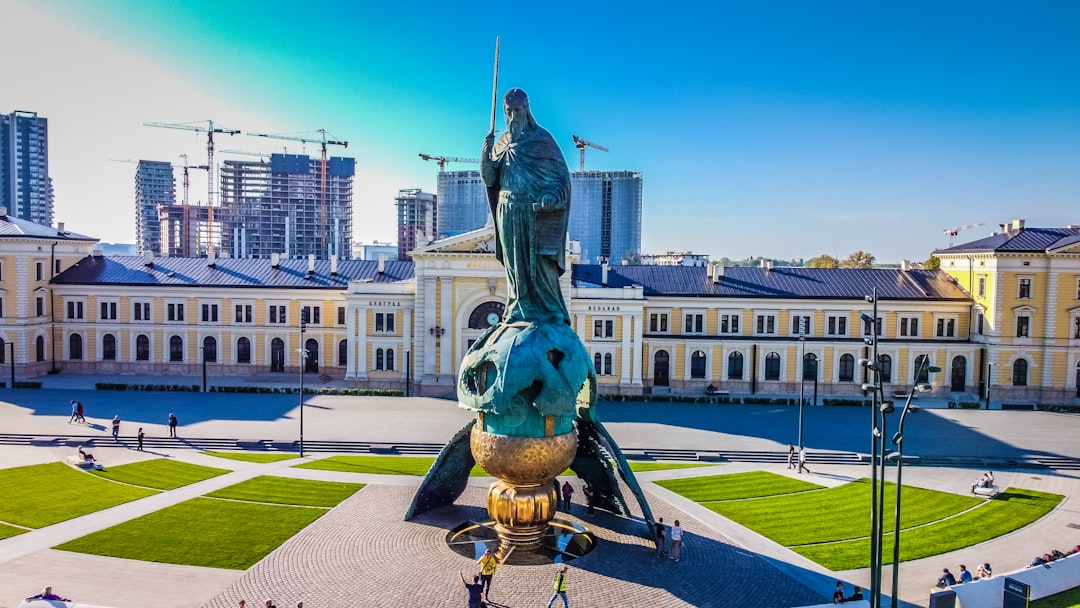
Belgrade sits at the confluence of the Sava and Danube, a city built on layers of conquest. It has been destroyed and rebuilt so many times that the rubble is part of its foundation. The train departs from Belgrade Railway Station, a grand but slightly shabby terminal that smells of old paint and ambition. As the wheels turn, the city recedes, replaced by the rugged terrain of the Fruška Gora mountains. This is Serbia's only national park, a green spine of forests and monasteries that have survived wars, floods, and neglect. The monasteries here are not just religious sites; they are symbols of Serbian survival, perched on hillsides like silent sentinels.
Crossing the border into Croatia is a lesson in bureaucracy. The train slows to a crawl, doors lock, and officials board. There are no dramatic speeches, just stamps and sighs. On the other side lies Vukovar, a city that carries the scars of the 1990s war. The Danube here is wide and slow, reflecting the somber mood of a region still healing. The train passes through small towns where time seems to have paused, where the architecture shifts subtly from Serbian baroque to Hungarian influence. The river remains the same, but the land on its banks tells a different story.
Where to Go
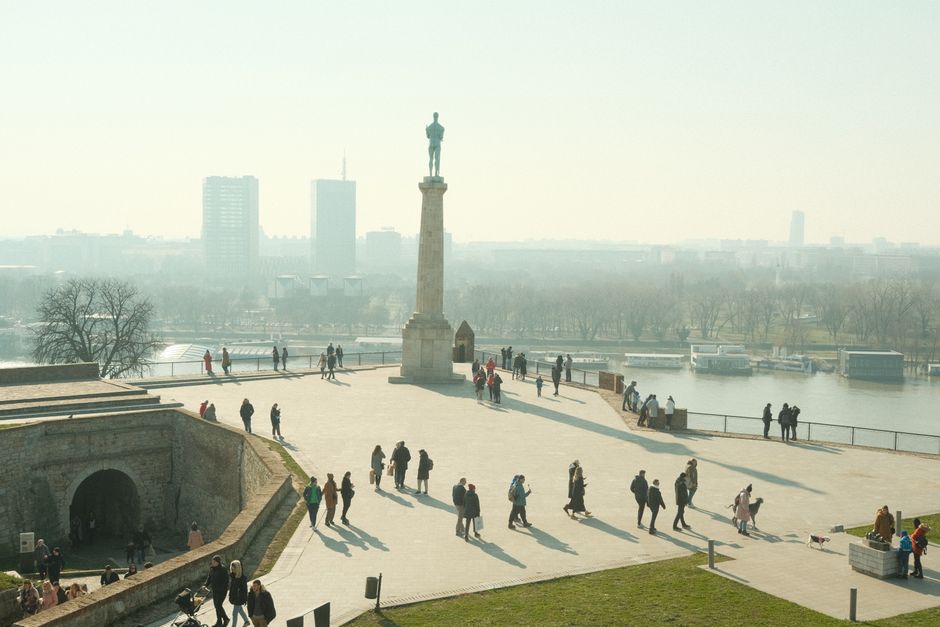
Kalemegdan Fortress — Before you leave, you must see the fortress. It dominates the skyline of Belgrade, a massive complex of walls and towers that have defended the city for millennia. The view from the top, looking down at the confluence of the Sava and Danube, is the perfect prelude to the journey. Entry is free, but the climb is steep. Go at sunset for the best light.
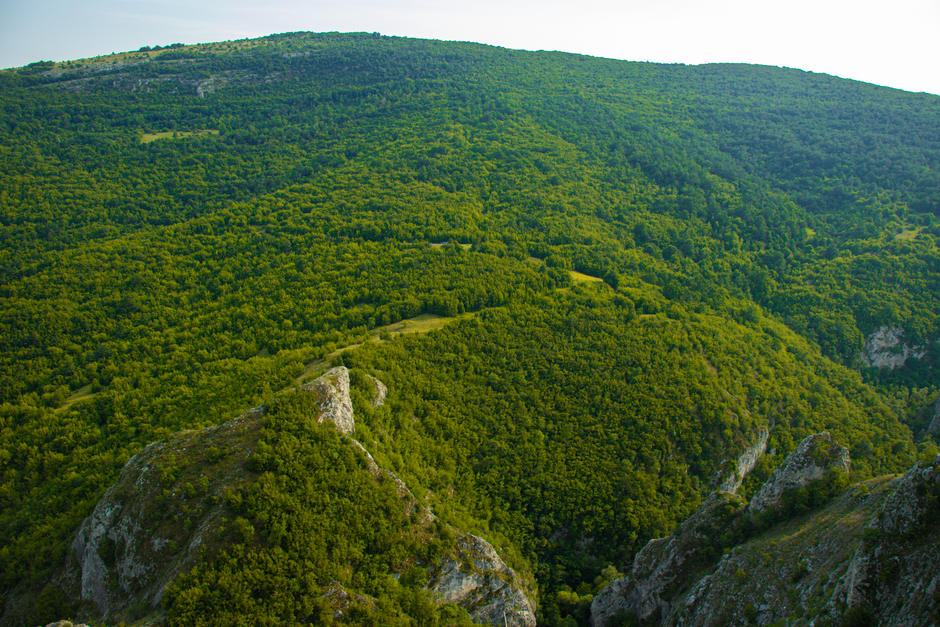
Fruška Gora National Park — As the train winds through the hills, keep your eyes on the green slopes. This park is a maze of forests, vineyards, and monasteries. You can't stop the train here, but the view from the window is a moving panorama of rural life. The monasteries of Grgeteg and Krušedol are particularly striking, their white walls glowing against the dark green trees.
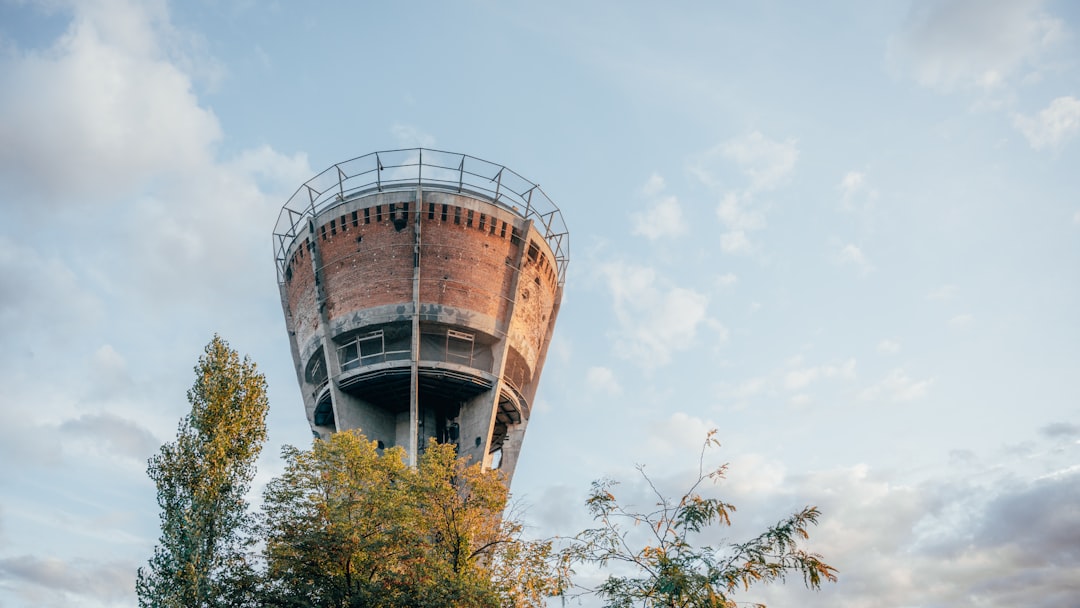
Vukovar Water Tower — This is not a place for sightseeing, but for remembrance. The iconic water tower, half-destroyed by artillery fire, stands as a stark symbol of the Croatian War of Independence. It is a short taxi ride from the train station, but the emotional weight is heavy. The town is quiet, respectful, and deeply affected by its past.
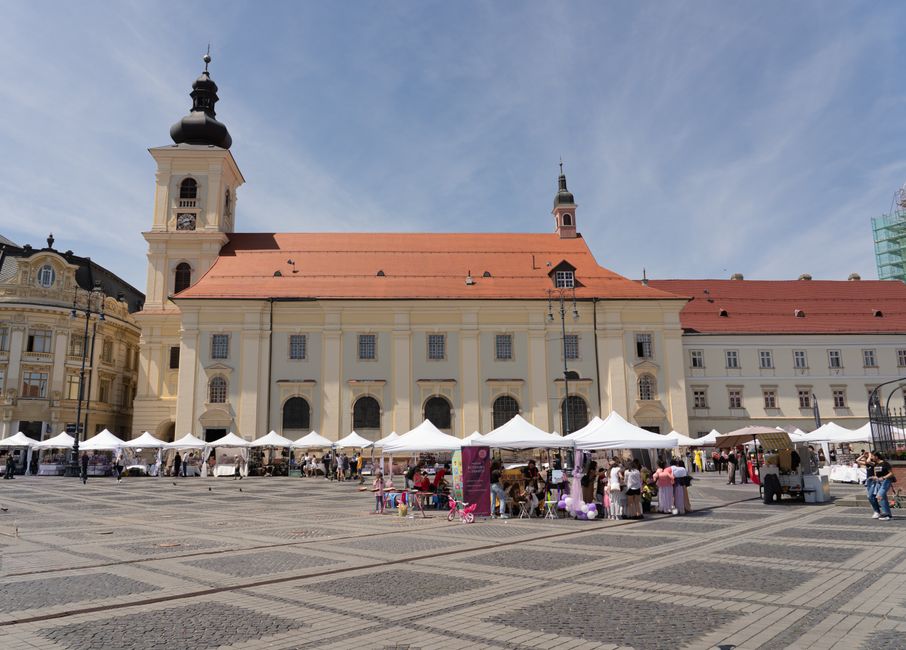
Osijek Old Town — The train passes through Osijek, a charming city with a well-preserved baroque center. If you have time, step out and walk through the main square. The architecture is elegant, the cafes are lively, and the riverfront is a pleasant place to stretch your legs. It is a reminder that life goes on, even in places marked by conflict.
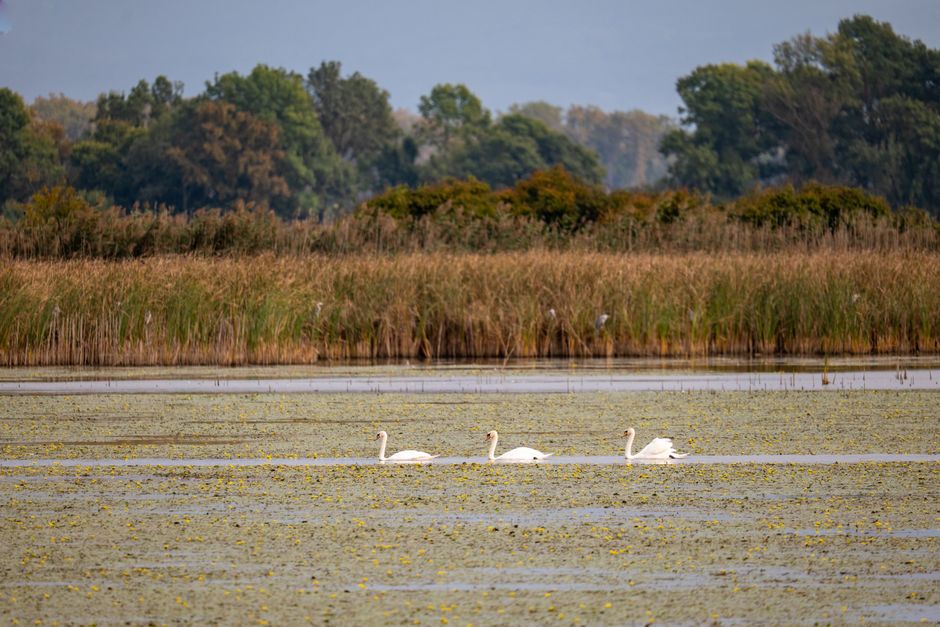
Incel Lake — Near Osijek, the Danube creates a large oxbow lake known as Incel. It is a birdwatcher's paradise and a place of unexpected beauty. The train skirts the edge of the lake, offering glimpses of reeds, water, and wildlife. It is a moment of tranquility in a journey that is otherwise defined by movement and noise.
What to Eat & Drink
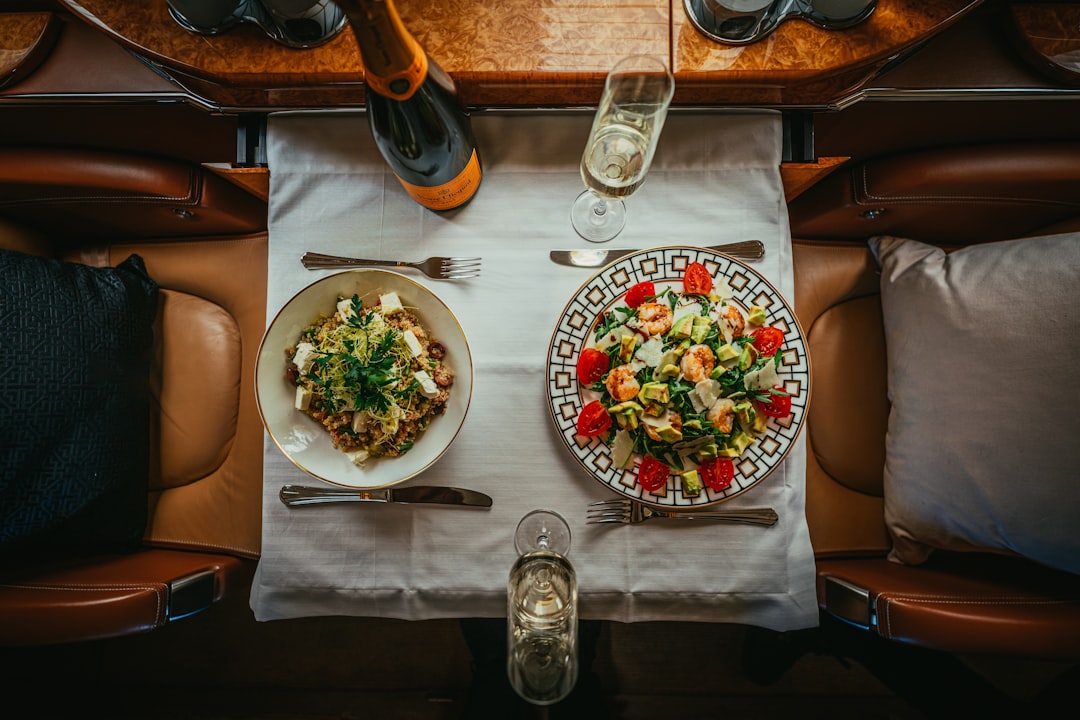
Food on the train is an adventure in itself. The dining car serves ćevapi 4-5 EUR, small grilled meat sausages that are greasy, salty, and deeply satisfying. Pair them with a beer 2-3 EUR from the local brewery, and you have the quintessential Balkan travel meal. If you are lucky, a vendor might come through with fresh sarma 3-4 EUR, cabbage rolls stuffed with meat and rice, wrapped in foil and steaming hot.
In Belgrade, before you leave, eat at a konoba in the Dorćol neighborhood. Try gulaš 6-8 EUR, a hearty stew of beef and paprika, and šopska salata 3-4 EUR, a fresh mix of tomatoes, cucumbers, and onions topped with grated white cheese. For dessert, makovnjača 2-3 EUR, a poppy seed roll, is a must. In Vukovar, look for šunka, a local cured ham that is thinly sliced and served with bread. In Osijek, the Osijek trdelnik, a chimney cake made with local ingredients, is a sweet treat worth seeking out.
Nightlife
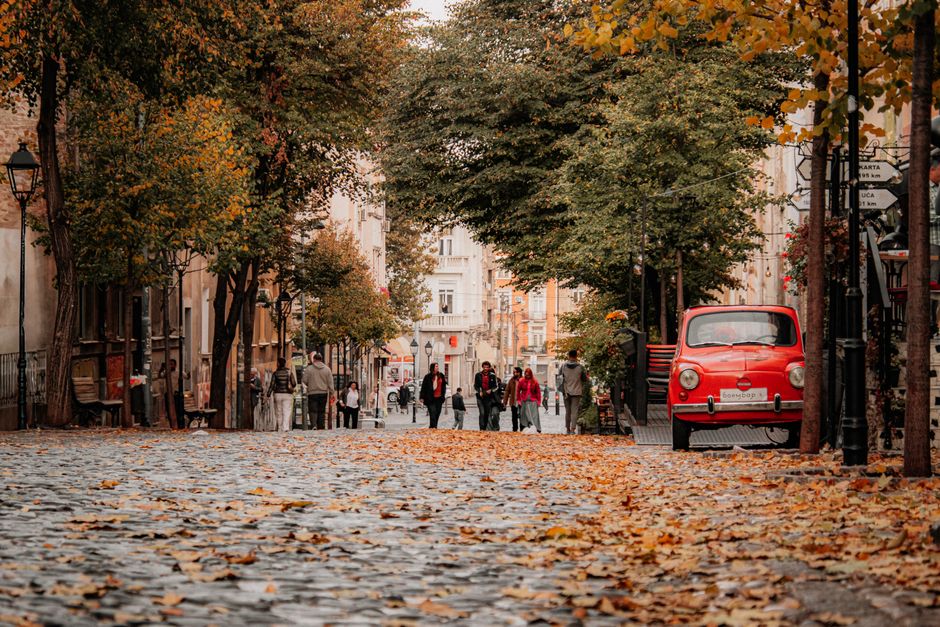
Nightlife on the train is limited to card games and whispered conversations. But in the cities along the way, the nights come alive. In Belgrade, the Savamala district is a hub of bars and clubs, where the party goes late into the night. The Skadarlija bohemian quarter offers a more traditional experience, with live music and wine in cobblestone streets. In Osijek, the Main Square is surrounded by cafes and bars where locals gather to drink rakija and talk politics. The atmosphere is relaxed, friendly, and deeply rooted in local culture.
Getting There & What to Expect
The train from Belgrade to Budapest is a slow, scenic route that takes approximately 12-14 hours. It is not a direct line; you will likely change trains in Osijek or Szeged. The journey requires patience and flexibility. Schedules can change, delays are common, and connections are not always seamless. Bring snacks, a power bank, and a sense of humor.
Tickets can be booked online through the Serbian Railways and Hungarian State Railways websites, or at the station. A second-class ticket costs around 30-40 EUR, while first-class is 50-60 EUR. Accommodation in Belgrade ranges from budget hostels at 15-25 EUR per night to mid-range hotels at 50-80 EUR. In Budapest, prices are higher, with hostels starting at 20-30 EUR and hotels at 60-100 EUR. The best time to travel is spring or autumn, when the weather is mild and the landscapes are vibrant. Summer can be hot and crowded, while winter brings cold and potential delays.
Search accommodation in Belgrade on Booking.com →
The River's Whisper
As the train finally pulls into Budapest Keleti Station, the city's grand architecture rises before me like a dream. The journey has been long, uncomfortable, and utterly unforgettable. I have crossed borders, tasted strange foods, and watched the Danube change from a wild river to a civilized waterway. The rail line has shown me the Balkans not as a tourist destination, but as a living, breathing entity. It is a place of contrasts, of beauty and pain, of resilience and hope. And as I step off the train, into the cool Budapest air, I know I will return. Not for the comfort, but for the truth of the ride.
Comments