


The Heat Beneath the Black Slime
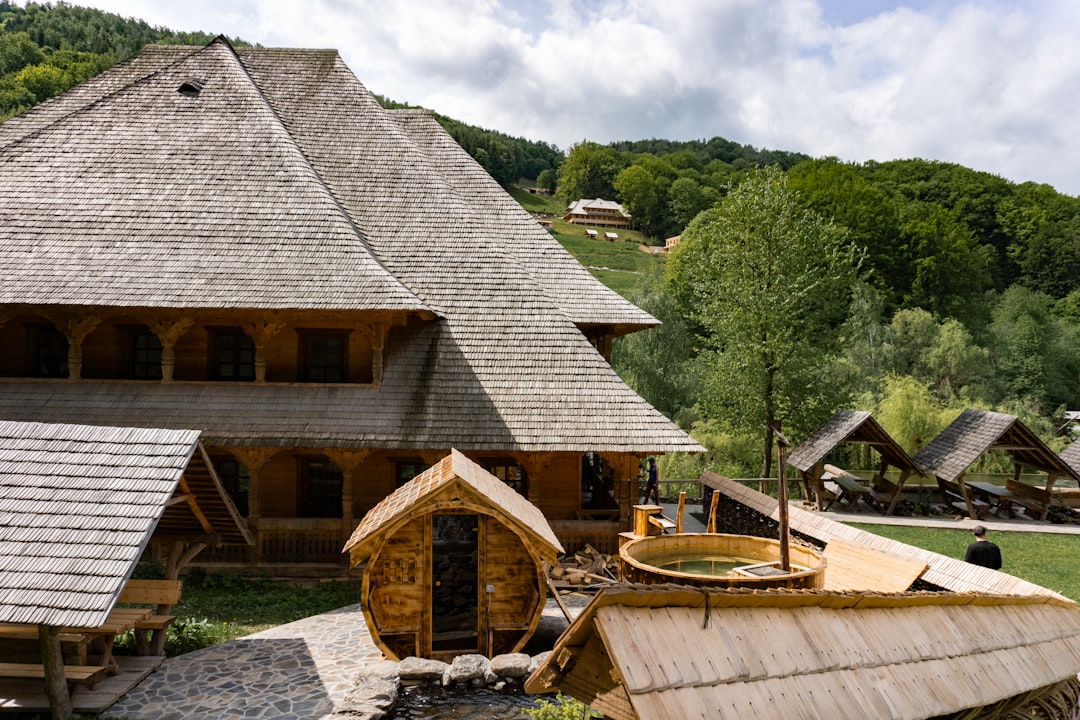
I stand knee-deep in a slurry that smells like a wet dog rolled in sulfur and old pennies. It's not unpleasant, exactly, but it's aggressive. The mud here in Pucioasa, Romania, doesn't just sit there; it radiates warmth that seeps into the marrow of your bones. I'm wearing a plastic cap, staring at a sky the color of bruised iron, while a local therapist named Elena scrapes a layer of cooling goop off my shoulder with a wooden paddle. She tells me this isn't just dirt. It's a living system, a geothermal miracle that has been pumping heat to the surface for centuries, harnessed by engineering that is as practical as it is ancient. This is the heart of the Câmpia Pucioasa basin, a place where the earth's furnace leaks through cracks in the crust, creating a spa culture that is less about luxury and more about raw, thermal rehabilitation.
The vibe is far from the marble-clad opulence of a Turkish hamam or the sterile silence of a modern wellness retreat. This is functional. It's industrial. It's București's backyard secret, where the air hums with the sound of pumps and the chatter of locals who treat this mud pit like a second living room. I came here expecting a tourist trap; I found a masterclass in geothermal utility. The engineering behind these baths is a marvel of low-tech sustainability, using the natural pressure of underground reservoirs to deliver therapeutic heat without a single watt of electricity for heating. It's gonzo geology: the planet is literally cooking us, and we're just here to soak.
Under my feet, the mud is thick, black, and incredibly warm. It's a mixture of bentonite clay, minerals, and geothermal water that has been heated to 60-65°C deep underground. The engineering trick isn't just in digging a hole; it's in maintaining the flow. The water rises through artesian wells, carrying heat and minerals from depths of over 2,000 meters. The baths are essentially surface manifestations of this deep-earth plumbing. The "engineering" here is a blend of geological luck and human intervention. We drill, we pipe, we contain, and we let the earth do the heavy lifting. It's a system that has evolved over decades, turning a natural phenomenon into a reliable, year-round therapeutic resource. The mud itself is a byproduct of this heat; as the hot water interacts with the surrounding rock layers, it dissolves minerals that precipitate out when the water cools slightly in the pools, creating that thick, clinging sludge that locals swear by for everything from arthritis to stress.
The atmosphere is a study in contrasts. On one side, you have the scientific precision of the thermal measurements and the careful monitoring of the well outputs. On the other, you have the chaotic, communal joy of people stripping down to their swimsuits and plunging into the blackness. There's a sense of equality here that's rare in modern spa culture. The CEO and the construction worker are both covered in the same mud, both waiting for the heat to loosen their joints. It's a great leveler, and it's powered by the fact that the earth doesn't care who you are; it just gives heat to anyone who asks. The engineering is invisible, buried deep, but its effects are tactile and immediate. You feel the warmth before you even enter the pool, radiating from the ground, from the air, from the very bricks that line the baths. It's a reminder that nature is not just a backdrop for human activity; it's an active participant, a partner in our comfort and health. And in Pucioasa, that partnership is as old as the hills, and as modern as the pumps that keep it flowing.
Geology Meets Industry: The Artisanal Pumping System
The reason Pucioasa works is because of the Olt River basin's unique geological structure. The area sits on a complex network of faults and fractures that allow deep, heated water to rise to the surface. The water here is rich in minerals like calcium, magnesium, and sulfur, which are dissolved from the rock layers as it travels up. The engineering challenge has always been to capture this water without depleting the reservoir or letting it cool too much before it reaches the baths. The solution is a system of artesian wells and insulated piping that brings the water directly from the source to the pools. The wells are drilled to depths of 1,500 to 2,500 meters, tapping into the thermal aquifers that lie beneath the surface. The water rises under its own pressure, heated by the geothermal gradient of the earth. This means that no external energy is needed to heat the water; it arrives at the surface already at a therapeutic temperature.
The piping system is a marvel of practical engineering. The pipes are insulated to prevent heat loss as the water travels from the wellhead to the baths. The flow is carefully regulated to ensure that the pools remain at a consistent temperature, usually around 35-40°C for the bathing areas. The mud itself is created by mixing the hot thermal water with a specific type of clay found in the region. This clay is rich in bentonite, a mineral that swells when wet and creates a thick, viscous slurry. The mixing process is simple but effective: the hot water is pumped into a mixing tank, where it is combined with the clay and stirred until it reaches the desired consistency. The mud is then pumped into the baths, where it is allowed to cool slightly before being used. The entire process is continuous, with new mud being added regularly to maintain the quality and temperature of the baths. It's a system that is both ancient and modern, using traditional methods to harness a natural resource in a way that is both efficient and sustainable. The engineering is not flashy, but it is effective, and it has been keeping Pucioasa warm and therapeutic for generations.
What makes this engineering particularly impressive is its resilience. The system has been in place for decades, and it has withstood the test of time, adapting to changes in technology and demand. The wells are regularly maintained, and the piping is inspected for leaks and damage. The mixing tanks are cleaned and sterilized to ensure that the mud remains hygienic. The entire process is monitored by a team of engineers and technicians who ensure that the quality of the water and mud meets strict standards. It's a testament to the ingenuity of the people who built this system, and to the enduring power of the geothermal energy that drives it. The baths are not just a place to relax; they are a functioning piece of infrastructure, a vital part of the local economy and community. And they are powered by the earth itself, a reminder that the most sustainable energy source is the one that has been here all along, waiting to be tapped. The engineering of Pucioasa is a lesson in simplicity and efficiency, a model for how we can harness natural resources in a way that is both beneficial and respectful of the environment. It's a system that works, and it's a system that will continue to work for generations to come.
The Therapeutic Payload: What's Actually in the Mud?
Let's talk about the slime. The mud in Pucioasa is not just dirt and water; it's a complex mixture of minerals and organic compounds that have been heated and pressurized deep underground. The primary ingredient is bentonite clay, which is rich in montmorillonite, a mineral that has strong absorbent and emollient properties. When mixed with the thermal water, the bentonite creates a gel-like substance that clings to the skin, allowing the minerals to penetrate deeply. The water itself is rich in calcium, magnesium, sodium, and potassium, as well as trace amounts of sulfur and iron. These minerals are known for their therapeutic properties, and they are believed to help reduce inflammation, improve circulation, and promote healing. The sulfur in the water is particularly important, as it has antimicrobial and antifungal properties that can help treat skin conditions like eczema and psoriasis. The heat from the thermal water also helps to open the pores and increase blood flow, which further enhances the absorption of the minerals. It's a potent cocktail of natural ingredients, and it's been used for centuries to treat a wide range of ailments.
The science behind the mud baths is still being studied, but the anecdotal evidence is overwhelming. Locals swear by the mud for everything from joint pain to muscle soreness, and many visitors report feeling a significant improvement in their condition after just a few sessions. The heat from the mud helps to relax the muscles and reduce tension, while the minerals help to soothe inflammation and promote healing. The combination of heat and minerals creates a synergistic effect that is greater than the sum of its parts. It's a holistic approach to health and wellness, one that treats the body as a whole system rather than a collection of isolated symptoms. The mud baths are not a cure-all, but they are a powerful tool for promoting health and well-being. And they are powered by the earth itself, a reminder that nature has its own pharmacy, and it's often more effective than anything we can synthesize in a lab. The engineering of Pucioasa is a testament to the power of natural resources, and it's a model for how we can harness these resources in a way that is both beneficial and sustainable. The mud is not just a commodity; it's a gift from the earth, and it's a gift that keeps on giving.
Beyond the physical benefits, there is a psychological component to the mud baths as well. The act of immersing oneself in the mud is a sensory experience that can be deeply calming and meditative. The weight of the mud on the skin creates a sense of security and containment, while the warmth of the water promotes relaxation and stress relief. The communal aspect of the baths also plays a role, as sharing the experience with others can foster a sense of connection and belonging. It's a form of social healing, a way of coming together and sharing in a common experience. The mud baths are not just a place to treat physical ailments; they are a place to reconnect with oneself and with others. And they are powered by the earth itself, a reminder that we are all part of a larger system, and that our well-being is inextricably linked to the health of the planet. The engineering of Pucioasa is a lesson in humility and gratitude, a reminder that the earth has much to teach us about health, healing, and sustainability. The mud is not just a substance; it's a symbol of the earth's generosity, and it's a symbol that we can learn from and appreciate.
Getting There & What to Expect
Reaching Pucioasa is straightforward for those based in București. The village is located just 15 kilometers south of the capital, making it an easy day trip or even a quick stop on the way out of the city. You can drive there via the DN1 highway, taking the exit for Pucioasa and following the signs to the baths. The drive takes about 20-30 minutes, depending on traffic. If you're coming from other parts of Romania, you can take a bus or train to București and then transfer to a local bus or taxi to reach Pucioasa. The local buses run regularly, and the ride from the city center takes about 40-50 minutes. Taxis are also available, but they are more expensive. The best way to get around once you arrive is on foot, as the baths are located in the center of the village and are easy to find. There is plenty of parking available near the baths, but it can get crowded during peak hours, so it's best to arrive early.
When you arrive at the baths, you'll need to purchase a ticket before entering. The price for a standard session is around 5-8 EUR, which includes access to the mud baths and the thermal pools. You can also purchase additional treatments, such as massages or wraps, for an extra fee. The baths are open year-round, but the peak season is during the summer months, when the weather is warm and the crowds are largest. If you're looking for a quieter experience, it's best to visit during the off-season, when the baths are less crowded and the prices are lower. The baths are open from 9:00 AM to 8:00 PM daily, but it's best to arrive early to secure a spot, especially on weekends. You'll need to bring your own swimsuit and towel, as they are not provided on-site. There are lockers available for storing your belongings, but they come with a small fee. The baths are clean and well-maintained, but they can get slippery, so it's important to be careful when walking around. The staff is friendly and helpful, and they are happy to answer any questions you may have about the facilities or the treatments. It's a simple, no-frills experience, but it's an authentic one, and it's a great way to experience the geothermal engineering of Pucioasa firsthand.
Accommodation options in Pucioasa are limited, as it is a small village. Most visitors stay in București and make a day trip to the baths. However, there are a few guesthouses and hotels in the area if you're looking to stay overnight. Budget accommodations can be found for around 30-50 EUR per night, while mid-range hotels cost around 60-100 EUR per night. There are also campsites in the area for those who prefer to rough it. The cost of a meal in a local restaurant is around 8-15 EUR per person, and you can find plenty of traditional Romanian dishes on the menu. The local cuisine is hearty and flavorful, and it's a great way to experience the culture of the region. The best time to visit Pucioasa is during the spring or fall, when the weather is mild and the crowds are smaller. The summer months can be hot and crowded, but the baths are still a popular destination, so it's best to book in advance if you're planning to visit during this time. The winter months are quieter, but the baths are still open and the heat is just as effective, so it's a great option for those who want to escape the cold. Whatever time of year you choose to visit, Pucioasa offers a unique and unforgettable experience, powered by the earth itself and sustained by the ingenuity of its people. It's a place where geology meets industry, where nature meets nurture, and where the mud is always warm.
Search accommodation in București on Booking.com →
The Earth's Furnace: A Final Soak
As I step out of the mud, my skin is slick and black, and my muscles feel like they've been unspooled. The air is cool, but the heat remains, radiating from my core, a lingering reminder of the earth's power. I look around at the other bathers, their faces relaxed, their bodies at ease, and I realize that this is what the mud baths are really about. It's not just about the heat or the minerals; it's about the connection, the feeling of being part of something larger than yourself. The engineering of Pucioasa is a testament to human ingenuity, but it's also a testament to the earth's generosity. The mud is a gift, and it's a gift that we can all benefit from, if we're willing to get a little dirty. I walk out of the baths, my feet heavy with mud, and I know I'll be back. The earth is always there, waiting to heal us, and Pucioasa is the place where we can go to receive that gift. It's a gonzo experience, a raw and unfiltered encounter with the planet's inner fire, and it's one that I'll never forget. The mud may wash off, but the warmth remains, a permanent reminder of the power of the earth and the ingenuity of those who harness it.
Comments