


History & Identity
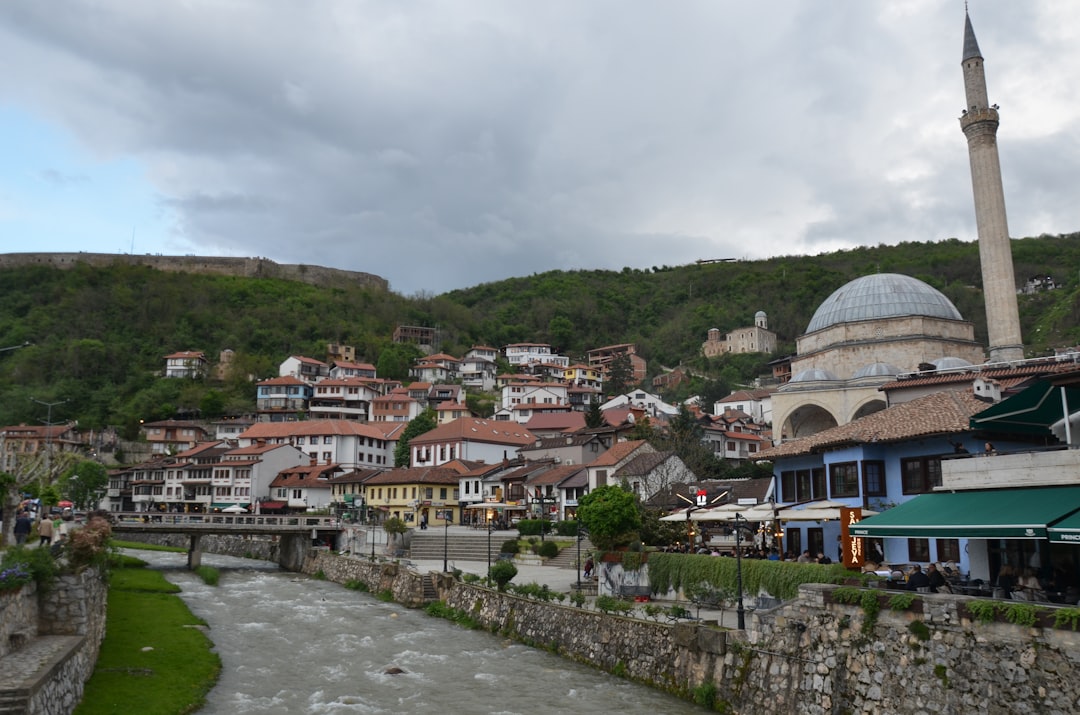
The smell hits you first. It is a thick, cloying mixture of roasting chestnuts, diesel fumes, and the damp chill of the Bistrica River that cuts through the heart of Prizren. I am standing in the shadow of a minaret that has watched empires rise and fall, clutching a lukewarm coffee in a chipped porcelain cup. The Old Bazaar here isn't a museum piece preserved under glass; it is a living, breathing organism, scarred by time and politics, yet stubbornly alive. Prizren was once the capital of the Kosovo Vilayet, a jewel of Ottoman administration, and that history is not buried here. It is carved into every wooden balcony, every stone archway, and every cobblestone worn smooth by centuries of sandals and boots.
The Ottoman presence in Prizren dates back to the mid-15th century, and the city became a major commercial and religious hub. The architecture you see today is a testament to that era, blending Turkish, Greek, and Albanian influences into a unique vernacular. The grand mosques and hamams (bathhouses) were built by wealthy merchants and viziers, showcasing the wealth and power of the empire. But it is the residential architecture, the wooden houses with their intricate carvings, that truly capture the spirit of the place. These homes were designed for privacy and comfort, with inner courtyards and high walls that shielded the inhabitants from the prying eyes of the street.
Today, Prizren is a city of contrasts. The Ottoman past coexists with the turbulent 20th century and the uncertain present. You can walk from a centuries-old tekke (Sufi lodge) to a modern café in minutes. The old bazaar is still a place of commerce, though the goods have changed. Where merchants once traded spices and silk, you will now find souvenirs, handmade crafts, and the occasional artisan still practicing traditional crafts. The history is not just in the stones; it is in the people, in their stories, and in the way they navigate the complexities of their identity.
Where to Go
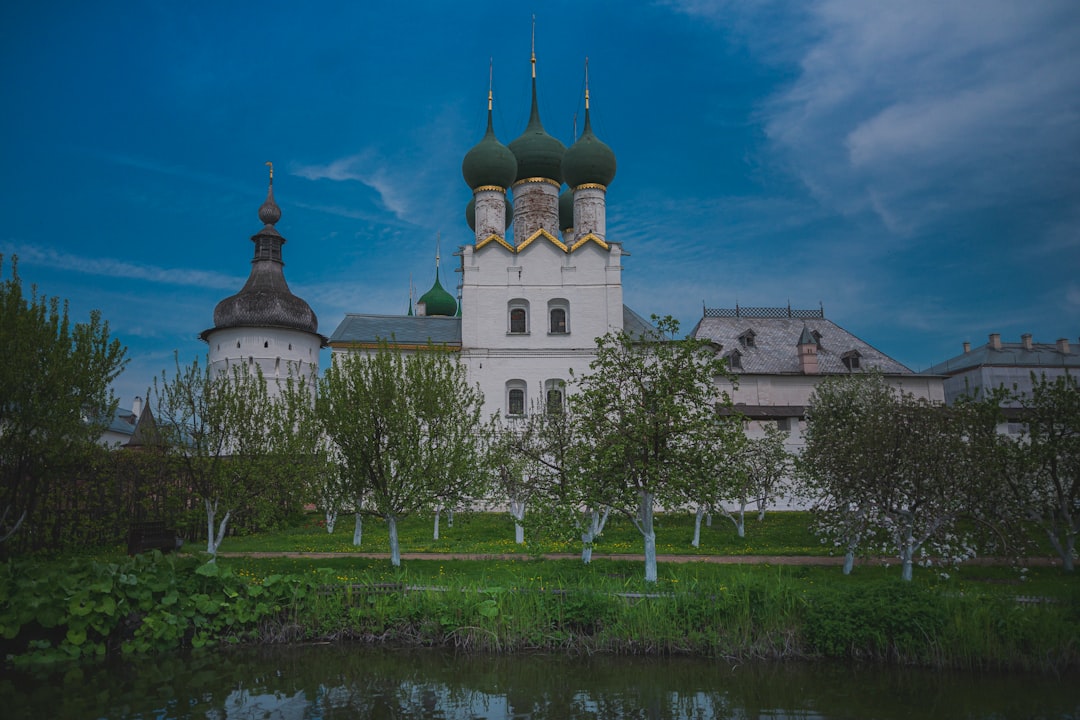
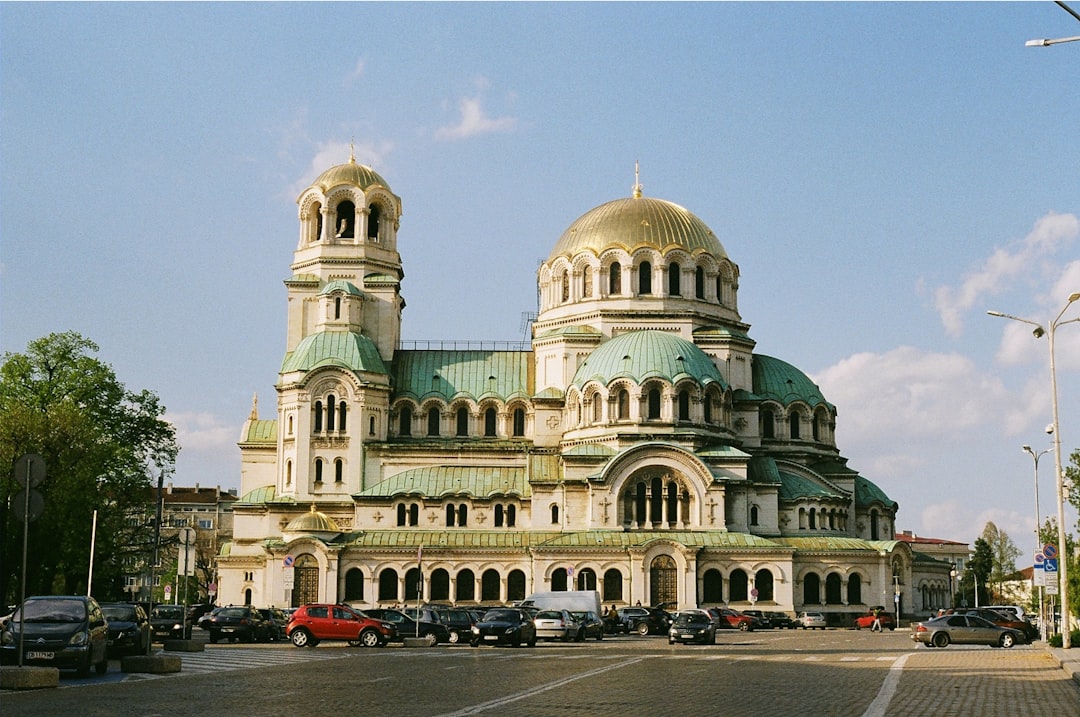
Christ the Saviour Cathedral — This massive Russian Orthodox cathedral dominates the cityscape with its golden domes. Built in the 19th century, it is a striking example of Russian Revival architecture and a powerful symbol of the city's religious diversity. The interior is ornate, with frescoes and icons that tell the story of the faith. Entry is free, but donations are appreciated. It is best visited in the morning when the light hits the domes.
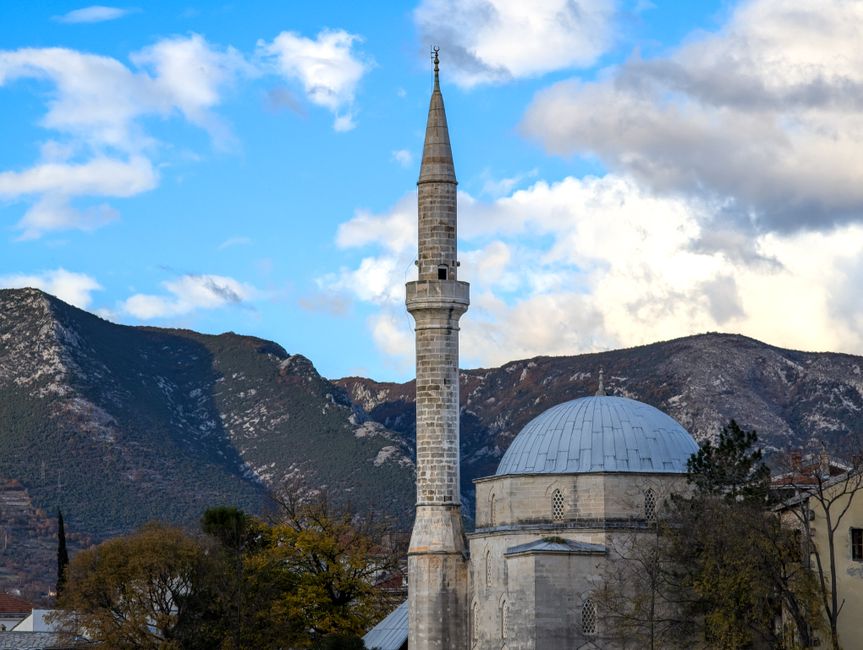
Sinan Pasha Mosque — The largest mosque in Prizren, built in the 17th century. Its elegant architecture and serene courtyard offer a quiet retreat from the bustling bazaar. The minaret is a prominent landmark, visible from many parts of the city. The mosque is open to visitors outside of prayer times, and the atmosphere is peaceful and contemplative.
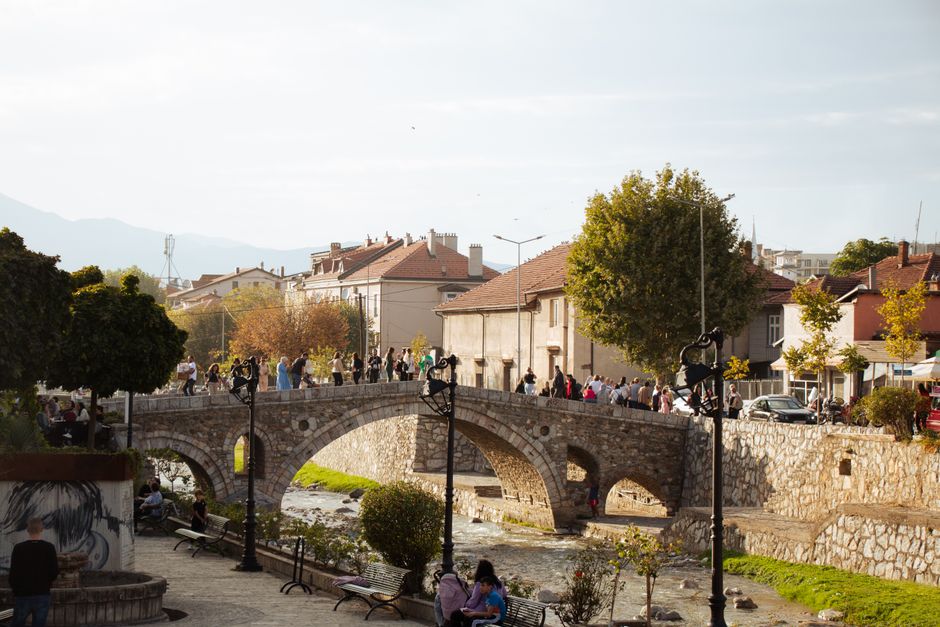
Shadervan Fountain — Located in the center of the old bazaar, this octagonal fountain is one of the oldest surviving structures in Prizren. Built in the 14th century, it is a masterpiece of Ottoman engineering and design. The fountain is still in use, and you can hear the sound of water flowing as you walk through the bazaar. It is a popular spot for locals and tourists alike.
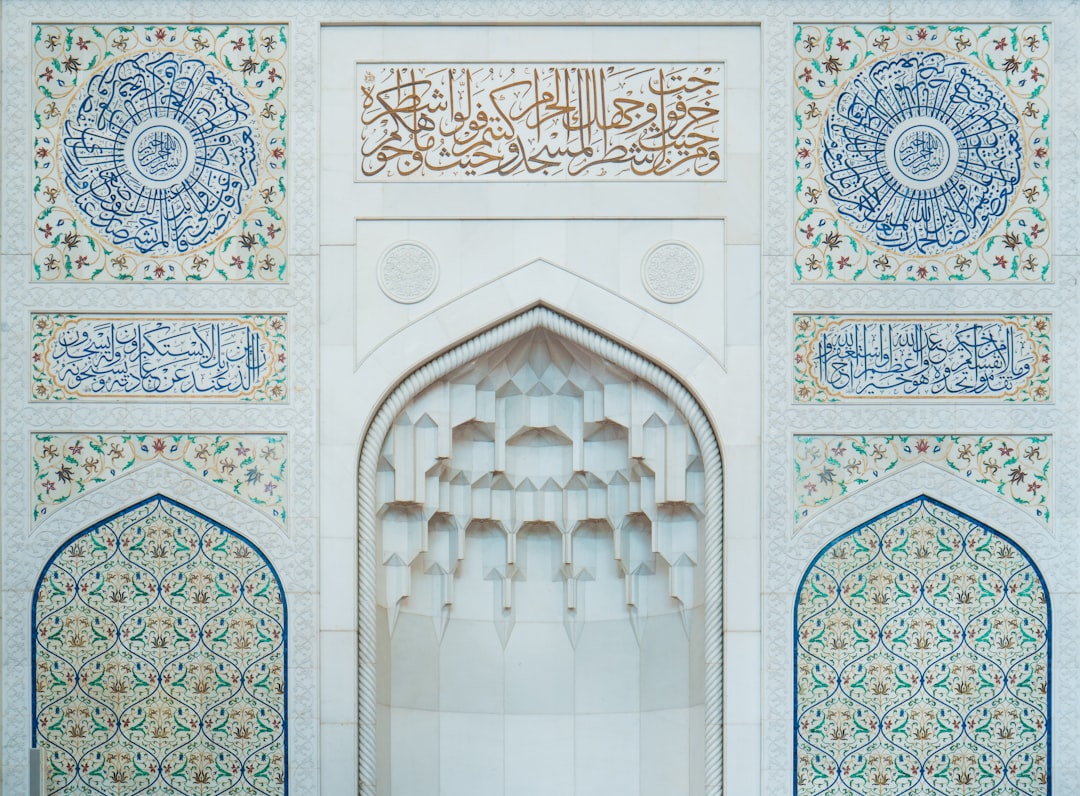
Emir Sultan Tekke — This Sufi lodge is a place of spiritual significance and architectural beauty. The complex includes a mosque, a library, and a guesthouse. The intricate woodwork and calligraphy inside are stunning. The tekke is open to visitors, and you can attend a ceremony if you are respectful of the traditions. It is a place of quiet reflection and spiritual connection.
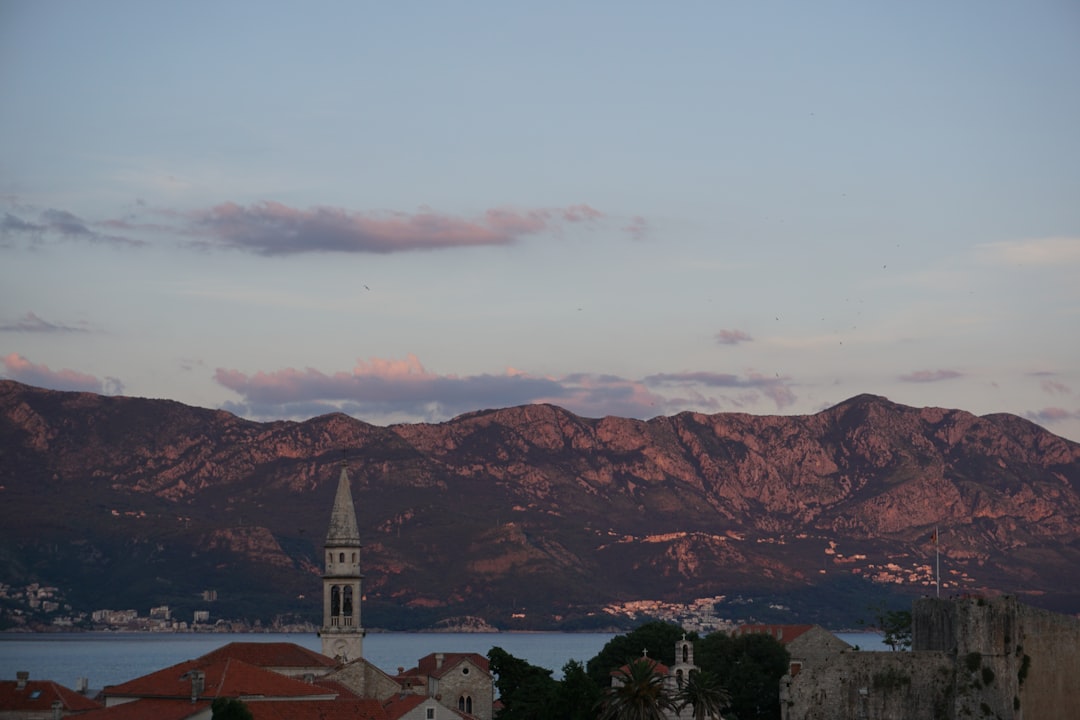
Prizren Castle — Perched on a hill overlooking the city, this fortress offers panoramic views of Prizren and the surrounding mountains. The castle dates back to the medieval period, but much of what you see today is from the Ottoman era. The climb up to the castle is steep, but the views are worth it. It is a great spot for sunset, when the light turns the stone walls to gold.
What to Eat & Drink
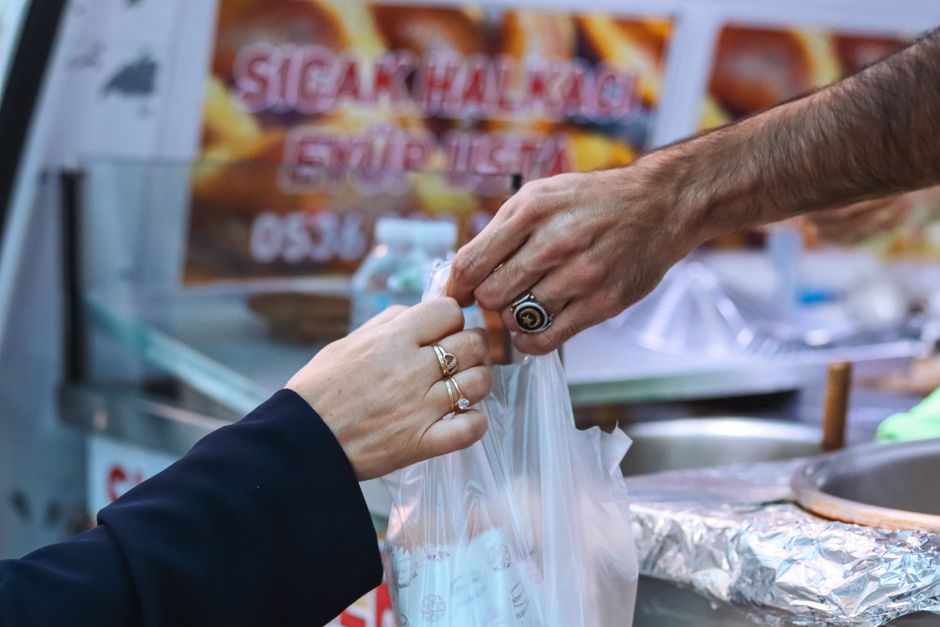
The Old Bazaar is a food lover's paradise. You can find traditional Kosovo dishes served in small, family-run restaurants and street stalls. Byrek — a flaky pastry filled with cheese, spinach, or meat — is a must-try, typically costing 2-3 EUR. Tavë kosi — baked lamb with yogurt and rice — is another local favorite, usually priced at 6-8 EUR. For a quick snack, try qofte — grilled meatballs — which cost around 3-4 EUR. Don't forget to sample the local raki, a strong fruit brandy that is often served after meals.
Budget travelers can eat well in Prizren. Street food and take-away options are plentiful and affordable. A meal at a sit-down local restaurant will cost you around 8-15 EUR per person, while a mid-range restaurant might set you back 15-25 EUR. The bazaar is the best place to find these options, with a concentration of restaurants and cafes along the main streets. Look for places with outdoor seating, where you can soak up the atmosphere while you eat.
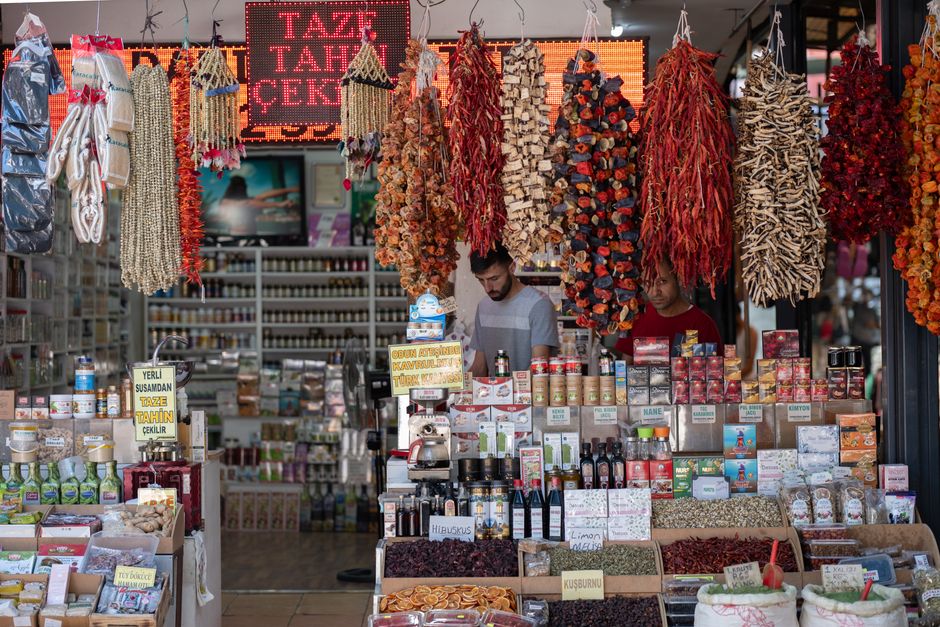
For a more authentic experience, visit the local markets. The Prizren Market is a great place to buy fresh produce, spices, and traditional sweets. You can also find homemade raki and other local products. The market is bustling and lively, with vendors calling out their prices and customers haggling over the best deals. It is a sensory overload, but a rewarding one.
Nightlife
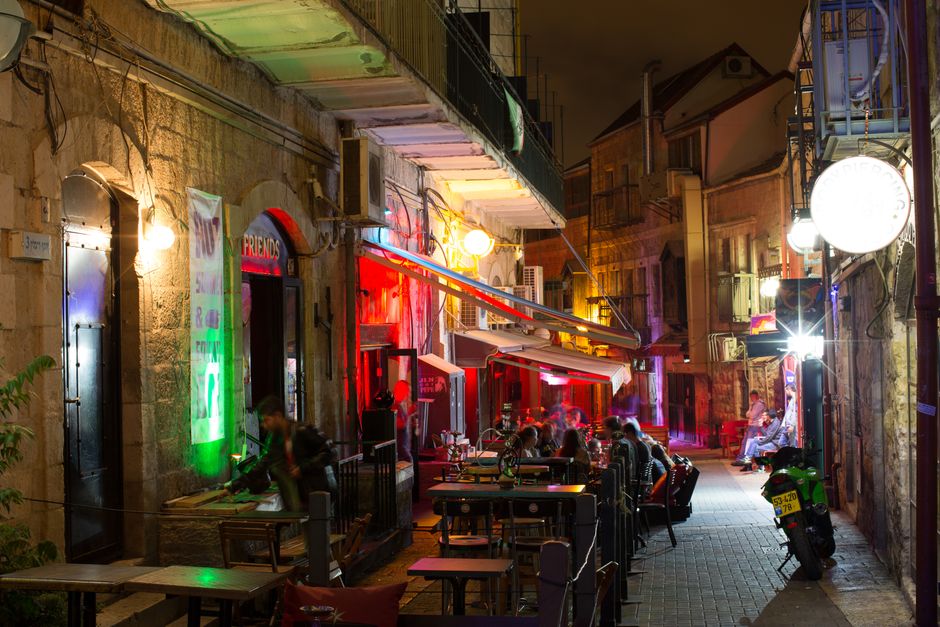
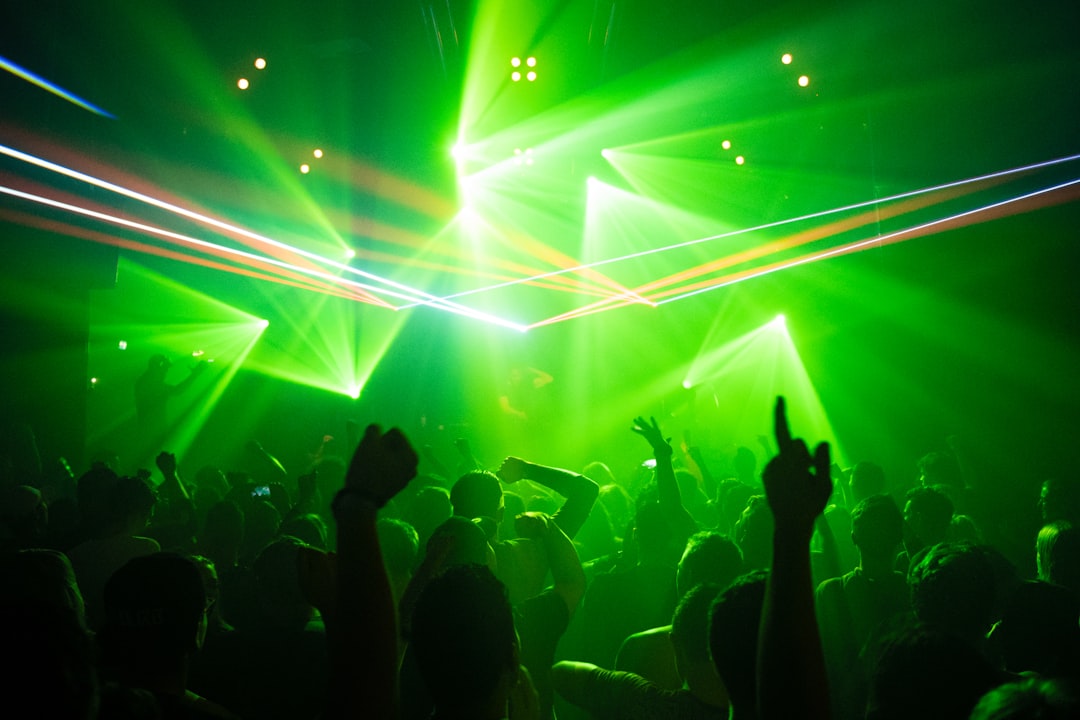
Prizren's nightlife is vibrant and diverse, with a mix of traditional and modern venues. The old bazaar comes alive at night, with cafes and bars opening their doors to locals and tourists. Bar Bazaar is a popular spot for live music and drinks, with a casual and friendly atmosphere. Café Kuq e Zi is another favorite, known for its cozy interior and excellent coffee. For a more upscale experience, try Hotel Bristol, which has a stylish bar and lounge.
For those who prefer to dance, there are several clubs in the city center. Club B is a popular venue for electronic music, while Pub 14 is known for its rock and indie scene. Cover charges vary, but are generally around 5-10 EUR. The nightlife in Prizren is relaxed and welcoming, with a mix of locals and expats. It is a great place to meet people and enjoy the evening.
Getting There & What to Expect
Prizren is easily accessible from major cities in the Balkans. The nearest airport is Pristina International Airport, which is about 90 kilometers away. Buses and taxis are available, with a journey time of around 1.5 to 2 hours. The bus costs around 5-7 EUR, while a taxi might set you back 30-40 EUR. Prizren is also well-connected by road, with regular bus services from Tirana, Skopje, and other regional hubs.
Accommodation in Prizren is affordable and varied. Budget hostels and guesthouses cost around 15-25 EUR per night, while mid-range hotels are priced at 40-60 EUR. There are also several luxury hotels for those who want to splurge. The best time to visit Prizren is during the spring and autumn, when the weather is mild and the crowds are smaller. Summer can be hot and crowded, while winter is cold and quiet.
Search accommodation in Prizren on Booking.com →
The Weight of Stone
As the sun sets over Prizren, casting long shadows across the cobblestones, I find myself reflecting on the resilience of this place. The Ottoman architecture is not just a relic of the past; it is a testament to the endurance of the people who live here. They have survived wars, occupations, and economic hardship, and yet they continue to thrive. The old bazaar is a symbol of that resilience, a place where the past and present collide in a beautiful and complex tapestry.
Leaving Prizren, I carry with me the smell of roasting chestnuts, the sound of flowing water, and the sight of golden domes against a blue sky. It is a city that has seen it all, and yet it remains open, welcoming, and full of life. The ghosts of the Ottoman era are still here, but they are not haunting the place. They are part of its soul, woven into the fabric of the city and the lives of its people. Prizren is a place that stays with you, long after you have left.
Comments