


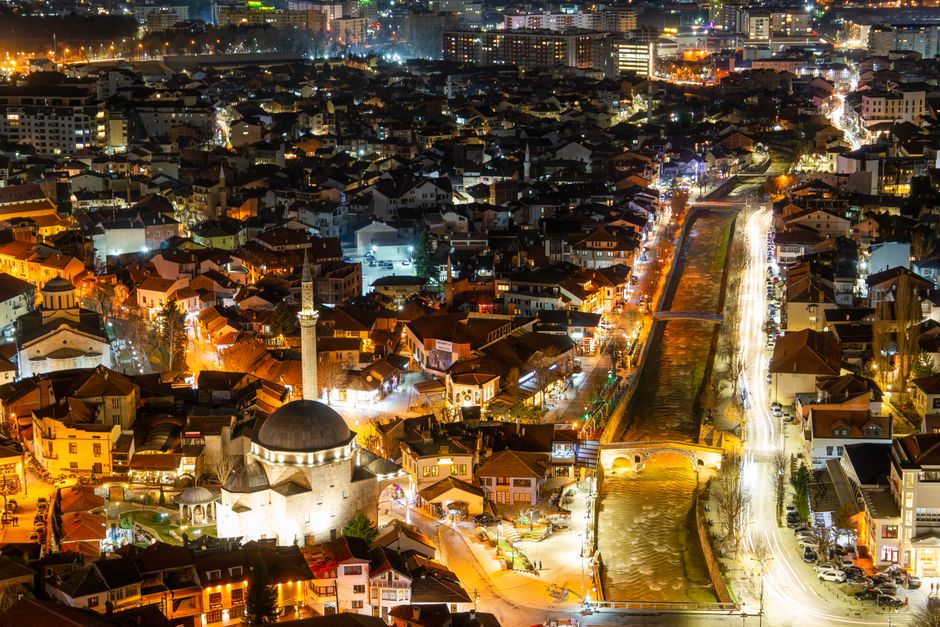
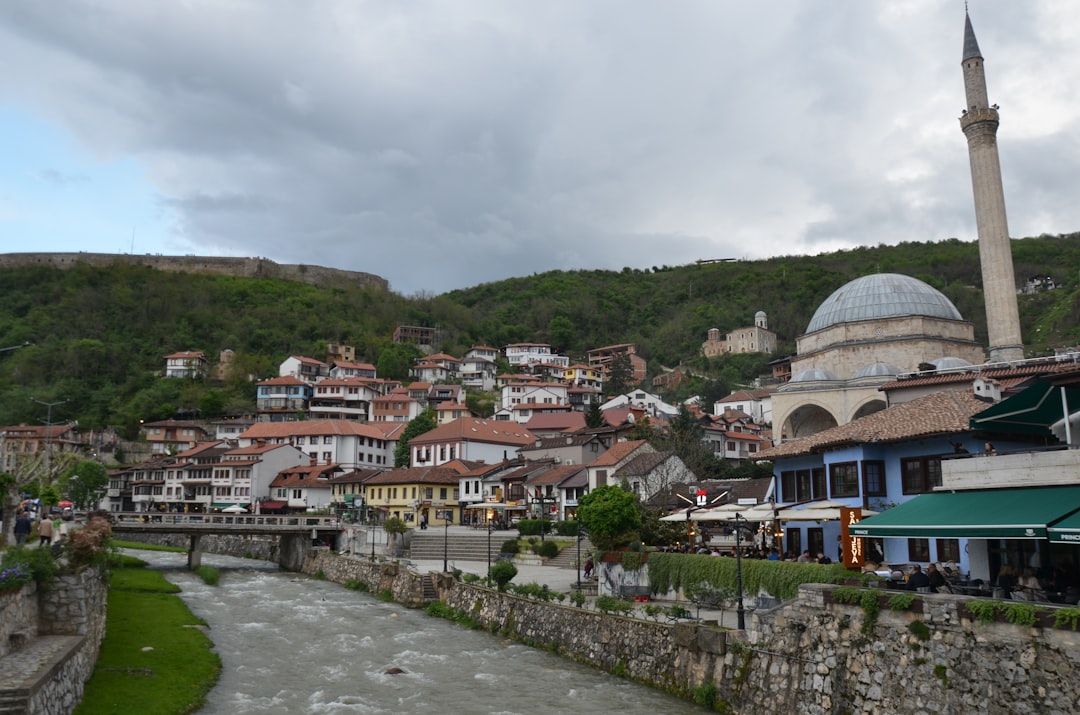
The coffee here tastes like burnt almonds and history, served in a glass so thin it threatens to shatter if you look at it wrong. I'm sitting on a wooden bench that has been polished smooth by three centuries of calloused hands, watching a cloud of tobacco smoke drift up toward the turquoise dome of Sinan Pasha Mosque. The air in Prizren is thick, not just with humidity, but with the weight of empires that thought they would last forever. They didn't, but the stone did. I am in the Prizren Old Bazaar, a labyrinth of narrow alleys where the Ottoman footprint isn't a museum exhibit—it's the pavement beneath my boots, the roof over my head, and the reason the locals still greet each other with a slow, deliberate nod.
This isn't a sanitized heritage site with velvet ropes. It's a working organism. The architecture here is aggressive in its permanence. Every archway, every carved wooden balcony, every crumbling stone wall screams of a time when this corner of the Balkans was the beating heart of a vast Islamic empire. Walking these streets feels less like tourism and more like trespassing on a private, centuries-old family argument. The buildings lean into each other, whispering secrets about taxes, trade, and tyranny.
History & Identity
The story of Prizren is written in mortar and marble. Founded in the Middle Ages, the city reached its zenith under Ottoman rule, transforming from a minor settlement into a thriving commercial hub. The architecture you see today is largely a product of the 17th and 18th centuries, the so-called "Ottoman Golden Age" in the Balkans. This was when the sultans poured wealth into the region, building mosques, baths, and caravanserais to project power and piety. The bazaar wasn't just a market; it was the economic engine of the empire's northwestern frontier, a place where silk from Istanbul met wool from the Albanian highlands.
The identity of the bazaar is defined by its resilience. It survived wars, earthquakes, and the collapse of empires. The buildings were constructed with local limestone and wood, materials that aged gracefully but required constant maintenance. Today, many of these structures are in a state of controlled decay, a testament to the neglect of the post-Yugoslav era and the slow, painful process of restoration. Yet, the spirit remains. The bazaar is a living archive, where the Ottoman architectural language—domes, minarets, wooden galleries—still dictates the skyline and the rhythm of daily life.
Where to Go
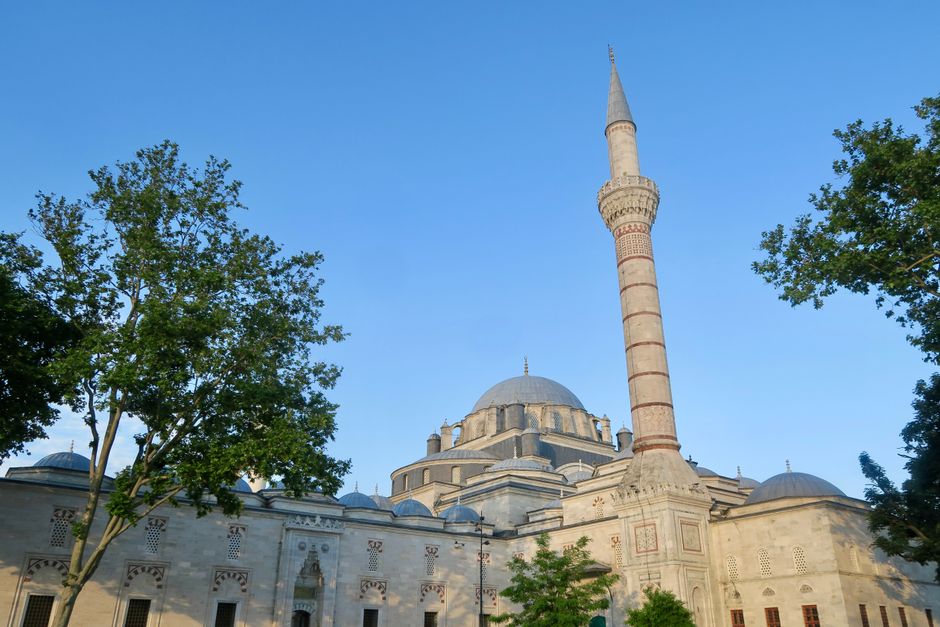
Sinan Pasha Mosque — The visual anchor of the bazaar, this 17th-century masterpiece is a study in Ottoman symmetry and grandeur. Built by the governor of the Sanjak of Prizren, its massive dome and slender minaret dominate the square. The interior is a cool, shadowed space with intricate tile work and calligraphy that would make a calligrapher weep. Entry is free, but donations are appreciated. The best time to visit is at dawn, when the light hits the turquoise tiles in a way that makes them glow like stained glass.
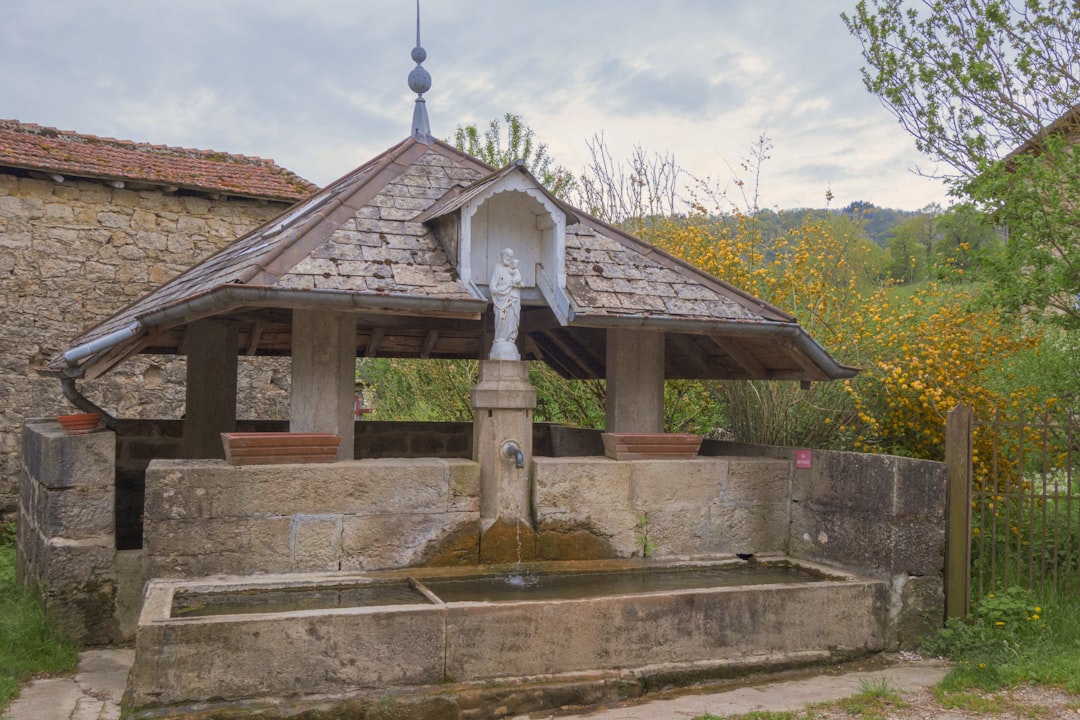
Shadervan Fountain — Located at the heart of the bazaar, this octagonal stone fountain is a relic of Ottoman urban planning. It served as a gathering place for merchants and a source of clean water for the community. The stone is worn smooth by centuries of touch, and the water still flows, a quiet counterpoint to the noise of the market. It's a small thing, but it's the soul of the place. Stand here for ten minutes and watch the locals; you'll see the bazaar's social hierarchy in action.
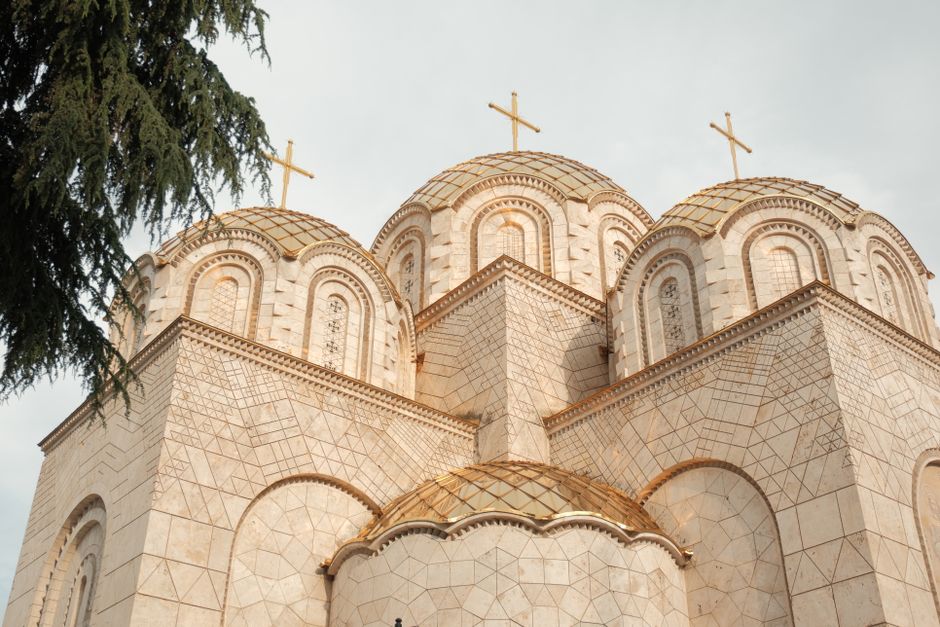
Christ the Saviour Cathedral — A striking contrast to the Ottoman architecture, this 19th-century Orthodox cathedral stands just outside the bazaar proper. Its Russian-style onion domes and brickwork are a visual reminder of the complex religious and political tensions that have shaped Kosovo. It's a powerful symbol of the city's multi-ethnic past, and its presence in the shadow of the mosques is a potent metaphor for the region's history.
Alba Hotel — Once a grand Ottoman-era inn for travelers and merchants, this building is now a hotel and cultural center. Its wooden galleries and stone walls are a perfect example of the "han" architecture that dot the Balkans. The interior is a mix of old and new, with exposed beams and modern comforts. It's a good place to see how the old structures are being adapted for modern use, though the prices are not for the faint of heart.
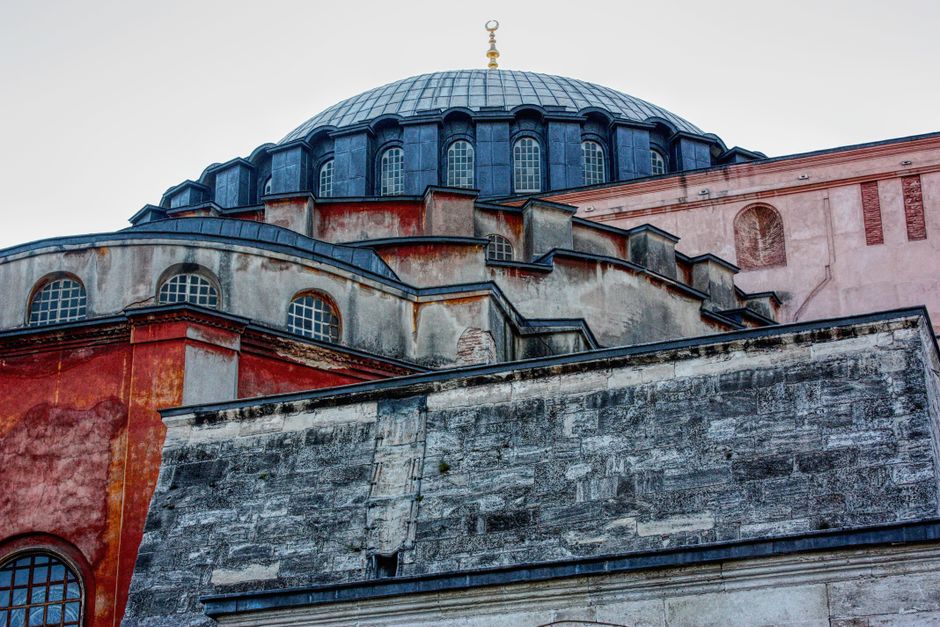
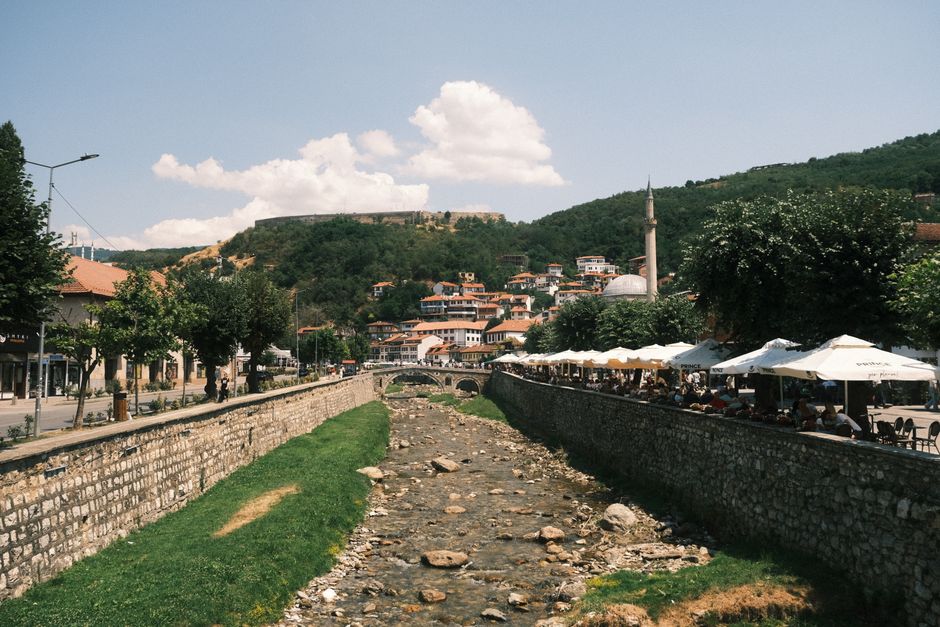
Prizren Fortress (Kalaja) — Perched above the city, this fortress offers a panoramic view of the bazaar and the surrounding mountains. Its origins are medieval, but it was expanded and fortified during the Ottoman period. The stone walls are thick and imposing, and the view from the top is worth the climb. You can see the entire bazaar spread out below, a maze of roofs and minarets. It's a good place to reflect on the strategic importance of this location.
What to Eat & Drink
The food in the bazaar is as much a part of the architecture as the stone and wood. It's heavy, rich, and designed to keep you warm in the cold Balkan winters. The flavors are a blend of Ottoman, Balkan, and Mediterranean influences, with a heavy emphasis on meat and spices. Here's what you need to try:
- Byrek — Flaky pastry filled with cheese, spinach, or meat. A staple of the region, it's cheap, filling, and delicious. 2-4 EUR
- Pite — A savory pie, often filled with spinach or cheese. Similar to byrek but with a different texture and flavor. 2-3 EUR
- Qofte — Grilled meatballs, usually made with beef and lamb, seasoned with garlic and paprika. Served with bread and onions. 5-8 EUR
- Baklava — Layers of phyllo dough filled with nuts and soaked in syrup. The sweet ending to a heavy meal. 3-5 EUR
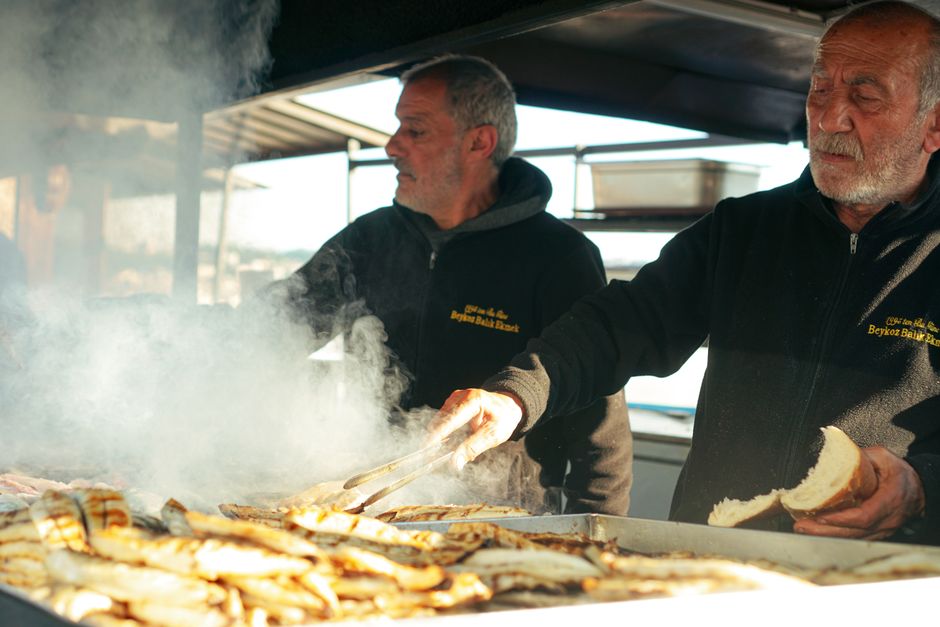
For a meal, you can expect to pay 8-15 EUR per person at a local restaurant. Street food and take-away options are cheaper, with many vendors selling byrek and pite for under 5 EUR. The bazaar is full of small cafes and restaurants, but the best food is often found in the back alleys, where the locals eat. Look for the places with the plastic chairs and the handwritten menus.
Nightlife
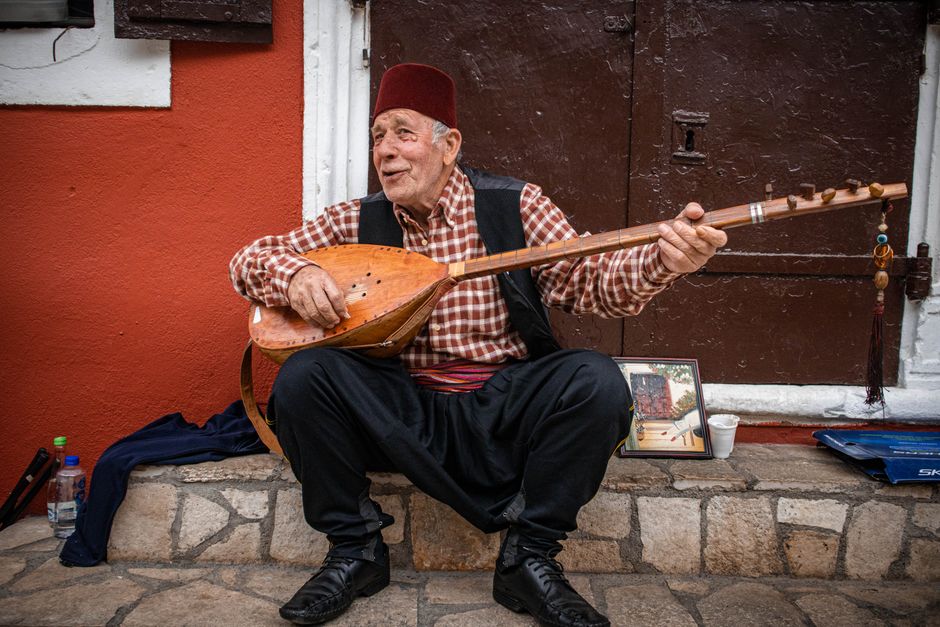
The bazaar comes alive at night, but not in the way you might expect. There are no loud clubs or neon lights. Instead, the nightlife is centered around the cafes and bars that line the main streets. The atmosphere is relaxed and social, with people sitting outside, drinking raki and talking late into the night. The music is usually traditional, played on accordion and clarinet, adding to the old-world charm.
Some of the most popular spots include Tea House, a cozy spot with live music and a great selection of local spirits, and Bazaar Bar, a more modern venue with a rooftop terrace overlooking the old town. The cover charge is usually minimal or non-existent, but the drinks are not cheap. Expect to pay 3-5 EUR for a beer or 5-8 EUR for a cocktail. The best time to go is on the weekend, when the streets are filled with locals and tourists alike.
Getting There & What to Expect
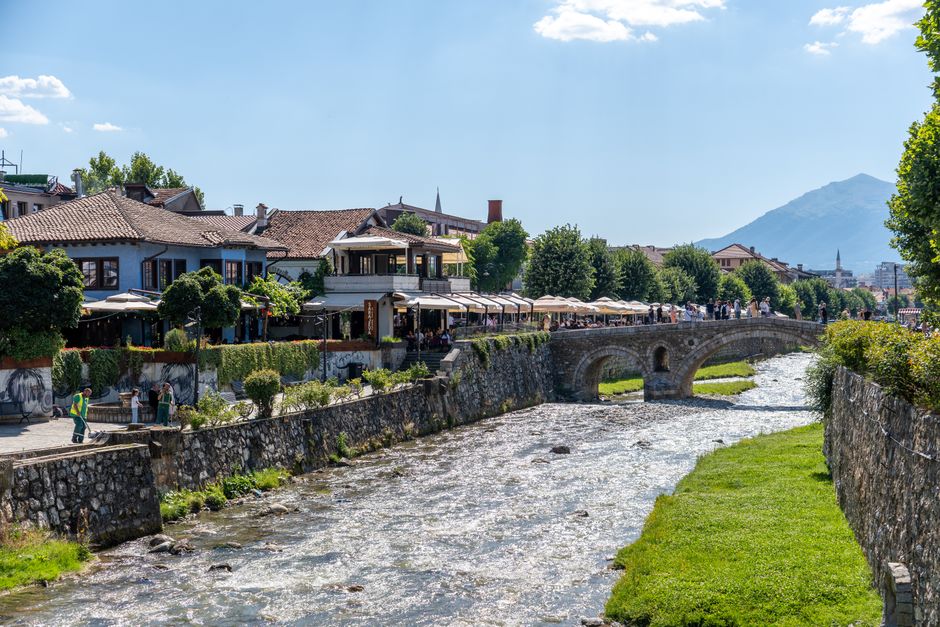
The nearest airport is Pristina International Airport, about 60 kilometers away. From there, you can take a bus or taxi to Prizren. The bus ride takes about an hour and costs around 5-10 EUR. Taxis are more expensive, around 30-40 EUR, but they are more convenient. You can also drive from Pristina, taking the R12 highway, which is a scenic route through the mountains.
Accommodation in Prizren ranges from budget hostels to luxury hotels. A night in a hostel will cost you around 10-20 EUR, while a mid-range hotel will set you back 30-50 EUR. Luxury options are available, but they are not necessary for a great experience. The best time to visit is in the spring or fall, when the weather is mild and the crowds are smaller. Summer can be hot and crowded, while winter can be cold and snowy.
Search accommodation in Prizren on Booking.com →
What to expect: The bazaar is a sensory overload. The smells, the sounds, the sights—it's all very intense. The architecture is beautiful, but it's also crumbling and neglected. There is a sense of decay, but also of resilience. The people are friendly and hospitable, but they are also wary of outsiders. Be respectful, be curious, and be prepared to be challenged. This is not a place for passive tourism. It's a place to engage, to learn, and to experience the complex history of the Balkans.
The Ghosts in the Stone
I left the bazaar as the sun was setting, casting long shadows across the stone streets. The call to prayer echoed from the minarets, a haunting melody that seemed to come from the stones themselves. I felt a strange mix of awe and sadness. Awe at the beauty and grandeur of the Ottoman architecture, sadness at the decay and neglect. It's a place of ghosts, not just of the past, but of the present. The empires are gone, but their legacy remains, carved into the stone and woven into the fabric of daily life.
Prizren's Old Bazaar is not just a tourist attraction. It's a living, breathing entity, a testament to the power of architecture to shape identity and memory. It's a place where history is not just written in books, but in the walls and streets. And it's a place where the past and present collide, creating a tension that is both uncomfortable and fascinating. If you go, don't just look at the buildings. Listen to them. They have a lot to say.
Comments