


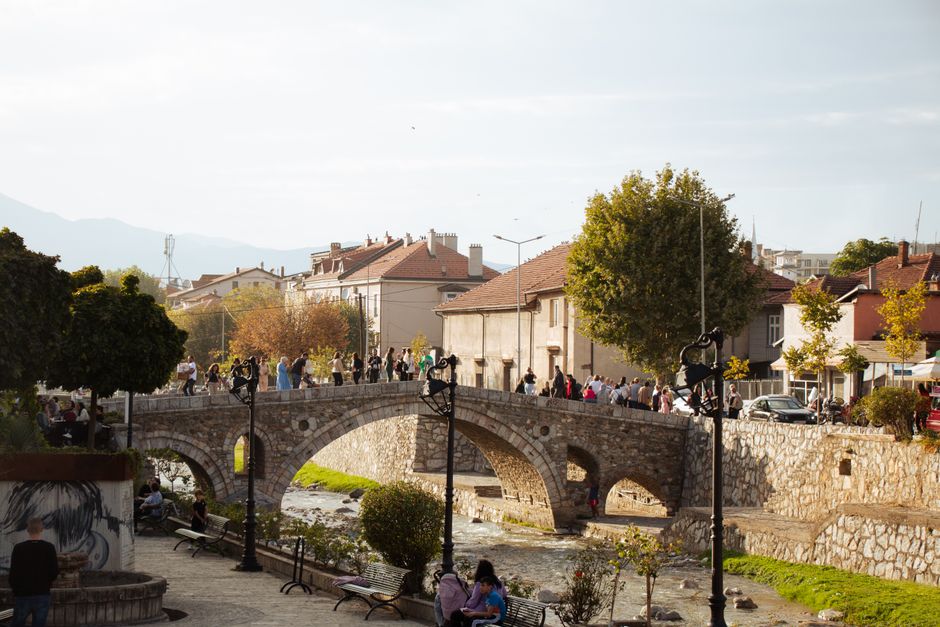
I wake up to the sound of metal striking stone, a rhythmic, industrial clanging that feels older than the concrete apartment block I'm squatting in. It's 6:30 AM in Prizren, and the city hasn't fully exhaled yet. I stumble out into the damp air, coffee already brewing in my veins, and follow the noise downhill toward the Bistrica River. The fog is clinging to the valley floor, turning the Ottoman-era rooftops into a watercolor painting left out in the rain. A local baker, sleeves rolled up to his elbows, is hauling trays of burek out of a wood-fired oven that looks like it hasn't been modified since the 1800s. He doesn't smile, but he nods. In this part of the Balkans, hospitality isn't a performance; it's a silent contract. You eat, you listen, you leave. I buy a slice, burn my fingers, and realize that history here isn't behind glass. It's in the flour on the counter, the call to prayer echoing off the limestone, and the stubborn pride in the eyes of the people who rebuilt this place from rubble more times than I can count.
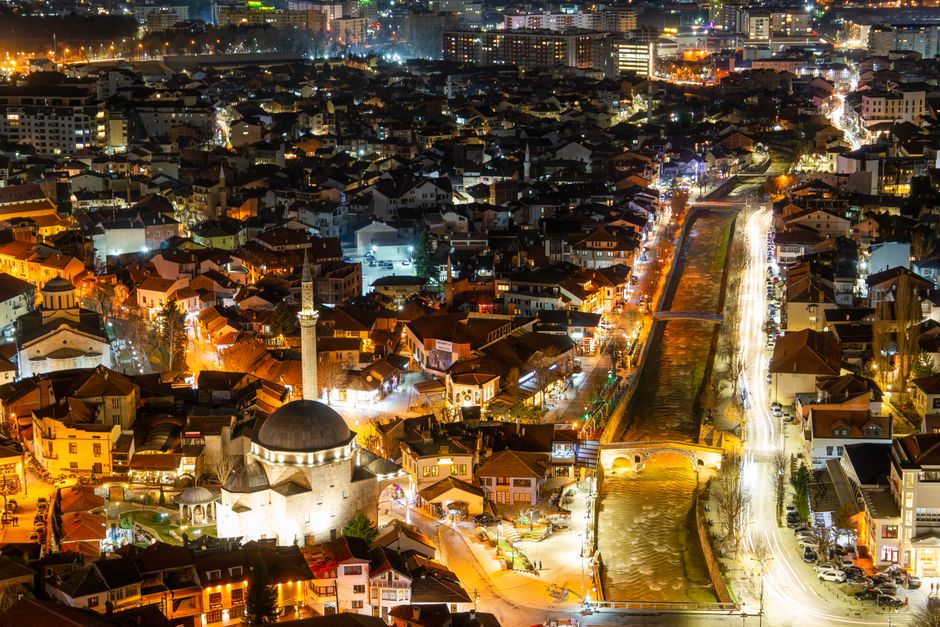
Prizren is often called the "Jerusalem of the Balkans," a title that feels heavy on a Tuesday morning. It's a city of layers, where medieval Serbian fortifications sit cheek-by-jowl with Ottoman mosques, Austro-Hungarian banks, and Communist-era concrete. But the heart of the city, the pulse that still beats after centuries of empires rising and falling, is the Old Bazaar. It's not a tourist trap, despite the souvenir shops selling plastic magnets. It's a living, breathing organism of copper, leather, and spice. Walking these cobblestones feels like stepping into a time warp, but it's a time warp with a price tag, a political agenda, and a very real, very hungry population.
History & Identity
Prizren Prizren is one of the oldest cities in the Balkans, with a history that stretches back to the Illyrian period. But its current soul is undeniably Ottoman. After the Ottoman Empire conquered the region in the 15th century, Prizren became a major administrative and cultural center. The city flourished as a hub for trade, craftsmanship, and Islamic learning. The Shadervan, the central axis of the old bazaar, was lined with shops, workshops, and caravanserais. It was here that the famous League of Prizren was formed in 1878, a movement initially aimed at defending Ottoman territories against foreign invasion, which later evolved into a symbol of Albanian national awakening. This dual identity — Ottoman loyalist and Albanian nationalist — is the tension that defines the city today.
The Ottoman legacy is visible in every archway and fountain. The Clock Tower, a slender stone minaret-like structure, stands as a sentinel over the bazaar. The Lead Mosque, with its distinctive roof, was once the imperial mosque of the region. But the most striking feature is the sheer density of religious architecture. Prizren has more mosques than any other city in Kosovo, a fact that can be controversial in a predominantly Muslim region with a complex political relationship with its Ottoman past. The city is also home to the Prizren Fortress, a medieval stronghold that overlooks the entire city, offering a panoramic view of the Ottoman rooftops and the surrounding mountains. The fortress is a reminder that power in this region has always been contested, and that the view from the top has changed hands more times than I can count.
Despite its turbulent history, Prizren has managed to preserve a remarkable amount of its Ottoman heritage. The Old Bazaar is one of the best-preserved Ottoman bazaars in the Balkans, a maze of narrow streets and alleys filled with shops selling traditional crafts. The Ethnographic Museum, housed in a former Ottoman caravanserai, offers a glimpse into the daily life of the city's inhabitants over the centuries. The museum is a treasure trove of artifacts, from traditional clothing and jewelry to tools and household items. It's a place where you can see the layers of history that have shaped Prizren, from the Illyrian period to the present day. But it's also a place where you can feel the weight of that history, the sense that this city has been through hell and back, and is still standing.
Where to Go
Old Bazaar — The heart of Prizren, a labyrinth of narrow streets and alleys filled with shops selling traditional crafts, spices, and sweets. It's a sensory overload, a place where you can buy handmade copperware, leather goods, and textiles. The best time to visit is early morning, before the crowds arrive, when the light is soft and the streets are quiet. Entry is free, but expect to spend money on souvenirs. The bazaar is a living museum, a place where you can see the Ottoman legacy in action.
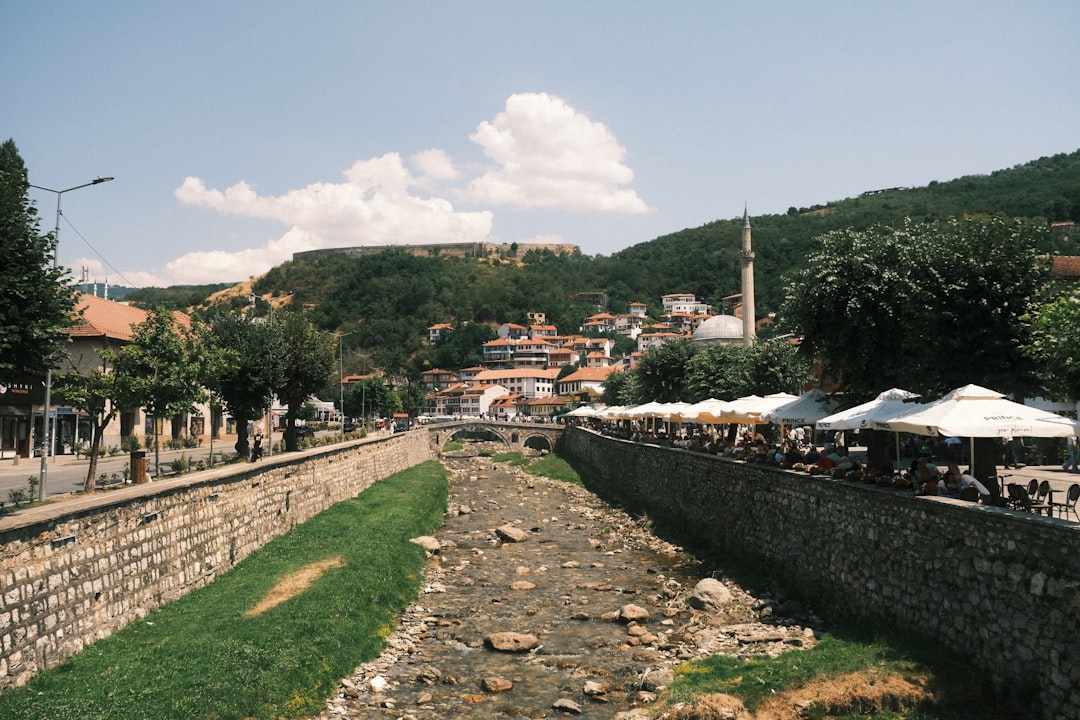
Clock Tower — A slender stone tower that stands as a sentinel over the Old Bazaar. It's a symbol of Prizren, a place where locals gather to meet and socialize. The tower is not open to the public, but it's a great place to take photos. The best time to visit is at sunset, when the light is golden and the tower is silhouetted against the sky. It's a small thing, but it carries a lot of weight, a reminder of the city's Ottoman past.
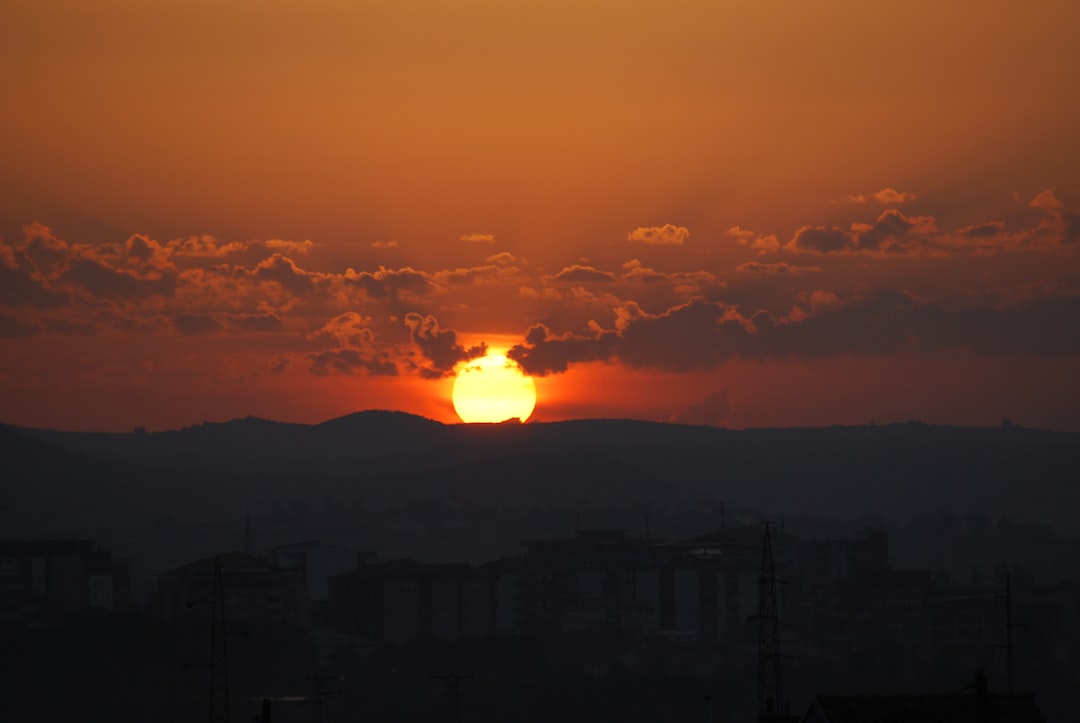
Ethnographic Museum — Housed in a former Ottoman caravanserai, this museum offers a glimpse into the daily life of Prizren's inhabitants over the centuries. The exhibits include traditional clothing, jewelry, tools, and household items. The museum is small but well-curated, a place where you can see the layers of history that have shaped the city. Entry is 3 EUR. The best time to visit is in the afternoon, when the light is best for taking photos. It's a quiet place, a refuge from the noise of the bazaar.
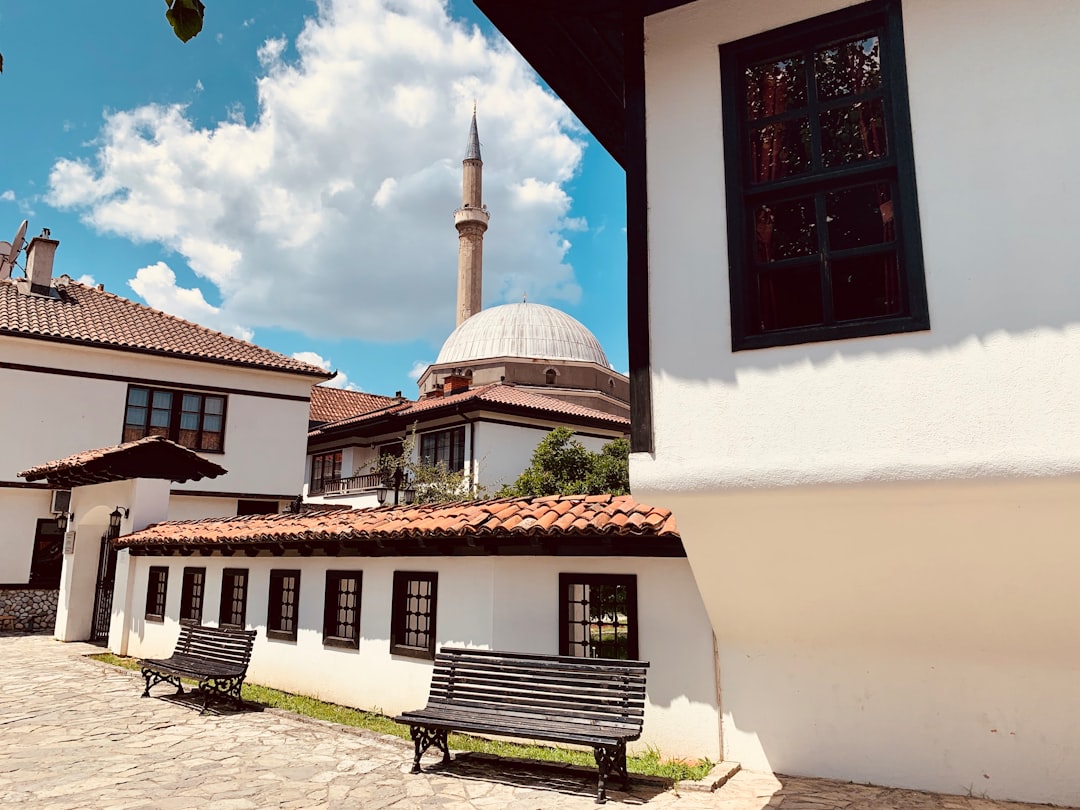
Lead Mosque — A distinctive mosque with a lead-covered roof, once the imperial mosque of the region. It's a beautiful example of Ottoman architecture, a place of worship and a symbol of the city's Islamic heritage. The mosque is open to visitors, but you must dress modestly. The best time to visit is during the day, when the light is best for taking photos. It's a peaceful place, a refuge from the noise of the city.
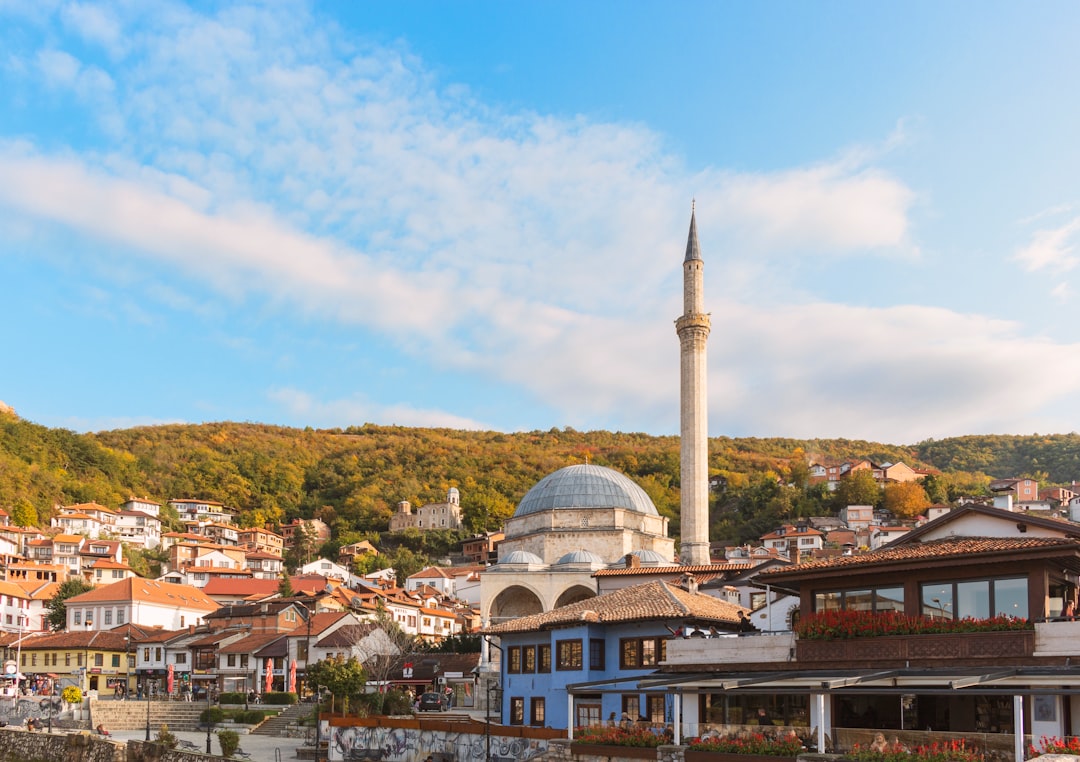
Prizren Fortress — A medieval stronghold that overlooks the entire city, offering a panoramic view of the Ottoman rooftops and the surrounding mountains. The fortress is a reminder that power in this region has always been contested. Entry is 2 EUR. The best time to visit is at sunset, when the light is golden and the view is spectacular. It's a long walk up, but the view is worth it. It's a place where you can feel the weight of history, the sense that this city has been through hell and back.
What to Eat & Drink
Food in Prizren is a religion, and the Old Bazaar is its temple. The air is thick with the smell of roasted meat, spices, and coffee. The food is hearty, comforting, and deeply rooted in Ottoman tradition. You can't visit Prizren without trying the local specialties, many of which have been served here for centuries. The prices are low, and the portions are generous. It's a foodie's paradise, a place where you can eat well without breaking the bank.
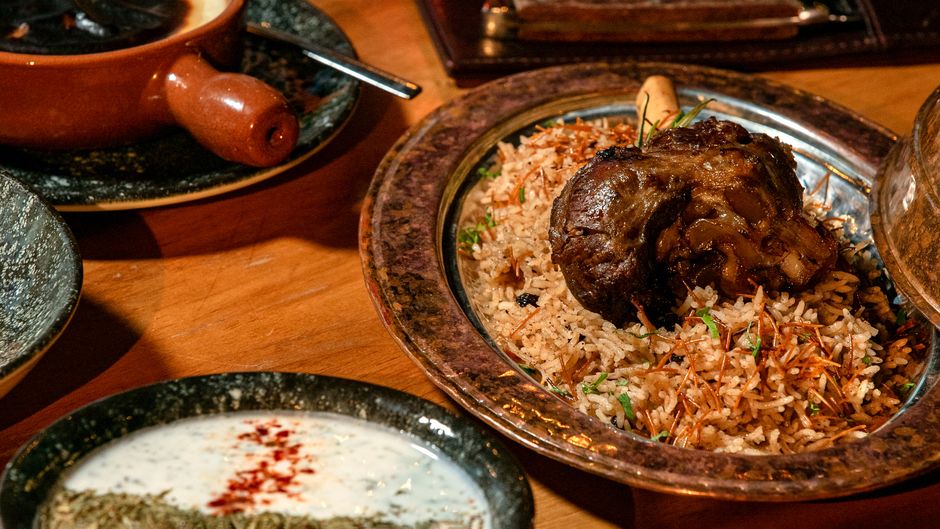
- Tavë Kosi — A traditional Albanian dish of lamb baked with yogurt and rice. It's creamy, savory, and incredibly comforting. 5-7 EUR
- Burek — A flaky pastry filled with meat, cheese, or spinach. It's the perfect street food, cheap and delicious. 1-2 EUR
- Byrek me Spinaq — A spinach-filled pastry, a lighter option for those who want something vegetarian. 1-2 EUR
- Prizren Coffee — A traditional Turkish-style coffee, served with a small glass of water. It's strong, sweet, and the perfect way to start your day. 1-2 EUR
- Rakia — A strong fruit brandy, often made from plums or grapes. It's the local tipple, a digestif that warms you from the inside out. 2-4 EUR
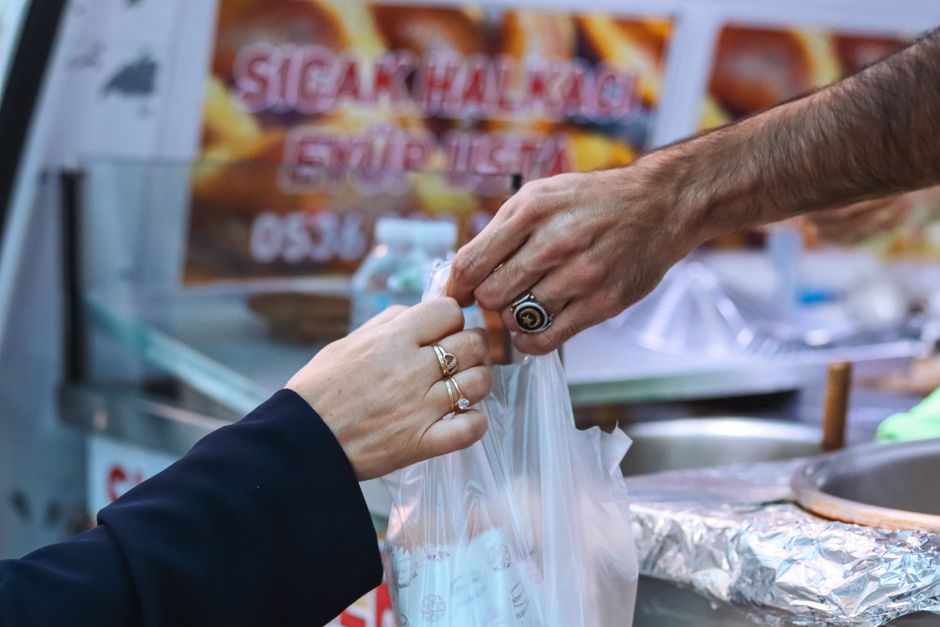
The best place to eat is in the Old Bazaar, where there are dozens of small restaurants and cafes. Restaurant Bektashi is a local favorite, known for its traditional dishes and friendly service. Cafe Qafa is a great place for coffee and pastries, with a view of the Clock Tower. For a more budget-friendly option, try the street food stalls, where you can buy burek and other snacks for under 3 EUR. The food courts in the Grand Park are also a good option, with a variety of local and international dishes. Prizren is a city where you can eat well without spending a lot of money, a rare thing in today's world.
Nightlife
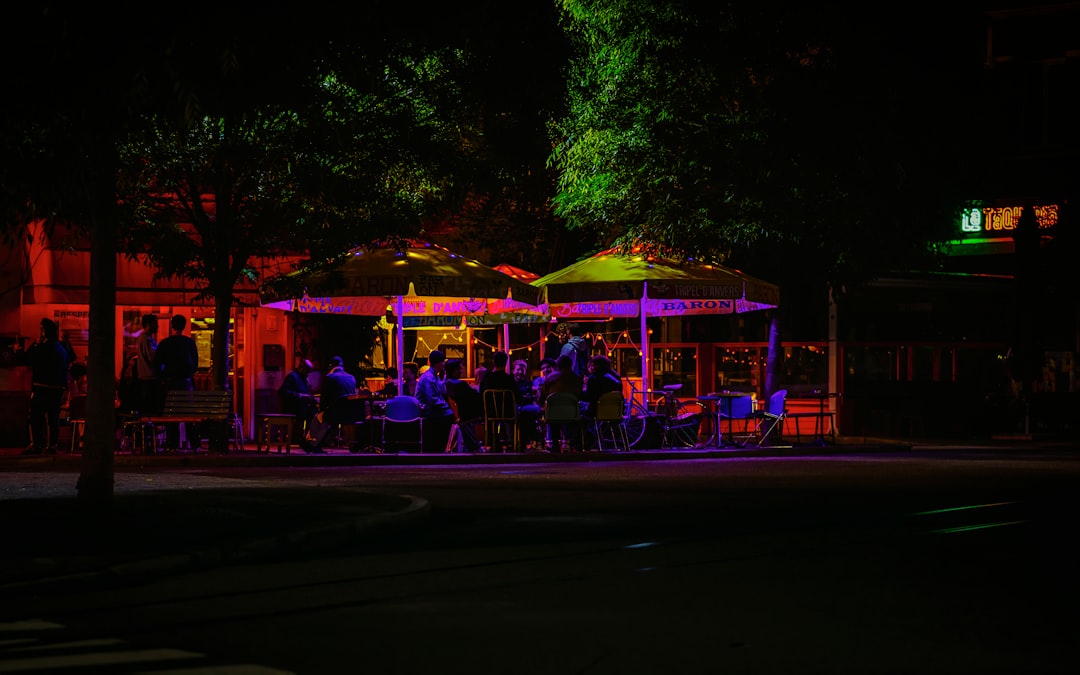
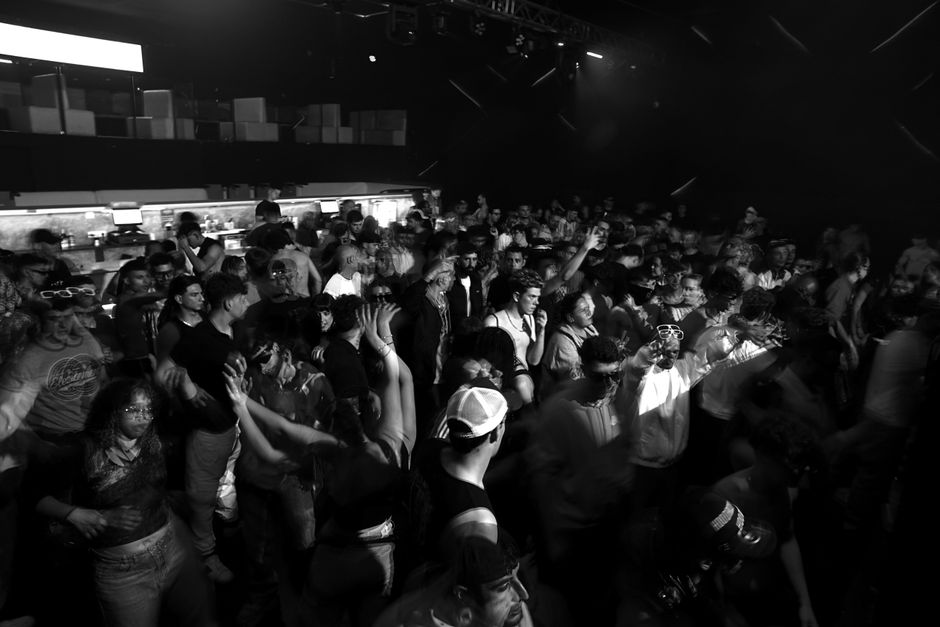
Prizren's nightlife is concentrated in the Old Town and the area around the Bistrica River. It's a young city, with a large student population, and the bars and clubs are lively until the early hours. The music is a mix of local Albanian pop, Balkan beats, and international hits. The atmosphere is relaxed and friendly, a place where you can meet locals and other travelers. It's not a party destination like Berlin or London, but it has its own charm, a laid-back vibe that's perfect for a night out.
Barok is a popular bar in the Old Town, known for its cocktails and live music. It's a small place, but it has a great atmosphere, a place where you can sit outside and watch the world go by. Club 1999 is a larger venue, with a dance floor and a DJ. It's a good place to go if you want to dance the night away. River Bar is a more relaxed option, with a view of the Bistrica River. It's a great place to have a drink and a chat, a place where you can unwind after a long day of sightseeing. The cover charges are low, usually around 3-5 EUR, and the drinks are cheap. It's a place where you can have a good time without spending a lot of money.
Getting There & What to Expect
The nearest airport is Prizren Airport, but it has limited flights. Most travelers fly into Pristina International Airport, which is about an hour's drive away. From Pristina, you can take a bus or a taxi to Prizren. The bus takes about an hour and costs around 5 EUR. A taxi costs around 20-30 EUR. From Tirana, Albania, you can take a bus to Prizren, which takes about two hours and costs around 10 EUR. From Sarajevo, Bosnia and Herzegovina, you can take a bus to Prizren, which takes about six hours and costs around 15 EUR. The bus stations are usually located in the city center, and the buses are comfortable and clean.
Accommodation in Prizren is cheap, with a wide range of options to suit all budgets. Budget hostels cost around 10-15 EUR per night, while mid-range hotels cost around 20-40 EUR per night. Luxury hotels are rare, but there are a few nice boutique hotels that cost around 50-80 EUR per night. The best time to visit Prizren is in the spring or autumn, when the weather is mild and the crowds are thin. The summer can be hot and crowded, while the winter can be cold and snowy. Prizren is a city that rewards the curious, a place where you can uncover layers of history and culture with every step you take. It's a city that has seen better days, but it's a city that is still fighting, still striving, still beautiful.
Search accommodation in Prizren on Booking.com →
The Ghosts Remain
I leave Prizren as the sun rises, the light turning the Ottoman rooftops into gold. The city is waking up, the clanging of metal on stone resuming its rhythmic beat. I feel a strange sense of loss, a feeling that I'm leaving a part of myself behind. Prizren is a city of ghosts, but they are friendly ghosts, spirits of the past that still linger in the streets and alleys of the Old Bazaar. They are the ghosts of empires, of wars, of love and loss. They are the ghosts of a city that has survived against all odds, a city that is still standing, still breathing, still alive. I step onto the bus, the engine rumbling beneath me, and I look back at the city one last time. The Clock Tower stands tall, a sentinel over the bazaar, a symbol of a city that has seen it all and is still here. I close my eyes, and for a moment, I can almost hear the whispers of the past, the echoes of a time long gone. But then the bus moves, and the city fades into the distance, leaving me with nothing but the memory of the smell of coffee, the sound of metal on stone, and the taste of burek on my tongue. It's enough. It has to be.
Comments