


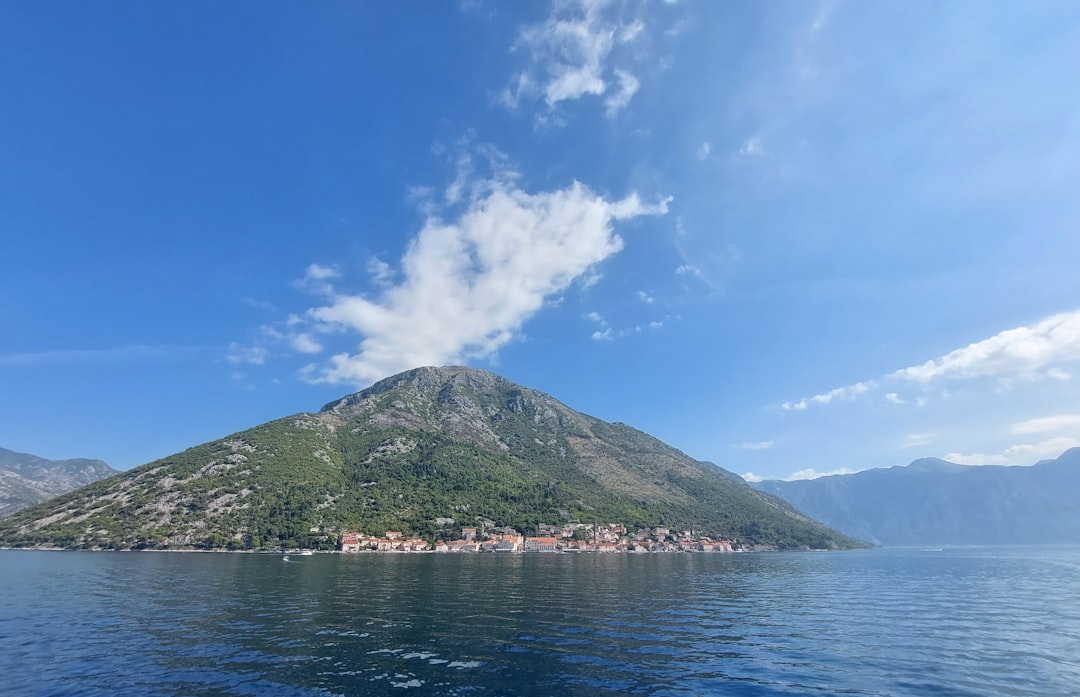
The air in Kotor tastes like salt, diesel, and centuries of decay. I'm standing on the stone steps of the old town, sweat soaking through my linen shirt, watching a cruise ship the size of a small neighborhood groan its way into the bay. The tourists spill out like water from a broken dam, clutching maps and selfie sticks, completely unaware that they are walking into a living museum that has seen empires rise and fall. A local vendor shouts at me in a mix of Montenegrin and broken English, offering me prosciutto from a window that smells faintly of old fish. This isn't a postcard. This is the Balkans. It's loud, it's hot, and it's aggressively alive.
Montenegro's coast is a strip of land where Italian Renaissance architecture collides with post-Soviet grit. It's not just "pretty." It's complicated. The Bay of Kotor is a fjord that forgot it was supposed to be a fjord, tucked into the limestone mountains like a secret. But beyond the Instagram filters, there's a raw energy here that you don't find in the polished resorts of Croatia or the sleepy beaches of Albania. It's a place where you can eat fresh black risotto for 10-12 EUR and then watch a group of locals argue passionately about football over cheap loza wine for 2 EUR a glass. It's chaotic, it's vibrant, and it's worth the sweat.
History & Identity
The story of Montenegro's coast is a story of borders shifting like sand. For centuries, this strip of land was a battleground between the Venetians, the Ottomans, and the Montenegrin highlanders. Kotor was Venetian for 400 years, and you can still see it in the marble facades, the narrow streets, and the Catholic churches that dot the skyline. But just a few kilometers south, Tivat and Herceg Novi tell a different story, one of Ottoman influence and later, Yugoslav modernity. The identity of this coast is a hybrid, a melting pot of Mediterranean and Balkan cultures that has resulted in a unique, resilient spirit.
During the Yugoslav era, the coast became a playground for the elite. Budva was the "Montenegrin Riviera," a place where politicians and celebrities came to escape the cold winters of the interior. The legacy of that era is visible in the brutalist concrete structures that now stand alongside renovated medieval fortresses. It's a jarring contrast, but it's also authentic. This isn't a sanitized tourist zone; it's a place with a complex past that you can feel in the cobblestones and the weathered faces of the locals.
Where to Go
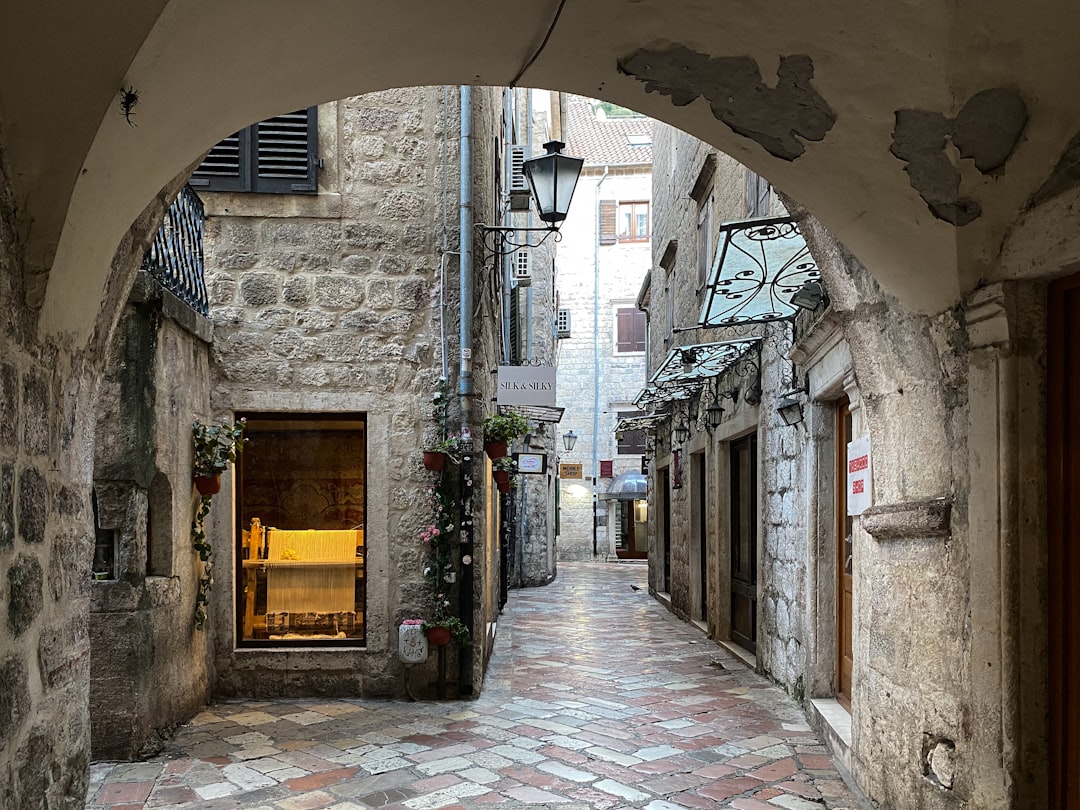
Kotor Old Town — This is the crown jewel of the coast, a UNESCO World Heritage site perched on a peninsula in the Bay of Kotor. The walls are imposing, the streets are narrow and steep, and the atmosphere is intense. You can walk the St. John's Fortress walls for a panoramic view of the bay, but be warned: it's hot, it's crowded, and the steps are unforgiving. Entry to the upper walls is 15 EUR, but the lower town is free. Go early in the morning or late in the evening to avoid the cruise ship crowds.
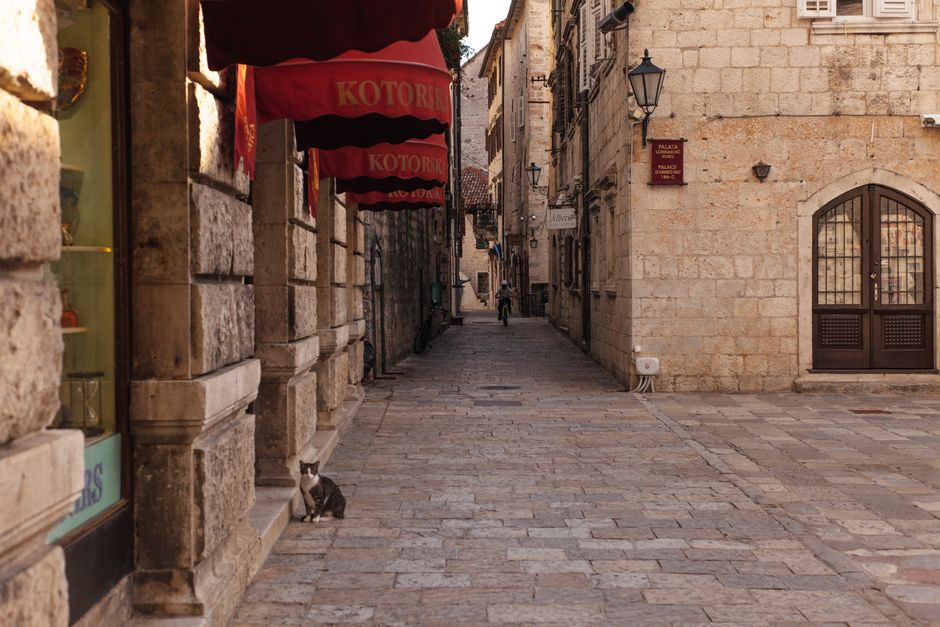
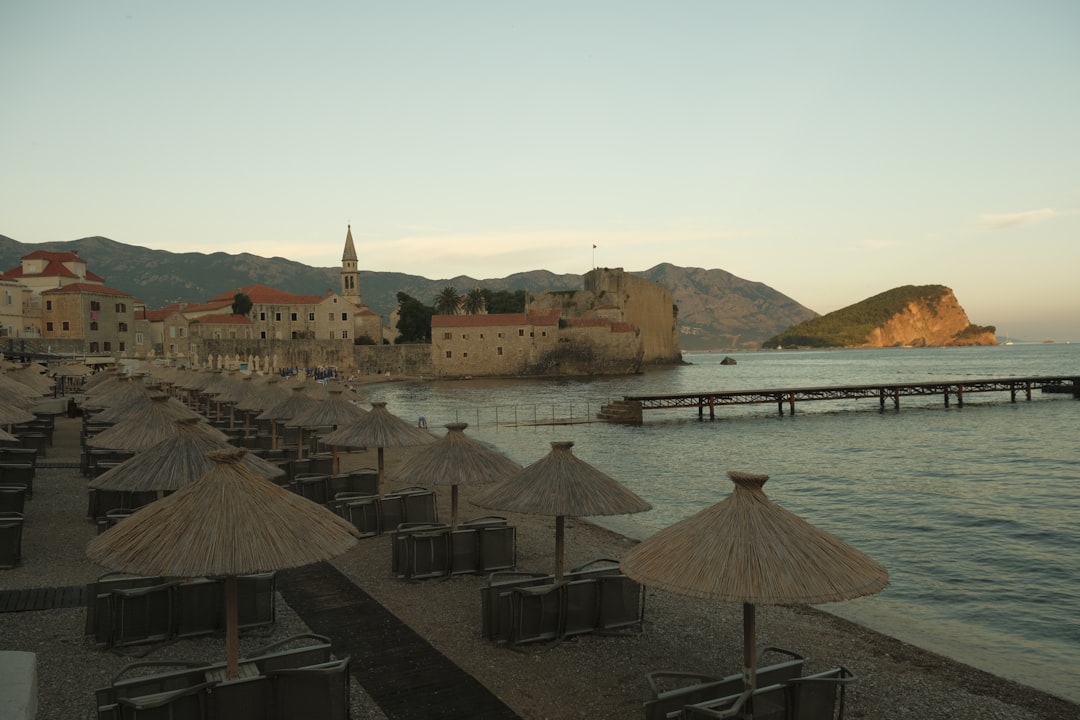
Budva Old Town — If Kotor is the intellectual, Budva is the party animal. The old town is a labyrinth of medieval streets, but it's the nightlife that draws the crowds. The beaches are pebbly, the bars are loud, and the energy is electric. It's not for everyone, but if you want to see the wild side of the Balkans, this is the place. The Santa Maria Church is a quiet refuge in the middle of the chaos, a reminder of the town's deeper roots.
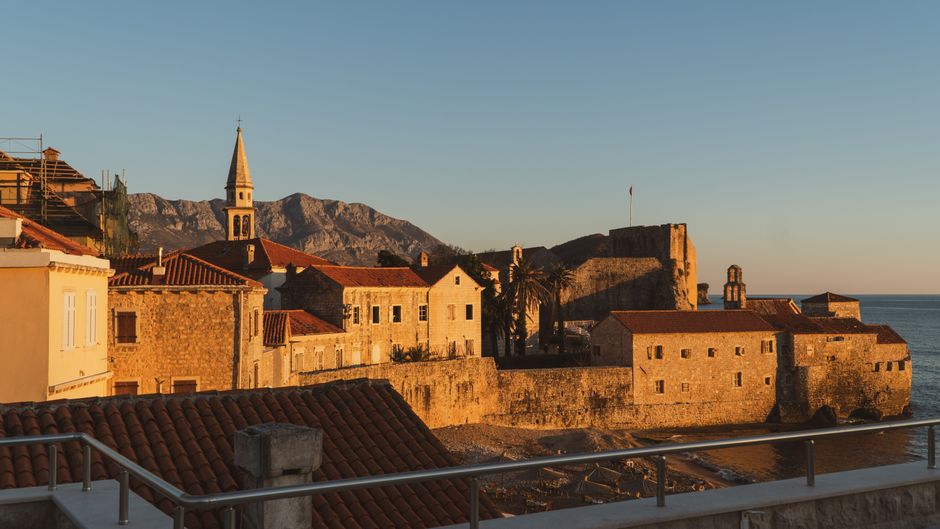
Perast — A short drive north of Kotor, Perast is a quiet, elegant town with a population of just a few hundred. It's famous for the Our Lady of the Rocks, an artificial island with a church built on it. The views are stunning, the water is calm, and the atmosphere is peaceful. It's the perfect place to escape the crowds and enjoy a glass of local wine by the water. The walk to the island is a short boat ride for 10 EUR.
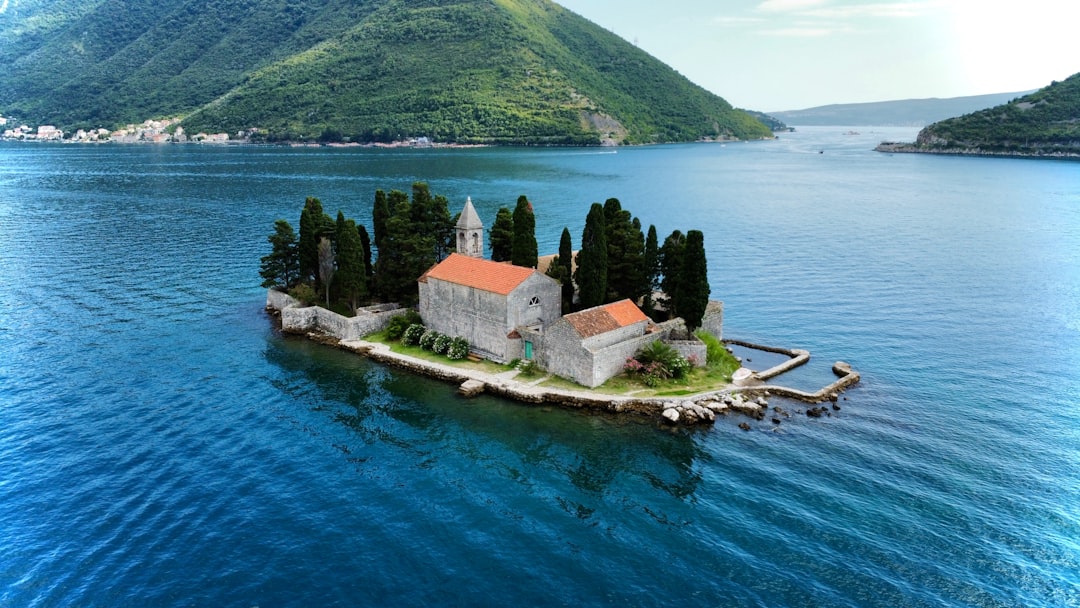
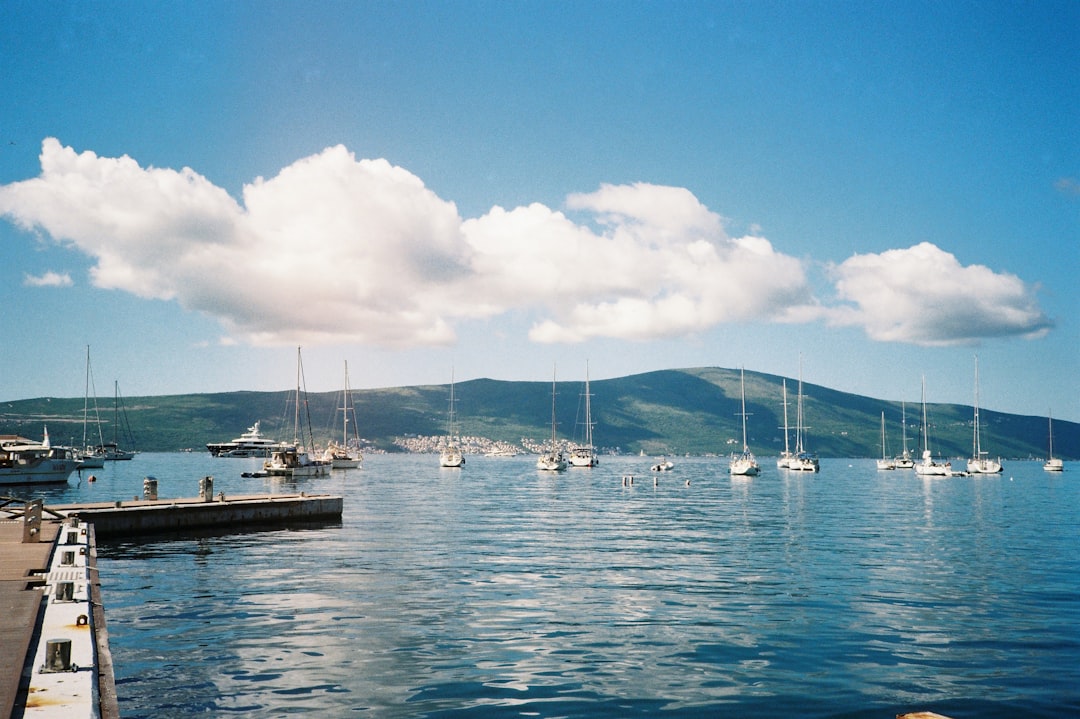
Tivat Port — This is where the super-yachts come to play. Tivat has transformed from a sleepy fishing town into a hub for the wealthy. The marina is filled with boats that cost more than most people earn in a lifetime. But beyond the yachts, there's the Our Lady of Salvation Church, a beautiful Baroque church with a clock tower. It's a stark contrast to the modern luxury, but it's part of the town's charm.
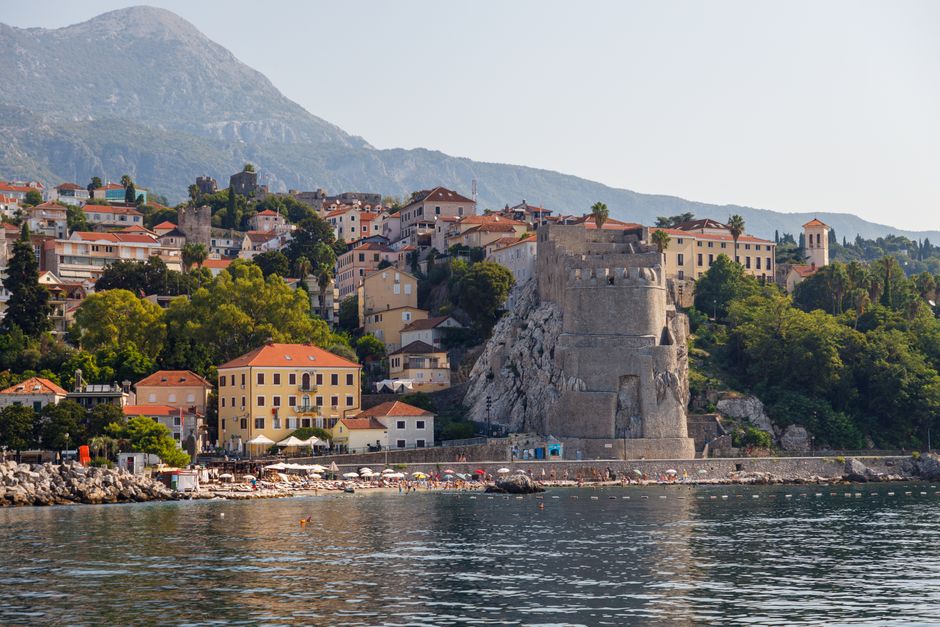
Herceg Novi — At the southern tip of the bay, Herceg Novi is a town of contrasts. The Fort Royal offers a great view of the bay and the Albanian coast, while the old town is a maze of narrow streets and Ottoman-era houses. It's less crowded than Kotor, less wild than Budva, and has a more relaxed vibe. The Monastery of St. George is a peaceful spot to reflect on the town's long history.
What to Eat & Drink
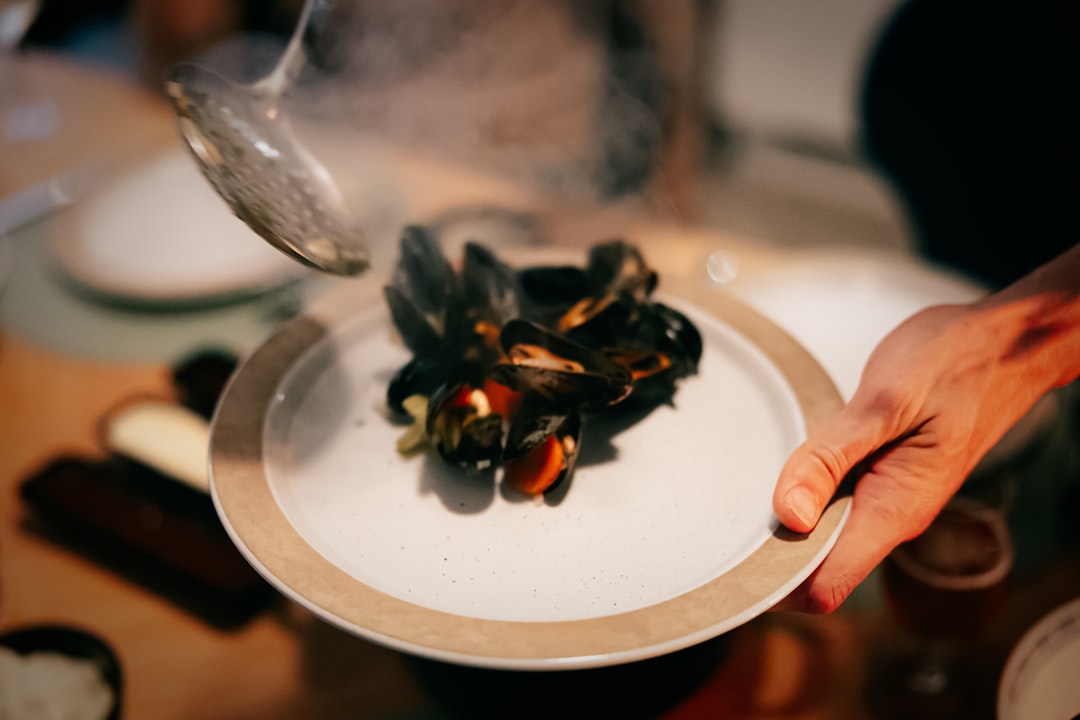
The food on the Montenegrin coast is a mix of Italian and Balkan influences. You'll find risotto with black cuttlefish ink, pasta with fresh seafood, and grilled fish that's so fresh it tastes like the sea. But don't forget the local specialties: pršut (cured ham), kačkavalj (cheese), and black risotto (crni rižot). For a meal, expect to pay 10-15 EUR for a main course in a local restaurant, or 3-5 EUR for a street food snack like a pita with cheese or meat.
The best place to eat is in the old towns, where the restaurants are tucked away in narrow streets. In Kotor, look for places near the St. Tryphon Cathedral. In Budva, the Strand Beach area has plenty of options, but be prepared to pay a premium. For a more authentic experience, try the Market Square in Tivat, where you can buy fresh produce and local delicacies. The local wine, loza, is cheap and delicious, and it's the perfect accompaniment to any meal.
Nightlife
When the sun goes down, the Montenegrin coast comes alive. Budva is the undisputed king of nightlife, with bars and clubs lining the beach and the old town. The music is a mix of house, techno, and Balkan pop, and the crowds are young, wild, and ready to party. Cover charges are usually 5-10 EUR, and drinks are 3-5 EUR. If you want to see the wild side of the Balkans, this is the place to be.
In Kotor, the nightlife is more subdued, with bars and cafes in the old town offering a more relaxed atmosphere. The music is softer, the crowds are smaller, and the vibe is more intimate. It's a good place to end the day with a glass of wine and a conversation with the locals. In Tivat, the nightlife is centered around the marina, with upscale bars and clubs catering to the yacht crowd. It's expensive, exclusive, and glamorous, but it's not for everyone.
Getting There & What to Expect
The nearest airport is Tivat Airport (TIV), which has flights from major European cities. From the airport, you can take a bus or taxi to Kotor (10-15 EUR) or Budva (15-20 EUR). The drive from Podgorica, the capital, takes about an hour. Buses run regularly from Belgrade and Sarajevo, but the journey can take 8-10 hours. For accommodation, budget hostels start at 20-30 EUR per night, mid-range hotels are 50-80 EUR, and luxury resorts can be 150-300 EUR or more. The best time to visit is May-June or September-October, when the weather is warm but the crowds are smaller.
Search accommodation in Kotor on Booking.com →
The Raw Truth
Montenegro's coast isn't perfect. It's crowded, it's expensive, and it's often chaotic. But that's what makes it real. It's not a sanitized resort; it's a living, breathing place with a complex history and a vibrant culture. The cruise ships will come and go, the tourists will take their photos, but the soul of this coast remains. It's in the smell of the salt air, the taste of the local wine, and the sound of the waves crashing against the ancient walls. It's a place that demands your attention, and if you're willing to look past the surface, it will reward you with an experience that's unlike anything else in the Balkans.
Comments