


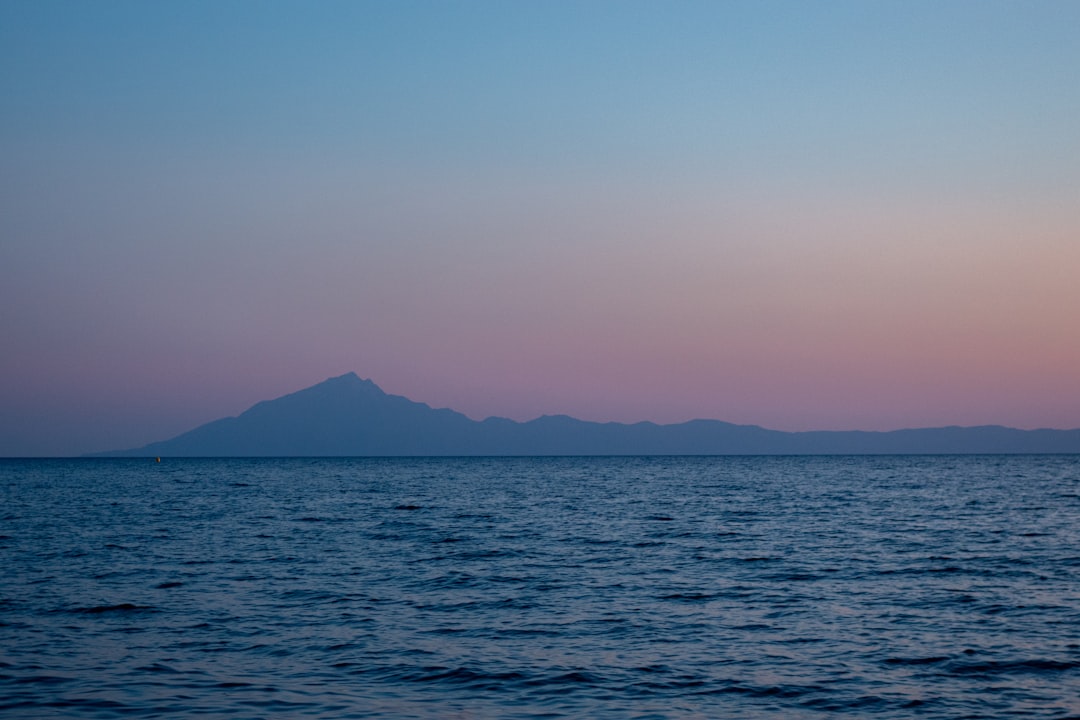
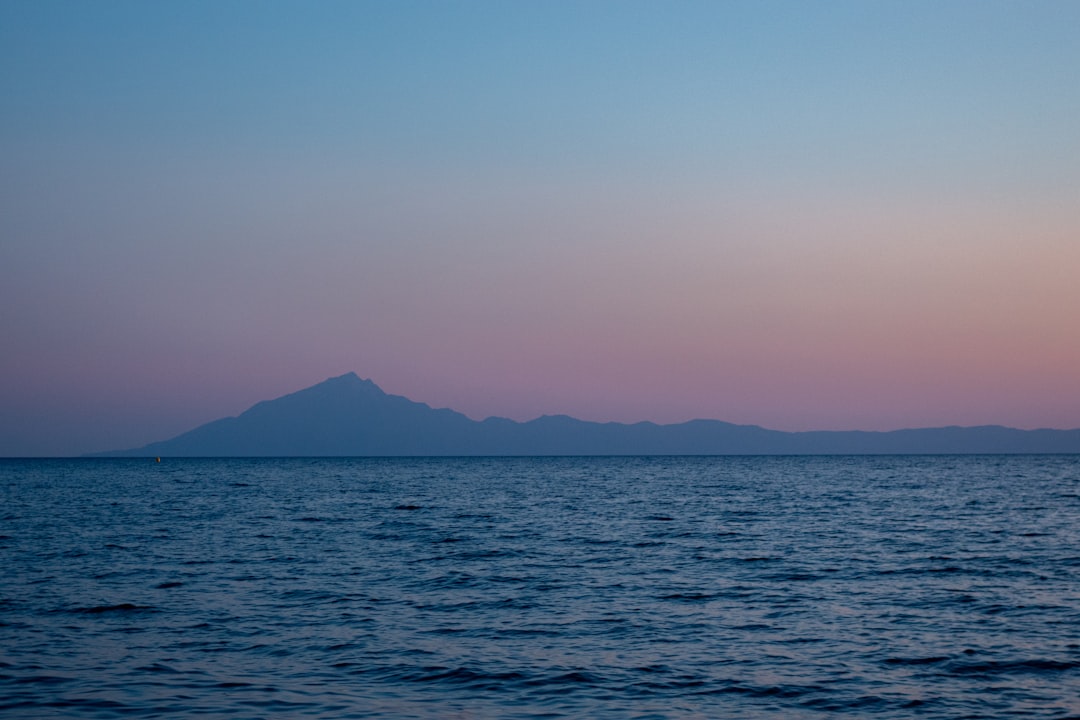
I stood at the border of the world, or at least the part of it that still believes in silence. The ferry from Ouranoupoli to Dafni smelled of diesel and damp wool, the Aegean wind cutting through my jacket like a cheap razor. I wasn't just crossing water; I was crossing a threshold into a theocratic state that hasn't updated its social contract since the Byzantine Empire fell. My permit, crumpled in my pocket, felt heavier than my backpack. This isn't a tourist destination. It's a closed circuit of prayer, politics, and preservation, where 2,000 monks live in a society that rejects modernity with a ferocity that feels almost personal. I came for the history, but I stayed because the air here feels different — thinner, sharper, charged with the weight of a millennium of uninterrupted devotion.
The moment the ferry docked, the noise of the outside world vanished. No cars, no phones, no women (strictly forbidden, a law enforced with bureaucratic rigor). Just the creak of wooden decks and the low murmur of Greek. I joined the line of pilgrims, men with beards and backpacks, all waiting to be processed by the Port Authority. The officials didn't care about my passport stamps or my travel itinerary; they cared about my permit, my behavior, and whether I understood that I was a guest in a house of God, not a consumer in a theme park. This is Mount Athos, a peninsula in northern Greece that operates as an autonomous monastic community within the Greek state. It's a place where time bends, and the rules are written in stone and scripture.
History & Identity
Mount Athos isn't just a mountain; it's a political entity. Established in the 10th century by Emperor Constantine VII, the Holy Mountain was granted autonomy to protect the monastic life from the chaos of the outside world. For over a thousand years, it has served as a refuge for Orthodox Christianity, a place where the liturgy is the law, and the monks are the citizens. The peninsula's isolation is its greatest asset and its biggest challenge. It has survived Ottoman rule, World War II, and the rise of secularism by maintaining a strict code of conduct and a closed-door policy. The ban on women, including animals, is rooted in the belief that Eve's presence distracted Christ, and while it seems archaic to modern sensibilities, it's a cornerstone of Athonite identity. The monks see themselves as guardians of a spiritual flame that could be extinguished by the slightest breeze of modernity.
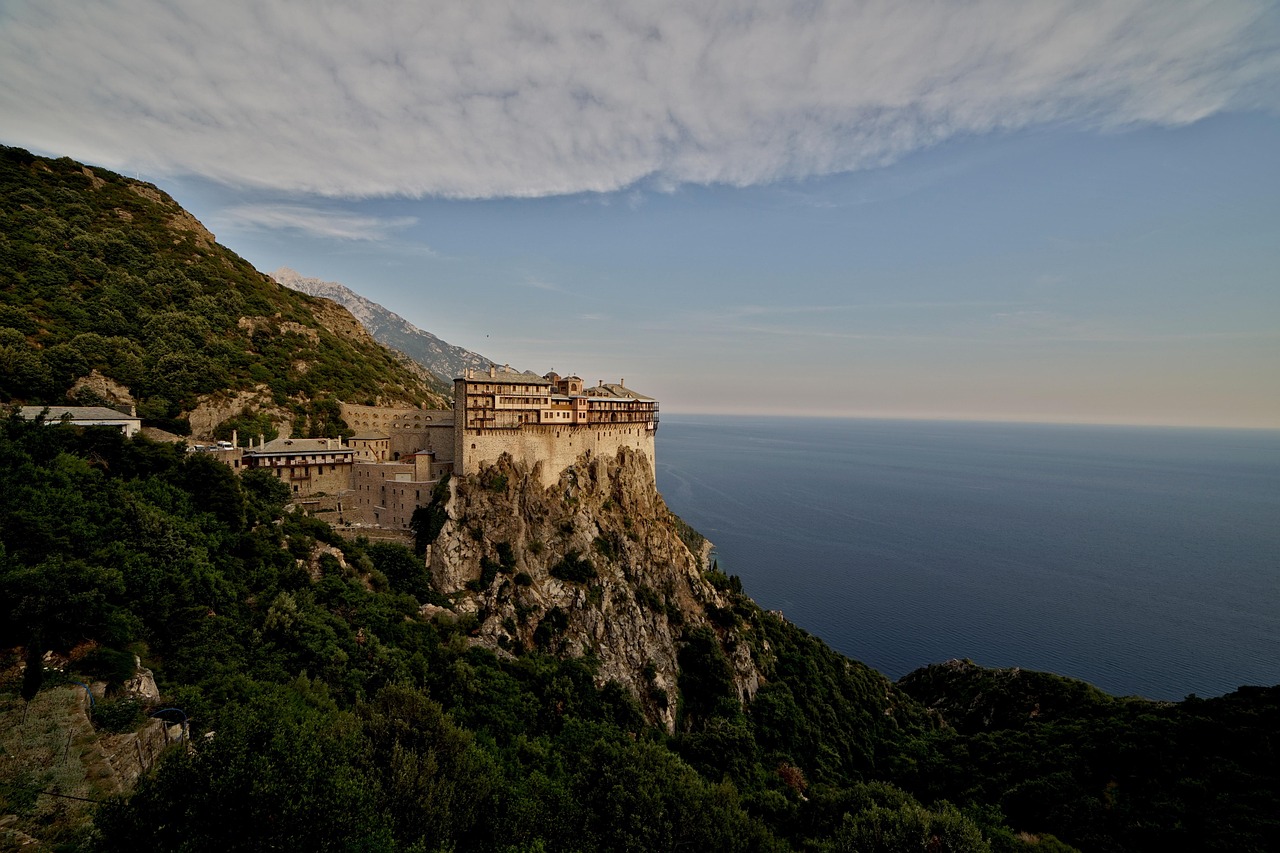
The identity of Mount Athos is also tied to its architecture and art. The twenty monasteries that dot the coastline are not just places of worship; they are fortresses, libraries, and museums. Each one has its own history, its own style, and its own personality. Some are wealthy, with gold-plated domes and priceless icons; others are austere, with crumbling walls and a focus on asceticism. But they all share a common purpose: to preserve the Orthodox faith and to offer a space for contemplation in a world that rarely stops to think. The monks here are not just praying; they are working, copying manuscripts, restoring frescoes, and maintaining the infrastructure of a society that has no other source of income but donations and its own agricultural production. It's a self-sustaining ecosystem, both spiritually and economically, and it's a testament to the power of belief to shape a landscape.
Where to Go
Monastery of Vatopedi — The third largest monastery on Athos, Vatopedi is a masterpiece of Byzantine architecture. Its church is adorned with frescoes by the great masters of the 16th century, and its library houses thousands of manuscripts. The monastery is also home to the miraculous icon of the Theotokos, which is said to have saved the monastery from a pirate attack. Visitors can tour the church and the refectory, but the interior is strictly off-limits to non-Orthodox Christians. Entry requires a permit and a donation of 10-15 EUR.
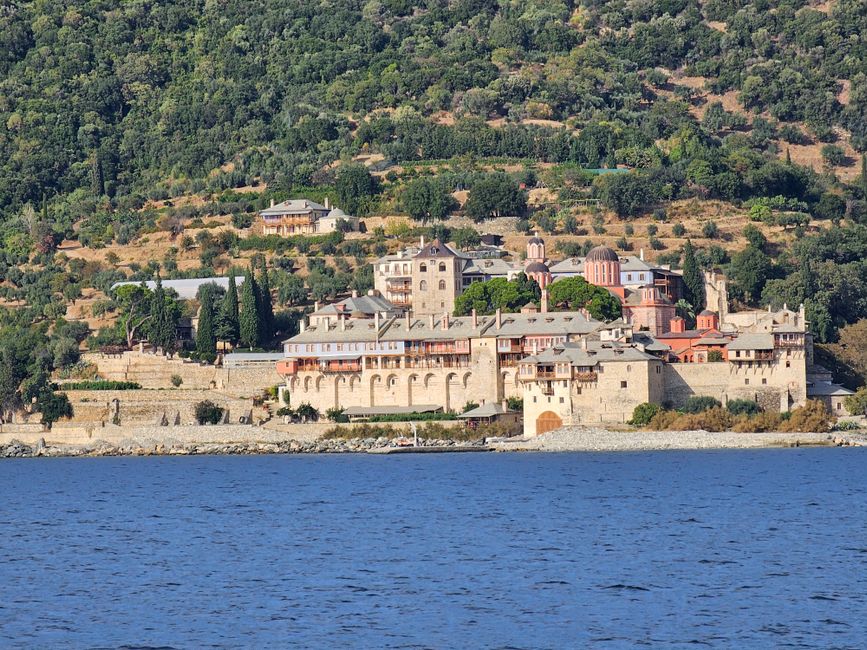
Monastery of Megisti Lavra — The oldest and most prestigious monastery on Athos, founded by St. Athanasius in 963 AD. Lavra is the mother monastery, and its abbot holds the title of Hegumenos of Mount Athos. The complex is vast, with multiple churches, a large refectory, and a museum that houses relics and icons. The atmosphere here is one of solemn grandeur, and the monks are known for their hospitality. A visit to Lavra is a must for any pilgrim, but it's also a reminder of the hierarchy that governs life on the mountain. Entry requires a permit and a donation of 10-15 EUR.
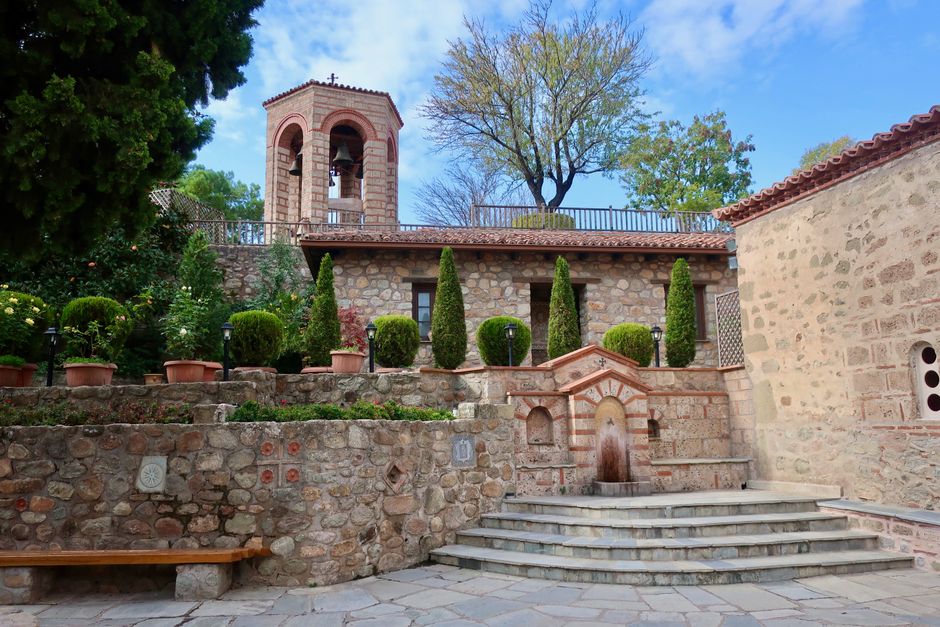
Monastery of Xeropotamou — Located in a remote area of the peninsula, Xeropotamou is known for its strict asceticism and its beautiful church, which is adorned with frescoes by Theophanes the Cretan. The monastery is also home to a small museum that houses icons and manuscripts. The journey to Xeropotamou is a hike of several hours, but the reward is a sense of isolation and peace that is hard to find elsewhere on Athos. Entry requires a permit and a donation of 5-10 EUR.
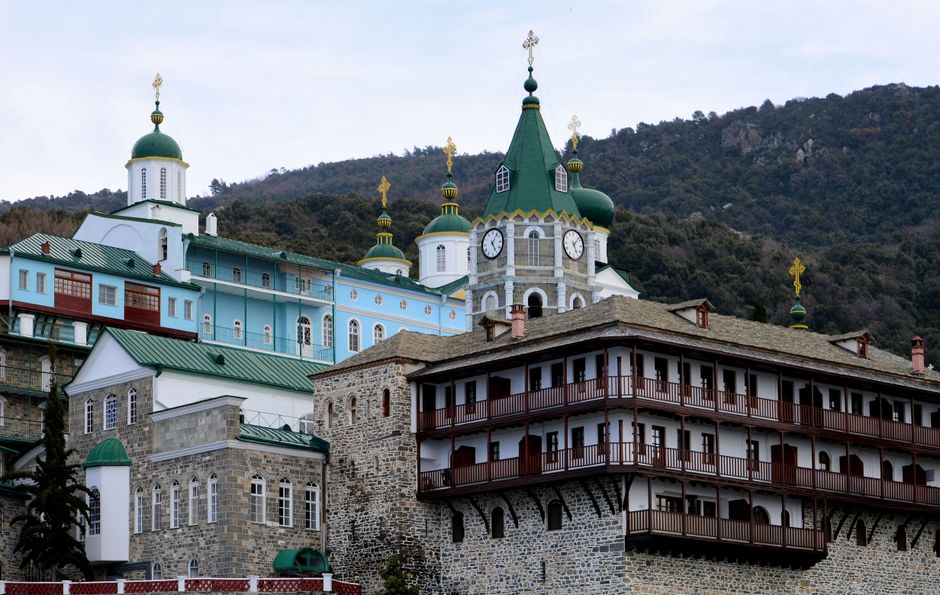
Skete of St. Panteleimon — Unlike the large monasteries, the sketes are smaller communities that live a more solitary life. St. Panteleimon is the largest skete, and it's known for its Russian heritage and its beautiful church, which is adorned with icons in the Russian style. The skete is also home to a small museum that houses relics and manuscripts. A visit to St. Panteleimon is a chance to see a different side of Athonite life, one that is less formal and more personal. Entry requires a permit and a donation of 5-10 EUR.
Chora (Karyes) — The administrative center of Mount Athos, Chora is a small village that serves as the capital of the monastic state. It's home to the Holy Community, the governing body of the peninsula, and the bishop's residence. The village is also a hub for visitors, with shops, cafes, and guesthouses. A walk through Chora is a chance to see the everyday life of the monks, who are often seen walking to and from the monasteries. It's a place where the spiritual and the secular intersect, and it's a reminder that Mount Athos is not just a place of prayer, but also a place of work and community.
What to Eat & Drink
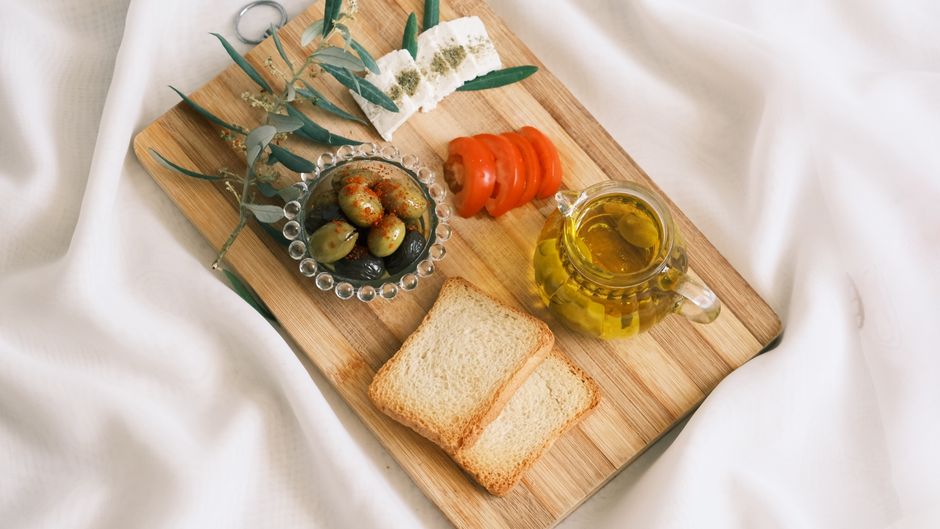
Food on Mount Athos is simple, but it's also deeply symbolic. The monks follow a strict diet, which is based on the Orthodox calendar and the needs of the body. Meat is rarely eaten, and even then, only on special occasions. The staple foods are bread, olives, cheese, and vegetables, all of which are grown on the peninsula or imported from the mainland. The meals are served in silence, with a blessing before and after, and they are a time for reflection and gratitude. For visitors, the food is a chance to experience the simplicity and the spirituality of Athonite life. A typical meal might include a salad of tomatoes and cucumbers, a plate of feta cheese, and a bowl of soup, all accompanied by a glass of wine. The cost of a meal is usually included in the accommodation, but if you're staying in a guesthouse, you can expect to pay 10-15 EUR for a full meal.
The best place to eat on Mount Athos is in the monasteries themselves, where the food is prepared by the monks and served in the refectory. The atmosphere is one of solemnity and respect, and it's a reminder that food is not just a necessity, but also a sacrament. If you're staying in a guesthouse in Chora, there are also a few cafes and restaurants that serve traditional Greek food, but the quality and the atmosphere are not the same as in the monasteries. For a true Athonite experience, eat in the monasteries, and respect the silence and the rituals that surround the meal.
Nightlife
There is no nightlife on Mount Athos. The peninsula is a place of prayer and contemplation, and the idea of partying or drinking is antithetical to its purpose. The monks follow a strict schedule, which includes multiple prayers throughout the day and night, and the lights are turned off at a specific time. The silence is absolute, and it's a reminder that Mount Athos is not a place for entertainment, but for spiritual growth. If you're looking for nightlife, you'll have to leave the peninsula and head to the mainland, where the bars and clubs of Thessaloniki are just a short drive away. But on Mount Athos, the night is for prayer, and the stars are the only lights that shine.
Getting There & What to Expect
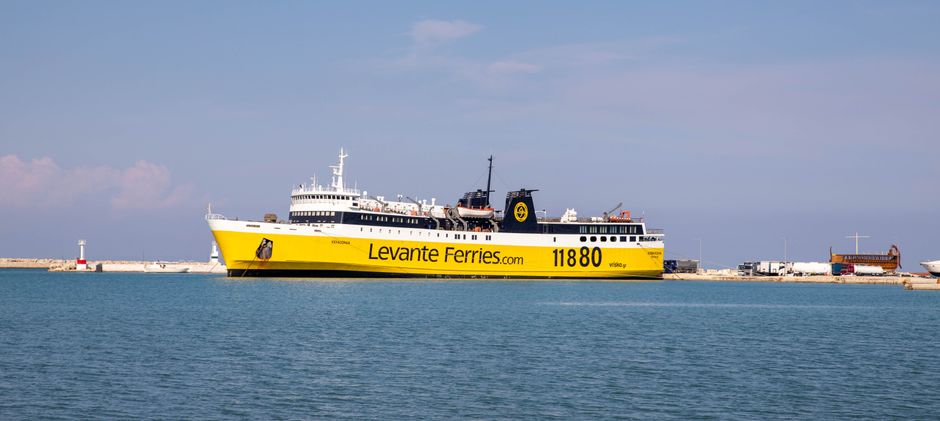
Getting to Mount Athos requires planning and patience. The first step is to obtain a permit, which can be done online or through a travel agency. The permit is free, but it's limited in number, and it's advisable to apply well in advance. The permit is valid for three days, and it allows you to visit up to three monasteries. The second step is to travel to Ouranoupoli or Ierissos, the two ports that serve as the gateways to the peninsula. From there, you can take a ferry to Dafni, the main port of Mount Athos. The ferry ride takes about 45 minutes, and the cost is 15-20 EUR one way. Once you arrive in Dafni, you can take a bus or a taxi to Chora, or you can hike to the monasteries on foot. The accommodation on Mount Athos is simple, with guesthouses and monasteries offering basic rooms for 30-50 EUR per night. The food is included, and the atmosphere is one of simplicity and spirituality. The best time to visit is between May and October, when the weather is warm and the sea is calm. But be prepared for silence, for prayer, and for a sense of awe that is hard to forget.
Search accommodation in Ouranoupoli on Booking.com →
The Weight of Silence
I left Mount Athos with a head full of prayers and a heart full of questions. The peninsula is a place of contradictions, a society that is both ancient and modern, isolated and connected, spiritual and political. It's a place where the past is not just remembered, but lived, and where the future is seen through the lens of faith. The monks here are not just praying for themselves; they are praying for the world, and their silence is a form of resistance against the noise and the chaos of modern life. I don't know if I'll ever go back, but I know that the experience has changed me. It's a place that demands respect, and it's a place that rewards those who are willing to listen. In a world that is always talking, Mount Athos is a reminder that sometimes, the most powerful thing you can do is say nothing at all.
Comments