


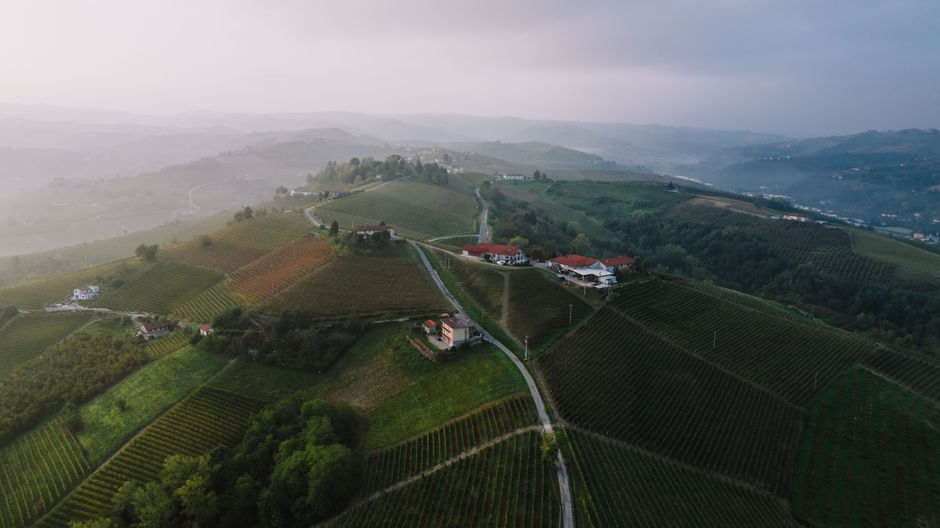
The fog clings to the hills of Tokaj like a wet wool blanket you can’t shake off. I’m sitting on a wooden crate in a cellar that smells of damp earth, old oak, and something dangerously sweet. The local winemaker, a man with hands like cured leather and a smile that suggests he’s already had three glasses of the good stuff, pours me a thimble-sized amount of Aszú. It’s thick, amber, and tastes like honey, dried apricots, and centuries of European aristocracy throwing money at grape growers. This isn’t wine. It’s liquid history, and it’s going to ruin you for everything else.
Most people think wine tourism means sipping Chardonnay in a sun-drenched vineyard in France or Italy. But here, in the borderlands of Hungary and Romania, the wine is born from mold. Noble rot. It’s a fungal infection that shrivels the grapes, concentrating the sugar and acidity into a potent elixir. The French called it le vin des rois, le roi des vins — the wine of kings, the king of wines. And after a week chasing the vines from the volcanic slopes of Tokaj-Hegyalja to the limestone hills of Dealu Mare, I get why. The landscape is dramatic, the history is thick with imperial favor, and the prices are still low enough to keep you from checking your bank account every time you raise a glass.
The Hungarian Heart: Volcanic Soil and Imperial Favor
The Tokaj Wine Region is one of the oldest demarcated wine regions in the world, established by royal decree in 1737. The terrain here is unique — volcanic hills that rise abruptly from the flat plains where the Tisza and Bodrog rivers meet. This volcanic soil, rich in minerals, combined with the morning mists that roll in off the rivers, creates the perfect storm for Botrytis cinerea, the noble rot fungus. Without this mold, there is no Tokaji Aszú. It’s a gamble every year. Some vintages are poor, some are legendary. The winemakers here are weather forecasters first and farmers second.
The town of Tokaj itself is a postcard come to life. Colorful houses cling to the hillsides, and the Saint Martin’s Church dominates the skyline. But the real magic is underground. The region is famous for its cellars, carved into the tuff stone. These caves maintain a constant temperature and humidity, perfect for aging wine. Some of these cellars are hundreds of years old, with names like Disznókő and Fortuna. Walking through them feels like entering a crypt, but instead of bones, you’re surrounded by barrels of liquid gold. The air is still, the silence is heavy, and the taste is intoxicating.
What makes Tokaj special isn’t just the wine; it’s the story. This region supplied the courts of France, Russia, and England for centuries. Catherine the Great of Russia was such a fan that she reportedly drank it with a spoon. Napoleon, who wasn’t known for his restraint, famously said, "I have drunk the wine of Tokay, and I find that it is worth more than the crown of France." That’s a bold claim, but after a glass of 5 Puttonyos Aszú, you might just believe him. The region survived wars, communism, and the collapse of the Soviet Union, and now it’s back in the spotlight, offering some of the best value in the world for high-quality dessert wine.
Across the Border: Romania’s Dealu Mare Secret
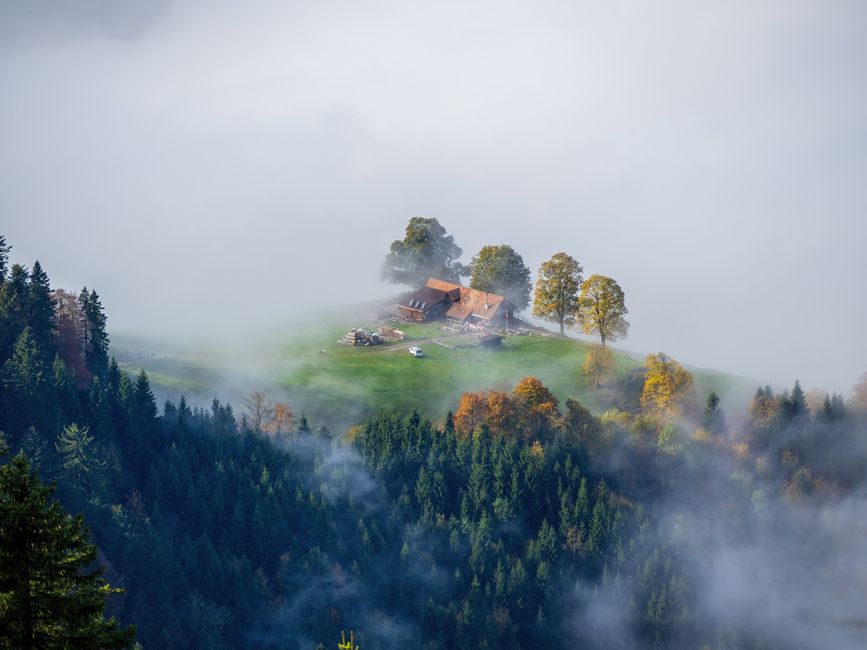
If Tokaj is the king, then Dealu Mare is the quiet, underrated prince. Located in southern Romania, about 100 kilometers northeast of Bucharest, this region is one of the country’s most important wine-producing areas. While Tokaj is famous for sweet wines, Dealu Mare is known for its robust reds and crisp whites. The climate is continental, with hot summers and cold winters, and the soil is a mix of loam and limestone. The hills here are gentler than in Tokaj, but the views are just as stunning, rolling vineyards stretching out to the horizon.
The town of Valea Călugărească is the heart of Dealu Mare. It’s a small, charming place with a medieval feel, and it’s home to some of Romania’s most respected wineries. The Dealu Mare appellation was established in 1994, and since then, the quality has been on the rise. Winemakers here are experimenting with indigenous varieties like Fetească Neagră and Fetească Albă, as well as international grapes like Merlot and Chardonnay. The result is a diverse range of wines that are gaining recognition on the international stage.
What’s fascinating about Dealu Mare is its connection to history. The region has been producing wine for centuries, and it was highly regarded during the time of the Romanian Principalities. The Curtea de Argeș monastery, located nearby, has its own vineyards and produces a traditional wine that’s been served to pilgrims for generations. The monastic tradition of winemaking is strong here, and it adds a spiritual dimension to the experience. Drinking wine in Dealu Mare feels like participating in an ancient ritual, one that connects you to the land and the people who have worked it for centuries.
Chasing the Grapes: A Route Through Two Countries
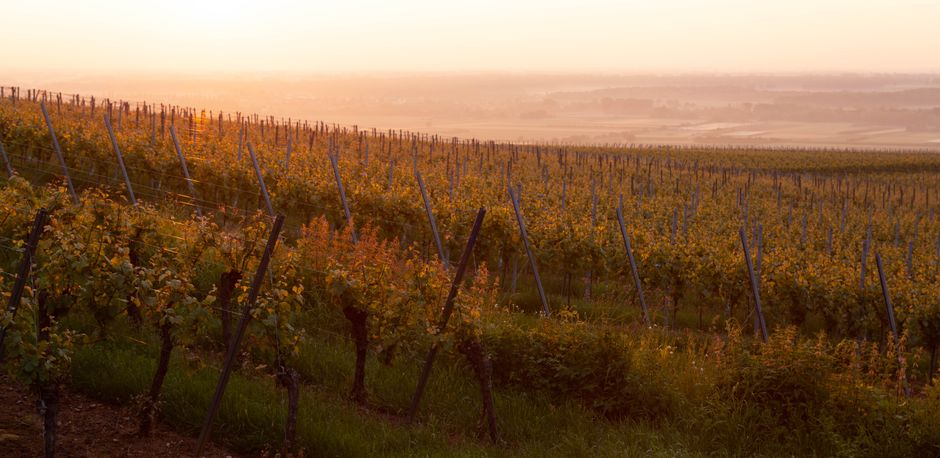
The best way to experience both regions is to drive. Start in Tokaj, spend two days exploring the cellars and tasting the wines, then cross the border into Romania and head south to Dealu Mare. The drive takes about four hours, but it’s worth it. You’ll pass through the Carpathian Mountains, with their dramatic peaks and dense forests, and you’ll see the landscape change from volcanic hills to rolling vineyards. The border crossing is usually quick, especially if you have an EU passport, but it’s always good to check the current regulations before you go.
In Tokaj, start with a visit to the Tokaj National Park, which protects the unique ecosystem of the region. You can hike up to the Kékes peak, the highest point in the Mátra Mountains, for a panoramic view of the wine region. Then, spend a day touring the cellars. Disznókő is a must-see, with its historic caves and excellent wines. Fortuna is another great option, with a modern tasting room and a wide range of wines. Don’t forget to try the Szamorodni, a semi-sweet wine that’s less intense than the Aszú but still delicious.
In Dealu Mare, start in Valea Călugărească and visit the Dealu Mare wine museum, which tells the story of the region’s winemaking history. Then, tour some of the local wineries. Hotel & Winery Dealu Mare is a great place to start, with a beautiful setting and a wide range of wines. Winemaker’s House is another excellent option, with a focus on indigenous varieties. Don’t forget to try the Fetească Neagră, a red wine that’s full of flavor and character. And if you have time, visit the Curtea de Argeș monastery, which is located just a short drive away. The view from the top of the hill is breathtaking, and the wine is even better.
What to Eat & Drink: Pairing Wine with Local Flavors
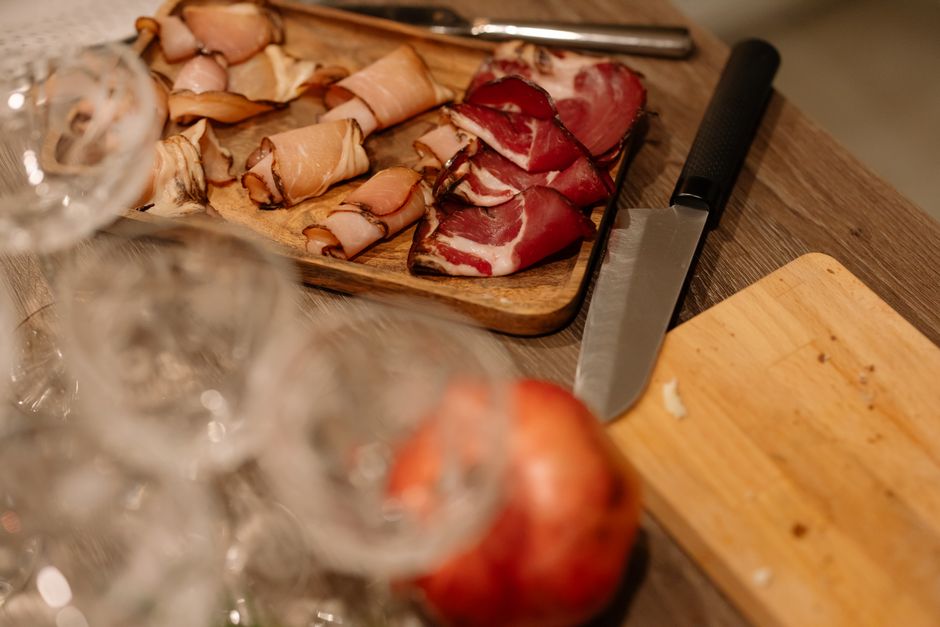
Wine is nothing without food, and both regions offer a wealth of culinary delights. In Tokaj, the local cuisine is hearty and comforting, with dishes like goulash, cholent, and csipetke (small dumplings). The Tokaji Szalonna, a smoked bacon that’s protected by EU law, is a must-try. It’s salty, smoky, and pairs perfectly with the sweet Aszú. For a lighter option, try the Tokaji Halászlé, a fish soup made with local river fish. It’s spicy, flavorful, and perfect for a chilly evening.
In Dealu Mare, the cuisine is more Romanian, with dishes like mămăligă (cornmeal porridge), sarmale (cabbage rolls), and mititei (grilled minced meat sausages). The Fetească Neagră pairs well with grilled meats, while the Fetească Albă is perfect with fish and seafood. Don’t forget to try the Dealu Mare cheese, a soft, creamy cheese that’s made from sheep’s milk. It’s delicate, tangy, and pairs beautifully with the region’s white wines.
Prices in both regions are reasonable, especially compared to other wine regions in Europe. In Tokaj, a glass of Aszú can cost anywhere from 10-20 EUR, depending on the quality and the winery. A bottle can set you back 30-100 EUR or more, but it’s worth it for the experience. In Dealu Mare, prices are even lower, with a glass of wine costing 3-8 EUR and a bottle ranging from 8-25 EUR. Meals are also affordable, with a three-course dinner at a local restaurant costing around 15-25 EUR per person.
Getting There & What to Expect
Getting to Tokaj is easy. The nearest airport is in Debrecen, which is about an hour’s drive away. From there, you can rent a car or take a bus to Tokaj. The drive is scenic, and the bus is cheap and reliable. If you’re coming from Budapest, the drive takes about 2.5 hours, and there are frequent buses and trains available. In Dealu Mare, the nearest airport is in Bucharest, which is about 1.5 hours’ drive away. From there, you can rent a car or take a bus to Valea Călugărească. The drive is scenic, and the bus is cheap and reliable.
Accommodation in both regions is affordable. In Tokaj, you can find a budget hotel for around 40-60 EUR per night, and a mid-range hotel for around 80-120 EUR per night. In Dealu Mare, prices are even lower, with a budget hotel costing around 30-50 EUR per night and a mid-range hotel costing around 60-90 EUR per night. There are also plenty of guesthouses and farm stays available, which offer a more authentic experience.
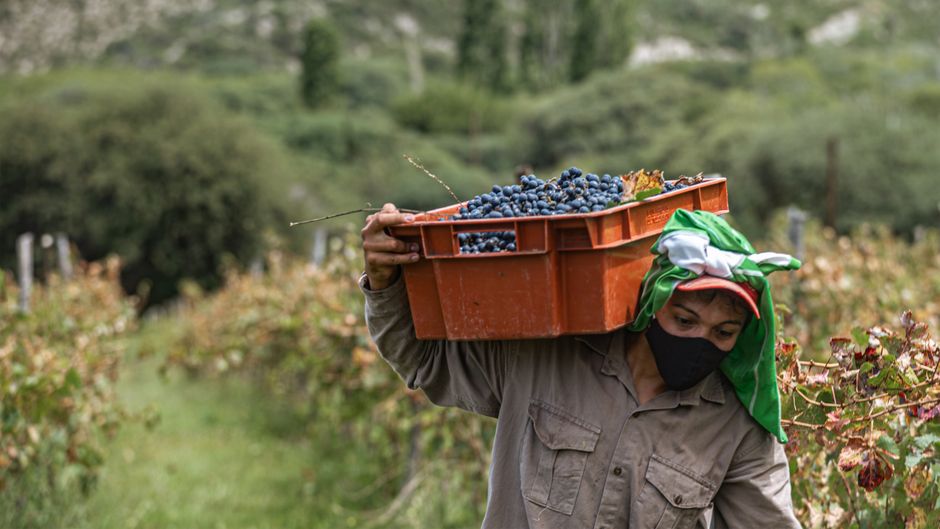
The best time to visit both regions is during the harvest season, which runs from September to October. This is when the vines are at their most beautiful, and the air is filled with the smell of fermenting grapes. It’s also when the wineries are most active, so you’ll have the chance to see the winemaking process in action. However, both regions are beautiful year-round, and the winter months offer a chance to explore the cellars without the crowds.
Search accommodation in Tokaj on Booking.com →
The Last Sip: Why You Should Go Now
There’s a moment, late in the evening, when the lights in the cellar are dimmed, and the only sound is the clink of glasses and the low hum of conversation. You’re sitting with a group of strangers who’ve become friends, sharing stories and sipping wine that’s been aging in the dark for decades. You realize that this isn’t just about the wine. It’s about the people, the land, and the history that’s been poured into every bottle. It’s about the fact that in a world that’s increasingly globalized and homogenized, there are still places where tradition matters, where quality is paramount, and where the wine tells a story that’s worth listening to.
Tokaj and Dealu Mare are two of those places. They’re not yet overrun by tourists, and the prices are still low enough to keep you from feeling guilty about buying a few bottles to take home. But that won’t last forever. As more people discover the joys of noble rot and indigenous grapes, these regions will become more popular, and the prices will rise. So go now. Drink deeply. And remember the kings who came before you, and the winemakers who keep the tradition alive. The wine is waiting, and it’s better than you can imagine.
Tokaj Wine Region Tokaj Tisza Dealu Mare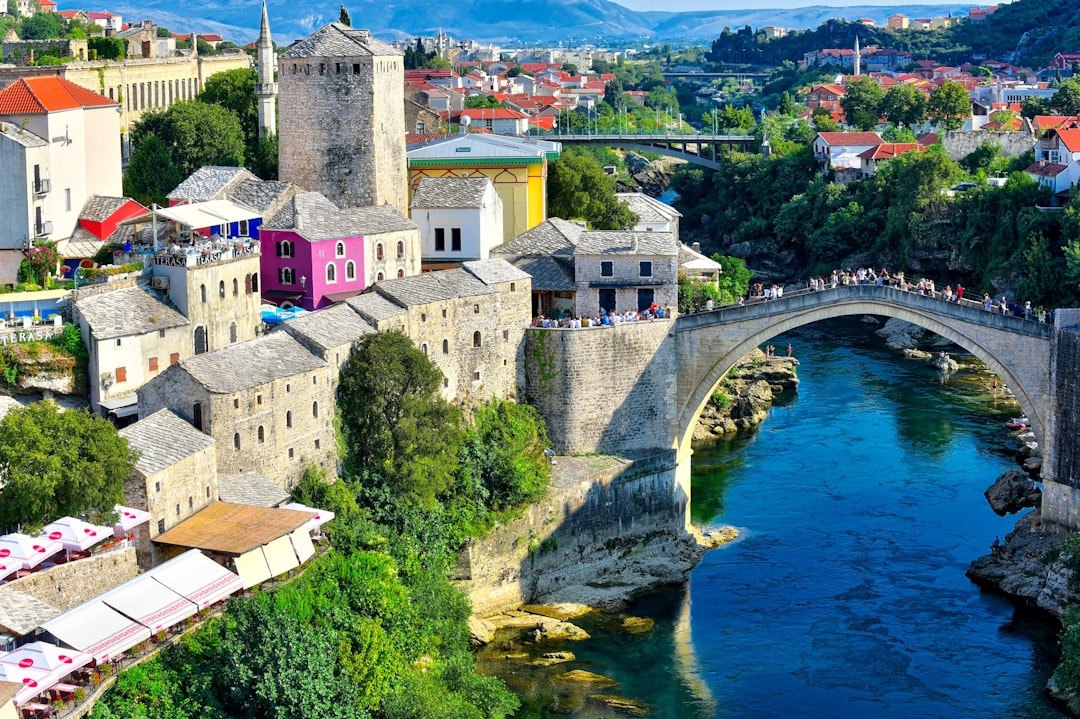
Comments