


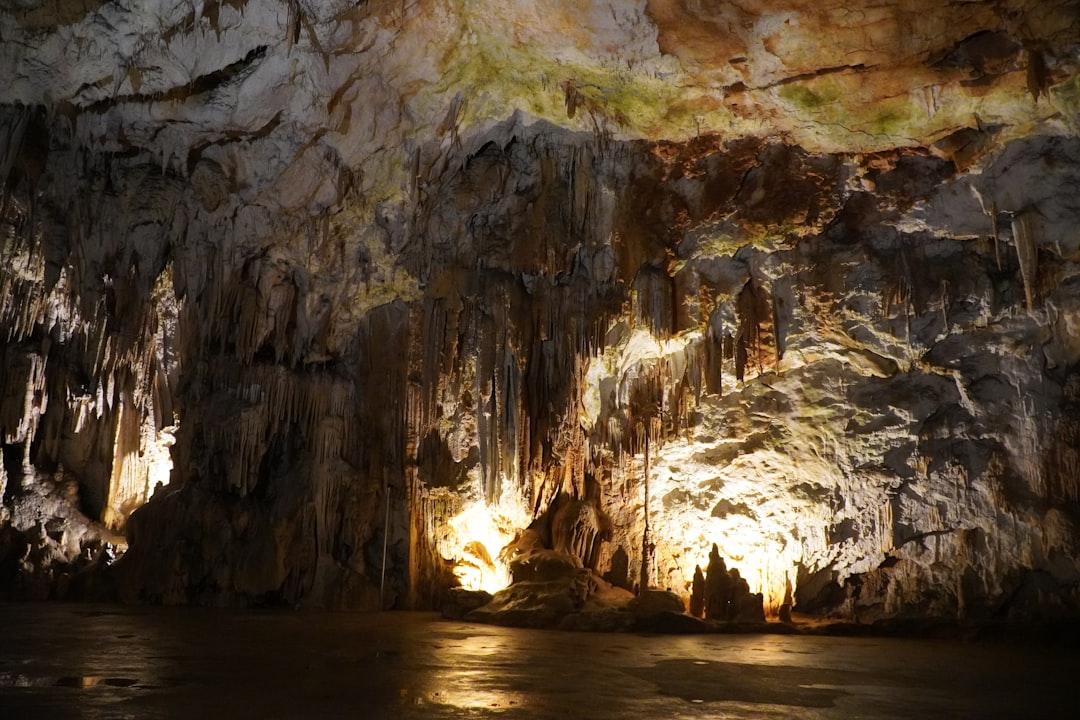
I am standing on a rattling iron platform, fifty meters below the earth, listening to the silence of a million years. The air here tastes of wet stone and ancient dust, cold enough to make your lungs contract. A conductor in a uniform that looks like it survived World War II taps a lantern against the rail and shouts something I cannot hear over the drip-drip-drip of water falling from stalactites. We are not in a tourist trap; we are in the belly of the Karst region, a geological formation so significant it gave its name to limestone landscapes across the globe. Slovenia is not just a country of Alps and coastlines; it is a land built on holes, and the Postojna Cave is the grandest of them all.
The train that brings us here is not a modern electric shuttle. It is a narrow-gauge steam engine, coughing black smoke into the damp tunnel, pulling wooden carriages that groan under the weight of hundreds of shivering tourists. This is the only way to see the deeper chambers, and it feels less like transport and more like an expedition into a subterranean kingdom. The walls are slick with condensation. The darkness beyond the lantern's reach is absolute. This is the real deal, not a sanitized museum exhibit, but a living, breathing river of rock.
History & Identity
The story of this underground world begins in 1819, when a local priest named Valentin Stanič decided to light a candle in a dark passage and see where it led. He was the first to systematically map the system, and his curiosity turned a local curiosity into a scientific marvel. By the late 19th century, the cave was already a sensation in Europe, attracting naturalists and royalty alike. The infrastructure built to support it — the railway, the lighting systems, the safety measures — reflects the industrial ambition of the Austro-Hungarian era, layering human engineering over primal geology.
Today, the site is managed by the Postojna Cave Institute, a research body that treats the cave not just as a tourist attraction but as a vital ecosystem. They study the unique species that live here, blind and pale, adapted to total darkness. The identity of the cave is tied to this dual nature: it is a playground for the public and a laboratory for scientists. The limestone here is porous, allowing water to carve through it with terrifying efficiency, creating galleries that stretch for kilometers. The name "Karst" itself comes from this region, a reminder that this landscape defined our understanding of underground water systems.
Where to Go
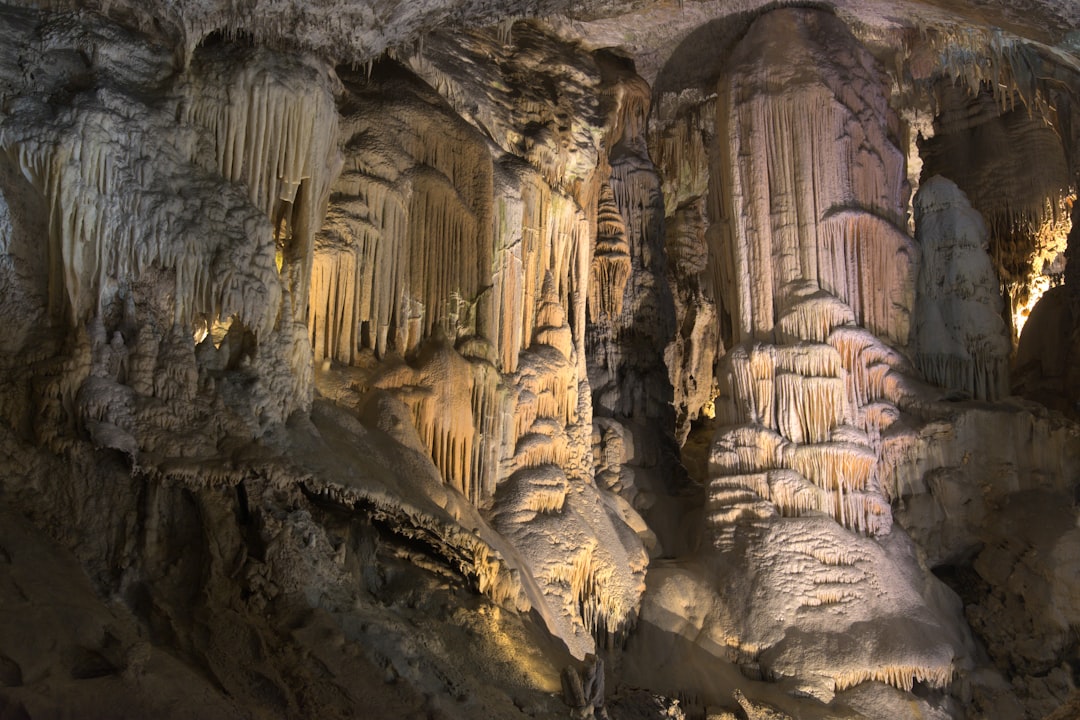
The Main Gallery — The heart of the visit is the two-kilometer stretch of tunnels accessible by the tourist train. You will see massive stalagmites, some rising twenty meters high, and vast chambers like the King's Chamber, named for the sheer scale of its ceiling. The train stops at key points where guides lead you off the tracks for close-up views. Entry includes the train ride and a guided walking tour. Best visited early in the morning to avoid the thickest crowds.
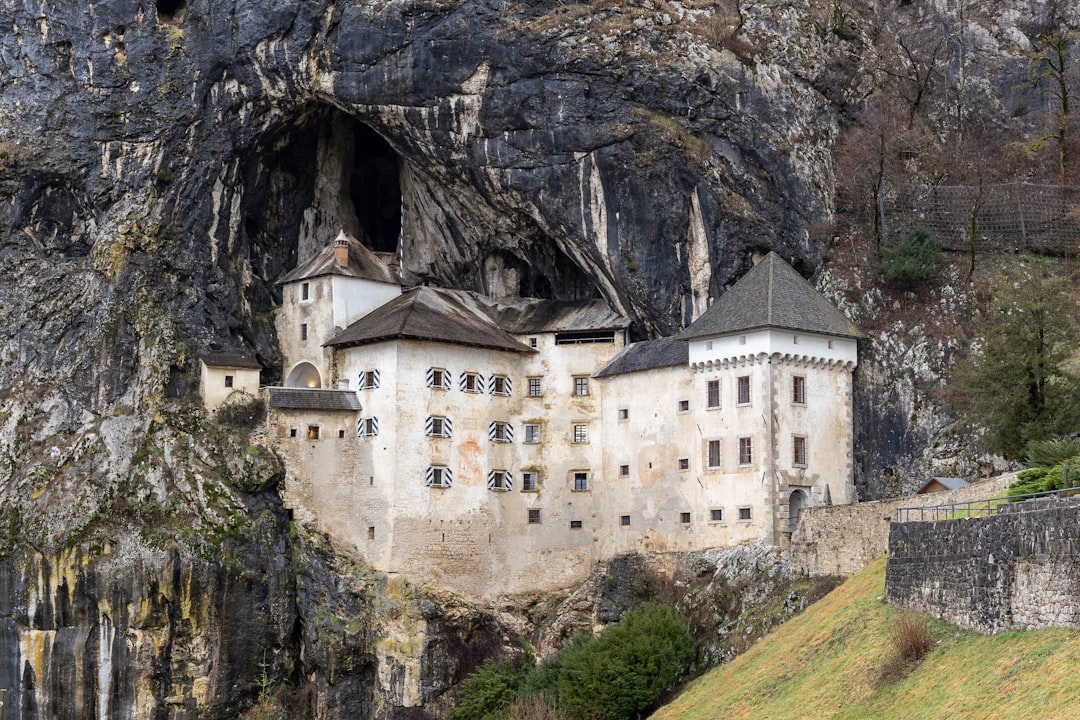
The Dragon's Lair — Deep within the cave, a narrow passage leads to a chamber named for its rugged, jagged appearance. It is a highlight of the walking tour, where the rock formations seem to twist into organic shapes. The temperature here is a constant 8 degrees Celsius, so layers are essential. This section showcases the raw, unfinished beauty of the limestone, stripped of the smoother polish seen in the main halls.
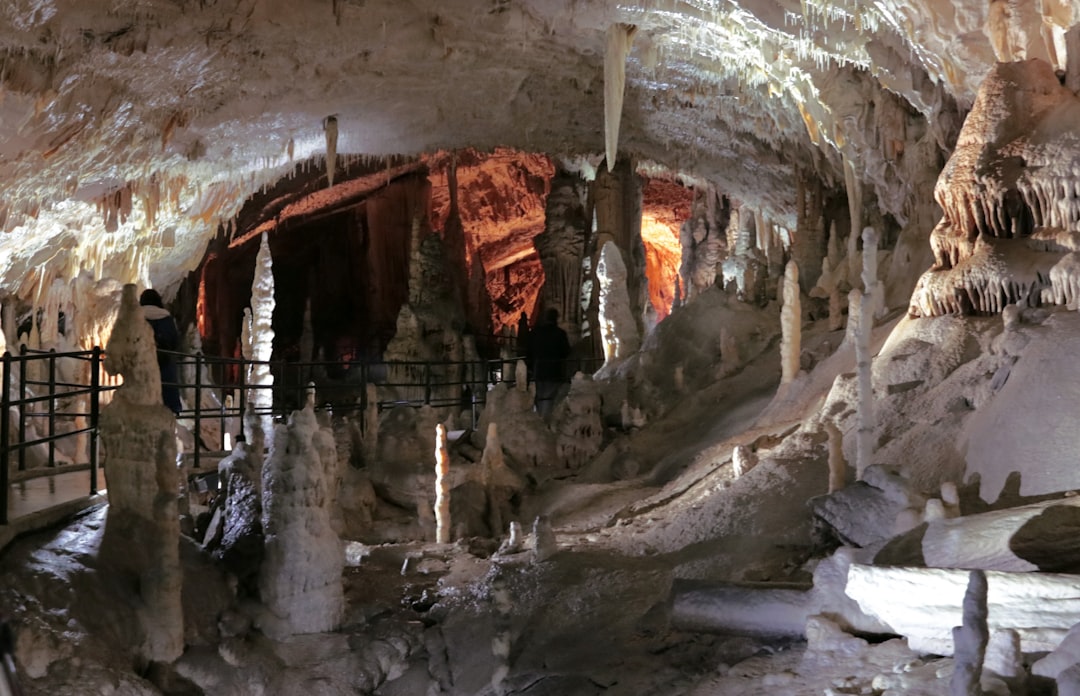
The Speleological Museum — Located above ground near the entrance, this small museum houses fossils and artifacts found in the cave system. It provides context for the geological history, displaying the remains of the Postojna Cave Worm, a unique species that can only survive in this specific environment. It is a quick stop, but it adds depth to the underground experience, explaining why this ecosystem is so fragile.
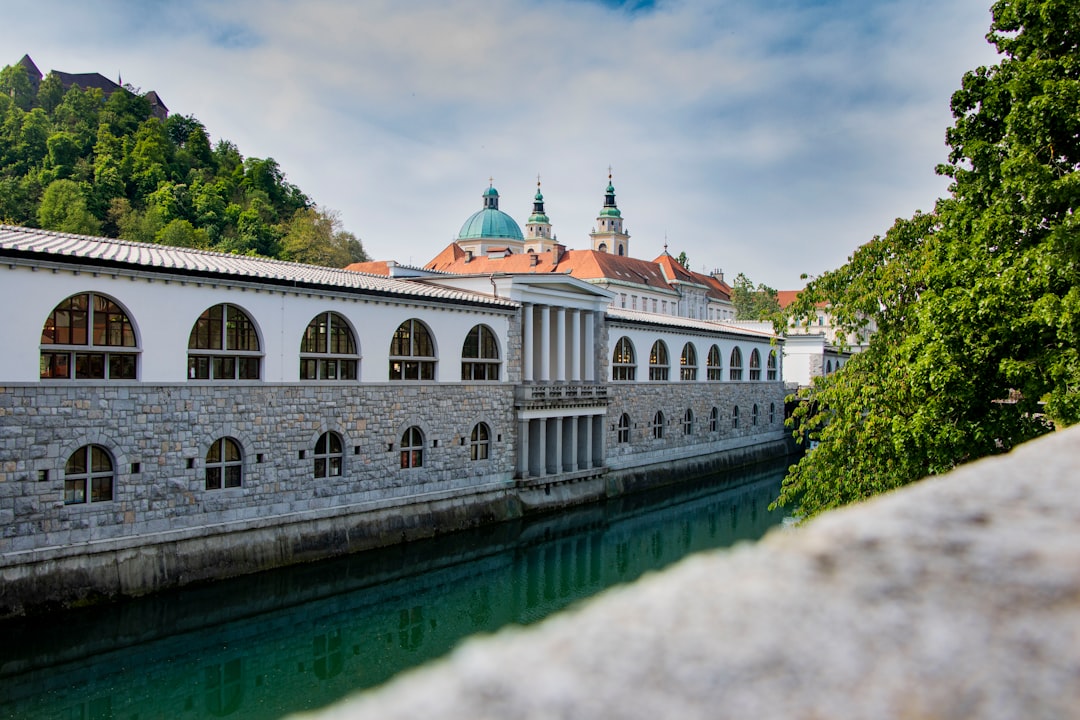
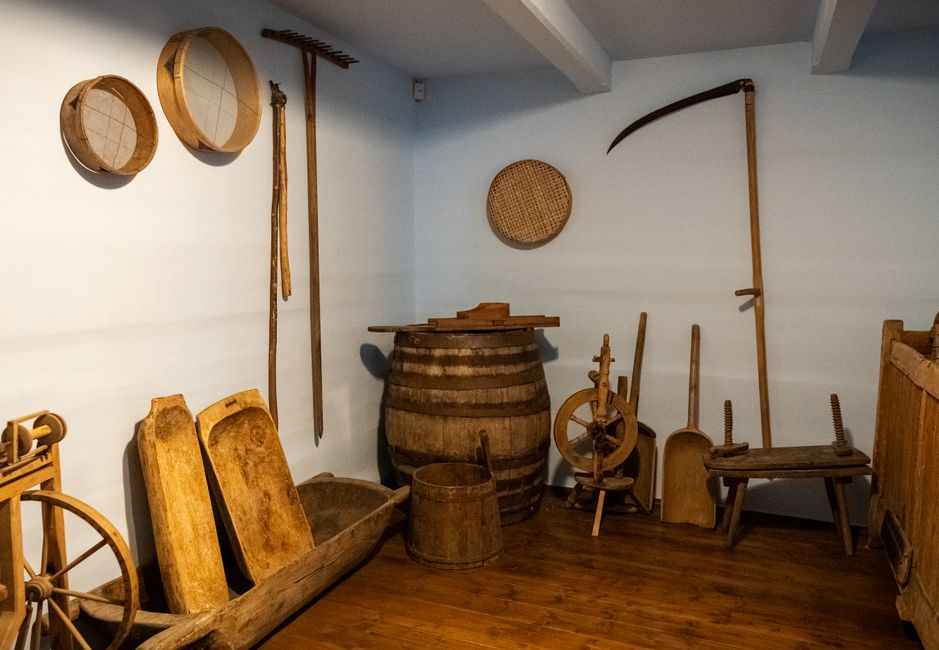
The Ethnographic Collection — Also above ground, this section displays traditional tools and clothing from the local Karst region. It connects the underground world to the people who have lived on top of it for centuries. The exhibits show how the harsh limestone landscape shaped local culture, from agriculture to architecture. It is a quiet, understated museum that offers a human counterpoint to the geological drama below.
The River Pivka — The underground river that flows through the cave is the sculptor of the entire system. You will hear its roar before you see it, a deep, constant thunder that echoes through the galleries. The train runs alongside it in some sections, allowing you to feel the mist on your face. This river is the lifeblood of the cave, carving the channels and depositing the minerals that form the stalactites.
What to Eat & Drink
Kranjska Klobasa — The iconic Carinthian sausage is a must-try in this region. Grilled and served with mustard and bread, it is hearty and flavorful, perfect for warming up after the cold cave. Typical price per serving: 3-5 EUR.
Štruklji — A traditional Slovenian dish of rolled dumplings, often filled with cheese, poppy seeds, or apples. Lighter than the sausage but equally traditional, these are a staple in local restaurants. Typical price per serving: 4-6 EUR.
Prekmurska Gibanica — A layered cake with poppy seeds, walnuts, cottage cheese, and apples. It is sweet, rich, and the perfect dessert after a day of exploration. Typical price per slice: 2-3 EUR.
Budget breakdown: Street food or simple meals like sausages and bread can be found for 5-8 EUR per person. A sit-down meal at a local tavern, including a main course and a drink, will cost 15-25 EUR per person. There are several cafes and restaurants near the cave entrance, offering quick bites and traditional dishes. For budget travelers, take-away options are plentiful, and the nearby town of Postojna has affordable markets where you can buy local produce and snacks.

Nightlife
Postojna is not a nightlife destination. It is a small town focused on tourism and nature, and the evening atmosphere is quiet and relaxed. The main bars are located near the town center, offering local beers and a chance to unwind after a day of exploration. The Hotel Postojna has a bar that is popular with tourists, serving drinks in a comfortable setting. For those seeking a more vibrant scene, the nearby city of Ljubljana, an hour away by train, offers a wide range of bars, clubs, and live music venues. In Postojna itself, the nightlife is about conversation and reflection, not partying.
Getting There & What to Expect
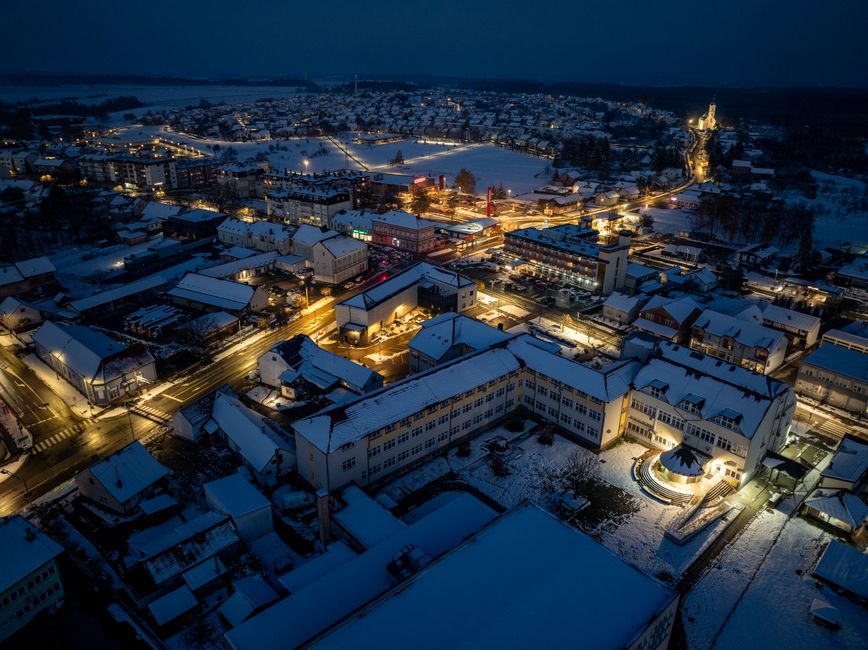
The nearest major airport is Ljubljana Jože Pučnik Airport, located about 70 kilometers away. From Ljubljana, you can take a bus or train to Postojna, a journey that takes about 45 minutes. Buses run frequently, and the ticket costs around 5-7 EUR. If you are driving, the route from Ljubljana is straightforward, following the A1 highway and then exiting for Postojna. The drive takes about 40 minutes.
Accommodation in Postojna ranges from budget hostels to luxury hotels. A night in a hostel costs 20-40 EUR per person, while a mid-range hotel room is 60-100 EUR per night. The best months to visit are May to September, when the weather is warm and the crowds are manageable. However, the cave is open year-round, and the winter months offer a quieter experience. Remember to dress warmly, as the temperature inside the cave is always cool.
Search accommodation in Postojna on Booking.com →
The Descent
As the train pulls away from the final stop, I look back at the dark tunnel we just emerged from. The air is suddenly warm and thin, a shock to the system after the dense, cool atmosphere of the cave. I feel a strange sense of loss, as if I have left a part of myself down there in the dark. The Postojna Cave is not just a geological wonder; it is a place that demands your attention, that strips away the noise of the surface world and forces you to confront the raw power of nature. It is a reminder that the earth is alive, and that beneath our feet, there are worlds we will never fully understand.
Comments