


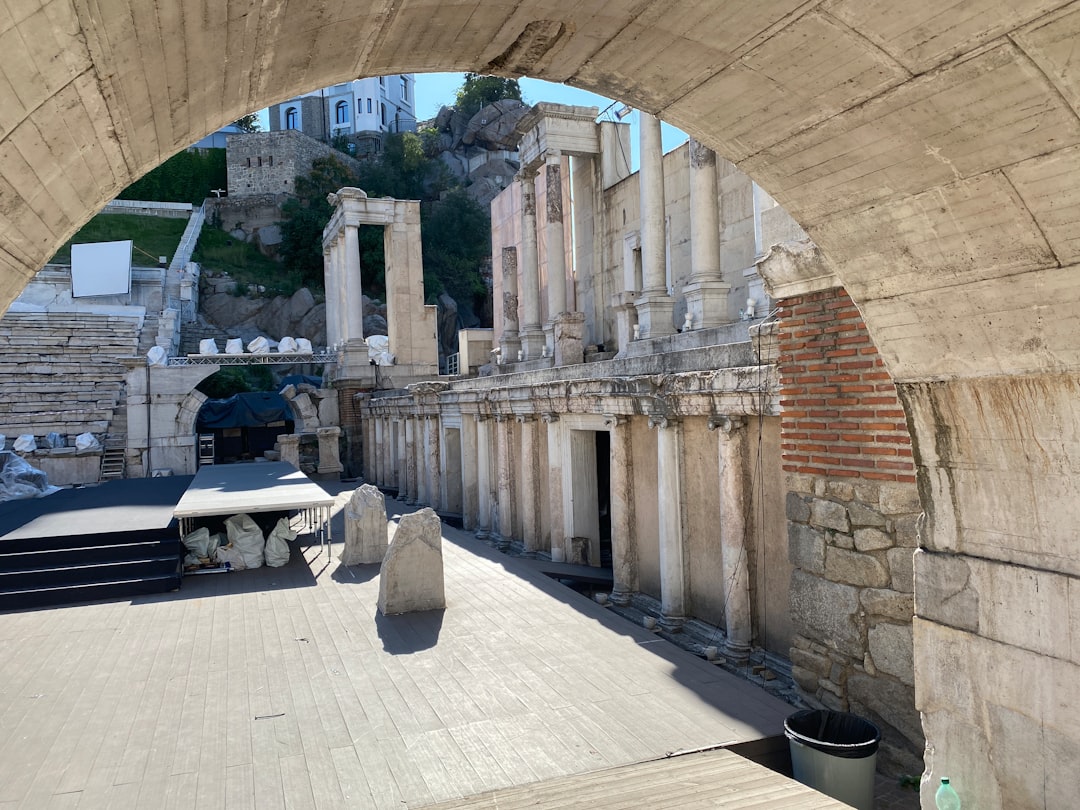
I am sitting in the third row of a cave carved into the side of Nevski Hill in Plovdiv, Bulgaria, and the air smells like cheap beer and old limestone. A Bulgarian rock band is shredding on stage, the bass vibrating through the soles of my boots, while a tourist family from Germany argues about whether this is the same spot where gladiators fought two thousand years ago. It is both. It is neither. It is just Plovdiv, that relentless, contradictory Balkan beast that refuses to pick a century. The stage lights cut through the dust, illuminating the original Roman seating behind me, and for a second, the modern world drops away. Then the lead singer screams, and the moment shatters. This is not a museum. It is a living, breathing, slightly chaotic stage where history is just the backdrop for the next drink.
You come here expecting quiet contemplation. You leave with ringing ears and a deeper understanding of why Bulgarians love their festivals. The Ancient Theatre of Philippopolis is not preserved behind glass; it is used, abused, and loved. It is the heart of the city's cultural pulse, a place where the ancient world doesn't just survive, it parties.
History & Identity
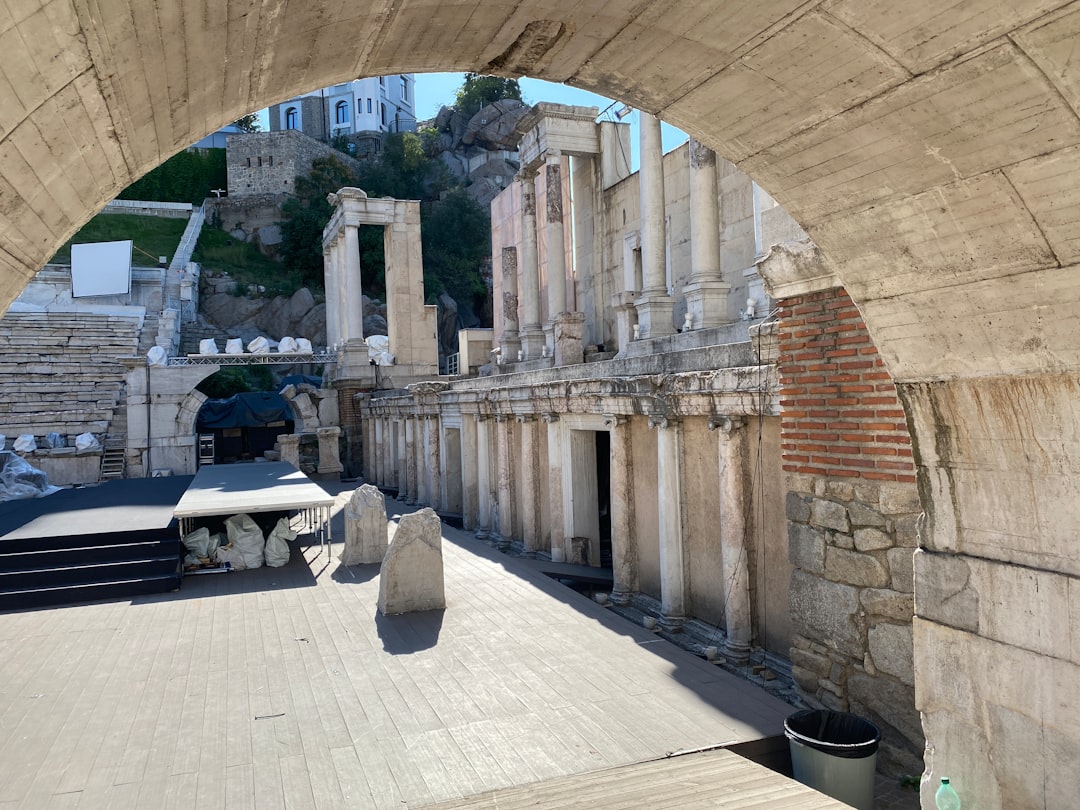
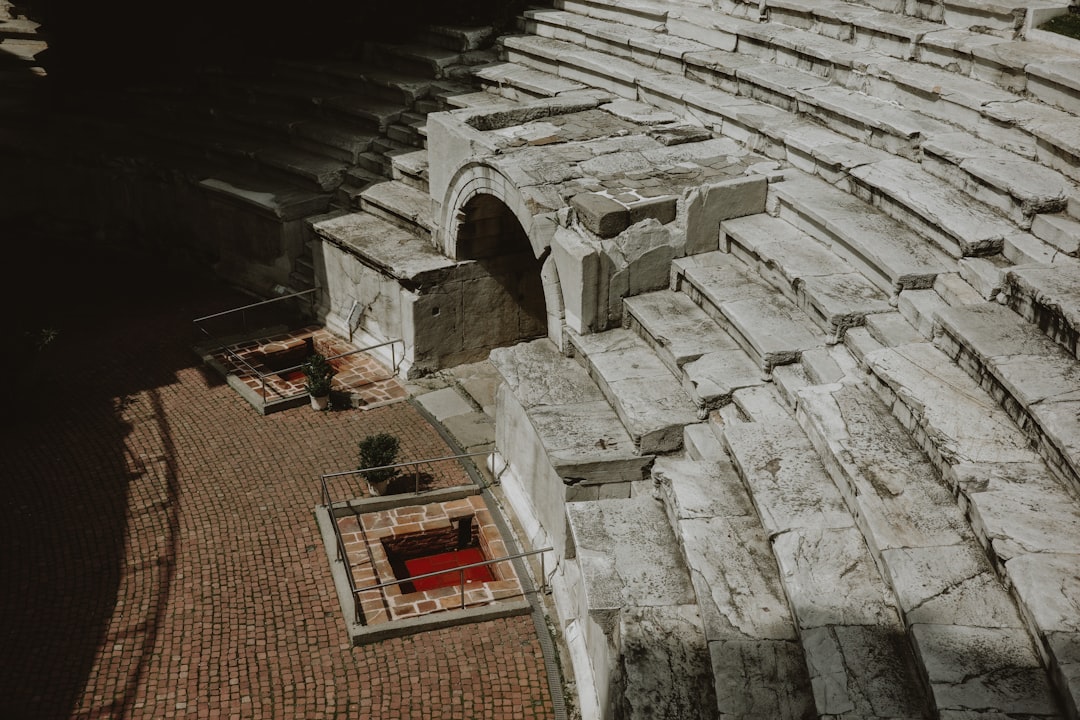
The theatre was built in the 2nd century AD, during the reign of Emperor Hadrian, when the city was known as Philippopolis. It wasn't just a place for entertainment; it was a statement of power and Romanization. The amphitheater was carved directly into the rock of Nevski Hill, a geological shortcut that saved the Romans from hauling tons of stone. At its peak, it could hold around 7,000 spectators, a massive audience for a provincial city. The acoustics were designed to carry the voices of actors and the sounds of music without amplification, a feat of engineering that still holds up today.
For centuries, the theatre was buried under layers of earth, debris, and the shifting sands of empires. It was forgotten, lost to time, until the early 20th century when archaeologists began to peel back the layers of Plovdiv's complex history. The excavation revealed not just the seating and stage, but also the intricate network of underground passages and storage areas that supported the performances. Today, the theatre is one of the best-preserved Roman structures in the Balkans, a testament to the durability of Roman architecture and the enduring legacy of the city.
But the theatre's story doesn't end with its excavation. It was restored in the late 1960s and reopened as a venue for cultural events, bridging the gap between the ancient and the modern. This decision was crucial. Instead of becoming a static museum, the theatre remained a functional space, a place where the community could gather and celebrate. It became a symbol of Plovdiv's resilience and adaptability, a city that has survived invasions, occupations, and economic upheavals, yet always finds a way to reinvent itself.
Where to Go
Ancient Theatre of Philippopolis — The main attraction. The semi-circular seating is still original Roman, carved from the hillside. During the day, you can walk the aisles and imagine the crowds. At night, it comes alive with concerts, opera, and festivals. Entry is free during the day, but evening events require tickets ranging from 5-20 EUR depending on the show. Best time to visit is early morning or late evening to avoid the crowds.
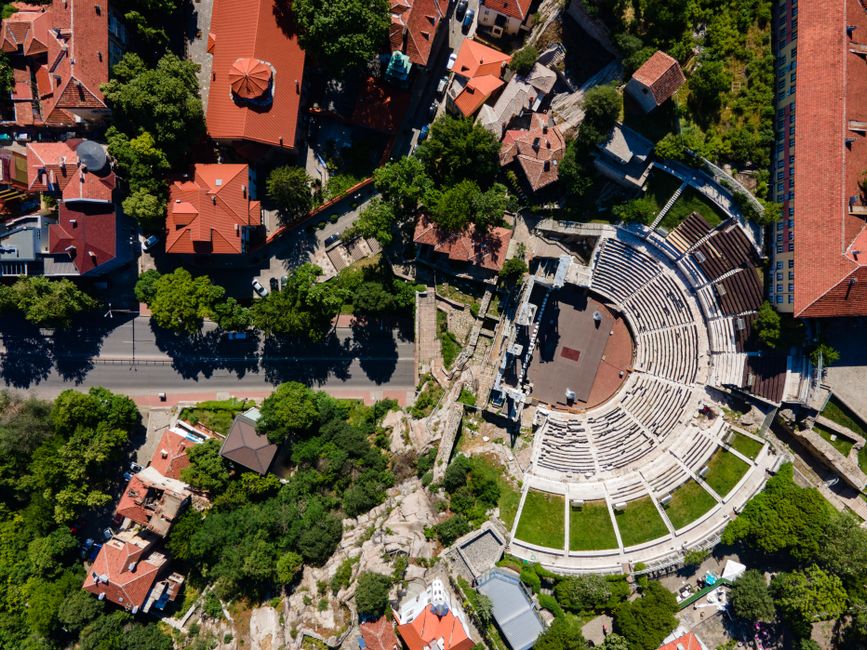
Nevski Hill Park — The theatre is nestled within this park, which offers a pleasant walk and great views of the city. The path from the Old Town to the theatre is steep but rewarding. There are benches, cafes, and plenty of space to relax. It's a good place to start or end your visit to the theatre. The park is free to access.
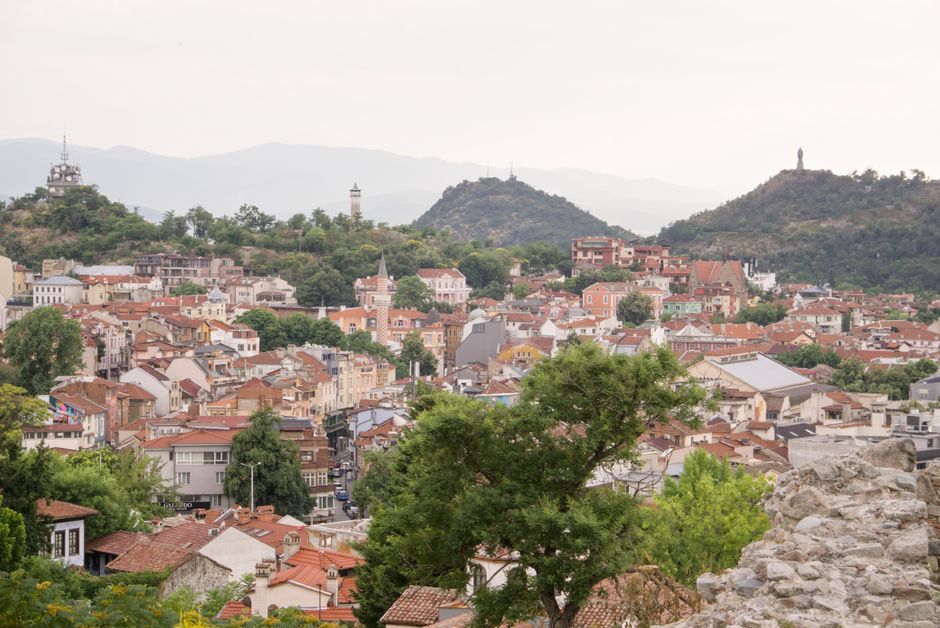
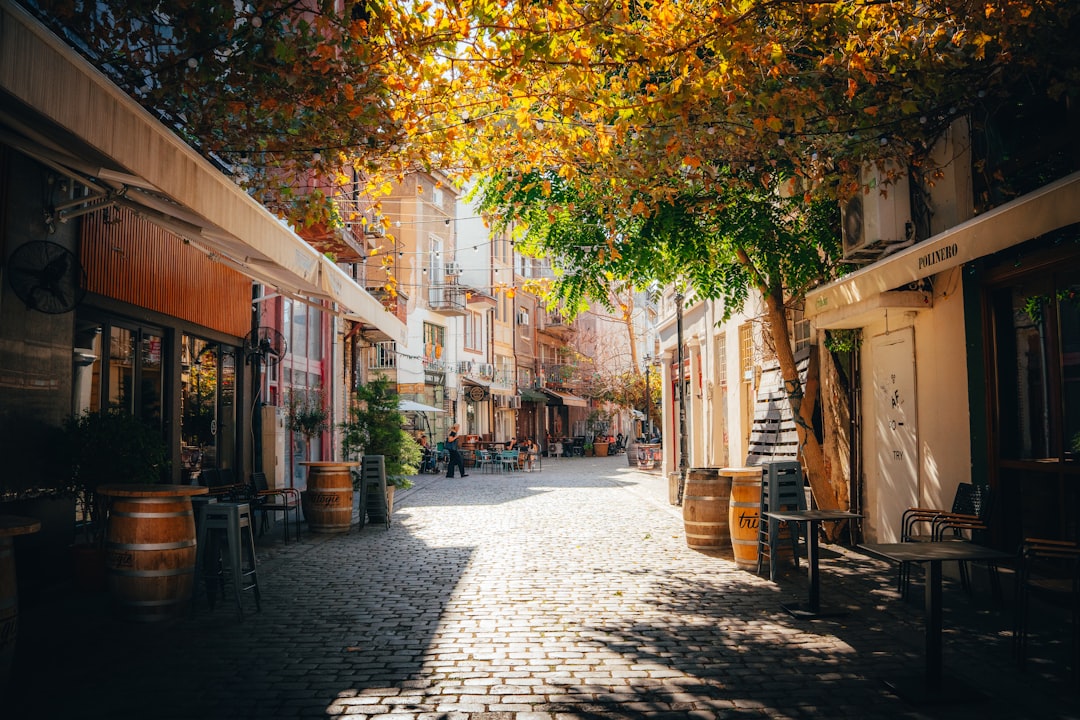
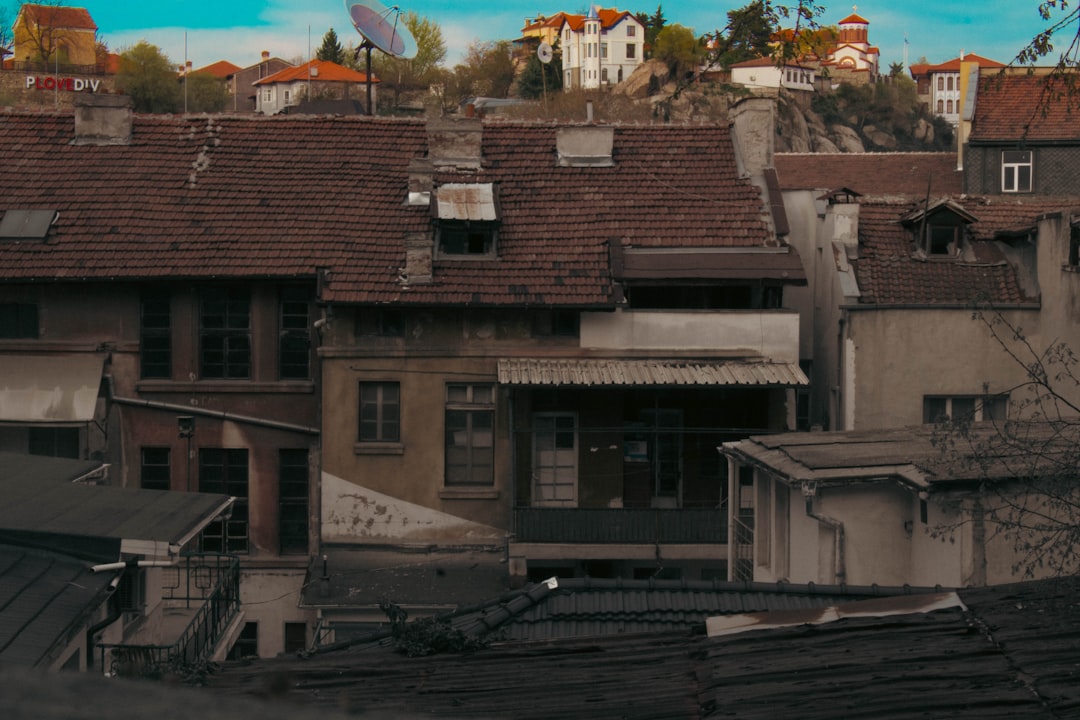
Old Town Plovdiv — Just a short walk from the theatre, the Old Town is a maze of cobblestone streets, restored houses, and boutique shops. It's the heart of Plovdiv's cultural scene, with galleries, cafes, and restaurants. The architecture is a mix of Ottoman and Bulgarian Revival styles. Entry is free, but expect to spend 10-20 EUR on coffee, food, and souvenirs.
Archaeological Museum Plovdiv — Located near the theatre, this museum houses artifacts from the region's long history, including items found during the excavation of the theatre. It's a small but informative museum, with exhibits on Thracian, Roman, and Byzantine periods. Entry fee is around 5 EUR. Best for those who want to dig deeper into the history of the site.
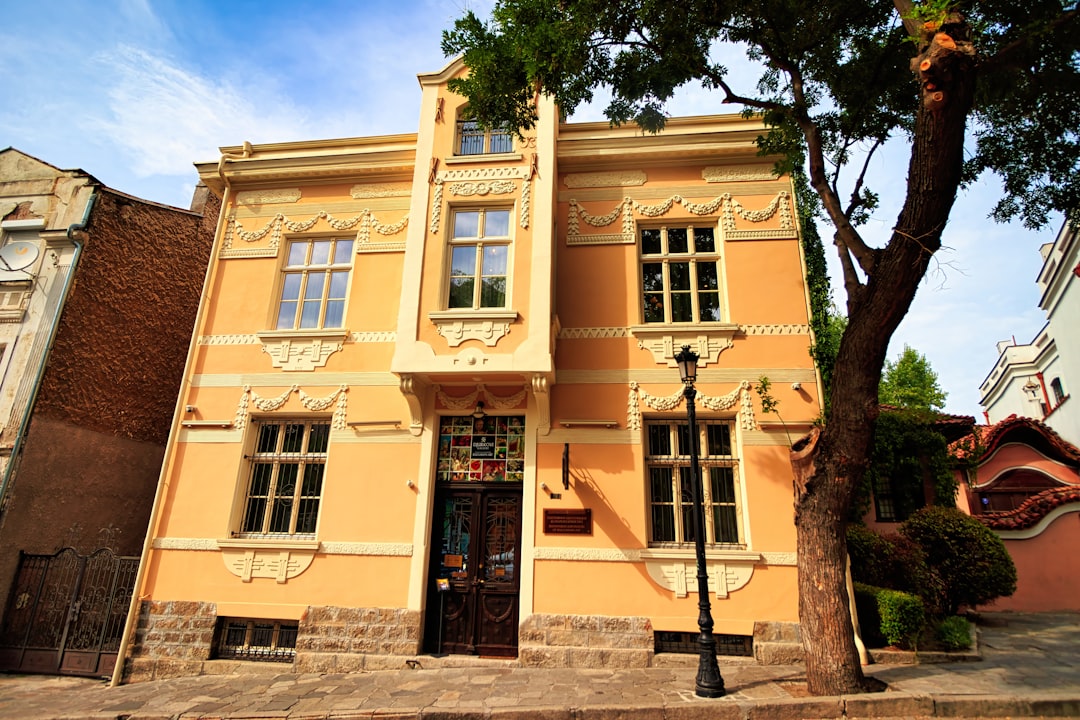
Cultural Center Plovdiv — A modern building near the theatre that hosts exhibitions, workshops, and events. It's a good place to catch up on local art and culture. Entry is usually free, but some exhibitions may charge a small fee. It's a nice contrast to the ancient theatre, showing the city's commitment to contemporary culture.
What to Eat & Drink
Plovdiv is a foodie city, and the area around the theatre and Old Town is packed with options. You can't talk about Bulgarian food without mentioning banitsa — a flaky pastry filled with cheese, spinach, or meat. A slice costs around 2-3 EUR at any local bakery. For a main course, shopska salad is a must — fresh tomatoes, cucumbers, peppers, and onions topped with sirene cheese, costing about 4-6 EUR. If you're feeling adventurous, try kyufte — grilled meatballs served with bread and yogurt, around 5-7 EUR.
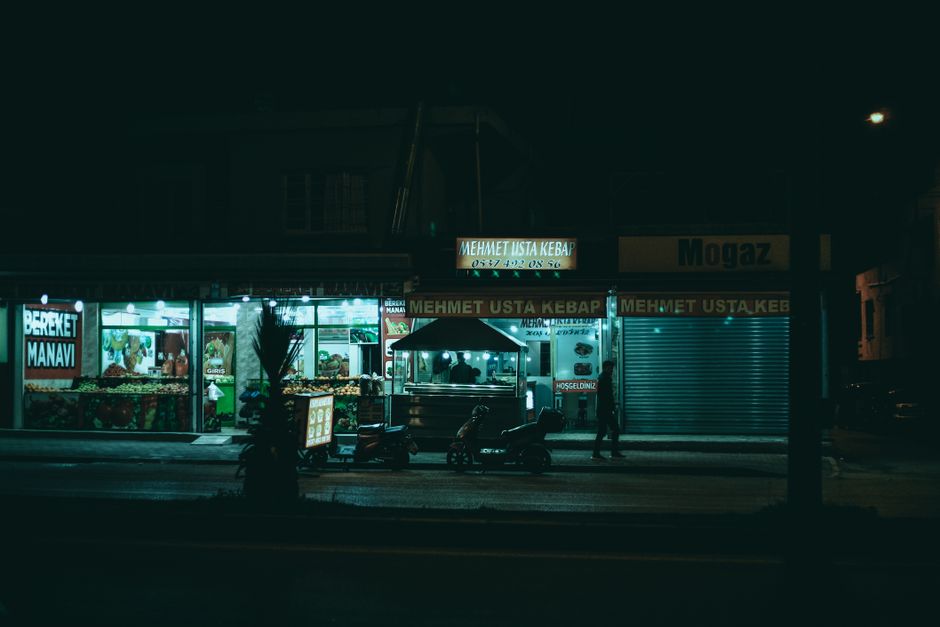
Budget travelers can eat well for under 10 EUR per meal by hitting the local bakeries and street food stalls. There's a great kebab shop near the theatre that serves shish kebab for 4-5 EUR. For a sit-down meal, expect to pay 15-25 EUR per person at a mid-range restaurant. There are plenty of options in the Old Town, with prices varying depending on the quality and location. Don't miss the plovdiv coffee culture — a cup of strong, black coffee costs around 1-2 EUR and is the perfect way to watch the world go by.
One specific spot to mention is Chorba Dzhia, a famous restaurant in the Old Town known for its traditional Bulgarian dishes and lively atmosphere. It's a bit touristy, but the food is good and the setting is authentic. Expect to pay 20-30 EUR per person here. For a more budget-friendly option, try Troyanska, a local chain that serves hearty portions of Bulgarian food for around 10-15 EUR per person.
Nightlife
Plovdiv's nightlife is centered around the Old Town and the area near the theatre. The streets come alive in the evening, with bars and clubs spilling onto the cobblestones. The music is a mix of Bulgarian folk, rock, and electronic, reflecting the city's diverse cultural scene. Cover charges are rare, but expect to pay 3-5 EUR for a drink at most bars.
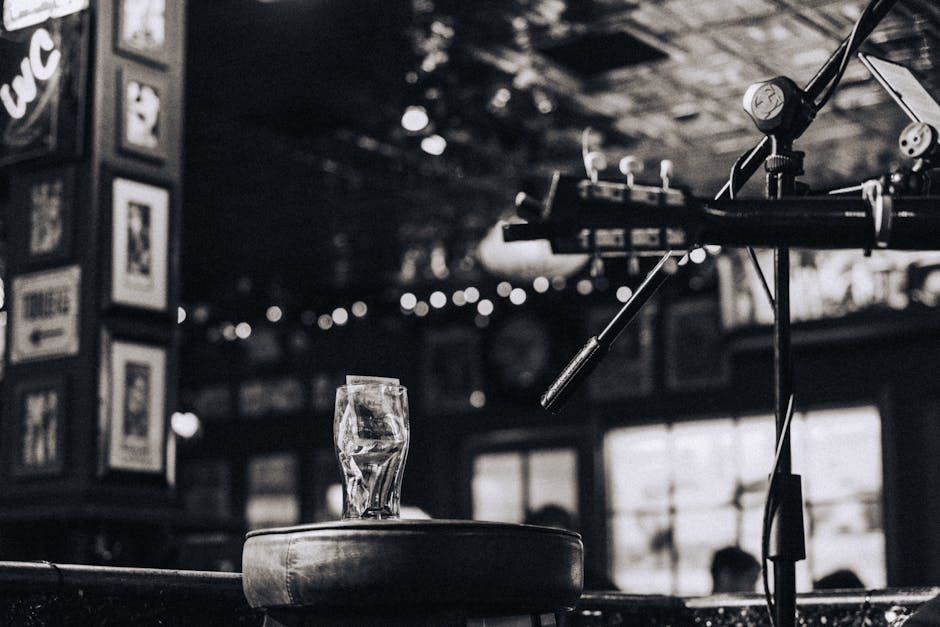
One of the most popular spots is Baraka, a trendy bar with a great selection of craft beer and cocktails. It's located in the Old Town and has a lively atmosphere, especially on weekends. Another favorite is Rock'n'Roll Bar, a no-frills pub that plays classic rock and attracts a mix of locals and tourists. It's a good place to catch a live band or just enjoy a beer. For a more upscale experience, try The Rooftop, a bar with a view of the city and a menu of gourmet cocktails. Expect to pay 8-12 EUR for a drink here.
The theatre itself is a major nightlife destination during the festival season. From May to October, it hosts a wide range of events, from opera to rock concerts. The atmosphere is electric, with thousands of people gathering to enjoy the performances. It's a unique experience, blending ancient history with modern entertainment. Tickets for these events range from 10-50 EUR depending on the show.
Getting There & What to Expect
Plovdiv is well-connected to major Balkan hubs. The nearest airport is Plovdiv Airport, which has limited international flights. Most travelers fly into Sofia Airport or Thessaloniki Airport and take a bus or train to Plovdiv. The bus from Sofia takes about 2.5 hours and costs around 10-15 EUR. The train is slower, taking about 3.5 hours, but offers scenic views of the countryside. From Thessaloniki, the bus takes about 2 hours and costs around 15-20 EUR.
Once in Plovdiv, the theatre is easily accessible on foot from the city center. The walk from the main bus station takes about 20 minutes, passing through the Old Town. There are also plenty of taxis and ride-sharing options available. Accommodation in Plovdiv is affordable, with budget hostels costing around 15-25 EUR per night and mid-range hotels ranging from 40-70 EUR per night. There are also plenty of Airbnb options available.
The best time to visit Plovdiv is from May to October, when the weather is warm and the festival season is in full swing. The summer months can be hot, so bring water and sunscreen. The theatre is open year-round, but the outdoor events are only held during the warmer months. If you're planning to attend a specific event, book your tickets in advance, as they can sell out quickly.
Search accommodation in Plovdiv on Booking.com →
The Aftermath
I stumble out of the theatre as the last notes fade into the night air. My ears are ringing, my throat is dry, and I have no idea what time it is. The streets of the Old Town are quiet now, the crowds dispersed, the lights dimmed. But the energy remains, vibrating in the stones, in the air, in the bones of the city. Plovdiv doesn't care about your preconceptions. It doesn't care about your itinerary. It just wants you to feel alive, to be part of the moment, to be part of the story. And as I walk back to my hotel, I realize that I am.
Comments