


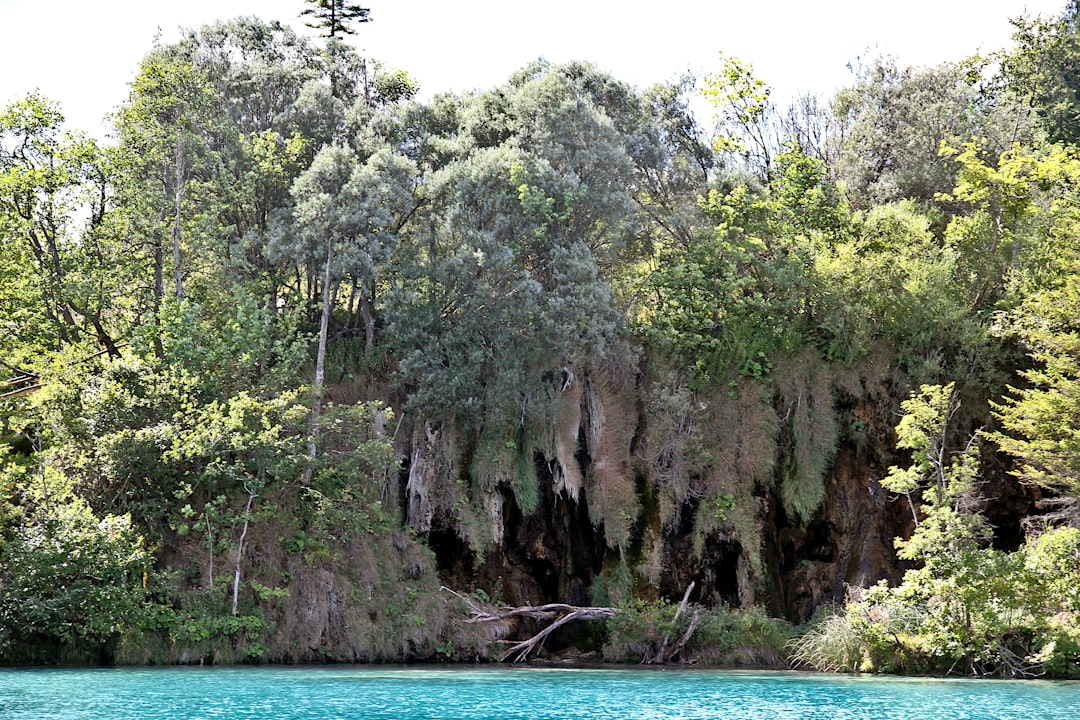
I didn't come to Plitvice Lakes National Park for the Instagram photos. I came because I heard the water sounds like it's chewing on glass, and I needed to see if that was true. I arrived at the main entrance in the dead of winter, the Croatian air sharp enough to slice through my jacket, the mist hanging low over the pine trees. There were no crowds, no selfie sticks, just the raw, mechanical roar of water dropping hundreds of feet into abysses carved by millennia of mineral deposits. A local ranger, breath visible in the freezing air, told me the trails are slippery as ice and the bridges creak under the weight of the wind. I laughed, tightened my boots, and stepped onto the wooden boardwalks, knowing immediately that this place doesn't care about your comfort. It only cares about your respect.
The park is a geological engine, a living system of travertine dams and cascading lakes that refuses to stay still. It's not a gentle stroll through a manicured garden; it's a trek through a wild, waterlogged labyrinth where the path is dictated by the flow of the rivers. You don't just visit Plitvice; you survive it, and if you're lucky, you leave with a new understanding of how water can sculpt stone into something that looks like frozen music. Here is how to navigate the chaos, the cold, and the beauty without losing your mind or your footing.
The Water and the Stone
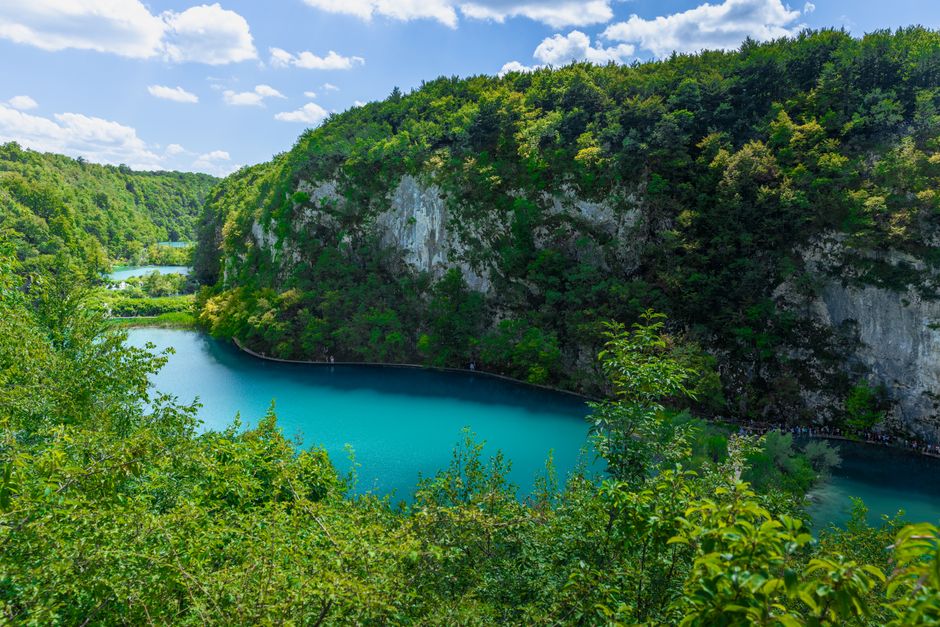
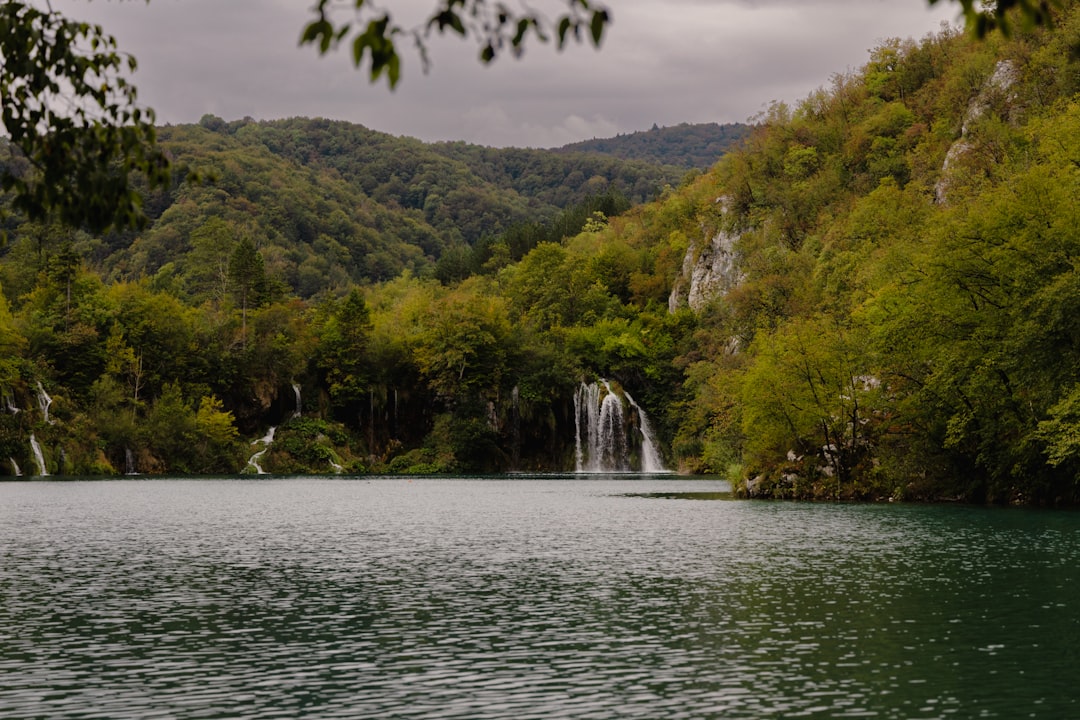
The core of the park is its eighteen lakes, connected by waterfalls and streams, all feeding into the Korana River. The water is turquoise, almost neon, because of the high concentration of calcium carbonate and the algae that thrives in it. This isn't just pretty water; it's the architect of the entire landscape. As the water flows over the mossy dams, it deposits layers of travertine, slowly building up the barriers that separate the upper lakes from the lower ones. It's a slow-motion construction project that has been running for thousands of years.
The upper lakes are more serene, surrounded by dense forests of beech and fir, with gentle cascades that look like lace curtains. The lower lakes are where the drama happens. Here, the water drops into deep gorges, creating thunderous falls that shake the ground beneath your feet. The most famous is the Great Waterfall, which plunges 78 meters into a narrow canyon. Standing on the viewing platform, you can feel the mist on your face, cold and relentless. The sound is deafening, a constant roar that drowns out any conversation. It's a reminder that nature is powerful, indifferent, and utterly beautiful.
The park is a UNESCO World Heritage site, not just because it's pretty, but because of its unique hydrological processes and the biodiversity it supports. Brown bears, wolves, and lynx roam the forests, though you're unlikely to see them. You're more likely to spot deer, wild boar, or a variety of birds, including the rare white-tailed eagle. The water is also home to the endemic trout, which has evolved to survive in the cold, clear streams. It's a delicate ecosystem, one that requires constant monitoring and protection. The park management does a good job of keeping the trails accessible while minimizing the impact on the environment, but it's a balancing act that's never easy.
Navigating the Trails
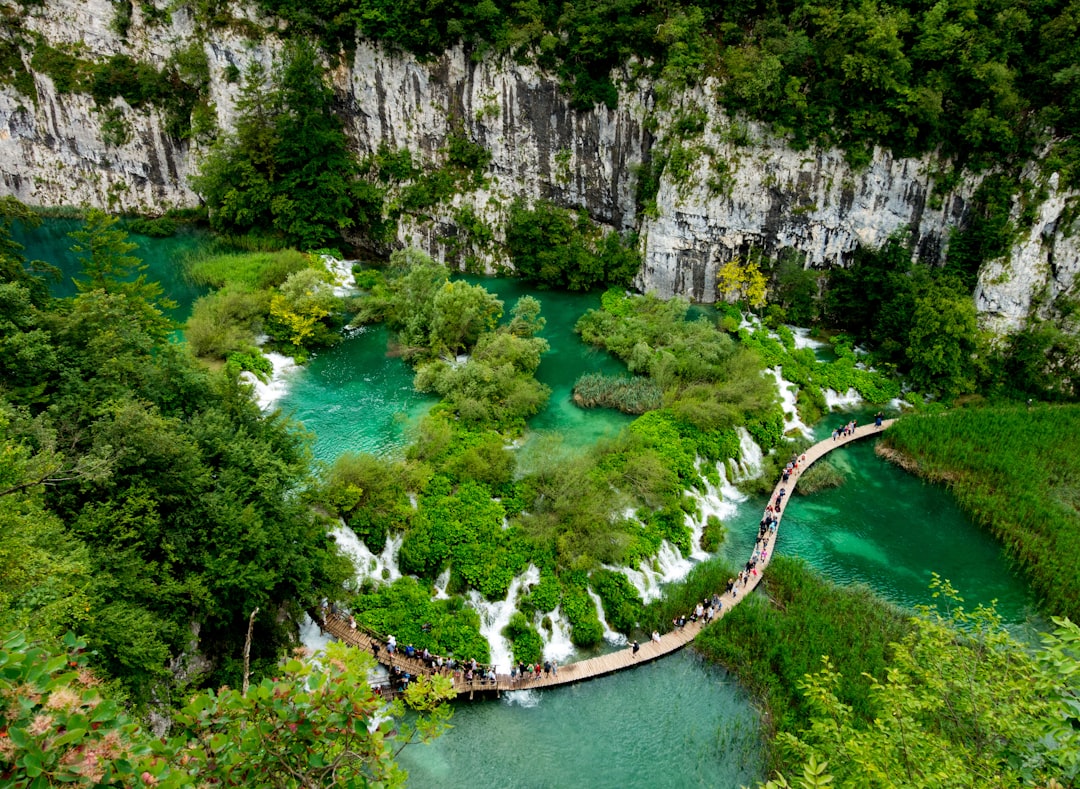
The park offers several trails, each with its own character and difficulty. The main trails are marked with letters, and you can combine them to create your own route. The most popular is the Kozjak Trail, which takes you through the upper lakes and ends at the Kozjak Lake, a large, tranquil body of water that's perfect for a boat ride. The trail is mostly flat, with wooden boardwalks that make it easy to walk, even for those with limited mobility. It's a good option for families or anyone who wants a gentle introduction to the park.
If you want a more challenging hike, try the Milanovac Trail. This route takes you through the lower lakes and up to the Great Waterfall, with steep climbs and slippery paths. It's not for the faint of heart, but the views are worth it. You'll pass through dense forests, cross narrow bridges, and climb ladders to get the best angles of the waterfalls. The trail is well-maintained, but you need to be careful, especially in wet or icy conditions. Good hiking boots are essential, and you should bring layers of clothing to deal with the changing weather.
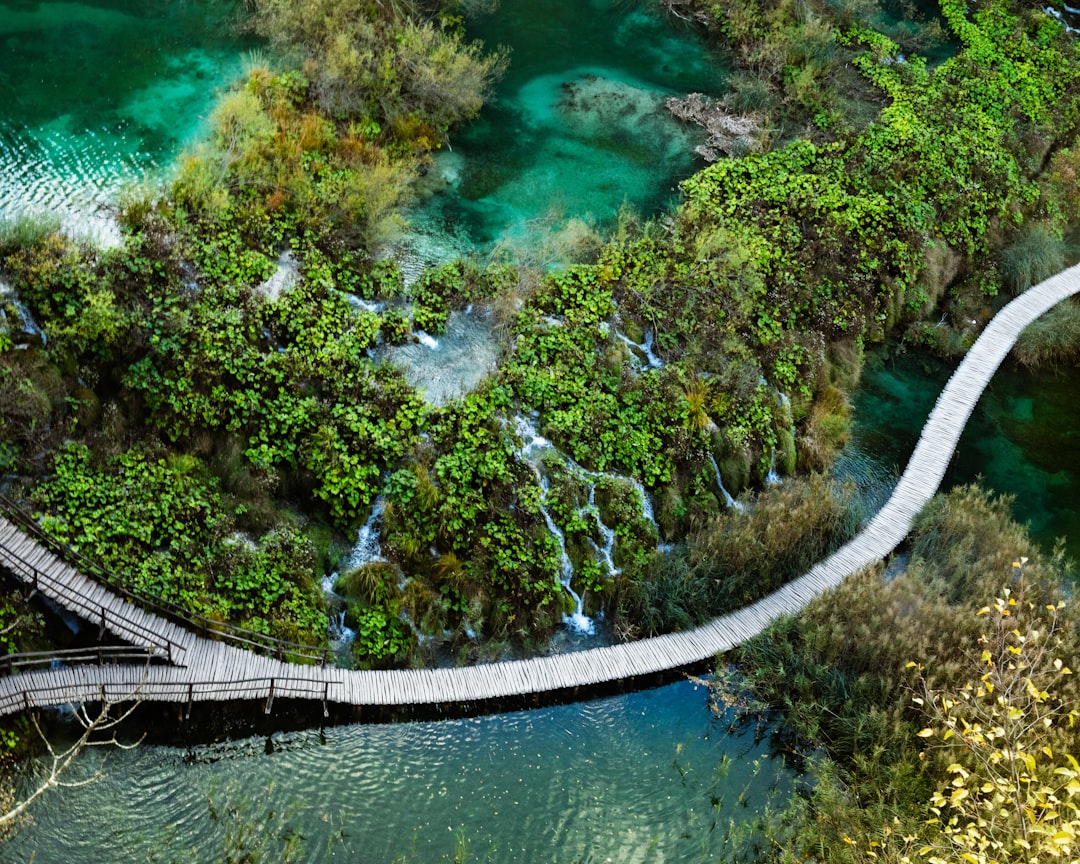
For the ultimate adventure, take the Veliki Slap Trail, which circles the Great Waterfall and takes you deep into the gorge. This is a strenuous hike, with narrow paths and steep drops. You'll need a good level of fitness and a head for heights, but the reward is a close-up view of the waterfall from multiple angles. The trail is closed in winter due to ice, so plan accordingly. If you're visiting in the off-season, you'll have the trails to yourself, and the silence is almost eerie. The only sound is the rushing water and the crunch of your boots on the snow.
Getting There & What to Expect
The nearest town is Gospić, but most visitors fly into Zagreb and take a bus or drive south. The drive from Zagreb takes about two and a half hours, and the bus is a cheaper, if slower, option. The park entrance is well-signposted, and there's a large parking lot where you can leave your car. Tickets are expensive, ranging from 20-40 EUR depending on the season, but it's worth it for the experience. You can buy tickets online or at the entrance, but it's better to book in advance during the peak summer months.
Once inside, you'll have access to the shuttle bus, which takes you around the park and stops at the main trailheads. It's a good way to save time and energy, especially if you're not a strong hiker. The bus runs regularly, and the drivers are friendly and informative. If you prefer to walk, there are plenty of paths to explore, but be prepared for a lot of stairs and uneven terrain. The park is not suitable for strollers or wheelchairs, except for the Kozjak Trail, which is partially accessible.
Food options inside the park are limited, so bring your own snacks and water. There are a few restaurants and cafes near the entrance and at the main viewpoints, but they're pricey and often crowded. A simple meal can cost 10-15 EUR, which is steep for a sandwich and a soda. If you're on a budget, pack a picnic and find a quiet spot to enjoy it. The weather can change quickly, so bring a rain jacket and extra layers. In winter, the temperatures can drop below freezing, and the trails can be icy. In summer, it can be hot and humid, with mosquitoes and flies to contend with. Plan accordingly, and you'll have a great time.
Accommodation nearby is limited, but there are hotels and guesthouses in Plitvička Jezera village, just outside the park. Prices range from 50-100 EUR per night, depending on the season and the quality of the room. If you're on a tighter budget, you can camp in the designated areas, but you need to bring your own gear and book in advance. The campsite is basic, with shared toilets and showers, but it's a good way to save money and get closer to nature. Whatever you choose, book early, especially in the summer, when the park is at its busiest.
Search accommodation in Plitvička Jezera on Booking.com →
The Last Drop
I left Plitvice as the sun was setting, the light turning the water to gold and the forests to shadow. My legs ached, my clothes were damp, and my mind was full of images I couldn't quite capture. It's not a place for relaxation; it's a place for immersion. You don't just see the waterfalls; you feel them, hear them, taste them. They're part of the landscape, part of the history, part of the soul of Croatia. If you go, don't rush. Take your time. Listen to the water. And remember, it's not just a park; it's a force of nature, and it will leave its mark on you.
Comments