


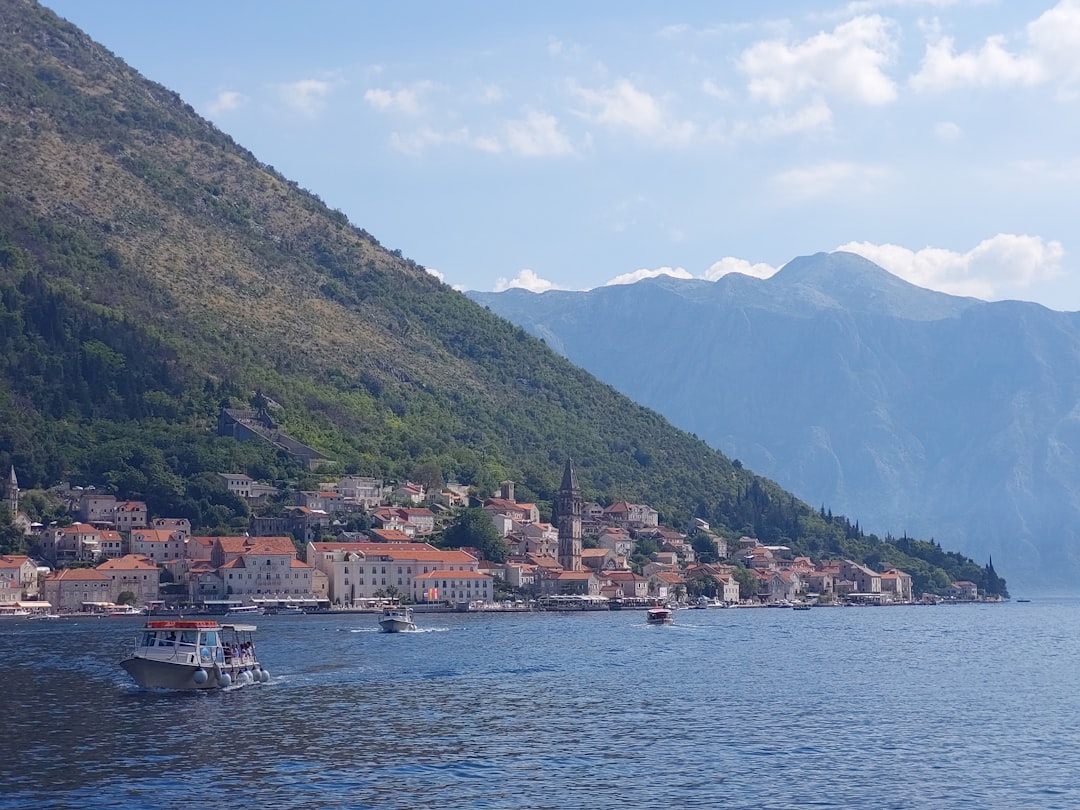
The Adriatic wind doesn't whisper here; it screams through the narrow gorge where the bay tightens, carrying the scent of salt, diesel, and old stone. I stood on the marble steps of Perast, clutching a lukewarm espresso, watching a flotilla of small motorboats chop the dark water like angry knives. The town is a postcard that forgot to smile, its white-washed facades and baroque churches clinging to the steep slopes of Lovćen National Park Lovćen National Park. There is no chill here, only a heavy, humid devotion that has soaked into the limestone for centuries. The locals don't talk about tourism; they talk about the miracle, the statue, the rock that rose from the sea. It feels less like a vacation and more like a pilgrimage to a place where the ocean was tamed by faith and dredging.
I walked past the ornate gates of the Church of St. Nicholas Church of St. Nicholas, Perast, where the ghosts of two famous navigators, the Sorgo brothers, still seem to pace the nave. The air is thick with the incense of the past. This is not a place for passive sightseeing. It demands you acknowledge the sheer audacity of building a church on an artificial island. The devotion here is maritime, brutal, and beautiful. The Adriatic is a cruel mistress, and the people of Perast built their sanctuary on a foundation of shells and prayers to keep her at bay.
History & Identity
Perast was never just a fishing village. In the 17th and 18th centuries, it was a maritime powerhouse, a hub of the Buža fleet that traded across the Mediterranean. The town's identity is inextricably linked to the sea, but not in the leisurely way of modern resorts. It was a life of hard labor, naval battles against the Ottomans, and dangerous voyages. The wealth generated from this maritime trade funded the stunning baroque architecture that defines the town today. Every church, every palace, is a testament to a time when Perast was a proud, independent force within the Prince-Bishopric of Montenegro Prince-Bishopric of Montenegro.
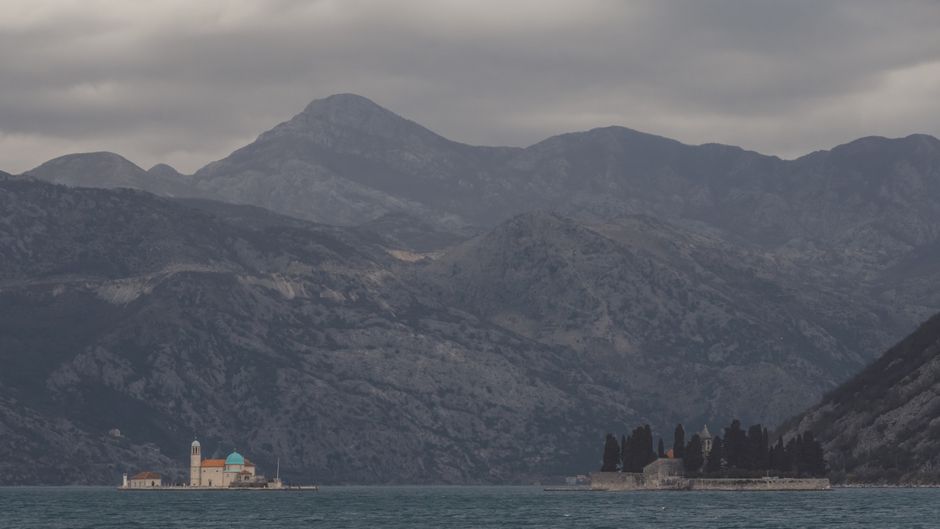
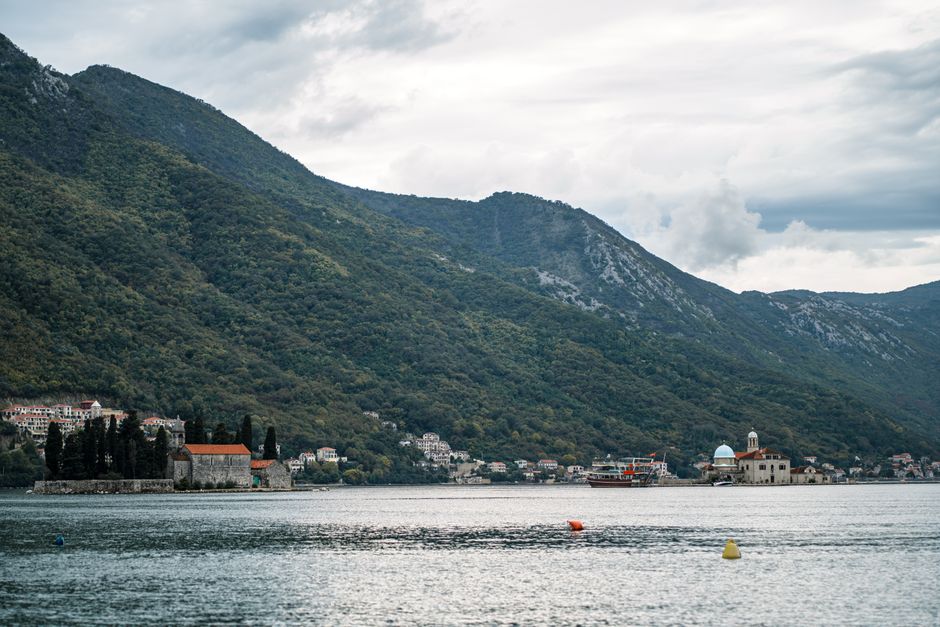
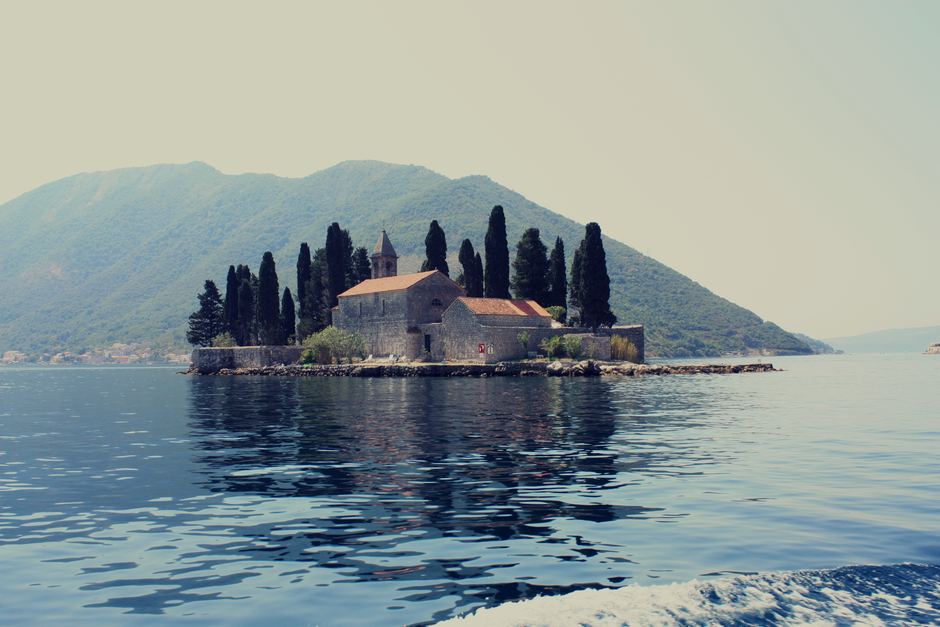
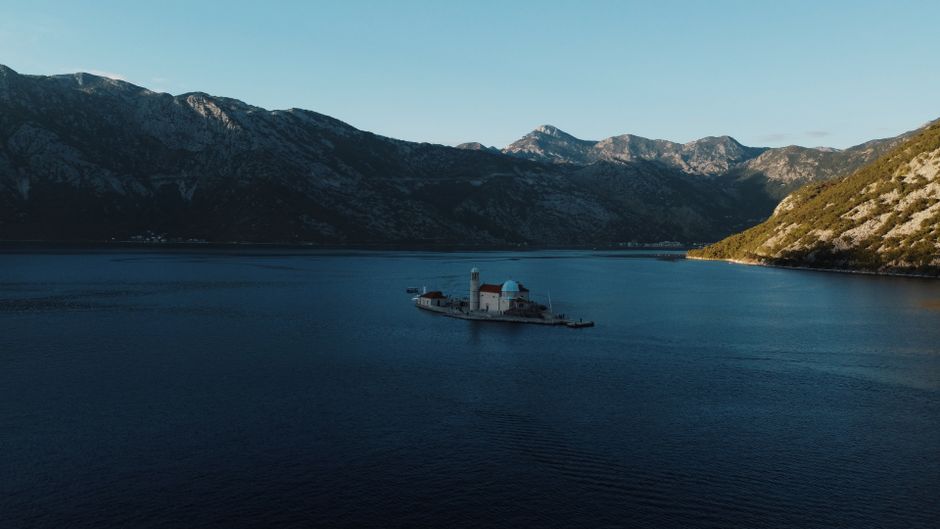
The true heart of Perast's identity, however, is the Our Lady of the Rocks Our Lady of the Rocks. Legend says that in 1452, two fishermen found an icon of the Madonna on a small rock in the middle of the bay. To protect it, they began tossing shells, coins, and stones into the sea around the rock. For centuries, sailors followed suit, gradually building up the land until it became a stable island. This act of collective devotion transformed a dangerous reef into a sanctuary. The island is a symbol of Montenegrin resilience, a physical manifestation of faith rising from the chaos of the sea. It is a place where history is not written in books, but cast in stone and shell.
Where to Go
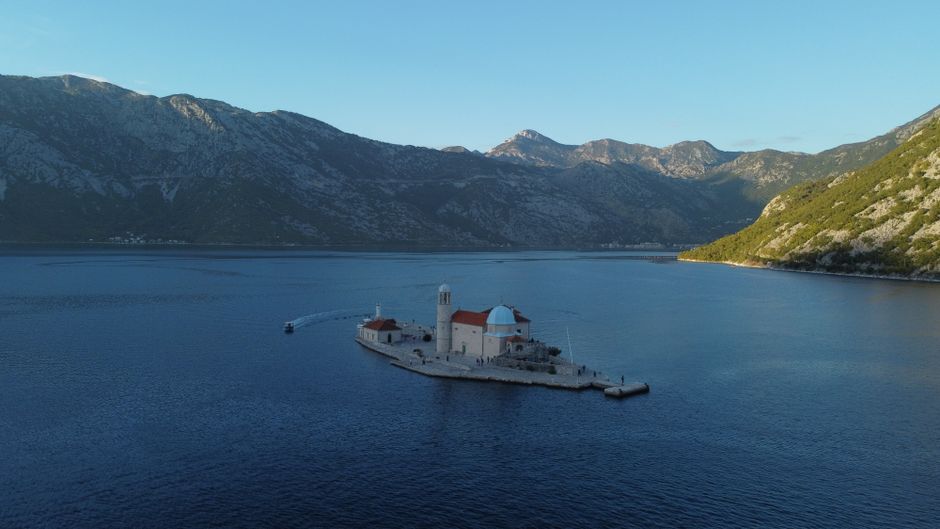
Our Lady of the Rocks — The artificial island and church is the crown jewel of Perast. The small boat ride from the harbor is short but thrilling, the water churning white around the hull. Inside, the church is a trove of icons, frescoes, and naval trophies. The museum on the island houses a collection of maritime artifacts, including a cannon from the 17th century and the original icon of the Madonna. The view from the terrace is unparalleled, offering a 360-degree panorama of the bay and the surrounding mountains. Entry fee 3 EUR. Best visited early in the morning to avoid the cruise ship crowds.
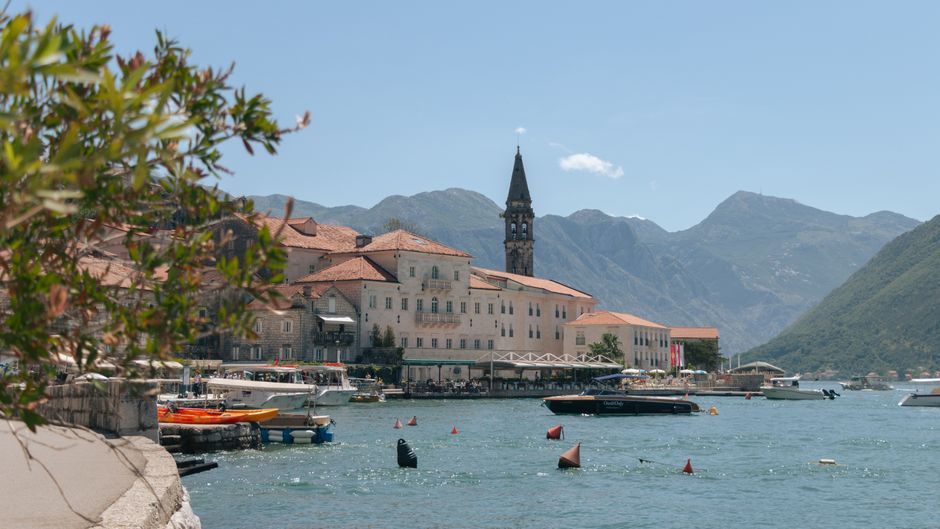
Perast Old Town — The town itself is a labyrinth of narrow streets and baroque palaces. The Church of St. Nicholas is the architectural highlight, with its ornate facade and twin bell towers. Inside, the marble tomb of Ivan and Petar Sorgo Ivan and Petar Sorgo is a masterpiece of baroque sculpture. The Sorgo brothers were famous navigators who served the Habsburg monarchy, and their legacy is woven into the fabric of the town. Wander the streets, climb the steep staircases, and admire the well-preserved aristocratic houses that line the main street.
Gospa od Škrpjela Viewpoint — For the best view of the island and the town, hike up to the viewpoint on the hillside above Perast. The trail is steep but manageable, taking about 20 minutes from the center of town. The vista is breathtaking, capturing the contrast between the white town, the dark bay, and the green mountains. It is a photographer's dream, especially at sunset when the light turns the water to gold.
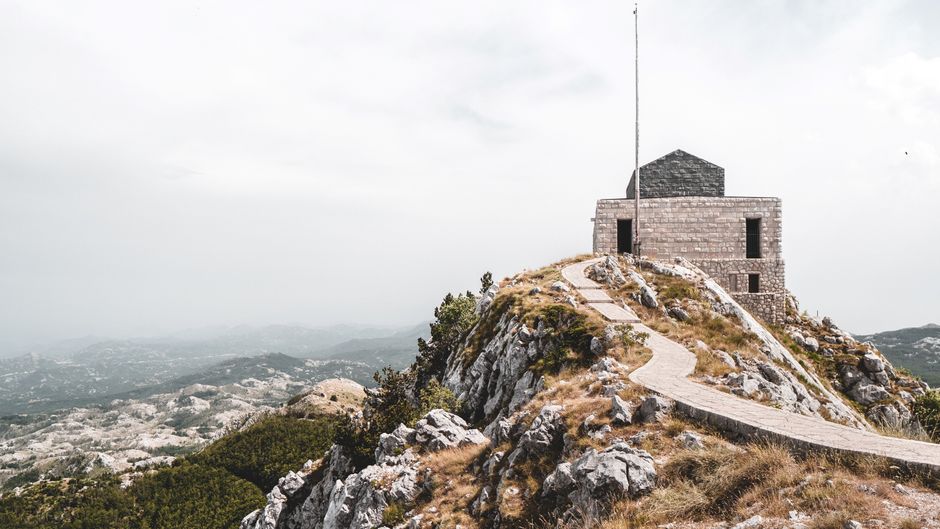
Lovćen National Park — Just a short drive from Perast, Lovćen National Park offers a dramatic backdrop to the coastal scenery. The park is named after the mountain that dominates the horizon, and it is home to the mausoleum of Njegoš Petar II Petrović-Njegoš, the 19th-century Serbian Orthodox bishop and Montenegrin ruler. The hike to the mausoleum is challenging, with 461 steps leading to the top, but the view of the bay is worth the effort. The park is also a haven for hikers, with trails leading to the summit of Zla Vrata Zla Vrata, the highest peak in the park.
What to Eat & Drink
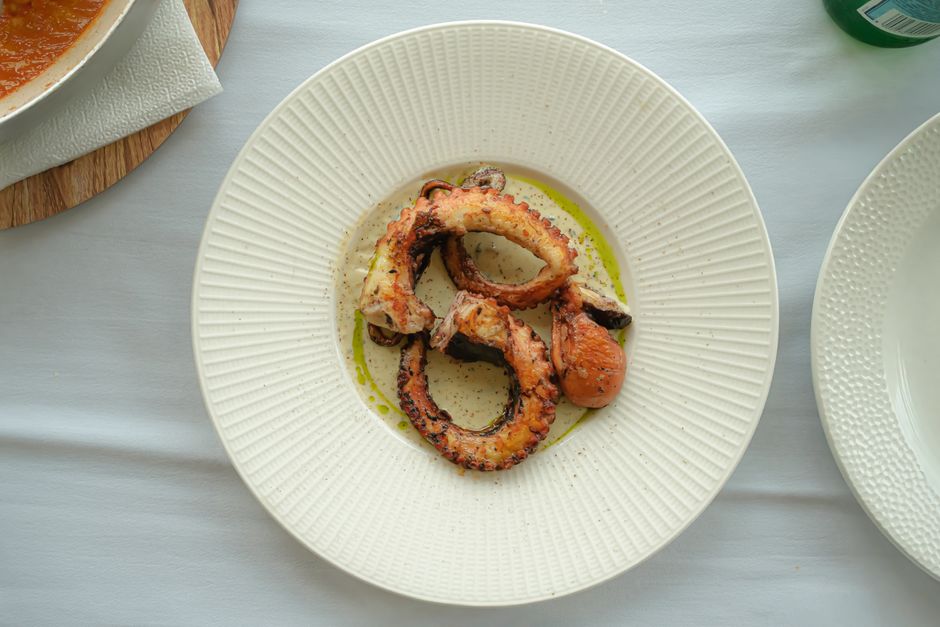
Perast is small, so the dining options are limited but high quality. The cuisine is a mix of Montenegrin and Mediterranean influences, with a focus on fresh seafood. Black risotto 10-15 EUR is a local specialty, made with cuttlefish ink and served with crusty bread. Grilled octopus 8-12 EUR is another must-try dish, tender and flavorful. For a lighter option, pršut 5-8 EUR, a dry-cured ham similar to prosciutto, is widely available. Montenegrin wine 3-5 EUR is also excellent, particularly the Vranac red, which is robust and full-bodied. Ribara street is the main dining area, with several restaurants offering views of the bay. Take-away options are limited, but there are a few bakeries selling gibanica 2-3 EUR, a savory cheese pie.
Nightlife
Perast is not a nightlife destination. The town is small and quiet, with most bars and cafes closing early. The atmosphere is relaxed and family-friendly, with locals and tourists mingling on the main street. The Hotel Perast Hotel Perast has a bar with a terrace overlooking the bay, where you can enjoy a drink and watch the sunset. For more lively nightlife, head to Kotor Kotor, which is just a short drive away. Kotor has a larger selection of bars and clubs, with a more vibrant atmosphere.
Getting There & What to Expect
Perast is located on the Bay of Kotor, about 15 km north of Kotor Kotor. The nearest airport is Tivat Airport Tivat Airport, which is about 20 km away. Buses run regularly between Kotor and Perast, taking about 20 minutes. Taxis are also available, but can be expensive. If you are driving, the road from Kotor to Perast is scenic but narrow, so drive carefully. Accommodation in Perast is limited, with mostly hotels and guesthouses. Budget options are scarce, but mid-range hotels are available 50-80 EUR per night. The best time to visit is from May to September, when the weather is warm and the sea is calm. However, July and August can be crowded with tourists.
Search accommodation in Perast on Booking.com →
The Weight of the Stone
As the sun dipped below the ridge of Lovćen, casting long, bruised shadows across the bay, I realized the true nature of Perast. It is not a place that welcomes you; it is a place that endures. The stone of the churches, the shells of the island, the marble of the tombs — it is all a testament to a people who refused to be swallowed by the sea. The devotion here is not passive; it is active, built shell by shell, stone by stone. It is a reminder that faith, like the Adriatic, can be both beautiful and terrifying. I left Perast with the taste of salt on my lips and the weight of its history in my bones. It is a place that stays with you, long after the boats have stopped churning the water.
Comments