


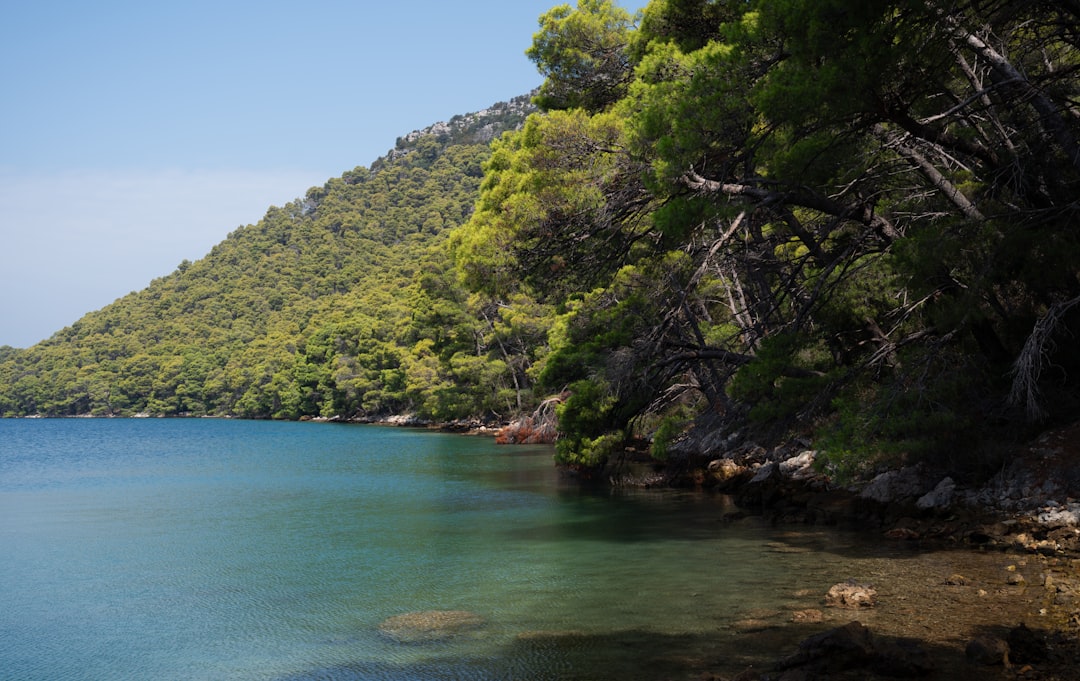
The first twenty kilometers out of Split don't feel like a holiday; they feel like a penance. The asphalt is cracked, the air smells of diesel and salt, and the sun is already hammering the back of my neck like a blacksmith's anvil. I am not on a pristine resort path. I am on the Via Dinarica, a thousand-kilometer trail stitching through the Balkans, and right now, my calves are screaming in a language older than the Roman Empire. A local cyclist in a faded HNK Hajduk Split jersey overtakes me, shouting something about the gradient, but I can't hear him over the roar of my own breath. This isn't the sanitized, flat-bike tour you see on Instagram. This is the real Dalmatian coast, stripped of the cruise ship crowds, where the mountains plunge straight into the Adriatic and the roads climb like vertical ladders. It is exhausting, it is brutal, and it is the most alive I have felt in years.
Most tourists stick to the coastal highway, A1, zipping between resorts in climate-controlled cars. They miss the soul of the region. The soul is in the limestone, the olive groves clinging to impossible slopes, and the silence of the high passes. I spent three weeks grinding this route, sleeping in family-run guesthouses, eating food that tastes like dirt and sun, and learning that in Croatia, beauty is earned through sweat. This is a report from the saddle, not the showroom.
The Karst Labyrinth
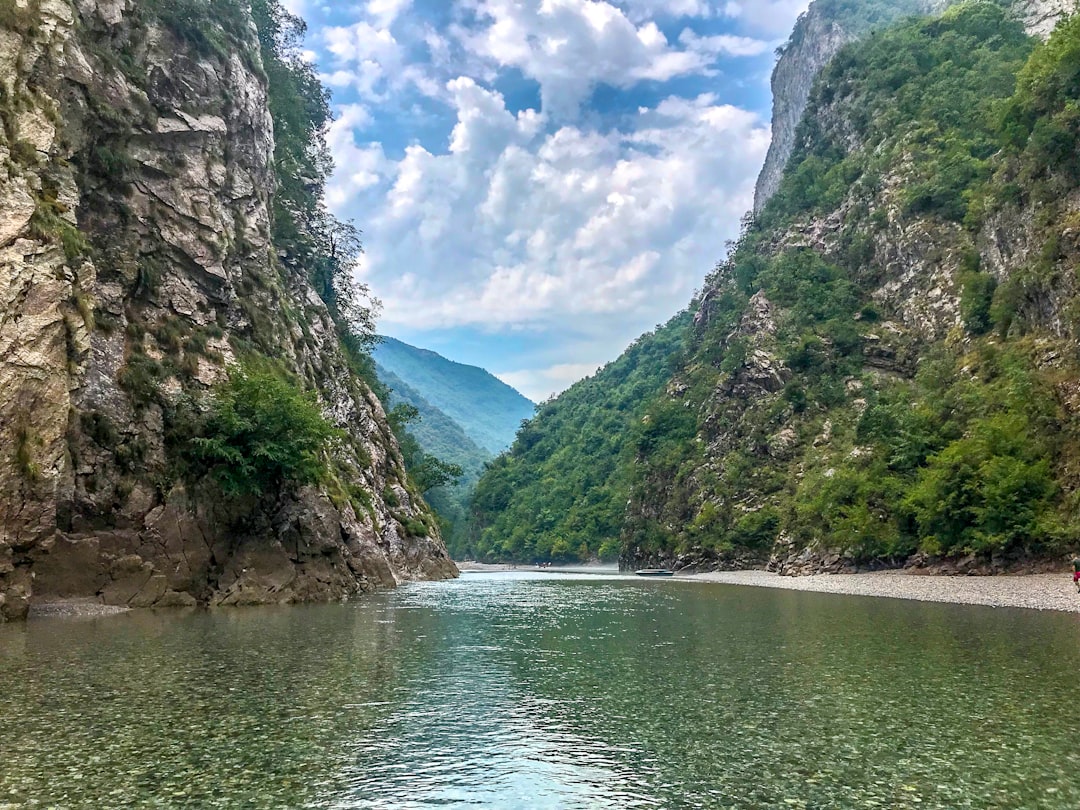
The terrain here is unforgiving. The Dinaric Alps Dinaric Alps run parallel to the coast, creating a wall of limestone that forces the land to be rugged and porous. You aren't just cycling on roads; you are cycling through a geological puzzle. Sinkholes, dry riverbeds, and sudden fog banks are part of the daily routine. The landscape is monochromatic until the sea breaks through in a flash of turquoise, a reward for every kilometer climbed. The vegetation is sparse — scrub, pine, and ancient olive trees that look like twisted wire sculptures. This is not a soft environment. It demands respect.
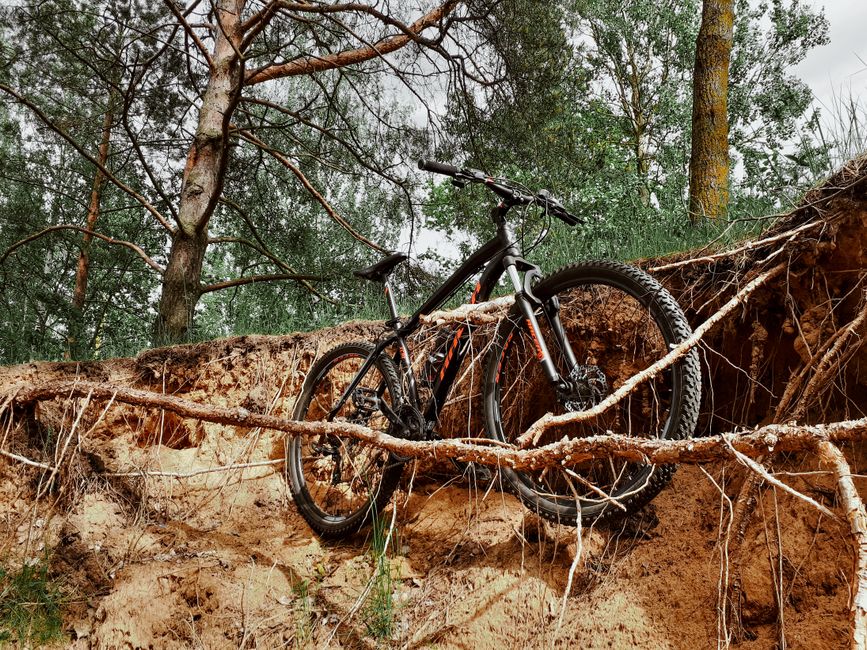
The trail varies from paved national roads to gravel forest tracks. Some sections are smooth, others are sharp enough to shred tires. I recommend a gravel bike or a hardtail mountain bike with wide tires. Road bikes will leave you stranded on the rougher inland connectors. The weather can shift instantly. One hour you are baking in the sun, the next you are shivering in a wind tunnel at a mountain pass. Layers are not optional; they are survival gear.
Split to Makarska: The Coastal Grind
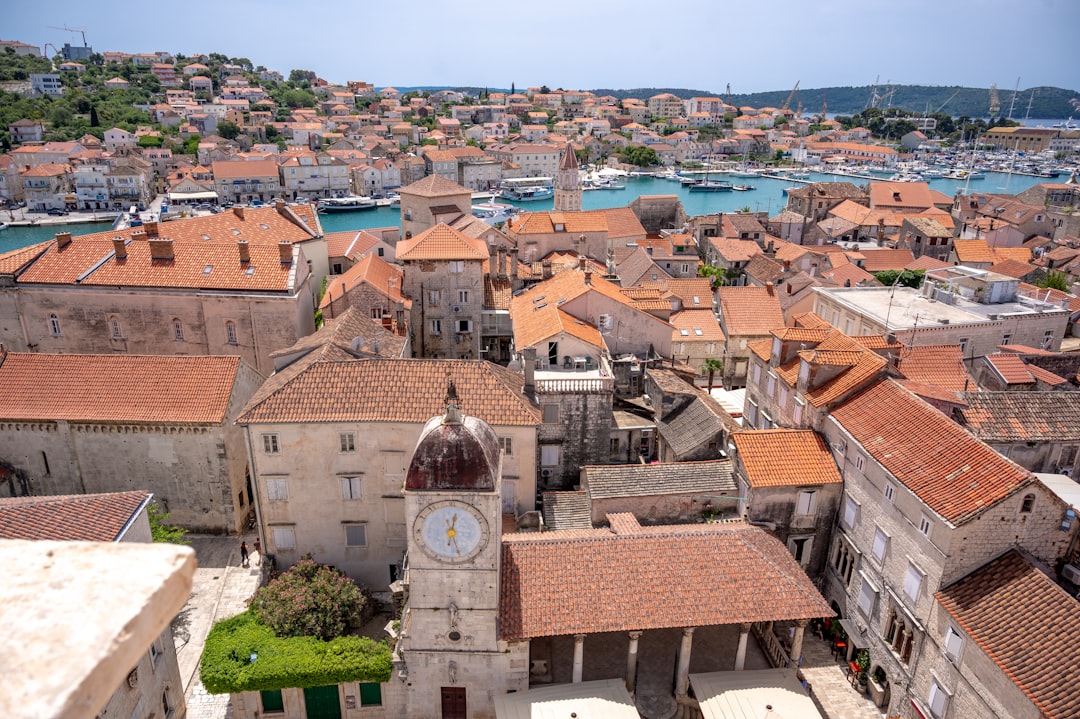
Starting in Split Split, Croatia, the ride heads south along the coast. The first stretch is hilly, winding through suburbs and small fishing villages. The views of Marjan Hill Marjan Hill fading behind you are a good morale boost. As you approach Trogir Trogir, the ancient architecture interrupts the modern chaos. This is a UNESCO World Heritage site built on an island, connected to the mainland by a bridge. It feels like stepping into a different century. The streets are narrow, so you lock up and walk, letting your eyes adjust to the medieval scale.
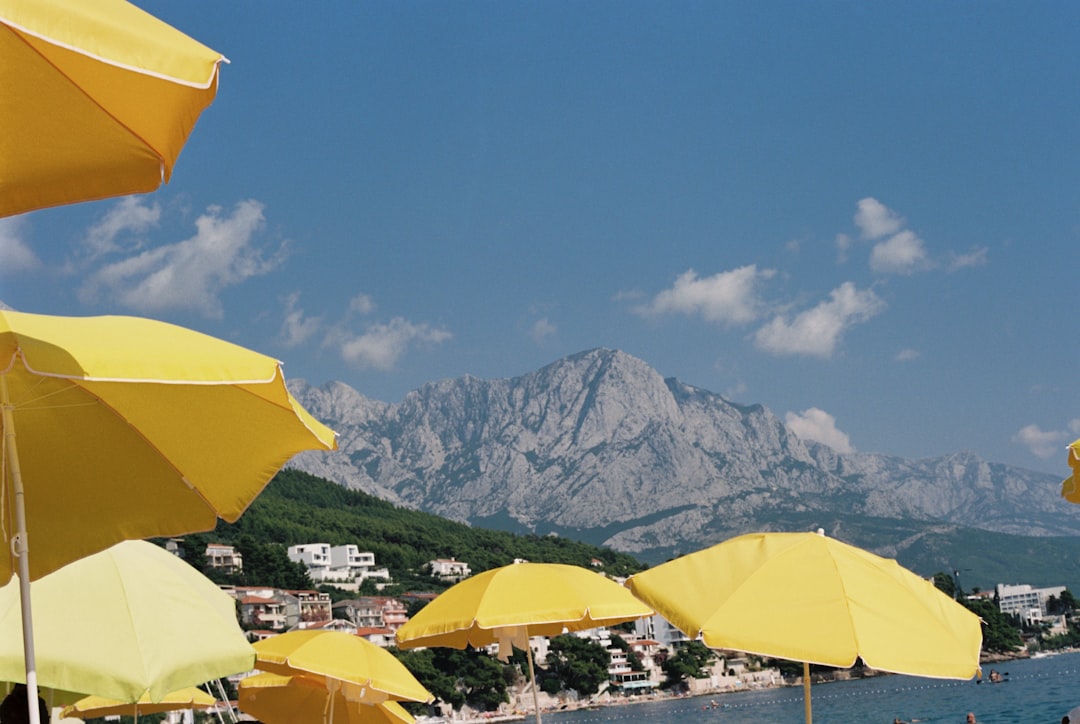
Continuing south, the road climbs toward the Biokovo Mountains Biokovo Mountains. The views here are spectacular. On a clear day, you can see the Italian coast across the sea. The town of Makarska Makarska is a beach resort, but it serves as a crucial resupply point. The beaches are pebbly, not sandy, but the water is clear. This section is moderately difficult, with steady climbs and long descents. It is a good warm-up for the harder terrain ahead.
Imotski and the Inland Turn
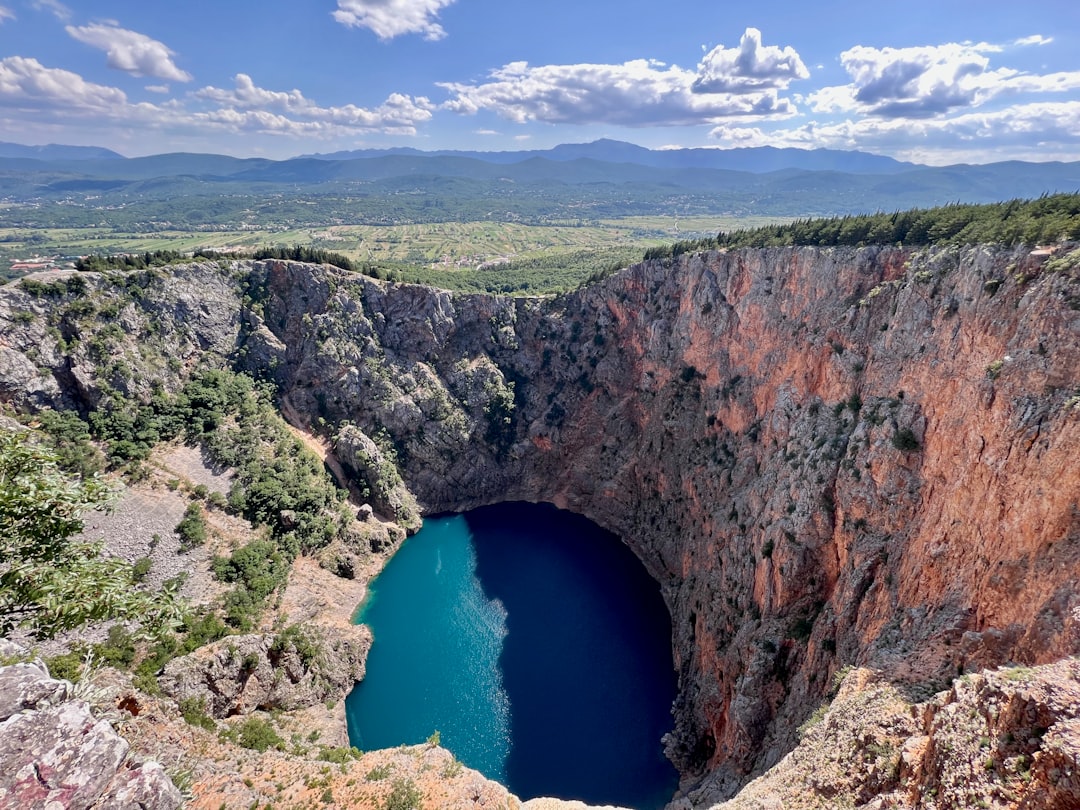
Leaving the coast, the trail pushes inland toward Imotski Imotski. This is where the real challenge begins. The road climbs steeply, leaving the sea behind for a sea of green and grey. Imotski is known for its two lakes — the Blue Lake and the Red Lake. The Blue Lake is deep and mysterious, with a legend of a drowned village. The water is cold enough to shock you if you stop for a dip. The town itself is small, with a relaxed atmosphere. The local konobas (taverns) serve heavy, hearty food. This is the heart of Dalmatian cuisine: olive oil, prosciutto, and white wine.
The road from Imotski to the next major town is a test of endurance. It winds through dense pine forests and open karst plateaus. You will see few cars and even fewer cyclists. The silence is profound. You hear only the wind in the trees and the crunch of gravel under your tires. This isolation is what makes the Via Dinarica special. You are alone with your thoughts and the landscape. It is humbling.
Routes & Trail Info
The Via Dinarica is not a single path but a network of trails. For cycling, you will mostly follow the "Blue Line" or modified road routes. The section from Split to Imotski is approximately 100 km. It includes significant elevation gain, around 1,500 meters. The difficulty is Intermediate. Expect to spend two days on this leg. The road surfaces vary from asphalt to gravel. Navigation is key. Download offline maps on your phone or use a dedicated GPS device. Cell service can be spotty in the valleys.
Alternative routes exist for those who want more challenge. You can climb higher into the Biokovo range, but this requires a mountain bike and good fitness. The trails are rugged and exposed. For most cyclists, sticking to the main roads and designated gravel paths is safer and more efficient. Always check local conditions before setting out. Rain can turn gravel into mud, and fog can reduce visibility to zero. Flexibility is your best friend on this trail.
Getting There & What to Expect
The nearest major airport is Split Airport Split Airport, which handles flights from many European cities. You can also fly into Zagreb Zagreb and take a bus or train south, but this adds travel time. Buses connect Split to most towns along the coast. The FlixBus network is reliable and cheap. Trains are limited in Dalmatia, mostly running on the coastal line. Renting a car is an option, but it defeats the purpose of a cycling tour. If you need to move your bike, look for specialized cargo transport services.
Accommodation ranges from budget hostels to luxury hotels. In Split, expect to pay 30-50 EUR for a hostel bed and 80-150 EUR for a mid-range hotel. In smaller towns like Imotski, prices are lower, around 20-40 EUR for a guesthouse room. Meals are affordable. A traditional meal in a konoba costs 15-25 EUR. Street food, like burek or seafood, is 5-10 EUR. The best time to visit is May to June or September to October. July and August are hot and crowded. The weather is ideal for cycling in the shoulder seasons.
Search accommodation in Split on Booking.com →
The Last Mile
By the time I reached the end of the first leg, my legs were jelly, but my mind was clear. The Via Dinarica doesn't just test your body; it strips away the noise of modern life. You learn to appreciate the simple things: a cold bottle of water, a shadow under a tree, a smile from a local. This trail is not for everyone. It is hard, it is rough, and it is unpredictable. But for those who are willing to suffer, it offers a reward that no resort can match. The Dalmatian coast is not just about sun and sea. It is about stone and sweat, and the quiet dignity of a landscape that has stood for millions of years. I will be back. I have to finish the trail.
Comments