


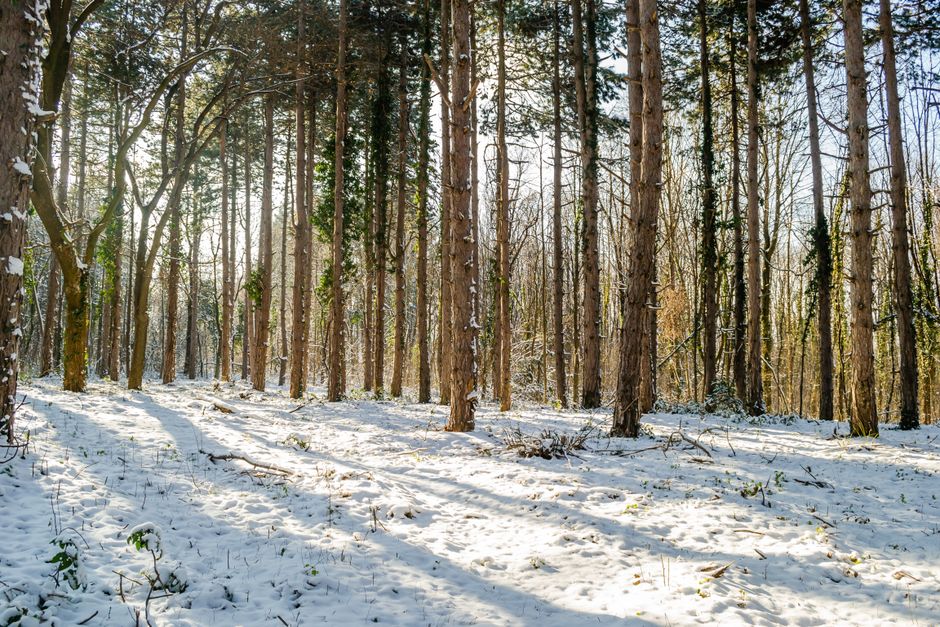
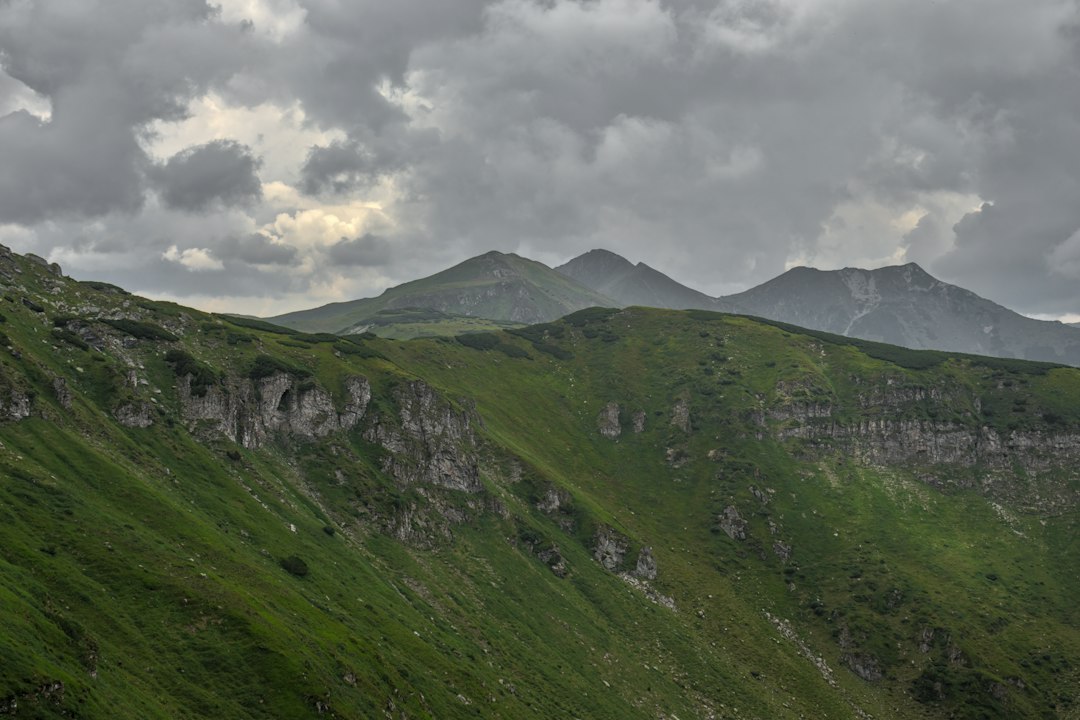
The wind on the ridge of Fruška Gora National Park doesn't smell like forest. It smells like diesel, river mud, and cheap rakija. I was standing at the top of Srđevik Peak, the highest point in the park, watching a flock of tourists from Novi Sad struggle up the final switchbacks, their lungs burning, their knees knocking. Below me, the Danube stretched out like a lazy, brown snake, indifferent to the human drama unfolding on its banks. This isn't the alpine majesty of the Alps or the rugged wildness of the Pindus. This is a low, rolling hill mass, an "island in the air" as the locals call it, jutting out into the Pannonian Plain. It's easy to dismiss. It's easy to underestimate. But if you're willing to trade vertical gain for horizontal sprawl and monastic silence, Fruška Gora offers a cycling and hiking experience that is uniquely Balkan: chaotic, historical, and utterly unpretentious.
I rented a bike in the town of Beočin with flat pedals and questionable gears, planning to loop through the southern valleys. Within an hour, my plan was in ruins. A road closure for a local wedding forced me onto a dirt track that led straight into a vineyard. The owner, a man with a face like crumpled parchment, didn't shout. He didn't call the police. He poured me a glass of white wine, pointed toward a hidden trail that bypassed the bottleneck, and told me to watch out for the stinging nettles. That is the essence of this park. It is not a manicured theme park for exercise. It is a living, breathing landscape where the boundaries between nature, agriculture, and human habitation are blurred, messy, and welcoming.
History & Identity
Fruška Gora is not just a geological anomaly; it is a cultural anchor for the Vojvodina region. The park's identity is deeply tied to its monasteries. There are 13 monasteries scattered across the hills, each with a distinct architectural style and a turbulent history involving Ottoman sieges, Austro-Hungarian administration, and World War II destruction. They are not relics; they are active spiritual centers. The park's designation as a national park in 1960 was a move to protect this unique blend of flora, fauna, and heritage. The karst landscape, with its limestone caves and sinkholes, provides a habitat for rare species like the Balkan chamois and the Balkan lynx, though spotting them requires more luck than I possess.
The history here is layered. The Romans mined the limestone, the Ottomans built fortresses, and the Austro-Hungarians planted vineyards. This layering is visible in the trails. You might hike past a Roman quarry, then a World War II bunker, then a modern wine cellar, all within a kilometer. The park's identity is one of resilience. It has survived wars, fires, and neglect. Today, it is a weekend escape for the residents of Novi Sad, a place to picnic, drink wine, and remember that life, like the Danube, continues regardless of human conflict.
Where to Go
Krušedol Monastery — The spiritual heart of Fruška Gora. This 18th-century Serbian Orthodox monastery is known for its intricate frescoes and its role as a burial site for many Serbian archbishops. The architecture is a mix of Baroque and Rococo, a stark contrast to the rugged natural surroundings. Entry is free, but donations are expected. Visit early in the morning to avoid the crowds and catch the light hitting the golden domes.
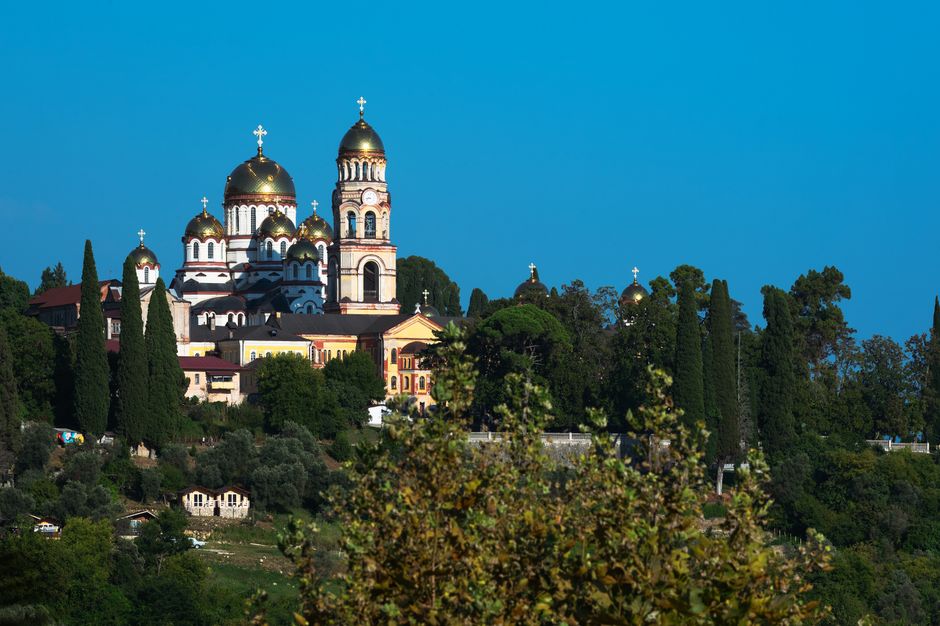
Đerda Monastery — Located on the northern slope, this monastery is named after the Đerda River. It is one of the oldest monasteries in the park, with origins dating back to the 13th century. The surrounding area is dense with beech and oak forests, providing a cool, shaded hike. The view from the monastery grounds overlooks the river valley, a perfect spot for a mid-hike break.
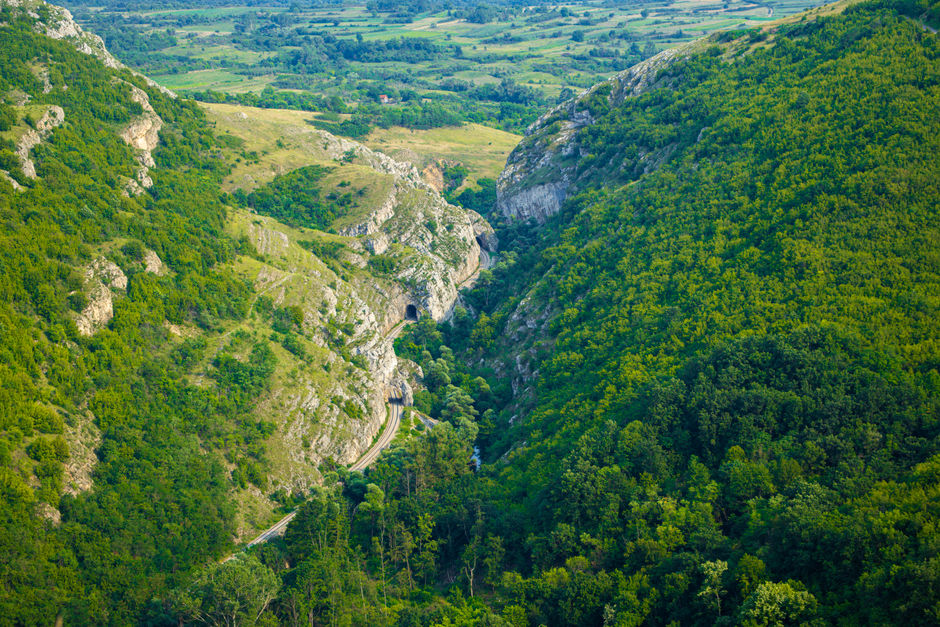
Šarengrad Fortress — Ruins of an Ottoman fortress on the western edge of the park. The climb to the top is steep but short, rewarding you with panoramic views of the Danube and the Hungarian plain. The stones are weathered, the history is bloody, but the perspective is unmatched. It's a reminder of the strategic importance of this hill mass.
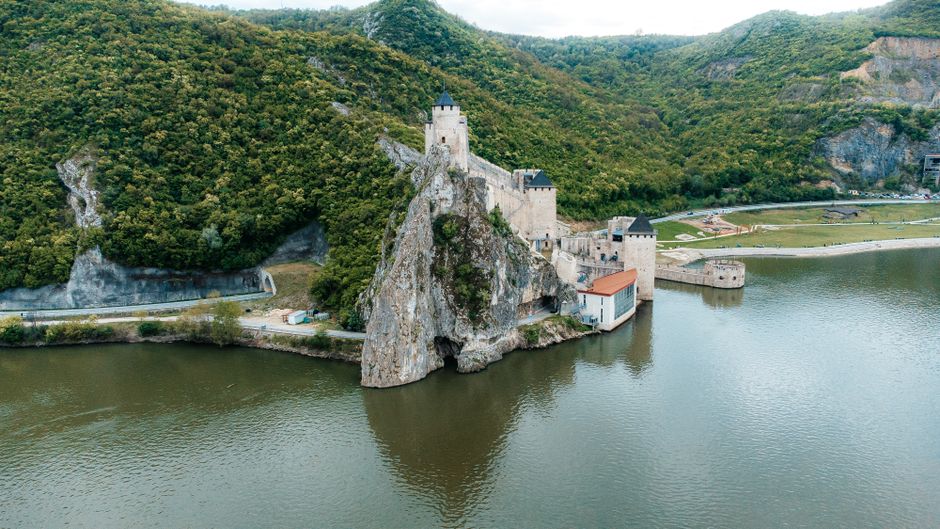
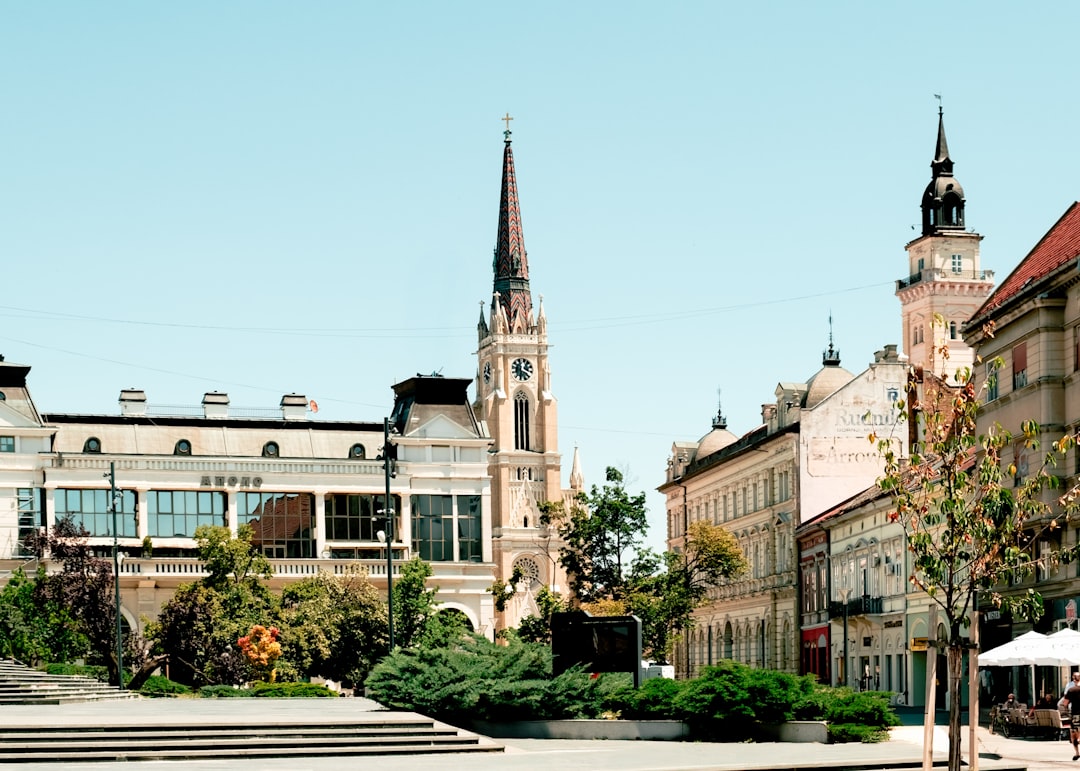
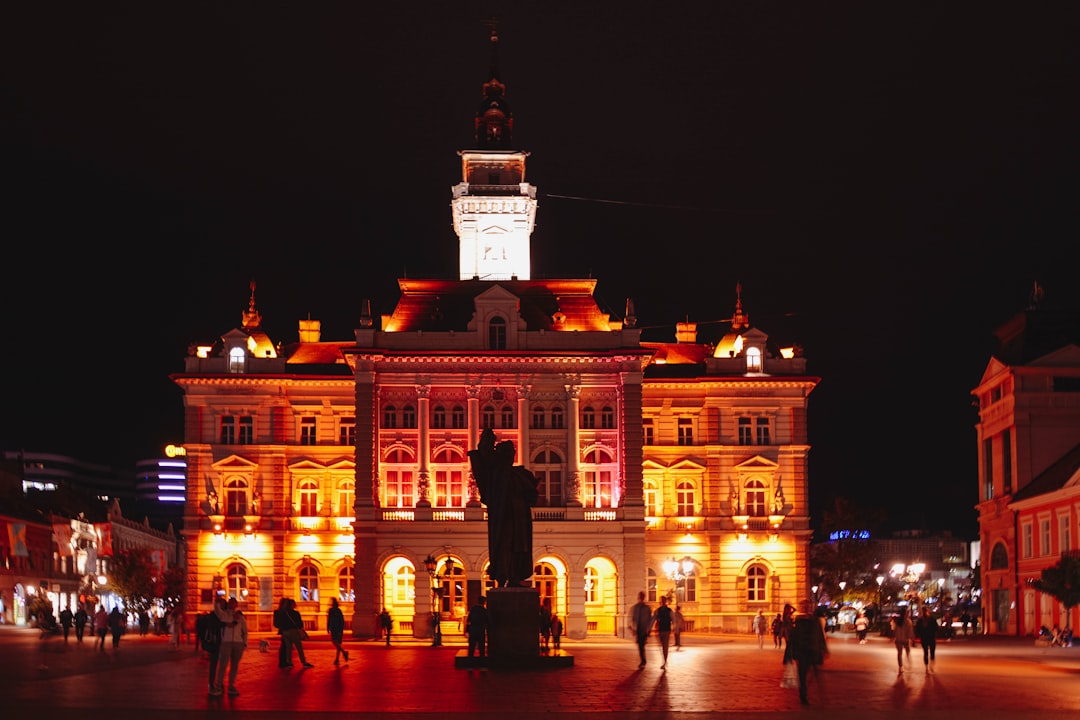
Beočin Town Square — A small, charming town at the foot of the park. The square is lined with traditional Vojvodina architecture, cafes, and a small market. It's a great starting point for hikes or a place to grab a coffee after a ride. The atmosphere is relaxed, almost sleepy, with a distinct local flavor.
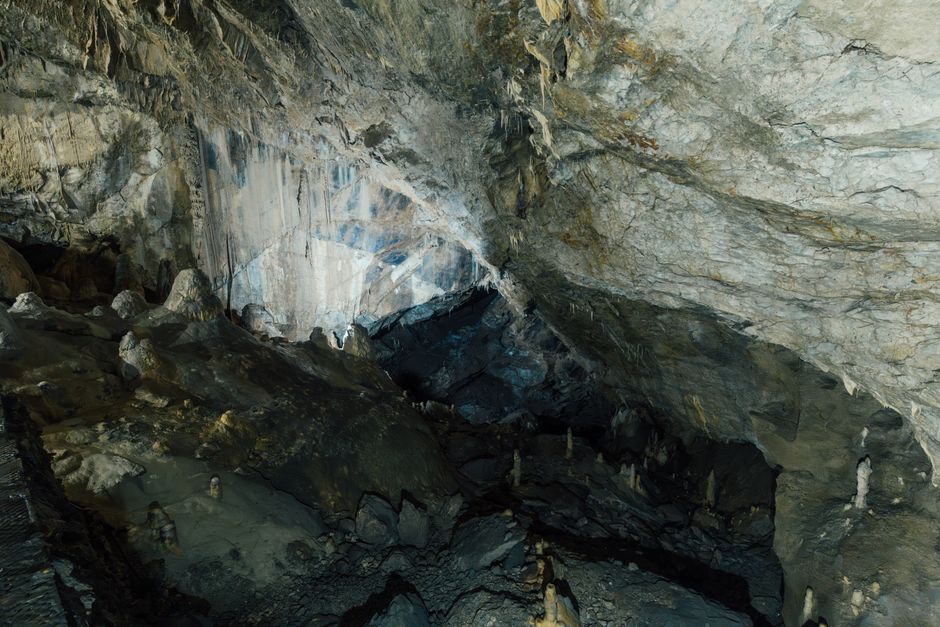
Markovac Cave — One of the few accessible caves in the park. The entrance is small, but the interior reveals stalactites and stalagmites. It's a short detour from the main hiking trails, offering a cool, dark contrast to the sun-drenched hills. Bring a flashlight.
What to Eat & Drink
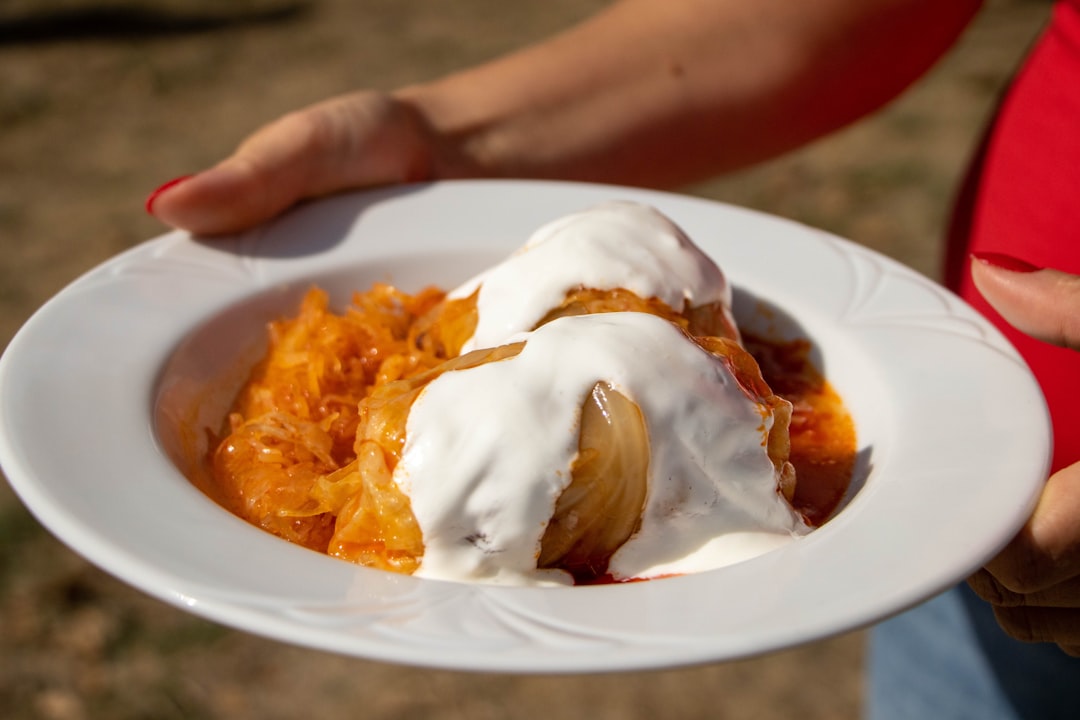
The food in Fruška Gora is a reflection of the Vojvodina region: hearty, meat-heavy, and influenced by Central European and Ottoman cuisines. You will find ćevapi (grilled minced meat sausages) for 3-5 EUR, pljeskavica (a large burger-like patty) for 5-7 EUR, and šopska salata (tomato, cucumber, onion, and kajmak) for 2-4 EUR. Don't miss the pašticada (braised beef in wine sauce) for 10-15 EUR, a dish that requires hours of preparation and patience.
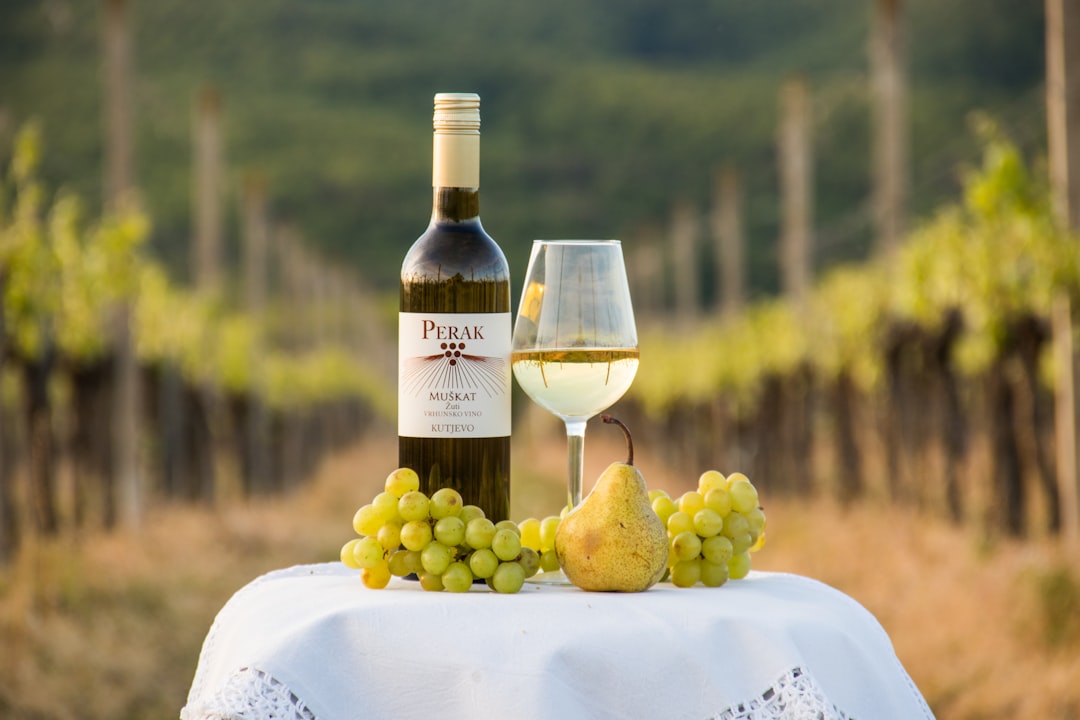
Budget breakdown: Street food or take-away options are under 5 EUR per meal. Sit-down local restaurants typically cost 10-20 EUR per person, including a drink. Mid-range restaurants with a view or a more extensive menu range from 20-30 EUR. For wine, the local white wines, particularly the Graševina (Welschriesling), are excellent and affordable, with a glass costing 2-4 EUR and a bottle 5-10 EUR.
Food streets and markets: The town of Beočin has a small market area with local produce and prepared foods. In Novi Sad, the Dospetska Street is known for its traditional restaurants and cafes. For budget travelers, there are food courts in the larger towns and take-away options in the villages.
Nightlife
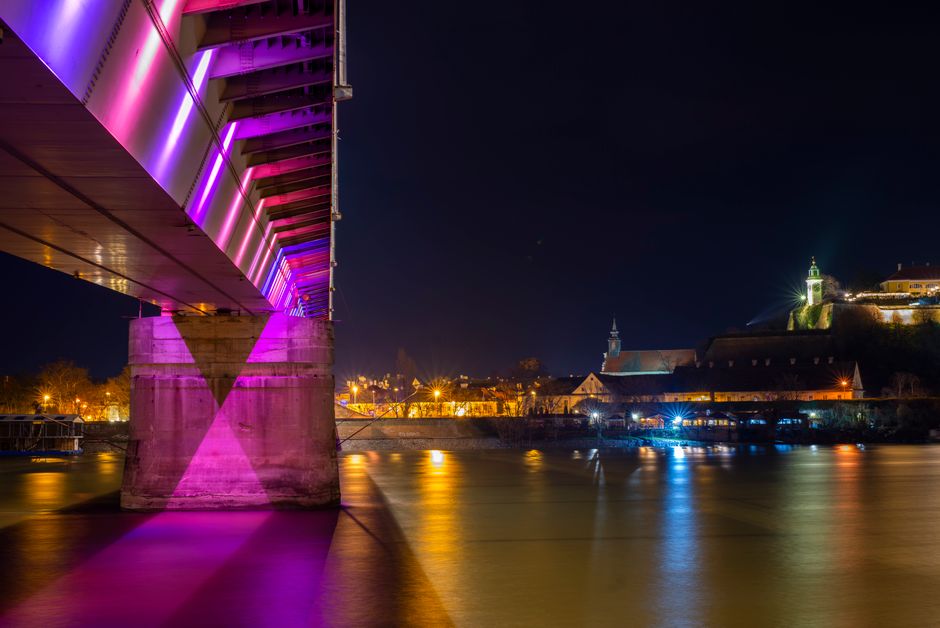
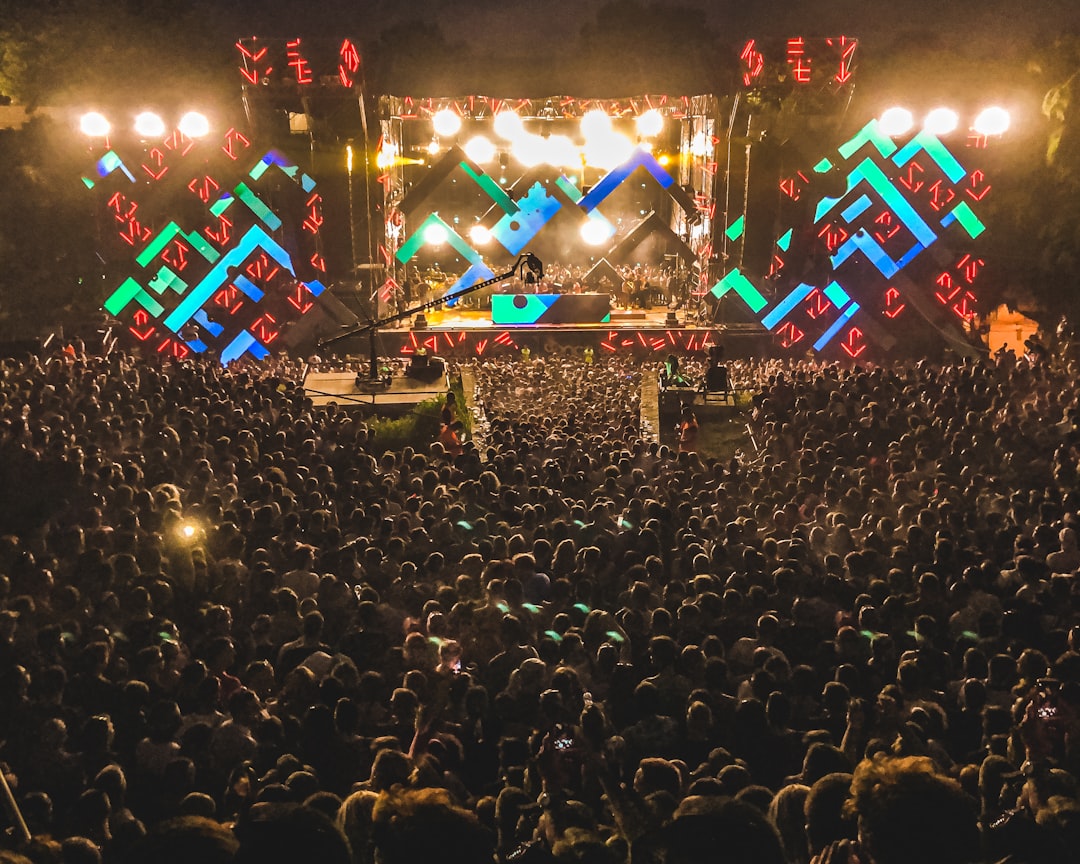
Nightlife in Fruška Gora itself is non-existent. The villages are quiet, and the monasteries are silent. However, the nearby city of Novi Sad offers a vibrant nightlife scene. The main district is around the main square and the riverfront. Venues like Limunada Bar offer live music and a relaxed atmosphere, while Club Limunada is a larger venue for dancing. Cover charges are typically 5-10 EUR, and drinks cost 3-5 EUR. For a more local experience, head to the smaller bars in the neighborhoods of Petrovaradin or Liman.
Getting There & What to Expect
The nearest major city is Novi Sad, located just 10 kilometers from the park's southern entrance. From Novi Sad, you can reach the park by car, bus, or taxi. The drive takes about 20-30 minutes. Buses run regularly from Novi Sad to the villages of Beočin, Iriški Venac, and Vrdnik. A bus ticket costs 1-2 EUR. Taxis are available but more expensive, costing 10-15 EUR from the city center.
Accommodation: Budget hostels and guesthouses in the villages cost 20-40 EUR per night. Mid-range hotels and apartments cost 40-70 EUR per night. Camping is possible in designated areas, with fees around 5-10 EUR per night. Typical meal prices in the villages are slightly lower than in Novi Sad, with a lunch costing 5-10 EUR.
Best months to visit: Spring (April-May) and Autumn (September-October) offer the best weather for hiking and cycling. Summer can be hot and crowded, while winter can be cold and muddy.
Search accommodation in Novi Sad on Booking.com →
The Unvarnished Truth
As I rode back down from Srđevik, my legs burning and my bike chain threatening to snap, I realized that Fruška Gora isn't about conquering peaks. It's about surrendering to the landscape. It's about getting lost in the vineyards, stumbling upon a monastery, and accepting a glass of wine from a stranger. It's a place that doesn't care about your fitness level or your gear. It just wants you to be there. And if you're willing to leave your ego at the trailhead, it might just give you something real in return.
Comments