


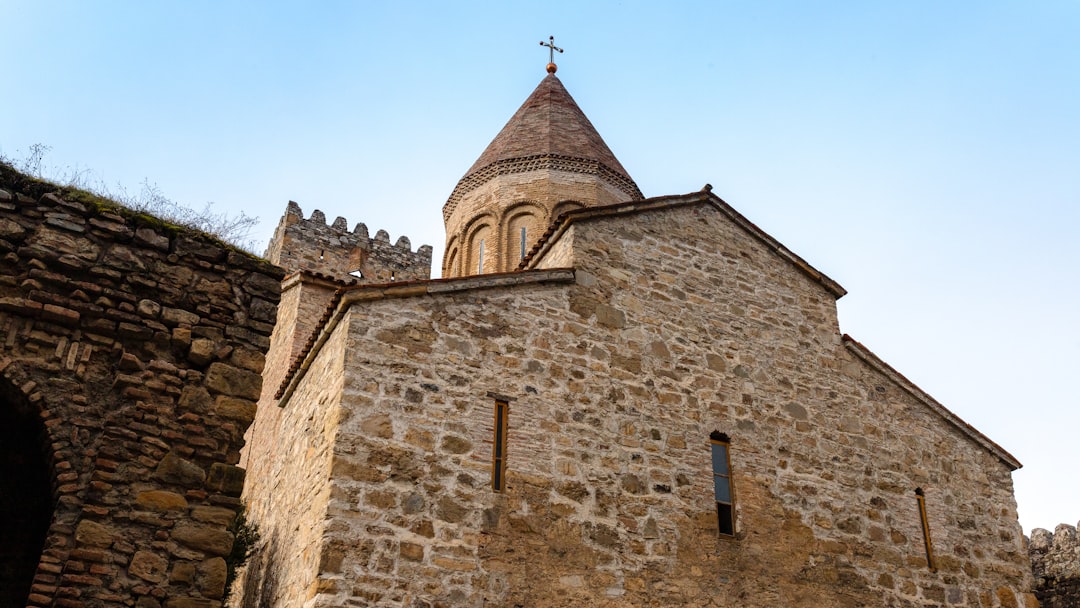
I am standing in a courtyard of cracked stone, the air thick with the scent of beeswax and damp earth. It is late afternoon in Peć, and the light is turning that particular shade of amber that makes old stone look like it is breathing. A local priest, his face a map of deep lines, pours me a glass of rakija from a chipped plastic bottle. We do not speak much. The weight of the place does the talking. This is not just a monastery; it is a fortress of faith, a symbol that has survived centuries of conquest, neglect, and political maneuvering. To call it a "tourist site" is a profound misunderstanding. This is the spiritual anchor of a people, and feeling that anchor pull at your soul is the first lesson of visiting the Patriarchate of Peć.
The drive here, winding up from the plains of Kosovo into the rugged highlands, feels like traveling back in time. The landscape is harsh, beautiful, and indifferent to human borders. As the silhouette of the monastery emerges from the mist, you understand why it was chosen. It is not just a place of worship; it is a statement of presence. In a region defined by shifting lines and contested histories, the Patriarchate of Peć stands as a stubborn, sacred constant.
History & Identity
The story of the Patriarchate of Peć is inextricably linked to the rise of the Serbian medieval state. Founded in the 13th century, it became the seat of the Serbian Patriarchate in the 14th century, elevating the status of the Serbian Orthodox Church to an autocephalous entity. For centuries, it was the religious and cultural heart of the region, a place where emperors were crowned and where the highest levels of Byzantine art and architecture were cultivated. The frescoes inside are not merely decorations; they are theological texts written in color and light, depicting saints, biblical scenes, and the donors who funded their creation.
The Ottoman conquest changed everything, but it did not erase the monastery. Instead, the Patriarchate of Peć became a symbol of resistance and preservation. While the political power of the Serbian state waned, the church remained a repository of national identity. The monastery was looted, burned, and rebuilt multiple times, a cycle of destruction and renewal that mirrors the broader history of the Balkans. In the 19th and 20th centuries, it became a focal point for Serbian nationalism, a place where the memory of past glory was kept alive in the face of foreign rule.
Today, the Patriarchate of Peć sits in a complex political reality. Located in southwestern Kosovo, it is a UNESCO World Heritage Site, part of the "Medieval Monuments in Kosovo" listing. This status is a source of pride for the Serbian Orthodox community and a point of contention in the ongoing political dialogue between Belgrade and Pristina. For visitors, this context is unavoidable. The monastery is not just a historical artifact; it is a living symbol of a dispute that continues to shape the region. Understanding this adds a layer of gravity to every step you take within its walls.
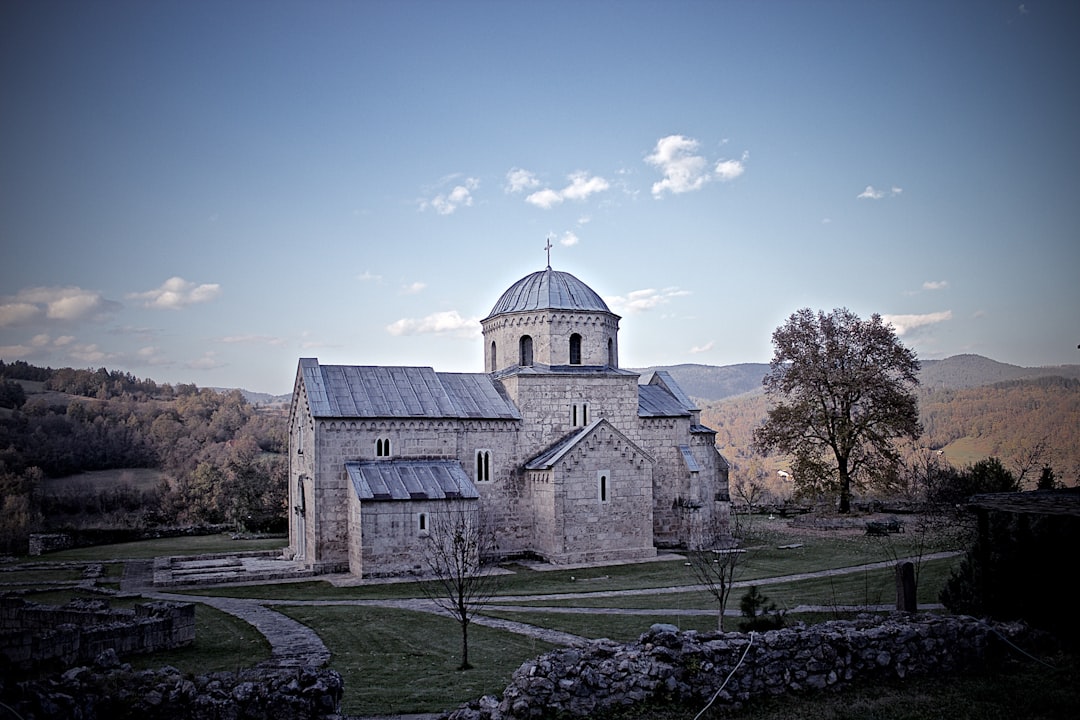
The architecture itself tells a story of resilience. The main church, dedicated to the Archangel Michael, is a masterpiece of the Morava style, characterized by its intricate stone decoration and octagonal dome. The refectory church, dedicated to the Holy Trinity, is equally impressive, with frescoes that rival those in the main church. The walls are thick, the windows small, designed for defense as much as for worship. This is a place built to withstand siege, both physical and spiritual.
Where to Go
The Main Church of the Archangel Michael — The heart of the complex, this church is a stunning example of medieval Serbian architecture. The interior is covered with frescoes dating from the 14th to the 16th centuries, depicting a rich array of biblical scenes and saints. The light filtering through the small windows creates a mystical atmosphere, making the colors seem to glow from within. Entry is free, but visitors are expected to dress modestly and maintain a respectful silence. The best time to visit is early morning, when the light is soft and the crowds are minimal.
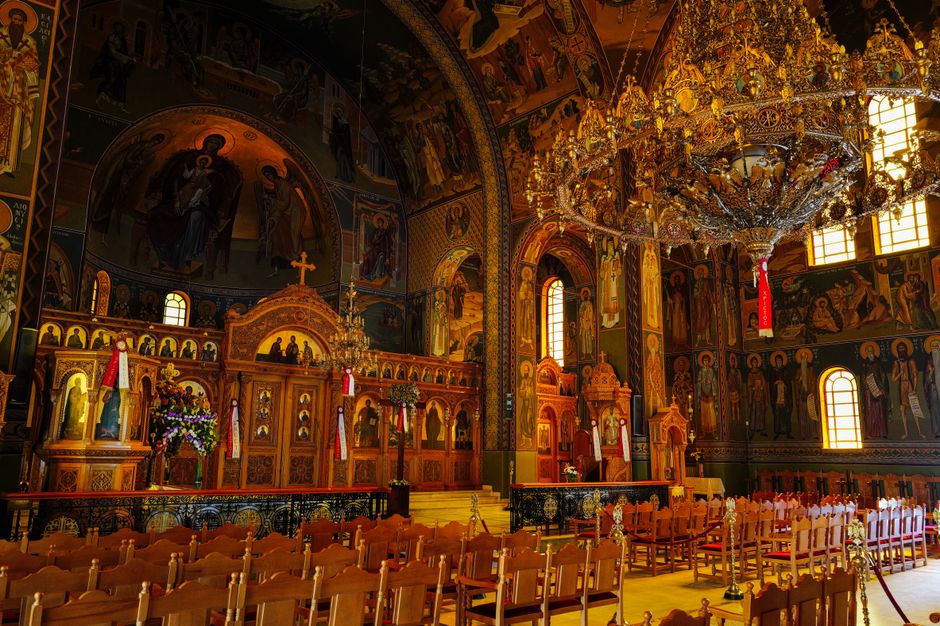
The Refectory Church of the Holy Trinity — Located adjacent to the main church, this smaller structure is a hidden gem. Its frescoes are particularly well-preserved, offering a glimpse into the artistic traditions of the period. The refectory was originally used for communal meals by the monks, and its intimate scale makes it a more personal space for reflection. The ceiling frescoes, in particular, are a marvel of composition and color.
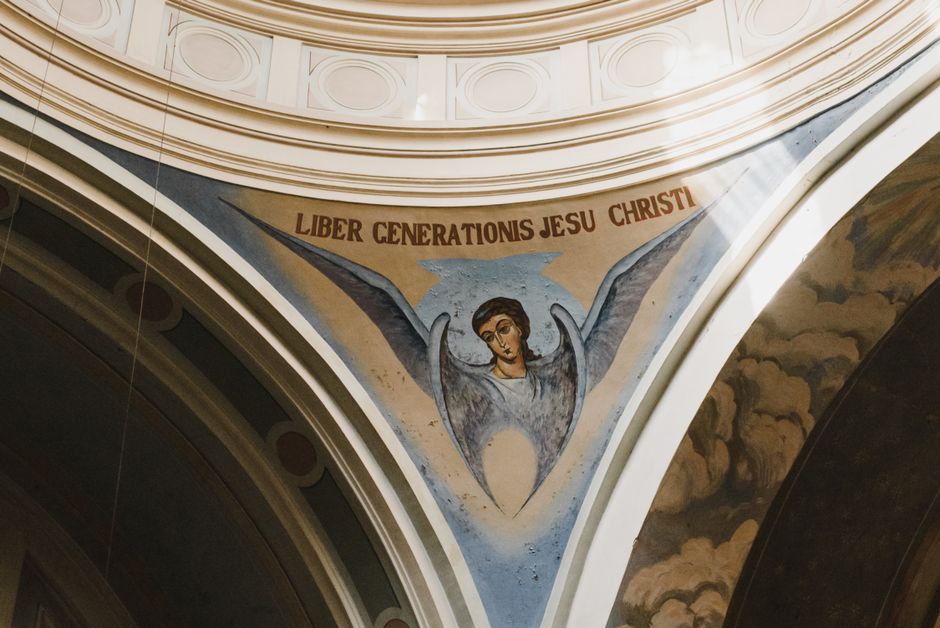
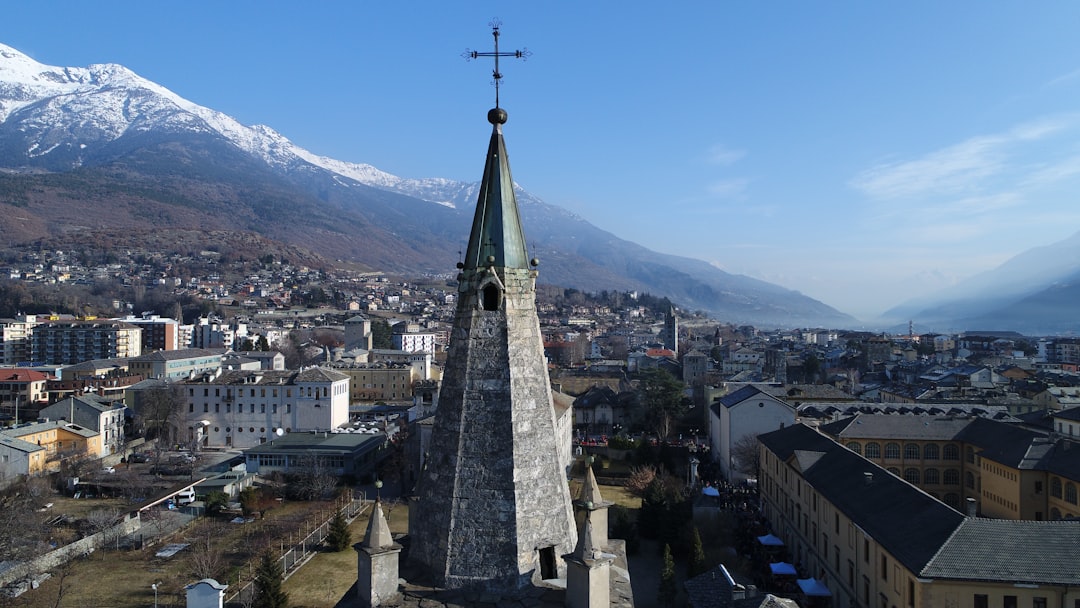
The Bell Tower — A slender, elegant structure that rises above the complex, the bell tower is a symbol of the monastery's enduring presence. Climbing the narrow stairs to the top offers a panoramic view of the surrounding landscape, including the town of Peć and the distant mountains. The sound of the bells, echoing across the valley, is a powerful auditory experience, a reminder of the monastery's role as a spiritual beacon.
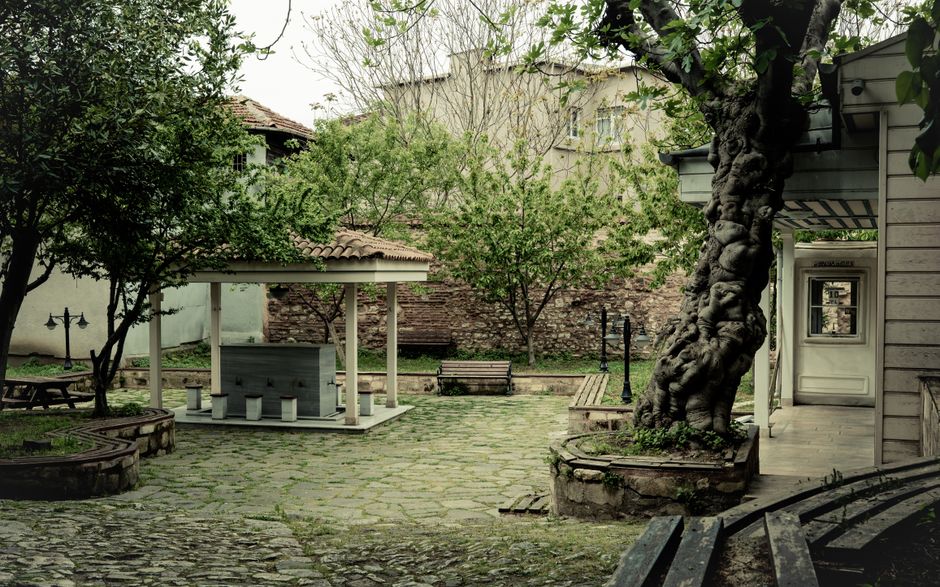
The Monastery Courtyard — The large, open courtyard is a place of quiet contemplation. Surrounded by stone walls and dotted with old trees, it provides a space for visitors to sit and reflect on the history and significance of the site. In the summer, the courtyard is shaded by the trees, making it a comfortable place to escape the heat. The simplicity of the space is its greatest strength, offering a stark contrast to the ornate interiors of the churches.
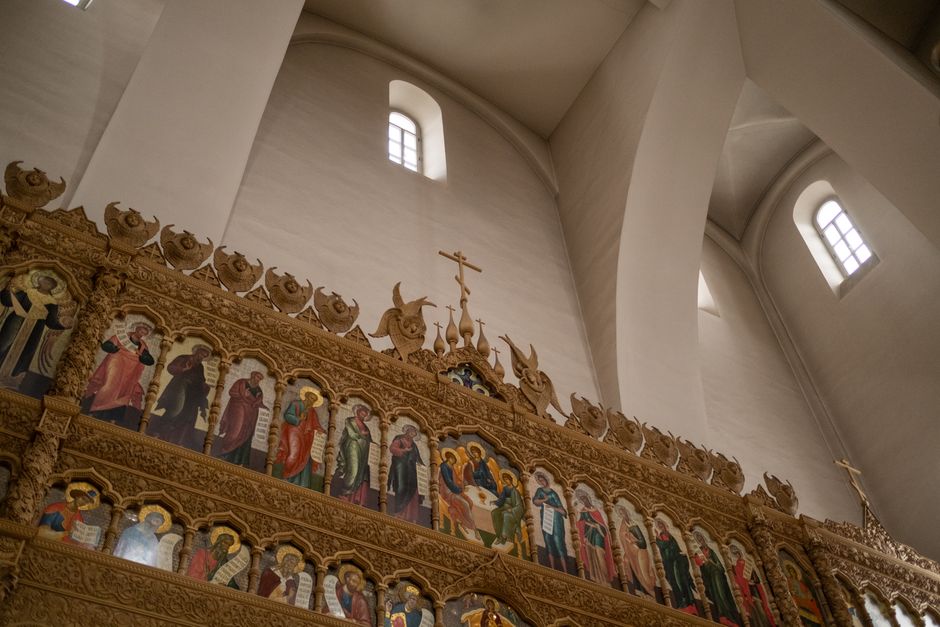
The Iconostasis — Inside the main church, the iconostasis is a masterpiece of woodcarving and painting. Each icon is a work of art, depicting saints and biblical figures with intricate detail and vivid color. The craftsmanship is exceptional, reflecting the high level of skill possessed by the artists who created it. Taking time to study each icon is a rewarding experience, offering insights into the theological and artistic traditions of the period.
What to Eat & Drink
The town of Peć offers a range of dining options, from traditional Serbian restaurants to modern cafes. For a taste of local cuisine, try ćevapi — small grilled meat sausages served with flatbread and onions. These are a staple of Balkan street food and are available at most restaurants and kiosks. A plate of ćevapi typically costs around 3-5 EUR.
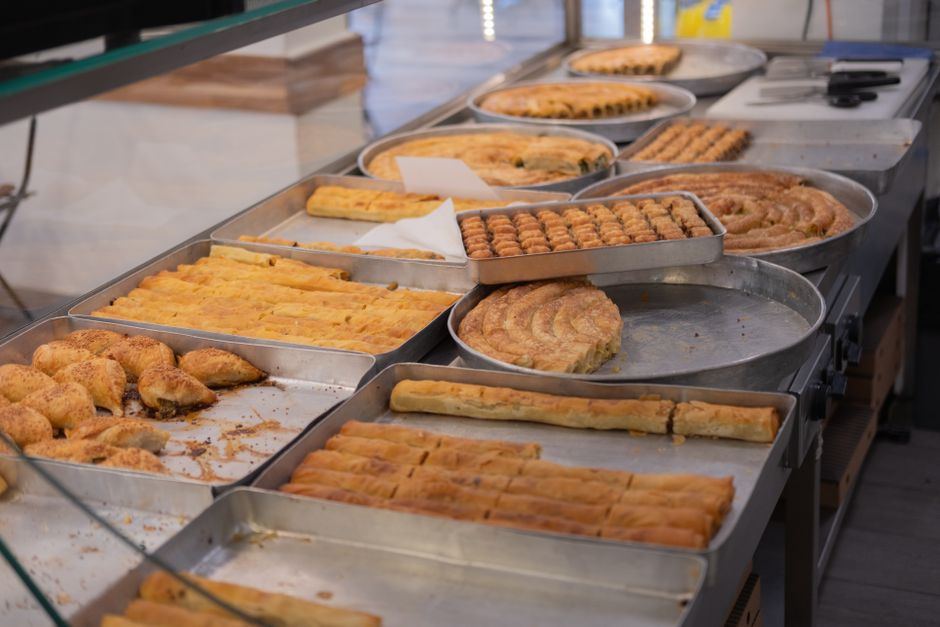
Burek is another must-try dish. This flaky pastry can be filled with meat, cheese, spinach, or potatoes, and is a popular breakfast or snack option. A slice of burek costs around 2-3 EUR. For a more substantial meal, try janjetina — lamb stewed with vegetables and spices. This hearty dish is a favorite in the region and is typically served with bread or rice. A serving of janjetina costs around 8-12 EUR.
For a refreshing drink, try rakija — a fruit brandy that is a staple of Balkan hospitality. Plum rakija is the most common variety, but you can also find apple, grape, and pear rakija. A small glass of rakija costs around 2-3 EUR. For a non-alcoholic option, try turko — a traditional Turkish coffee that is strong and sweet. A cup of turko costs around 1-2 EUR.
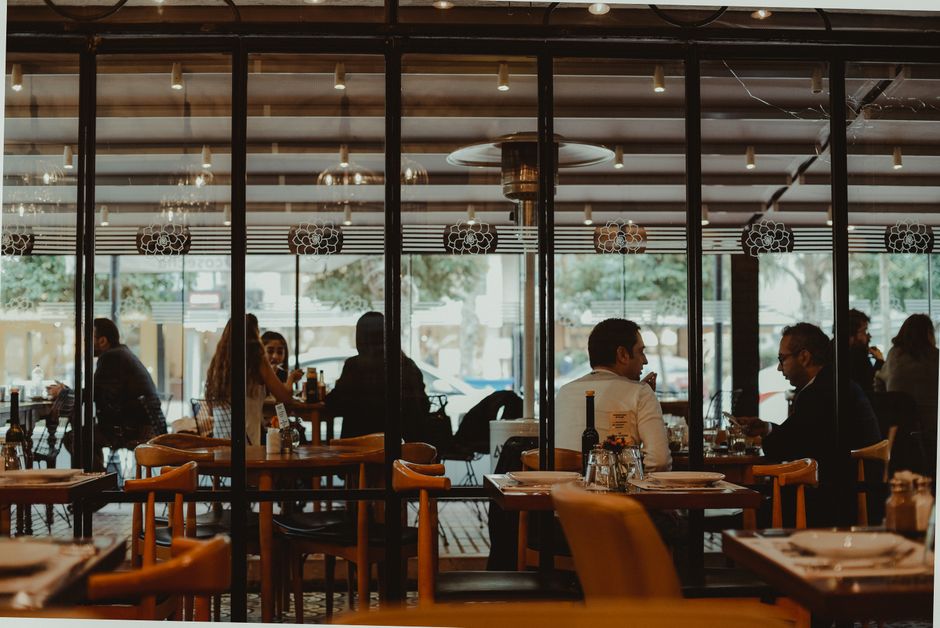
The main street in Peć is lined with restaurants and cafes, offering a variety of dining options. For a more local experience, try the small kiosks and bakeries that dot the town. These offer affordable and delicious options for a quick bite. For a sit-down meal, there are several restaurants in the town center that offer traditional Serbian cuisine at reasonable prices. A meal for two at a mid-range restaurant costs around 15-25 EUR.
Nightlife
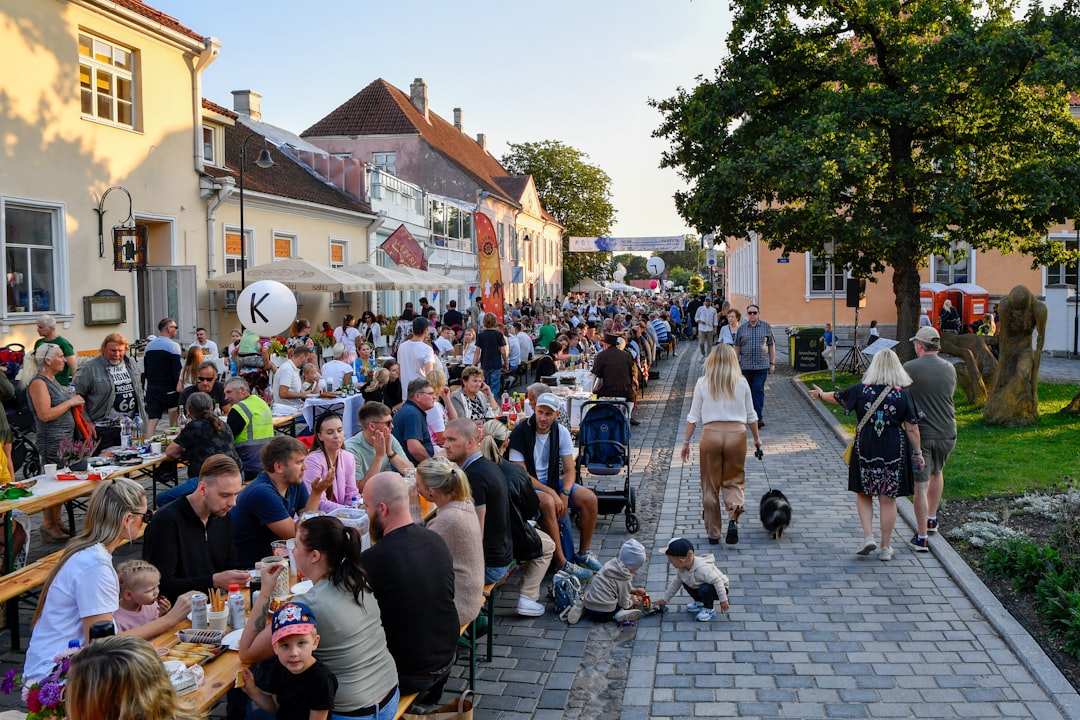
Nightlife in Peć is low-key and relaxed. The town is not known for its clubs or bars, but there are a few places where you can enjoy a drink and some live music. The main square is the focal point of the town, and several cafes and bars line the edges, offering a place to sit and watch the world go by.
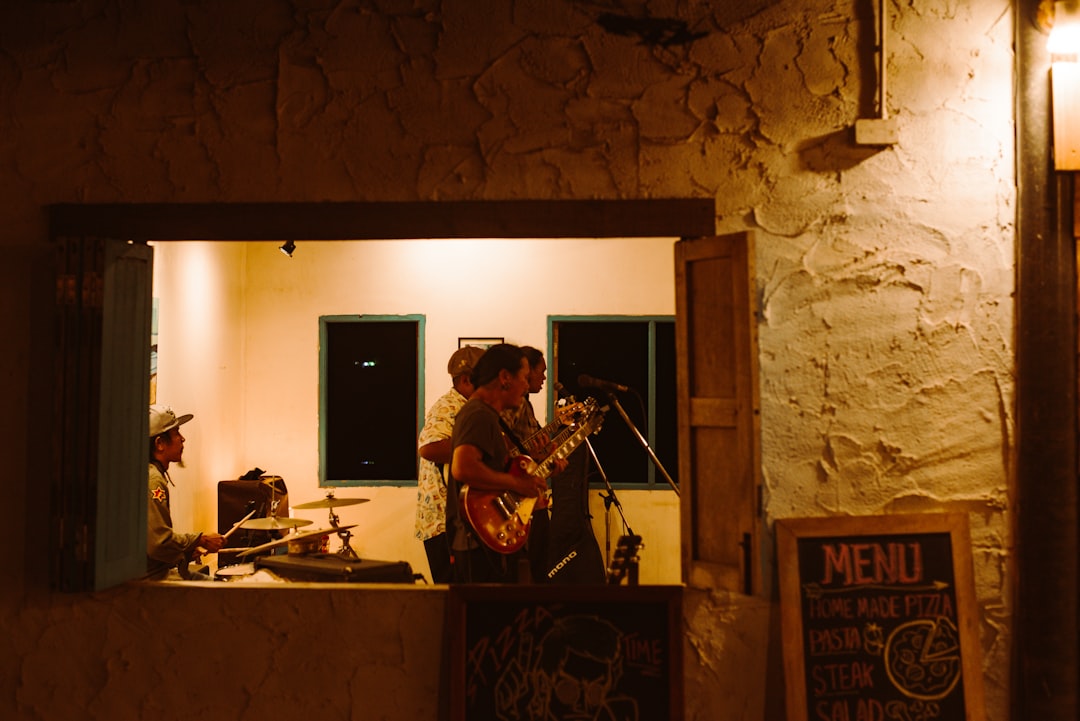
Cafe Kralj is a popular spot for locals and visitors alike. It offers a range of drinks, from coffee to beer to rakija, and often has live music in the evenings. The atmosphere is casual and friendly, making it a good place to meet locals and other travelers. Cover charge is 0 EUR, but drinks cost around 2-4 EUR each.
Bar Mladi is another option for a night out. This bar is located near the main square and offers a range of drinks and snacks. The music is typically pop or rock, and the crowd is a mix of locals and students. Cover charge is 0-2 EUR, depending on the event.
For a more relaxed evening, try one of the cafes in the town center. These offer a range of drinks and snacks, and are a good place to sit and chat with locals. The atmosphere is casual and friendly, and the prices are reasonable. A coffee and cake at a cafe costs around 3-5 EUR.
Getting There & What to Expect
The nearest major city is Prishtina, the capital of Kosovo. From Prishtina, you can take a bus or a taxi to Peć. The bus journey takes around 1.5 hours and costs around 3-5 EUR. A taxi will cost around 30-40 EUR and takes about 1 hour. From Belgrade, Serbia, the journey is longer, taking around 6-7 hours by bus or car. The bus costs around 15-20 EUR, while a taxi will cost significantly more.
Once in Peć, the monastery is located on the outskirts of the town. You can walk there from the town center in about 20 minutes, or take a short taxi ride. The monastery is open daily from 9:00 AM to 5:00 PM, except for religious holidays. Entry is free, but donations are welcome.
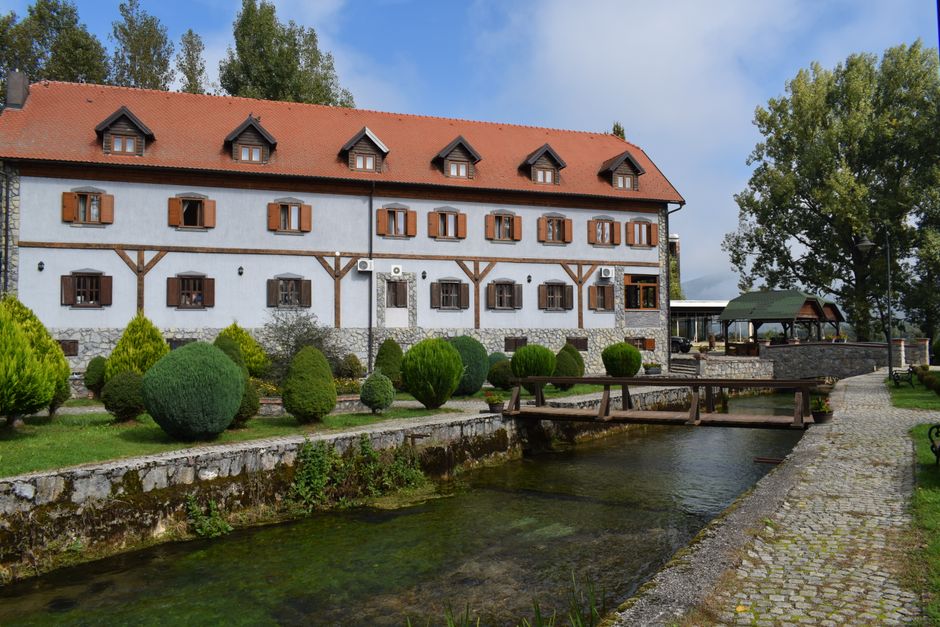
Accommodation in Peć is limited, but there are several guesthouses and hotels available. A budget guesthouse costs around 20-30 EUR per night, while a mid-range hotel costs around 40-60 EUR per night. For a more authentic experience, try staying in a guesthouse run by locals. These offer a chance to interact with the community and learn more about the region.
Search accommodation in Peć on Booking.com →
The best time to visit the Patriarchate of Peć is during the spring or autumn, when the weather is mild and the crowds are smaller. In the summer, the monastery can be crowded with tourists, and the heat can be intense. In the winter, the monastery is less crowded, but the weather can be cold and snowy.
The Weight of Stone
As I leave the monastery, the sun is setting, casting long shadows across the stone courtyard. The priest who gave me the rakija earlier waves goodbye, a silent acknowledgment of a shared moment. The weight of the place lingers, a physical presence that you carry with you long after you have left. The Patriarchate of Peć is not just a monument to the past; it is a living testament to the power of faith and identity. In a world of constant change, it stands as a reminder of what endures. And that is a lesson that resonates far beyond the borders of the Balkans.
Comments