


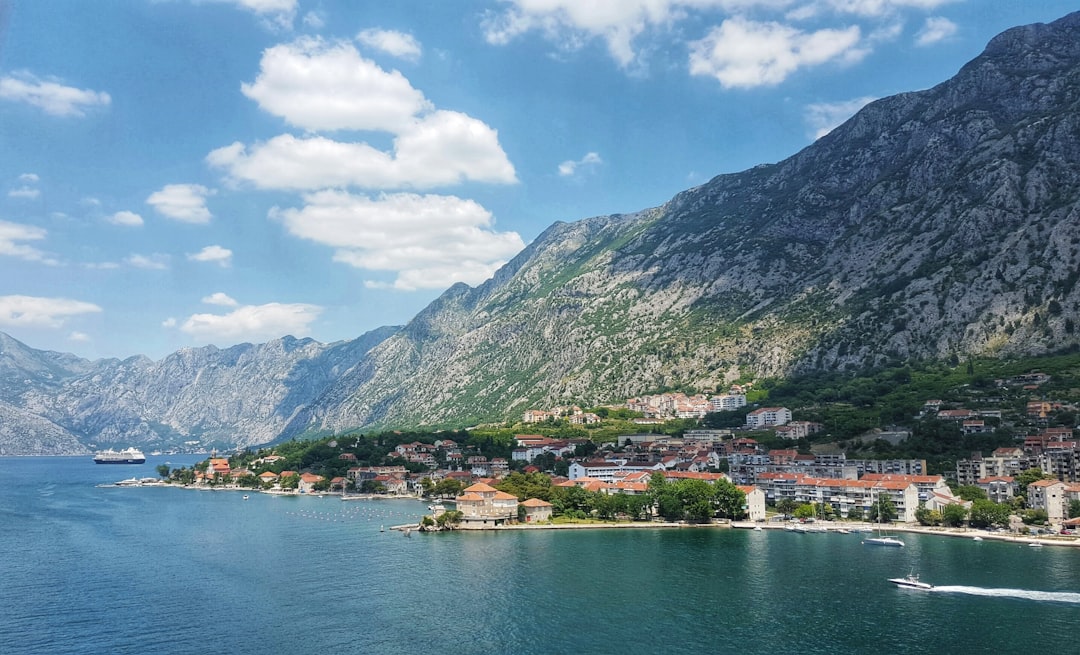
The water in Boka Kotorska is not blue. It is black, heavy, and smells faintly of diesel and old stone. I sat in a plastic kayak at Perast, watching a luxury cruise ship the size of a city block scrape past the cliff face, sending a wake that turned my stable vessel into a washing machine. A local fisherman, cigarette dangling from his lip, shouted something about the tide changing and the "devil's breath" coming up from the gorge. I laughed until the hull hit a submerged rock. This isn't a holiday postcard; it's a vertical labyrinth where medieval fortresses watch over modern tourists, and the water level shifts by meters twice a day, turning shallow coves into deep channels and vice versa.
Most people see Kotor Bay as a scenic backdrop for a wine glass. They stand on the terraces of Kotor Old Town and take selfies with the San Giovanni Fortress looming above. But down here, at water level, the bay is a fjord carved by the river Bojana, squeezed between the jagged teeth of the Orjen Mountain and the Lovćen range. To kayak here is to enter a stone canyon where the acoustics bounce off the cliffs, the temperature drops ten degrees in the shade, and the tides can trap you against a rock face if you don't pay attention. It's raw, it's loud, and it's the only way to truly understand why the Venetians fought so hard to control this narrow strip of water.
History & Identity
The bay is a geological anomaly in the Mediterranean, a fjord pushed south by tectonic forces that shattered the Adriatic coast. For centuries, this funnel shape made it a strategic choke point. The Venetians ruled this water from the 15th to the 18th century, building the massive sea walls and fortresses that still dominate the skyline. They understood that whoever controlled the narrow entrance at Kotor controlled the trade routes into the hinterlands of Montenegro.
Today, the identity of the bay is split between high-end tourism and rugged geography. The southern end is polished, filled with cruise ships and glass-fronted hotels. But as you paddle north, past Tivat and into the Risan area, the veneer cracks. You see fishing boats, abandoned stone houses clinging to the cliffs, and the raw power of the water. The bay doesn't care about your vacation; it operates on tidal rhythms and geological time.
The history isn't just in the forts. It's in the water itself. The Venetians built the Our Lady of the Rocks islet by hand, tossing rocks into the sea for centuries to create a stable foundation for a church. That's the spirit of the bay: stubborn, artificial, and enduring against the natural elements. Kayaking here feels like paddling through a museum exhibit that refuses to stay behind glass.
Where to Go
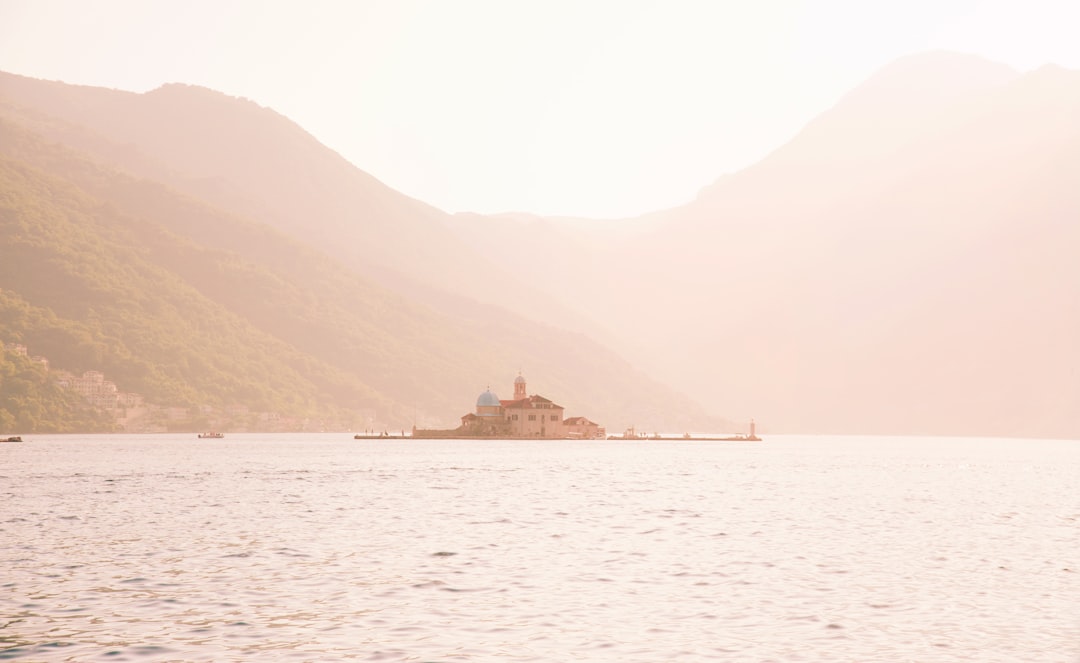
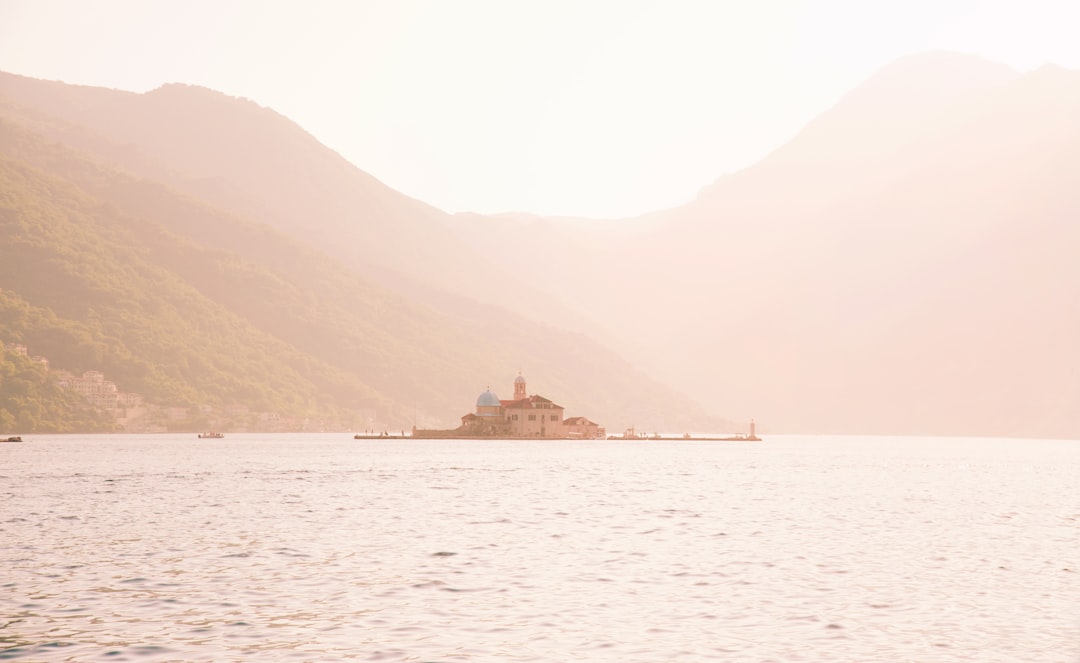
Our Lady of the Rocks — The most famous landmark in the bay, this man-made islet sits in the middle of the Perast channel. From the water, you see the sheer scale of the stone base, built by sailors who tossed a stone into the sea for every safe voyage. It's a surreal sight, a church floating on a rock. Kayakers often circle it at dawn to avoid the tour boats. Entry to the museum inside is 5 EUR, but the view from the kayak is free and far more dramatic.
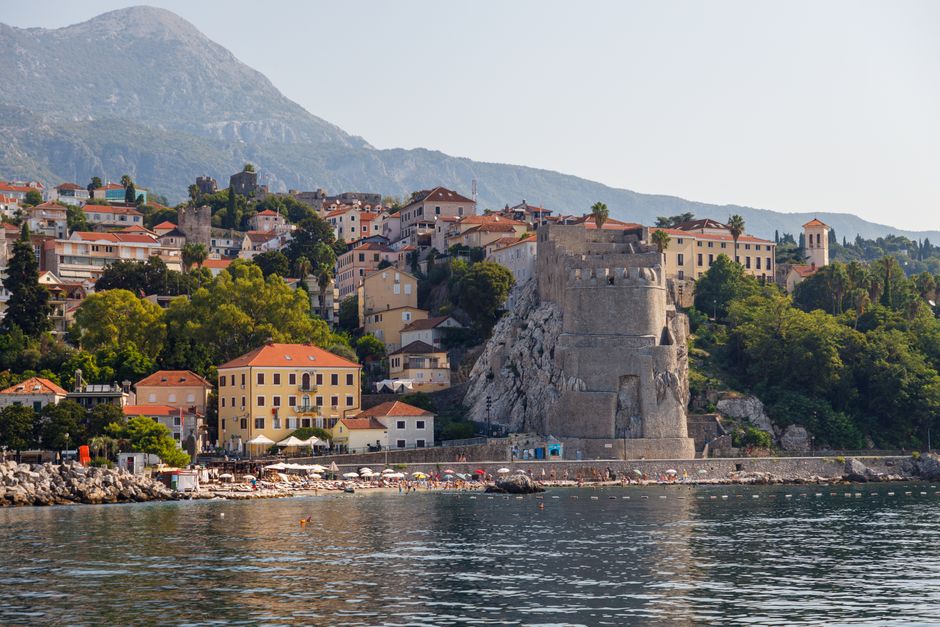
San Giovanni Fortress — Perched on the cliff above Kotor, the fortress walls are best seen from the water. Paddling along the base of the walls gives you a sense of the defensive strategy: the fortresses were placed to control the narrowest points of the bay. You can see the cannon ports pointing directly at the water, a reminder that this was a militarized zone. The walls are crumbling in places, covered in ivy, creating a stark contrast with the polished tourist town below.
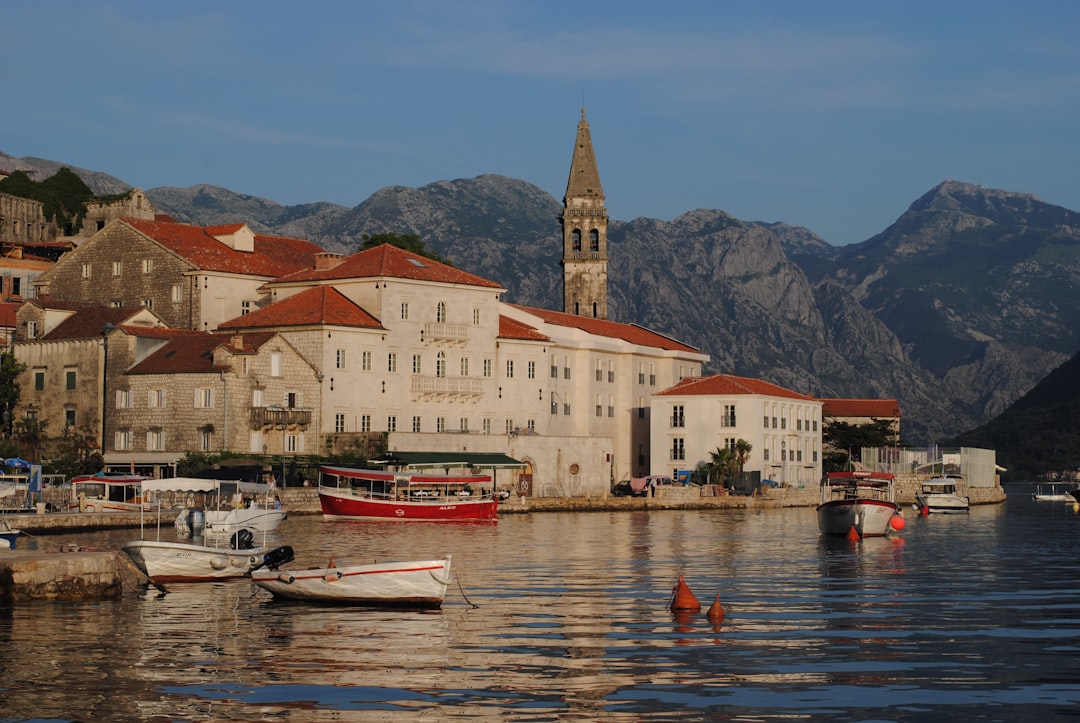
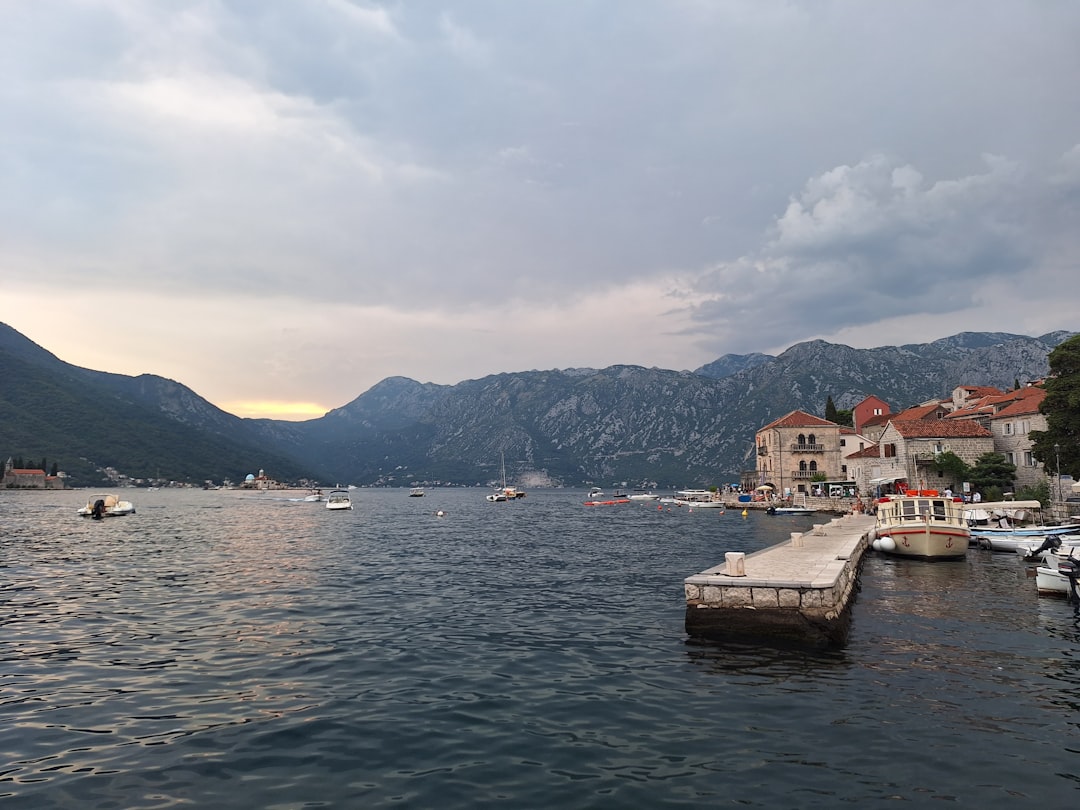
Perast Old Town — This town is the gateway to the southern bay. The architecture is Baroque, built by wealthy merchant families who made their fortune in the Americas. From the water, you see the colorful facades of the houses built directly on the water's edge. The town is small, walkable, and offers a better base for kayakers than Kotor. The harbor is calm, and there are fewer cruise ships. It's a place to rent gear, grab a coffee, and launch into the channel.
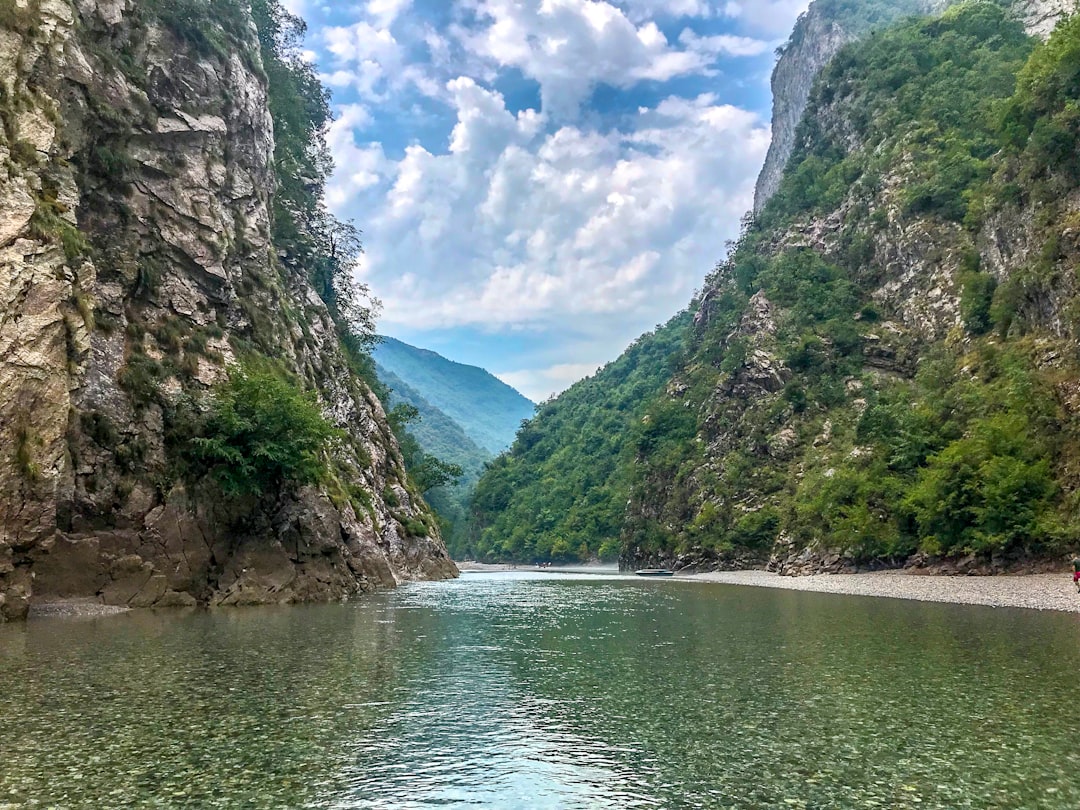
The Risan Gorge — Further north, the bay narrows into a true fjord. The cliffs rise steeply from the water, and the light changes dramatically. This is the wilder end of the bay, where the water is deeper and the currents stronger. It's less developed, with fewer hotels and more fishing villages. Kayaking here feels like exploring a secret passage, with the sound of water echoing off the stone walls.
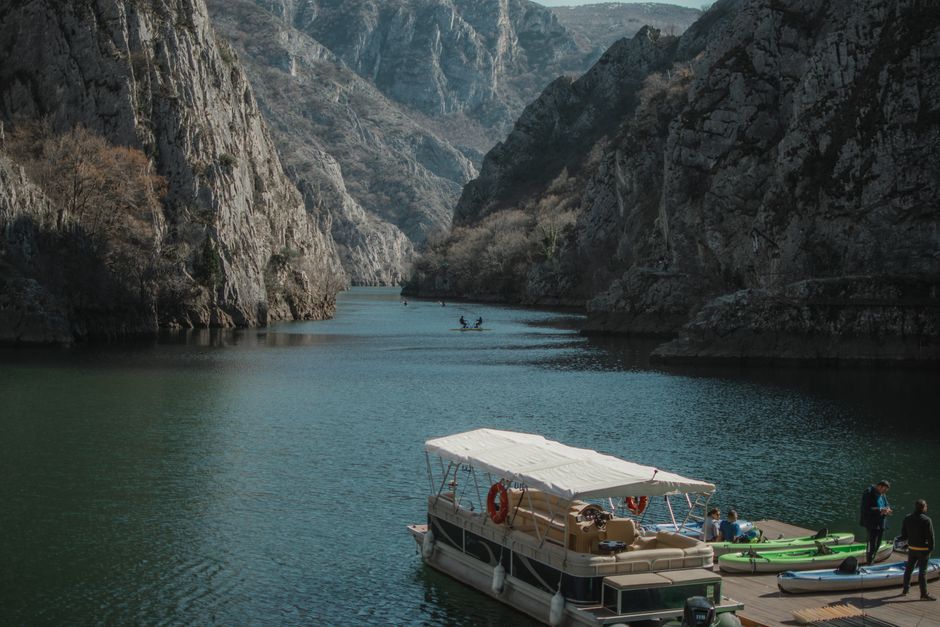
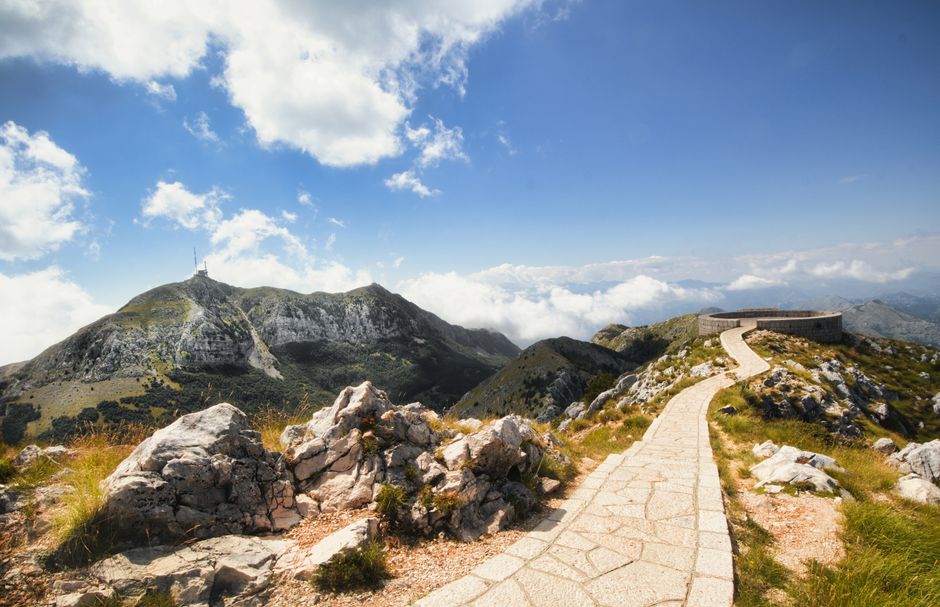
Lovćen National Park — While you can't kayak directly to the summit, the park dominates the western skyline. The mountain range provides a dramatic backdrop to the bay, with peaks rising over 1,700 meters. On clear days, the snow-capped peaks reflect in the water, creating a stunning visual contrast. The park is a UNESCO site, and its presence adds a layer of grandeur to the bay's landscape.
What to Eat & Drink
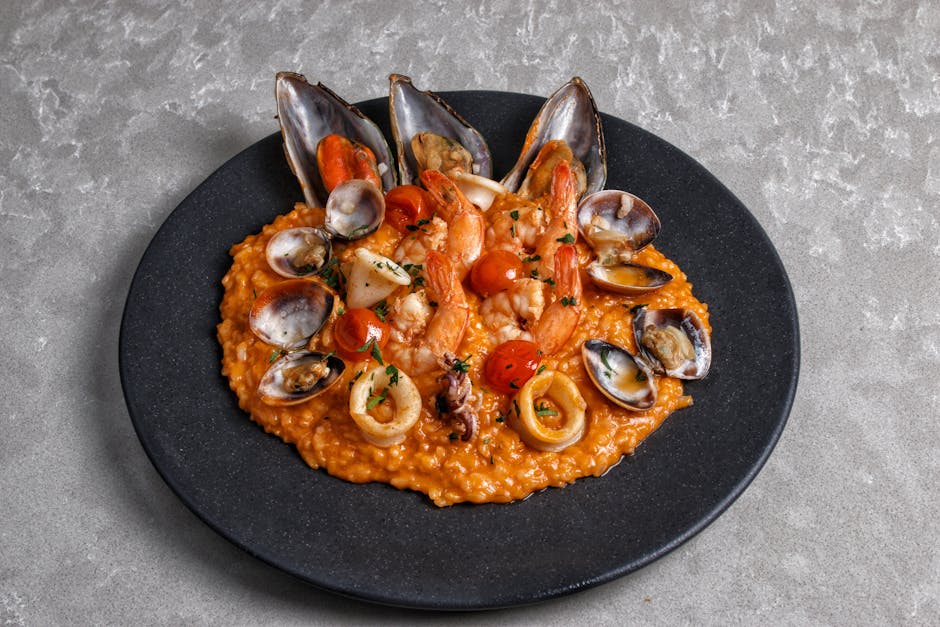
The food in Boka Kotorska is simple, seafood-focused, and heavily influenced by Venetian history. You'll find black risotto made with squid ink, a nod to the Italian influence, served in small taverns along the water. It's rich, briny, and pairs well with the local wine. Expect to pay 8-12 EUR for a plate. For a lighter option, grilled octopus is a staple, often served with olive oil and lemon. It's tender, smoky, and best eaten straight from the grill.
Budget travelers can find pita with cheese or meat for 2-4 EUR in small bakeries, and fresh fish from local markets for 5-10 EUR per kilo, which you can have cooked at a nearby tavern. The main food district in Perast is along the main street, where small restaurants offer daily specials. In Kotor, the Old Town has more options, but prices are higher. Look for places away from the main square for better value.
Drink local wine, particularly Vranac, a red wine that is robust and earthy. It's grown in the nearby hills and pairs well with the hearty food. Beer is also widely available, with local brands like Skala being a popular choice. For a sweet finish, try medenjaka, a honey cake that is a local specialty. It's dense, sweet, and perfect with coffee.
Nightlife
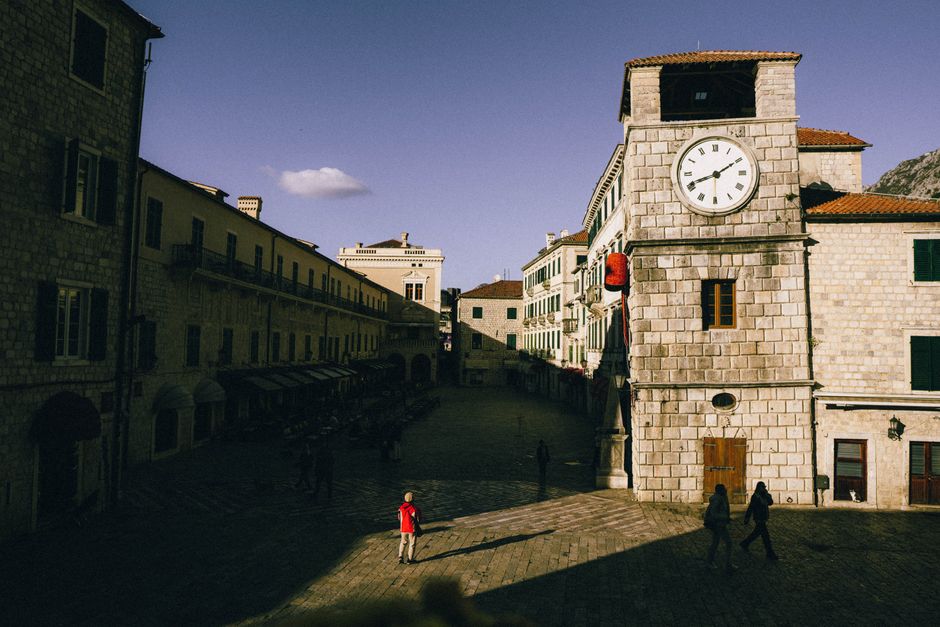
Nightlife in the bay is subdued compared to other Balkan destinations. The main action is in Kotor, where the Old Town comes alive after dark. The narrow streets are filled with bars and cafes, playing a mix of electronic and local music. The atmosphere is relaxed, with people sitting on stone steps and drinking wine. Cover charges are rare, and drinks cost 3-6 EUR.
In Tivat, the nightlife is more upscale, with clubs and bars along the marina. It's a popular spot for the wealthy and tourists from the cruise ships. The music is louder, and the prices are higher. Expect to pay 8-15 EUR for a drink. If you're looking for a party, this is the place to go. But for a more authentic experience, stick to Kotor or Perast.
Some bars offer live music, featuring local bands playing traditional Montenegrin folk songs. It's a unique experience, with the music echoing off the stone walls. The vibe is intimate and cultural, rather than a typical club scene. It's a chance to hear the local sounds and see the community gather.
Getting There & What to Expect
The nearest airport is Podgorica Airport, which is about 90 minutes from Kotor by car or bus. Buses run frequently from Podgorica to Kotor, costing around 10-15 EUR and taking about 2 hours. You can also fly into Dubrovnik Airport in Croatia, which is about 1.5 hours away. Buses and taxis are available, but the border crossing can be slow.
Accommodation in Kotor ranges from budget hostels at 20-40 EUR per night to luxury hotels at . Perast is slightly cheaper, with guesthouses and apartments available for 50-80 EUR. Camping is possible near the bay, but facilities are basic. The best time to visit is April to June or September to October, when the weather is mild and the crowds are smaller.
Kayak rentals are available in Perast and Kotor, costing 20-30 EUR per hour. Guided tours are also offered, which can be helpful for navigating the tides and finding hidden spots. Bring sunscreen, water, and a hat, as the sun reflects off the water and the cliffs offer little shade. The tides can be strong, so check the forecast before heading out.
Search accommodation in Kotor on Booking.com →
The Devil's Breath
I didn't listen to the fisherman. I paddled out past the islet, thinking the cruise ship wake was the worst I'd face. Then the tide turned. The water, which had been calm as glass, started to churn. A current pulled me toward the base of the cliff, where the rocks were slick with algae. I couldn't paddle against it. The sound of the water rushing against the stone was deafening, like a train approaching. I realized then that this bay is not a passive landscape. It's a living thing, with moods and rhythms that don't care about your itinerary. I finally caught an eddy, exhausted and humbled, and looked up at the fortress walls. They weren't just stone; they were a warning. This place demands respect, not just a selfie.
Comments