


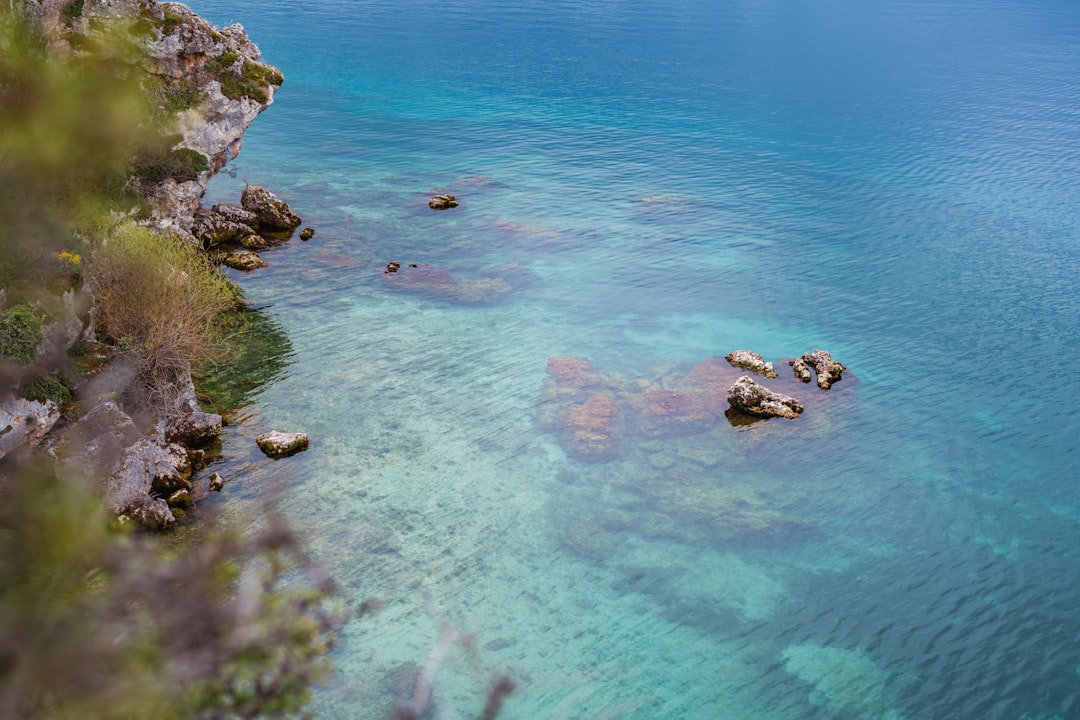
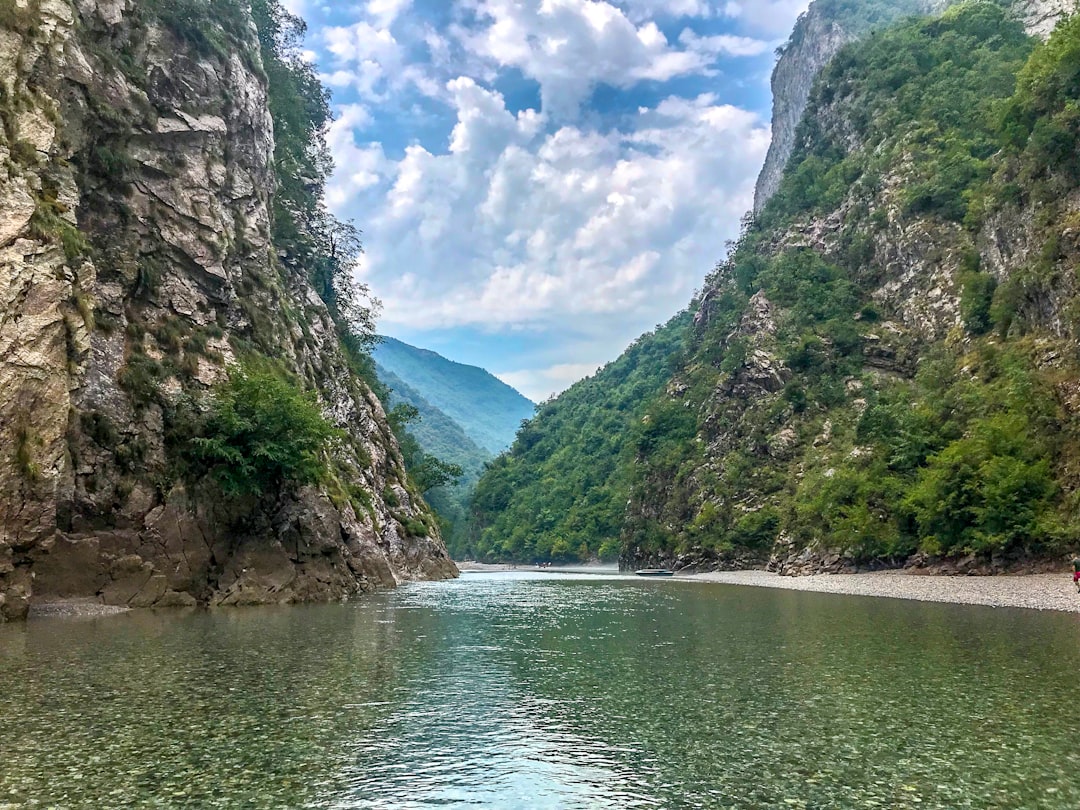
The water in Ohrid Lake is so clear it feels like a lie, like you're looking through glass into a submerged cathedral. I was sitting on a jagged rock near the Samuil's Fortress ruins, watching a fisherman cast a line that looked more like a prayer than a technique. The air smelled of pine resin and old stone. A local woman selling chestnuts nearby told me, with zero humor, that the lake is older than the pyramids and full of creatures that vanished from the rest of the world while humans were still figuring out fire. I didn't laugh. I looked at the water. It looked back. This isn't a vacation spot. It's a biological archive.
North Macedonia's crown jewel isn't just a postcard backdrop for Orthodox churches and backpackers. It's a living museum of evolution, a tectonic scar filled with water that has never drained, never frozen completely, and never forgotten. The lake holds species that predate the ice ages, settlements that predate recorded history, and a level of biodiversity that makes scientists weep with relief. If you come here expecting a generic Mediterranean beach, you'll leave confused. If you come expecting to stand on the edge of deep time, you'll leave changed.
History & Identity
The story of Ohrid is written in layers of stone and sediment. The first humans settled on its shores around 8000 BC, drawn by the fresh water and fertile soil. Archaeological digs have uncovered homes, tools, and graves that prove continuous habitation for millennia. The St. Naum Monastery, founded in the 10th century by disciples of Saints Cyril and Methodius, stands as a testament to the region's role in spreading Slavic literacy. But the lake itself is the oldest resident. Formed by tectonic activity over three million years ago, it is one of the oldest and deepest lakes in Europe, with a depth exceeding 280 meters. Its water is so pure it supports hundreds of endemic species found nowhere else on Earth.
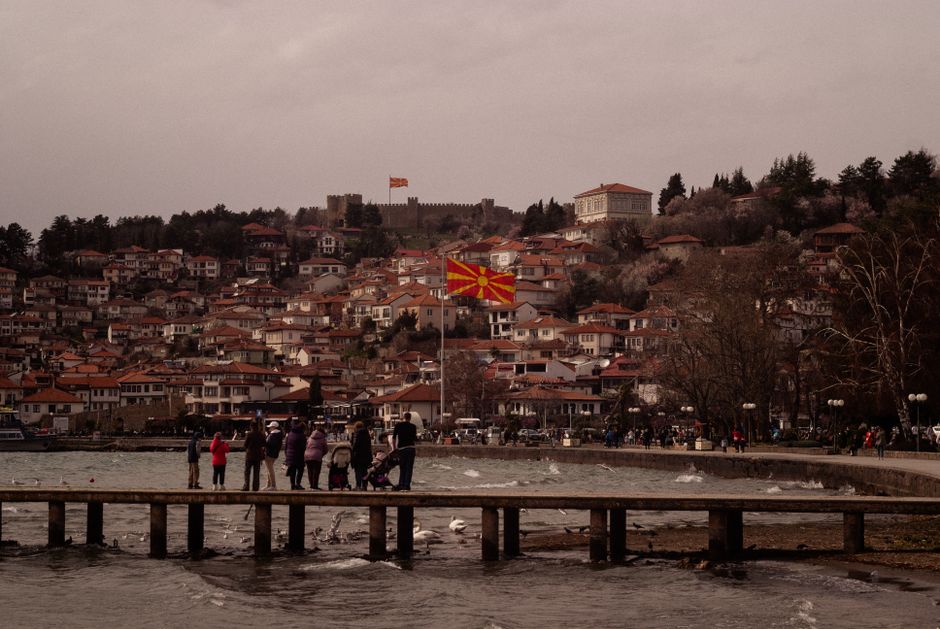
The city's identity is inextricably linked to the lake. It has been a Byzantine stronghold, an Ottoman jewel, and a modern cultural capital. The Upper Town, with its narrow cobblestone streets and restored Ottoman-era houses, climbs the hill above the water, offering a vantage point that has watched empires rise and fall. Today, the lake is a UNESCO World Heritage site, recognized for both its cultural and natural significance. It's a rare place where human history and natural history are not just neighbors, but partners in survival.
Where to Go
Samuil's Fortress — Perched on a hill overlooking the city, this 11th-century fortification offers panoramic views of the lake and the surrounding mountains. The ruins include a chapel, a gate, and several towers. It's a short walk from the Upper Town, and the best time to visit is at sunset, when the light turns the water to gold. Entry is free, but the climb is steep. Bring water.
St. Naum Monastery — Located 12 kilometers south of Ohrid, near the Albanian border, this monastery is one of the most important spiritual sites in the region. Founded in the 10th century, it is surrounded by a nature park with wetlands and birdlife. The church is simple but profound, with frescoes that have survived centuries of conflict. It's a place of quiet reflection, far from the tourist crowds. Entry is 2 EUR.
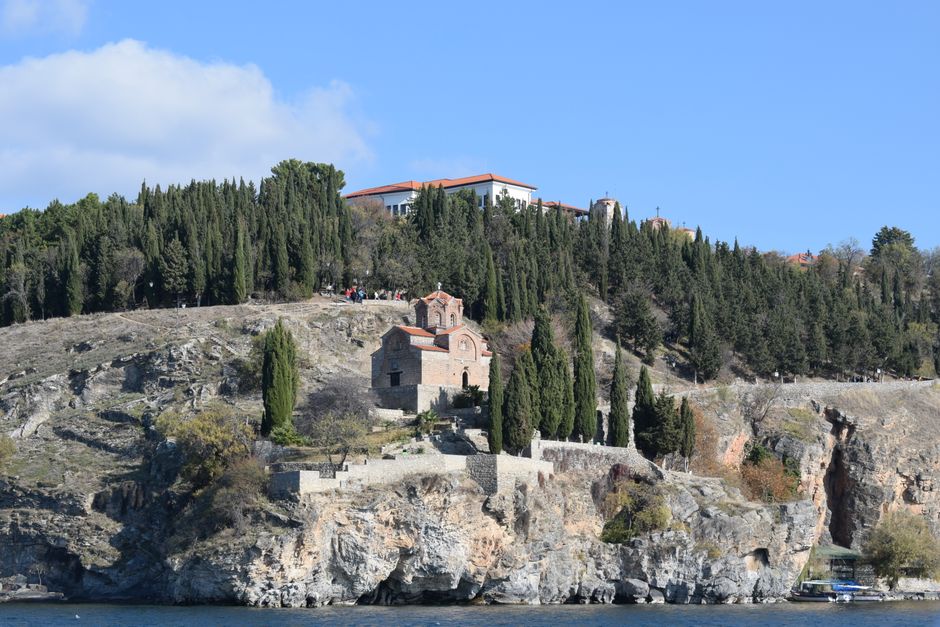
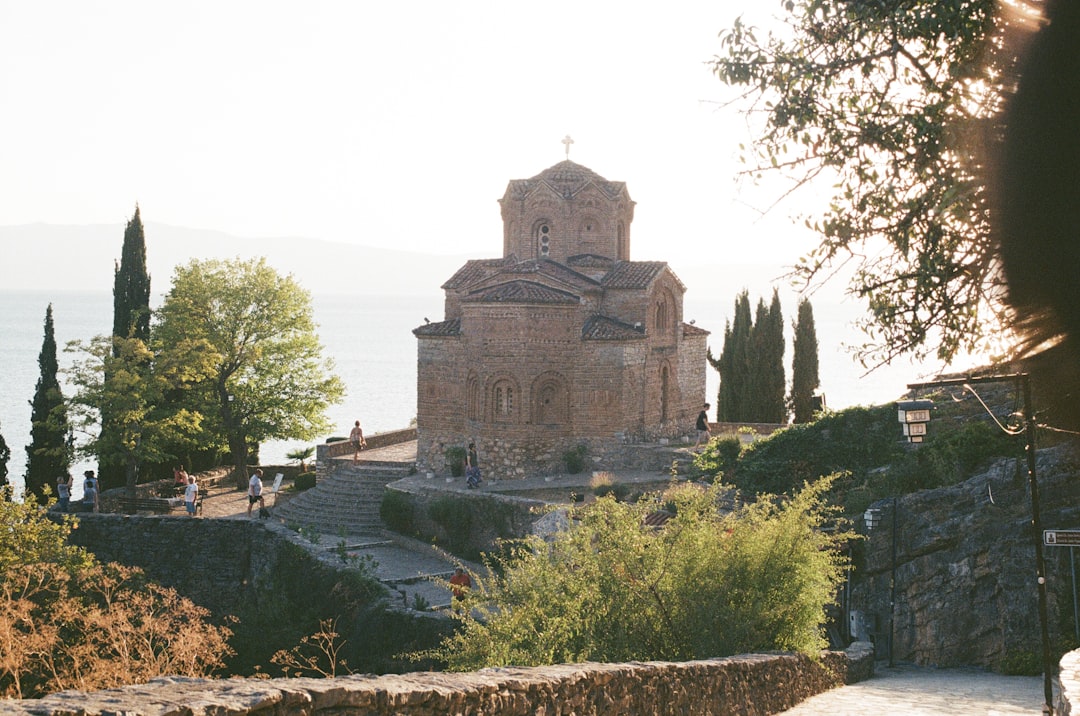
Plaosnik and Saint John at Kaneo — A short drive east of Ohrid, this open-air museum features the ruins of a 10th-century basilica with remarkably preserved frescoes. The church is built into the rock, and the surrounding area is a peaceful retreat. It's a lesser-known site, but essential for understanding the region's religious history. Entry is 3 EUR.
Ohrid Lake Aquarium — For a closer look at the lake's unique biodiversity, visit the aquarium on the shore. It houses many of the endemic species, including the Ohrid trout and the Ohrid blind cave fish. The facility is small but informative, with exhibits that explain the lake's ecological importance. It's a good stop for families and nature enthusiasts. Entry is 5 EUR.
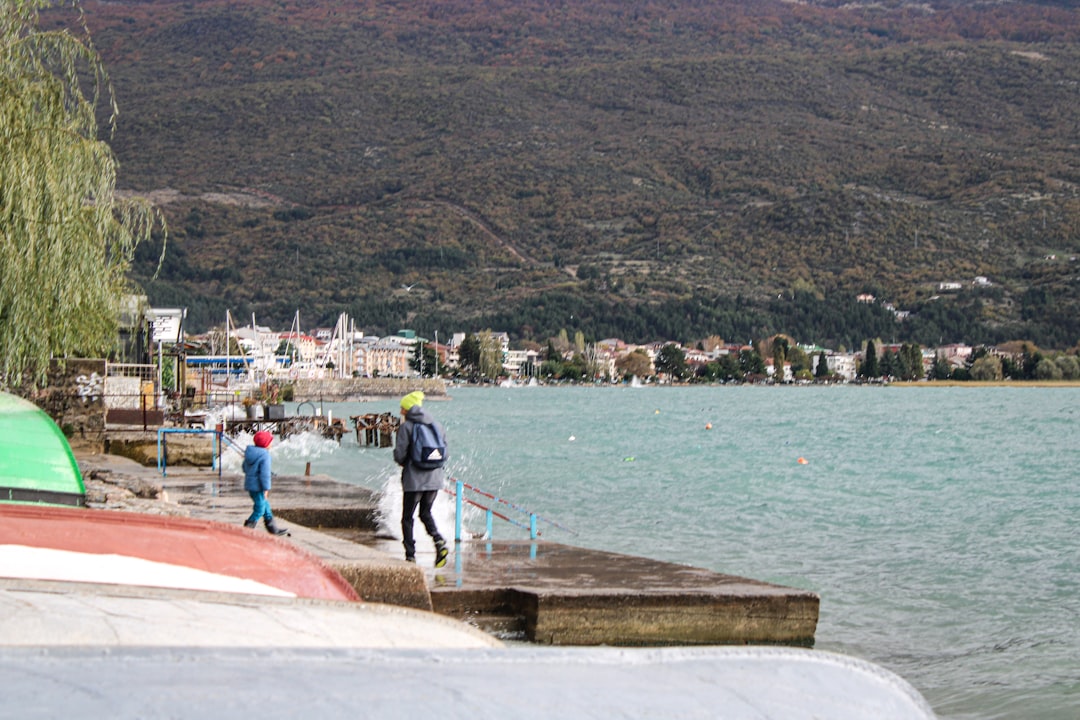
What to Eat & Drink
Food in Ohrid is simple, fresh, and deeply connected to the lake. The staple is lake trout, often grilled or fried, and served with local bread and vegetables. A typical serving costs 10-15 EUR. Another must-try is pastrmajlija, a savory flatbread topped with minced meat and spices, available at local bakeries for 1-2 EUR. For a lighter option, go for šopska salata, a mix of tomatoes, cucumbers, onions, and peppers, topped with sirene cheese, for 3-4 EUR.
Budget travelers can eat well on 5-8 EUR per meal by focusing on street food and local markets. The Ohrid Bazaar is a great place to find fresh produce, cheeses, and meats. Sit-down meals at local restaurants range from 8-15 EUR per person, while mid-range options go up to 15-25 EUR. For take-away, try byurek, a flaky pastry filled with cheese, spinach, or meat, available for 1-2 EUR. The Kale district is known for its affordable eateries and lively atmosphere.
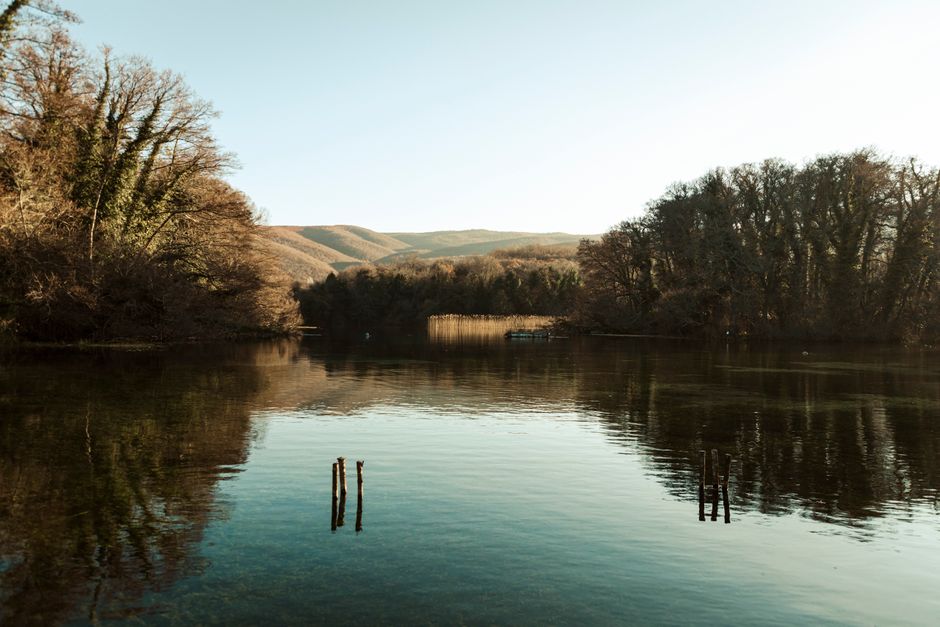
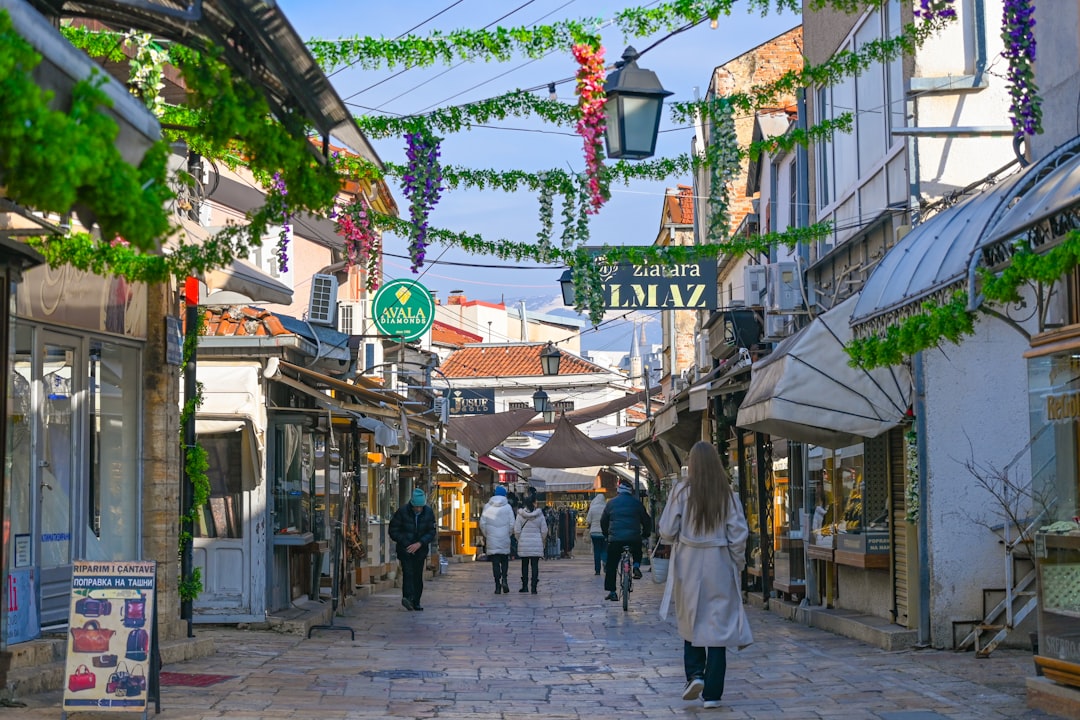
Nightlife
Ohrid's nightlife is centered around the Shirok Sokak and the lakefront promenade. The area is filled with bars, cafes, and restaurants that stay open late, offering live music and a relaxed vibe. Bar 1 is a popular spot for craft beers and cocktails, with a terrace overlooking the water. Cover is usually 2-3 EUR. Club M is one of the main clubs, playing everything from Balkan pop to electronic dance music. Entry is 5-10 EUR, depending on the night. For a more laid-back experience, head to Cafe Ljubav, known for its live acoustic sets and cozy atmosphere.
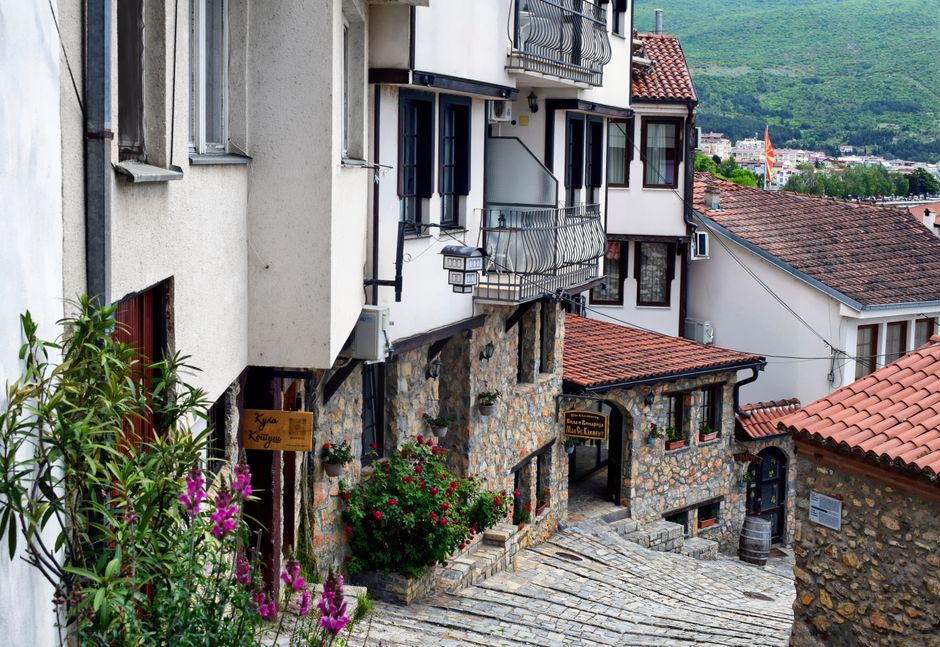


Getting There & What to Expect
The nearest airport is in Skopje, the capital of North Macedonia, about 150 kilometers away. Buses run regularly between Skopje and Ohrid, taking around 3-4 hours and costing 10-15 EUR. You can also rent a car in Skopje for 30-50 EUR per day, which gives you more flexibility to explore the surrounding area. Flights to Skopje are available from major European hubs, with prices varying by season.
Accommodation in Ohrid ranges from budget hostels at 15-25 EUR per night to mid-range hotels at 50-80 EUR per night. Luxury options go up to 150-300 EUR per night. The best time to visit is from May to October, when the weather is warm and the lake is inviting. Winter is quiet and cold, but offers a different kind of beauty. Bring layers, comfortable walking shoes, and a sense of wonder.
Search accommodation in Ohrid on Booking.com →
The Water Remembers
I left Ohrid with a small stone in my pocket, picked up from the shore near St. Naum. It wasn't special, just a piece of the lake's edge. But it felt heavy, like it carried the weight of millions of years. The endemic fish, the ancient settlements, the silent waters — they don't care about your itinerary. They exist on a timeline that dwarfs human concerns. Ohrid isn't a place you visit. It's a place that visits you, quietly, persistently, leaving a mark that lingers long after you've left. If you go, don't just look. Listen. The lake has a lot to say.
Comments