


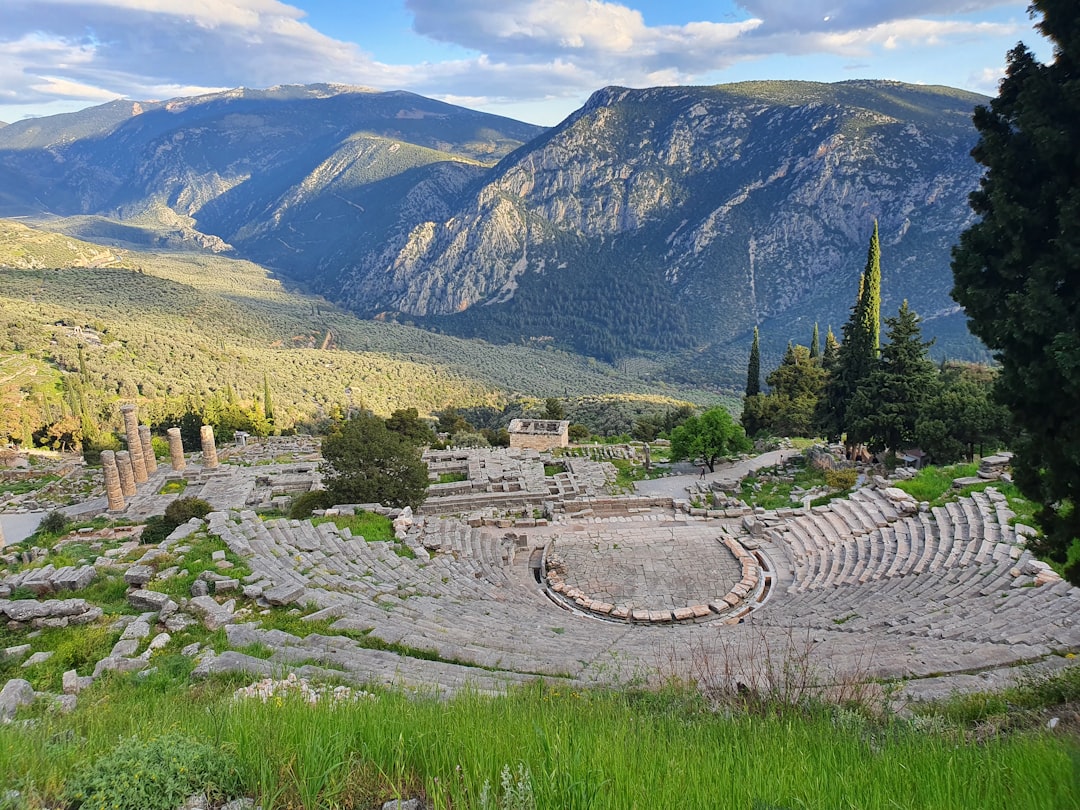
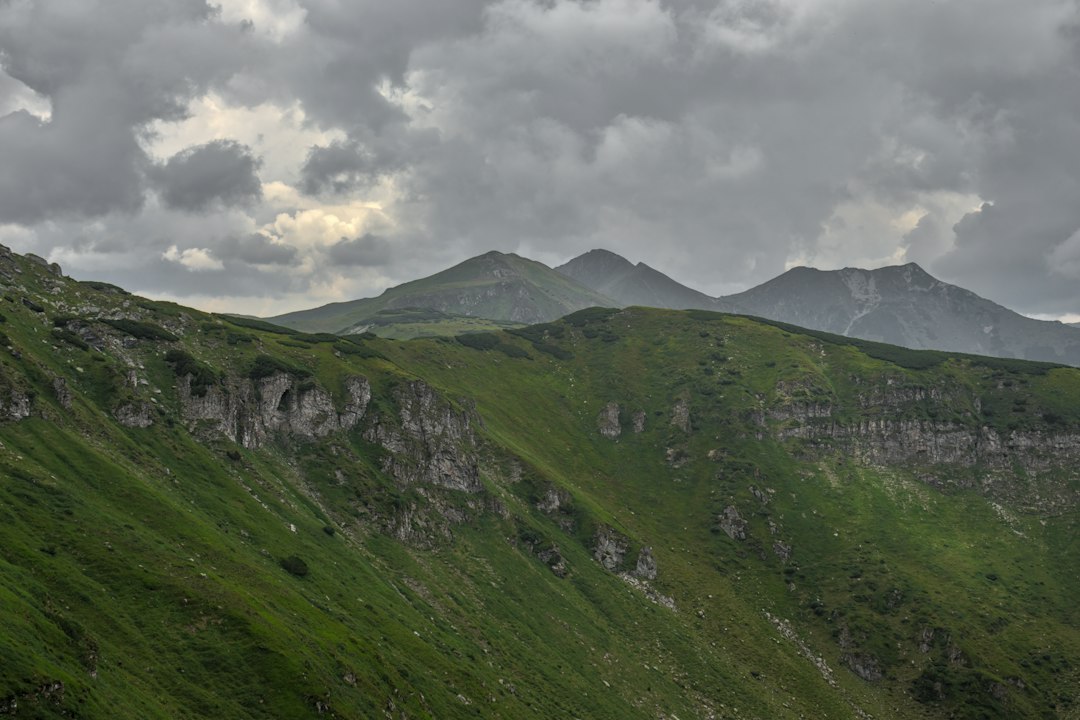
The air up here doesn't just get thin; it gets heavy with the weight of dead gods. I am standing on the ridge of Mount Olympus, the wind tearing at my jacket like it has a personal vendetta, and the clouds are rolling in so fast they look like a white-out tsunami. This isn't a hike. It's an invasion. The locals in Litochoro told me to check the weather, but you don't really check the weather on the mountain where Zeus supposedly held court. You just hope the thunderbolts are aimed elsewhere. My boots are caked in red dust, my lungs are burning, and somewhere above the cloud layer, I swear I hear a laugh that sounds too much like a king who's had one too many nectars.
Most people come here for the Instagram shot of the twin peaks, Mytikas and Skolio, piercing the sky like jagged teeth. They come for the postcard. I came because I wanted to know if the myth holds any water when you're three thousand meters up, shivering in the dark, with nothing but granite and ego between you and the void. The answer is no. The myth is gone. What's left is raw, brutal, indifferent nature. And honestly? That's better.
History & Identity
Mount Olympus isn't just a mountain; it's a religious site that outlasted the gods it was named after. For millennia, this was the center of the Greek universe. The ancient Greeks didn't just hike here for sport; they came to sacrifice, to pray, to get closer to the divine. The summit, Mytikas, means "nose" in Greek, and it's the highest point in the country at 2,917 meters. But the real history is buried in the valleys below. The Chasm of the Gods, or Gorge of the Gods, is a narrow fissure where ancient priests would descend to perform rituals. It's a place that feels less like a geological feature and more like a wound in the earth.
The mountain's identity is split between the tourist-friendly south face and the wild, technical north face. The south side, accessible from Litochoro, is packed with huts, marked trails, and a steady stream of backpackers. It's the "tourist" route, but don't let that fool you. It's still a serious alpine environment. The north side, accessible from Katerini or the villages of the Pieria region, is a different beast. It's steeper, more exposed, and less forgiving. It's where the serious mountaineers go, where the clouds cling to the rock faces like ghosts, and where the sense of isolation is absolute.
Today, the mountain is a protected national park, Mount Olympus National Park, which has helped preserve its unique ecosystem. But it's also a place of tension. Between the hikers who want a safe, guided experience and the climbers who want the raw, untamed rock. Between the developers who see potential in ski resorts and the environmentalists who see a fragile alpine zone. It's a conflict that plays out every day on the trails, in the huts, and in the clouds.
Where to Go
Spilios Agapitos Hut — This is the highest permanent hut on the mountain, sitting at 2,900 meters, just below the summit of Mytikas. It's the last stop before the final push, and it's crowded, noisy, and smells like wet wool and exhaustion. But it's also the only place where you can watch the sunrise over the Aegean Sea from near the top of Greece. Entry is free, but you need to book a bed in advance. Best time to visit: late May to early October.
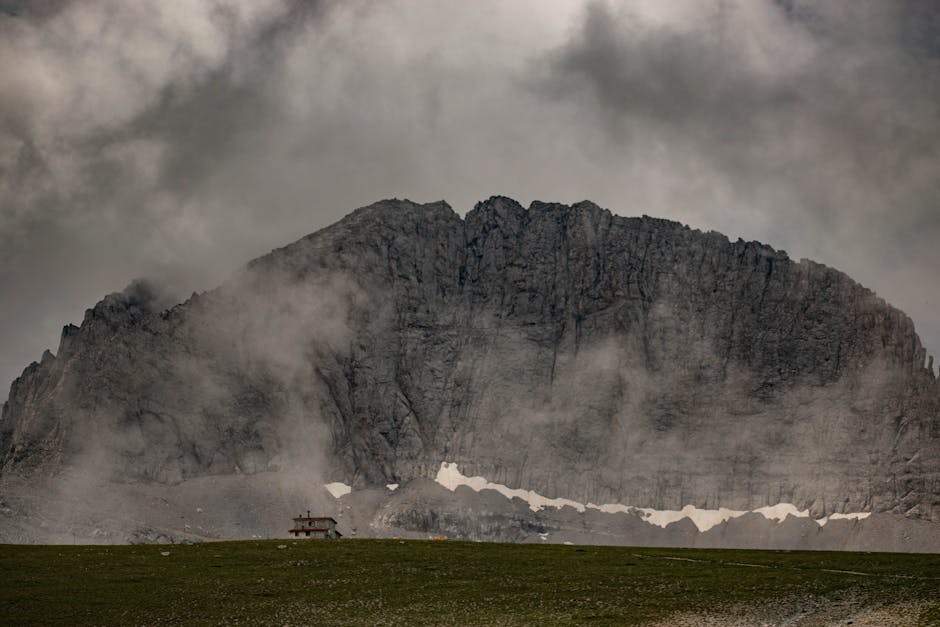
Prionia Plateau — This is the starting point for most hikers on the south side. It's a wide, grassy meadow at 1,413 meters, surrounded by towering peaks. It's a place to rest your legs, eat a sandwich, and take in the scale of the mountain. There's a small hut here, and a few cafes. It's the "gateway" to the high country, and it's always busy. Best time to visit: morning, before the clouds roll in.
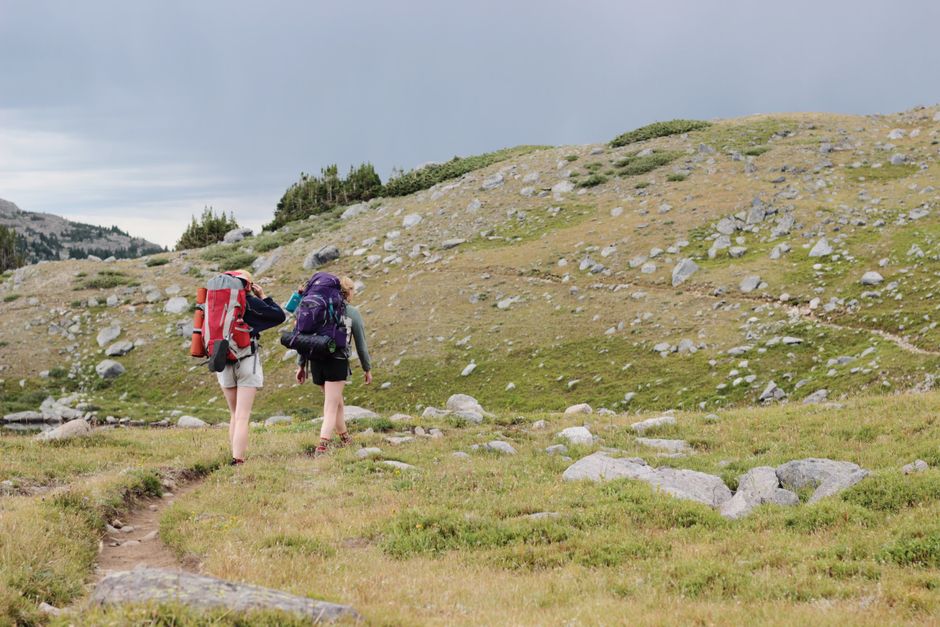
Chasm of the Gods (Gorge of the Gods) — A narrow, dramatic gorge on the north side of the mountain, where ancient rituals were performed. It's a steep, rocky descent, and it's not for the faint of heart. The path is narrow, the walls are high, and the sense of enclosure is intense. It's a place that feels ancient and sacred, and it's worth the effort to get there. Best time to visit: summer, when the weather is stable.
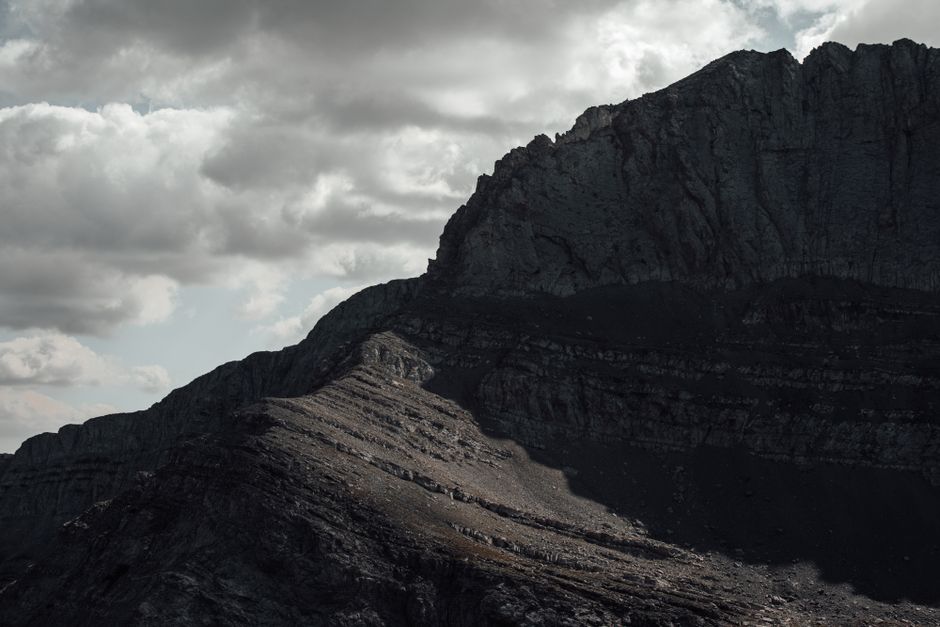
Skolio Peak — The second highest peak on Olympus, at 2,919 meters, just a few meters lower than Mytikas. It's a technical climb, requiring ropes and experience, and it's often overshadowed by its more famous neighbor. But for climbers, it's a challenge that offers a different perspective. The view from the top is just as dramatic, and the sense of achievement is just as real. Best time to visit: July to September, when the snow has melted.
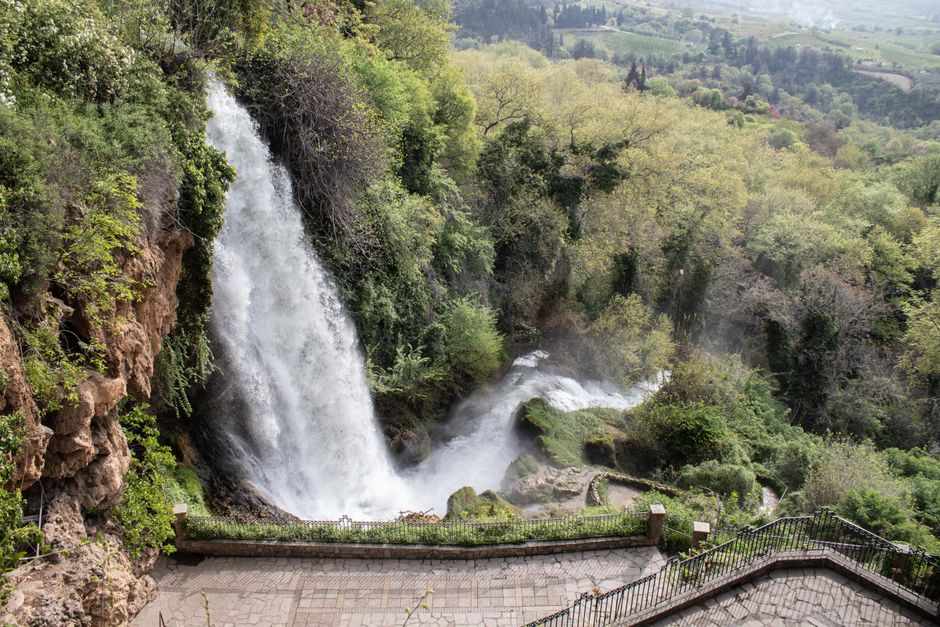
Edessa Waterfalls — A short drive from the mountain, these waterfalls are a popular day trip. They're not as wild as the mountain, but they're a beautiful contrast to the rugged peaks. The water is clear and cold, and the surrounding forest is lush and green. It's a place to relax and recover after a hard hike. Best time to visit: spring and summer, when the water flow is highest.
What to Eat & Drink
Food on the mountain is not a culinary experience. It's fuel. You eat to survive. But even in the huts, there's a sense of community around the table. The food is simple, hearty, and designed to keep you warm. Expect pasta, rice, beans, and stew. The coffee is strong, the wine is local, and the conversation is loud. It's not fine dining, but it's honest.
Mountain Stew — A thick, meaty stew with potatoes, carrots, and onions. It's heavy, it's hot, and it's exactly what you need after a long day on the trail. Price: 8-12 EUR per serving.
Pasta with Tomato Sauce — Simple, carb-heavy, and effective. It's the staple of the mountain huts, and it's served with a side of bread. Price: 6-10 EUR per serving.
Greek Coffee — Strong, sweet, and served in a small cup. It's a ritual, not just a drink. You drink it slowly, you talk, you rest. Price: 1-2 EUR per cup.
Local Wine — Red or white, it's always local, always cheap, and always good. It's a way to warm up and celebrate the day. Price: 3-5 EUR per glass.
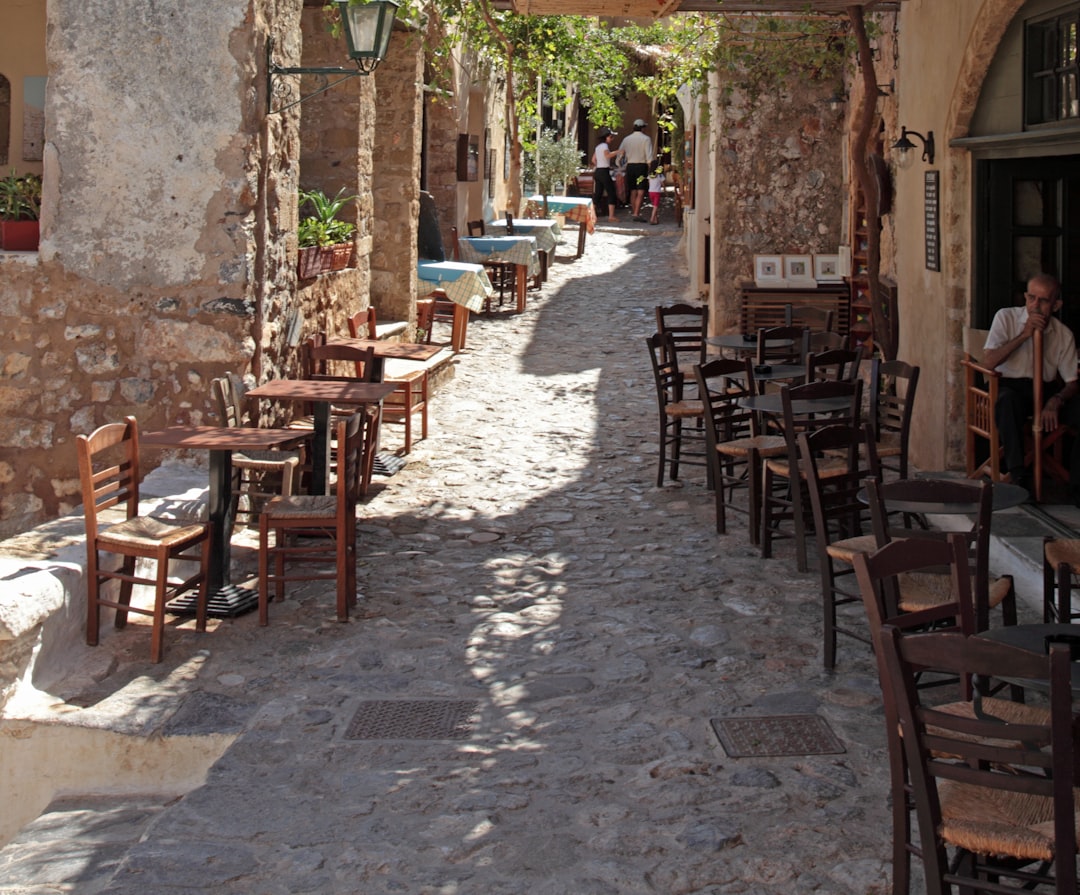
For a more substantial meal, head to the villages below. In Litochoro, you'll find tavernas serving grilled meat, fresh fish, and local cheeses. In Katerini, the food is more modern, with a mix of traditional and contemporary dishes. But on the mountain, it's all about survival. And survival tastes like hot soup and strong coffee.
Nightlife
Nightlife on Mount Olympus is a misnomer. There are no clubs, no bars, no neon lights. The nightlife is the stars. The silence. The cold. The sound of the wind in the rocks. It's a different kind of party, one that doesn't require alcohol or music. It's a party of the soul, a celebration of the dark and the unknown.
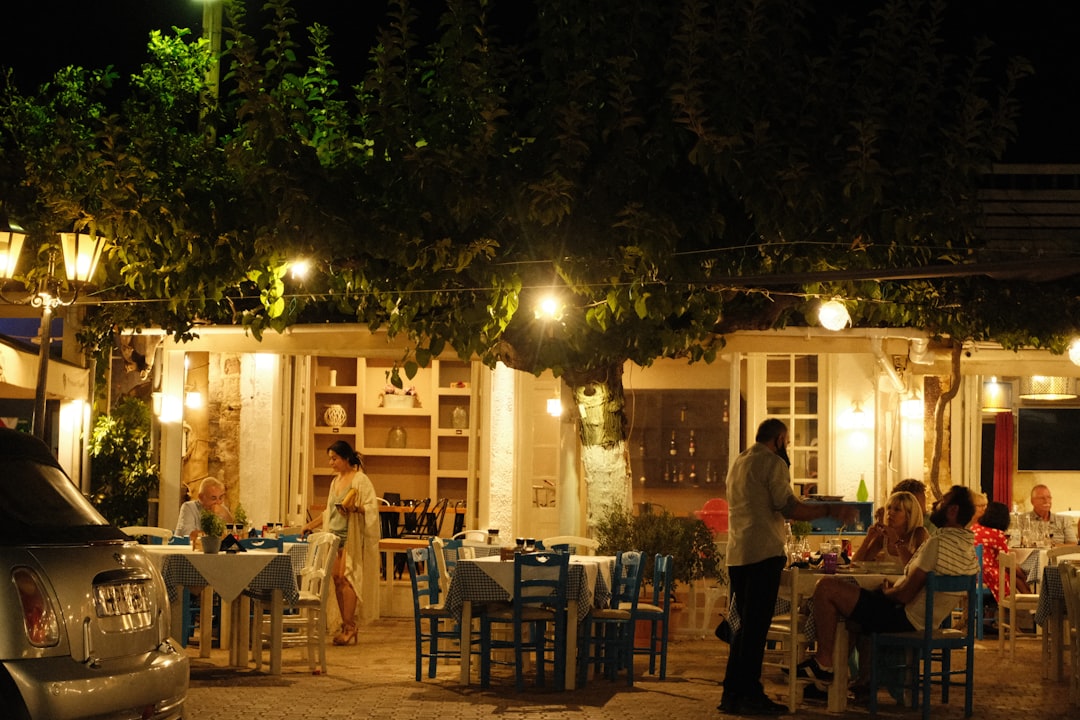
But if you want a real party, head to the villages below. In Litochoro, the tavernas stay open late, and the music is loud. In Katerini, the bars are modern, and the crowds are young. But on the mountain, the nightlife is the stars. And they're always shining.
Getting There & What to Expect
Getting to Mount Olympus is easy. The nearest city is Thessaloniki, the second largest city in Greece. From there, you can take a bus to Litochoro or Katerini. The bus ride is about an hour, and it costs 5-10 EUR. From Litochoro, you can take a taxi to the Prionia Plateau, the starting point for the south side hike. The taxi ride is about 30 minutes, and it costs 20-30 EUR.
Accommodation on the mountain is limited. The huts are basic, with bunk beds and shared bathrooms. You need to book in advance, especially in peak season. Prices range from 30-50 EUR per night for a bed in the hut. For more comfort, stay in the villages below. Hostels in Litochoro cost 20-40 EUR per night, and hotels range from 50-100 EUR per night.
The best time to visit is from late May to early October. The trails are clear, the weather is stable, and the huts are open. In winter, the mountain is covered in snow, and the trails are closed. It's a different world, one that requires experience and equipment.
Expect the unexpected. The weather changes fast. The trails are steep. The altitude is high. It's not a casual hike. It's a challenge. But if you're prepared, and if you respect the mountain, it will reward you with views that will stay with you for a lifetime.
Search accommodation in Litochoro on Booking.com →
The Descent into Reality
Coming down is always harder than going up. Not because of the physical strain, but because of the psychological shift. You leave the clouds, the silence, the myth. You re-enter the world of traffic, noise, and deadlines. And it feels wrong. It feels like a betrayal.
I sat in a cafe in Litochoro, my legs aching, my skin raw from the sun, and I watched the tourists walk by. They were smiling, they were taking photos, they were happy. And I was jealous. Not of their happiness, but of their ignorance. They didn't know what I knew. They didn't know that the mountain doesn't care about them. That it doesn't care about any of us. That it's just rock and ice and wind, and we're just visitors, passing through.
But that's the point. We go up there to remember that we're small. That we're temporary. That the world is bigger than us. And that, in the end, is the only myth that matters.
Comments