


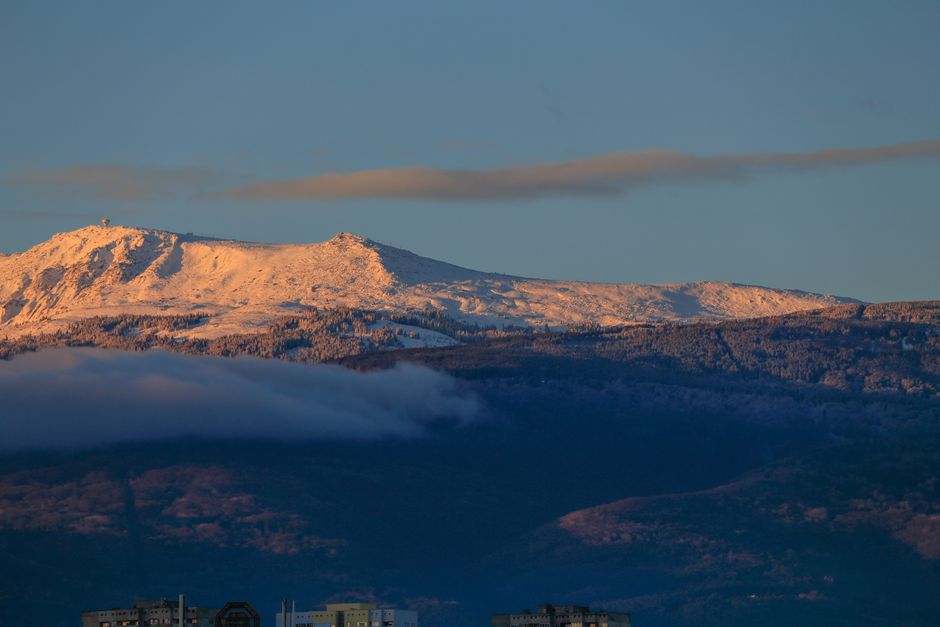
The wind on Vitosha doesn’t ask for permission; it just shoves you. I was standing on the ridge above the Vitosha National Park boundary, my coat flapping like a broken wing, watching a group of teenagers from Sofia below me laugh as they struggled against the gale. It’s a funny thing about this mountain—it’s not the highest in Bulgaria, nor the most remote, yet it holds a strange, magnetic pull over the capital. People treat it like their own private rooftop garden, dragging skis in winter and hiking boots in summer, unaware that they are walking through one of Europe’s most geologically complex karst landscapes. The air here tastes different—sharper, colder, carrying the scent of pine resin and damp limestone. It’s the kind of place where you can be sweating through your shirt at noon and freezing by dusk, a brutal reminder that nature doesn’t care about your weekend plans.
I’ve spent years chasing the high peaks of the Rila and Pirin ranges, but Vitosha has a grittier, more urban edge. It’s where the city meets the wild, and the collision is spectacular. Whether you’re carving down a groomed slope with the skyline of Sofia in your peripheral vision or scrambling up a limestone ridge to see the clouds part below you, this mountain demands your attention. It’s not a passive backdrop; it’s an active participant in your day, throwing weather, terrain, and altitude at you with no warning.
Winter: The Ski Resort Above the City
When the snow falls on Vitosha, the mountain transforms into a serious ski destination. The Chiflik ski resort is the main hub, located at an elevation that guarantees decent snow cover throughout the winter season. Unlike some smaller slopes that rely on patchy natural snow, Chiflik has invested in modern lifts and grooming equipment, making it a favorite for both locals and visitors. The slopes cater to all levels, from wide, gentle runs for beginners to steeper, more technical tracks for advanced skiers. The view from the top, looking down toward the sprawling city of Sofia, is a unique blend of urban and alpine that you won’t find anywhere else in the Balkans.
Further down the mountain, the Boyana ski resort offers a more relaxed experience. It’s closer to the city center, making it a popular spot for families and casual skiers who don’t want to spend hours traveling. The slopes here are shorter and less steep, but the atmosphere is lively, and it’s a great place to learn the basics or just enjoy a quick run. Both resorts are easily accessible from Sofia, and the convenience factor makes Vitosha a top choice for winter sports enthusiasts in the region.
Summer: Hiking the Karst Peaks
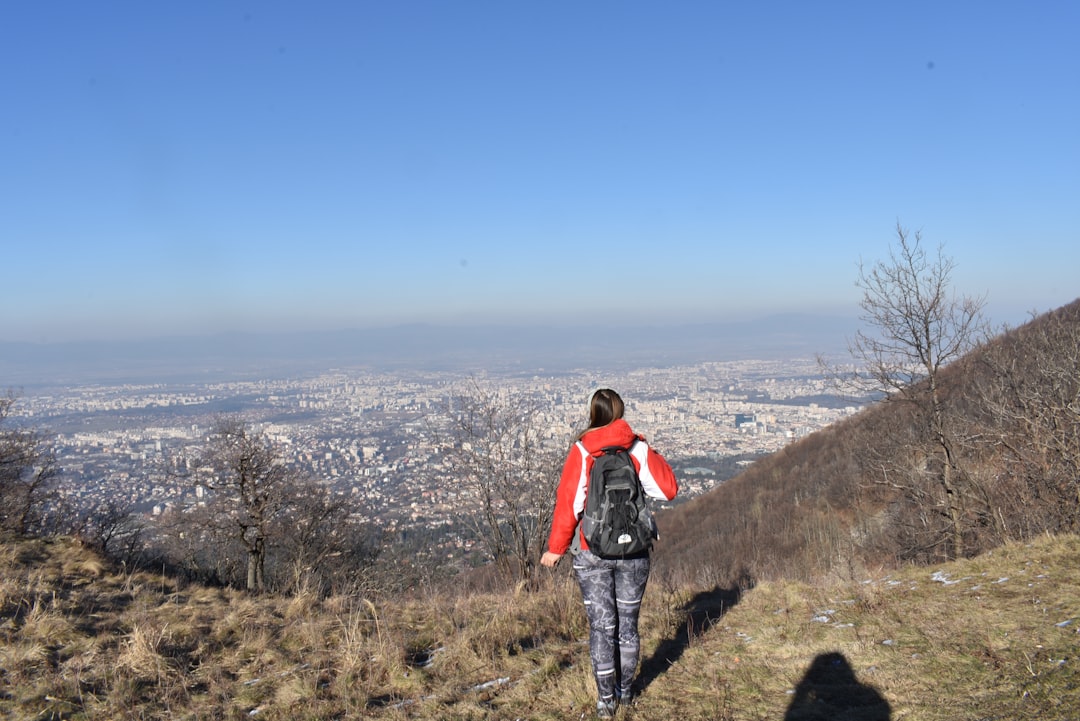
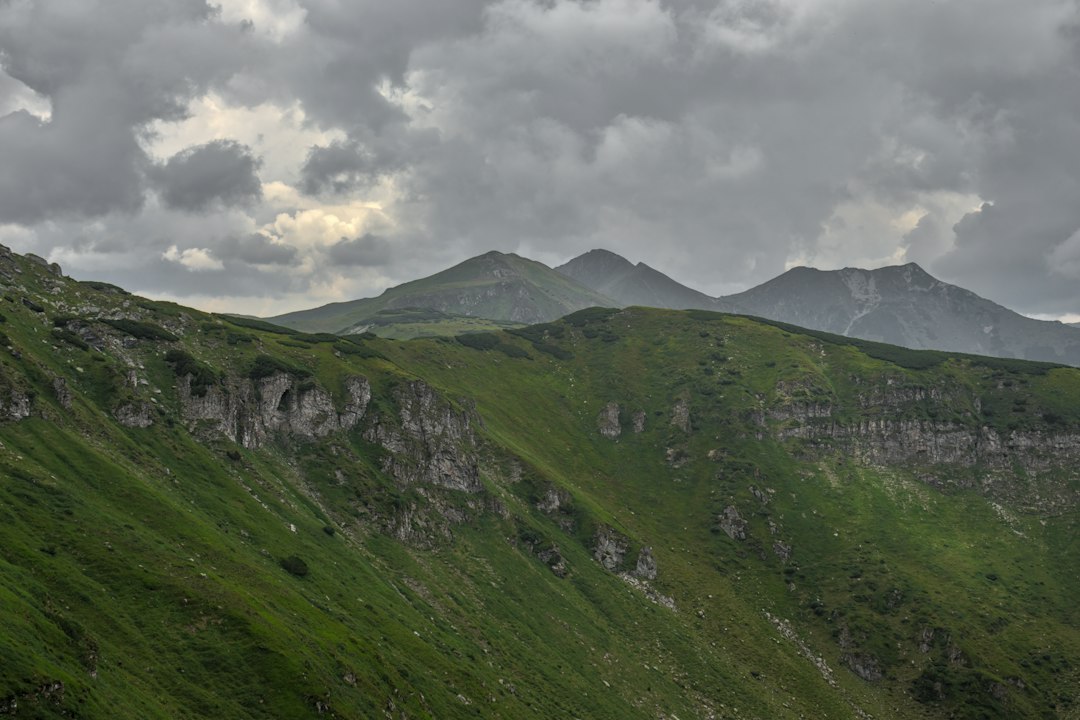
When the snow melts, Vitosha reveals its rugged, rocky soul. The mountain is a labyrinth of karst formations, deep caves, and limestone ridges that offer some of the most challenging and rewarding hikes in Bulgaria. The highest peak, Cherni Vrah, stands at 2,290 meters and is the crown jewel of the park. Reaching the summit requires a solid level of fitness and a good sense of direction, as the trails can be steep and rocky. The views from the top, however, are worth every step. On a clear day, you can see all the way to the Rila and Pirin mountains, with the city of Sofia spread out below like a intricate map.
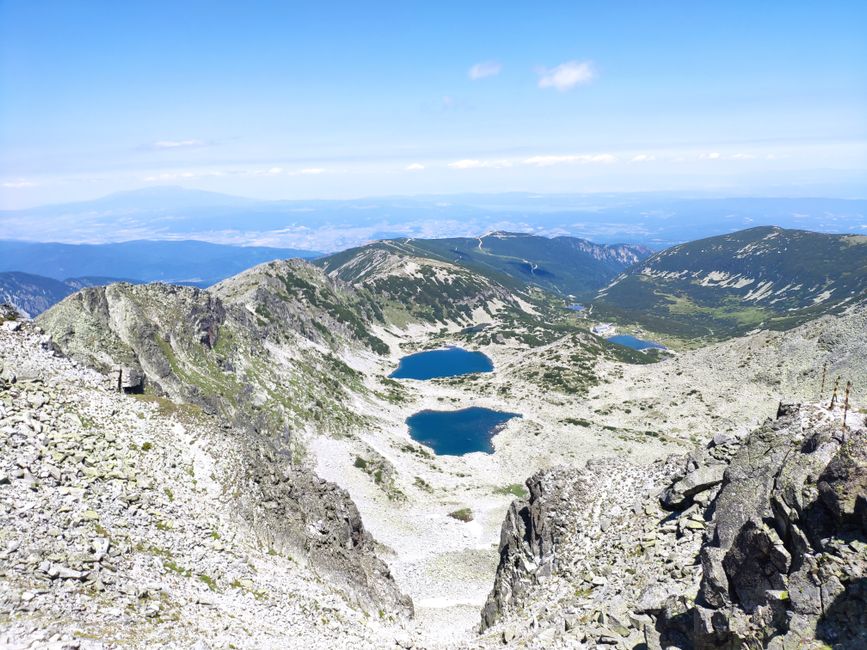
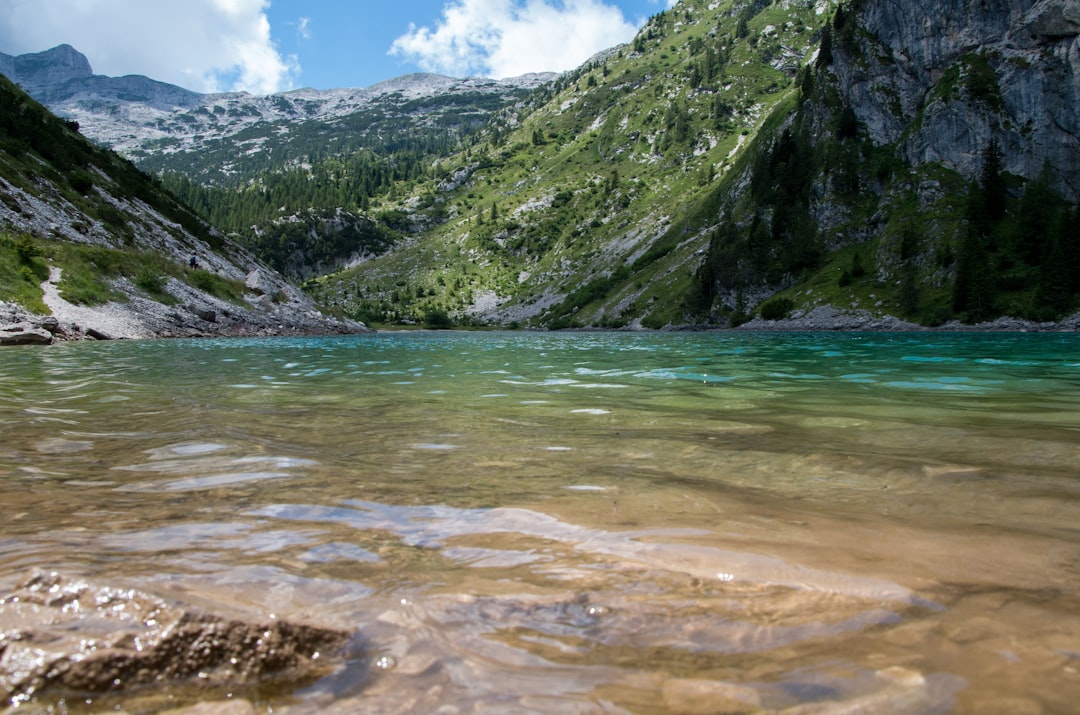
Another must-visit peak is Malak Rezen, which offers a slightly easier hike and equally stunning views. The trail to Malak Rezen is well-marked and passes through dense pine forests before emerging onto the open ridge. The summit is marked by a small cross and offers a panoramic view of the surrounding landscape. For those looking for a more adventurous experience, the hike to Vitosha Lake is a great option. The lake is a glacial remnant, surrounded by steep cliffs and lush vegetation, and the trail to reach it is both scenic and challenging.
Routes & Trail Info
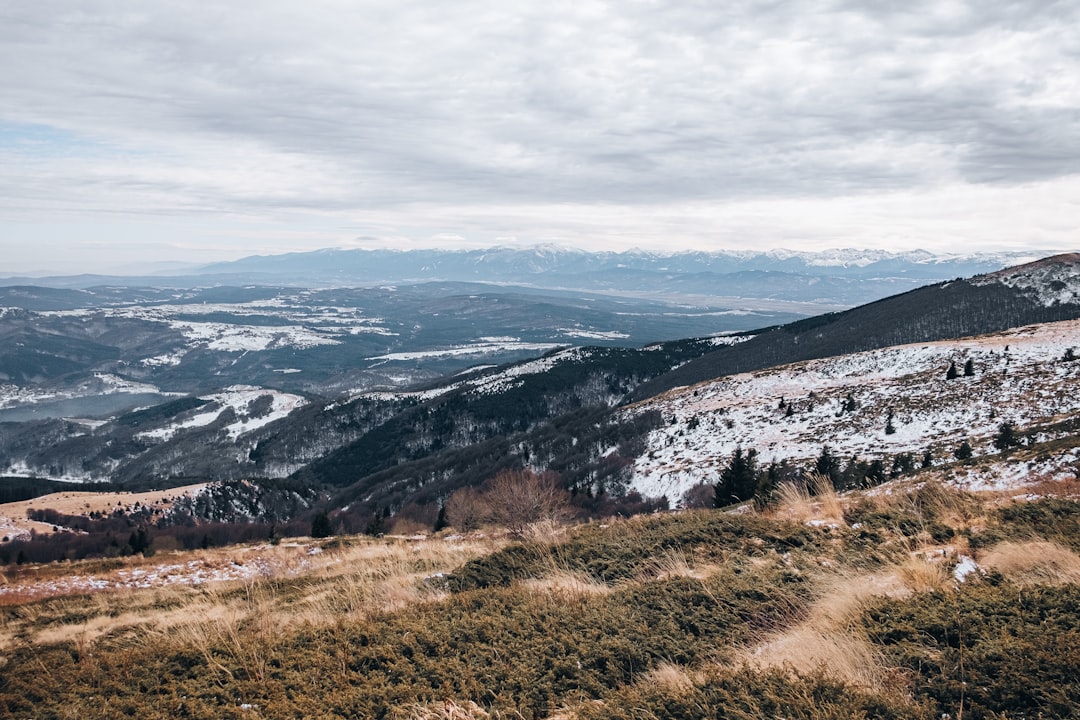
The most popular route to the summit of Cherni Vrah starts from the Kosharata mountain hut. This trail is well-marked and takes approximately 2-3 hours to complete, depending on your fitness level. The elevation gain is significant, and the trail becomes steeper as you approach the summit. The view from the top is rewarding, with a 360-degree panorama of the surrounding landscape. Another option is the trail from Boyana, which is slightly longer but offers a more gradual ascent. This route is popular with families and less experienced hikers, as it passes through beautiful pine forests and offers several viewpoints along the way.
For those looking for a more challenging hike, the route to Vitosha Lake is a great option. The trail starts from the Chiflik ski resort and follows a steep, rocky path through the karst landscape. The hike takes approximately 4-5 hours round trip, and the elevation gain is significant. The lake is a stunning glacial remnant, surrounded by steep cliffs and lush vegetation. The trail is well-marked, but it requires a good level of fitness and a sense of direction. Both routes offer unique experiences and are worth exploring for anyone visiting Vitosha.
Getting There & What to Expect
Reaching Vitosha is straightforward, as it is located just on the outskirts of Sofia. The nearest town with road access to the trailheads is Sofia itself, and you can easily reach the mountain by bus, car, or taxi. The bus routes 102 and 177 take you directly to the Boyana and Chiflik areas, respectively, and are a convenient and affordable option. If you’re driving, there are several parking areas near the trailheads, but they can get crowded on weekends. The distance from Sofia to the trailheads is approximately 10-15 kilometers, and the travel time is around 30-45 minutes, depending on traffic.
Accommodation options on Vitosha are limited, but there are several mountain huts and refuges that offer basic lodging. The Kosharata hut is the most popular option, and it offers dormitory-style rooms and meals. Prices range from 20-30 EUR per night for a bed in a dorm to 50-70 EUR for a private room. Meals are simple but hearty, with typical dishes like 8-12 EUR for a main course. For those looking for more comfort, there are several hotels and guesthouses in Sofia that offer easy access to the mountain, with prices ranging from 40-80 EUR per night. The best months to visit Vitosha for hiking are from May to October, when the weather is mild and the trails are clear. For skiing, the season runs from December to April, with the best snow conditions usually in January and February.
Search accommodation in Sofia on Booking.com →
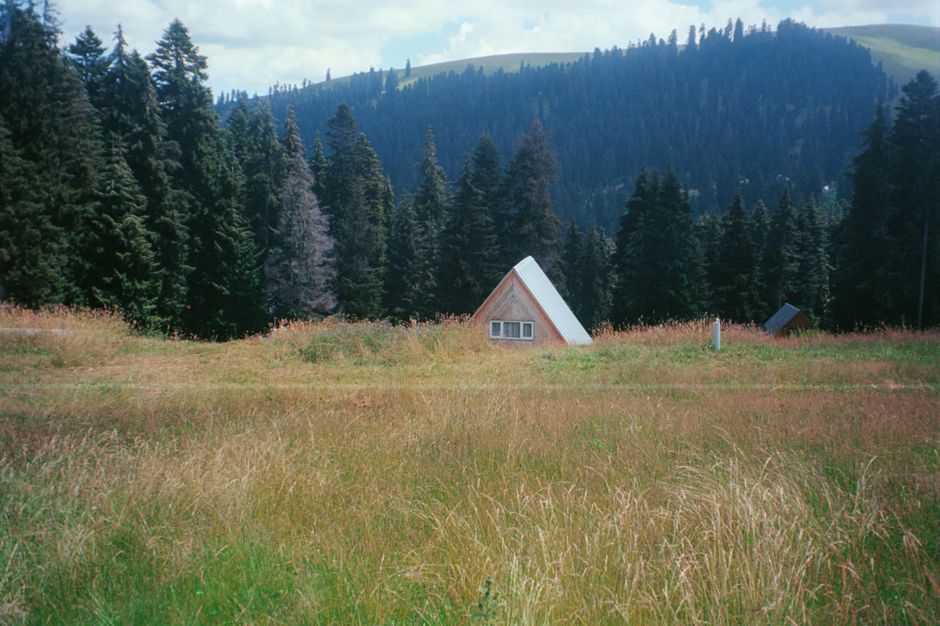
The Unpredictable Beauty of Vitosha
There’s a reason why Vitosha feels so different from the other mountains in Bulgaria. It’s not just the proximity to the city or the unique karst landscape; it’s the way the mountain seems to absorb the energy of the people who visit it. I’ve seen everything here—couples getting engaged on the summit, groups of friends skiing until dusk, and lone hikers sitting in silence, watching the clouds roll over the peaks. It’s a place where the boundaries between urban and wild blur, and where the mountain reminds you that you’re small, but also part of something larger.
As I packed up my gear and headed down the trail, the wind was still howling, but it felt less like a shove and more like a farewell. Vitosha doesn’t hold your hand; it doesn’t coddle you. But it gives you something far more valuable: a sense of connection to the land, to the sky, and to the people who share this rugged, beautiful place. Whether you’re here to ski, hike, or just breathe the sharp, cold air, Vitosha will leave a mark on you. It’s not a gentle mountain, but it’s a honest one, and that’s exactly why it’s worth the climb.
Comments