


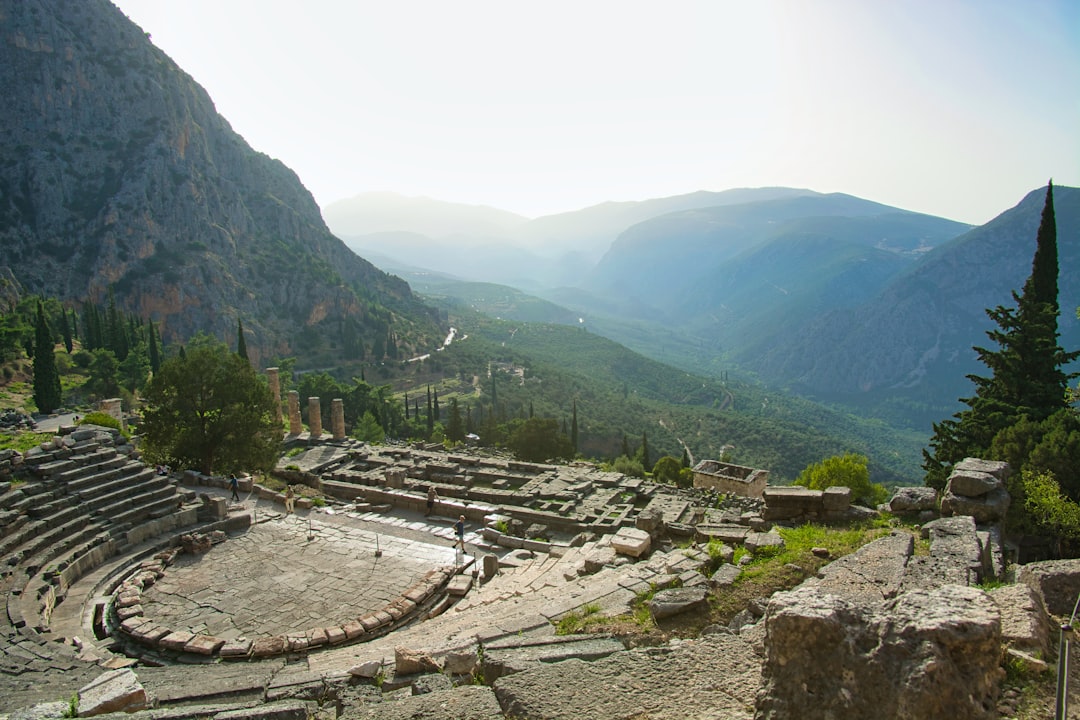
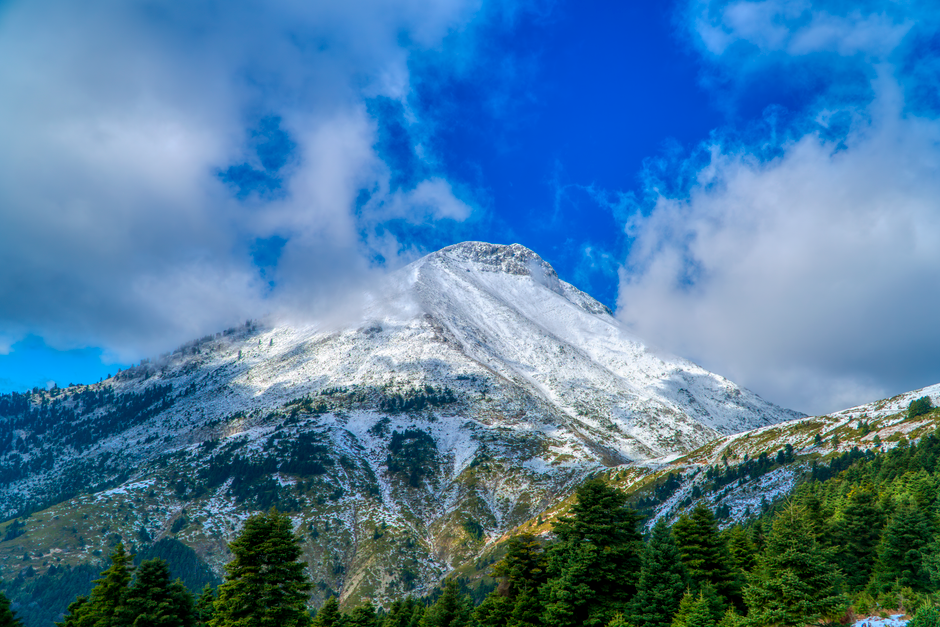
The mist didn't just roll in; it assaulted me. One minute I was staring down the jagged spine of Mount Olympus, the other I was wading through a white void that smelled of wet pine and ancient stone. I was three hours into the ascent from Litochoro, my boots slipping on shale, lungs burning with air so thin it felt like drinking glass. A local shepherd, barely visible through the fog, shouted something about Zeus being in a bad mood today. I laughed, then immediately regretted it when a rock skittered past my ear. This isn't a hike for the Instagram crowd posing in linen. This is a pilgrimage to a place that demands respect, humility, and a serious pair of boots.
Standing here, at the edge of the known world according to Homer, the myths don't feel like fiction. They feel like warnings. The gods didn't just live up here; they ruled from a fortress of wind and rock that still crushes the ego of anyone foolish enough to think they can conquer it. I came to walk where the Muses supposedly wandered, but I left with mud in my hair, a blister the size of a euro coin, and the distinct feeling that I was being watched by something older than language.
History & Identity
For millennia, Mount Olympus wasn't just a mountain; it was the ultimate destination. In Greek mythology, it was the dwelling place of the twelve Olympian gods, with Zeus reigning supreme from the highest peak. The ancient Greeks believed the mountain was so sacred that only the gods could reach the summit, a notion that kept mortal feet off the top until the early 20th century. The first confirmed ascent wasn't made until 1913, when a team of German and Austrian climbers finally breached the clouds, shattering the myth of divine exclusivity.
The identity of the mountain is tied inextricably to the region of Pieria. The name itself comes from the Muses, the nine goddesses of the arts, who were said to have taught Homer the epic poems on its slopes. This isn't just geological history; it's cultural bedrock. The mountain has shaped the literature, art, and spirituality of Greece for thousands of years. Even today, the locals treat it with a reverence that borders on superstition. You don't "climb" Olympus; you visit it, and you hope it lets you down safely.
The modern identity of the mountain is split between two worlds: the wild, untamed wilderness of the national park and the bustling, sometimes chaotic, tourism of the base villages. The tension between preservation and access is palpable. The trails are crowded in summer, but the higher you go, the fewer people you see, and the more the mountain reveals its true, indifferent character. It's a place where history isn't a subject you study; it's an atmosphere you breathe.
Where to Go
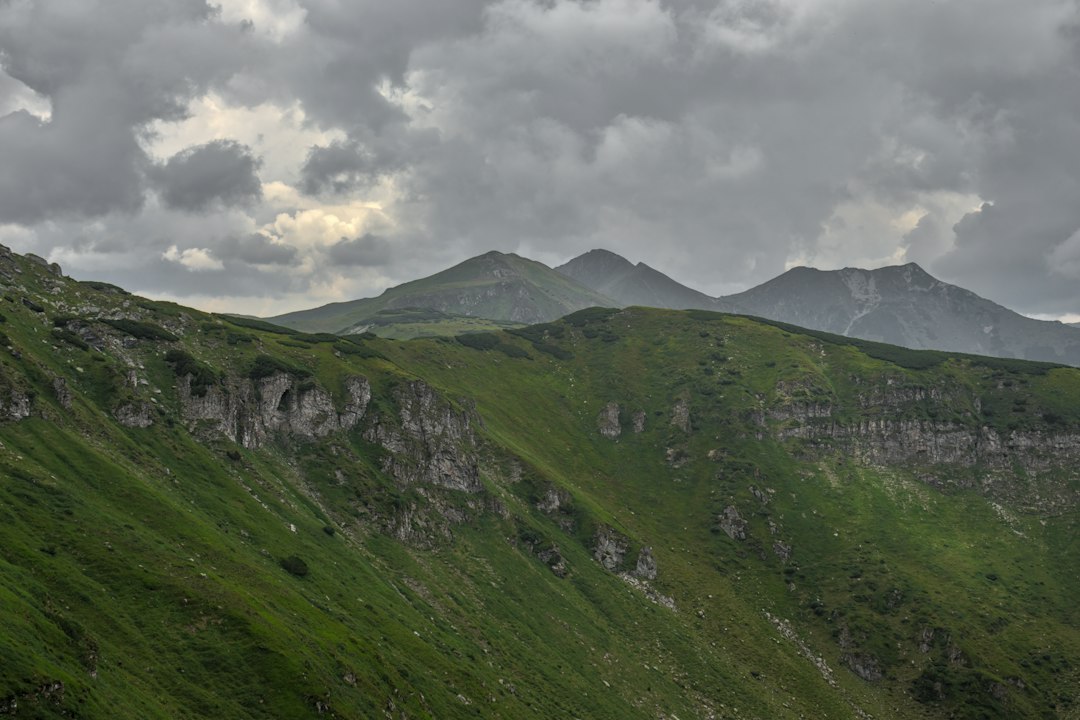
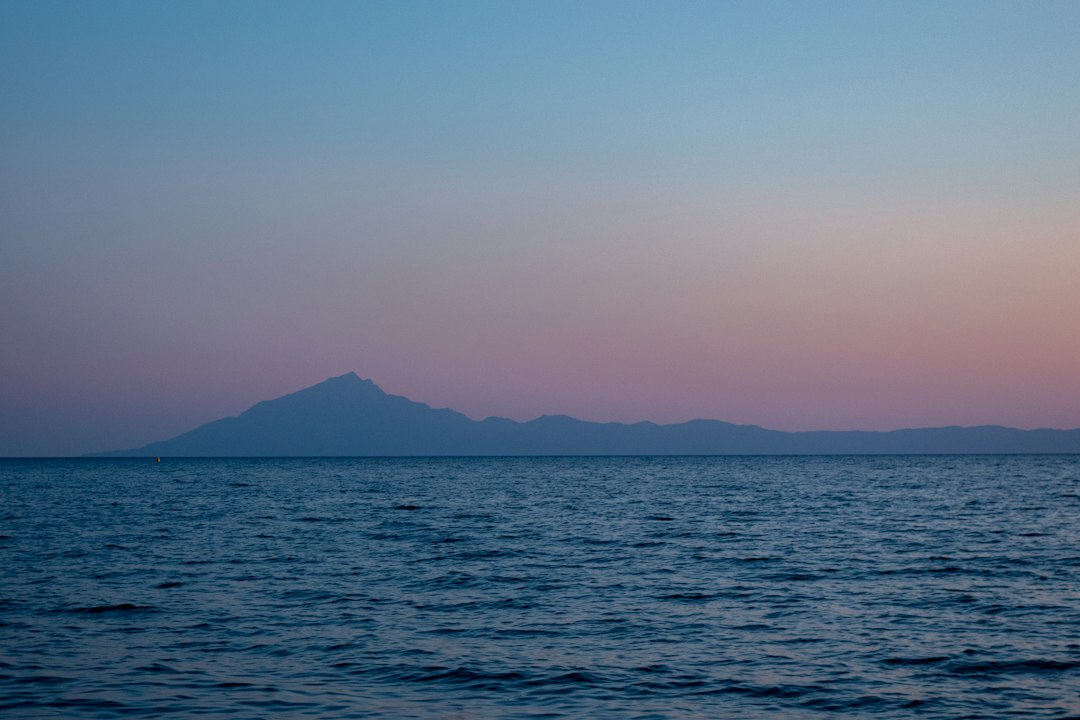
Skala Peak — The highest point in Greece at 2,917 meters, Skala is the final objective for most serious hikers. The last 300 meters involve scrambling over loose rock and steep scree slopes, requiring sure footing and a head for heights. It's not technically difficult, but it's exposed and windy, and the summit offers a panoramic view of the Aegean Sea on clear days. Entry to the national park is free, but you must register at the visitor center.
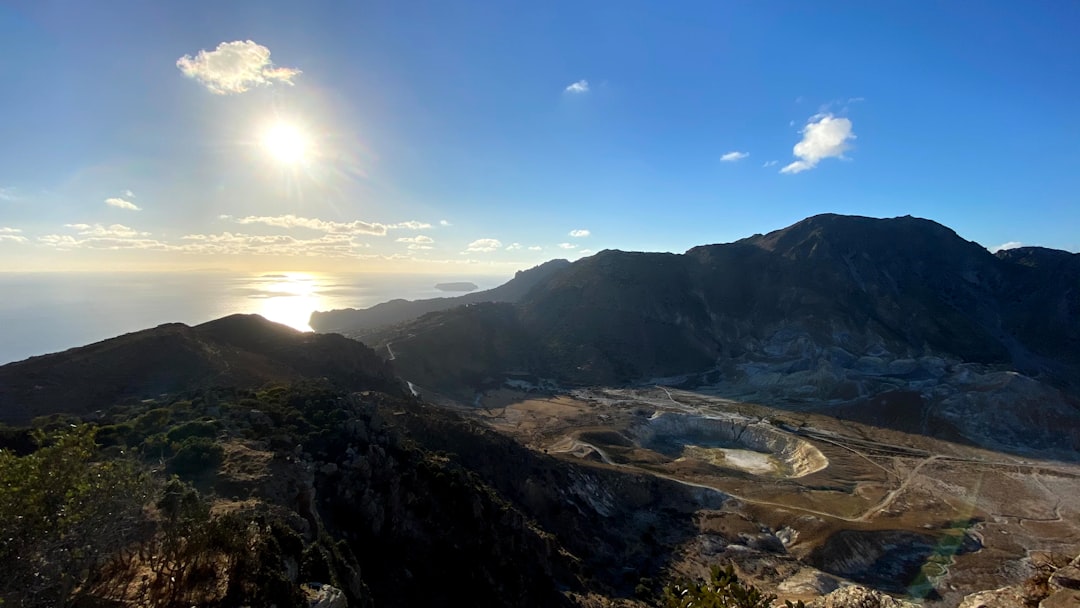
Enipeas Cave — Located near the summit, this cave is steeped in myth. According to legend, it was the bedroom of Zeus and the nymph Themisto. The cave is small and dark, but reaching it involves a challenging scramble that tests your endurance. It's a perfect spot to rest and reflect on the sheer scale of the mountain, surrounded by jagged peaks that look like the teeth of giants.
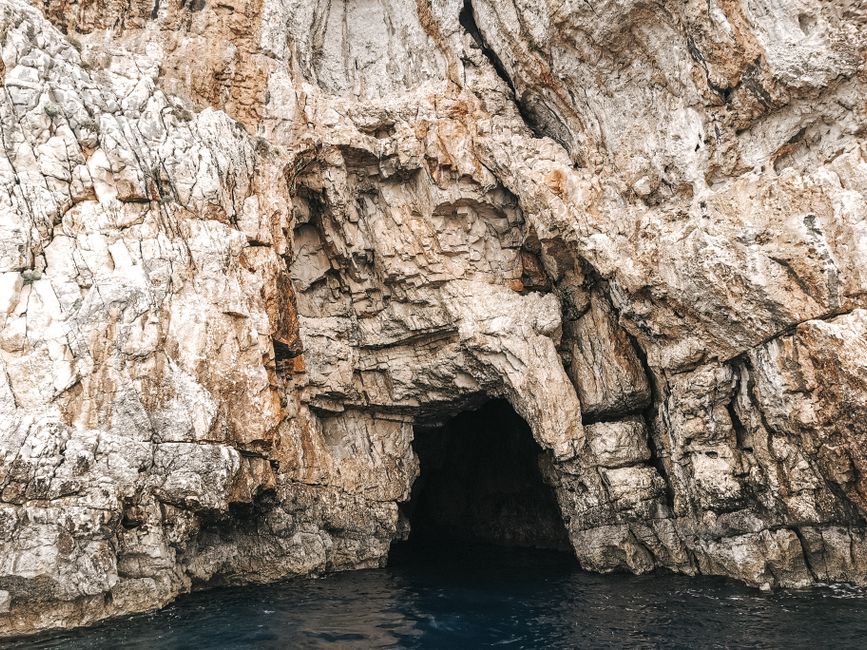
Spiro's Refuge — The highest mountain hut in Greece, perched at 2,600 meters. It's a basic but essential stop for multi-day hikes, offering bunk beds and simple meals. The view from the terrace is unbeatable, especially at sunrise when the light hits the peaks. Reservations are mandatory in peak season, as space is limited and demand is high. It's a hub of hiker camaraderie, where stories are exchanged over hot coffee.
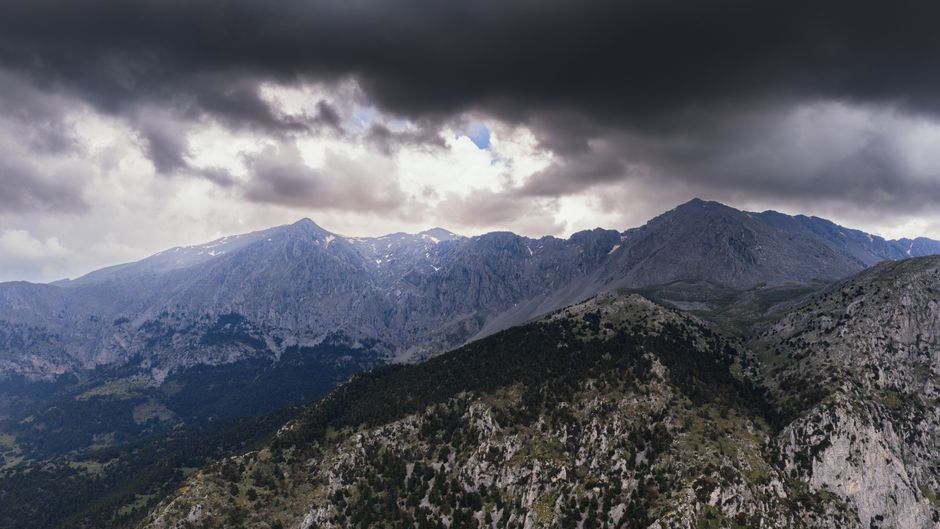
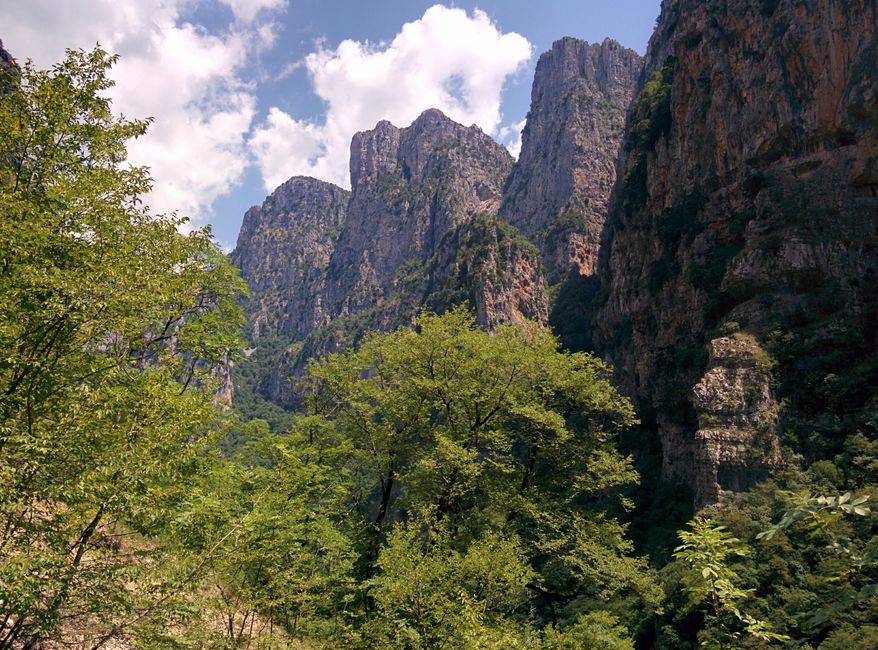
Prionia Gorge — A dramatic ravine that cuts through the western slopes of the mountain, offering a stunning contrast to the rocky summits. The gorge is home to rare flora and fauna, including the Olympus fir, a tree found nowhere else in the world. It's a popular spot for photography and a less strenuous alternative to the summit hikes, perfect for those who want to experience the mountain's beauty without the altitude.
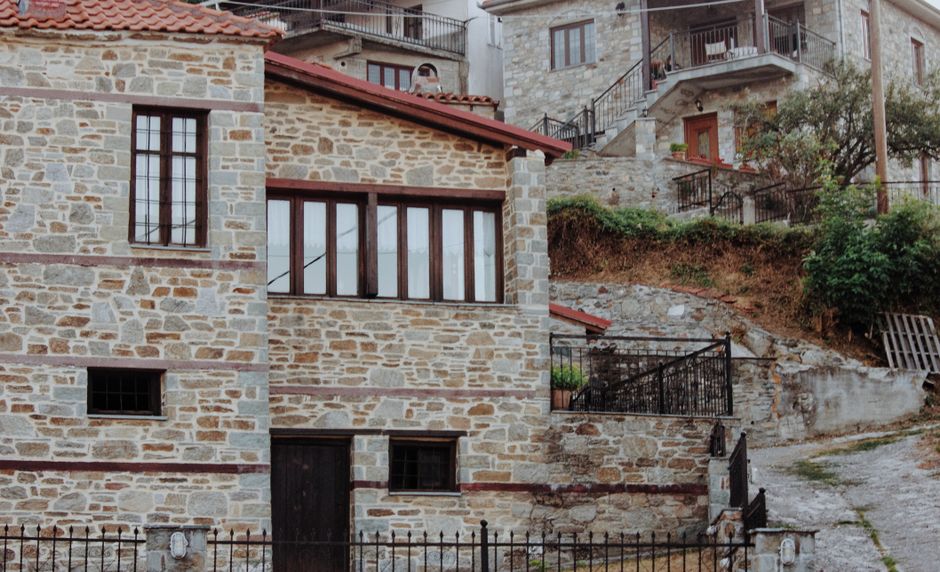
Stagira Village — The birthplace of the philosopher Aristotle, this small village sits at the foot of the mountain. It's a quiet, traditional settlement with stone houses and narrow streets, offering a glimpse into rural Greek life. The museum dedicated to Aristotle is a small but informative stop, and the surrounding hills offer gentle walking trails with views of the mountain's northern face.
What to Eat & Drink
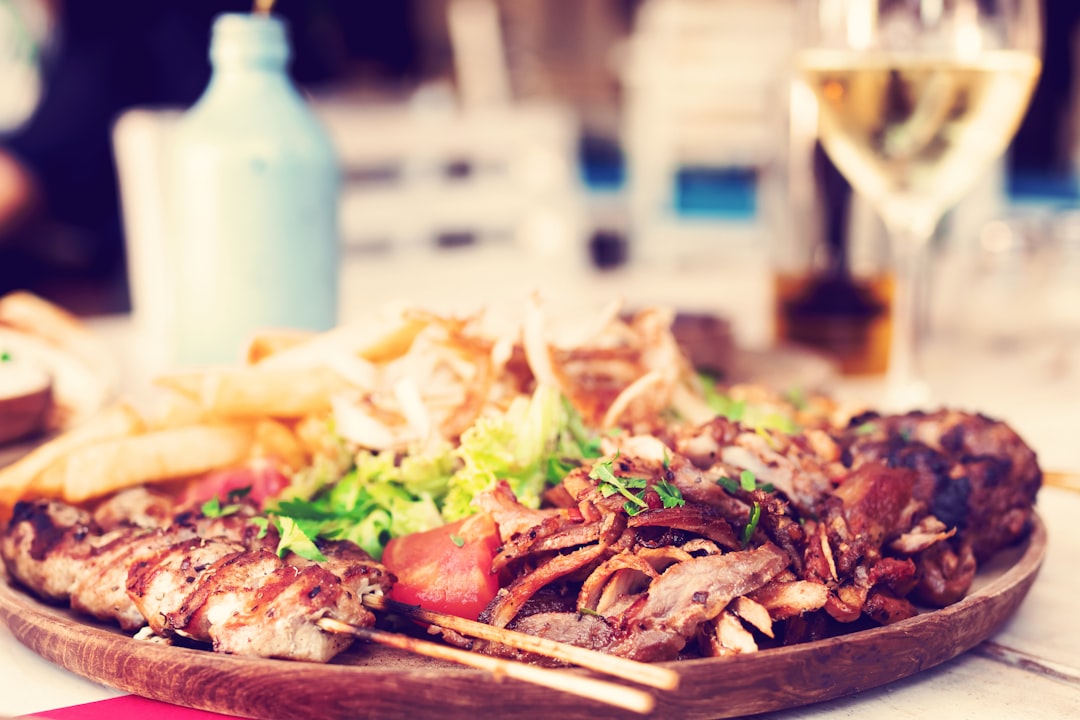
At the base of the mountain, in Litochoro, the food is hearty and designed to fuel long days on the trail. Stifado — a rich beef stew with onions and spices — costs 12-15 EUR per portion and is a staple in local tavernas. Grilled lamb chops — succulent and smoky — are 15-20 EUR and best enjoyed with local wine. For a lighter option, horiatiki salata — the classic Greek village salad — is 6-8 EUR and refreshing after a dusty hike.
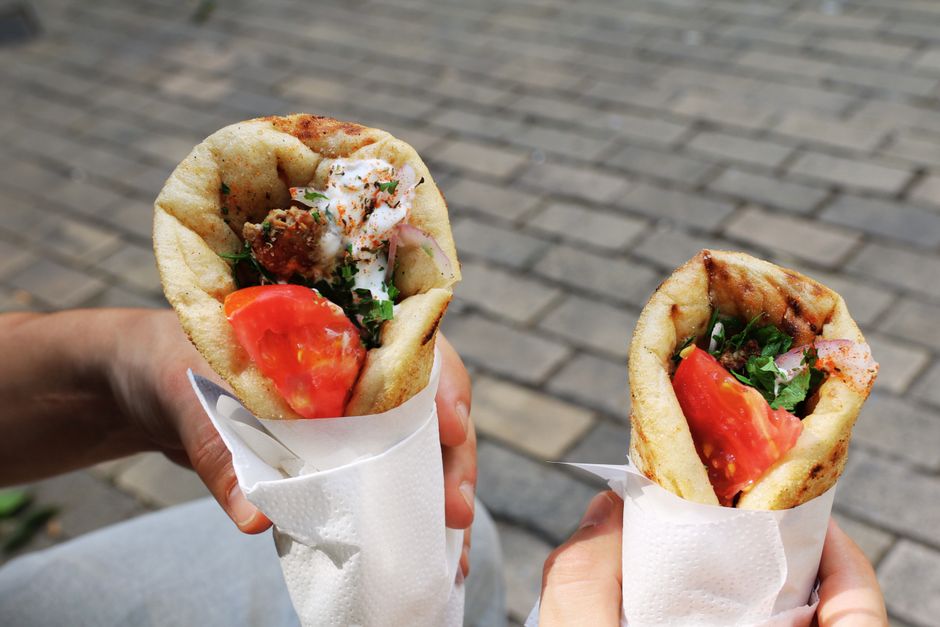
Budget travelers can grab a pita with souvlaki for 3-5 EUR from street vendors in Litochoro's main square. A sit-down meal at a local taverna runs 15-25 EUR per person, including a drink. Mid-range restaurants in the town center offer 25-40 EUR for a full meal with wine. For breakfast, gyros with fries is 4-6 EUR and a quick, filling start to the day.
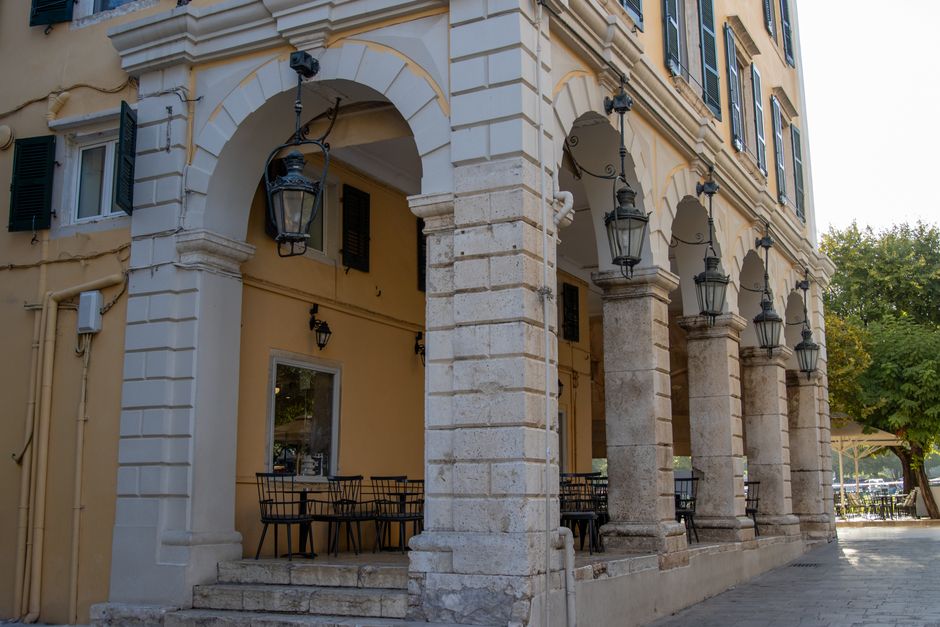
The main food street in Litochoro is around the central square, where several tavernas line the cobblestones. For a more authentic experience, try Taverna To Spiti tis Evaggelias, known for its home-cooked meals and friendly atmosphere. In the mountain huts, meals are simple: lentil soup is 5 EUR, and pasta with tomato sauce is 8 EUR. Cash is king in the huts, so bring euros.
Nightlife
Don't expect a club scene in Litochoro. The nightlife here is low-key, centered around outdoor cafes and small bars where locals and hikers gather to share stories. The main area is around the central square, where Cafe Olympus serves strong Greek coffee and soft drinks until midnight. Bar Zeus is a bit more lively, with background music and a terrace overlooking the mountain. Cover charges are non-existent, but it's customary to buy a drink.
For a more vibrant atmosphere, head to Chalkidiki, about an hour's drive away, where beach bars and clubs come alive in the summer. But in Litochoro, the night is for resting. The best "party" is a hot meal, a glass of local wine, and the sound of crickets in the dark. Sleep well; you'll need it for the climb.

Getting There & What to Expect
The nearest airport is Thessaloniki International Airport, about 100 km from Litochoro. Buses run regularly from Thessaloniki to Litochoro, taking about 1.5 hours and costing 8-10 EUR. Taxis from the airport are 60-80 EUR. From Athens, the drive is 4 hours, or you can take a bus from KTEL Thessaloniki station.
Accommodation in Litochoro ranges from budget hostels at 25-40 EUR/night to mid-range hotels at 60-100 EUR/night. In the mountain huts, a bunk bed in Spiro's Refuge is 20-30 EUR/night, including meals. Camping is allowed in designated areas, but wild camping is discouraged and may be fined.
The best months to hike are June to September, when the weather is stable and the trails are clear. Spring can be muddy, and autumn brings rain and wind. Winter is for experienced mountaineers only, with snow and ice covering the higher trails. Always check weather forecasts before heading up, as conditions can change rapidly.
Search accommodation in Litochoro on Booking.com →
The Final Ascent
Reaching the summit of Skala Peak isn't a triumph; it's a negotiation. The mountain doesn't care about your fitness, your gear, or your ambitions. It only cares about gravity and wind. As I stood there, shivering in the thin air, I realized that the myths weren't just stories. They were a way for the ancients to understand the incomprehensible. The gods didn't live here because it was pretty; they lived here because it was powerful. And as I looked out over the clouds, I understood why they never left. You don't conquer Mount Olympus. You survive it. And if you're lucky, it lets you keep your soul.
Comments