


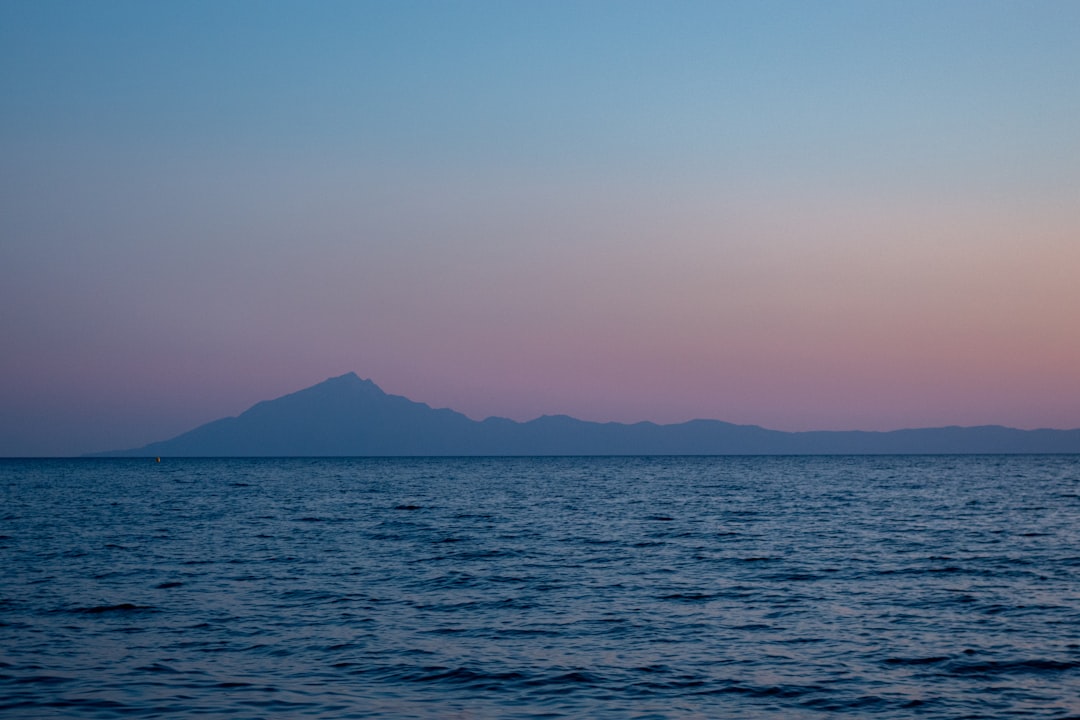
The ferry from Ouranoupoli cuts through the Thermaic Gulf, the engine thrumming like a dying heart against the hull. I stand on the deck, clutching a crumpled paper document called a diamonitirion—the holy passport, the only thing standing between me and a one-way trip back to mainland Greece. The air smells of diesel and brine, a sharp contrast to the incense-heavy silence I’m promised to find on the other side. I’m not here for a hike. I’m not here for a view. I’m here to walk the spine of the world’s largest living monastery, a 260-square-kilometer autonomous monastic state where women and female animals are banned, and where the only currency that matters is humility. The sea slaps against the bow, and for a second, I wonder if I’ve made a terrible mistake. Then the silhouette of the peninsula rises—jagged, pine-clad, and utterly indifferent to my presence.
Mount Athos isn’t a destination you conquer. It’s a place that tolerates you, if you follow its ancient, labyrinthine rules. There are no hotels, no souvenir shops, no Wi-Fi signals that reach beyond the monastery gates. Just twenty monasteries, hundreds of sketes, and a network of trails that wind through forests and along cliffs, connecting communities that have been praying in the same rhythm since the 10th century. Walking here is an act of submission. You don’t choose the pace; the monasteries do. You don’t choose the food; the refectory does. And if you slip up, if you forget to bow, if you speak too loudly, you’re not just rude—you’re trespassing on a spiritual sovereignty that has survived empires, wars, and the modern world’s relentless noise.
History & Identity
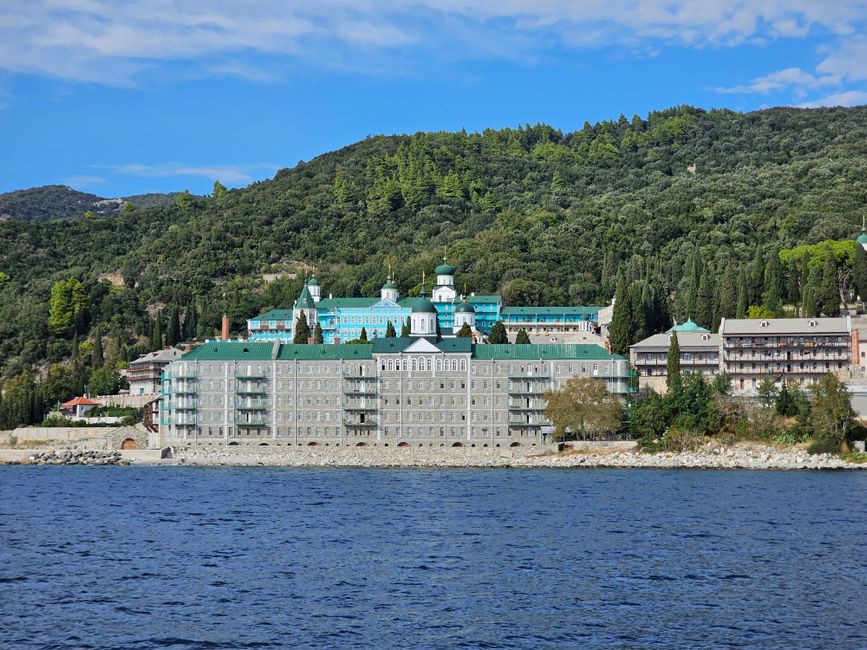
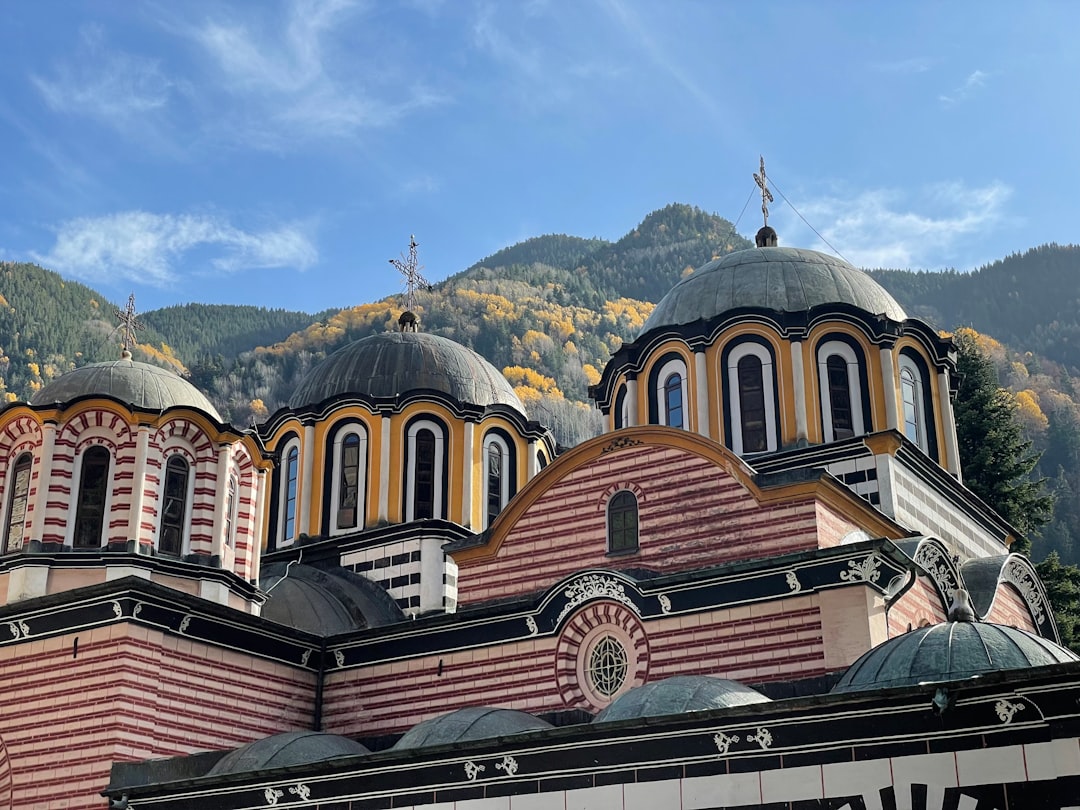
The Holy Mountain, as it’s known in Greek, is a peninsula that juts out like a broken tooth into the Aegean Sea. Its history is a tapestry woven from Byzantine grandeur, Ottoman survival, and modern isolation. In the 10th century, Emperor Constantine VII granted the peninsula to monks seeking solitude, creating a theocracy that has endured for over a millennium. The monasteries that dot the coastline—Great Lavra, Vatopedi, Pantokrator—are not just religious centers; they are living museums of art, architecture, and manuscript preservation. Each monastery operates as an independent republic, with its own abbot, treasury, and even its own version of history.
During the Ottoman period, Mount Athos became a refuge for Orthodox Christians, a place where the faith could be practiced without interference. The monks here didn’t just pray; they preserved knowledge, copying manuscripts, painting icons, and maintaining a cultural continuity that the rest of the Balkans struggled to keep. Today, the peninsula is still governed by a combination of ancient canon law and modern Greek state oversight, a unique hybrid that makes it one of the most intriguing places on earth. The monks here don’t just live in the past; they actively resist the future, choosing a life of poverty, silence, and prayer over the distractions of the modern world.
For the pilgrim, this history is not abstract. It’s in the worn stone steps of the refectories, in the faded frescoes of the churches, in the way the monks move with a deliberate, unhurried grace. Walking the trails of Mount Athos is like walking through a living museum, where every stone, every tree, every breath of air is charged with centuries of devotion. It’s a place where time doesn’t move forward; it circles, like the prayers that echo through the chapels at dawn and dusk.
Where to Go
Great Lavra Monastery — The largest and most influential monastery on Mount Athos, founded in 963 AD. Its church, dedicated to the Dormition of the Theotokos, is a masterpiece of Byzantine architecture, filled with icons and manuscripts dating back centuries. The monastery’s library is one of the richest in the Orthodox world, housing thousands of Greek, Latin, and Arabic manuscripts. Visitors can tour the church and the courtyard, but entry to the library is restricted. Best visited early in the morning, before the crowds of pilgrims arrive. Entry is free, but a donation is expected.
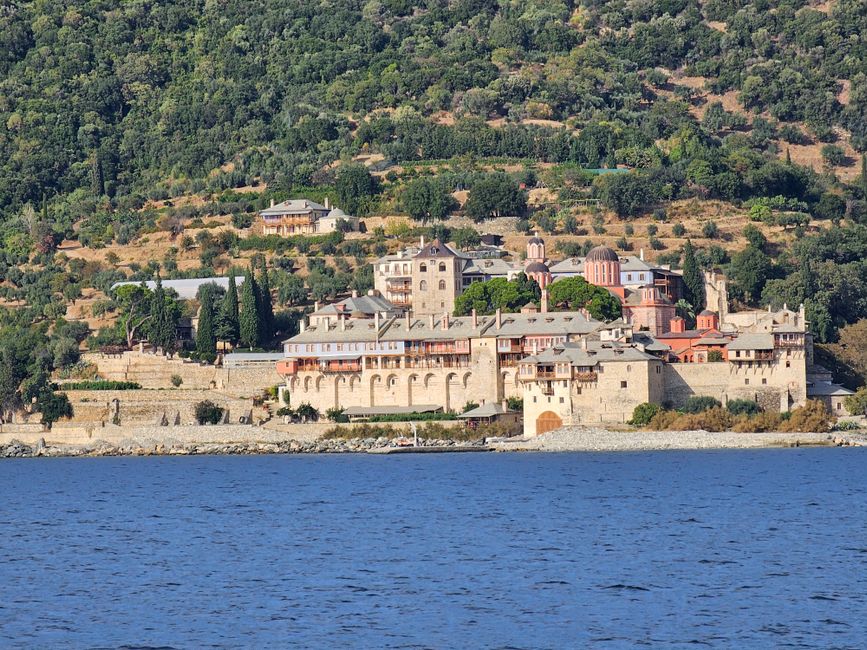
Vatopedi Monastery — Located on the eastern coast, Vatopedi is one of the wealthiest monasteries, known for its extensive land holdings and its role in the defense of Mount Athos during the Ottoman period. The monastery’s church is adorned with magnificent frescoes, and its courtyard is filled with ancient trees and fountains. The monastery also houses a school for novices and a hospital for the elderly. Visitors can tour the church and the courtyard, and may be invited to share a meal in the refectory. Entry is free, but a donation is expected.
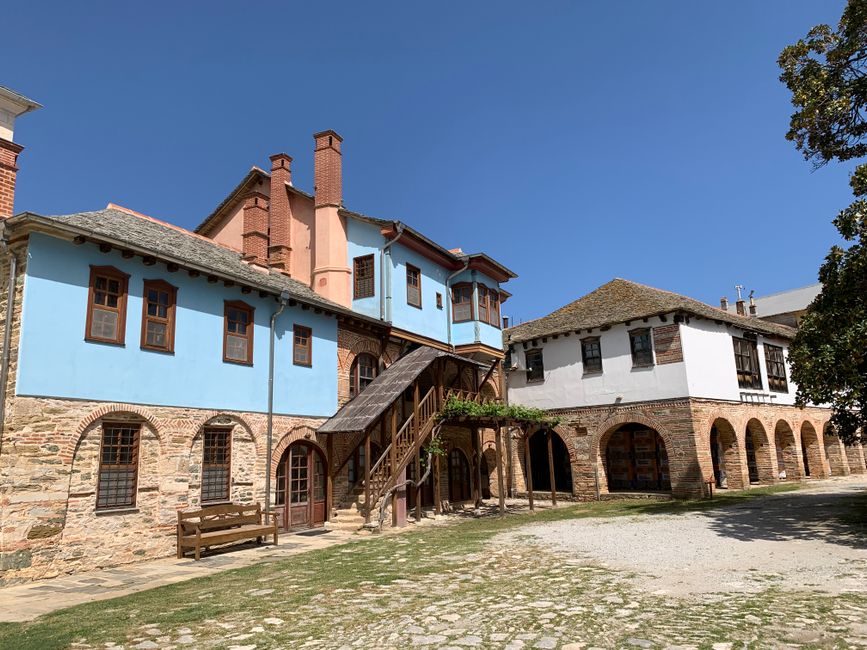
Pantokrator Monastery — Perched on a cliff overlooking the Aegean, Pantokrator is one of the most remote monasteries on Mount Athos. Its church is dedicated to Christ Pantocrator, and its frescoes are a masterpiece of post-Byzantine art. The monastery is known for its strict asceticism and its commitment to the monastic rule. Visitors can tour the church and the courtyard, and may be invited to share a meal in the refectory. Entry is free, but a donation is expected.
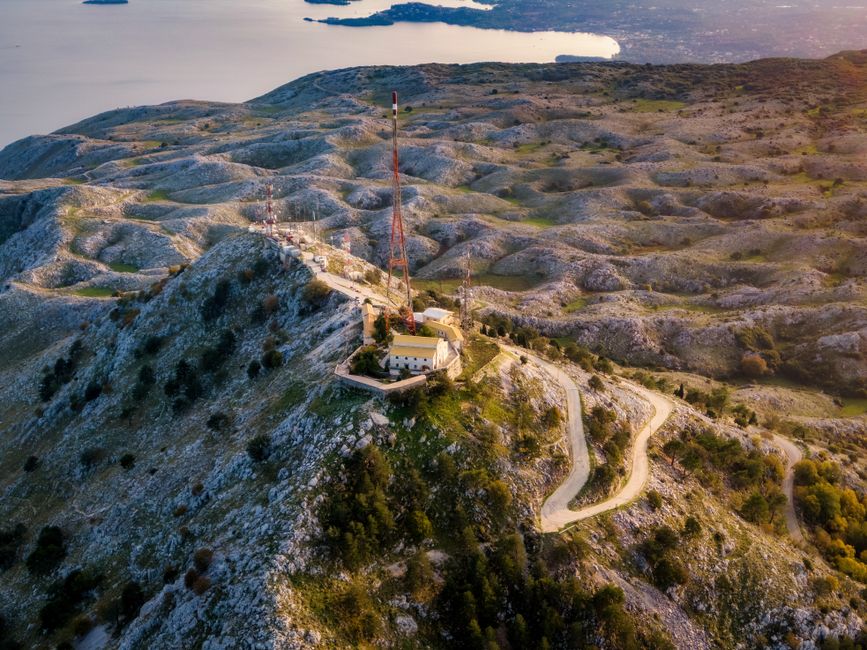
Karyes — The administrative center of Mount Athos, Karyes is a small village where the Holy Community meets to govern the peninsula. The village is home to the central government buildings, a post office, and a few small shops. It’s also a popular stopping point for pilgrims, with several guesthouses and a few tavernas. The atmosphere is relaxed, with monks and pilgrims mingling in the streets. It’s a good place to rest, refill water, and plan the next leg of your journey.
What to Eat & Drink
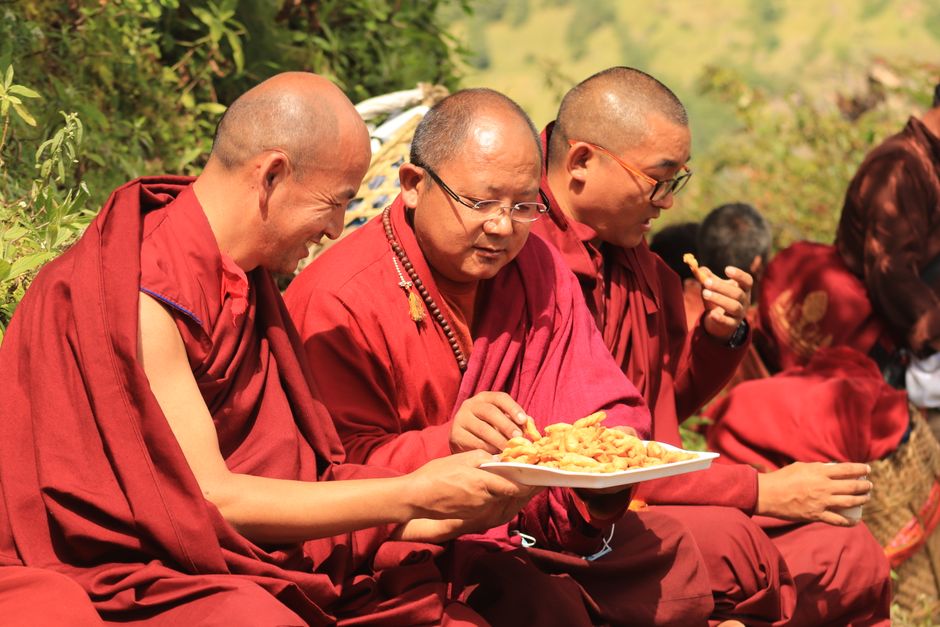
Food on Mount Athos is simple, hearty, and deeply rooted in tradition. The monasteries follow a strict dietary code, with meat forbidden and fish allowed only on certain days. Most meals are vegetarian, consisting of lentils, beans, vegetables, and bread. The bread is baked fresh in each monastery, and it’s some of the best you’ll ever taste. Water is plentiful, and wine is served in moderation during special occasions. For the pilgrim, eating is not just a necessity; it’s a communal act, a chance to share in the spiritual life of the monastery.
Lentil soup — A staple of the monastic diet, thick and savory, served with bread. 1-2 EUR
Vegetable stew — A mix of seasonal vegetables, slow-cooked until tender. 2-3 EUR
Fresh bread — Baked daily in each monastery, crusty and warm. 1 EUR
Local wine — Served in moderation during special occasions. 2-4 EUR
Budget breakdown: Meals in the monastery refectories are free for pilgrims, but a donation is expected. If you choose to eat in the tavernas in Karyes or other villages, expect to pay 8-15 EUR per person for a full meal. Street food is not available on Mount Athos; all food is prepared in the monasteries or the village tavernas. For budget travelers, the best option is to accept invitations to eat in the monasteries, where the food is simple but deeply satisfying.
The main food center is Karyes, where a few small tavernas serve local dishes. The atmosphere is relaxed, with monks and pilgrims sharing tables and stories. It’s a good place to rest, refill water, and plan the next leg of your journey.
Nightlife
Nightlife on Mount Athos is a misnomer. There are no bars, no clubs, no dancing. The only “nightlife” is the evening prayer service, which begins at sunset and lasts until late at night. The service is a solemn affair, with candles flickering in the darkness and the voices of the monks rising in chant. It’s a powerful experience, one that leaves you feeling both humbled and uplifted. After the service, the monasteries fall silent, and the only sounds are the wind in the trees and the distant crash of the waves.
For those seeking a more social evening, the only option is to sit in the courtyard of a monastery or a village taverna, sharing a glass of wine with fellow pilgrims. The atmosphere is relaxed, with conversations flowing freely about faith, travel, and life. It’s a chance to connect with people from all over the world, united by a shared love of the Holy Mountain.
Getting There & What to Expect
Getting to Mount Athos is a journey in itself. The nearest port is Ouranoupoli, a small town on the mainland opposite the peninsula. From Ouranoupoli, ferries depart daily to Dafni, the main port on Mount Athos. The ferry ride takes about 30 minutes and costs 10-15 EUR one way. From Dafni, you can walk to the nearest monastery or take a bus to Karyes. The bus costs 2-3 EUR and runs several times a day.
Accommodation on Mount Athos is simple, with guesthouses available in most monasteries and villages. A night in a monastery guesthouse costs 10-20 EUR, including meals. For those seeking more privacy, there are a few private guesthouses in Karyes and other villages, costing 20-40 EUR per night. The best time to visit is from April to October, when the weather is mild and the trails are dry. Winter is cold and wet, with many trails closed due to snow.
Children are not allowed on Mount Athos, and the trails are not suitable for young children. The walking is challenging, with steep climbs and rugged terrain. It’s best for experienced hikers who are comfortable with long distances and difficult conditions.
Search accommodation in Ouranoupoli on Booking.com →
Search accommodation in Ouranoupoli on Booking.com →
The Silence After the Chant
As the ferry pulls away from Dafni, the peninsula recedes into the distance, a jagged silhouette against the horizon. I stand on the deck, the wind whipping my hair, and feel a strange sense of loss. Not for the views, or the food, or the history. But for the silence. The deep, resonant silence that fills the monasteries at night, when the chanting stops and the only sound is the wind in the trees. It’s a silence that demands to be heard, that strips away the noise of the modern world and leaves you with nothing but your own thoughts. It’s a silence that changes you, that leaves you feeling both empty and full, lost and found. And as the ferry cuts through the waves, heading back to the mainland, I know I’ll be back. Because some places don’t just leave an impression; they leave a mark. And Mount Athos has left its mark on me.
Comments