


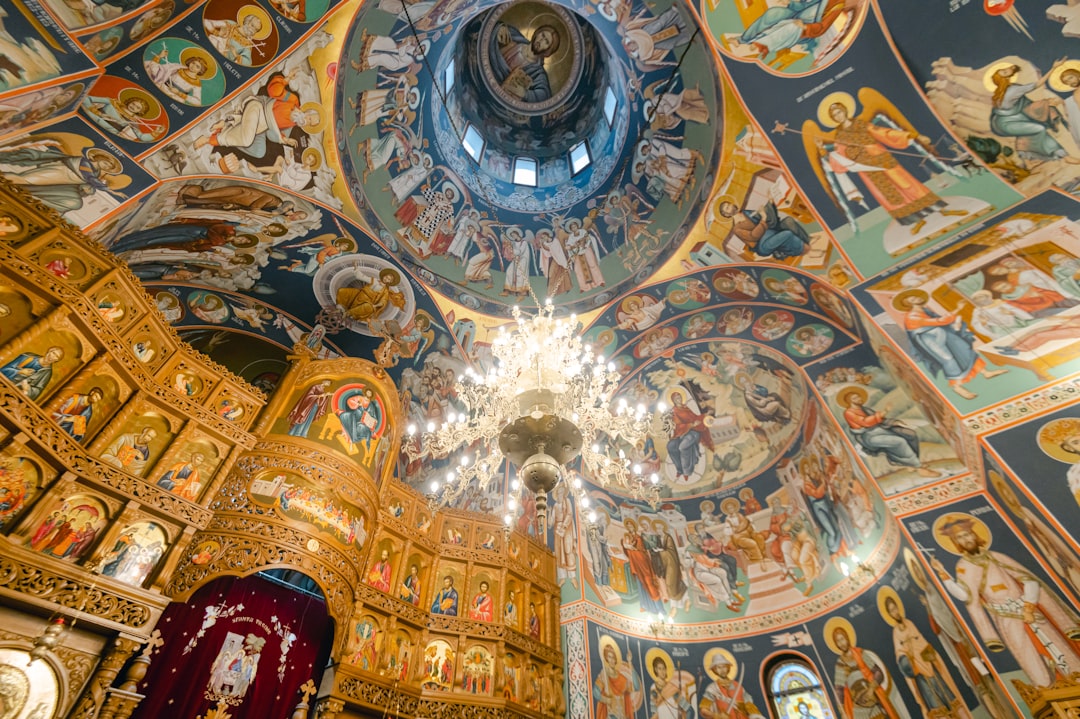
The air inside the main cathedral of Rila Monastery tastes like beeswax, old incense, and centuries of exhaled prayers. I stood there at 6 a.m., the only visitor, watching the first shafts of winter light hit the upper frescoes. It wasn't just art; it was a theological argument painted in egg tempera, a desperate, beautiful plea for survival in a land that had been carved up by empires for five hundred years. The monks didn't just paint saints; they painted a map of Bulgarian identity when the country itself didn't exist on any political map. You don't just look at these walls. You read them. And if you're not careful, they read you back.
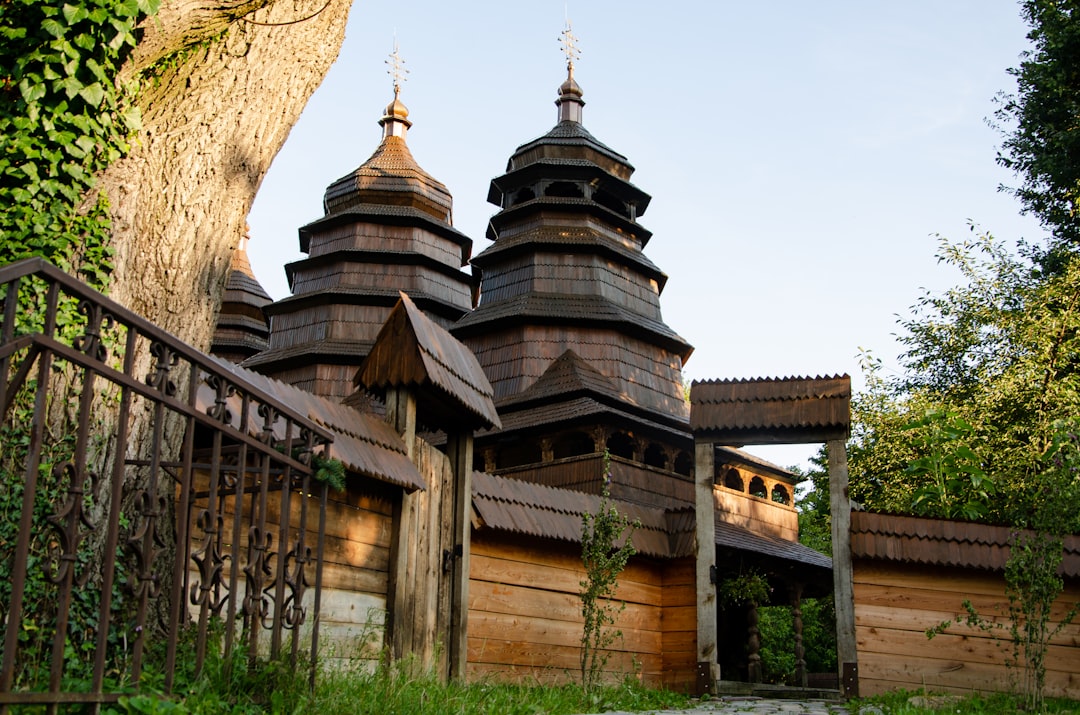
Most tourists come here for the photo op with the wooden church in the background. They snap a picture, buy a souvenir cross, and head back to the bus. They miss the point. The frescoes here are the most complete surviving example of post-Byzantine religious art in the Balkans. They are a survival mechanism. When Bulgaria was under Ottoman rule, the church was the only institution left to preserve language, history, and hope. These walls are not decoration. They are documentation.
History & Identity
The monastery itself was founded in the 10th century by Saint John of Rila, the hermit who wandered into these mountains to escape the noise of the world. But the building you see today, and the frescoes that cover it, are much younger. The original structure was destroyed, burned, and rebuilt multiple times. The current main church, dedicated to the Dormition of the Mother of God, was completed in 1837. It was built during a period of intense Ottoman suppression, when the Bulgarian Orthodox Church had been stripped of its autocephaly and placed under the Greek Patriarchate of Constantinople.
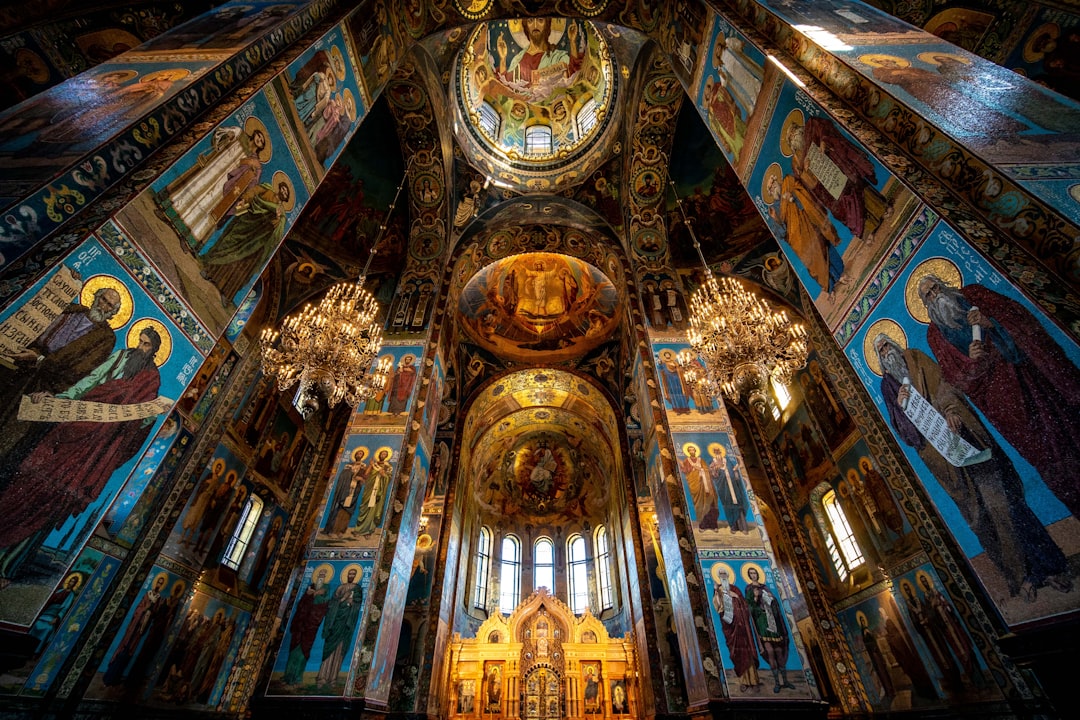
The frescoes were painted between 1846 and 1848 by a team of artists from the Rila school, led by Zahari Zograf. This was not a time of leisure. It was a time of quiet rebellion. Every saint depicted, every biblical scene rendered, was a statement of continuity. The artists used a specific technique called "fresco buono," painting directly onto wet plaster, which required speed, precision, and absolute conviction. They couldn't afford mistakes. The iconography is dense, layered, and intentionally complex. It was designed to educate a largely illiterate population while simultaneously signaling to the Ottoman authorities that the Bulgarian spirit remained unbroken.
The identity crisis of the 19th century is embedded in the plaster. The frescoes blend Byzantine traditions with local Bulgarian folk elements, creating a visual language that is distinctly national. This wasn't just about religion; it was about nation-building. The monastery became a symbol of the Bulgarian National Revival, a cultural movement that sought to preserve Bulgarian language and identity under foreign rule. The walls are a testament to that struggle.
Where to Go
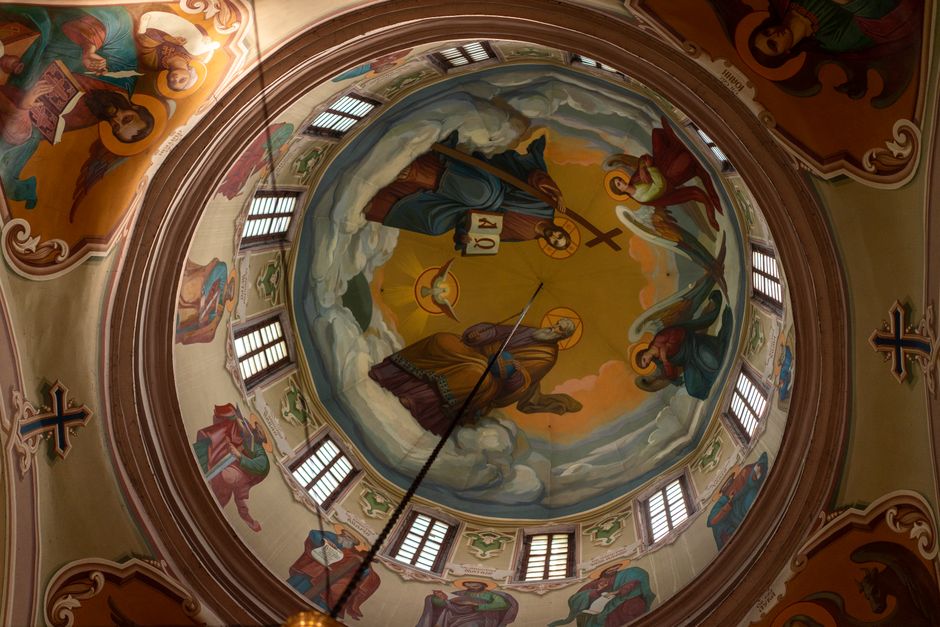
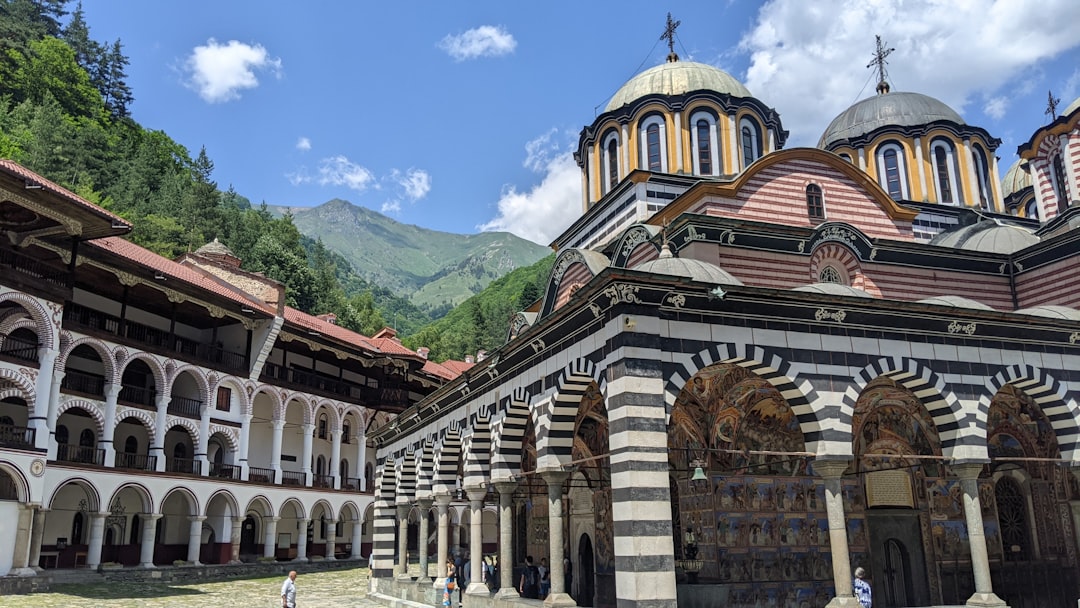
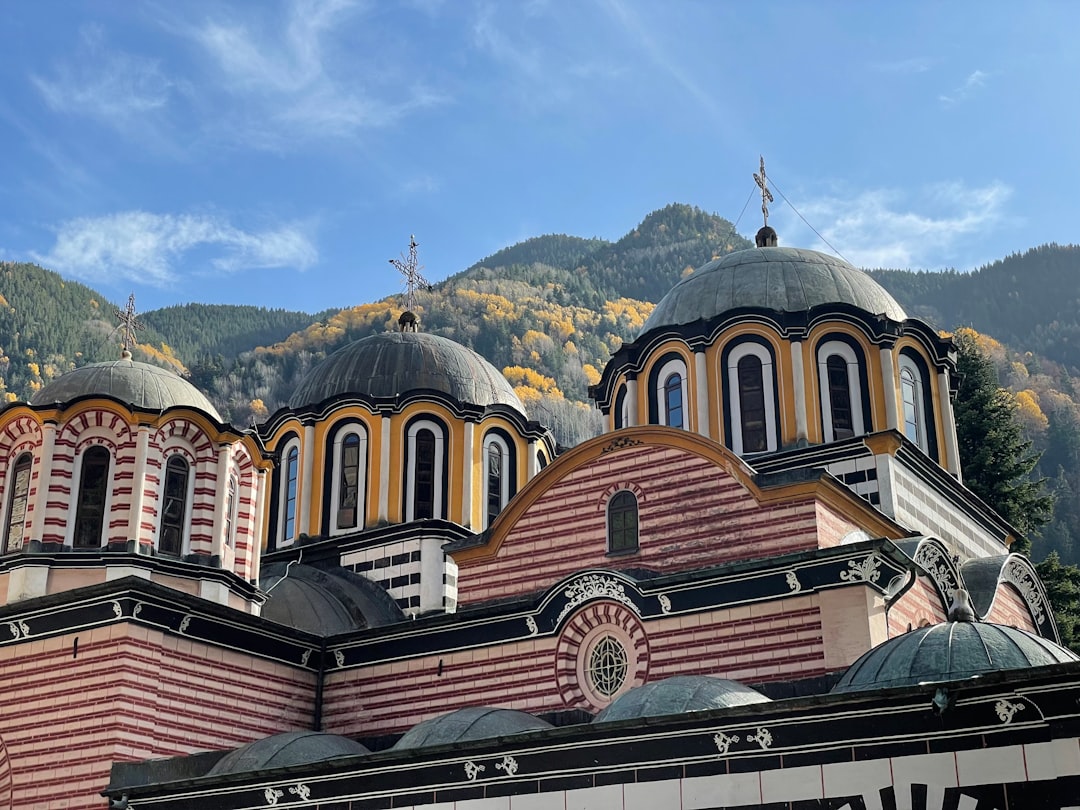
The Main Cathedral (Chapel of the Dormition) — This is the heart of the complex, a massive stone structure with a red-tiled roof that dominates the valley. Inside, the frescoes cover every available surface from floor to ceiling. The central dome features a majestic depiction of Christ Pantocrator, while the lower levels are filled with scenes from the Old and New Testaments. Entry to the monastery complex is 5 EUR for foreigners, which includes access to the main church and the museum. The best time to visit is early morning or late afternoon to avoid the tour buses. The light hits the gold leaf on the icons differently at these times, revealing details that are invisible in midday glare.
The Chapel of St. John the Theologian — Located just to the left of the main cathedral, this smaller chapel contains some of the most intimate and emotionally charged frescoes in the complex. The scale is smaller, the colors more muted, and the focus is on personal devotion rather than grand theological statements. The paintings here are less about public spectacle and more about private prayer. It's a quieter space, often overlooked by the main crowds.
The Monastery Museum — Housed in the former administrative buildings, the museum holds a vast collection of icons, manuscripts, and liturgical objects. The highlight is the collection of 19th-century icons painted by the same artists who worked on the frescoes. Seeing the portable icons alongside the wall paintings helps you understand the stylistic choices and the theological consistency of the Rila school. Entry is included in the main ticket.
The Wooden Church of St. Archangel Michael — Built in the 18th century, this is the oldest wooden church in Bulgaria. While it doesn't contain the famous frescoes, its presence is crucial to the spiritual narrative of the site. It represents the continuity of worship through the centuries, a physical link to the earlier, pre-Ottoman period. Standing in its shadow gives you a sense of the temporal depth of the monastery's history.
What to Eat & Drink
You can't talk about Rila Monastery without talking about the food. The monks are famous for their Rakia, a strong fruit brandy distilled from plums, apricots, or grapes. A small glass costs around 2-3 EUR and is potent enough to clear your sinuses in the cold mountain air. The monastery shop also sells homemade honey, jam, and cookies. The [strong>banitsa (phyllo pastry with cheese) is fresh, flaky, and costs about 3-4 EUR. It's the perfect fuel for the walk around the grounds.
For a full meal, you'll need to head to the nearby village of Rila, about 1.5 km away. There are several restaurants there offering traditional Bulgarian cuisine. A typical meal of shopska salad (4-5 EUR), grilled meat (8-12 EUR), and house wine will set you back around 15-20 EUR per person. The village is small, but the food is hearty and authentic. Don't expect fine dining; expect sustenance.
If you're on a tight budget, stick to the monastery shop. They sell simple sandwiches and pastries for 2-4 EUR. It's not gourmet, but it's cheap, clean, and supports the monastic community directly. The monks rely on donations and sales to maintain the complex, so spending your money there is a way to participate in the preservation of the site.
Nightlife
Let's be clear: there is no nightlife in Rila Monastery. This is a place of prayer, not partying. The monastery gates close at dusk, and the surrounding area is quiet. The nearest town with any semblance of nightlife is Samokov, about 15 km away. Samokov has a few bars and cafes, but it's a small mountain town, not a party destination. If you're looking for clubs, you'll need to go to Sofia, about two hours away.
The "nightlife" here is the silence. After the tourists leave, the monastery returns to its monastic rhythm. You can hear the monks chanting, the wind in the trees, and the distant sound of the river. It's a different kind of experience, one that requires patience and respect. If you stay overnight in one of the guesthouses in the village, you'll experience the true atmosphere of the Rila region: quiet, contemplative, and deeply connected to the natural world.
Getting There & What to Expect
The nearest major city is Sofia, the capital of Bulgaria. It's about 120 km from the monastery, a two-hour drive on a well-maintained road. Buses run regularly from Sofia's central bus station to Rila village, taking about 2.5 hours and costing around 5-7 EUR one way. From Rila village, it's a short walk or a local taxi ride (2-3 EUR) to the monastery.
If you're driving, the road is scenic but can be winding. In winter, you may need snow chains, as the area gets significant snowfall. Parking is available near the monastery entrance for 2-3 EUR. Accommodation in Rila village ranges from budget guesthouses (30-50 EUR per night) to mid-range hotels (60-100 EUR per night). The monastery itself offers simple guest rooms for visitors who want to stay closer to the spiritual center, but these book up quickly, especially during peak season.
The best time to visit is between May and October, when the weather is mild and the trails are accessible. Summer is crowded, so if you can, go in the shoulder seasons. Spring offers wildflowers, and autumn brings stunning foliage. Winter is beautiful but requires proper gear and caution.
Search accommodation in Rila on Booking.com →
The Weight of the Wall
I left Rila Monastery as the sun was setting, casting long shadows across the stone courtyard. The frescoes were fading into the dim light, but they hadn't disappeared. They were still there, layered in the plaster, waiting for the next morning, the next visitor, the next question. It's easy to dismiss these paintings as just old art. But they're not. They're a record of survival. They're a testament to the power of belief in the face of oppression. And they're a reminder that history isn't just written in books; it's painted on walls, one egg tempera stroke at a time.
You don't need to be Orthodox to understand the power of those walls. You just need to be willing to look. To read. To listen. The monks are still there, chanting, praying, living. The frescoes are still there, watching, waiting, speaking. The question is: are you listening?
Comments