


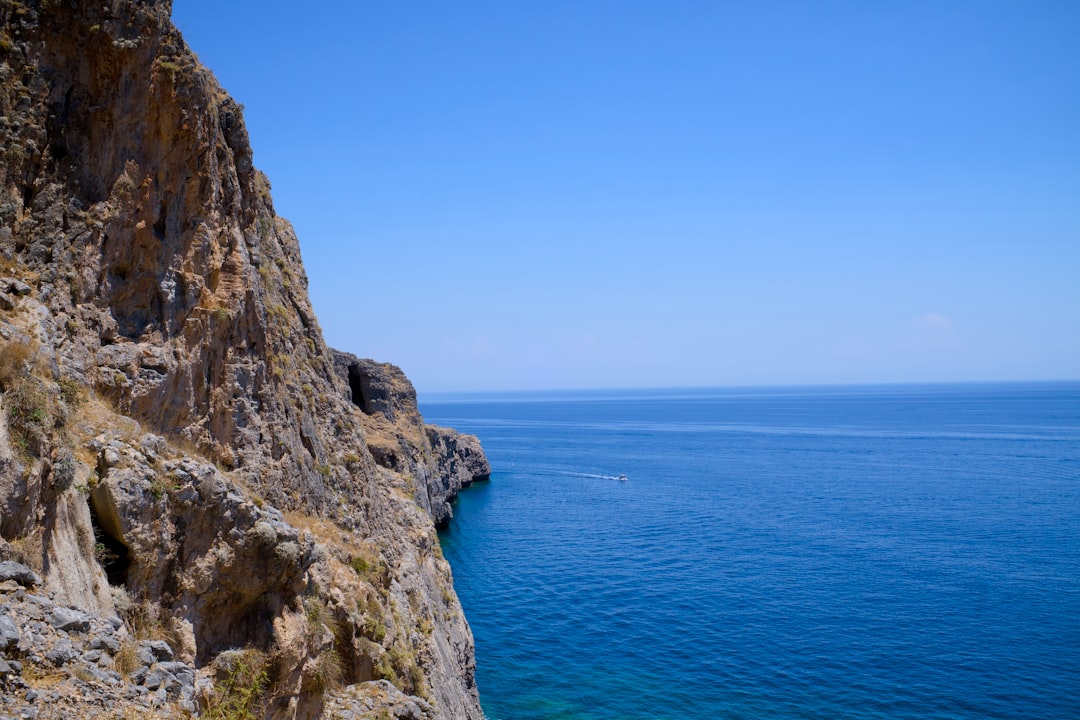
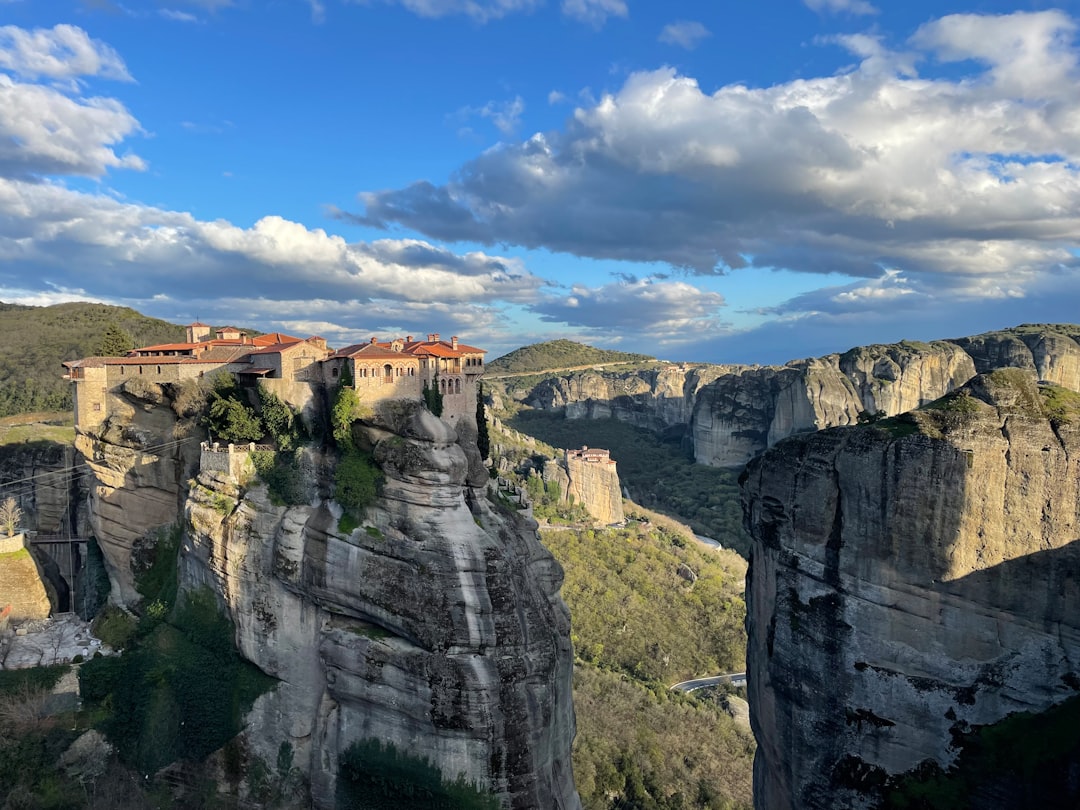
I am standing on a limestone plateau so high the clouds feel like a nuisance rather than a wonder, my lungs burning with the thin air and the sheer audacity of the climb. Below me, the Pindus Mountains Pindus Mountains sprawl like a crumpled grey blanket, but my eyes are locked on the monolithic rock pillars that pierce the sky like the fingers of a forgotten god. This is Meteora, a place that defies logic, engineering, and sanity. I have just finished hauling myself up a series of iron rungs bolted into the side of a rock face that looks ready to shears off at any second, clutching a backpack full of water and existential dread. The monks here don't just live in the sky; they have hijacked it. There is no elevator, no gentle slope, no tourist trap smoothness. Just raw, vertical stone and the echo of centuries of spiritual warfare against gravity.
The wind here doesn't blow; it attacks. It whips around the base of the rock pillars, carrying the scent of wild thyme and old stone. I meet a local guide, a gruff man with a beard that looks like it was carved from the same rock as the monasteries, who tells me that the first monks climbed these rocks with ropes made of vines and sheer will. He laughs, a dry, barking sound, and points to the modern metal stairs. "They thought they were building a ladder to heaven," he says. "Turns out, they just built the best view in Greece." I am here to find out if the climb is worth the terror, and if the silence at the top is as heavy as the history below.
History & Identity
Meteora is not just a collection of monasteries; it is a testament to human stubbornness. The name comes from the Greek word for "suspended in the air," and it fits perfectly. In the 14th century, hermits sought isolation from the Ottoman invasions and the noise of the world below. They chose the most inaccessible spots on earth: the tops of towering sandstone pillars that rise up to 400 meters from the plain. The first permanent monastery, Varlaam, was built in 1389, followed by Great Meteoro in 1396. These weren't just religious sites; they were fortresses. The monks lived in a state of constant vigilance, accessible only by rope baskets or retractable ladders that were pulled up at night.
The identity of Meteora is forged in this tension between the divine and the defensive. For centuries, these monasteries were centers of learning, art, and resistance. The frescoes inside are not just decorative; they are a visual language of faith, painted by masters who balanced on scaffolds hanging off cliffs. When the Ottomans tightened their grip, the monks fortified the entrances, turning the monasteries into impregnable strongholds. Today, that defensive posture has softened into a spiritual openness, but the sense of isolation remains. You don't just visit Meteora; you ascend to it, leaving the mundane world far below in the valley floor.
Where to Go
Great Meteoron Monastery — The largest and most famous of the monasteries, perched atop the highest pillar. It houses a vast collection of icons, manuscripts, and liturgical objects. The climb is steep, but the reward is a panoramic view that stretches to the edge of the world. Entry is 4 EUR for men; women are not allowed inside the main church. Best visited early in the morning to avoid the crowds and the midday heat.
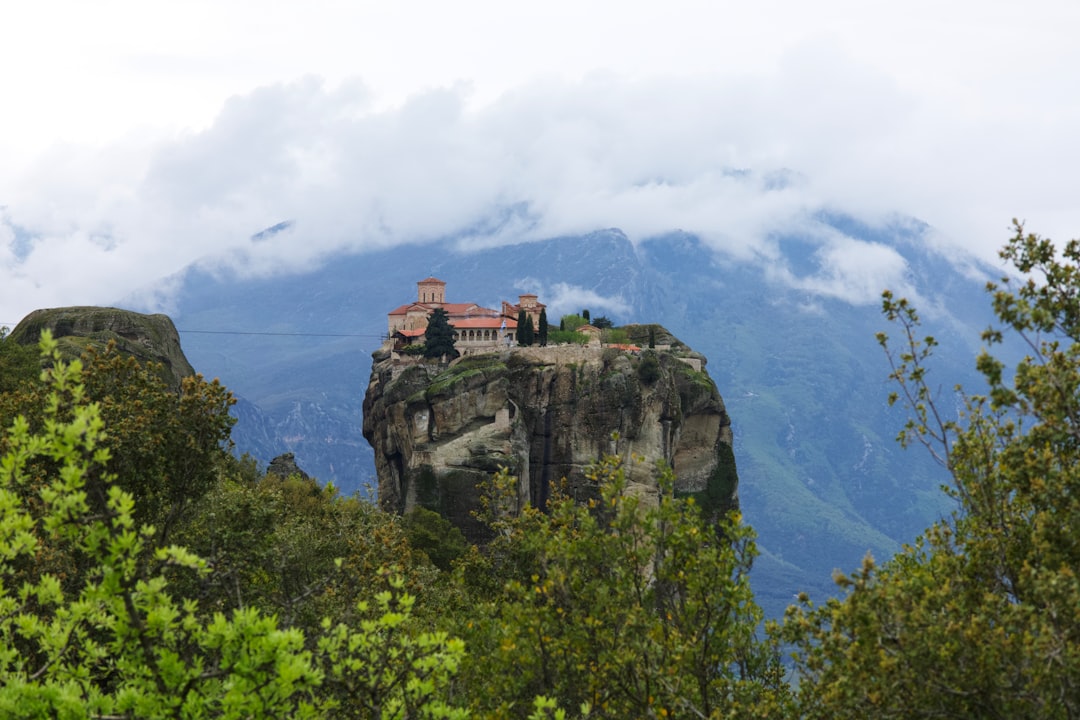
Varlaam Monastery — The oldest of the monasteries, known for its dramatic frescoes and the "Tomb of the Unknown Soldier" inside. The approach is less steep than Great Meteoron, but the interior is equally impressive. The monastery is open to both men and women, making it a more accessible option for all visitors. Entry is 4 EUR.
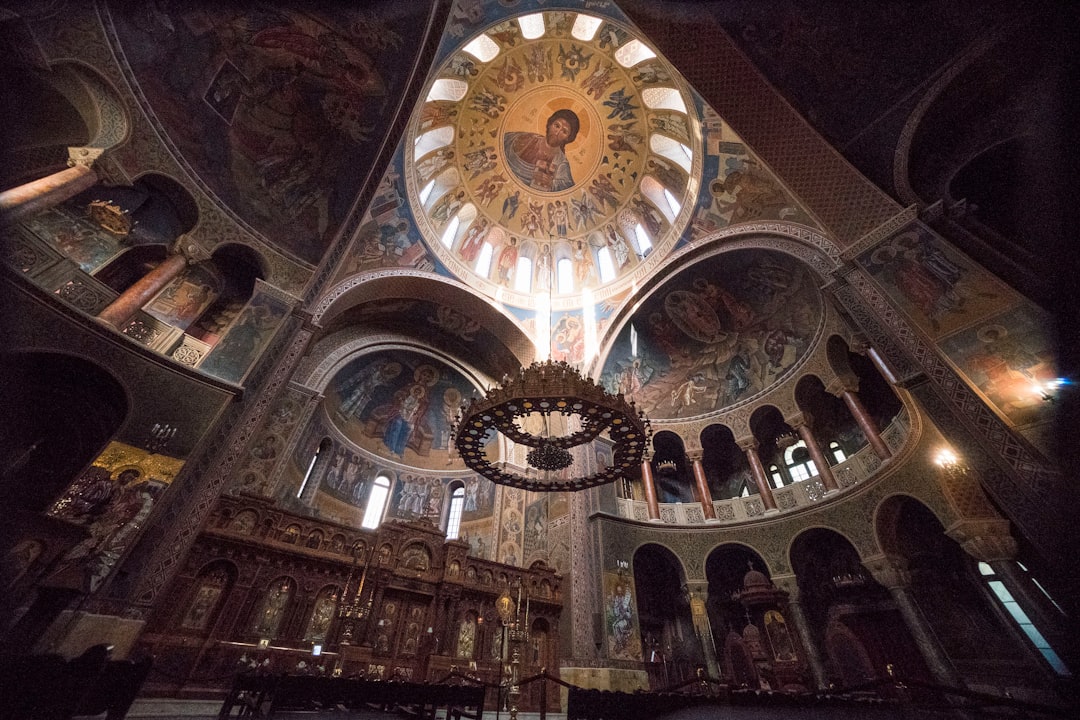
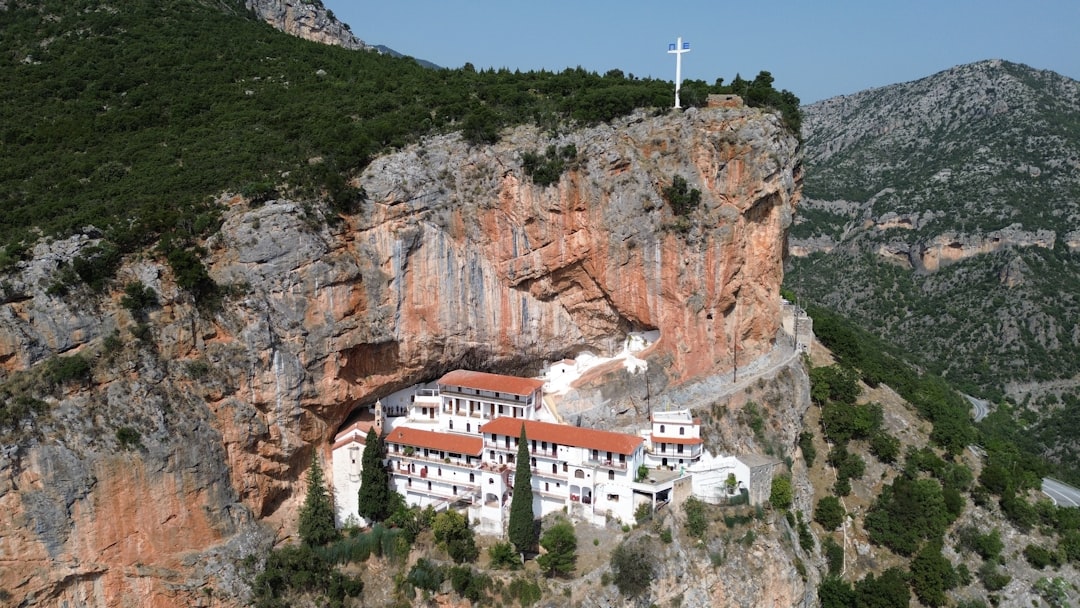
Agia Triada Monastery — This monastery is built into a cave at the base of a rock pillar, offering a unique architectural experience. The frescoes here are particularly vibrant, depicting scenes from the Old and New Testaments. The climb is short, but the atmosphere is intense and intimate. Entry is 4 EUR.
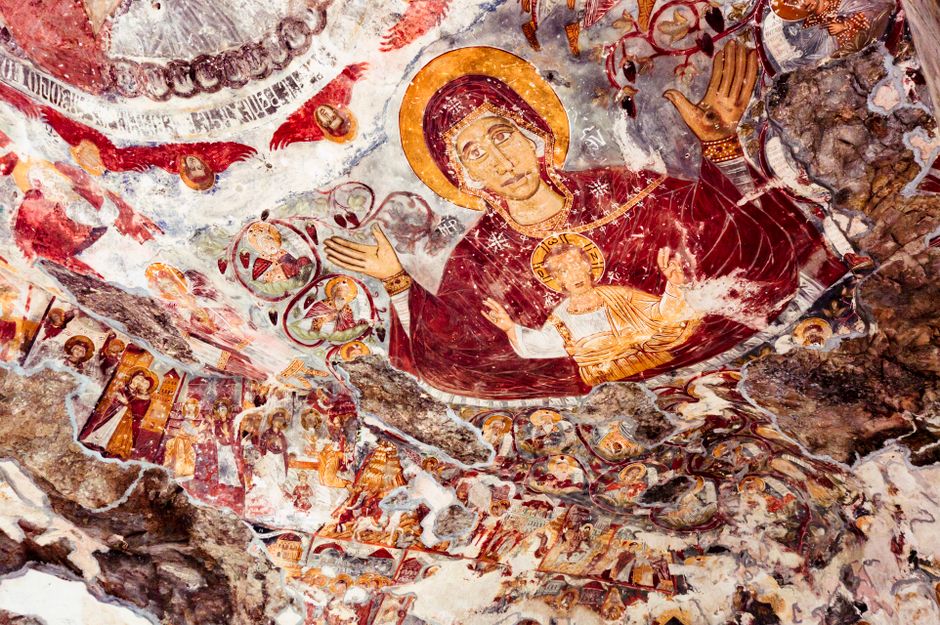
Roussanou Monastery — Founded in the 16th century, this monastery is known for its beautiful garden and the view of the surrounding rocks. The climb is moderate, and the interior is smaller but equally rich in history. Entry is 4 EUR.
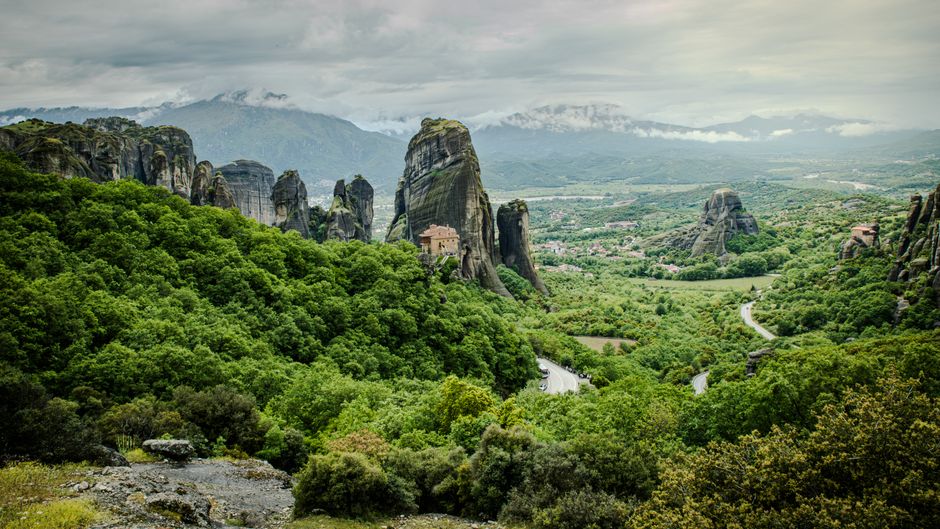
Stefanos Monastery — The smallest of the monasteries, but no less impressive. It is known for its collection of icons and the view of the valley below. The climb is steep, but the effort is rewarded with a sense of solitude and peace. Entry is 4 EUR.
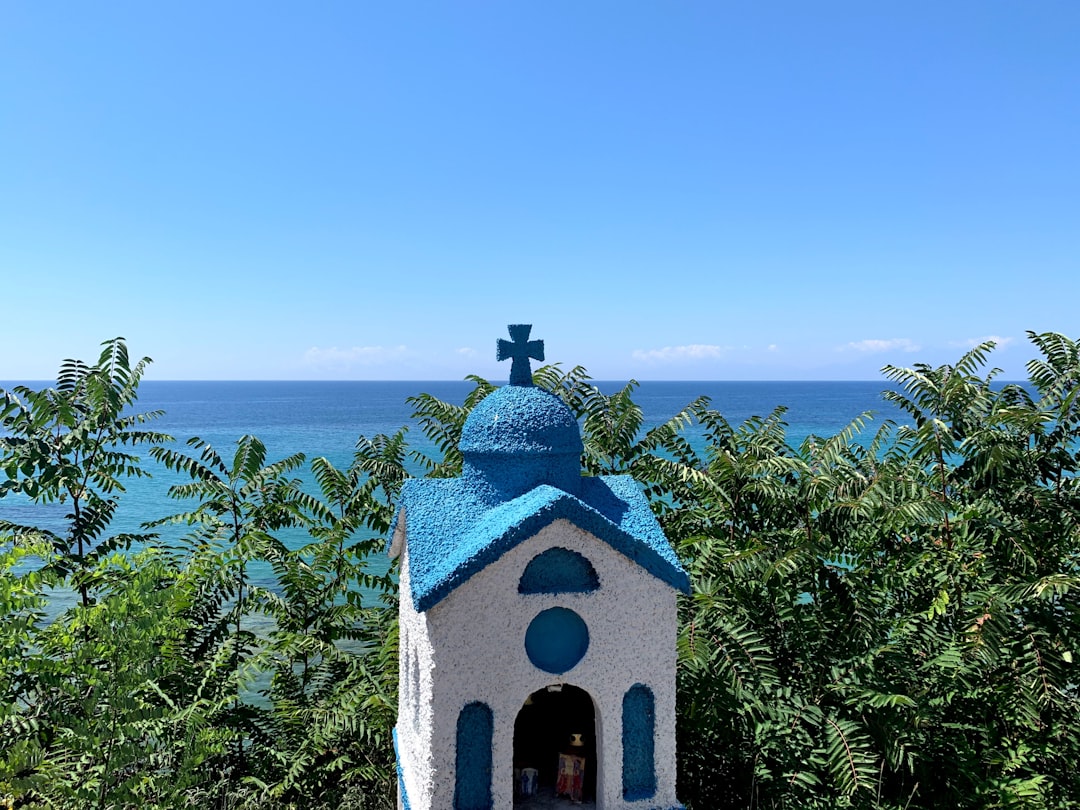
Prophet Elias Monastery — This monastery is perched on a narrow ledge, offering a breathtaking view of the surrounding landscape. The climb is challenging, but the reward is unparalleled. Entry is 4 EUR.
What to Eat & Drink
After the climb, you will need fuel. The local cuisine is hearty and simple, designed to sustain the monks and the workers who maintain the monasteries. Try trachana — a fermented wheat and tomato soup that is a local staple, typically 6-8 EUR per serving. For something lighter, go for mountain cheese — a crumbly, tangy cheese made from goat's milk, usually 4-6 EUR for a small plate. Don't miss the wild greens — seasonal vegetables foraged from the surrounding hills, often served with olive oil and lemon, around 5-7 EUR.
Budget breakdown: Street food or simple tavernas in Kalambaka will run you 8-12 EUR per meal for a main dish. Sit-down restaurants with a view of the rocks can cost 15-25 EUR per person. For budget travelers, there are several take-away spots near the bus station in Kalambaka where you can get a pita or a gyros for 3-5 EUR. The main market area in Kalambaka is a good place to find affordable options, with several small shops selling local products and ready-to-eat meals.

Nightlife
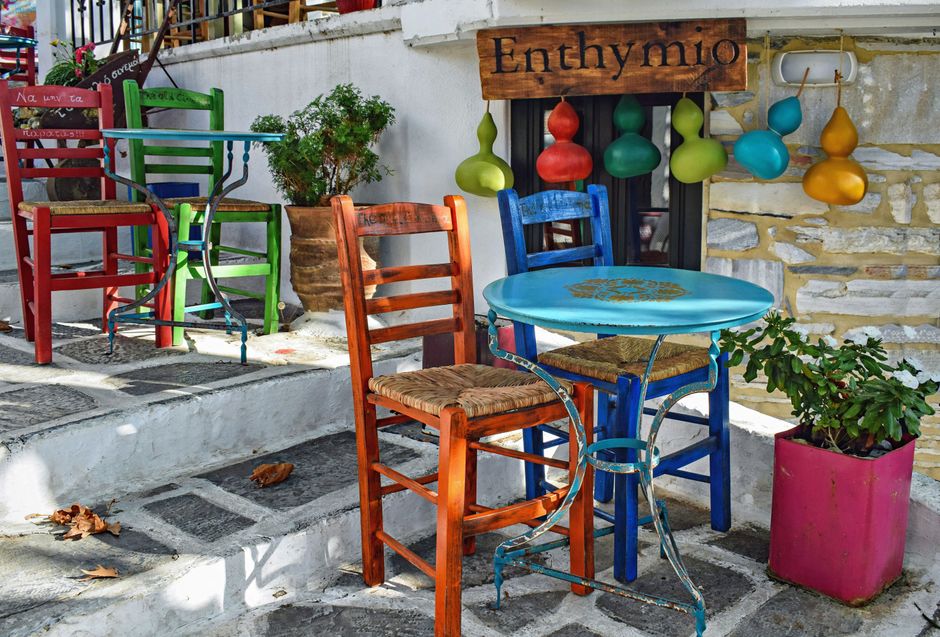
Metieora is not a nightlife destination. The monasteries close in the evening, and the towns of Kalambaka and Kastraki are quiet after dark. However, there are a few bars and cafes in Kalambaka where you can enjoy a drink and a view of the rocks. The main area is around the central square, with several small bars offering local wine and ouzo. The atmosphere is relaxed and friendly, with locals and tourists mingling. Expect to pay 3-5 EUR for a beer or 5-8 EUR for a glass of wine. There are no clubs or loud music venues, so if you are looking for a party scene, you will need to head to Thessaloniki or Athens.
Getting There & What to Expect
The nearest major city is Thessaloniki, about 250 km away. You can reach Kalambaka by train from Thessaloniki, with a journey time of about 3 hours and a cost of 15-20 EUR. From Athens, the train takes about 4 hours and costs 25-30 EUR. Alternatively, you can take a bus from either city, with similar travel times and costs. Once in Kalambaka, you can take a local bus to the monasteries, which runs regularly during the day and costs 2-3 EUR per ride. You can also rent a car or bike to explore the area at your own pace.
Accommodation in Kalambaka ranges from budget hostels at 20-40 EUR per night to mid-range hotels at 50-80 EUR per night. There are also several guesthouses and apartments available for rent. The best time to visit is during the spring (April to June) or autumn (September to October), when the weather is mild and the crowds are smaller. Summer can be hot and crowded, while winter can be cold and snowy, with some monasteries closed for maintenance.
Search accommodation in Kalambaka on Booking.com →
What to expect: Prepare for a lot of climbing. The monasteries are not accessible by car, and the paths can be steep and uneven. Wear comfortable shoes and bring water. The monasteries are open to visitors, but dress modestly — shoulders and knees must be covered. Women are not allowed inside the main churches of some monasteries, but they can still visit the other areas and enjoy the views. The atmosphere is respectful and quiet, so keep your voice down and avoid flash photography.
The View from the Edge
I am sitting on the edge of the Great Meteoron Monastery, my legs dangling over a drop that would make a bird nervous. The sun is setting, painting the rocks in shades of orange and purple. Below me, the town of Kalambaka is a blur of lights, but up here, there is only the wind and the silence. I think about the monks who climbed these rocks centuries ago, seeking God in the sky. They found it, I suppose, but I think they also found something else: a sense of freedom that comes from being above it all. Meteora is not just a place to visit; it is a place to feel. To feel small, to feel alive, and to feel the weight of history pressing down on your shoulders. It is a place that will stay with you long after you have descended back to the earth.
Comments