


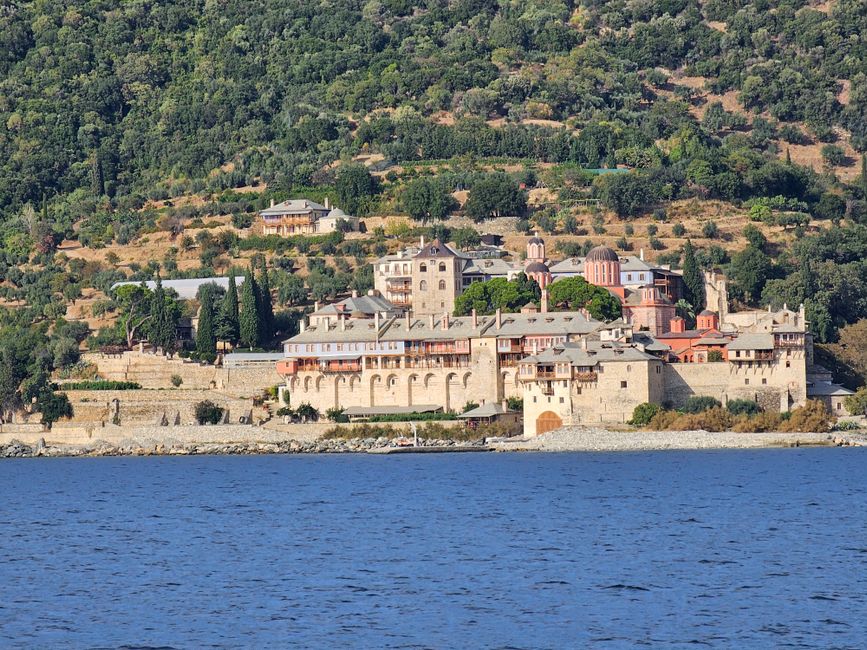
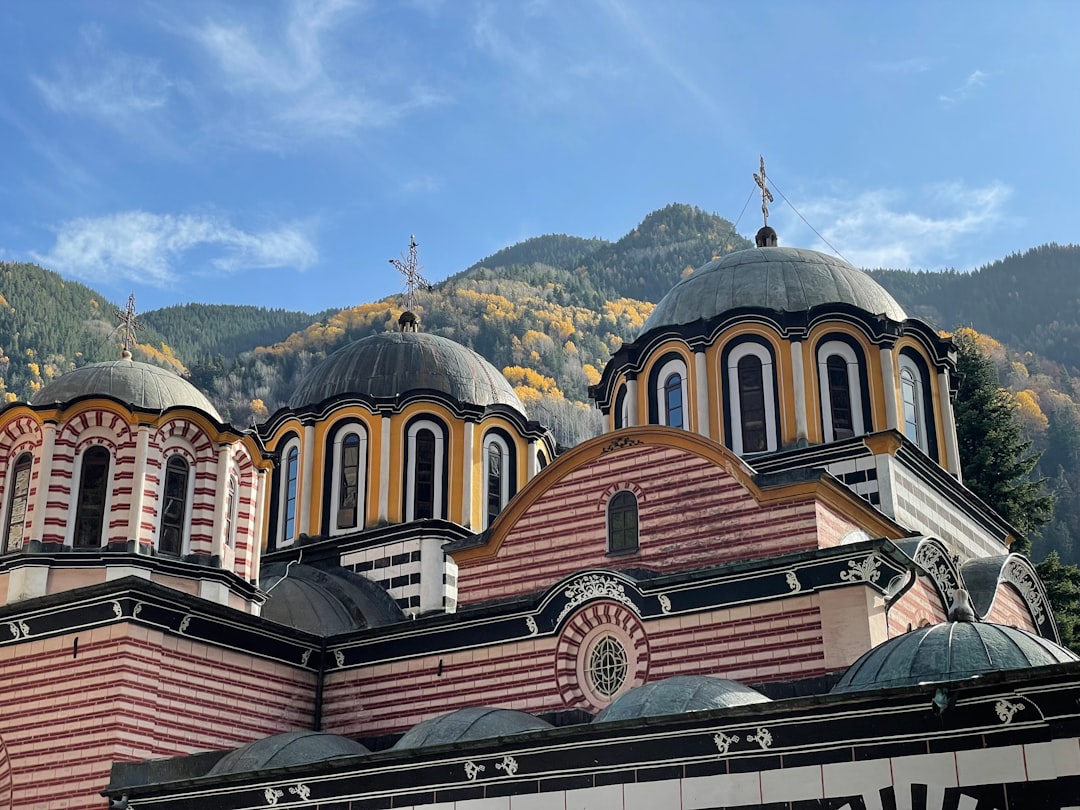
The ferry from Ouranoupoli to Dafni cuts through water so dark it looks like spilled ink, and the air smells of diesel and ancient incense. I'm standing on the deck with a crumpled paper in my hand — the diamonitirion, the holy permit that lets me step foot on the Autonomous Monastic State of the Holy Mountain. Without it, I'm just another tourist staring at a forbidden peninsula. Around me, a mix of wide-eyed backpackers and solemn pilgrims grip the railing, waiting to see the walls of Mount Athos rise from the mist. This isn't just a trip; it's a bureaucratic pilgrimage. You don't just "visit" Athos. You apply, you wait, and you hope the monks grant you passage into a world that has turned its back on the 21st century. The first thing you notice isn't the Byzantine domes or the cedar forests; it's the silence. The hum of modern life dies the moment the ferry dock gates close behind you. You are now in a theocracy where women and female animals are banned, where Wi-Fi is a sin, and where time moves at the pace of a chanting choir. It's raw, unfiltered, and utterly exhausting in the best possible way.
Getting here feels like solving a puzzle designed by a medieval monk with a grudge. There are no airports on the peninsula. No Uber. No Amazon deliveries. If you want to walk the cobblestones of the twenty monasteries, you have to navigate a labyrinth of permits, ferries, and strict itineraries. This guide isn't about the spiritual enlightenment you might find here — that's up to you. It's about the logistics. How do you actually get the permit? Which ferry should you take? Where do you sleep when you can't just book an Airbnb? If you're planning to step into this autonomous republic, read this carefully. One wrong move, and you're back on the ferry before you've even seen a fresco.
The Permit: Your Golden Ticket
The most critical part of your Athos journey happens months before you even pack your bags. You cannot walk into a monastery without a diamonitirion, a special visa issued by the Greek Ministry of Culture and Sports. This isn't a standard tourist visa; it's a controlled access pass. You can apply through the Greek Ministry's website or through your country's Greek consulate. The process is notoriously slow. Applications often take weeks, sometimes months, to process. Do not wait until the last minute. If you're traveling on short notice, your only hope is to arrive in Thessaloniki or Ouranoupoli and hope for a walk-in permit, which is rarely granted and usually only for those who arrive early in the morning with no prior booking.
The permit is valid for three consecutive days and allows you to stay in up to two monasteries. You must specify which monasteries you want to visit on your application. Once approved, you receive a paper document that you must carry with you at all times. Monks check it at every gate. Lose it, and you're stuck. The permit is free, but the bureaucracy is real. Make sure your passport is valid for at least six months beyond your travel dates. If you're a woman, forget it. The ban on women (and female animals) has been in place since the 10th century, and it's strictly enforced. Even female insects are technically supposed to be exterminated upon arrival, though the monks are usually too kind to actually hunt down a mosquito.
If you're denied a permit, don't panic. You can still visit the monasteries from the outside. The ferry to Dafni is still worth the trip for the views, and you can explore the port town of Dafni, which serves as the gateway to the peninsula. But to truly experience the monastic life, to eat the communal meals and hear the midnight chants, you need that paper. Start your application early, be patient, and respect the process. This isn't a democracy; it's a theocracy, and they run things their way.
Getting to the Peninsula: Ferries and Flights
There is only one way to enter Mount Athos by land: the ferry from Ouranoupoli to Dafni. The journey takes about 45 minutes, and ferries run several times a day, depending on the season. The last ferry back to the mainland usually leaves in the late afternoon, so plan your return carefully. If you miss it, you're stuck until the next morning, and options for overnight stays in Dafni are limited. Most travelers fly into Thessaloniki Airport, which is about 90 kilometers from Ouranoupoli. From the airport, you can take a bus or a taxi to Ouranoupoli. The bus takes about 2-3 hours and costs around 15-20 EUR. Taxis are more expensive, around 100-120 EUR, but they offer a direct ride to the port.
Once you're in Ouranoupoli, you can buy ferry tickets at the port office. Tickets are cheap, around 10-15 EUR one way, but they can sell out during peak season (July and August). It's wise to book in advance if possible. The ferry terminal in Ouranoupoli is small and efficient, but expect some waiting time, especially if you're traveling with a large group. The ride to Dafni is scenic, with views of the monasteries perched on the cliffs. As the ferry approaches the port, you'll see the guards checking permits. Have your diamonitirion and passport ready. The guards are strict, and they don't take kindly to tourists who haven't done their homework.
From Dafni, you can take a local bus or a taxi to your first monastery. The buses run on a fixed schedule, so check the times before you arrive. Taxis are available but expensive, around 10-20 EUR per trip between monasteries. Most pilgrims prefer to walk or take the bus, as it's a chance to soak in the atmosphere of the peninsula. The roads are narrow and winding, with stunning views of the Aegean Sea. Just be careful; the monks drive fast, and they don't like to be interrupted by tourists taking photos.
Monastery Logistics: What to Expect
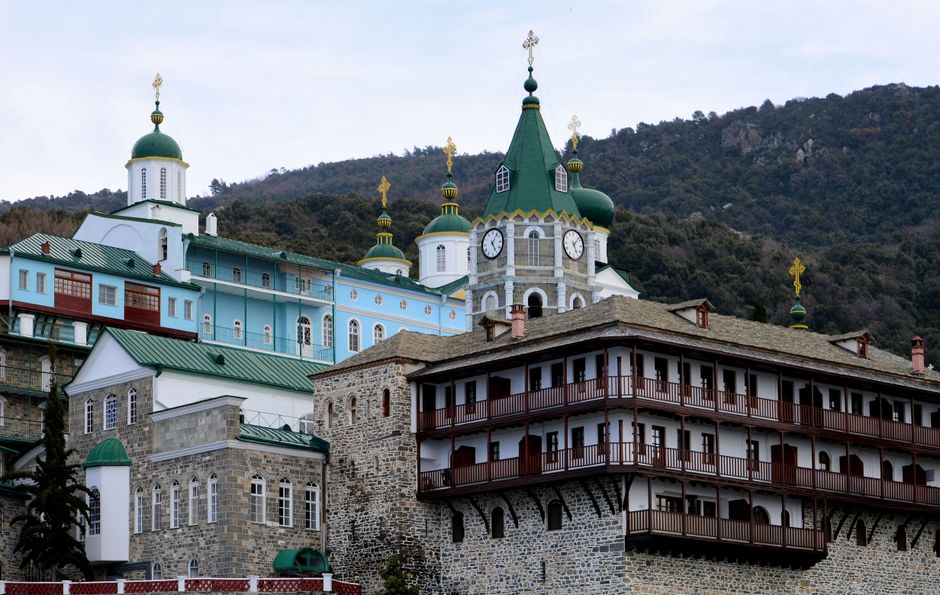
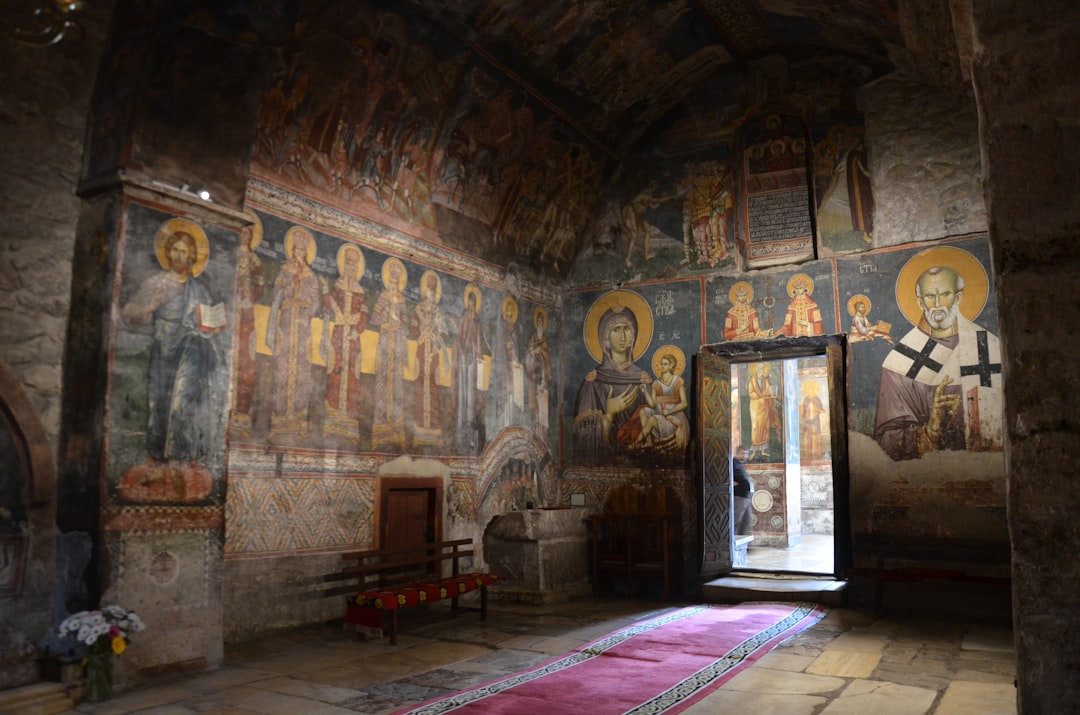
Each of the twenty monasteries on Mount Athos has its own rules, customs, and schedule. Some are open to visitors for a few hours a day, while others are more secluded. When you arrive, you'll be greeted by a monk who will check your permit and assign you a room. Accommodation is basic — a small cell with a bed, a chair, and a window. There's no Wi-Fi, no TV, and often no private bathroom. You'll eat in the communal dining hall, known as the trapeza, where silence is observed during meals. The food is simple but hearty: vegetables, fish, eggs, and bread. Meat is rarely served, and alcohol is prohibited. If you have dietary restrictions, inform the monks when you arrive, but be prepared for limited options.
The daily schedule is dictated by the liturgical hours. You'll wake up early for morning prayers, often before dawn, and spend the day attending services, working in the monastery gardens, or copying manuscripts. Afternoon is usually reserved for rest or personal prayer. Evening brings more chanting, followed by a light dinner. The nights are quiet, with the only sound being the wind in the trees and the distant bells. It's a stark contrast to the modern world, and it can be disorienting at first. But it's also deeply peaceful. Many visitors find that the simplicity of monastic life is refreshing, a chance to disconnect from the noise and stress of everyday life.
Respect is key. Dress modestly — long sleeves and long pants for men, and no shorts or tank tops. Remove your shoes before entering churches. Keep your voice low, and avoid taking photos without permission. The monks are hospitable, but they value their privacy and their traditions. Don't try to bribe your way into restricted areas or ask for special treatment. This isn't a hotel; it's a working monastery. The monks are busy with prayer, work, and hospitality, and they don't have time for tourists who don't respect their way of life. If you're lucky, you might be invited to join the choir during a service, but this is rare and usually reserved for those who have been invited by the abbot.
Where to Eat & Drink
Food on Mount Athos is a communal experience, not a culinary adventure. You won't find trendy cafes or gourmet restaurants here. The meals are served in the trapeza, where monks and guests sit together in silence. The menu is simple: seasonal vegetables, legumes, fish, eggs, and bread. Fruit is often served as a dessert. Alcohol is prohibited, but you'll be offered water, tea, or herbal infusions. If you have dietary restrictions, such as allergies or vegetarianism, inform the monks when you arrive. They will do their best to accommodate you, but options are limited. Don't expect gluten-free or vegan menus; this is traditional Orthodox fasting food.
For budget travelers, the monastery meals are included in your accommodation fee, which is usually a donation. The expected donation varies by monastery, but 10-20 EUR per night is a reasonable guideline. Some monasteries may ask for more, especially if you're staying in a private cell. If you're staying in a guesthouse in Dafni, meals are more expensive, around 5-10 EUR per meal. There are a few small tavernas in Dafni that serve local dishes, such as grilled fish, moussaka, and fresh salads. These are good options if you want a break from the monastic diet, but be prepared for higher prices and limited seating.
Water is available everywhere, but it's best to bring your own reusable bottle. Tap water is safe to drink, but it's hard and may not taste great. You can buy bottled water in Ouranoupoli or Dafni, but it's expensive, around 1-2 EUR per bottle. If you're staying in a monastery, you'll be provided with water, but it's polite to bring your own bottle to reduce waste. Coffee is a staple, but it's served strong and black. If you need sugar or milk, bring your own. The monks don't cater to Western tastes, and they expect you to adapt to their way of life.
Nightlife and After Hours
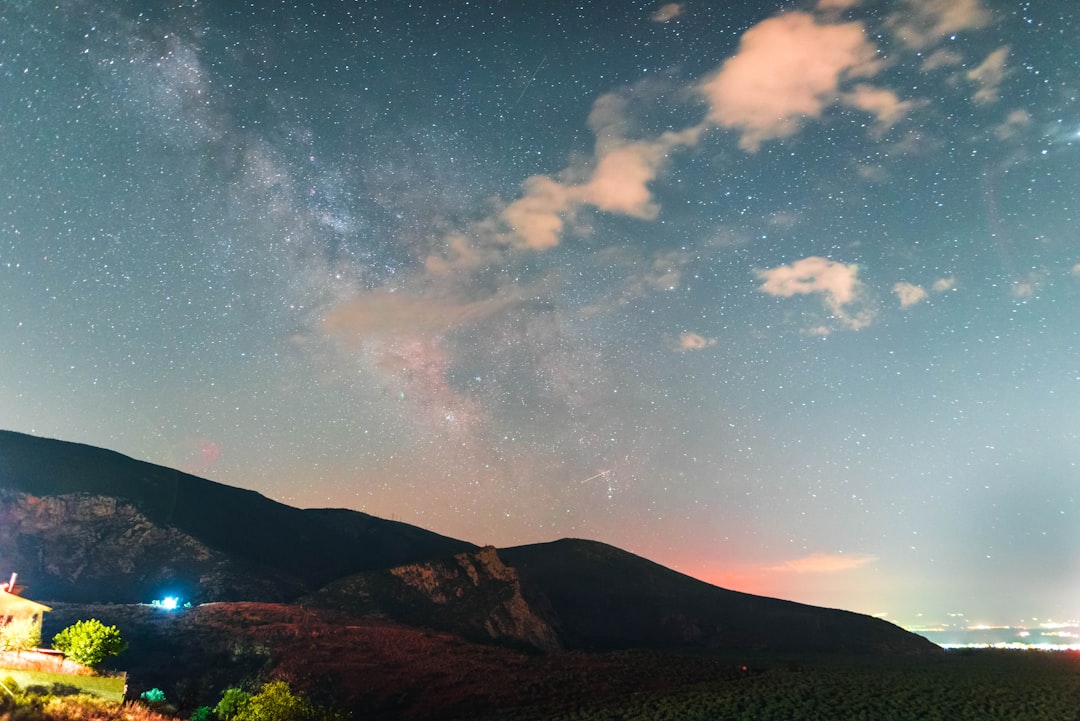
Let's be clear: there is no nightlife on Mount Athos. No clubs, no bars, no late-night parties. The peninsula is a place of prayer and silence, and the lights go out early. Most monasteries lock their gates at night, and you're expected to be in your cell by curfew, which is usually around 10 PM. If you're staying in a guesthouse in Dafni, you might find a small bar or a taverna that stays open late, but it's quiet and reserved. The "nightlife" here is the sound of the wind in the pines and the distant chanting of the monks. It's not for everyone, but it's a unique experience.
If you're looking for entertainment, you'll have to wait until you return to the mainland. Thessaloniki is a vibrant city with a lively nightlife scene, but it's a world away from the silence of the Holy Mountain. On Athos, the focus is on introspection and spiritual growth. There are no distractions, no screens, no noise. Just you, the monks, and the ancient traditions that have been passed down for centuries. It's a chance to slow down, to listen, and to reflect. For some, it's a revelation. For others, it's a challenge. But for all, it's a memory that will last a lifetime.
Don't expect to find a place to dance or drink on Mount Athos. The monks are serious about their faith, and they don't tolerate frivolity. If you're looking for a party, go to Mykonos or Athens. If you're looking for peace, come to Athos. The contrast is stark, and it's part of the appeal. This isn't a vacation; it's a pilgrimage. And pilgrimages aren't about fun; they're about transformation. You might not find a club here, but you might find yourself.
Getting There & What to Expect
Getting to Mount Athos requires planning and patience. The nearest major city is Thessaloniki, which is well-connected by air and rail to the rest of Europe. From Thessaloniki, you can take a bus or a taxi to Ouranoupoli, the port town where the ferries to Dafni depart. The bus takes about 2-3 hours and costs around 15-20 EUR. Taxis are more expensive, around 100-120 EUR, but they offer a direct ride to the port. Once you're in Ouranoupoli, you can buy ferry tickets at the port office. Tickets are cheap, around 10-15 EUR one way, but they can sell out during peak season. It's wise to book in advance if possible.
Accommodation on Mount Athos is limited to monasteries and guesthouses in Dafni. Monastery stays are basic, with shared bathrooms and simple meals. The cost is usually a donation, around 10-20 EUR per night. Guesthouses in Dafni are more comfortable, with private rooms and en-suite bathrooms, but they're more expensive, around 30-50 EUR per night. Camping is not allowed on the peninsula, so you'll need to book a room in advance. If you're staying in a monastery, be prepared for a strict schedule and limited amenities. There's no Wi-Fi, no TV, and often no private bathroom. It's a chance to disconnect from the modern world and focus on your spiritual journey.
The best time to visit Mount Athos is during the spring (April to June) or the fall (September to October), when the weather is mild and the crowds are smaller. Summer is hot and crowded, and winter can be cold and snowy. The monasteries are open year-round, but some may close during the winter months. Check with the monastery before you book your stay. If you're traveling on a budget, consider staying in a guesthouse in Dafni and visiting the monasteries during the day. This is a cheaper option, but it means you'll miss out on the communal meals and the midnight chants. It's a trade-off, but it's a viable option for those who can't afford a full monastery stay.
Search accommodation in Ouranoupoli on Booking.com →
The Final Silence
As the ferry pulls away from Dafni, heading back to the mainland, I stand at the railing, watching the monasteries shrink into the distance. The silence that followed me off the peninsula feels heavier now, weighted with the realization that I've just left a world that doesn't care about my deadlines, my emails, or my social media feeds. For three days, I lived by the bell, not the clock. I ate what was given, slept when I was tired, and prayed when I was told. It wasn't easy. It was boring, exhausting, and utterly liberating. The monks didn't try to convert me; they just lived their lives with a intensity that made my own feel shallow. I didn't find God on Mount Athos, but I found a version of myself that I'd lost somewhere between college and my first corporate job. And that, I think, is the real permit. Not the paper in my pocket, but the willingness to step into a world that refuses to move faster than necessary.
Comments