


The air inside the treasury doesn't smell like old paper. It smells like beeswax, iron, and centuries of incense smoke that has soaked into the stone walls. I'm standing in a room where the temperature feels lower than the rest of the complex, my breath visible for a split second. Behind thick glass and steel grating, a silver chalice from the 15th century catches the dim light. A local guide, a woman with sharp eyes and a voice that drops to a whisper, tells me this isn't just a museum. It's the survival kit of a nation. She points to a gold-embroidered vestment, its threads still vibrant despite the weight of history. "When the Ottomans took everything else," she says, "they couldn't take what you hide in the walls." The weight of that statement hits harder than the altitude. This isn't a tourist stop. It's a fortress of memory.
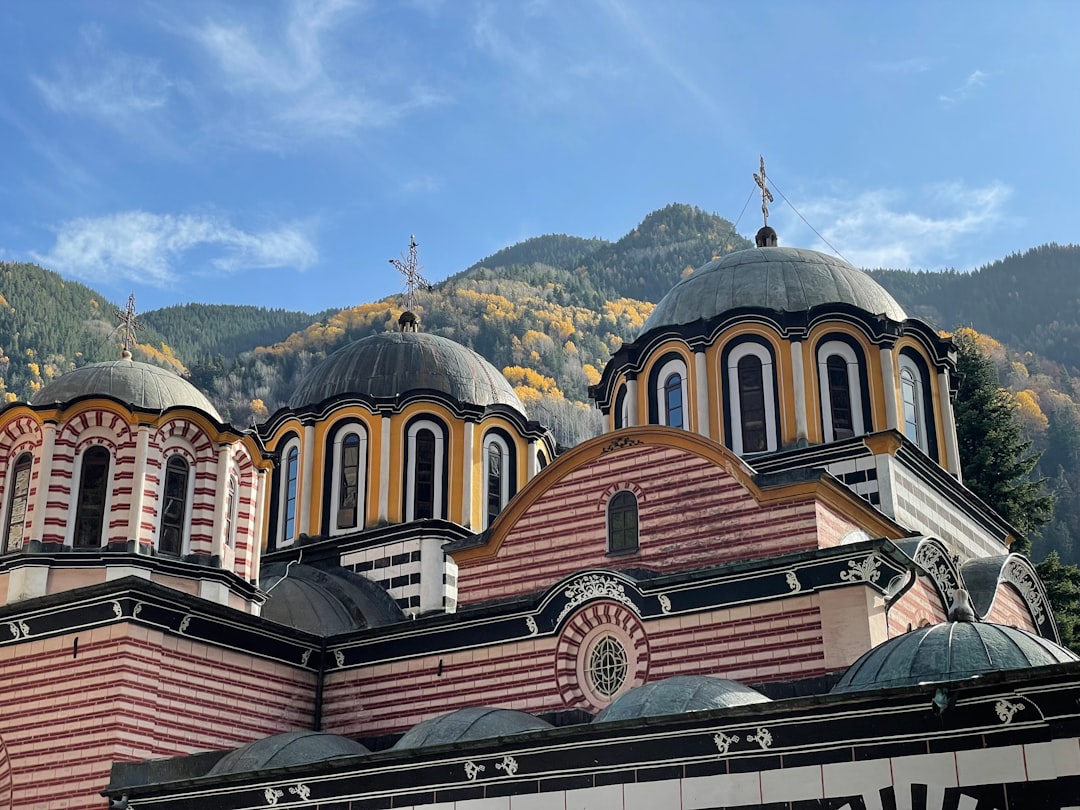
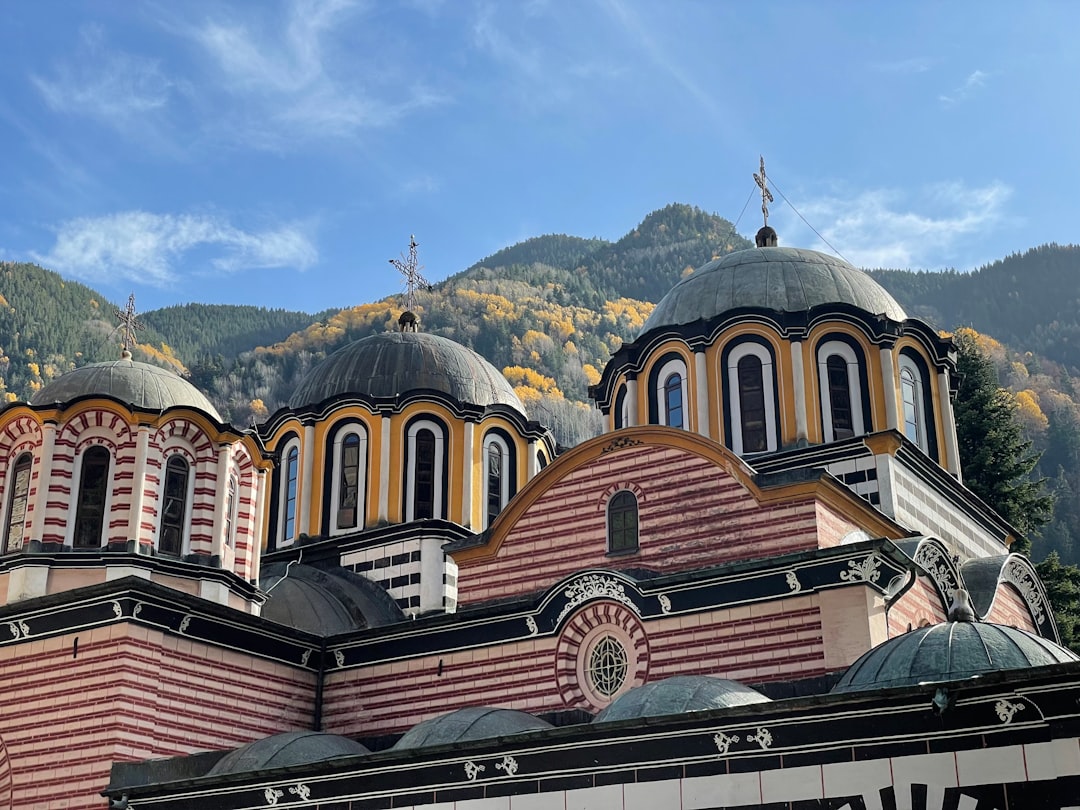
Walking out of the vault, the sun hits the colorful frescoes of the main church, blindingly bright after the darkness of the treasury. The contrast is jarring. Outside, hundreds of tourists snap photos of the onion domes. Inside that small room, I felt the pulse of a people who refused to disappear. The treasury at Rila Monastery isn't just a collection of objects. It's a timeline of resistance, faith, and craftsmanship that spans seven centuries. To understand Bulgaria, you don't just look at the landscape. You look at what they saved.
History & Identity
The story of Rila Monastery begins in the 10th century with St. John of Rila, a hermit who retreated to the mountains to seek solitude. He didn't build a palace. He dug a cave. But that cave became the seed for the largest and most famous monastery in Bulgaria. Over the centuries, the complex was destroyed, rebuilt, burned, and restored. It survived the Ottoman occupation, not by fighting, but by becoming a sanctuary for Bulgarian culture. While the country was under foreign rule, the monastery became a school, a printing house, and a bank. The treasury you see today is the physical proof of that survival.
The current structure is largely the work of Master Haralampie and other artisans from the 19th century, during the Bulgarian National Revival. This was a time when the monastery became a symbol of national identity. The treasury was expanded to hold the gifts of wealthy merchants, nobles, and even the Russian Tsar. These weren't just donations. They were investments in the Bulgarian soul. When Bulgaria was liberated in 1878, the monastery had already preserved the language, the liturgy, and the art that would rebuild the nation. The treasury holds the keys to that identity.
The complex itself is a military-style fortress. High walls, towers, and narrow gates were designed to keep invaders out. For centuries, monks and civilians hid here during wars and uprisings. The treasury was often moved, hidden in false walls, or buried underground. What survived is not just valuable. It's miraculous. The history here isn't written in books. It's written in silver, gold, and icon paint.
Where to Go
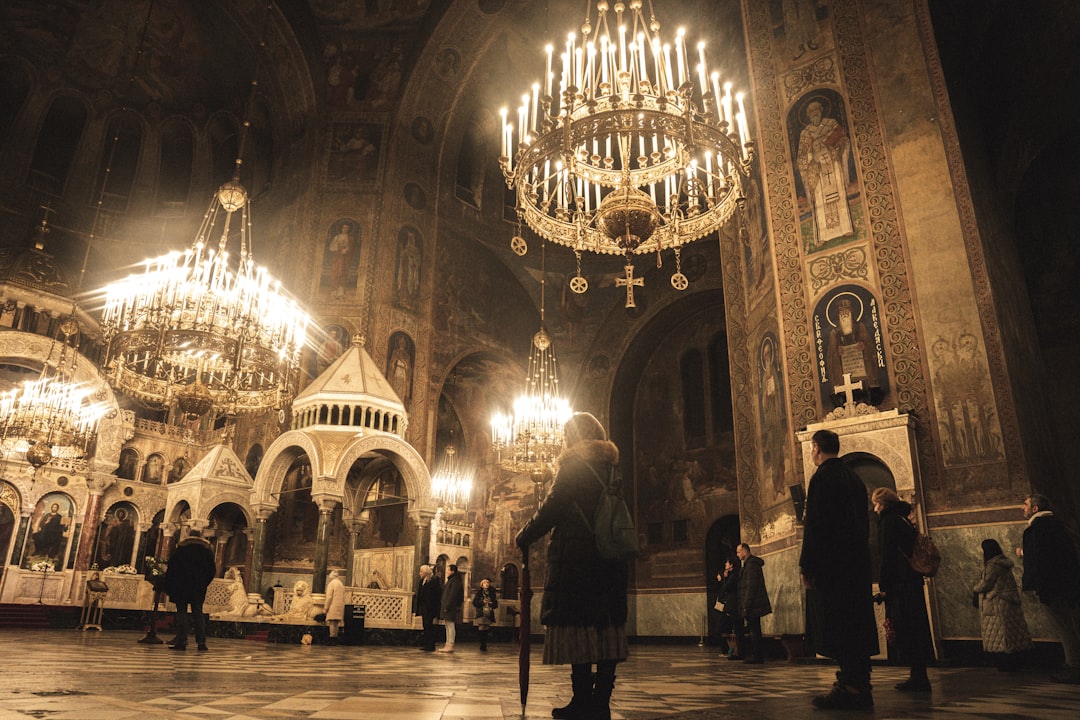
The Main Church of the Dormition of the Theotokos — The heart of the complex. Built in the 19th century, its exterior is a riot of colorful frescoes depicting biblical scenes, saints, and even Ottoman soldiers. The interior is equally stunning, with a massive dome and intricate woodwork. The treasury is located within the church complex. Entry to the church is included in the general admission ticket, but the treasury requires a separate fee. Best visited early in the morning to avoid the largest crowds.
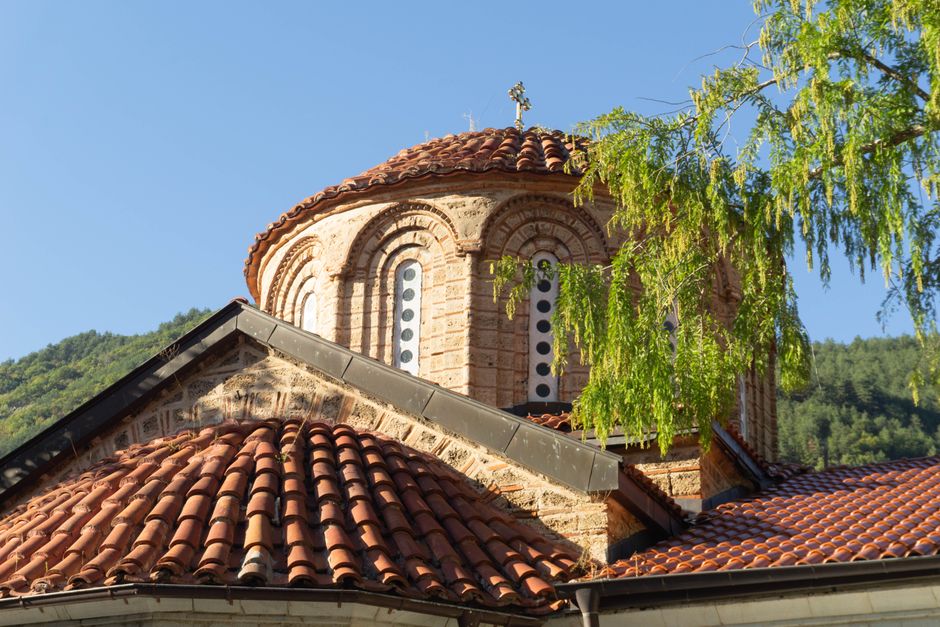
The Treasury Museum — A dedicated space within the monastery walls housing over 3,000 artifacts. Expect to spend at least an hour here. The collection includes liturgical vessels, textiles, manuscripts, and icons. Highlights include the silver throne of the bishop, gold-embroidered vestments, and rare 14th-century manuscripts. The guides here are knowledgeable and speak fluent English. Don't rush. The details in the embroidery alone can take hours to appreciate. Separate ticket required.
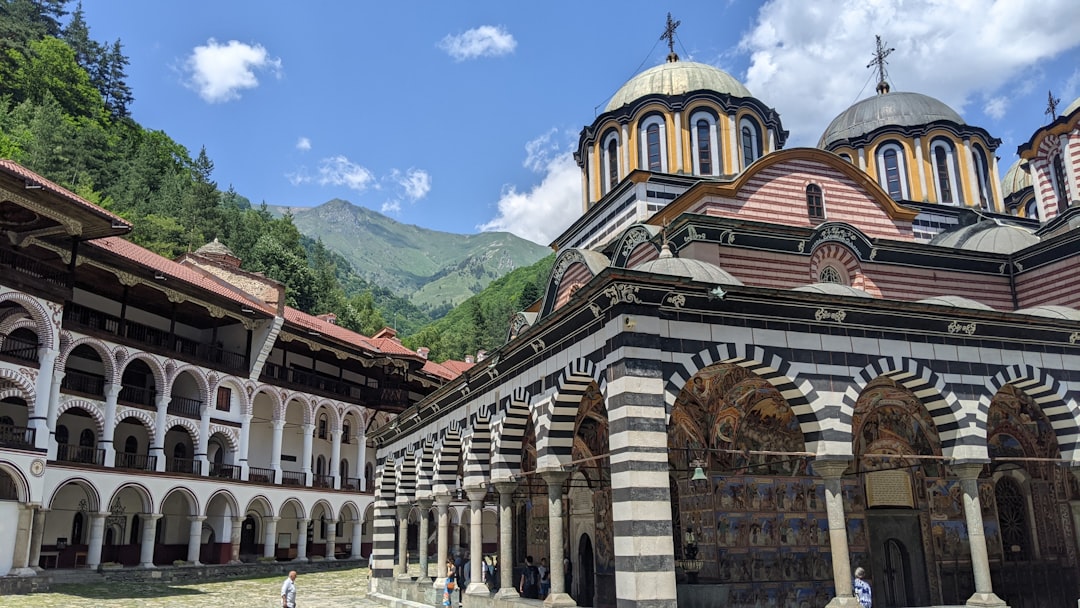
The Refectory — A vast hall where monks and pilgrims once ate. Today, it houses a museum of religious art and historical objects. The ceiling is adorned with frescoes, and the walls display icons and liturgical items. It's a quieter spot than the main church, offering a chance to reflect. The acoustics are remarkable, and you can almost hear the echoes of past gatherings. Good spot for a break from the crowds.
The Bell Tower — The tallest structure in the complex, standing at 55 meters. You can climb the stairs to the top for a panoramic view of the monastery and the surrounding Rila Mountains. The bells themselves are massive, with the largest weighing over 10 tons. The view is worth the climb, especially on a clear day. The air is thinner up here, and the silence is profound. Entry fee applies for the tower.
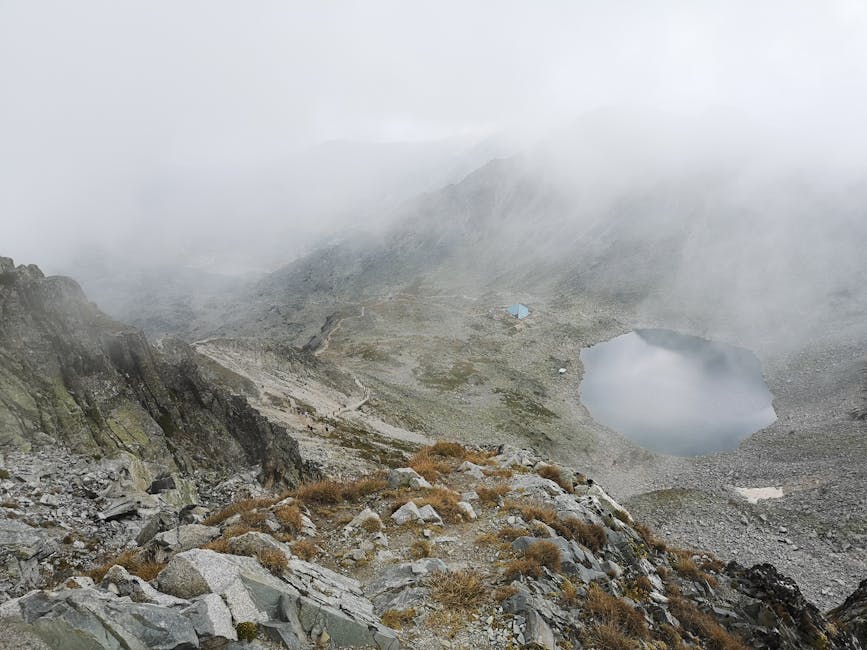
The Monastery Walls and Gates — The outer defenses of the complex. The walls are thick and high, with towers at the corners. The main gate is a masterpiece of wood carving and metalwork. Walking along the walls gives you a sense of the fortress-like nature of the monastery. The views from the top of the walls are excellent, looking out over the forested mountains. It's a great spot for photos of the entire complex.
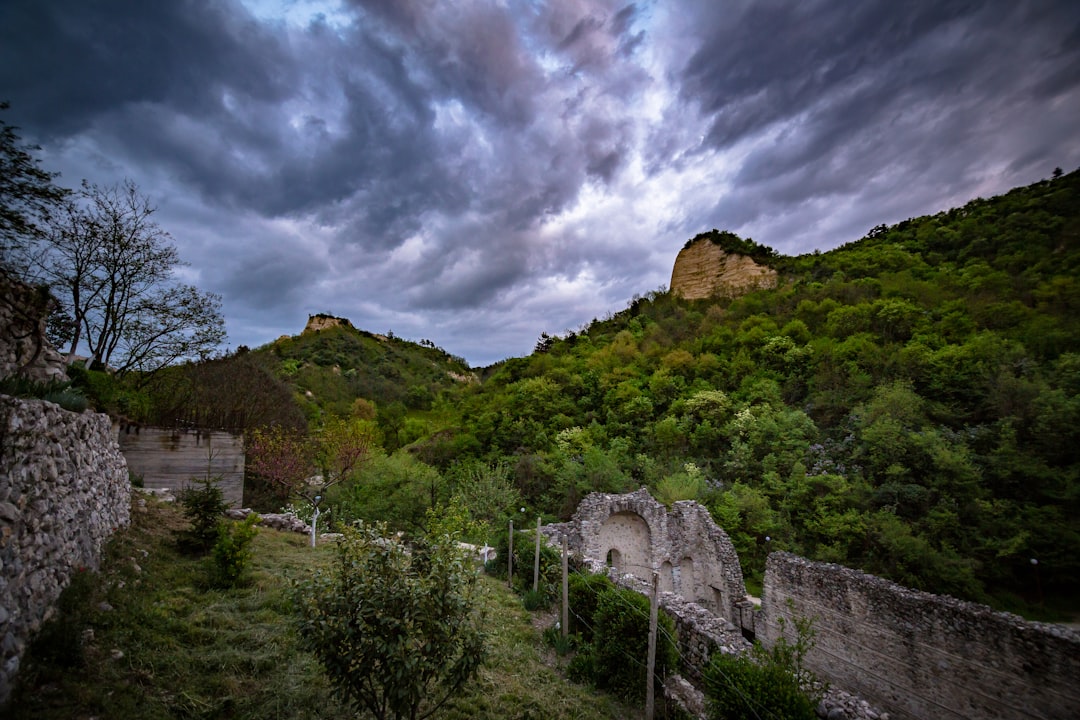
The Iconographic Workshop — A small museum dedicated to the art of icon painting. You can see the tools, materials, and techniques used by the monks to create the frescoes and icons that adorn the monastery. It's a fascinating insight into the craftsmanship that went into preserving Bulgarian art. The guides here are often active artists, and they can explain the symbolism behind the images. A must-see for art lovers.
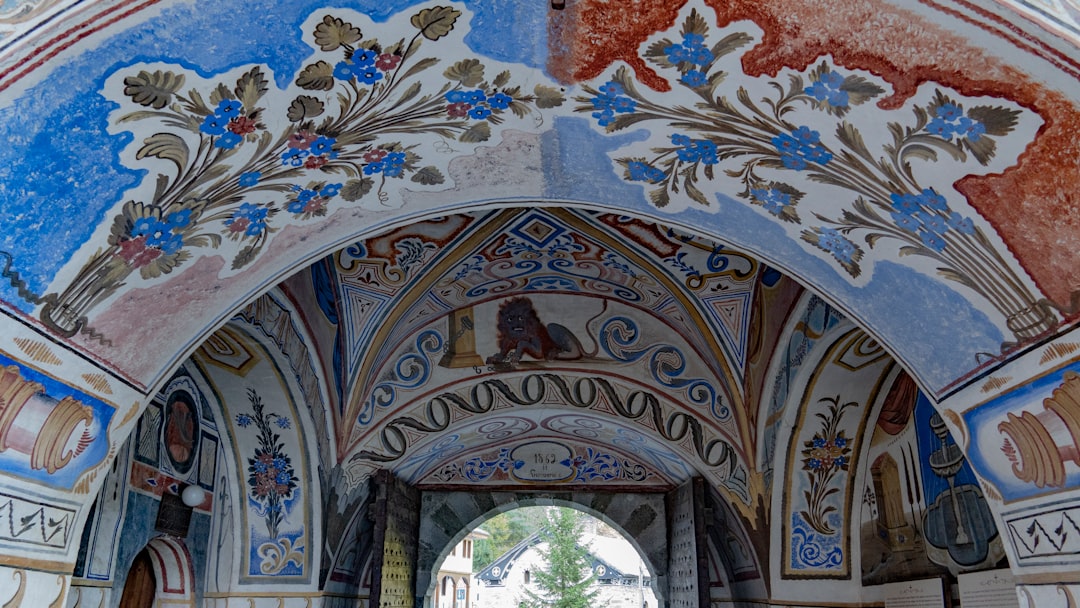
What to Eat & Drink
Eating at Rila Monastery is an experience in itself. The canteen inside the complex serves simple, hearty Bulgarian food. It's not gourmet, but it's authentic and filling. Expect dishes like banitsa (cheese pastry) — 2-3 EUR, shopska salad (tomato, cucumber, onion, white cheese) — 4-5 EUR, and kebabche (grilled meat skewers) — 6-8 EUR. The coffee is strong and sweet, served in small cups. There are also souvenir shops selling honey, herbs, and handmade crafts. Prices are reasonable, but cash is often preferred.
For a more substantial meal, head to the nearby village of Rila, just a few kilometers away. There are several restaurants there offering traditional Bulgarian cuisine. Try the kyufte (meatballs) — 5-7 EUR or munak (stuffed peppers) — 6-8 EUR. The prices are slightly higher than in the monastery, but the atmosphere is more relaxed. Budget travelers can find a full meal for 8-12 EUR per person. Mid-range restaurants will set you back 15-20 EUR per person. There are no fast-food chains here, which is a relief. The food is fresh, local, and made with care.
The monastery also sells its own honey and herbal teas, which make great souvenirs. The honey is harvested from the apiaries in the surrounding mountains and is renowned for its quality. Prices vary depending on the type and quantity, but expect to pay 5-10 EUR for a small jar. The herbal teas are a blend of local herbs and are said to have medicinal properties. A bag costs around 2-4 EUR. It's a small but meaningful way to take a piece of Rila home with you.
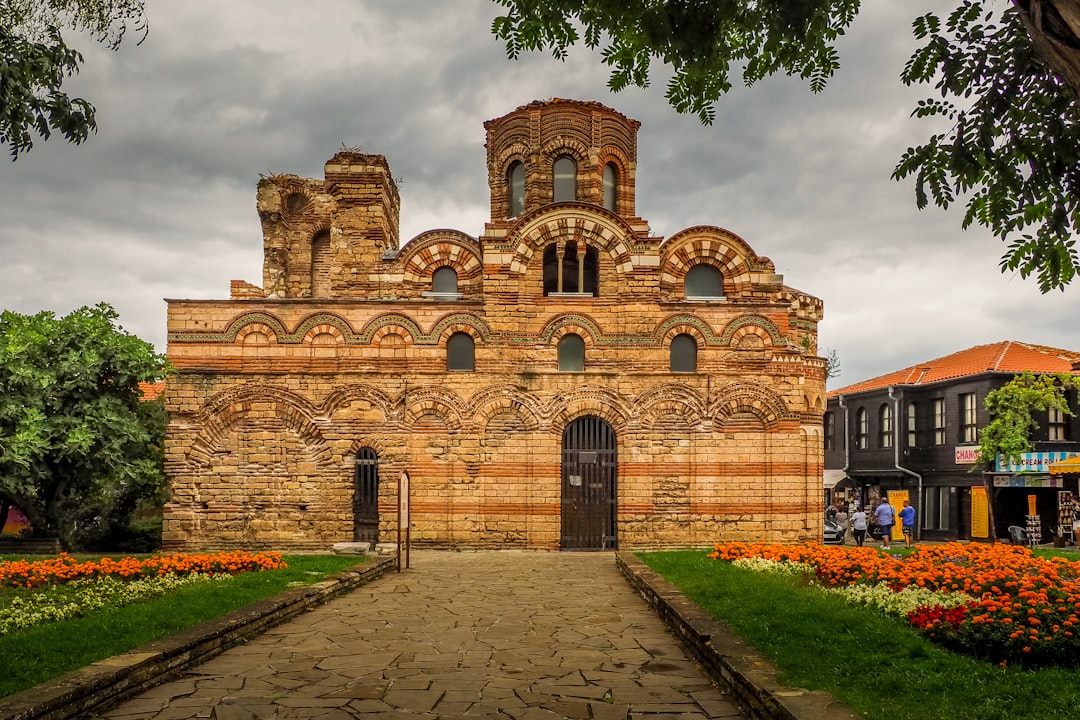
Nightlife
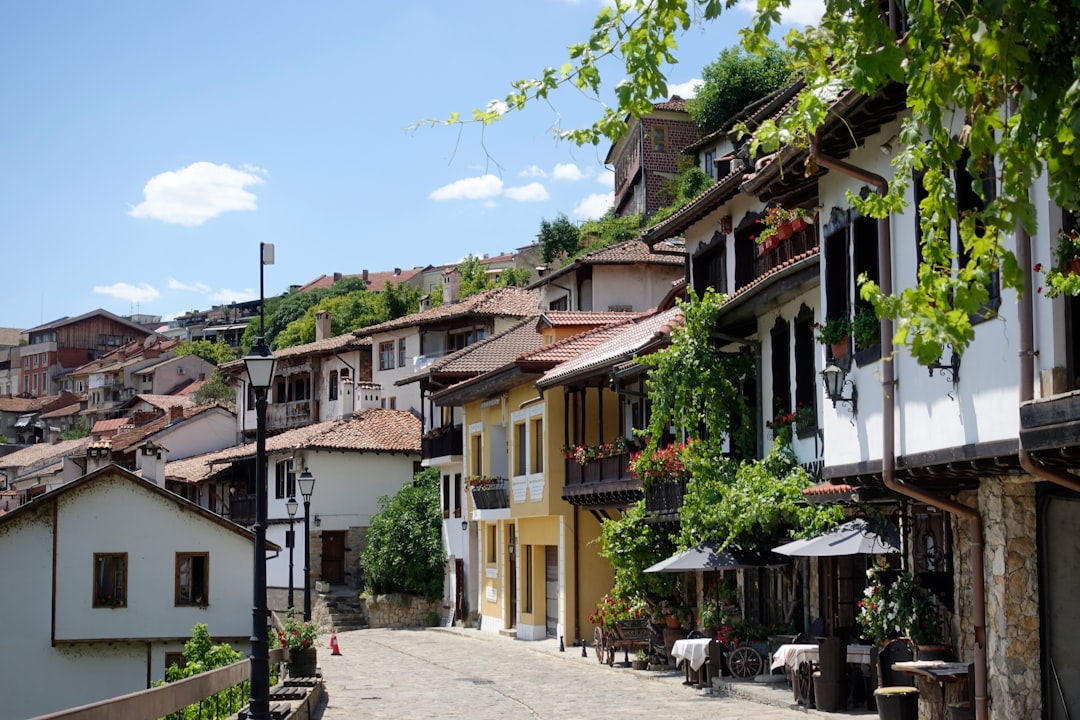
Let's be clear: there is no nightlife at Rila Monastery. It's a place of prayer, reflection, and history. The monastery gates close at dusk, and the complex is quiet by night. The nearest nightlife is in the town of Rila, which has a few bars and pubs. But don't expect clubs or loud music. The atmosphere is more about relaxed conversation and live folk music. The bars are small and cozy, with a local clientele. It's a place to unwind after a day of exploring, not to party. The nearest city with a vibrant nightlife is Sofia, about two hours away.
If you're looking for a nightcap, the bars in Rila village are your best bet. They serve local beer, rakia (fruit brandy), and wine. Prices are reasonable, with a beer costing 1-2 EUR and a shot of rakia 1-3 EUR. The atmosphere is friendly, and you might even catch a local folk band playing. It's a far cry from the neon lights of Sofia, but it has its own charm. Just don't expect to stay out late. The village sleeps early, and the mountains are quiet by night.
Getting There & What to Expect
Getting to Rila Monastery is straightforward. The nearest major city is Sofia, the capital of Bulgaria, located about 120 kilometers away. You can take a bus or a train from Sofia to the town of Rila, which takes about 2-3 hours. Buses depart regularly from Sofia's Central Bus Station and cost around 5-8 EUR one way. Trains are slightly cheaper, around 3-5 EUR, but less frequent. From Rila town, you can take a taxi or a local bus to the monastery, which is about 5 kilometers away. Taxis cost around 5-7 EUR, and the bus is cheaper but slower.
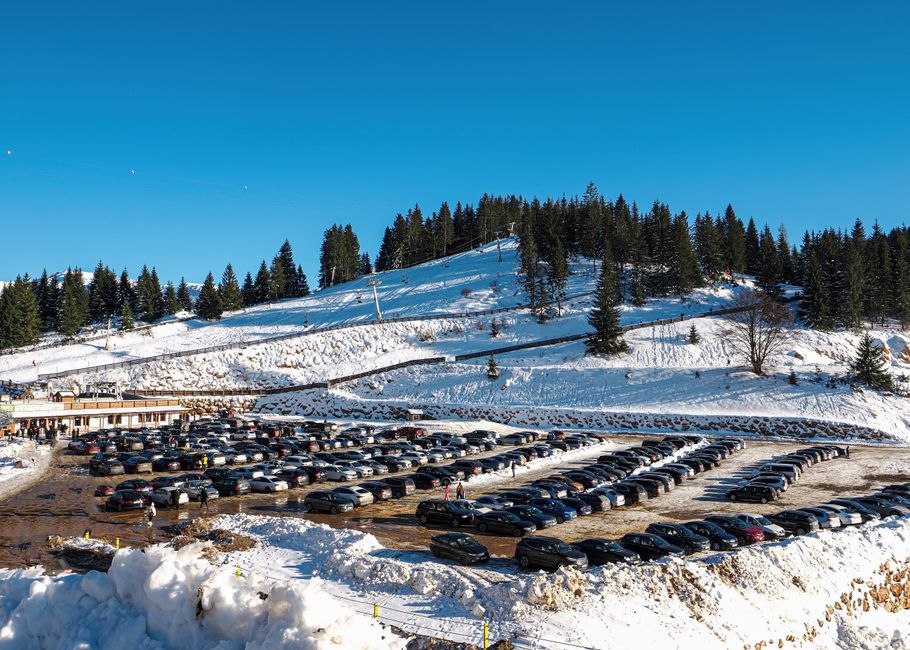
If you have a car, the drive from Sofia is scenic and takes about 1.5-2 hours. The road is well-maintained, and the views of the Rila Mountains are spectacular. Parking is available near the monastery, with a fee of 2-3 EUR for the day. Accommodation in Rila village ranges from budget guesthouses to mid-range hotels. Budget options start at 20-30 EUR per night, while mid-range hotels cost 40-60 EUR per night. The monastery itself offers simple rooms for pilgrims, but these are often fully booked. It's best to book in advance, especially during peak season.
The best time to visit is between May and October, when the weather is mild and the trails are accessible. Summer can be crowded, so early morning or late afternoon visits are recommended. Winter visits are possible, but the roads can be icy, and some areas may be closed. The monastery is open year-round, but the treasury and other museums may have reduced hours in the winter. Check the official website for the latest information.
Search accommodation in Rila on Booking.com →
The Weight of Silence
I left the monastery as the sun began to set, casting long shadows across the courtyards. The crowds had thinned, and the silence was returning. I walked back to my car, the smell of incense still clinging to my clothes. In the treasury, I had seen the physical remnants of a people's struggle to survive. But here, in the quiet of the evening, I felt the spiritual weight of that struggle. The stones, the frescoes, the silver — they were all part of a larger story. A story of faith, resilience, and identity. As I drove down the mountain road, the lights of Rila village twinkling below, I realized that Rila Monastery isn't just a destination. It's a testament. And that's something you can't find in a guidebook.
Comments