


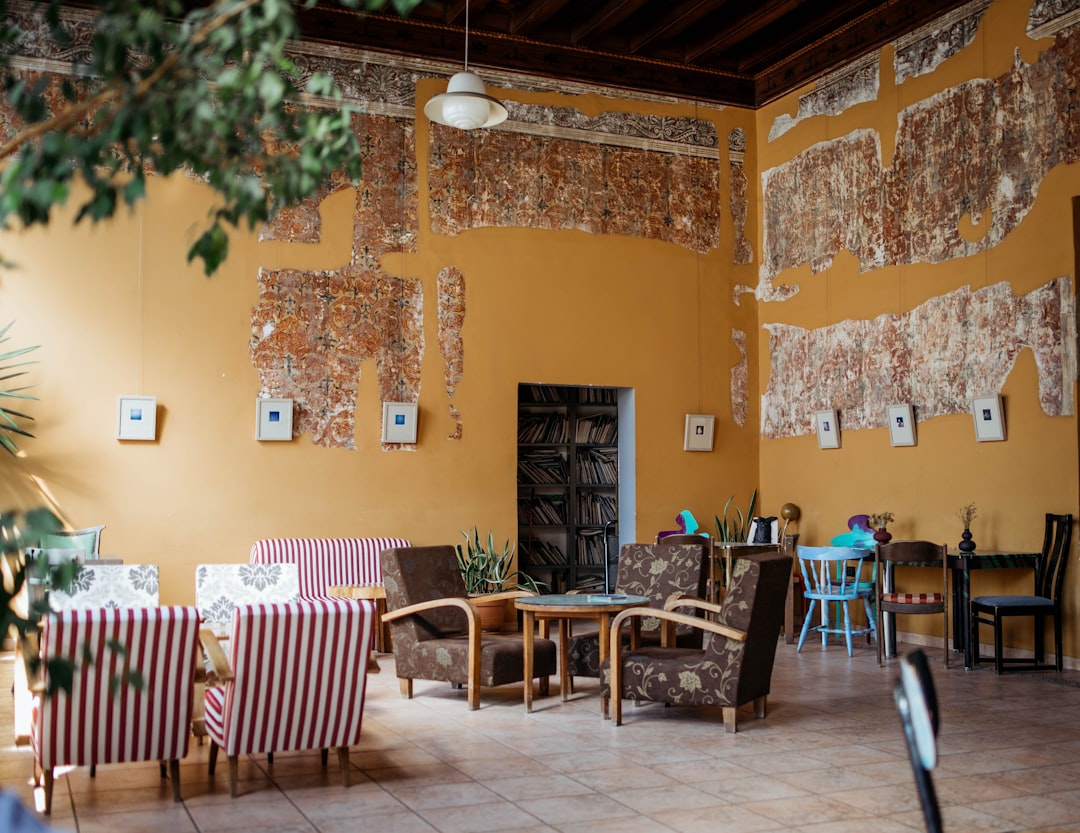
The salt spray in Zadar doesn't just hit your face; it gets into your pores, mixing with the diesel fumes of the ferry terminal and the sharp tang of grilled octopus. I stood on the stone ramparts of the old town, watching the Adriatic turn a bruised purple under a late afternoon sun, clutching a lukewarm coffee in a paper cup. The city felt less like a postcard and more like a living, breathing organism that had survived empires, earthquakes, and tourists. But the real story wasn't on the coast. It was inland, tucked away in the Dalmatian hinterland, where the air is thicker, the silence heavier, and the stone walls of ancient Benedictine monasteries hold centuries of whispered prayers and political intrigue. This isn't about sightseeing. It's about tracing the spiritual and cultural backbone of Croatia, a heritage that shaped the very identity of the Dalmatian coast.
Driving east from Zadar towards the Karst plateau, the landscape shifts from coastal olive groves to rugged limestone ridges. The road winds through valleys where time seems to have slowed down. The Benedictine order arrived here in the Middle Ages, not just as monks, but as architects, scholars, and power brokers. They built monasteries that became centers of learning, agriculture, and resistance against foreign rule. Today, these sites are quiet, often overlooked by the crowds flooding the beach resorts. But for those willing to leave the coastline, they offer a raw, unfiltered glimpse into the soul of this region.
History & Identity
The Benedictine presence in Dalmatia dates back to the 11th century, when the order began establishing monasteries across the region. These weren't just religious outposts; they were fortresses of culture and economy. In an era of constant warfare between the Byzantine Empire, the Republic of Venice, and local nobles, the monasteries provided stability. They preserved manuscripts, cultivated the land, and served as refuges for the local population. The Abbey of St. Michael in Biograd na Moru and the Monastery of St. Mary in Zadar were key players in this network, influencing politics and religion alike.
The legacy of these institutions is etched into the region's identity. The Benedictines introduced advanced agricultural techniques, transforming barren Karst terrain into fertile vineyards and orchards. They also played a crucial role in preserving the Croatian language and literacy, with many monastic scriptoria producing Glagolitic and Cyrillic manuscripts. This cultural preservation was vital during periods of foreign domination, when the Croatian language and traditions were under threat. The monasteries became symbols of resilience, standing as testaments to the enduring spirit of the Dalmatian people.
Today, the Benedictine heritage is a subtle but powerful force in Dalmatia. While the monasteries may no longer wield political power, their influence is felt in the region's architecture, cuisine, and even its music. The chant of the monks echoes in the stone corridors, and the wine from monastic vineyards is still prized by connoisseurs. For travelers, visiting these sites is not just a historical excursion; it's a journey into the heart of Croatian culture, where the past and present intertwine in a complex, fascinating tapestry.
Where to Go
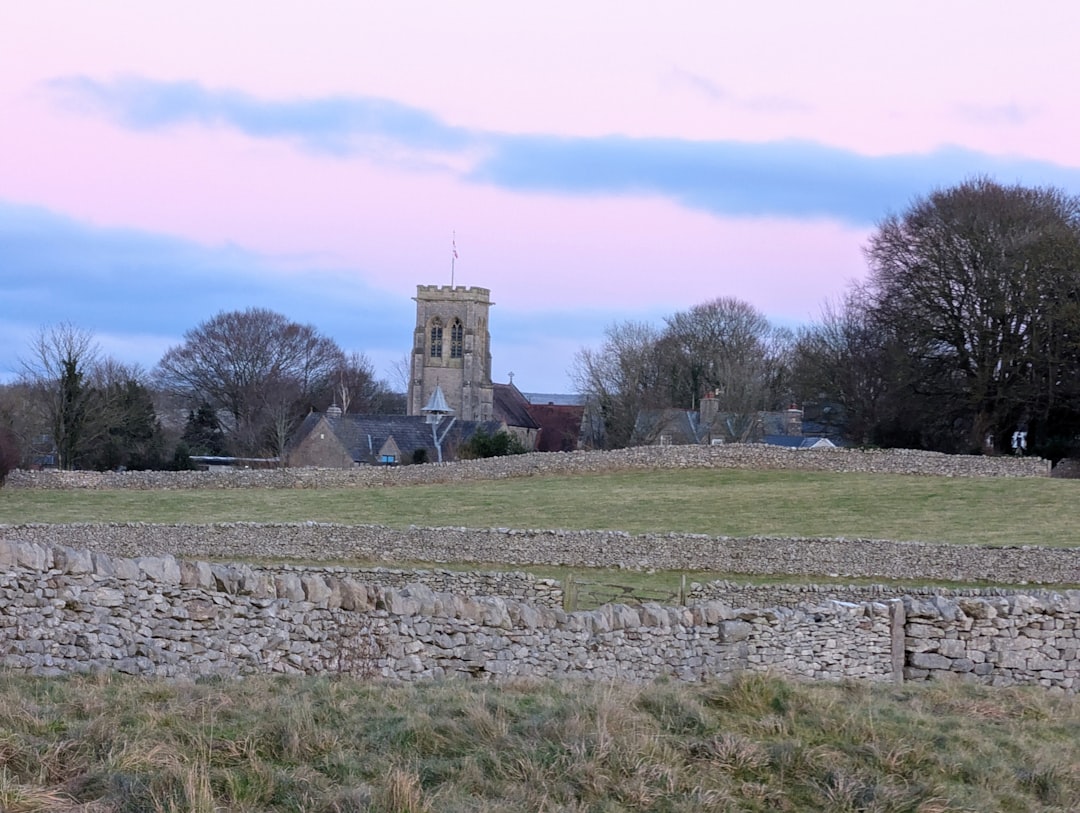
Monastery of St. Mary in Zadar — Located just outside the old town of Zadar, this 11th-century monastery is one of the oldest Benedictine sites in Croatia. The complex includes a Romanesque church, a cloister, and a museum housing a collection of religious artifacts and manuscripts. The church's interior is simple but striking, with frescoes dating back to the 12th century. Entry is 5 EUR, and guided tours are available for those interested in the history of the order. Best visited early in the morning to avoid crowds.
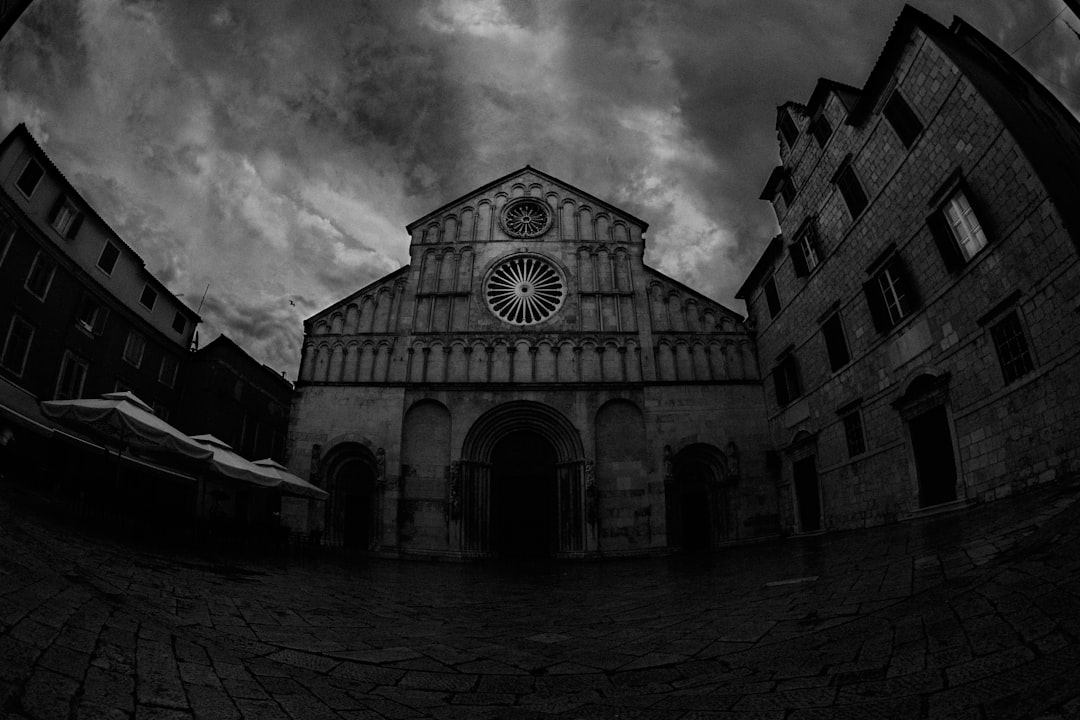
Abbey of St. Michael in Biograd na Moru — Situated on the shores of Velebit Channel, this monastery dates back to the 11th century and was a major center of Benedictine life in Dalmatia. The church features a blend of Romanesque and Gothic architecture, with intricate stone carvings and stained glass windows. The monastery's library contains rare manuscripts, and the surrounding gardens offer a peaceful retreat. Entry is 3 EUR, and the site is open daily from 9 AM to 5 PM. The nearby town of Biograd na Moru offers excellent seafood restaurants and a lively promenade.
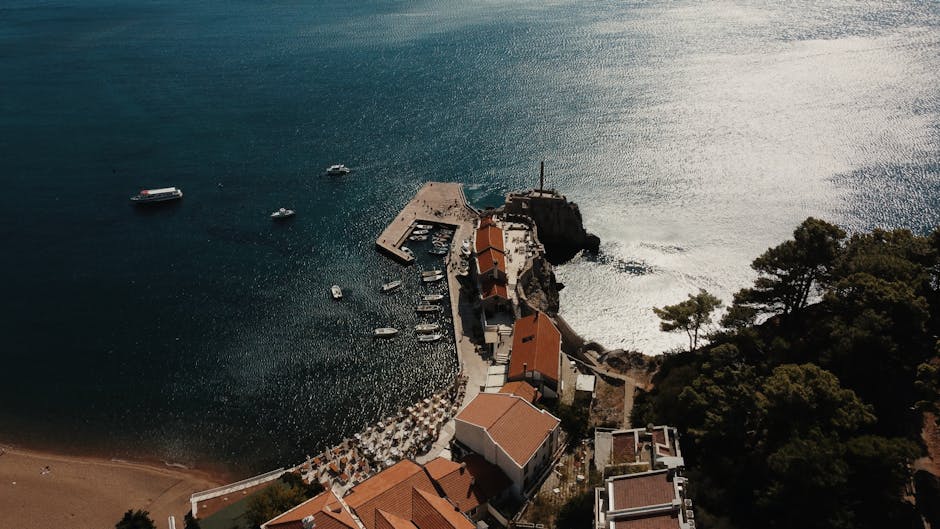
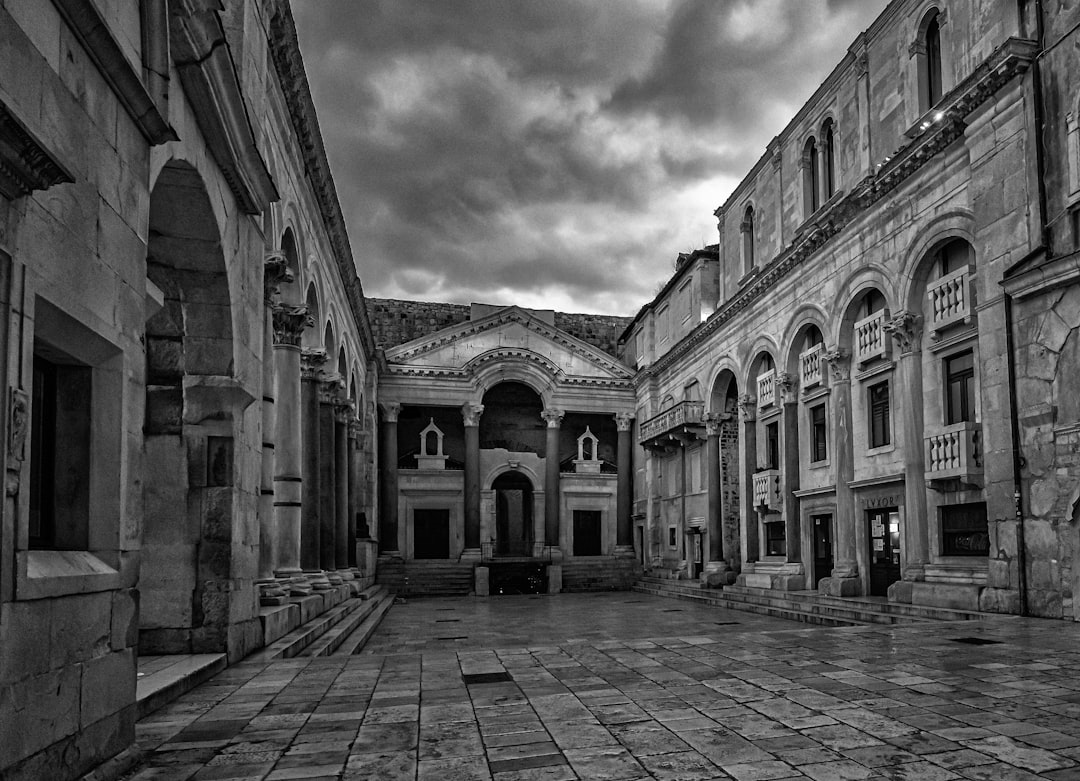
Monastery of St. Mary in Split — Located in the heart of Split, this monastery is a hidden gem amidst the bustling city. Founded in the 11th century, it served as a center of learning and culture for centuries. The church's interior is adorned with frescoes and marble altars, and the cloister provides a quiet escape from the city's noise. Entry is free, and the monastery is open daily from 8 AM to 6 PM. The nearby Diocletian's Palace and Riva promenade offer plenty of other sights to explore.
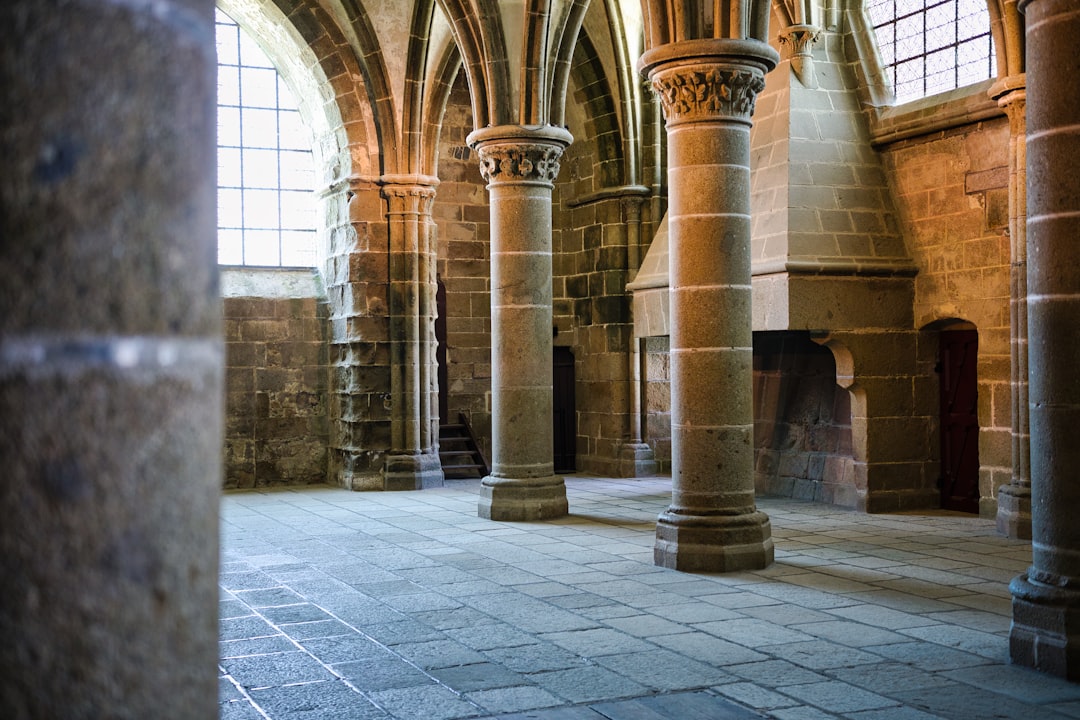
Abbey of St. John in Tkon — Located near Zadar, this 12th-century monastery is a lesser-known but fascinating site. The complex includes a church, a cloister, and a museum showcasing the history of the Benedictine order in the region. The church's interior features beautiful frescoes and a unique bell tower. Entry is 2 EUR, and the site is open daily from 10 AM to 4 PM. The surrounding area is ideal for hiking and cycling, with trails leading through olive groves and vineyards.
What to Eat & Drink
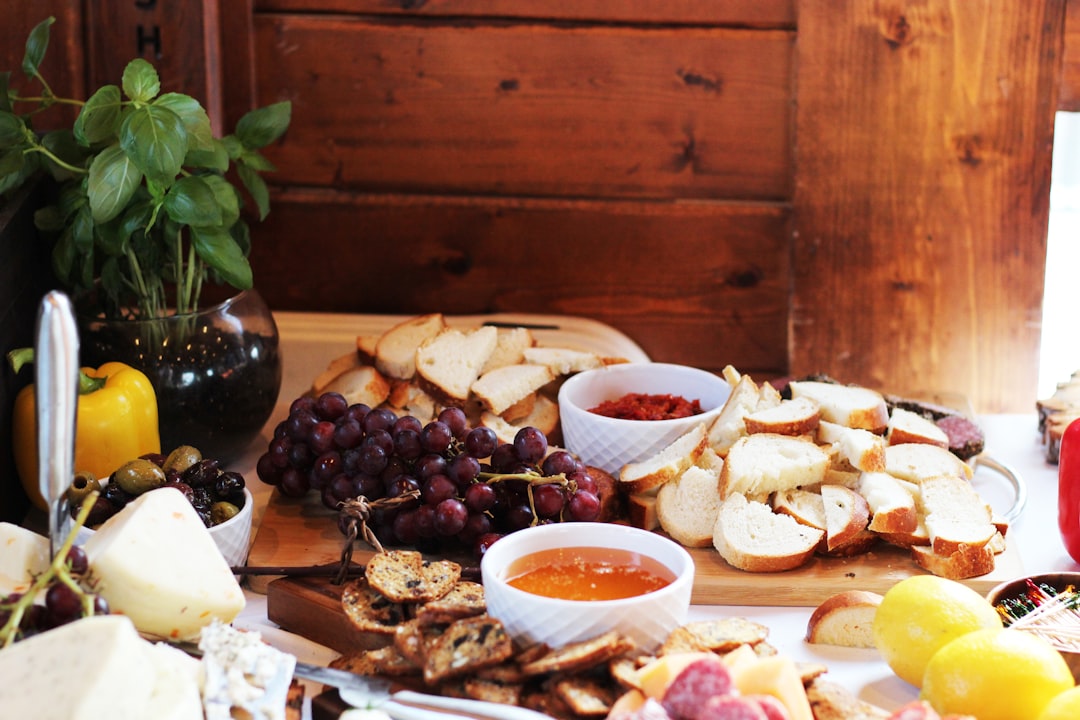
The Dalmatian hinterland is a food lover's paradise, with a cuisine that reflects the region's agricultural heritage and monastic traditions. Pršut — dry-cured ham, 8-12 EUR per plate — is a staple, often served with fresh bread and olive oil. Paški sir — cheese from the island of Pag, 6-10 EUR per wedge — is another must-try, with its distinctive salty flavor. Škampi na žaru — grilled prawns, 15-20 EUR per portion — are a coastal delicacy, best enjoyed with a glass of local wine. For a true monastic experience, try trapanj — a traditional bread made from barley and honey, 2-3 EUR per loaf — often served with cheese and olives.
Budget breakdown: Street food and take-away options, such as rožata (a Dalmatian dessert similar to crème brûlée, 3-5 EUR) or funčici (Dalmatian pasta, 4-6 EUR), are perfect for a quick bite. Sit-down local restaurants offer hearty meals for 10-15 EUR per person, while mid-range establishments can cost 20-30 EUR. For budget travelers, markets and food courts in towns like Zadar and Split provide affordable options. The Zadar Market is a great place to sample local produce and prepared foods, with prices ranging from 2-10 EUR per item.

Nightlife
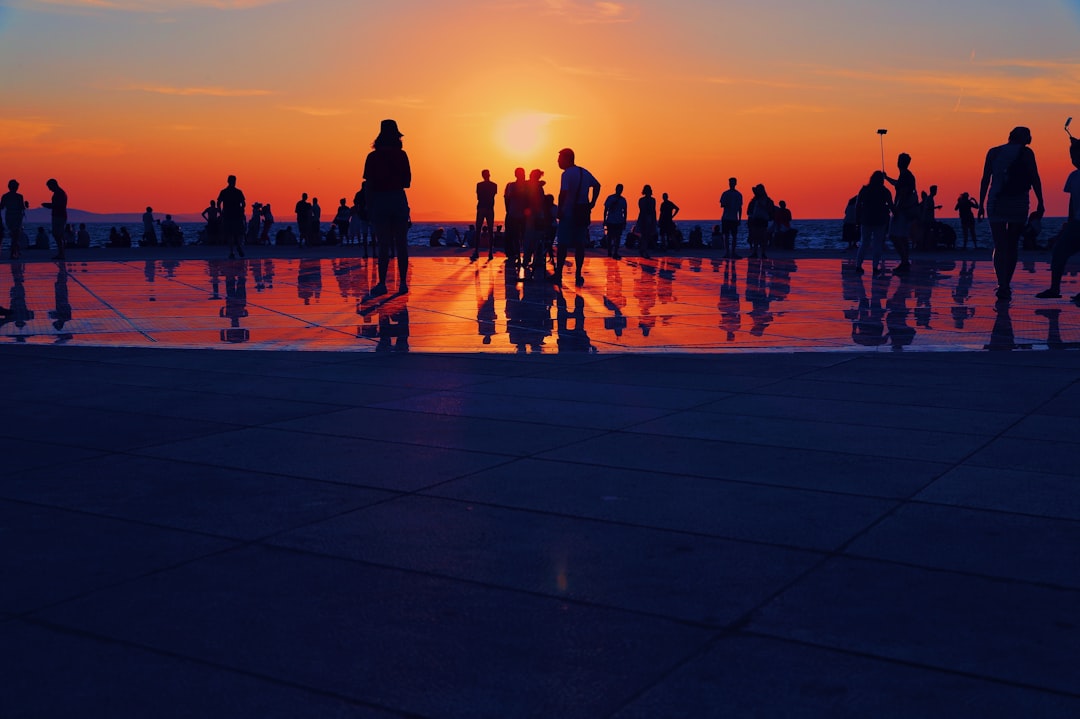
While the monasteries are places of quiet reflection, the cities of Zadar and Split offer vibrant nightlife scenes. In Zadar, the Obala kneza Višeslava promenade is lined with bars and clubs, where locals and tourists mingle until dawn. Bar 1000 is a popular spot for live music, with a cover charge of 5 EUR. Club Rondo is known for its electronic music scene, with entry fees around 10 EUR. In Split, the Diocletian's Palace area comes alive at night, with bars and restaurants spilling onto the cobblestone streets. Bar Veli Jože offers a relaxed atmosphere with local wines, while Club Babilon is a hotspot for dance music, with cover charges of 8-12 EUR.

Getting There & What to Expect
The nearest major airport is Zadar Airport, which offers flights from major European cities. From Zadar, the monasteries in Biograd na Moru and Tkon are easily accessible by car, with travel times of under 30 minutes. Buses also connect Zadar to these towns, with fares around 5-10 EUR and travel times of 45 minutes to an hour. For Split, the Split Airport is the main gateway, with flights from various European hubs. Buses and trains connect Split to the city center, with fares around 3-5 EUR and travel times of 20-30 minutes.
Accommodation in Zadar ranges from budget hostels at 20-40 EUR per night to mid-range hotels at 60-100 EUR. Split offers similar options, with hostels at 25-45 EUR and hotels at 70-120 EUR. The best months to visit are April to June and September to October, when the weather is pleasant and the crowds are thinner. Summer months (July and August) are peak season, with higher prices and larger crowds. For a more authentic experience, consider staying in a konoba (traditional tavern) in the hinterland, where rooms cost 30-50 EUR per night and meals are included.
Search accommodation in Zadar on Booking.com →
The Silent Stones Speak
As the sun set over the Karst plateau, casting long shadows across the limestone ridges, I sat on the steps of the Abbey of St. Michael, listening to the wind rustle through the olive trees. The silence here is different from the silence of the city. It's a heavy, ancient silence, filled with the echoes of prayers and the whispers of history. The Benedictine monasteries of Dalmatia are not just tourist attractions; they are living testaments to a way of life that has shaped the region for centuries. In a world that moves faster every day, these places offer a rare opportunity to slow down, to reflect, and to connect with something deeper. The stones may be silent, but they speak volumes to those who take the time to listen.
Comments