


The Silence Before the Scream
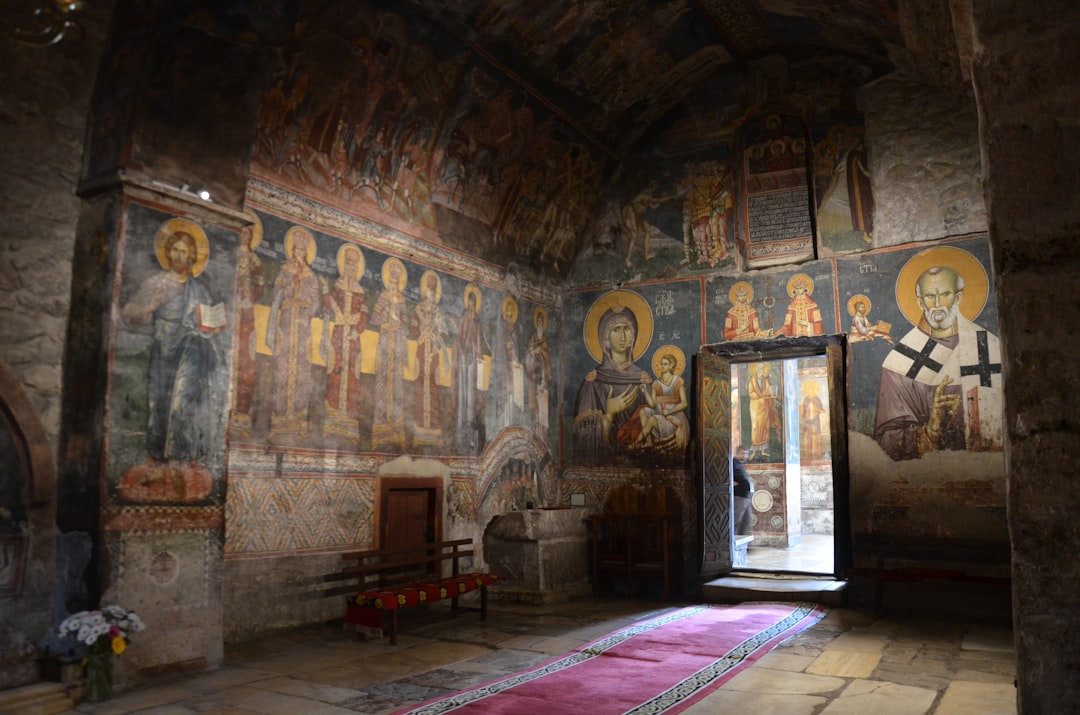
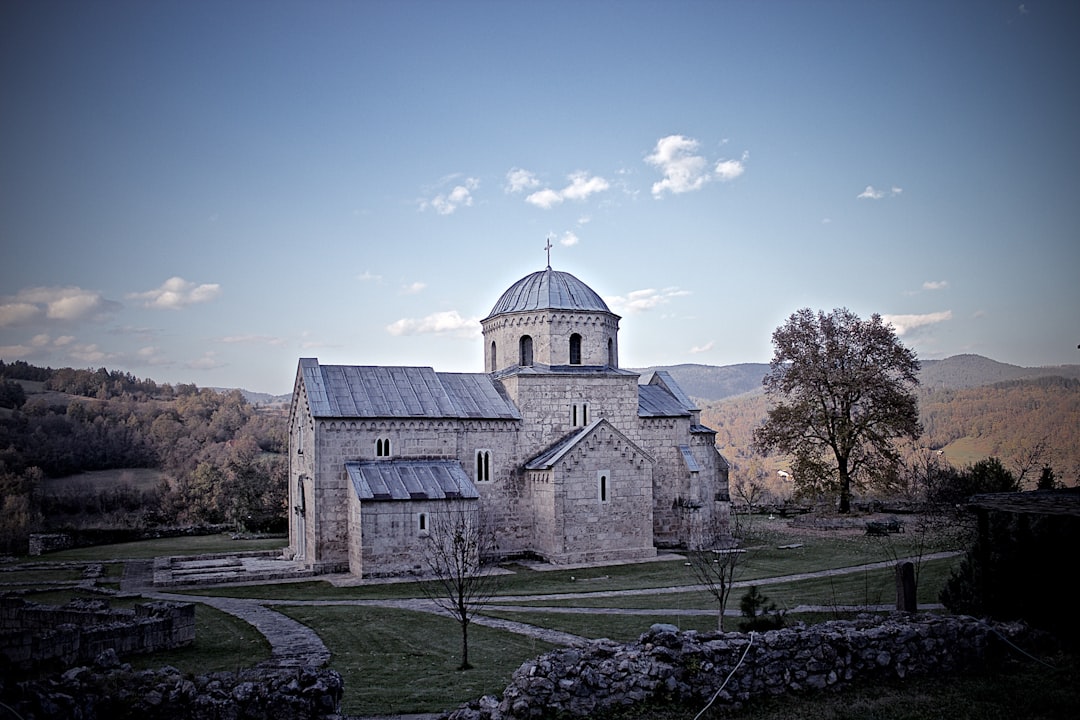
The bus from Prijepolje drops me on a gravel shoulder that smells of wet pine and diesel. It is raining in western Serbia, the kind of cold, needling rain that soaks through your jacket and settles in your bones before you even realize you’re shivering. I stand there for a moment, watching the taillights fade, before trudging up a muddy track toward a cluster of stone buildings that look less like a tourist attraction and more like a fortress abandoned by time. This is Mileševa Monastery, a place where the air feels heavier, charged with the static of eight centuries. I am not here for the architecture, though the Byzantine arches are formidable. I am here for a face. A face painted on a wall so long ago that the paint has fused with the stone, creating a ghost that refuses to leave.
Inside the church, the light is dim, filtered through high, narrow windows. The smell of beeswax candles and old stone hits you first. Then you see him. Crnojević is not here; this is older, deeper. This is Uroš the Weak, the last great king of the Nemanjić dynasty, and he is staring at you from the north wall. They call him Crveni Uroš, the Red Prince. And he is red. Not metaphorically. Not artistically. A long, jagged streak of red pigment runs from the top of his head down to his chest, looking less like a halo and more like a wound that never healed. I stand there for twenty minutes, just breathing in the damp air, feeling the weight of a legend that says this was blood, spilled by a rival monk, or perhaps by the king’s own despair. It doesn’t matter. The image is visceral. It is raw. It is the most honest piece of art I have seen in the Balkans.
History & Identity
Mileševa is not just a monastery; it is a tombstone for the medieval Serbian state. Founded in the early 13th century by King Stefan the First-Crowned, it was intended as a spiritual anchor for a kingdom that was rapidly expanding its borders. The Nemanjić dynasty used monasteries as political tools, stamping their authority onto the landscape with stone and fresco. Mileševa became one of the most important cultural centers of the era, a place where scribes copied manuscripts and priests debated theology while empires clashed on the horizon.
But the monastery’s true identity is forged in the 14th century, during the reign of Uroš IV, known as Uroš the Weak. His nickname is a historical joke, but his legacy is complex. He inherited a fractured kingdom, his authority challenged by regional lords and the looming shadow of the Ottoman Empire. The fresco in Mileševa captures this tension. Uroš is depicted with a halo, yes, but his expression is weary, almost haunted. The "blood" on his face, whether literal or symbolic, represents the violence that tore his reign apart. It is a visual confession of a king who knew his power was slipping away.
Over the centuries, Mileševa has survived wars, neglect, and the slow erosion of time. It was damaged during the Ottoman period, restored in the 19th century, and then again after the World Wars. But the core remains intact. The church of the Dormition of the Mother of God stands as a testament to Serbian Orthodox resilience. It is not a pristine museum piece; it is a living, breathing site where monks still chant, where the smell of incense mixes with the damp stone, and where the Red Prince watches over the faithful with his bleeding halo.
Where to Go
The Church of the Dormition — The heart of the complex. Built in 1236, it houses the famous fresco of Uroš the Weak. The interior is small, intimate, and dimly lit. Entry is free, but donations are expected. The best time to visit is early morning, before the tour groups arrive, when you can stand alone in front of the Red Prince and hear only the echo of your own footsteps. The walls are covered in other frescoes, but Uroš is the star. The red streak is real, and it is unsettling.
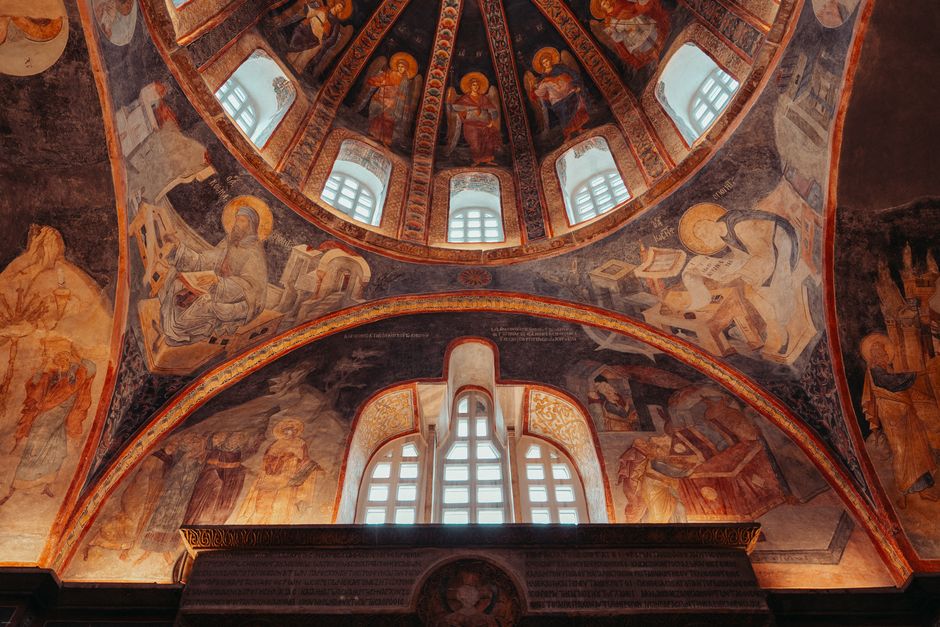
The Royal Tomb — Located in the narthex of the church. This is where Stefan the First-Crowned and his wife, Helen of Anjou, were originally buried. Their remains were moved to other monasteries over the centuries, but the tomb remains a powerful symbol of the dynasty’s legacy. The stone is worn smooth by centuries of touch. It is a quiet, somber space, a reminder of the mortality of even the most powerful kings.
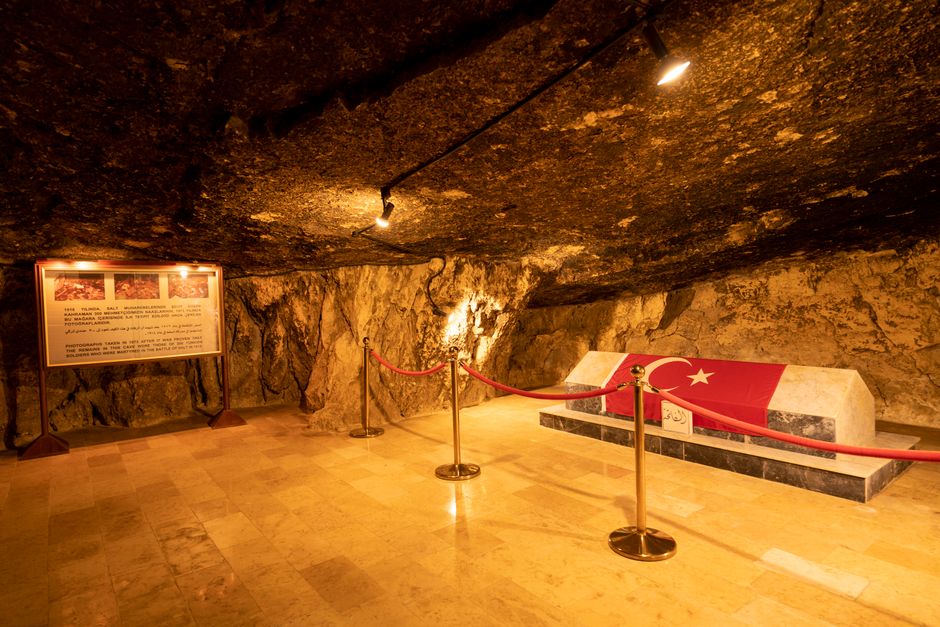
The Refectory Church — A smaller, later addition to the complex, built in the 19th century. It houses a museum with religious artifacts, including old manuscripts, icons, and vestments. The collection is small but significant, offering a glimpse into the daily life of the monks. Entry is included in the general admission.
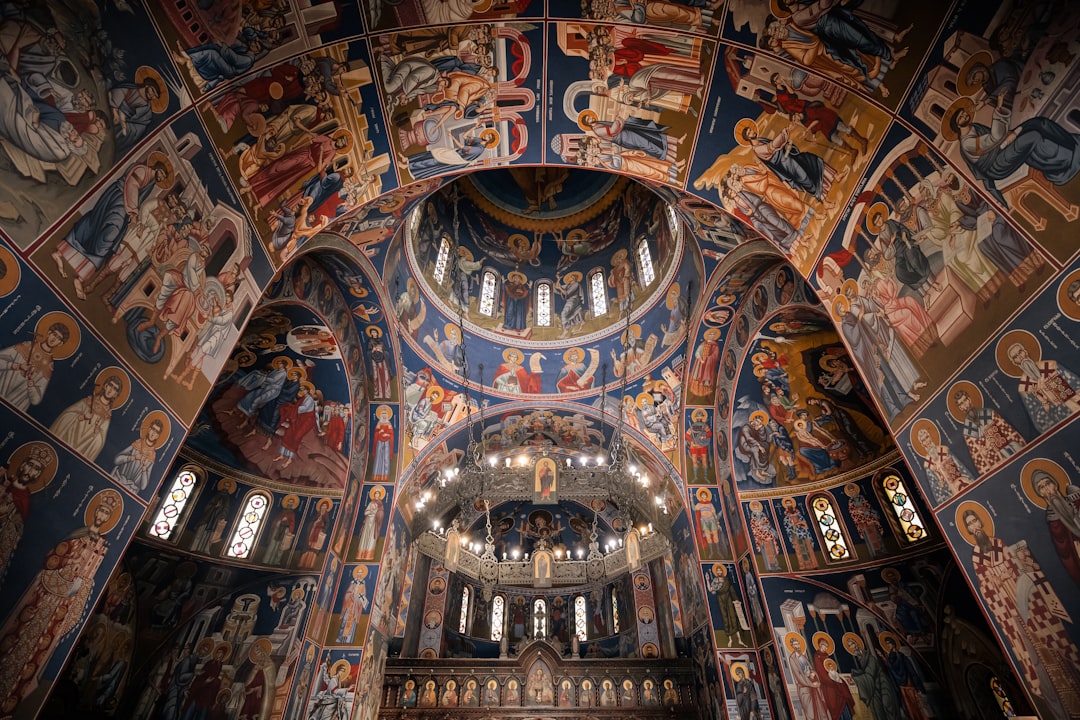
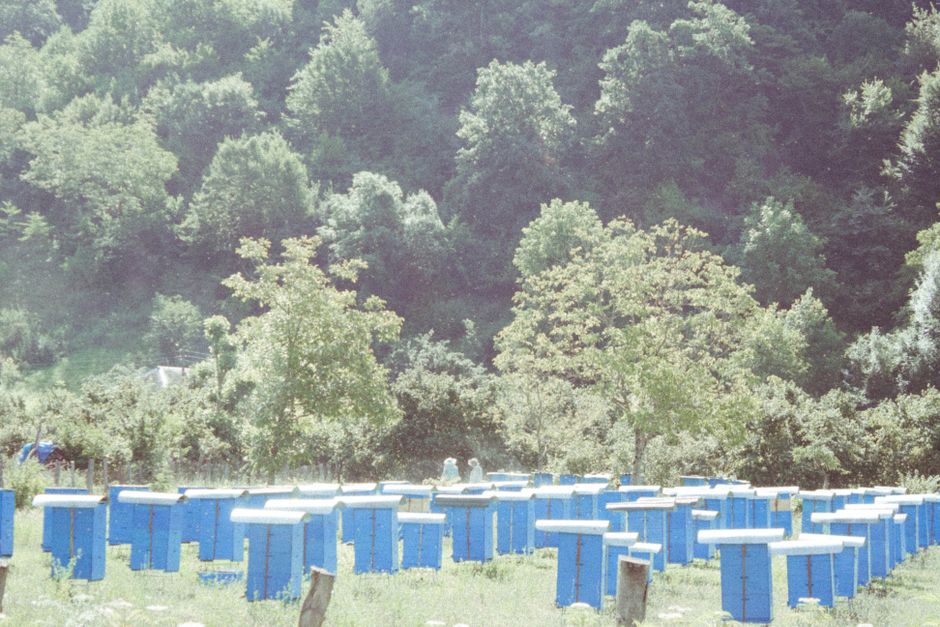
The Beekeeping Apiaries — Mileševa is famous for its beekeeping tradition. The monks have kept bees for centuries, and the honey produced here is considered some of the best in Serbia. You can visit the apiaries, which are located just outside the church complex. The monks are happy to show you around and sell you jars of their honey. It is a sweet, sticky reminder of the monastery’s self-sufficiency.
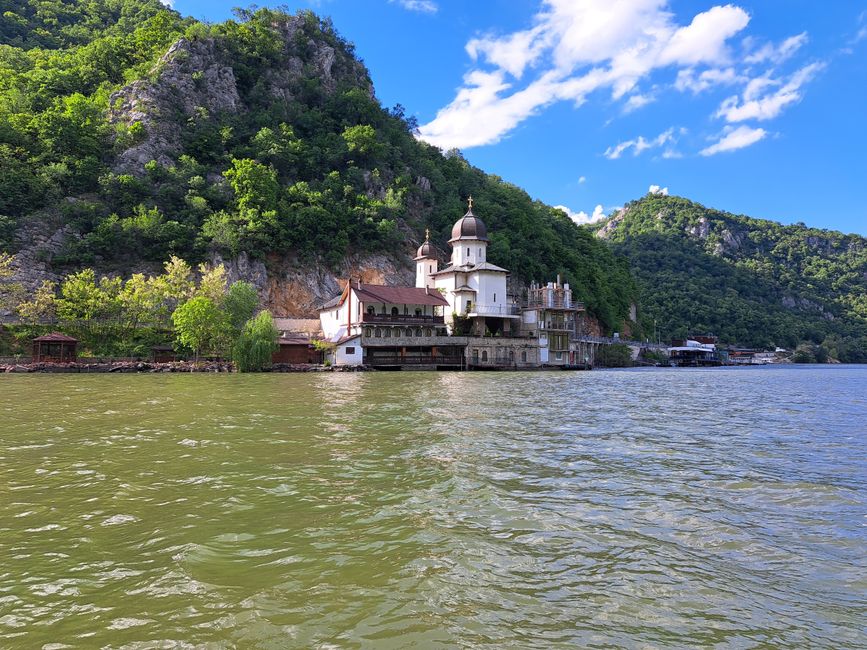
The Viewpoint Over the Ibar Valley — A short walk from the monastery leads to a viewpoint overlooking the Ibar River valley. The view is stunning, with rolling hills and dense forests stretching to the horizon. It is a perfect spot to reflect on the history of the place, to imagine the armies that marched through this valley, and the monks who prayed for peace.
What to Eat & Drink
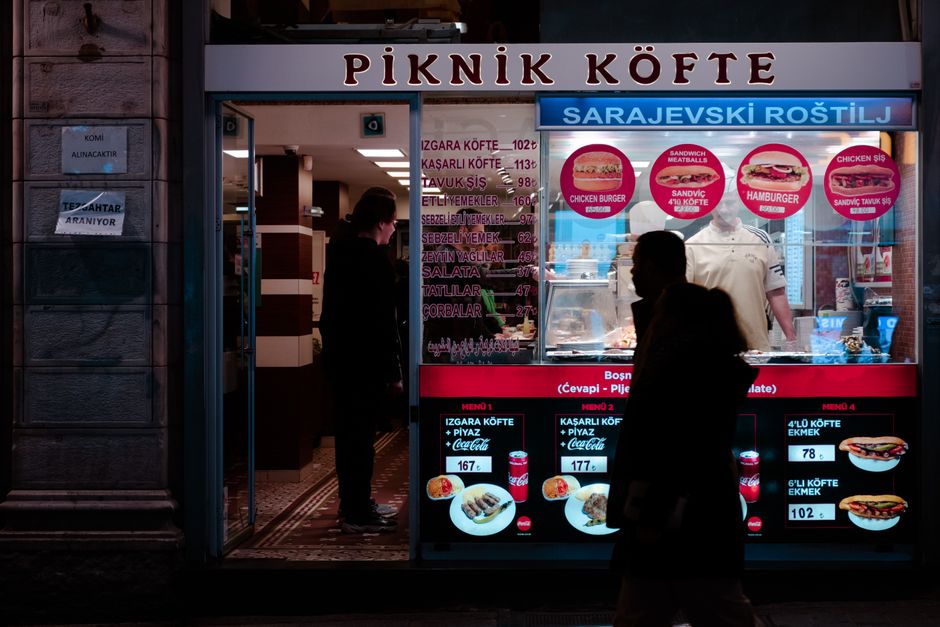
Food in this region is heavy, hearty, and designed to keep you warm in the mountains. In the small village of Priboj, just a short drive from Mileševa, you will find local restaurants serving traditional Serbian dishes. Expect ćevapi — grilled minced meat rolls, served with flatbread and onions — for around 3-4 EUR. Šopska salata — a fresh salad of tomatoes, cucumbers, and onions topped with kajmak — is a must, costing about 2-3 EUR. For something more substantial, try janjetina — roasted lamb, slow-cooked until tender — which will set you back 10-15 EUR per serving.
Drinks are cheap and plentiful. Rakija, the local fruit brandy, is the drink of choice. A glass of dunja rakija (quince brandy) will cost you 2-3 EUR and will warm you up from the inside out. For a more traditional experience, try sljivovica (plum brandy), which is stronger and more intense. Local beer, such as Jelen or Lav, is also widely available and costs around 1-2 EUR per bottle.
Budget travelers can find cheaper options in Priboj’s small market, where you can buy fresh bread, cheese, and fruit for 5-8 EUR per person. Sit-down meals in local restaurants range from 8-15 EUR per person, while mid-range hotels with restaurant facilities charge 15-25 EUR per person. Take-away options are limited, but you can find pogaca (savory pie) and gibanica (cheese pie) at local bakeries for 1-2 EUR each.
Nightlife
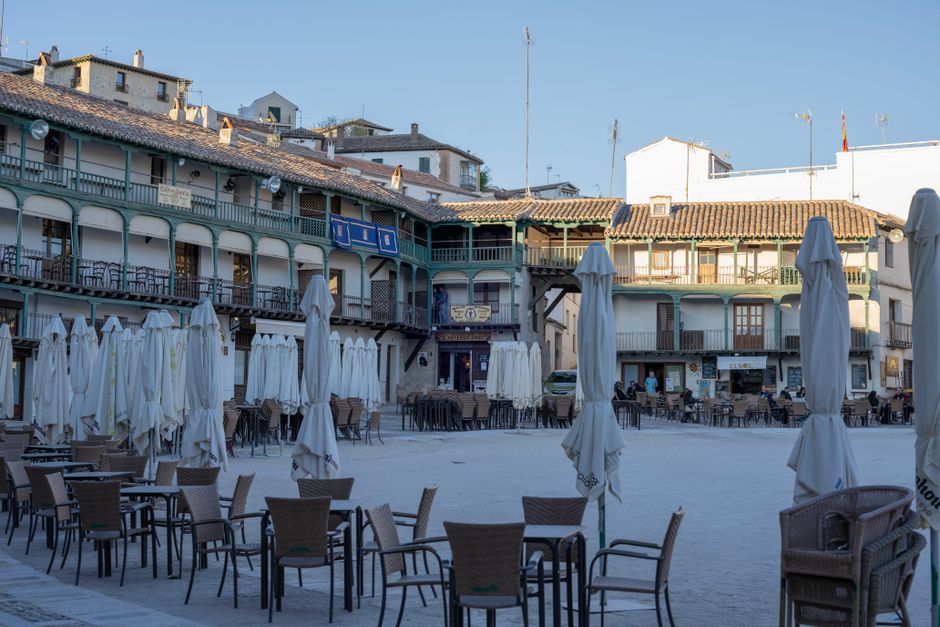
Nightlife in this part of Serbia is not about clubs and dancing. It is about conversation, rakija, and the slow passage of time. In Priboj, the main square is the center of social life. In the evenings, locals gather at outdoor cafes to drink rakija, play cards, and talk. The atmosphere is relaxed, almost sleepy. There are no loud speakers, no flashing lights, just the sound of voices and the clinking of glasses.
For a more active night, you can visit the few bars in town, which serve beer and cocktails. The music is usually pop or folk, and the crowds are small. It is not a place to party, but it is a place to unwind, to sit with a drink, and to watch the world go by. The best bar is Kafe Bar Zlatna, located in the center of town. It has a cozy atmosphere, friendly staff, and a good selection of rakija.
Getting There & What to Expect
The nearest major city is Belgrade, which is about 250 km away. You can reach Mileševa by bus from Belgrade, with transfers in Priboj. The journey takes about 4-5 hours and costs around 15-20 EUR. From Priboj, you can take a taxi or a local bus to the monastery, which is about 10 km away. The taxi ride will cost around 10-15 EUR.
Accommodation options are limited. There is a small guesthouse at the monastery, which offers basic rooms with shared bathrooms for 20-30 EUR per night. In Priboj, you can find budget hotels for 30-50 EUR per night and mid-range hotels for 50-80 EUR per night. Camping is not recommended, as there are no designated campsites nearby.
The best time to visit is between May and October, when the weather is mild and the roads are clear. In the winter, the area can be cold and snowy, and some roads may be closed. The monastery is open every day, but the hours vary depending on the season. It is best to check the website for current opening times.
Search accommodation in Priboj on Booking.com →
The Red Prince Stares Back
I leave Mileševa as the rain stops, the sky clearing to reveal a pale, watery sun. The gravel track is muddy, and my shoes are caked in dirt, but I don’t care. I have seen the Red Prince. I have stood in front of his bleeding face and felt the weight of his history. It is not a comfortable feeling. It is not a pretty feeling. But it is real. In a world of polished tourism and sanitized history, Mileševa is a raw, unvarnished truth. It is a place where the past is not dead, but alive, bleeding, and staring back at you. I get back on the bus, the smell of wet pine still in my hair, and I know I will never forget that face. It is the face of a king who lost everything, and yet, somehow, he is still there, watching. And maybe, just maybe, that is enough.
Comments