


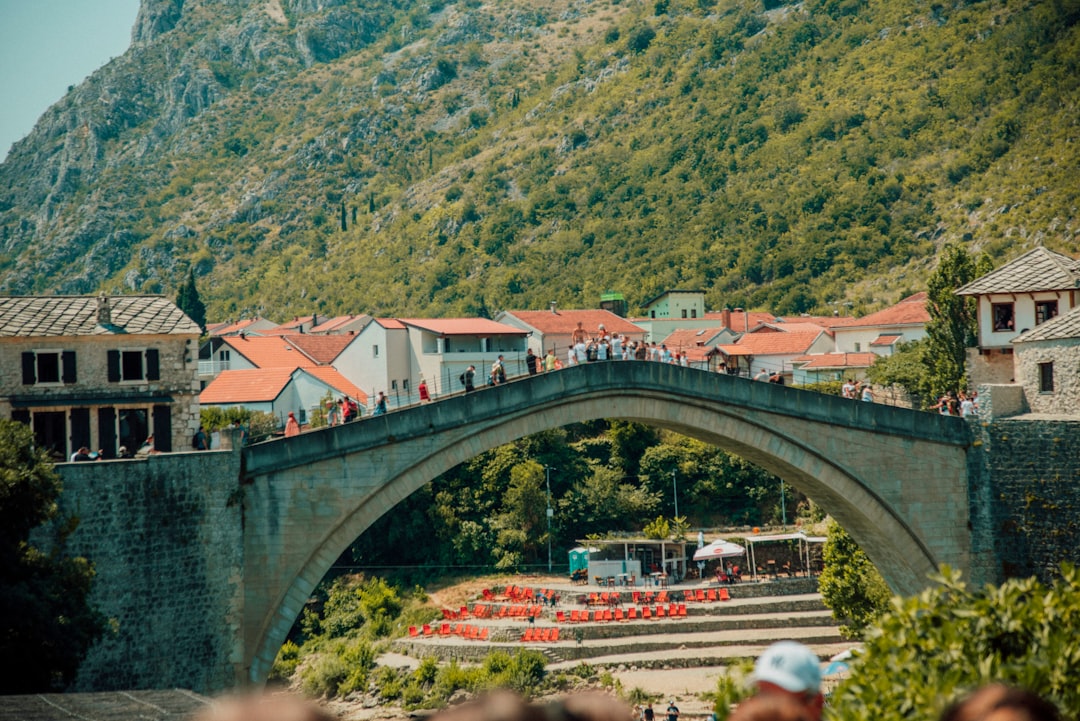
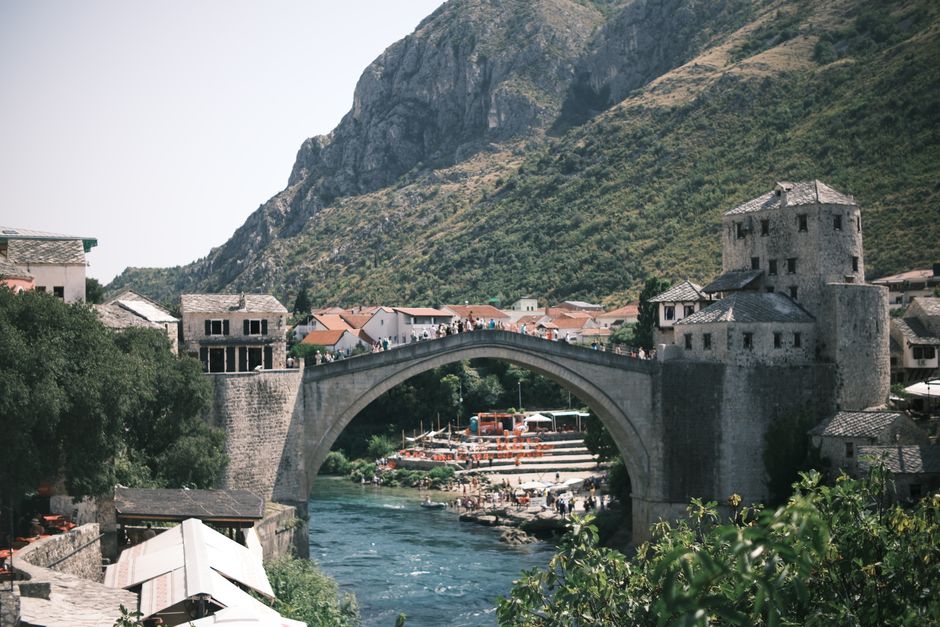
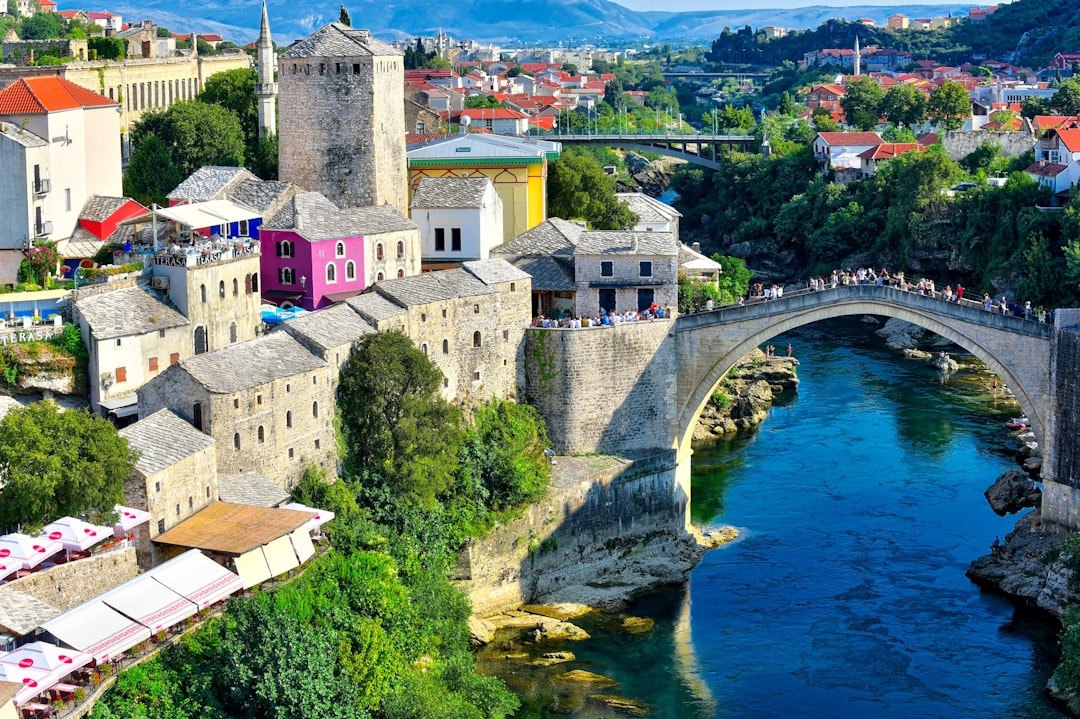
The stone is warm under my palm, absorbing the afternoon sun like a living thing. I am standing on the narrow arch of Stari Most, looking down at the turquoise throat of the river below. The air smells of roasted coffee, diesel fumes from the ferries, and the damp, mineral scent of the Neretva River. A diver is mid-air, a dark silhouette against the water, and the crowd on the banks erupts in a collective gasp. This is not just a tourist show; it is a daily ritual of survival. I remember the first time I visited this city in the late nineties, when the bridge was little more than a pile of rubble in a field of barbed wire. Returning now, the weight of the place hits you in the chest. It is heavy with ghosts, loud with life, and impossibly beautiful. This is Mostar, a city that refused to stay dead.
Walking the length of the bridge, I feel the vibration of footsteps from the other side. On one bank, the Ottoman minarets pierce the sky; on the other, the scars of shell damage remain visible on the facades of old houses. The bridge connects more than just two sides of the river. It stitches together a fractured history, a timeline of empires, wars, and a stubborn, defiant hope. The stones were brought from Blagaj, the same quarry that supplied the original bridge in the 16th century. The reconstruction was not just engineering; it was an act of memory, a promise that some things are worth saving, even when the world is burning around you.
History & Identity
The story of Stari Most is the story of Bosnia and Herzegovina itself. Built in the 1560s under the Ottoman Empire, the bridge was a masterpiece of architecture, designed by the architect Mimar Hayruddin. For centuries, it was the heart of the city, a place where merchants traded, where locals met, and where the famous diving tradition began. The bridge was a symbol of Ottoman power and elegance, a testament to the cultural fusion that defined the region for hundreds of years. It was not just a crossing; it was a gathering place, a stage for daily life.
Then came the war. In November 1993, Croatian forces destroyed the bridge with mortar fire, a symbolic act of erasure that shook the world. The destruction of Stari Most became an icon of the cultural devastation of the Yugoslav wars. For a decade, the city lived in the shadow of that ruin. The river flowed past the empty gap, a silent witness to the violence that had torn the community apart. The bridge was gone, but the memory of it remained, a painful reminder of what had been lost.
The decision to rebuild the bridge was not easy. It was a controversial project, debated by historians, engineers, and locals. Some argued that it should remain as a ruin, a monument to the war. Others believed that rebuilding it was essential for the city's recovery, a way to restore a sense of normalcy and pride. In 2004, after years of planning and fundraising, the new bridge was completed. It was built using the original stones, where possible, and the same techniques as the original. The reopening was a moment of triumph, a celebration of resilience and the power of memory. The bridge was back, but it was not the same. It carried the weight of its history, a living monument to the past and a symbol of hope for the future.
Where to Go
Stari Most — The bridge itself is the main attraction. Walk across it at different times of the day to see how the light changes. In the morning, it is quiet and peaceful; in the afternoon, it is bustling with tourists and locals; at night, it is illuminated and magical. The best view of the bridge is from the banks of the Neretva River, where you can watch the divers leap into the water. Entry is free, but it is worth buying a ticket to the Stari Most Cultural Centre for a deeper understanding of the bridge's history.
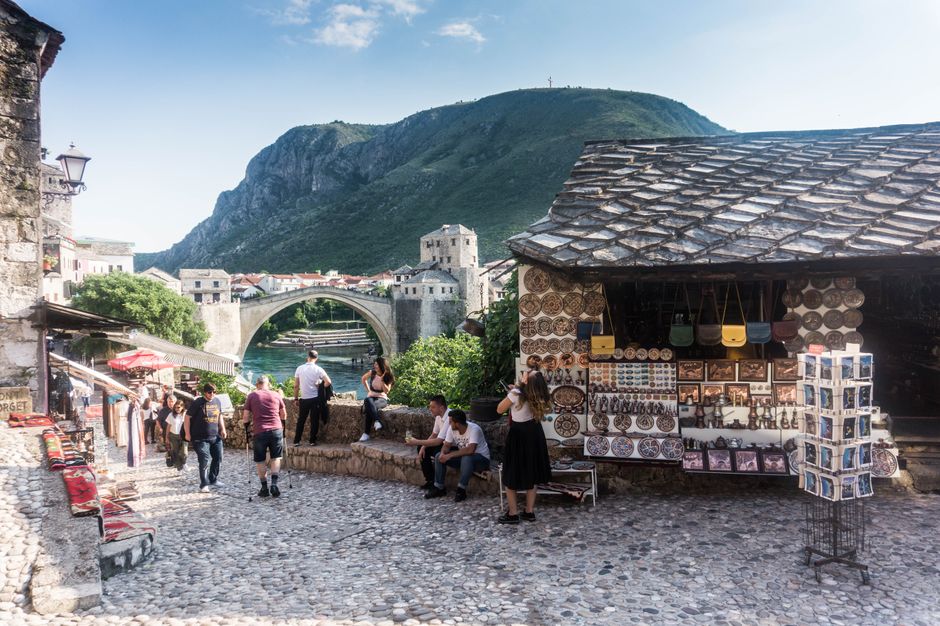
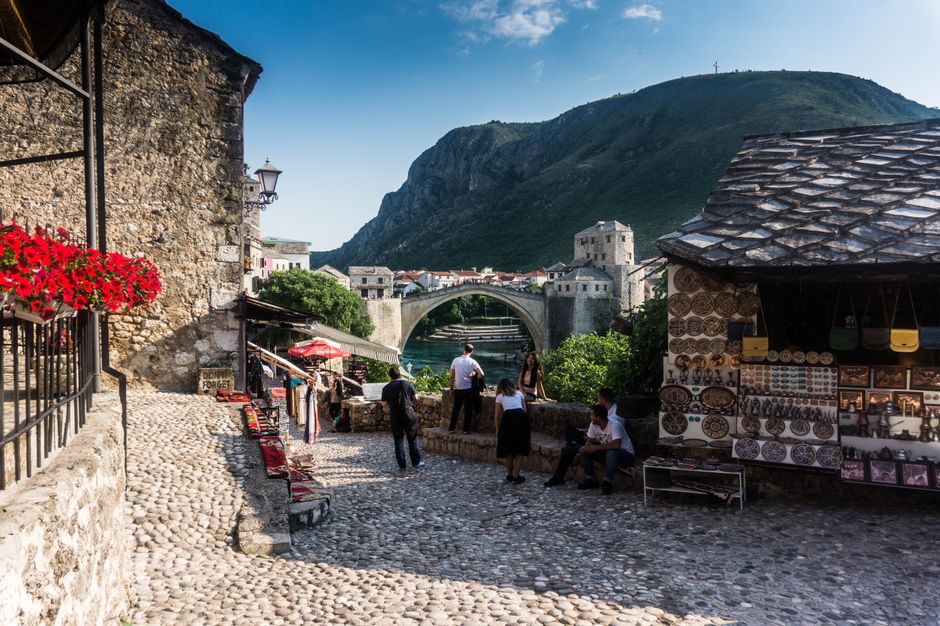
Kujundžiluk — This is the old silverware market, a narrow street lined with shops selling traditional Bosnian crafts. You can find everything here, from intricate silver jewelry to handmade leather goods. It is a great place to buy souvenirs and to experience the traditional craftsmanship of the region. The atmosphere is lively, with the sound of hammers and the smell of metal in the air. Prices vary, but a simple silver ring might cost you 20-50 EUR, while a more elaborate piece could be 100-300 EUR.
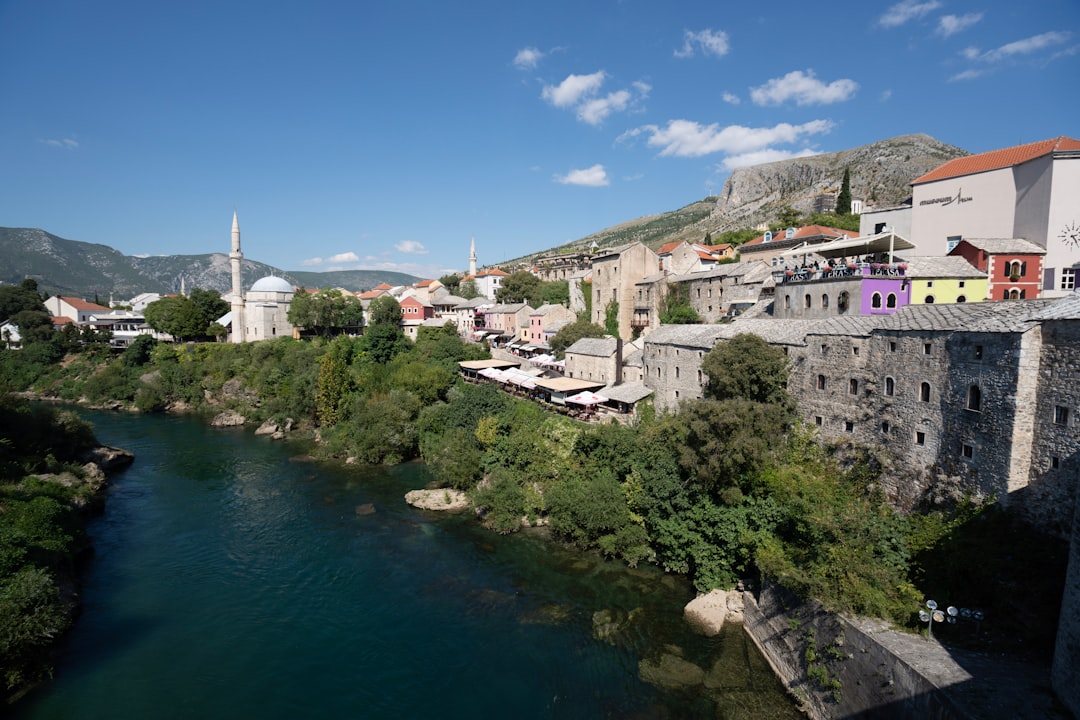
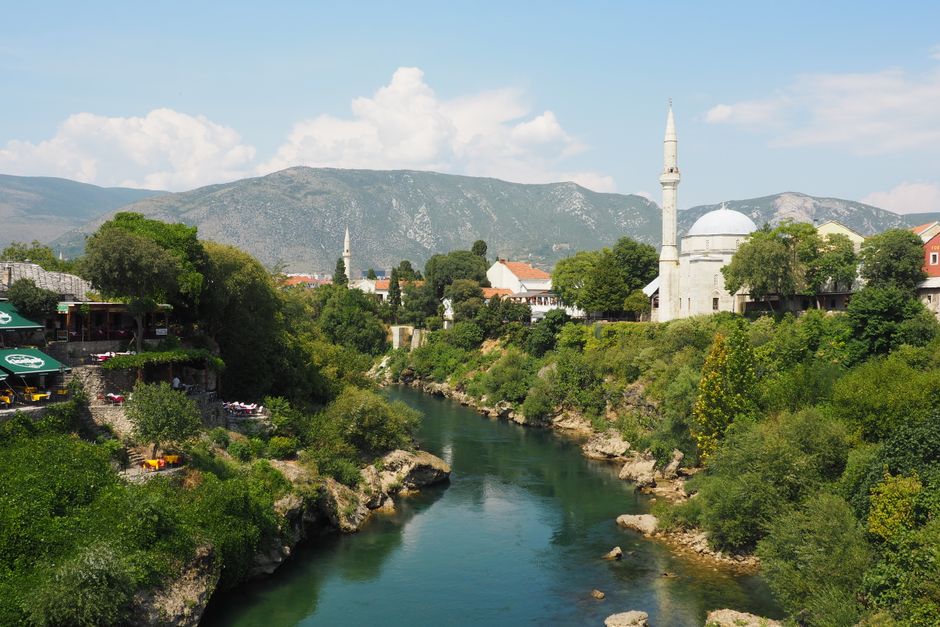
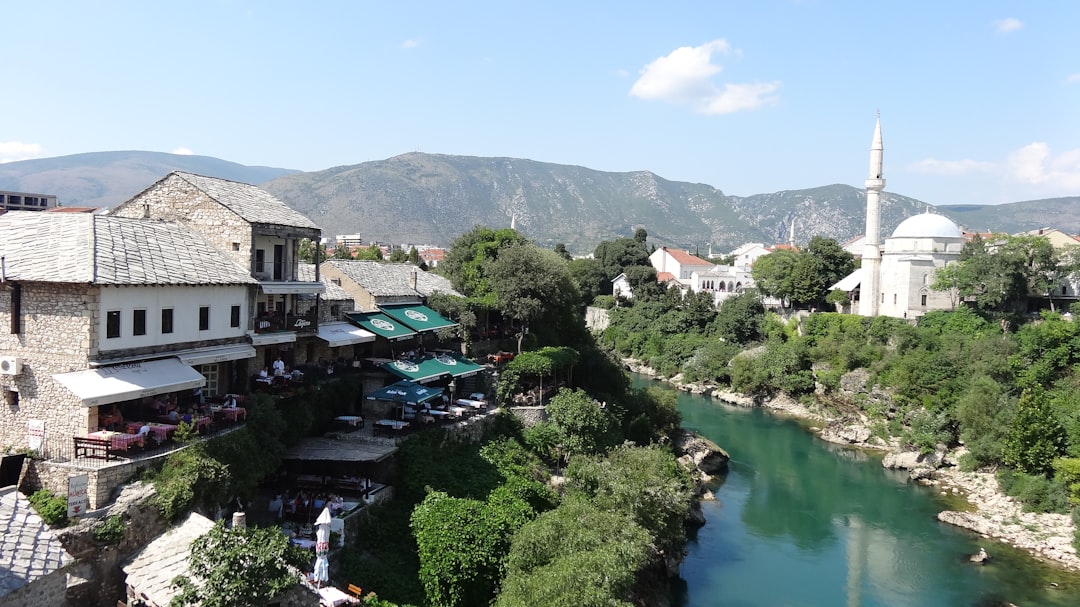
Koski Mehmed Pasha's Mosque — This is one of the most beautiful mosques in Mostar, built in the 17th century. The architecture is stunning, with a tall minaret and a spacious courtyard. The interior is decorated with intricate tiles and calligraphy. It is a peaceful place to visit, away from the crowds. Entry is free, but it is customary to dress modestly and remove your shoes before entering. The mosque is open to visitors, but it is best to visit during non-prayer times.
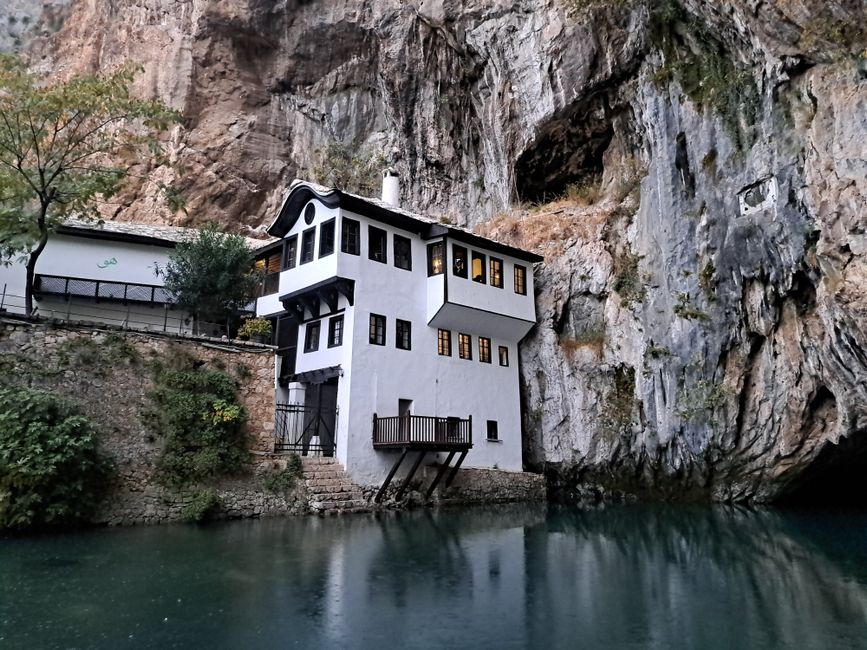
Blagaj Tekke — Just a short drive from Mostar, this is a Dervish monastery built into the side of a cliff, right at the source of the Neretva River. The location is breathtaking, with the river emerging from a cave beneath the monastery. It is a place of spiritual significance, and the atmosphere is serene and contemplative. The view from the balcony is unforgettable. Entry to the complex is 5 EUR, and it is worth taking the time to explore the surroundings. The hike to the top of the cliff offers even more spectacular views.
Old Bazaar of Mostar — This is the heart of the old town, a maze of narrow streets and alleys. You can find everything here, from traditional cafes to souvenir shops. The atmosphere is vibrant, with the sound of music and the smell of food in the air. It is a great place to wander and to soak up the local culture. Don't miss the chance to try some traditional Bosnian sweets, like baklava or tulumba. A cup of coffee in one of the old cafes will cost you 2-4 EUR.
What to Eat & Drink
Mostar's food scene is a delicious mix of Ottoman and Balkan influences. The flavors are rich and hearty, perfect for the cool mountain air. Here are some must-try dishes:
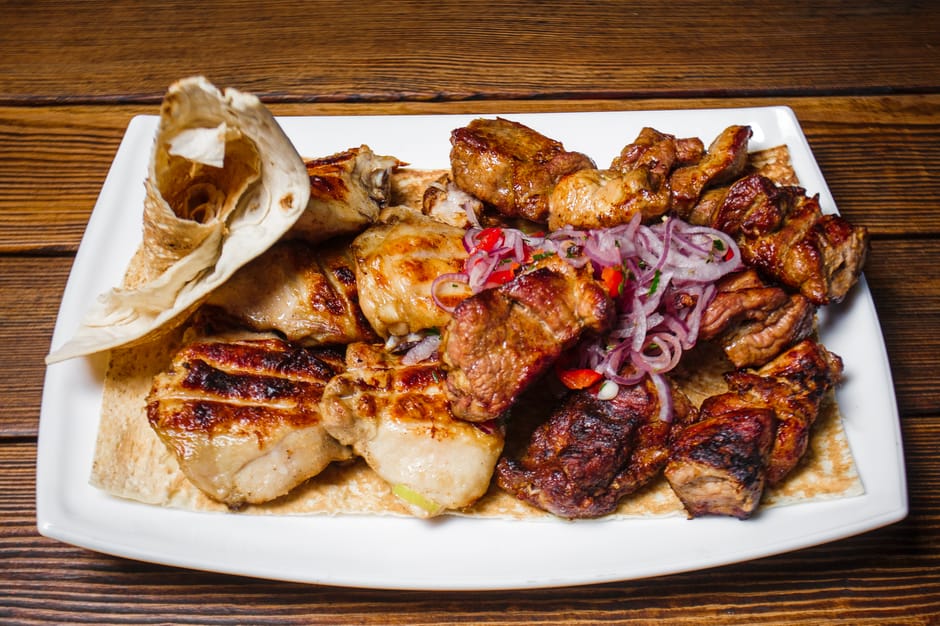
Cevapi — Small grilled meat sausages, served with flatbread and onions. This is a Bosnian staple, and it is delicious. You can find them at almost every restaurant and street food stall. A portion of 3-5 EUR is usually enough to satisfy a hungry traveler. The meat is tender and juicy, with a smoky flavor from the grill. It is best eaten with a cold beer or a glass of rakiya.
Burek — A flaky pastry filled with minced meat, cheese, or spinach. This is a popular breakfast or snack food, and it is incredibly filling. A single burek will cost you 1-3 EUR, and it is a great way to start your day. The pastry is crispy and buttery, and the filling is flavorful and satisfying. It is best served hot, with a cup of strong coffee.
Šopska Salata — A refreshing salad made with tomatoes, cucumbers, onions, and peppers, topped with grated cheese. This is a classic Balkan dish, and it is perfect for a hot summer day. A portion will cost you 3-5 EUR. The salad is light and crunchy, with a tangy flavor from the cheese. It is a great accompaniment to grilled meat or fish.
Baklava — A sweet pastry made with layers of phyllo dough, nuts, and syrup. This is a traditional Ottoman dessert, and it is incredibly rich and indulgent. A piece of baklava will cost you 2-4 EUR. The pastry is crispy and sweet, with a crunchy texture from the nuts. It is best enjoyed with a cup of strong coffee or tea.
For a budget meal, you can find street food and take-away options for under 5 EUR. A sit-down meal at a local restaurant will cost you around 8-15 EUR per person, while a mid-range restaurant will cost you 15-25 EUR. The Old Bazaar is the best place to find traditional food, with plenty of cafes and restaurants to choose from. Don't miss the chance to try some local wine or rakija, a strong fruit brandy that is a popular digestif.
Nightlife
Mostar's nightlife is lively and diverse, with plenty of bars and clubs to choose from. The main nightlife district is around the Old Bazaar, with plenty of cafes and bars to choose from. The atmosphere is relaxed and friendly, with live music and dancing. Here are some of the best places to go:
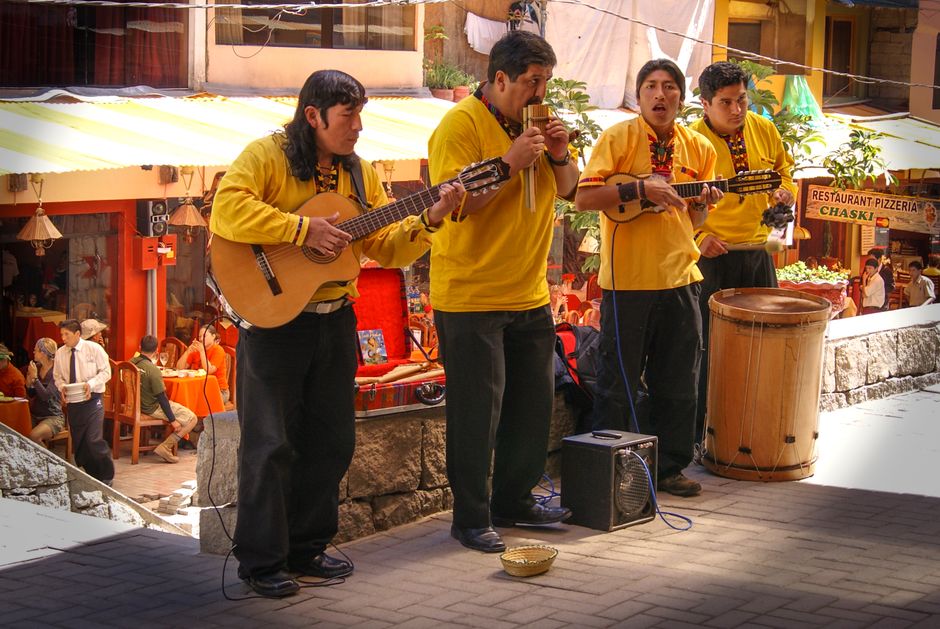
Bešebašija — This is a traditional Bosnian restaurant and bar, located in the heart of the old town. The atmosphere is authentic, with live music and traditional food. It is a great place to experience the local culture and to enjoy a night out with friends. Cover charge is 0-5 EUR, depending on the event. The music is a mix of traditional Bosnian and modern pop, and the dancing is lively and fun.
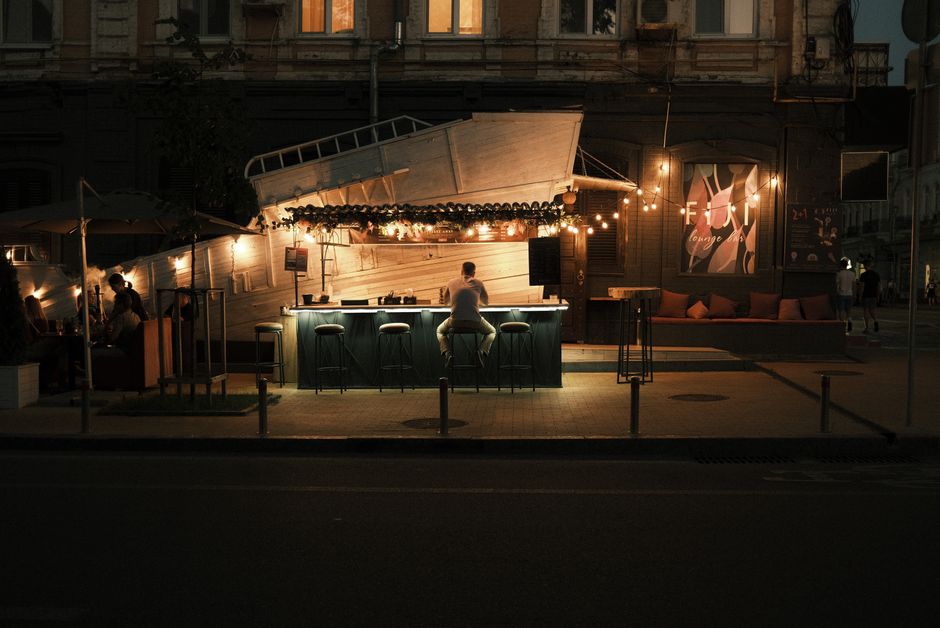
Cafe Mostar — This is a popular cafe and bar, located on the banks of the Neretva River. The view is stunning, with the bridge illuminated in the background. The atmosphere is relaxed and romantic, perfect for a date night. Cover charge is 0 EUR. The drinks are reasonably priced, and the service is friendly. It is a great place to watch the divers and to enjoy the sunset.
Club Dalmatinac — This is a popular club, located in the center of the city. The music is a mix of pop, dance, and electronic, and the dancing is energetic and fun. Cover charge is 5-10 EUR. The atmosphere is lively and exciting, with plenty of people and drinks. It is a great place to party and to meet new people.
Getting There & What to Expect
The nearest airport is in Sarajevo, about away. From there, you can take a bus or a train to Mostar, which takes about 2.5 hours. The bus fare is around 10-15 EUR, while the train is slightly cheaper. You can also drive from Sarajevo, which takes about 2 hours. The road is scenic, with beautiful views of the mountains and valleys. From Split, Croatia, the drive is about and takes around 2 hours. The border crossing can be slow, so allow extra time.
Accommodation in Mostar ranges from budget hostels to luxury hotels. A bed in a hostel will cost you 10-20 EUR per night, while a mid-range hotel will cost you 40-70 EUR per night. Luxury hotels can cost 100-200 EUR per night. The best time to visit is in the spring or autumn, when the weather is mild and the crowds are smaller. Summer is hot and busy, while winter is cold and quiet.
Search accommodation in Mostar on Booking.com →
When you visit Mostar, expect to be moved by the history and the resilience of the city. The people are friendly and welcoming, and the food is delicious. The bridge is a powerful symbol of hope and renewal, and it is a place that everyone should visit at least once in their lifetime. Take your time to explore the old town, to wander the narrow streets, and to soak up the atmosphere. You will leave with a deeper understanding of the region and a lasting memory of a city that refused to give up.
The Stones Remember
I stand on the bridge one last time, the sun dipping below the horizon. The city lights flicker on, reflecting in the dark water below. The divers have finished for the day, and the crowd has thinned. The silence is heavy, but it is not empty. It is filled with the echoes of the past, the voices of those who came before, and the dreams of those who will come after. The stones of the bridge are warm under my feet, a tangible connection to a history that is both painful and beautiful. This is not just a place; it is a feeling. It is the feeling of survival, of resilience, of hope. It is the feeling of a city that has seen the worst and still chooses to build, to create, to live. I walk away, the weight of the place still on my shoulders, but with a sense of peace in my heart. Mostar is not just a destination; it is a lesson. And I am grateful to have learned it.
Comments