


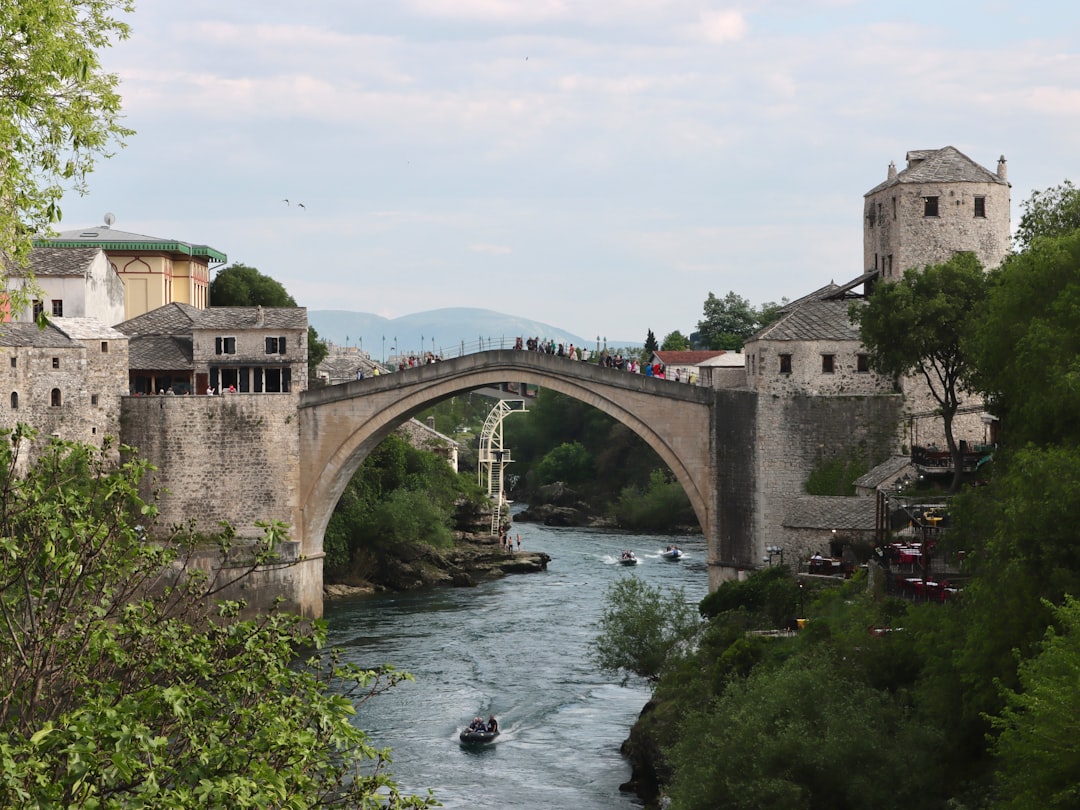
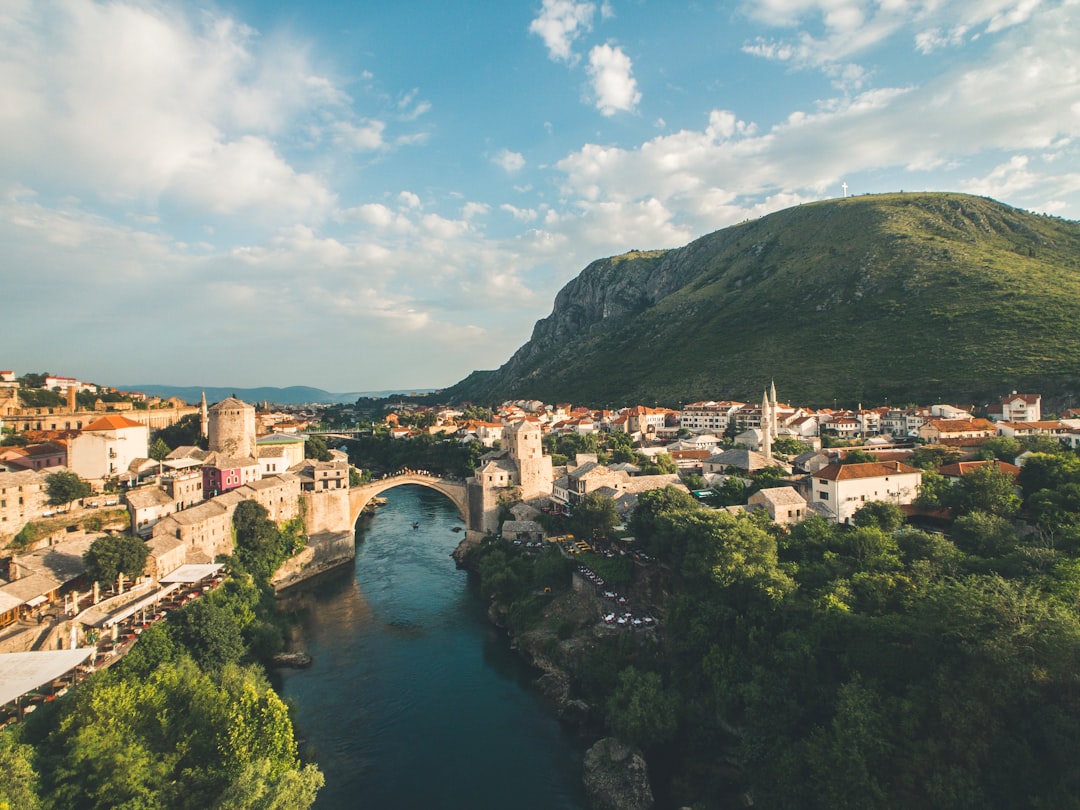
I stood on the old stone parapet of the Stari Most at 2 AM, the air thick with the smell of cheap rakija and unwashed tourists. Below me, the Neretva River rushed black and indifferent, carrying the debris of a war that ended twenty-five years ago but never really stopped. A local guy named Emir, eyes bloodshot from three nights of partying, leaned against the railing and spat over the edge. "You think they fixed the bridge," he said, gesturing with a cigarette. "They just fixed the stones. The people? We are still on different banks." It wasn't a poetic observation. It was a blunt, ugly truth that hit harder than the humidity. I came here expecting a postcard; I found a scar that had been stitched up but never healed.
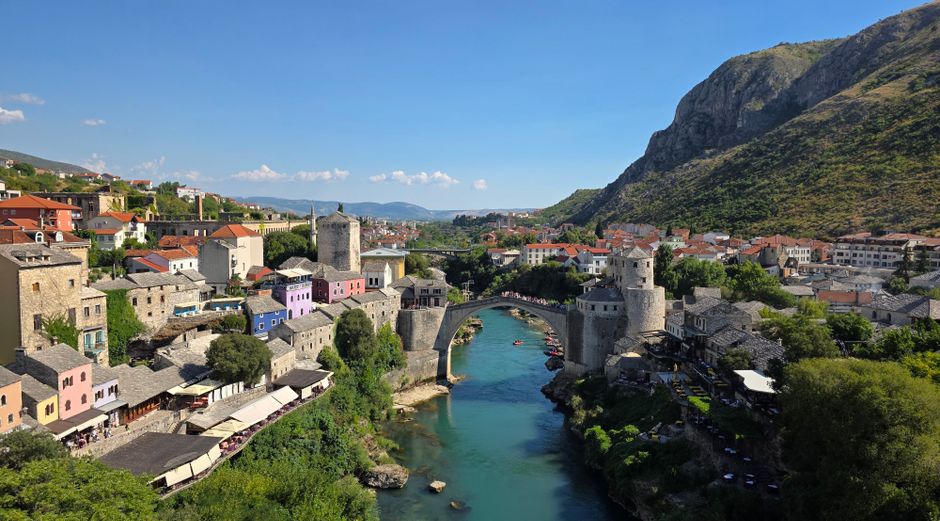
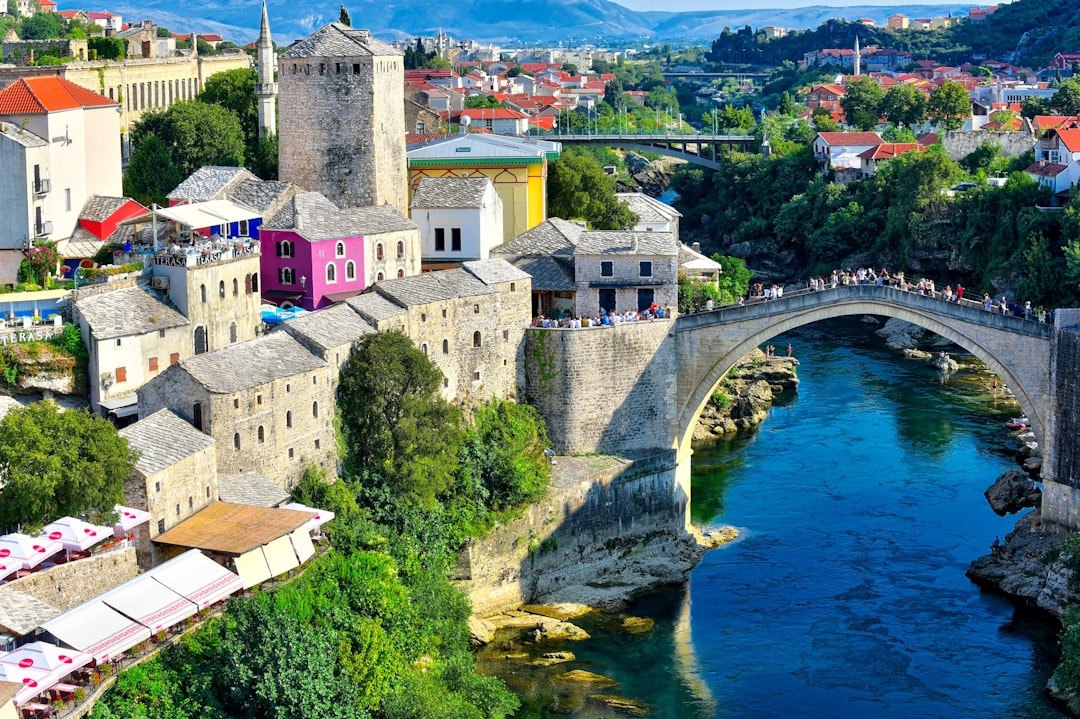
The reconstruction of the Stari Most in 2004 was hailed as a triumph of international diplomacy and cultural preservation. UNESCO, the World Bank, and a host of NGOs poured millions into rebuilding the Ottoman-era bridge that was shelled into the river in 1993. But standing there, looking at the divided city, the triumph felt hollow. The bridge connects the left bank, largely Bosniak, with the right bank, mostly Croat. The architecture is seamless, but the social fabric is not. This is not a story about bricks and mortar. It is a story about how a city can be physically whole while remaining emotionally fractured.
History & Identity
Mostar's identity is a palimpsest of empires. The city was a crucial hub of the Ottoman Empire, a place where East met West in a way that was less about conflict and more about coexistence. The Stari Most, built in the 16th century, was not just a crossing; it was a symbol of that cosmopolitan era. But the 1990s shattered that narrative. During the Bosnian War, Mostar became a battleground between the Army of the Republic of Bosnia and Herzegovina and the Croatian Defence Council. The bridge was destroyed in November 1993, an act that shocked the world because it was seen as the destruction of a shared heritage.
The reconstruction was complex. It wasn't just about engineering; it was about politics. The agreement to rebuild the bridge was signed in 1996, but it took eight years to complete. The project was led by UNESCO and funded by the World Bank, but the local divisions ran deep. For many Bosniaks, the bridge was a symbol of their heritage and their victimhood. For many Croats, it was a symbol of a shared past that they felt was being monopolized by one side. The reconstruction process was fraught with disputes over the design, the materials, and even the symbolism of the new bridge. Was it a replica? A restoration? Or a new structure entirely?
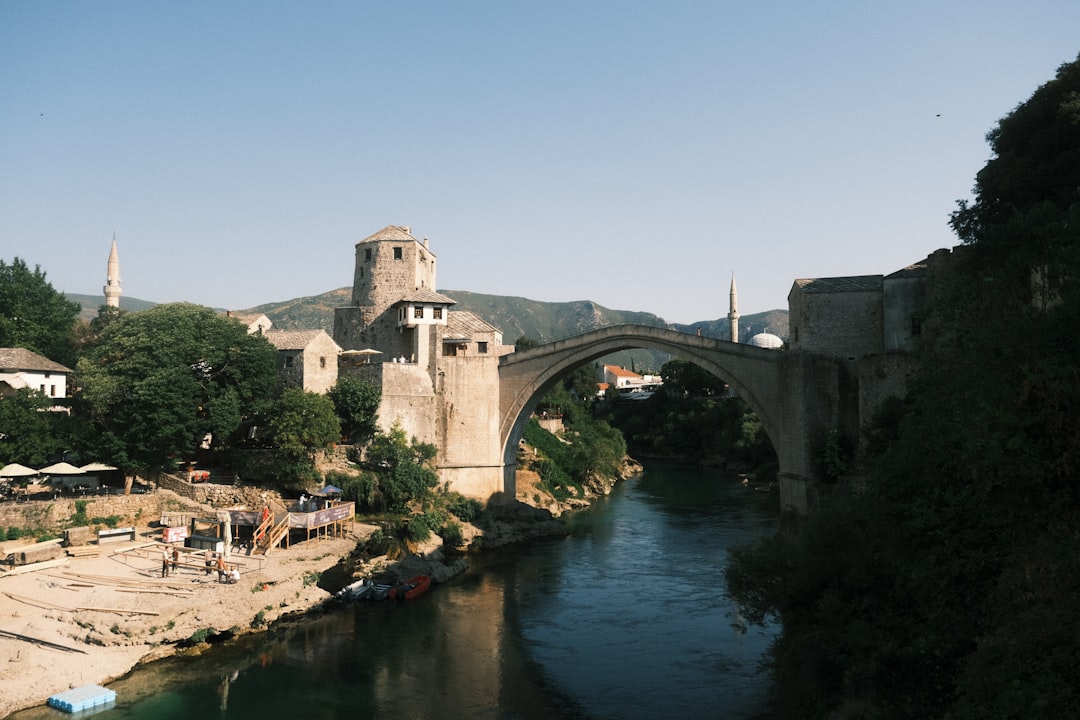
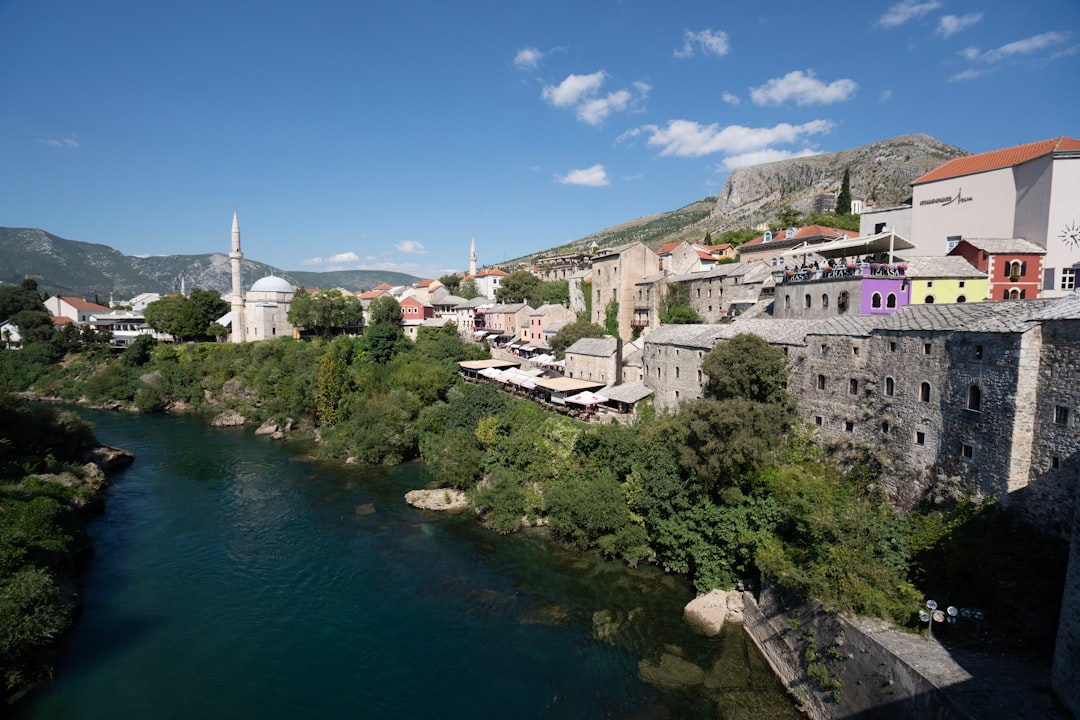
The result is a bridge that looks exactly like the old one, but the city around it tells a different story. The left bank, with its Ottoman-era houses and mosques, feels distinctly Bosniak. The right bank, with its Catholic churches and Croat nationalist symbols, feels distinctly Croat. The bridge connects them, but it does not unite them. The divisions are visible in the street names, the flags, the language, and the everyday interactions. Mostar is a city that has learned to live with its divisions, but it has not overcome them.
Where to Go
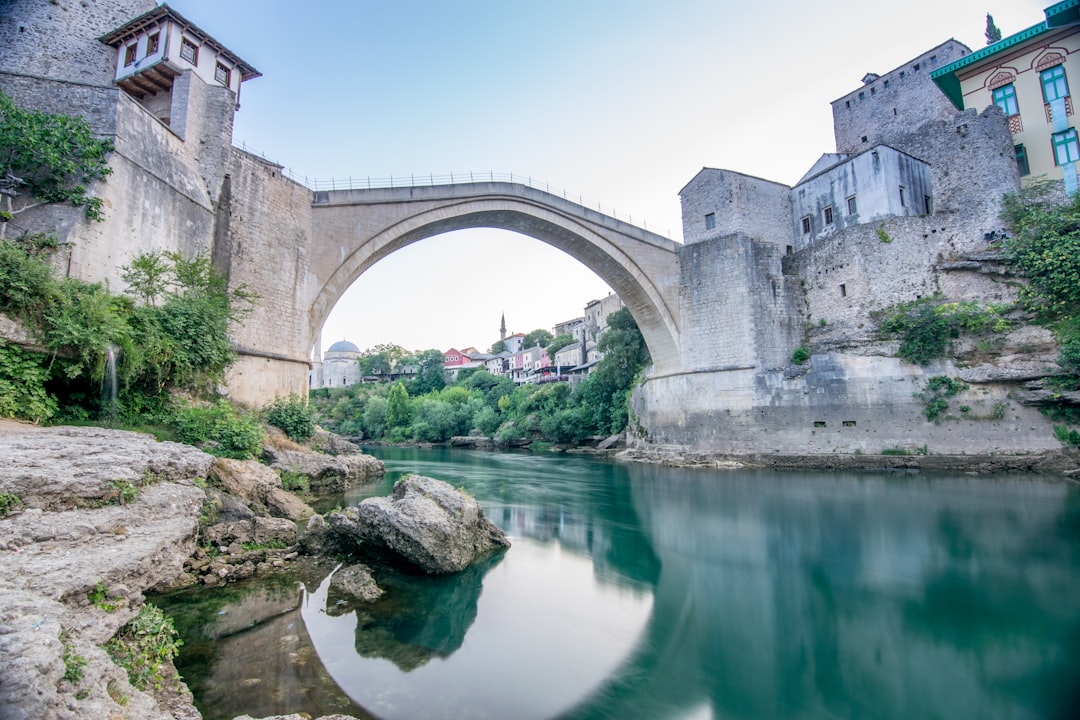
Stari Most — The bridge itself is the main attraction. You can walk across it, take a photo, and watch the divers jump from the top. It is a tourist spectacle, but it is also a reminder of the city's past. The best time to visit is early morning or late evening, when the crowds are thinner and the light is better. Entry is free, but be prepared for the vendors and the selfie sticks.
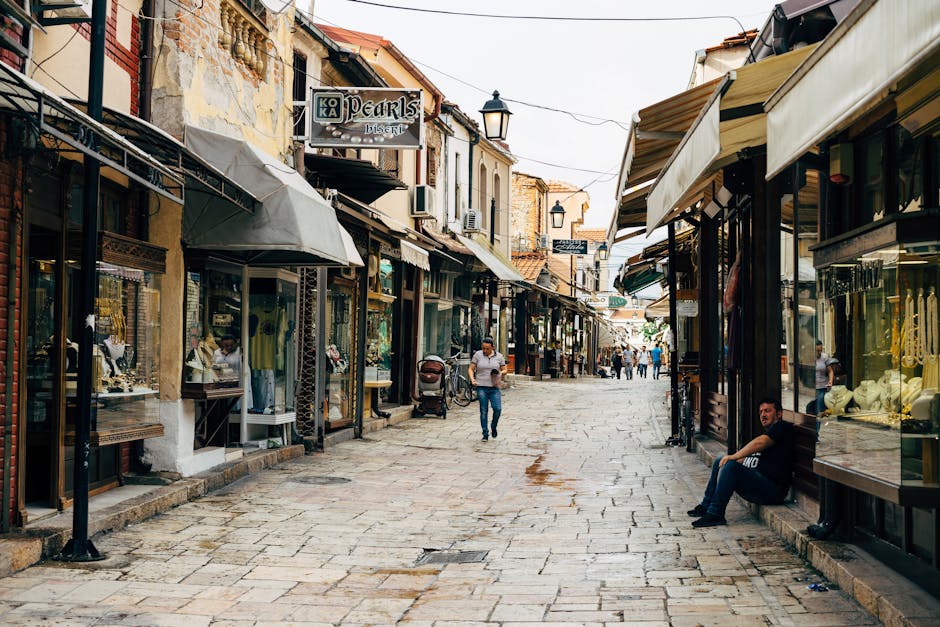
Kujundžiluk — This is the old bazaar on the left bank, a maze of narrow streets filled with shops selling silver, leather, and traditional crafts. It is a great place to wander, but be aware that the prices are often inflated for tourists. Haggle hard, or just look and don't buy. The atmosphere is lively, but it is also a reminder of the city's economic struggles.
Travnik's Old Bridge — Wait, no. That's not in Mostar. Let's stick to Mostar. Hero's Square — Located on the right bank, this is a large public space that is often used for festivals and events. It is a good place to sit and watch the world go by, but be aware that it is also a place where political demonstrations take place. The atmosphere can be tense, so keep an eye on the crowd.
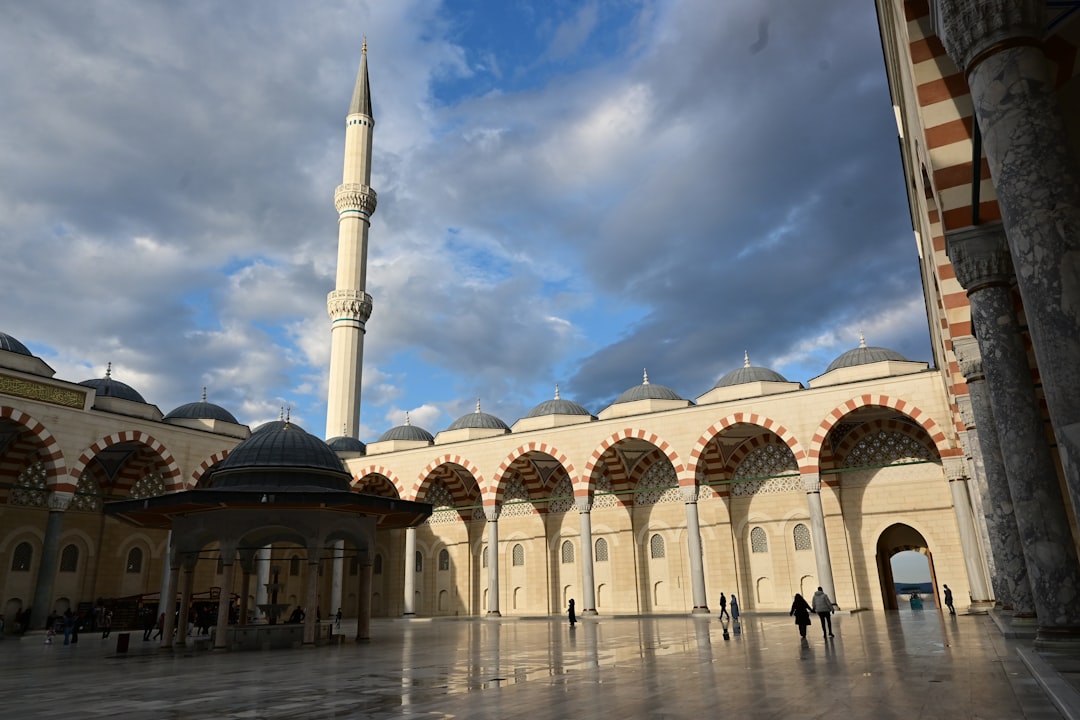
Koski Mehmed Pasha's Mosque — This is the largest mosque in Mostar, located on the left bank. It is a beautiful example of Ottoman architecture, with a tall minaret and a spacious courtyard. The mosque is still in use, so dress modestly and be respectful. The interior is not open to non-Muslims, but the exterior is worth seeing.
Latin Bridge — Another bridge across the Neretva, this one is older and less famous. It is a good place to escape the crowds and get a different perspective on the city. The view from the bridge is beautiful, and the atmosphere is quiet and peaceful.
What to Eat & Drink
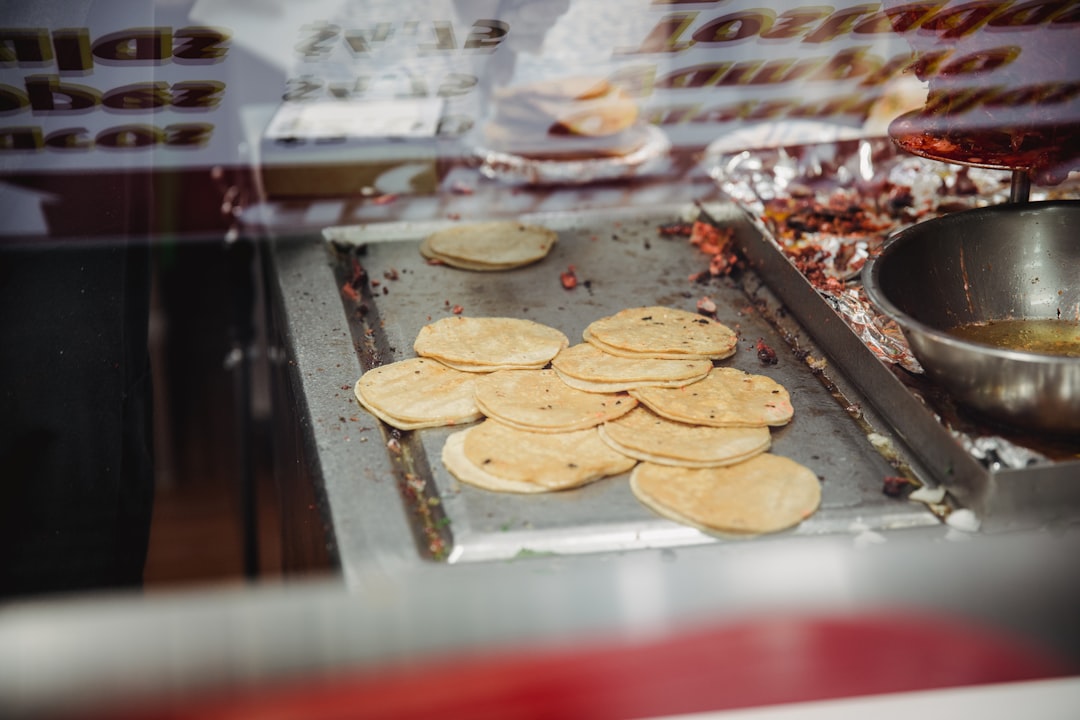
Mostar's food scene is a reflection of its history. The cuisine is a mix of Ottoman and Central European influences, with a focus on meat, bread, and dairy. The most famous dish is ćevapi, small grilled meat sausages served with flatbread and onions. You can find them everywhere, from street stalls to sit-down restaurants. A plate of ćevapi will cost you around 3-5 EUR. Another popular dish is burek, a pastry filled with meat, cheese, or potatoes. It is cheap, filling, and delicious. A slice of burek will cost you around 1-2 EUR.
For a sit-down meal, head to one of the restaurants on the left bank. The prices are reasonable, and the food is good. A typical meal will cost you around 8-15 EUR per person. The drinks are cheap too. A rakija, a local fruit brandy, will cost you around 1-2 EUR per shot. It is strong, it is cheap, and it is a good way to forget your troubles.
One specific food street to check out is the area around Trg Ćemiluš on the left bank. It is filled with cafes, restaurants, and bars, and it is a great place to people-watch. The atmosphere is lively, and the prices are reasonable. It is also a good place to try some local street food, like gibanica, a cheese pie, or proja, a cornbread. Both are cheap and delicious.
Nightlife
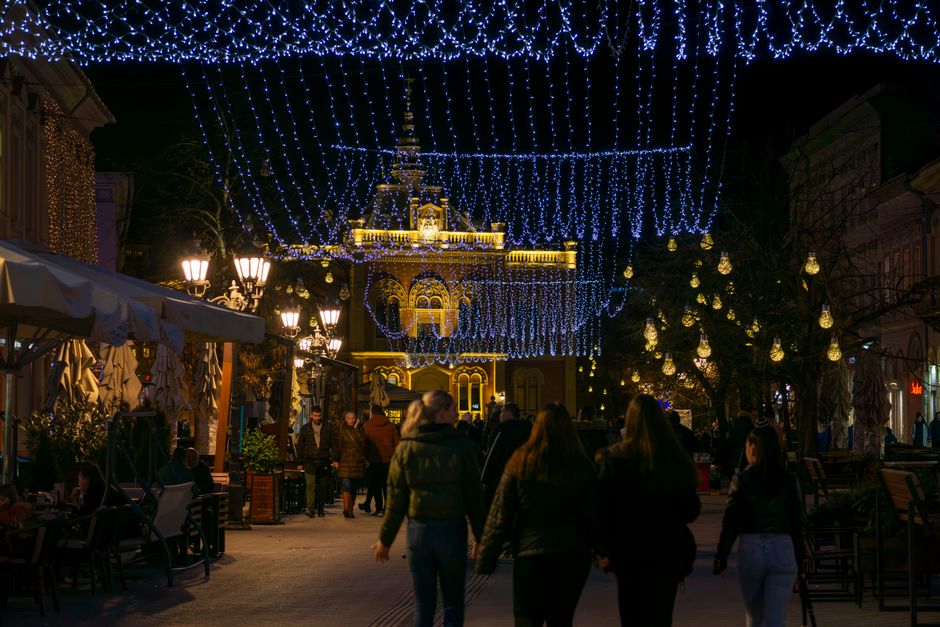
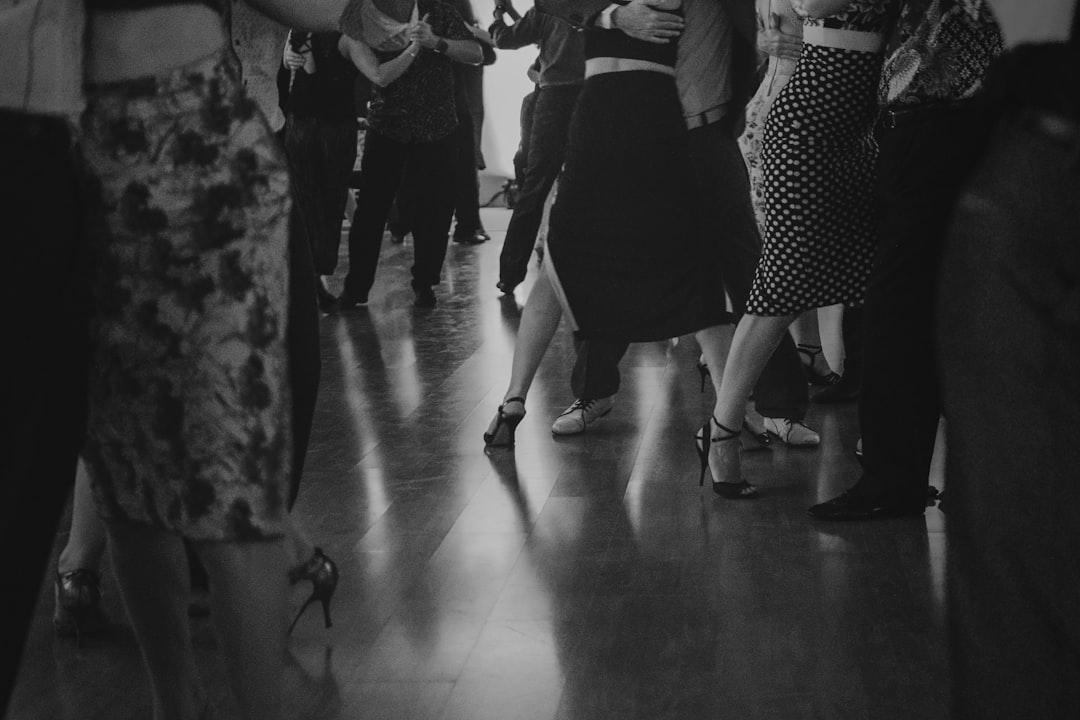
Mostar's nightlife is centered around the left bank, particularly the area around Trg Ćemiluš and the streets leading down to the river. The bars and clubs are small, crowded, and loud. The music is a mix of local bands and international hits, and the atmosphere is energetic. The cover charge is usually free, but you are expected to buy drinks.
One popular venue is Bar Gora, a small bar with a terrace overlooking the river. It is a good place to start the night, with cheap drinks and a relaxed atmosphere. Another popular venue is Club Zebra, a larger club with a dance floor and a live band. It is more expensive, but it is also more lively. The cover charge is around 2-3 EUR, but again, you are expected to buy drinks.
On the right bank, the nightlife is more subdued. There are a few bars and clubs, but they are smaller and less crowded. The atmosphere is more relaxed, and the prices are similar to those on the left bank. It is a good place to go if you want to escape the crowds and enjoy a quiet drink.
Getting There & What to Expect
The nearest airport is Mostar Airport (OMO), but it has limited flights. Most travelers fly into Sarajevo International Airport (SJJ) and take a bus or a taxi to Mostar. The bus journey takes around 2.5 hours and costs around 10-15 EUR. The taxi journey is faster, but it is also more expensive, costing around 50-70 EUR. You can also fly into Split Airport (SPU) in Croatia and take a bus or a taxi to Mostar. The bus journey takes around 2 hours and costs around 10-15 EUR.
Once in Mostar, you can get around on foot. The city is small, and the main attractions are all within walking distance. If you want to explore the surrounding area, you can rent a car or take a bus. The buses are cheap and frequent, but they are also crowded and slow. The car rental is more expensive, but it is also more flexible.
Accommodation in Mostar is cheap. A budget hostel bed will cost you around 10-20 EUR per night. A mid-range hotel room will cost you around 30-50 EUR per night. The best time to visit is between May and October, when the weather is warm and the festivals are happening. The summer months are hot and crowded, so if you want to avoid the crowds, visit in the shoulder season.
Search accommodation in Mostar on Booking.com →
The Unhealed Scar
I left Mostar at dawn, the sky turning a bruised purple over the Neretva River. The city was quiet, the tourists gone, the bars closed. I walked back to my hotel, passing the empty cafes and the closed shops. I thought about Emir and his words. "They just fixed the stones." It was a simple observation, but it was also a profound one. The bridge was rebuilt, but the city was not. The divisions remained, the scars remained, the memories remained.
Mostar is a city that is trying to move on, but it is also a city that is trying to remember. It is a city that is caught between the past and the present, between the desire for unity and the reality of division. It is a city that is beautiful, but it is also a city that is broken. And that is the truth that the postcards don't show.
Comments