


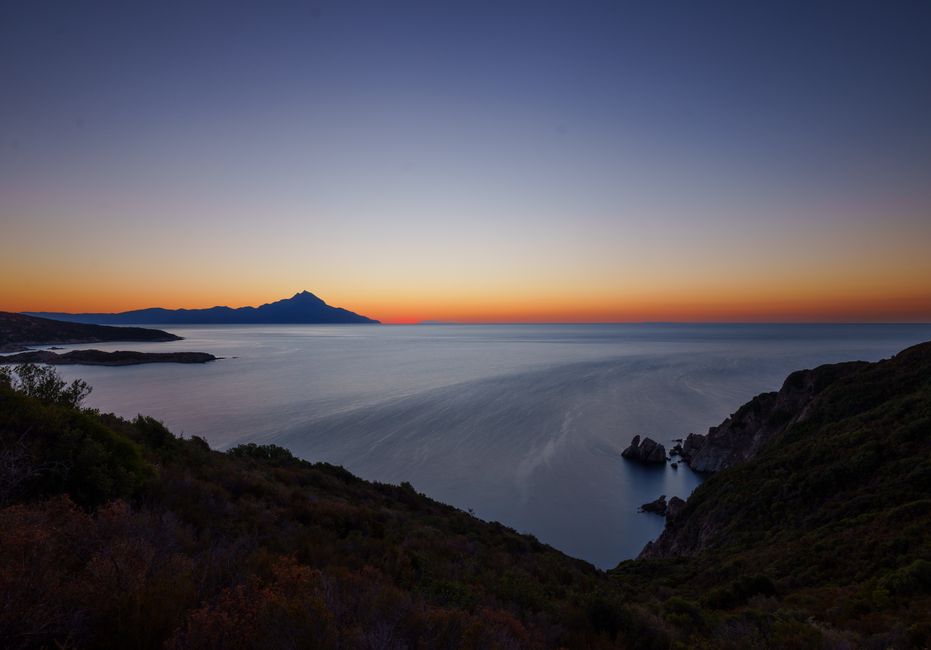
I sat on a cold stone bench in Skala, the only port town on the peninsula, watching a ferry unload a cargo of canned beans, olive oil, and three dozen bearded men in black robes. The air smelled of diesel, salt, and something ancient—incense that had been burning for fifteen hundred years. I wasn't there for the beaches. I was there because the liturgical calendar dictates that Pascha (Easter) is the one time the monastic gates feel less like a fortress and more like a living, breathing organism. My permit was in my pocket, stamped, valid for three days. I had to move fast, eat little, and keep my mouth shut unless spoken to. This is not a vacation. It is a pilgrimage through a time machine where the 21st century is treated as a mild inconvenience.
The Mount Athos peninsula is an autonomous monastic community within Greece, home to twenty monasteries and thousands of monks. Women and females animals are banned. The rules are strict, the food is sparse, and the spiritual intensity is overwhelming. But the real story isn't the architecture or the history; it's the rhythm. The Byzantine calendar dictates every breath, every meal, every prayer. To visit during a feast day is to witness a society in motion, driven by a clock that ticks to the beat of church bells rather than smartphones.
History & Identity
Mount Athos has been a refuge for Orthodox Christianity since the 10th century. The Athonite Charter granted by Byzantine emperors established the peninsula as a monastic state, independent of secular rule. Over the centuries, it became a center of theological debate, art, and preservation of knowledge. The monasteries here are not just religious institutions; they are sovereign entities, each with its own economy, politics, and traditions. The Great Lavra, founded in 963, is the oldest and most prestigious, while Megisti Lavra and Vatopedi hold significant land and influence. The identity of Athos is shaped by isolation. Cut off from the mainland by sea and strict entry rules, the monks have preserved rituals that have vanished elsewhere. The calendar here is not just a schedule; it is a map of the soul, marking times of fasting, feasting, repentance, and celebration.
The modern identity of Athos is a blend of ancient tradition and contemporary reality. Monks now use computers, manage forests, and engage in diplomacy. Yet, the core remains unchanged. The Octoechos, the eight-tone system of Byzantine chant, still fills the cathedrals. The Typikon, the rulebook for monastic life, still governs daily routine. To understand Athos, you must understand its calendar. It is a cycle of 52 weeks, divided into liturgical seasons, each with its own colors, hymns, and restrictions. Great Lent is a time of strict fasting and prayer. Great Pascha is the climax, a week of joy, forgiveness, and communal celebration. Christmas and Theophany are other major feasts, but Pascha is the heartbeat.
Where to Go
Great Lavra — The mother monastery of Athos, founded by Athanasius the Athonite. Its cathedral is a masterpiece of Byzantine architecture, filled with icons and frescoes. The library houses thousands of manuscripts. Entry is free for pilgrims with a permit, but donations are expected. Best visited in the morning before the main service.
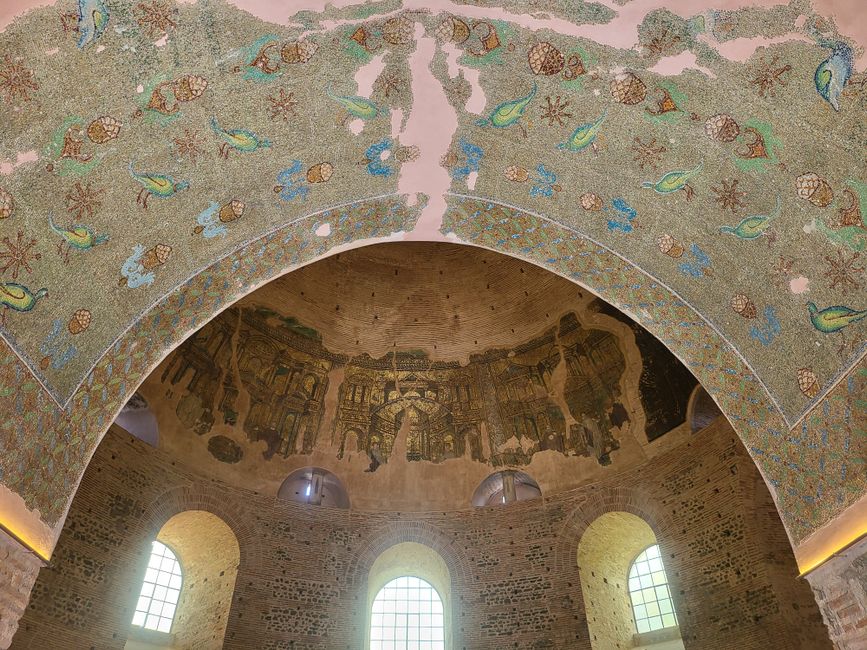
Vatopedi Monastery — The largest and wealthiest monastery, known for its vast landholdings and impressive fortifications. The cathedral features rare icons and a beautiful iconostasis. The surrounding gardens and orchards are maintained by the monks. Entry is free, but guided tours are available for a small fee. Visit during the feast of the Transfiguration for a special service.
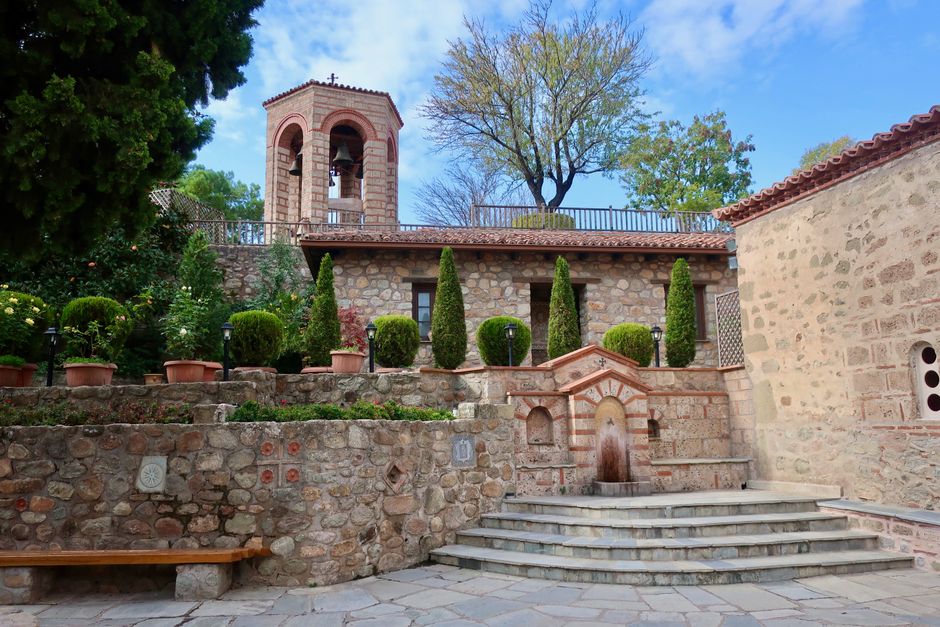
Karyes — The administrative center of the Athonite Commonwealth. Home to the Holy Community, the governing body of the monasteries. The main square is a hub of activity, with shops, cafes, and the central church. It is the best place to observe daily monastic life and interact with visitors. The atmosphere is lively, especially during feast days.
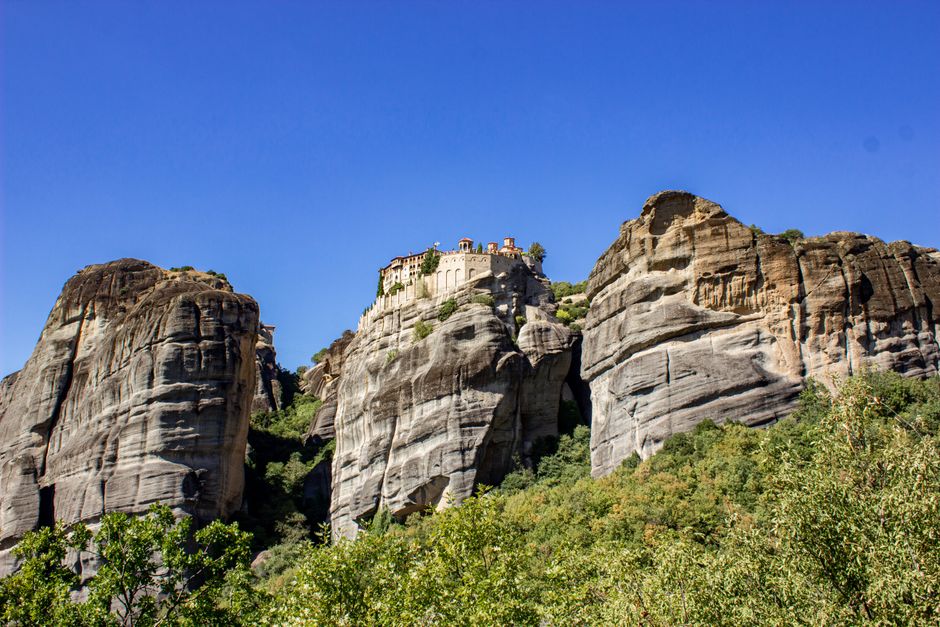
Simonopetra Monastery — Perched on a cliff overlooking the Aegean Sea, this monastery is known for its stunning views and peaceful atmosphere. The approach involves a steep climb, but the reward is a sense of isolation and tranquility. The church features beautiful frescoes and a collection of icons. Entry is free. Best visited in the afternoon when the light is golden.
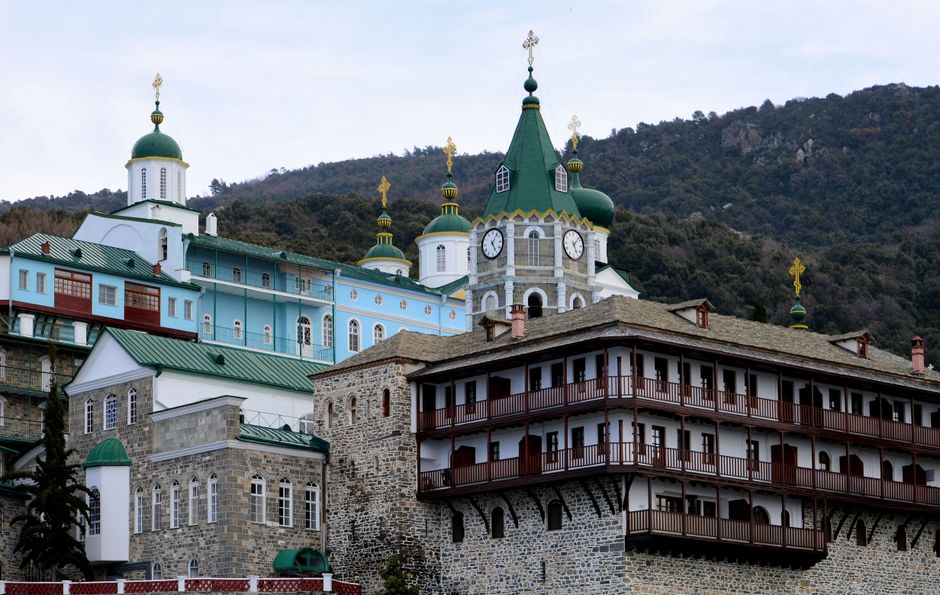
Skala Port — The only point of entry for visitors. The port area has shops, restaurants, and the permit office. It is a bustling hub of activity, with ferries arriving and departing daily. The atmosphere is a mix of secular and sacred, with pilgrims, tourists, and monks all mingling. It is the best place to buy supplies and arrange transport to the monasteries.
What to Eat & Drink
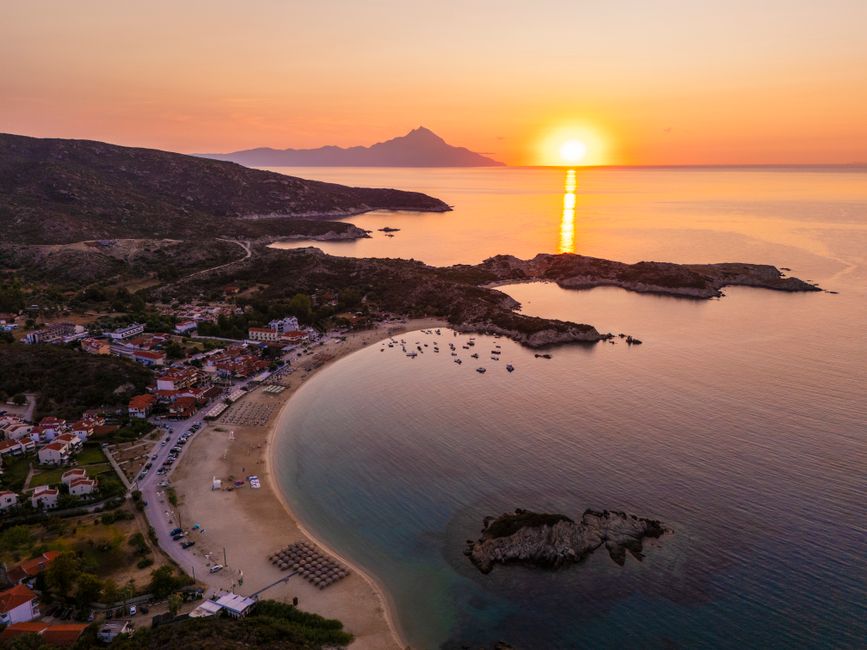
Food on Mount Athos is simple, vegetarian, and deeply tied to the liturgical calendar. During fasting periods, monks eat only plant-based foods, no meat, dairy, or eggs. During feast days, meat and dairy are allowed. Typical dishes include lentil soup 2-3 EUR, vegetable stew 3-4 EUR, bread 1 EUR, and fruit 1-2 EUR. Meals are taken in silence, with readings from scripture. The focus is on nourishment, not indulgence. Budget travelers can expect to spend 10-15 EUR per day on food, mostly on simple meals and snacks. Mid-range options are rare, but some monasteries offer guesthouses with meals included for 20-30 EUR per night. Take-away options are limited, but there are small shops in Karyes and Skala selling bread, fruit, and water.
The food scene is not about gourmet experiences; it is about sustenance and tradition. The refectories of the monasteries are communal dining halls where monks eat together. The atmosphere is solemn, with readings from the Bible or hagiographies. For visitors, the experience is a lesson in humility and gratitude. The flavors are simple, but the context is profound. You are eating not just food, but a tradition that has been preserved for centuries.
Nightlife
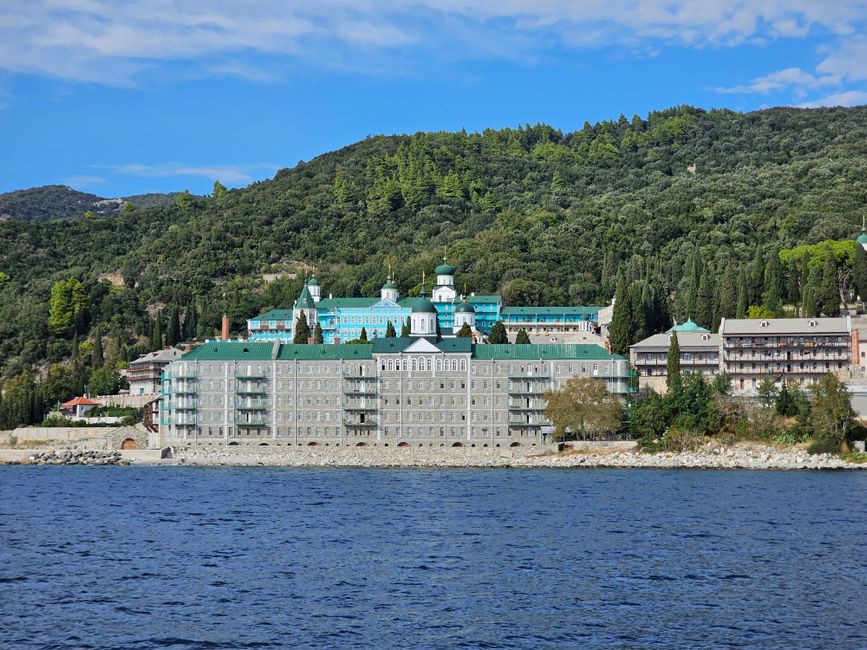
There is no nightlife in the conventional sense. The monasteries close their gates at night, and the peninsula is quiet. However, the spiritual life continues. The night office is a service held in the early hours of the morning, with chanting and prayer. Some monasteries allow visitors to attend, offering a glimpse into the deeper rhythms of monastic life. The atmosphere is serene, with the sound of bells echoing through the mountains. For those who seek a more social experience, the cafes in Karyes stay open until late, offering coffee, tea, and conversation. The crowd is a mix of pilgrims, scholars, and monks, all sharing stories and reflections.
The "nightlife" of Athos is not about clubs or bars; it is about silence and reflection. The darkness of the night is punctuated by the glow of candles in the churches, a reminder that the light of faith never goes out. For those who can appreciate it, this is a more profound experience than any party. It is a chance to connect with something deeper, to feel the presence of the divine in the quiet hours.
Getting There & What to Expect
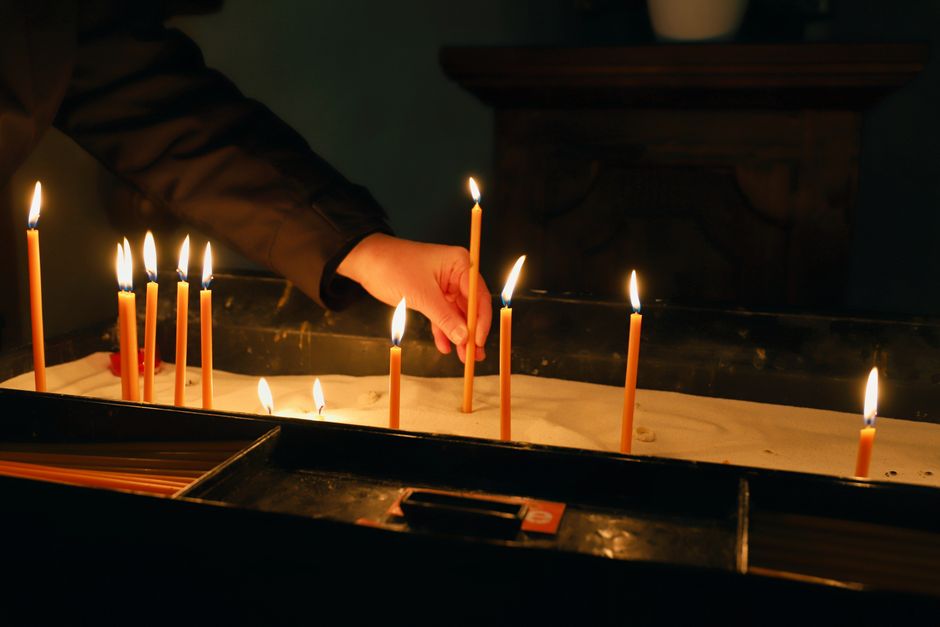
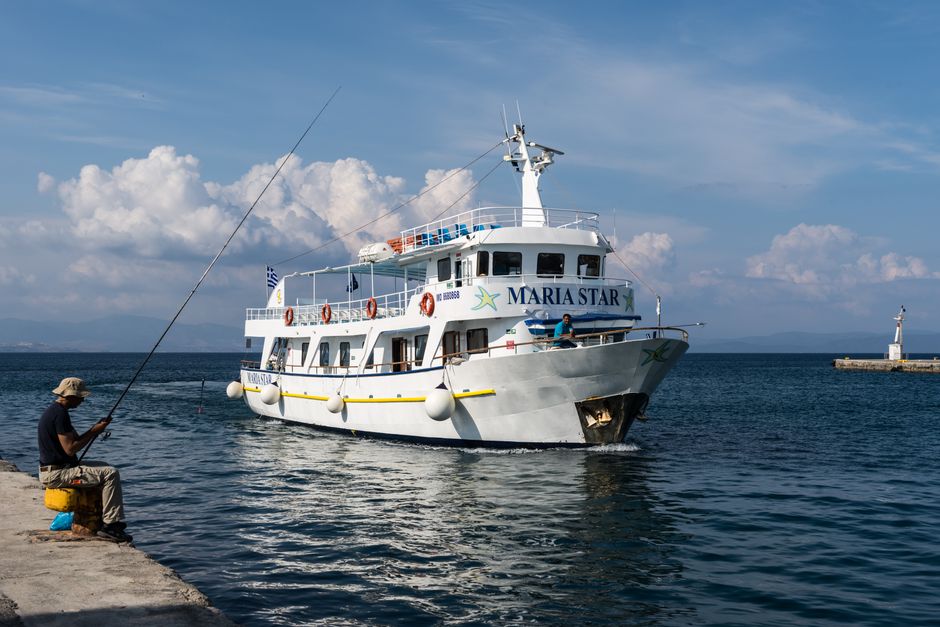
To reach Mount Athos, you must first travel to Thessaloniki, Greece's second-largest city. From there, take a ferry to Skala Port. Ferries run daily, with a journey time of about one hour. The cost is 30-40 EUR round trip. Alternatively, you can take a bus from Thessaloniki to Skala, with a journey time of two hours and a cost of 10-15 EUR. A permit is required for entry, obtainable in Thessaloniki or Athens. The process takes several weeks, so plan ahead. Accommodation is limited, with monasteries offering guesthouses for 20-40 EUR per night. Camping is not allowed. The best months to visit are spring and autumn, when the weather is mild and the crowds are smaller. Summer can be hot and crowded, while winter can be cold and wet.
What to expect: strict rules, simple food, and a profound spiritual atmosphere. The monks are hospitable, but they expect respect and adherence to their customs. Dress modestly, keep your voice low, and avoid photography in sacred spaces. The experience is not for everyone, but for those who seek a deeper connection with faith and tradition, it is unparalleled. The calendar here is a map of the soul, guiding you through a journey of reflection and renewal.
Search accommodation in Thessaloniki on Booking.com →
The Weight of the Calendar
As I left Athos, the ferry pulling away from Skala, I felt a strange sense of loss. Not for the places I had seen, but for the rhythm I had stepped into. The calendar there is not just a schedule; it is a way of being. It reminds you that time is not linear, but cyclical, that every moment is charged with meaning. In a world obsessed with speed and efficiency, Athos offers a different model. One where silence is golden, where community is sacred, and where the past is always present. It is not a place to escape to, but a place to confront yourself. And in that confrontation, there is a strange and beautiful freedom.
Comments