


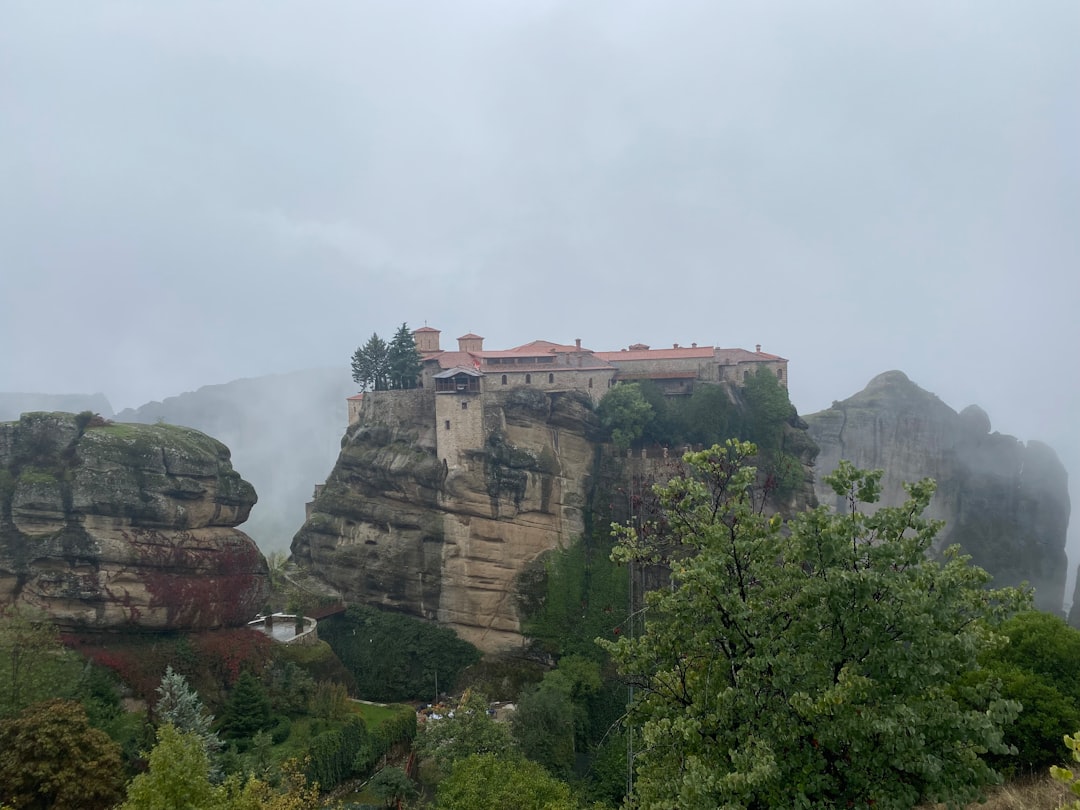
The air up here doesn't just thin; it vanishes, replaced by a silence so heavy it feels like a physical weight pressing against your eardrums. I am standing on a ledge of sandstone so sheer that looking down requires a deliberate act of will, my sneakers gripping the rough, sun-baked rock while a local monk in black robes passes me with a nod that carries the gravity of a thousand years. This isn't a vacation spot where you sip iced coffee and snap selfies for the 'gram. This is the Cave of St. Paul, perched atop the highest pillar in all of Greece, a place where the boundary between the earth and the sky dissolves into a vertical blur. To get here, you have to earn it, climbing a path that feels less like a trail and more like a test of faith, leaving the modern world far below in a haze of dust and distant traffic.
Most tourists treat Meteora like a photo op, checking off the monasteries that are accessible by road and calling it a day. But the real soul of this place, the raw, unfiltered essence of the ascetic tradition, lies in the caves that require a climb. The Cave of St. Paul is the crown jewel of these hidden sanctuaries, a place where the first hermit of Meteora lived, ate, and prayed in absolute isolation. It is not for the faint of heart, the claustrophobic, or those who need handrails. It is a pilgrimage for the stubborn, the curious, and the spiritually hungry, demanding a physical toll that rewards you with a perspective on life that you simply cannot find in a guidebook.
The Vertical Theology of Meteora
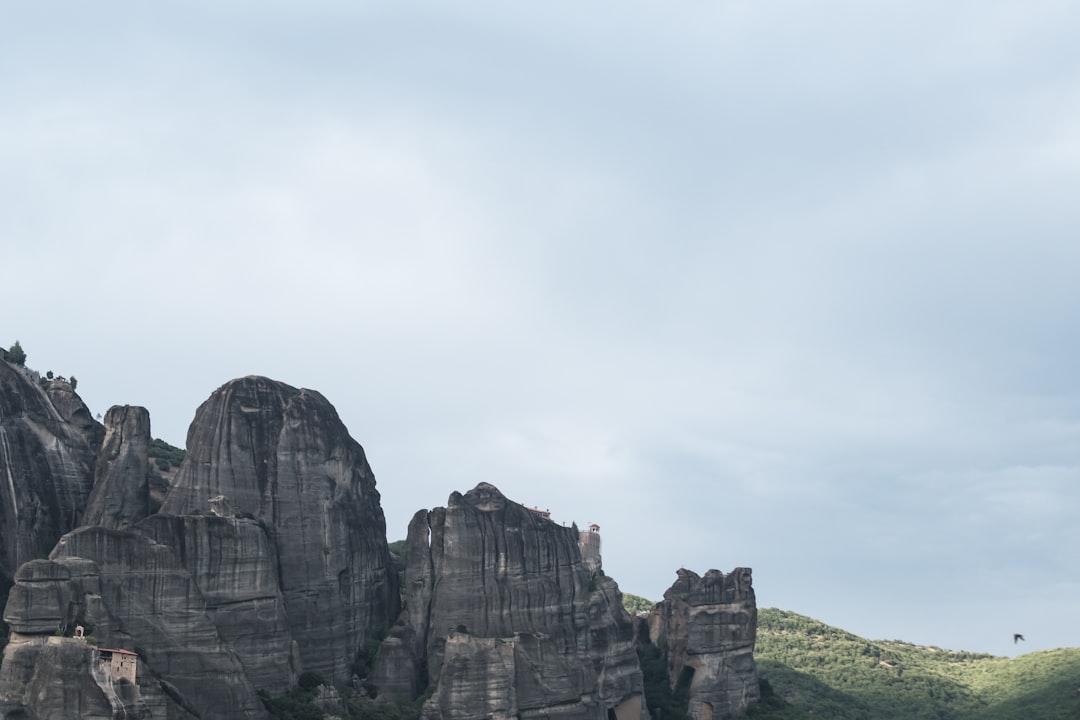
Before you even think about climbing, you need to understand why these rocks matter. The Meteora rock formations are not just geological oddities; they are a testament to the power of human will against the indifference of nature. Rising from the plains of Thessaly, these massive pillars of sandstone and conglomerate were formed millions of years ago by river erosion, wind, and rain. They look like something out of a science fiction movie, towering hundreds of meters into the sky with monasteries clinging to their sides like barnacles on a whale.
In the 14th century, hermits began to seek refuge in these caves, drawn by the isolation and the spiritual intensity of the landscape. They were called "sky-walkers," men who lived on the rocks, surviving on minimal food and water, dedicating their lives to prayer and contemplation. The first of these was St. Athanasios, who established the first monastery and laid the groundwork for the community that would follow. But it was St. Paul, his disciple, who pushed the boundaries of asceticism further, moving higher up the rocks to a cave that was nearly inaccessible, a place where he could be alone with God and the elements.
The tradition of living on these rocks continued for centuries, with more monasteries being built and more hermits seeking solitude in the caves. Today, only a few of these caves are accessible, and the Cave of St. Paul is the most famous and the most challenging to reach. It is a place where you can feel the presence of the past, where the echoes of prayers whispered centuries ago still seem to linger in the thin mountain air.
The Climb: A Test of Faith and Fitness
The climb to the Cave of St. Paul is not a hike; it is an assault on your comfort zone. The trail begins near the Varlaam Monastery, one of the larger and more accessible monasteries in the area. From there, you follow a path that winds through the rocks, gradually becoming steeper and more rugged. The path is marked, but it is not maintained for tourists; it is a trail for monks and locals, a path that has been worn by feet and faith over centuries.
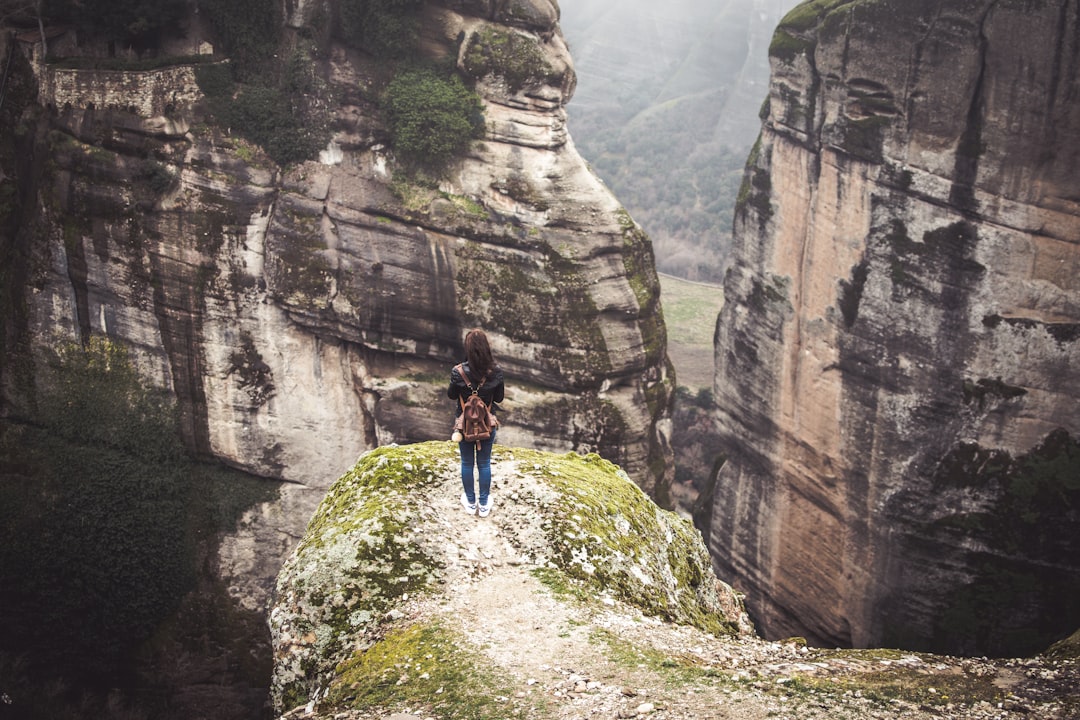
The first part of the climb is manageable, a steady ascent through a landscape of scrubby vegetation and rocky outcrops. But as you gain elevation, the path becomes narrower and steeper, requiring you to use your hands to pull yourself up over rocks and around corners. There are no handrails, no safety nets, no guarantees. You are on your own, trusting in your own strength and the solid rock beneath your feet. The climb takes about an hour, but it feels like an eternity, each step a battle against gravity and doubt.
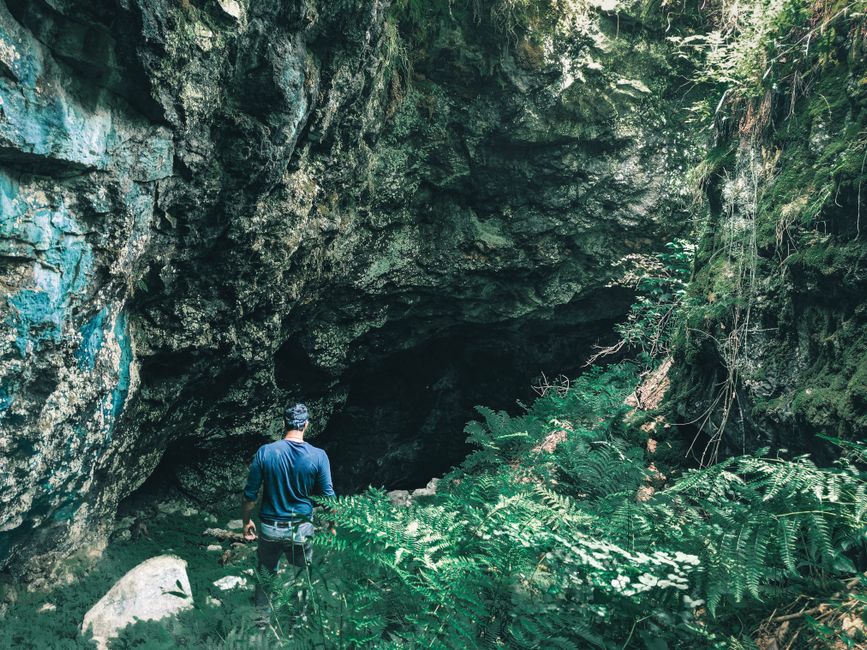
As you near the top, the air grows thinner and the silence deeper. The world below fades away, replaced by a vast panorama of sky and rock. And then, suddenly, you are there, standing at the entrance to the Cave of St. Paul, a small opening in the side of the rock that leads to a dark, cool interior. It is a moment of pure triumph, a sense of accomplishment that is hard to describe, a feeling that you have touched something sacred, something real.
Inside the Cave: A Glimpse into the Past
Stepping into the Cave of St. Paul is like stepping back in time. The interior is small, barely large enough for a few people to stand, but it is filled with a sense of history and spirituality that is palpable. The walls are rough and uneven, carved out of the rock by the hands of hermits who lived here centuries ago. In the corner, you can see the remains of a small altar, a place where prayers were whispered and candles were lit.
The cave is dark, illuminated only by the light that filters in through the entrance and a few small windows that have been cut into the rock. The air is cool and still, smelling of earth and stone. It is a place of profound silence, a place where you can hear your own heartbeat and the sound of your own breathing. It is a place where you can feel the presence of the past, where the echoes of prayers whispered centuries ago still seem to linger in the thin mountain air.
There is little to see in the cave, no artifacts, no exhibits, no explanations. But that is the point. The Cave of St. Paul is not a museum; it is a sanctuary, a place for contemplation and reflection. It is a place where you can sit in silence and think about your own life, your own beliefs, your own place in the universe. It is a place where you can connect with something greater than yourself, something that has been here for millions of years and will be here long after we are gone.
Getting There & What to Expect
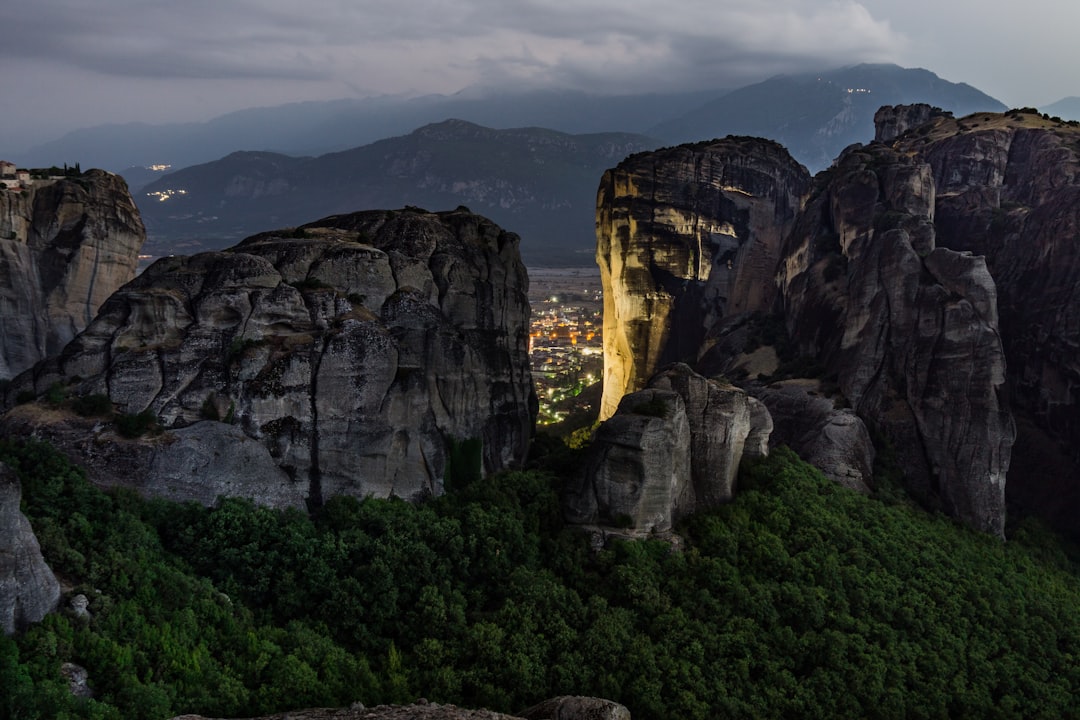
The nearest town to the Cave of St. Paul is Kalabaka, a charming town at the base of the rocks with a rich history and a vibrant culture. From Kalabaka, you can take a bus or a taxi to the Varlaam Monastery, which is the starting point for the climb. The bus ride takes about 30 minutes and costs around 2-3 EUR, while a taxi will cost around 10-15 EUR. Once you reach the monastery, you can park your car or take a short walk to the trailhead.
Accommodation in Kalabaka ranges from budget hostels to luxury hotels, with prices starting at 20-30 EUR per night for a basic room and going up to 100-150 EUR per night for a luxury suite. There are also several camping sites in the area, which are a great option for budget travelers and those who want to experience the natural beauty of the region up close.
The best time to visit the Cave of St. Paul is in the spring or autumn, when the weather is mild and the crowds are smaller. In the summer, the climb can be hot and humid, while in the winter, the path can be icy and dangerous. It is also important to note that the cave is not accessible to everyone; it is not recommended for those with mobility issues, heart conditions, or a fear of heights.
Before you start the climb, make sure you have plenty of water, snacks, and appropriate clothing. The path is rough and uneven, so wear sturdy hiking boots and bring a hat and sunscreen. It is also a good idea to bring a flashlight or a headlamp, as the cave is dark and can be difficult to see in.
Search accommodation in Kalabaka on Booking.com →
The Descent into Reality
Leaving the Cave of St. Paul is like waking from a dream. The world below is loud, busy, and chaotic, a stark contrast to the silence and solitude of the cave. As you make your way back down the trail, you can't help but feel a sense of loss, a longing for the peace and tranquility that you found up there. But you also feel a sense of gratitude, a deep appreciation for the beauty and the history of this place.
The Cave of St. Paul is not just a tourist attraction; it is a spiritual journey, a pilgrimage that challenges you to push beyond your limits and connect with something greater than yourself. It is a place where you can find peace, clarity, and perspective, a place where you can step away from the noise and the distractions of modern life and find a moment of true silence. It is a place that stays with you long after you have left, a memory that you carry with you, a reminder of the power of faith and the beauty of the natural world.
So if you are looking for a vacation where you can relax and unwind, Meteora is not the place for you. But if you are looking for a challenge, a test of your faith and your fitness, a place where you can connect with something real and something sacred, then the Cave of St. Paul is waiting for you. Just remember to bring your hiking boots, your water, and your courage. The climb is hard, but the view is worth it.
Comments