


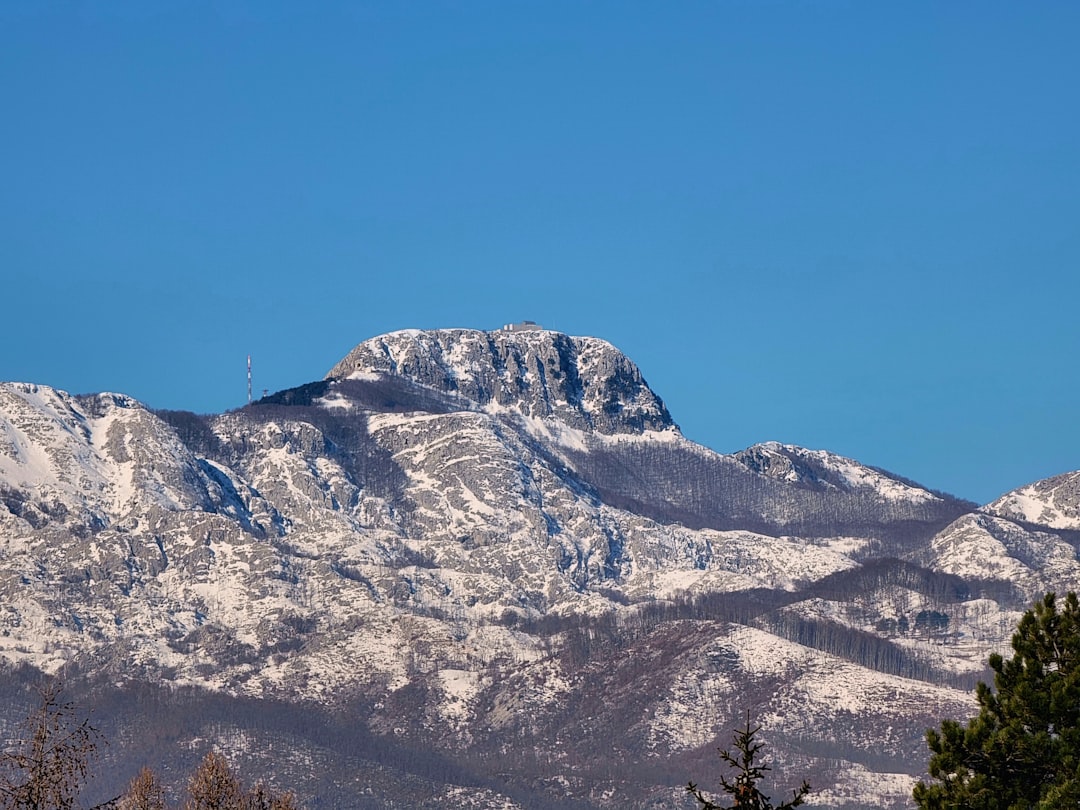
My lungs were burning, tasting of pine resin and cold, thin air, as I dragged myself up the final stone steps toward the top of Lovćen. It wasn't just a hike; it was an ascension into the bones of a nation. Below me, the Adriatic Sea shimmered like a dropped mirror, but up here, the wind howled through the limestone crags with a voice that sounded suspiciously like history itself. I wasn't alone. A local shepherd, his face weathered like the rock beneath my boots, nodded at me from a ridge. He didn't speak, just pointed a calloused finger toward the white dome gleaming against the grey sky. That dome is the Mausoleum of Njegoš, and getting there feels less like tourism and more like a penance. The mountain doesn't give up its views easily. It demands effort, sweat, and a willingness to listen to the ghosts of Montenegrin emperors who once ruled from these heights.
Lovćen is not a mountain you simply visit. It is a geological anomaly, a fortress of rock that has defined the identity of Montenegro for centuries. The limestone here is ancient, jagged, and unforgiving. It creates a landscape that is starkly beautiful, devoid of the soft greens of lower elevations, replaced instead by scrub, pine, and sheer vertical drops. Standing on the ridge, I realized why this place became the spiritual center of a country that prided itself on independence. The geology here is a metaphor for the Montenegrin character: hard, enduring, and carved by the elements into something formidable. The air is crisp, the silence is profound, and the weight of the past is palpable in every stone.
Geological Backbone and Historical Weight
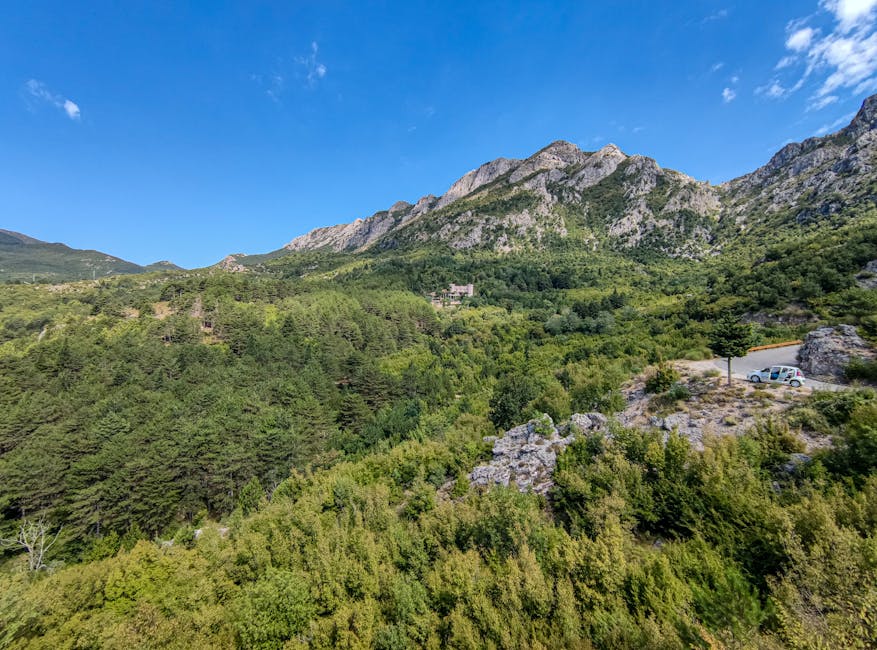
The geological history of Lovćen is written in the limestone that forms its spine. Rising to a peak of 1,749 meters, the mountain is part of the Dinaric Alps, a range that runs like a jagged scar along the western Balkans. The rock here is ancient, formed from marine sediments that were pushed upward by tectonic forces millions of years ago. This limestone is porous, weathered by wind and rain into the distinctive karst landscape that characterizes the region. The result is a terrain that is difficult to traverse but incredibly rewarding for those who persist. The cliffs of Lovćen drop sharply toward the Bay of Kotor, creating a natural fortress that was nearly impossible to scale for invading armies.
Historically, this geological advantage was exploited by the Montenegrin rulers who saw the mountain as their divine right to rule. The Njegoš dynasty, particularly Petar II Petrović-Njegoš, chose Lovćen as their seat of power and their final resting place. The mountain became a symbol of Montenegrin statehood and resistance against the Ottoman Empire. The rugged terrain provided a natural defense, allowing the Montenegrins to maintain their independence for centuries longer than their neighbors. The history of Lovćen is intertwined with the history of Montenegro itself, a story of survival, faith, and fierce independence. The mountain is not just a place; it is a character in the national narrative, a silent witness to the struggles and triumphs of a small but proud nation.
The influence of Lovćen extends beyond its physical presence. It is a source of inspiration for poets, writers, and artists. The views from the summit, encompassing the Adriatic, the Bay of Ktor, and the surrounding mountains, have been immortalized in countless works of art. The mountain is a place of pilgrimage, not just for religious reasons, but for those seeking a connection to the Montenegrin spirit. It is a place where the past and present converge, where the echoes of history can still be heard in the wind. The geology and history of Lovćen are inseparable, creating a landscape that is both physically and emotionally imposing.
The Mausoleum of Njegoš
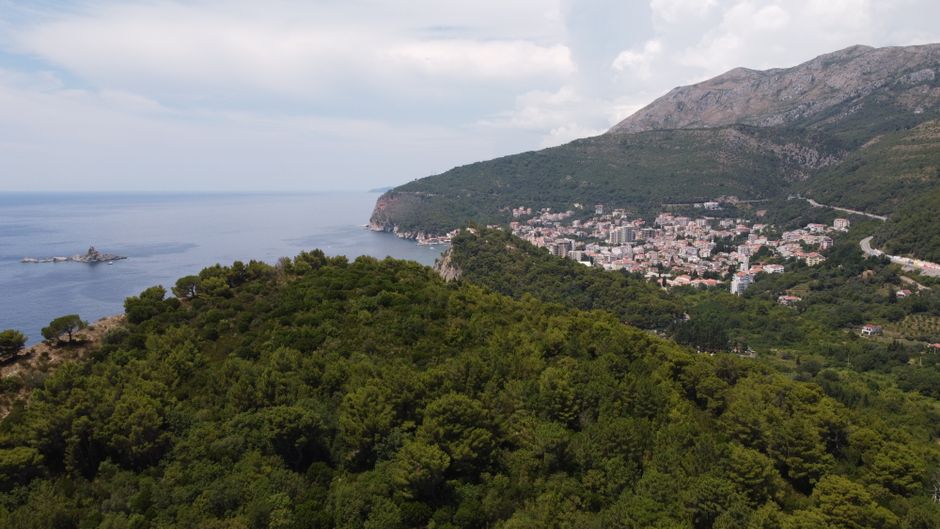
The centerpiece of Lovćen is the Mausoleum of Njegoš, a striking white dome perched on the highest peak. Built between 1931 and 1974, the mausoleum houses the remains of Petar II Petrović-Njegoš, the 19th-century ruler, poet, and philosopher who is considered the father of Montenegrin national identity. The architecture is a blend of Byzantine and modern styles, with the white dome standing out against the grey limestone. The building is not just a tomb; it is a monument to the power of the written word and the enduring spirit of a nation. The ascent to the mausoleum is steep and demanding, a final test for those who seek to pay their respects.
Inside the mausoleum, the atmosphere is solemn and reverent. The sarcophagus of Njegoš is placed in the center, surrounded by his personal effects and manuscripts. The walls are adorned with mosaics and inscriptions from his poetry, most notably "The Mountain Wreath," an epic poem that explores the themes of freedom, faith, and national identity. The mausoleum is a place of quiet reflection, where visitors can contemplate the life and legacy of one of Montenegro's most important figures. The view from the top of the mausoleum is breathtaking, offering a 360-degree panorama of the surrounding landscape. It is a fitting tribute to a man who saw the mountains as his kingdom.
The construction of the mausoleum was a long and arduous process, halted by World War II and resumed in the post-war period. The project was driven by a desire to honor Njegoš and to create a national monument that would symbolize the unity and resilience of the Montenegrin people. The mausoleum is a testament to the enduring power of memory and the importance of preserving cultural heritage. It is a place where the past is kept alive, where the words of Njegoš continue to inspire new generations. The mausoleum is not just a building; it is a symbol of the Montenegrin soul, a place where the spirit of the nation is enshrined in stone.
Routes to the Summit
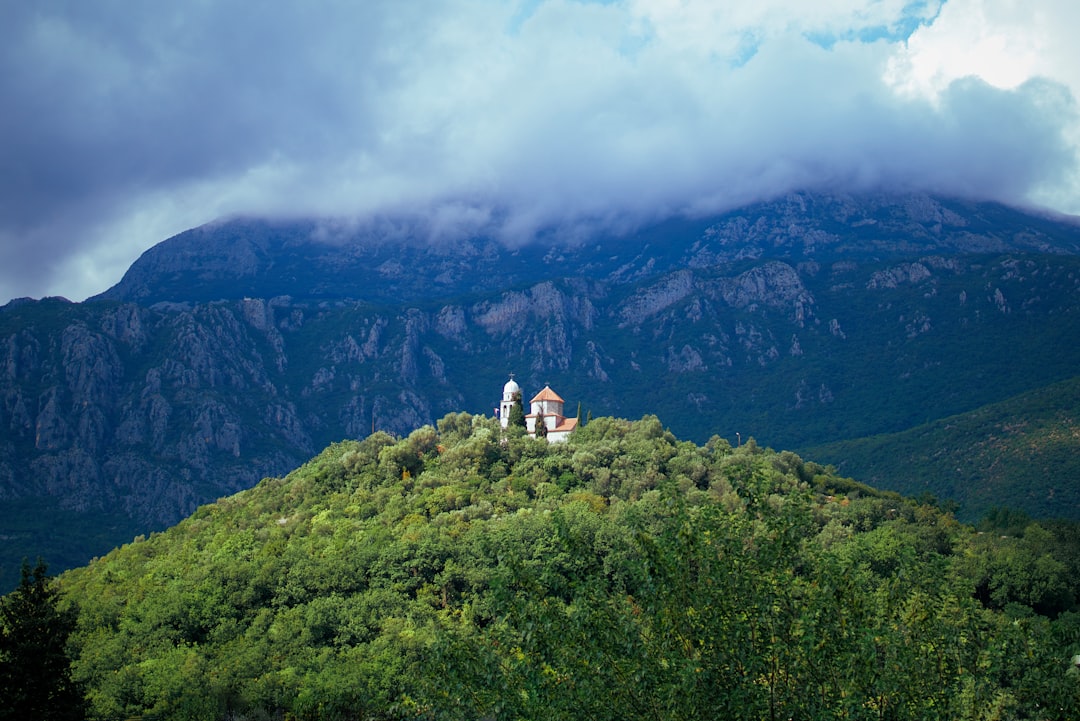
There are several routes to the top of Lovćen, each offering a different challenge and perspective. The most popular route starts from the village of Žanjice, a small settlement at the foot of the mountain. The trail from Žanjice is well-marked and takes approximately 2 to 3 hours to reach the mausoleum. The path is steep in places, with stone steps carved into the rock, but the views along the way are rewarding. The trail passes through pine forests and open meadows, offering glimpses of the Adriatic and the Bay of Kotor. It is a route that is accessible to most hikers with a reasonable level of fitness.
For those seeking a more challenging experience, the route from the village of Cetinje is an option. This trail is longer and more rugged, taking approximately 3 to 4 hours to reach the summit. It offers a different perspective on the mountain, with steeper climbs and more exposed sections. The trail from Cetinje is less crowded, offering a more solitary experience. It is a route that is best suited for experienced hikers who are comfortable with steep terrain. Both routes offer a profound connection to the landscape and the history of the mountain.
Another option is to take the cable car from Žanjice to the lower station, which reduces the hiking time to about 45 minutes. This is a good option for those who are short on time or have limited mobility. However, the full hike offers a more immersive experience, allowing hikers to appreciate the geological and historical significance of the mountain. The cable car is a convenience, but the hike is a journey. The choice of route depends on individual preference and physical ability, but all routes lead to the same stunning summit and the iconic mausoleum.
Getting There & What to Expect
Reaching Lovćen requires a bit of planning. The nearest major city is Cetinje, the former capital of Montenegro, which is about 15 kilometers away. From Cetinje, you can take a bus or a taxi to the village of Žanjice, which is the starting point for the most popular hiking route. The bus ride takes about 30 minutes, and the cost is approximately 2-3 EUR. Taxis are more expensive, costing around 15-20 EUR one way. If you are driving, there is parking available at Žanjice, but it can get crowded during peak season.
Accommodation options near Lovćen are limited. There are a few guesthouses and pensions in Žanjice and Cetinje, offering basic rooms at prices ranging from 30-50 EUR per night. For a more comfortable stay, Cetinje offers a wider selection of hotels and restaurants. The best time to visit Lovćen is during the spring or autumn, when the weather is mild and the crowds are smaller. Summer can be hot and crowded, while winter can be cold and snowy, making the hike more challenging. Regardless of the season, the views from the summit are always spectacular, offering a unique perspective on the Montenegrin landscape.
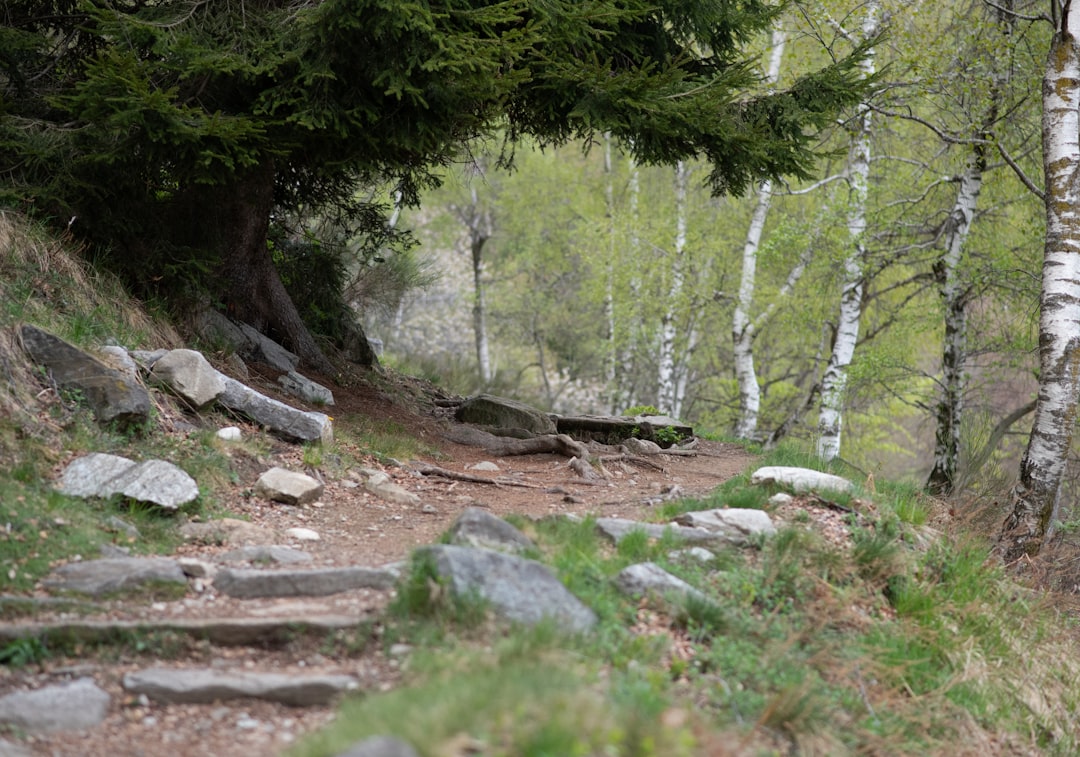
Expect to spend at least half a day on the mountain, including the hike up and the descent. Bring plenty of water, snacks, and sturdy hiking shoes. The trail can be slippery in places, especially after rain. The mausoleum is open daily, and the entry fee is approximately 5 EUR. The view from the top is worth the effort, offering a panoramic vista of the Adriatic, the Bay of Kotor, and the surrounding mountains. Lovćen is a place that demands respect and effort, but the reward is a profound connection to the history and landscape of Montenegro. It is a journey that stays with you long after you have descended from the summit.
Search accommodation in Cetinje on Booking.com →
The Descent into Silence
Descending from Lovćen, the wind seemed to drop away, replaced by the rustle of pine needles and the distant hum of traffic from Cetinje. My legs were shaking, a pleasant ache that signaled survival. I looked back at the white dome, now a small speck against the vastness of the sky. It felt less like a tourist attraction and more like a secret kept between the mountain and those who had climbed it. The geology of Lovćen is not just rock; it is memory. The history is not just dates and names; it is the sweat on your brow and the burn in your lungs. I walked back down to the car, carrying the silence of the summit with me, a quiet testament to the enduring power of place. Montenegro is not just a destination; it is a feeling, and Lovćen is its heartbeat.
Comments