


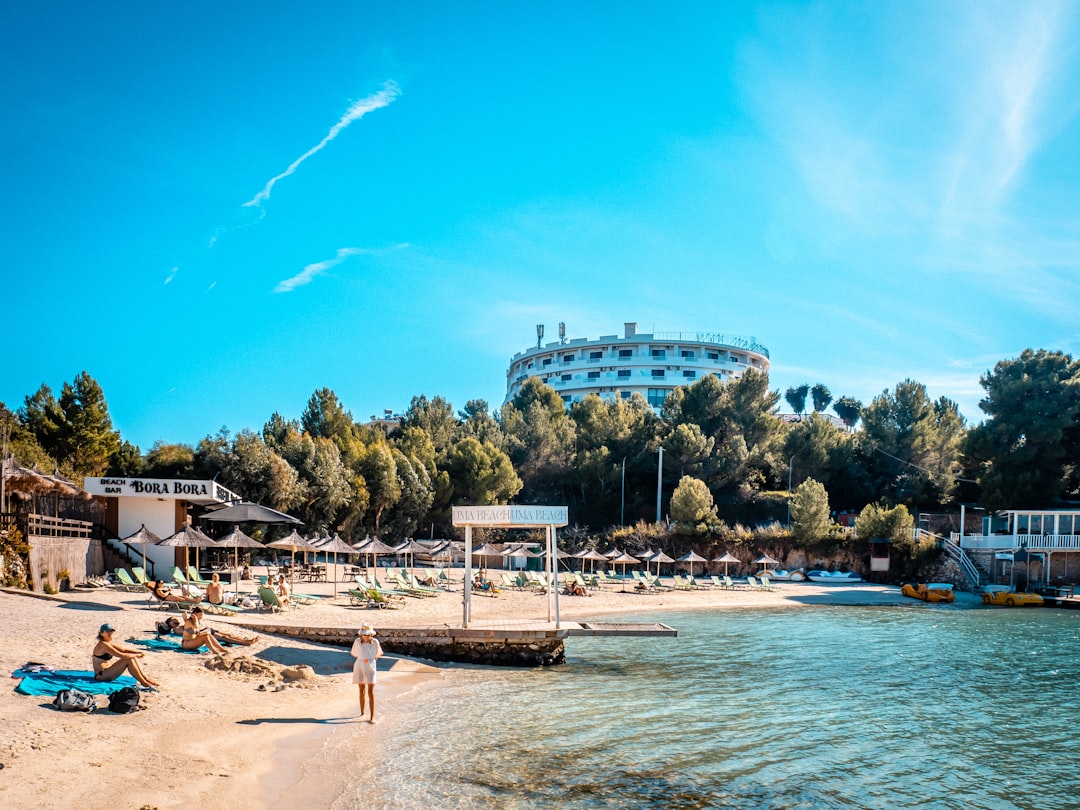
I am standing knee-deep in water so clear it feels like a hallucination, staring at a plastic bottle bobbing toward a reef that locals claim is pristine. A Greek tour bus idles fifty meters away on the cracked asphalt, its engine growling like a caged beast. The driver is shouting at a passenger who dropped their sunglasses into the azure surf. This is Ksamil, the crown jewel of Albania's Riviera, and it is absolutely losing its mind. The sun is a white-hot hammer against the back of my neck, and the air smells of sunscreen, diesel, and desperation. Everyone here wants a piece of this paradise, but nobody seems to care if the paradise survives the summer.
They call it the "Maldives of Europe" in the Instagram captions, a label that feels insulting to both places. But the truth is more complex. This stretch of coast between Sarandë and Himara is undergoing a violent transformation. Sustainable tourism isn't just a buzzword here; it is a matter of survival for the fragile marine ecosystems and the overwhelmed infrastructure. I am here to see if the local efforts to manage the chaos are working, or if we are all just watching a beautiful coastline drown in its own popularity.
The Weight of the Crowd
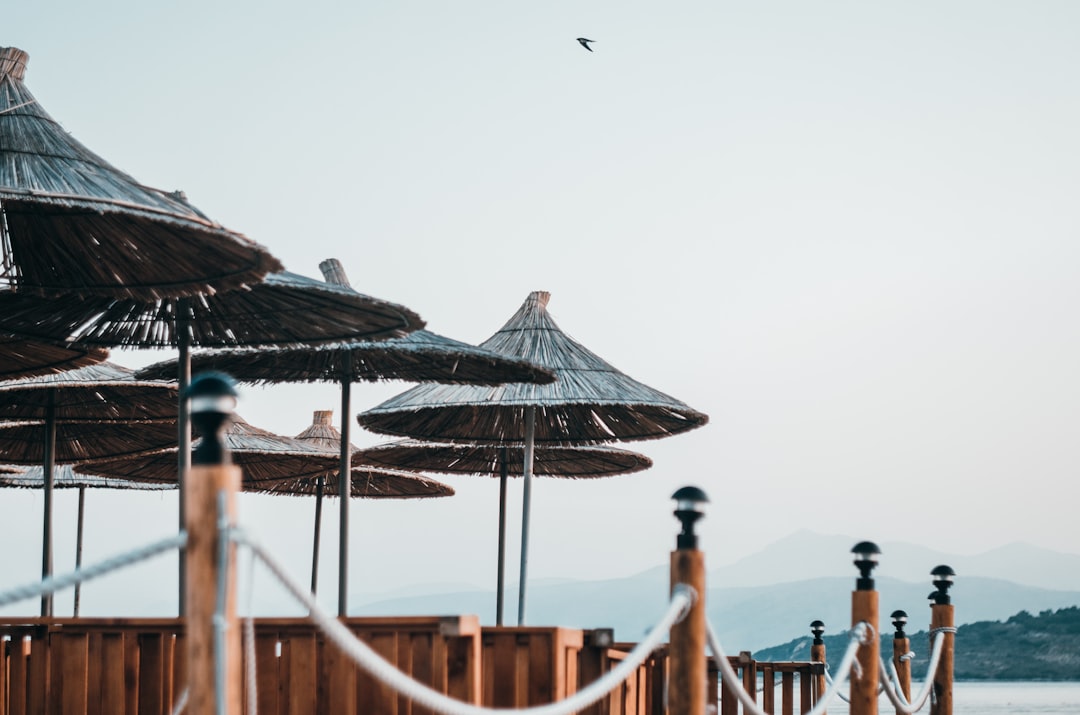
The numbers are staggering. In just one year, Ksamil went from a sleepy fishing village to the most visited destination in Albania, drawing over 400,000 visitors in the peak season. That is more people than live there. The roads are gridlocked. The beaches are packed with umbrellas that look like a fungal infection spreading across the sand. The strain on the local water supply and waste management systems is severe. During the height of July and August, the town often runs out of fresh water, forcing residents to buy tankers for their homes while tourists fill inflatable pools.
The government and local municipalities have finally started to react. The introduction of a daily tourist tax in some areas and the push for better waste segregation are small steps, but they signal a shift. The problem is scale. You cannot manage a flood with a teaspoon. The infrastructure built for a population of a few thousand is now servicing a transient population that swells by hundreds of thousands. The result is a summer that feels less like a vacation and more like a logistical crisis.
Islands of Hope and Plastic
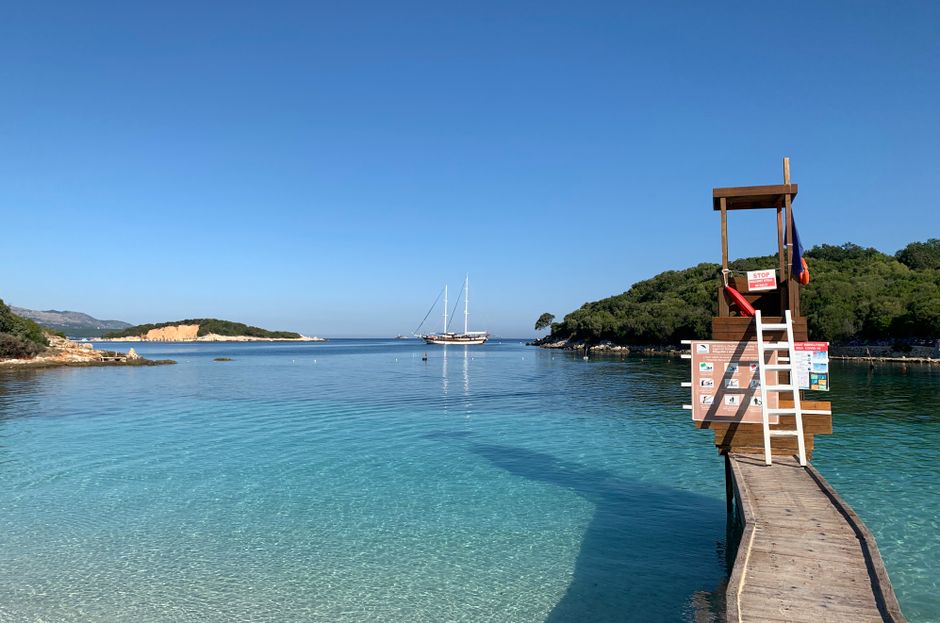
Just off the coast lie the Ksamil Islands, four small islets that are the primary draw for day-trippers. Island 1 and Island 2 are the most accessible, connected to the mainland by shallow, crystal-clear waters. These spots are where the "sustainable" narrative faces its hardest test. The seabed here is rich with marine life, but it is also a magnet for debris. Local NGOs and volunteers regularly organize beach cleanups, but the volume of trash brought in by boats and swimmers is relentless.
Efforts are being made to protect the marine environment. There are initiatives to restrict motorized boats near the islands to prevent propeller damage to the seagrass beds, which are vital for carbon sequestration and marine biodiversity. However, enforcement is spotty. You will see small speedboats zipping around, stirring up sediment and scaring away fish, while a few kilometers away, a sign politely asks visitors to "protect nature." The disconnect between policy and practice is glaring. The beauty of the Ksamil Islands is undeniable, but it is fragile, and it is being tested daily.
Green Initiatives in a Concrete World
Amidst the chaos, there are glimmers of genuine effort. Some local hotels and eco-lodges are investing in solar power, rainwater harvesting, and strict recycling programs. They are trying to decouple their operations from the strained municipal grid. One boutique hotel near Sarandë has eliminated single-use plastics entirely and sources food from local farmers, reducing its carbon footprint significantly. These places are more expensive, but they offer a glimpse of what sustainable tourism could look like if it were the norm rather than the exception.
The challenge is that these initiatives are often isolated. They exist in bubbles, surrounded by traditional taverns that still use plastic straws and styrofoam containers. The transition to a fully sustainable model requires a collective effort from businesses, tourists, and the government. It requires changing behavior, which is harder than building infrastructure. The push for electric ferries and better public transport between Sarandë and Ksamil is a step in the right direction, but it is still in its infancy. The road remains the king, and the traffic remains the tyrant.
The Cost of Paradise
Let's talk money, because sustainability has a price tag. A simple meal in Ksamil can cost 15-25 EUR per person at a mid-range restaurant, which is high for the region but low for the quality. Street food, like a byrek or a qofte sandwich, will set you back 3-5 EUR. Accommodation has skyrocketed. A budget room in a guesthouse can be 40-60 EUR per night in high season, while a nice hotel with a sea view can easily cost 100-200 EUR. These prices are a reflection of the demand and the strain on resources. You are paying for the privilege of being in one of the most crowded places in the Balkans.
For budget travelers, the options are limited. Camping is not widely permitted, and hostels are few and far between. The best strategy is to stay in Sarandë or Himara and take a bus or taxi to Ksamil for the day. This disperses the pressure on accommodation and allows you to experience the coast without contributing to the overnight congestion. It is a small trade-off, but it makes a difference.

Getting There & What to Expect
The nearest airport is Igoumenitsa in Greece, about 40 kilometers away. From there, you can take a taxi or a bus to Sarandë, which takes about an hour. If you are coming from Tirana, the drive takes about 4-5 hours via the new coastal road, which has significantly improved access but also increased traffic. Buses run regularly from Tirana to Sarandë and Ksamil, costing around 10-15 EUR. Once you arrive, expect crowds, heat, and a sense of overwhelming energy. The best time to visit is May or September, when the water is still warm but the crowds have thinned. July and August are for the brave.
Accommodation in Ksamil is scarce and expensive in peak season. Budget options are 40-70 EUR/night, mid-range is 80-150 EUR/night, and luxury hotels can exceed 200 EUR/night. In Sarandë, prices are slightly lower, with budget rooms starting at 30-50 EUR/night. Plan ahead, book early, and be prepared to compromise. The Riviera is beautiful, but it is not easy.
Search accommodation in Sarandë on Booking.com →
The Long View
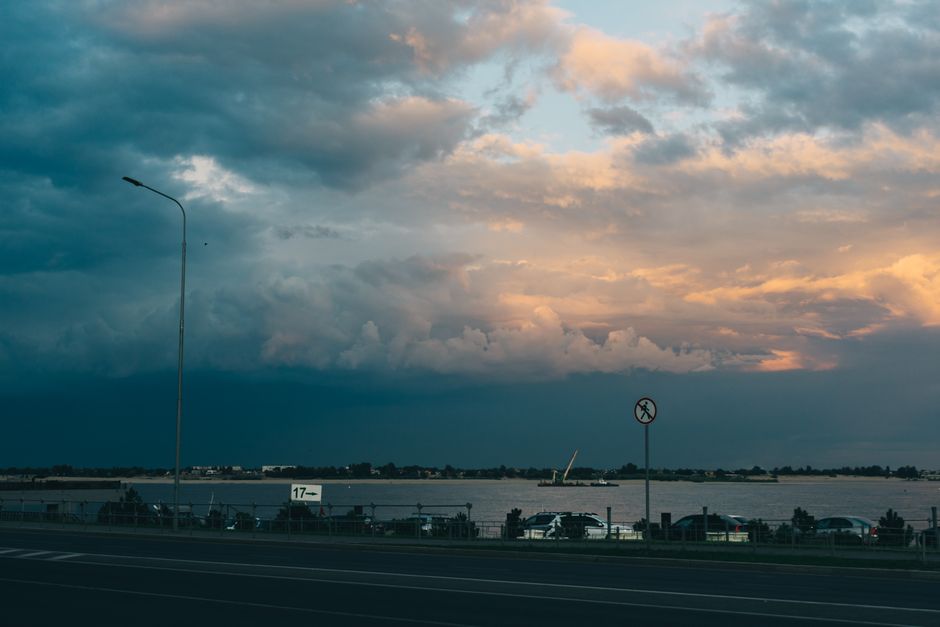
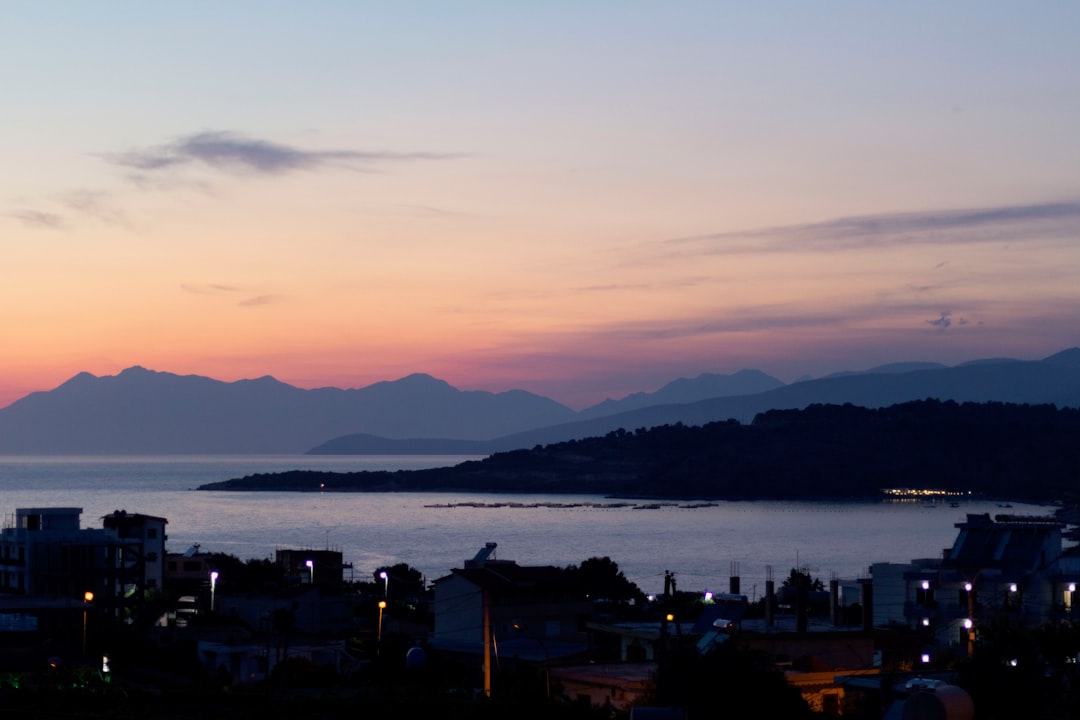
I leave Ksamil as the sun sets, painting the sky in shades of orange and purple. The beach is still full, but the energy has shifted. The shouting has stopped. The water is calm. For a moment, it looks like the paradise everyone promises. But I know better. I saw the plastic. I felt the heat. I heard the engines. The question is not whether this place is beautiful. It is whether it can remain beautiful. The answer depends on all of us. On the tourists who choose to respect the place. On the businesses who choose to protect it. On the government who chooses to manage it. Until then, we are just guests in a house that is slowly burning down.
Comments