


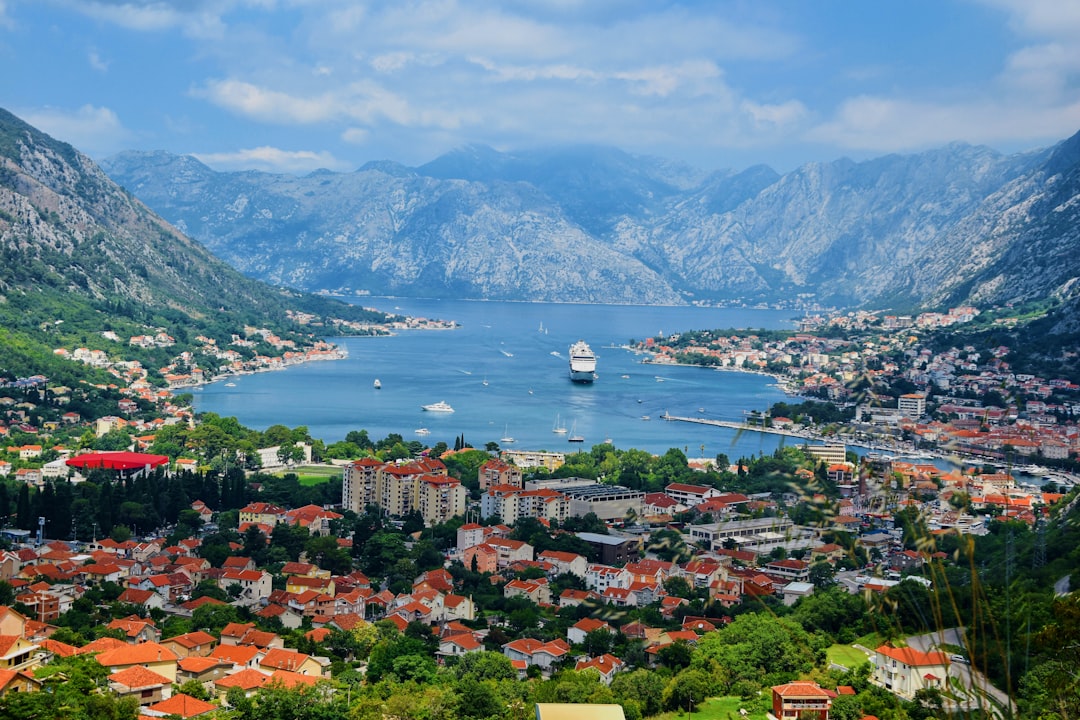
The humidity in Kotor doesn't just sit on the skin; it attacks. It is a physical weight, pressing down on the limestone and the soul with equal force. I sat on a plastic chair in the shade of a rusted shipping crane, sweating through a linen shirt that cost more than my daily water intake, watching a cargo ship grind past the silhouette of the medieval fortresses. This isn't the postcard Kotor. This is the industrial throat of the Bay of Kotor, the Adriatic's deepest fjord, where the smell of diesel mixes with salt and rotting fish. Most tourists stay walled up in the Old Town, counting steps and buying overpriced ice cream. They miss the real story. The real Kotor is out here, in the mud and the metal, where the sea was never just a view—it was a paycheck, a war zone, and a lifeline.
I came to the port not for the romance, but for the rust. I wanted to see how a city that once commanded the Adriatic fleet now survives on cruise ships and container logistics. The contrast is violent. You have Renaissance palaces overlooking scrapyards. You have monks chanting in stone monasteries while forklifts beep in reverse. This is the gonzo reality of Montenegro's maritime past: it is loud, it is dirty, and it is absolutely essential to understanding why this town exists at all.
History & Identity
Kotor was never just a pretty shell. For centuries, it was a naval powerhouse. As part of the Republic of Ragusa (Dubrovnik) from 1372 to 1420, and later under Venetian rule, Kotor was a strategic anchor in the Adriatic. The city's identity is carved from maritime ambition. The walls you climb aren't just defensive; they are a testament to a city that knew how to fight for its harbor. The Venetians understood this better than anyone. They fortified the bay, turning it into an impregnable stronghold that protected their trade routes against Ottoman expansion. The maritime history here is written in stone and cannonball marks.
But the real shift came with the 20th century. Under Yugoslavia, Kotor transformed from a sleepy port into an industrial hub. The construction of the Kotor Shipyard turned the town into a working-class engine. Thousands of workers flooded in, building destroyers, frigates, and cargo vessels. The shipyard wasn't just an employer; it was the heart of the community. When it collapsed after the breakup of Yugoslavia, the economic shockwave nearly killed the city. Today, the identity is split between the glitz of tourism and the gritty legacy of industrial labor. The maritime soul remains, but it's quieter, hidden behind the cruise ship terminals and modern container terminals.
Where to Go
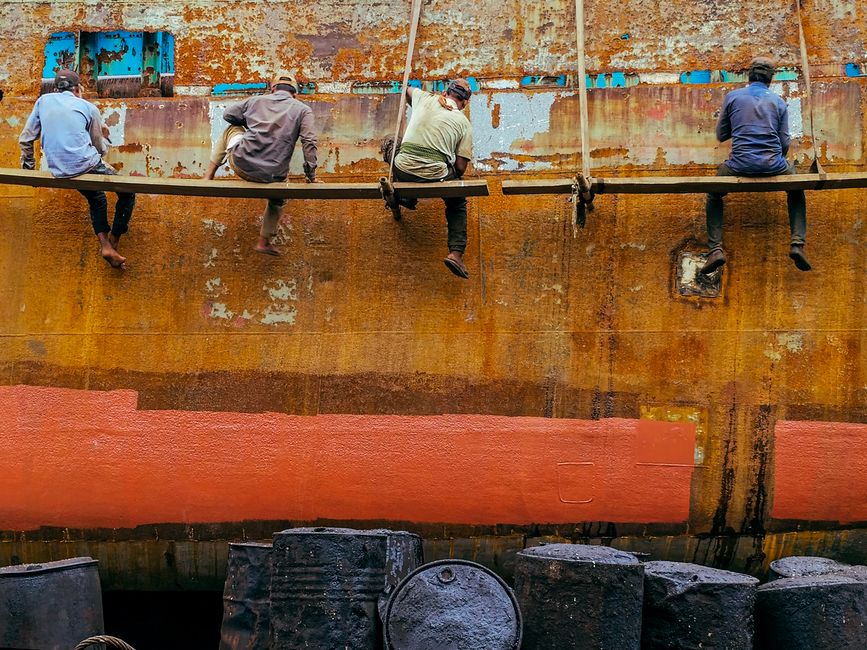
Kotor Shipyard (Brodogradilište Kotor) — You cannot walk inside the active industrial zones, but you can see the scale of it from the perimeter. The skeletal remains of massive hulls and the towering gantry cranes dominate the skyline. It's a stark reminder of the city's industrial past. Walk along the waterfront near the Our Lady of the Rosary Cathedral and look south. The contrast between the Baroque cathedral and the steel giants is jarring. Entry is free from the public streets, but respect the security fences. Best viewed in the early morning or late afternoon when the light hits the rusted metal.
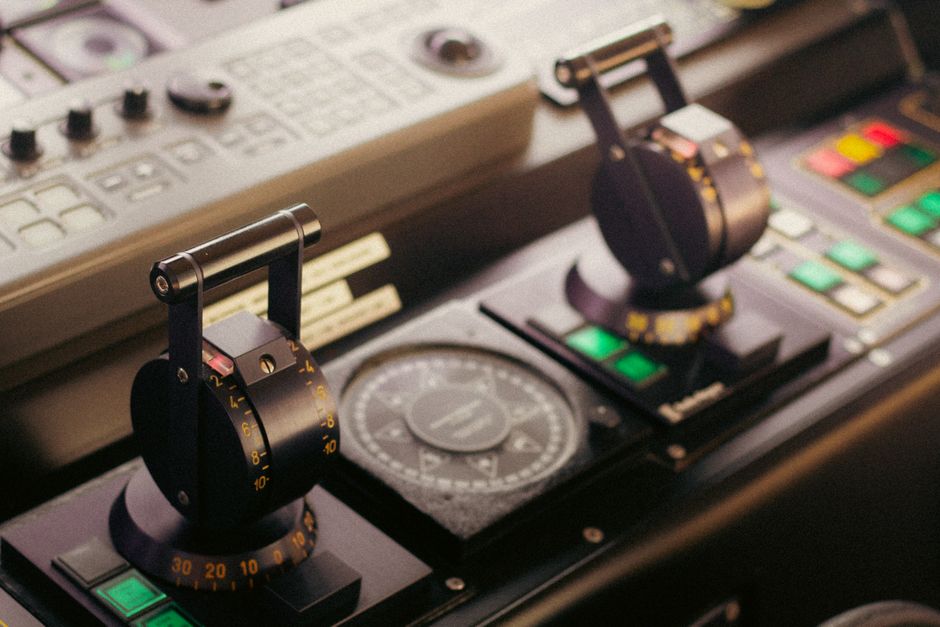
Maritime Museum Kotor — Tucked away in the Old Town, this small museum is an underwhelming but necessary stop. It holds models of ships, old navigation instruments, and photographs of the shipyard in its prime. It's not a blockbuster experience, but it provides the context for the industrial landscape outside the walls. Entry is 3 EUR. Go quickly, but go. It connects the dots between the medieval galleys and the modern destroyers.
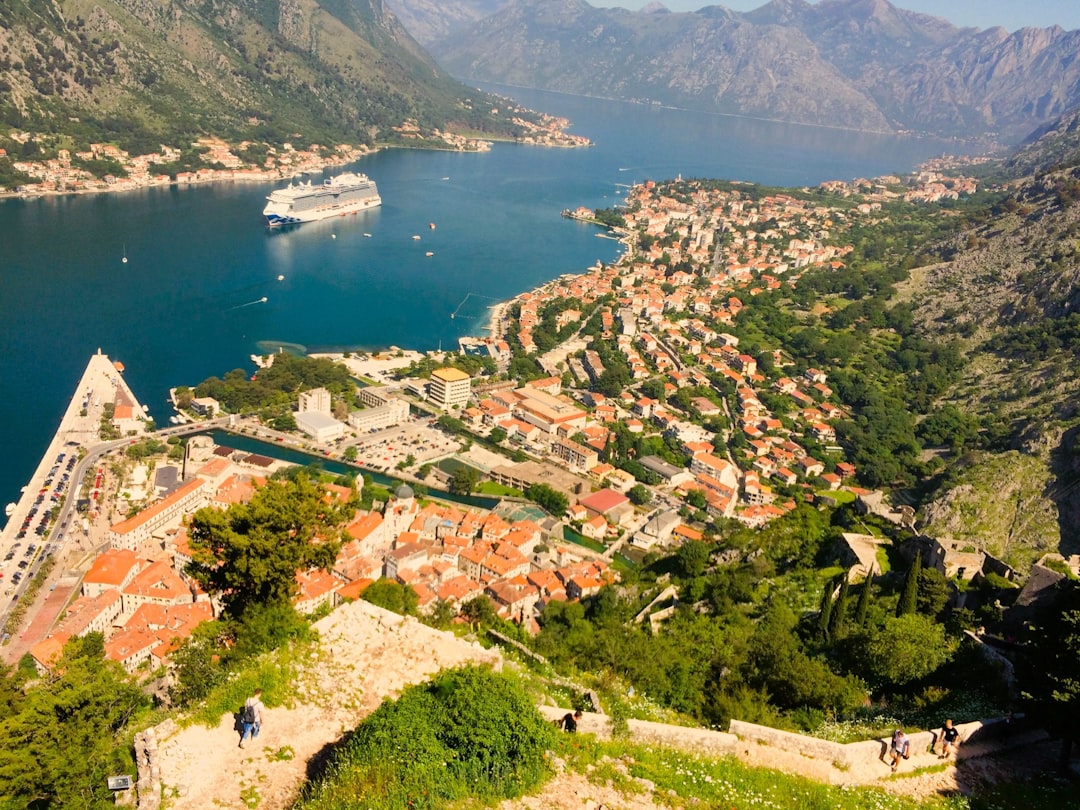
Fortress of San Giovanni — This fortress overlooks the port. It was the key to controlling the harbor. The view from the top is the best way to understand the maritime geography. You can see the entire bay, the shipyard, the cruise terminal, and the Old Town spread out below. The climb is steep, but the perspective is worth it. Entry is included in the Kotor Fortresses ticket, 15 EUR. Go at sunset to see the bay turn gold.
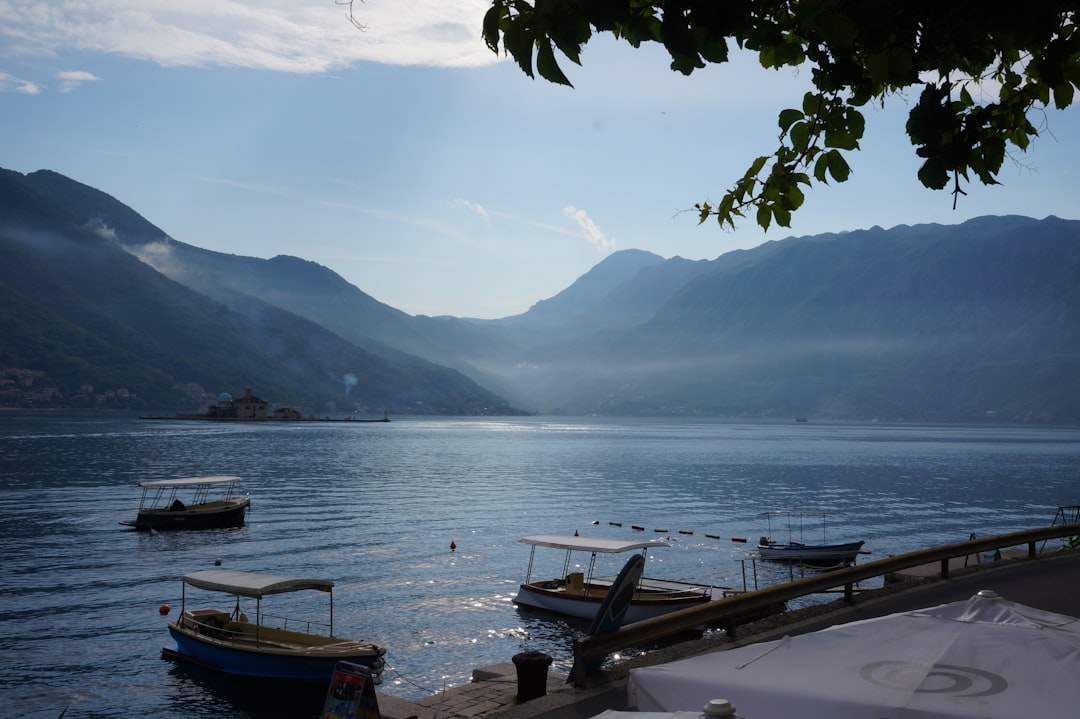
Old Port (Stari Luka) — Before the modern cruise terminal took over, this was the heart of Kotor's maritime life. Now, it's a mix of fishing boats, tourist ferries, and small pleasure crafts. It's quieter than the main port, but more authentic. Watch the local fishermen mend their nets and chat in the dialect. It's a living piece of the maritime culture, not a museum exhibit. Free to walk around. Best visited in the morning.
What to Eat & Drink
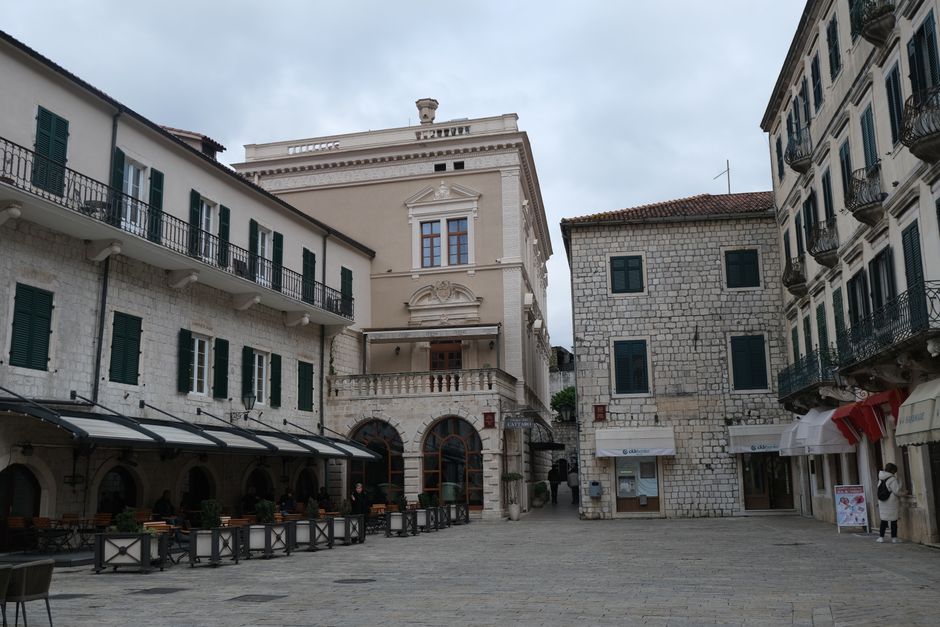
The food in Kotor is a direct reflection of its maritime history. You don't eat here; you taste the sea. The local dishes are simple, relying on fresh catch and olive oil. Avoid the restaurants right in the main square where the prices are inflated for tourists. Walk a few blocks into the neighborhoods or down towards the port.
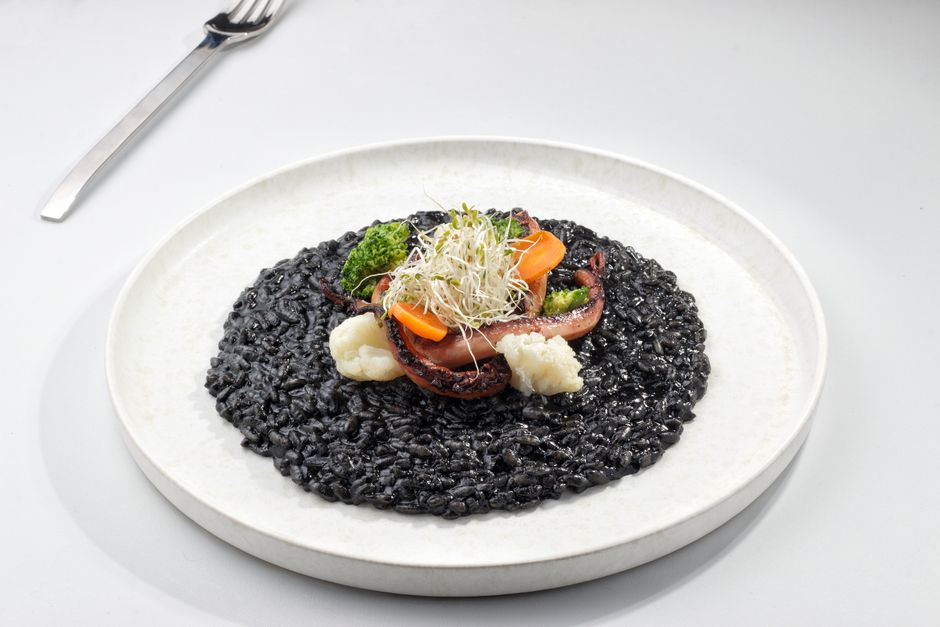
- Black Risotto (Crni Rižot) — Made with cuttlefish ink, this is a Kotor specialty. It's dark, briny, and delicious. Expect to pay 8-12 EUR for a plate. It stains your fingers black, which is part of the experience.
- Grilled Octopus — Simple, charred, and served with olive oil and lemon. A staple of the Adriatic coast. 10-15 EUR. Look for places that grill it in front of you.
- Škampice — Small prawns, often fried or grilled. A popular snack or appetizer. 5-8 EUR.
- Local Wine (Vranac or Krstač) — Montenegro has a growing wine scene. Krstač is a white grape native to the region, perfect with seafood. A glass costs 3-5 EUR.
For budget travelers, there are several small konobas (taverns) in the area near Perast that offer better prices and more authentic food. A full meal with wine can be 15-20 EUR per person. For quick bites, there are bakeries selling burek and other pastries for 1-2 EUR. The Kotor Market is a good place to pick up fresh produce and local cheeses, though it's small.
Nightlife
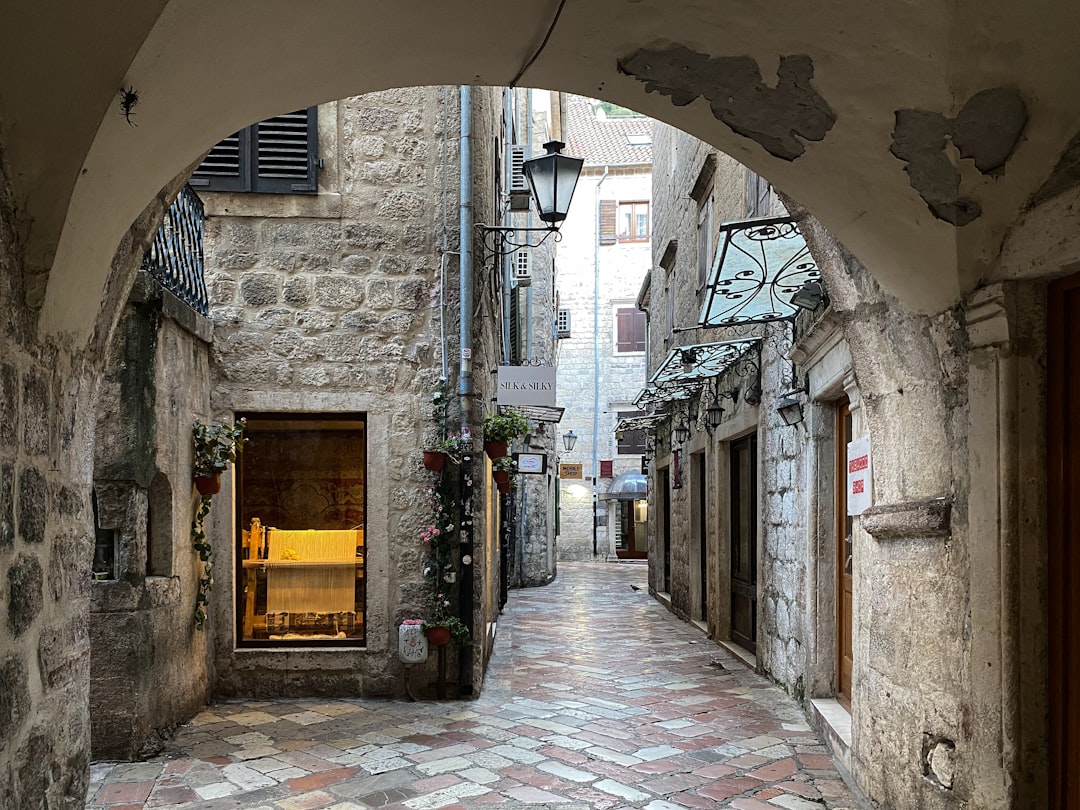
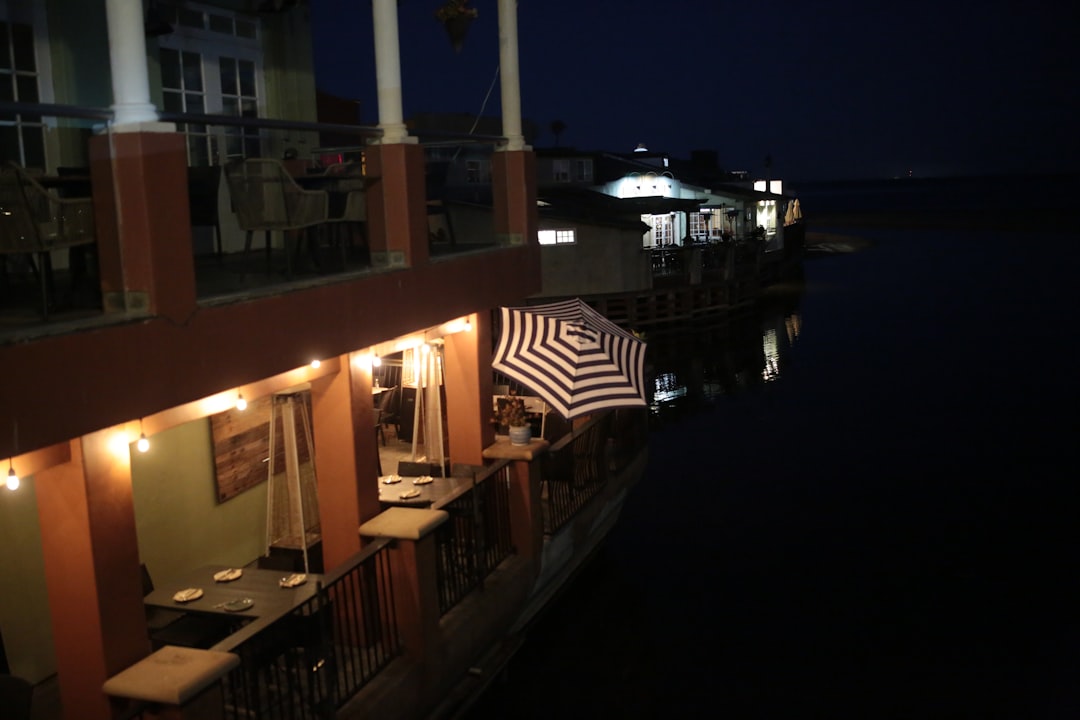
Kotor's nightlife is not about raving clubs. It's about slow evenings, wine, and conversation. The main action happens in the Old Town, where bars spill out onto the cobblestone streets. The atmosphere is relaxed, with live music often playing in the background.
The area around Our Lady of the Rosary Cathedral is the hub. Bars like Bar 18 and Hotel Park Bar are popular spots. The music is a mix of local folk, pop, and occasional jazz. Cover charges are rare, but drinks are pricey. A beer costs 2-3 EUR, and a cocktail can run 5-8 EUR. The vibe is more about soaking in the ambiance than dancing. If you want something louder, you need to head to Budva or Tivat. But for a quiet night with a view of the bay, Kotor delivers.
Getting There & What to Expect
The nearest airport is Tivat Airport, about 20 km away. Taxis cost 20-30 EUR to Kotor. There are also buses from Podgorica and Budva. The bus from Podgorica takes about 2.5 hours and costs 5-7 EUR. Buses from Budva are frequent and cost 2-3 EUR. If you're driving, the road from Podgorica is scenic but winding. Park in the Old Town if you can, but it's expensive () and cramped. Street parking is a nightmare. Use the public parking lots on the outskirts.
Accommodation ranges from budget hostels to luxury hotels. A hostel bed costs 15-25 EUR per night. A mid-range hotel room is 50-80 EUR. Luxury hotels in the Old Town can exceed 200 EUR. The best time to visit is May or September. July and August are overcrowded and hot. The humidity is intense in summer. Expect crowds, high prices, and long lines. In the shoulder seasons, the city is more relaxed and the prices are lower.
Search accommodation in Kotor on Booking.com →
The Rust and the Romance
I left Kotor as the sun dipped below the mountains, casting long shadows over the bay. The cruise ships were silent, their lights reflecting on the dark water. The shipyard cranes stood like sentinels against the twilight. It's a city of contradictions. It's a place where history is not just preserved; it's lived, worked, and fought for. The maritime history of Kotor is not a dusty chapter in a textbook. It's the rust on the cranes, the smell of the fish market, and the taste of the black risotto. It's the sweat on your back as you climb the fortresses. It's real. And if you stay inside the walls, you'll never see it.
Comments