


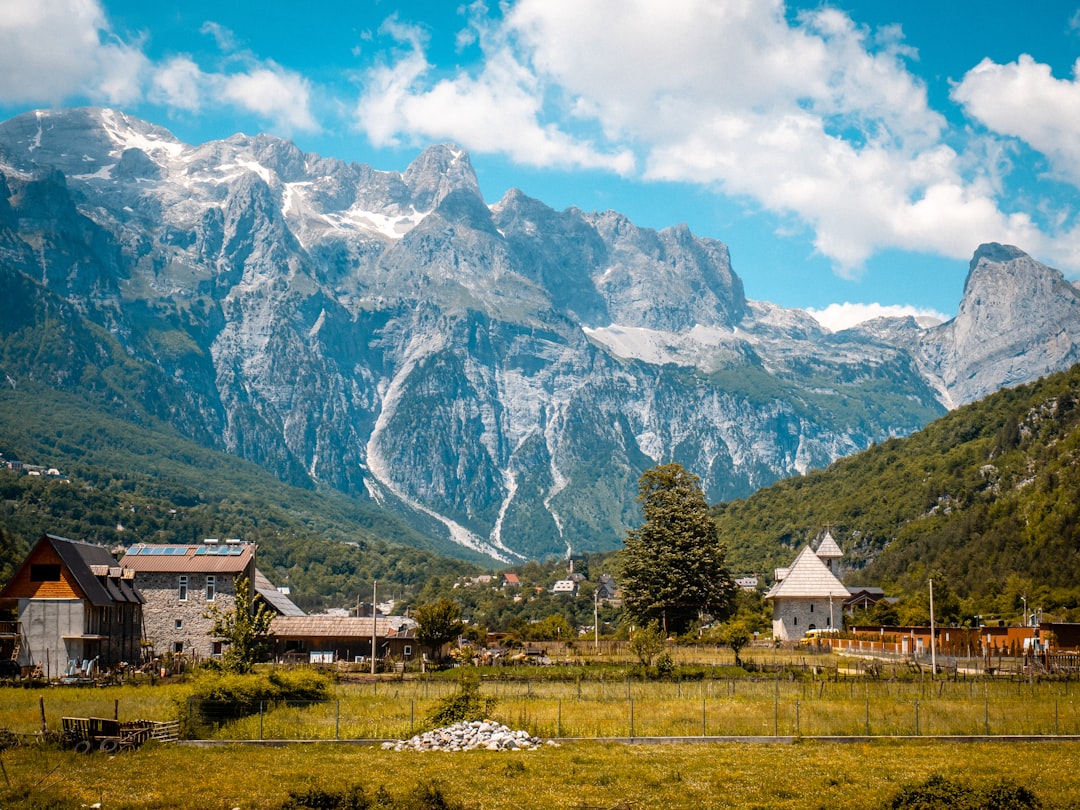
I was standing on a ridge of jagged limestone, the wind howling like a wounded animal, trying to keep my eyes open against the stinging dust. Below me, the border fence didn't look like a boundary; it looked like a scar ripped through the spine of the Balkans. My boots were caked in red mud, my water supply was dwindling to a few desperate swigs, and the only thing between me and the summit of Maja e Korabit was a confused customs officer and a goat that seemed to own the place. This isn't a romantic trek through a postcard valley. This is the highest point in the Balkans, a place where the air is thin, the history is heavy, and the border between Albania and North Macedonia feels less like a line on a map and more like a physical barrier you have to fight through.
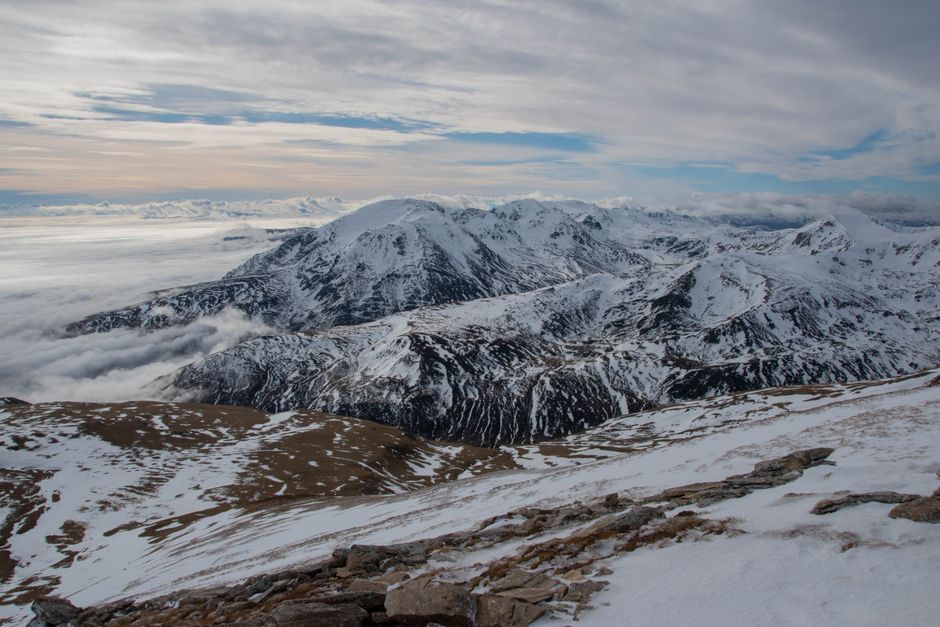
Most people talk about the Balkans as a single cultural block, but stand here, at 2764 meters, and you feel the divide. To the west, the Albanian side is wild, untamed, and rugged. To the east, the Macedonian side is slightly more managed, with marked trails and a few more signs of civilization. Crossing this border on foot is an exercise in patience, bureaucracy, and sheer willpower. It's not for the faint of heart, and it's certainly not for those who expect a smooth, guided tour. If you're coming here, you're coming to earn every step.
History & Identity
The Korab Mountains Korab have always been a place of refuge and resistance. For centuries, this rugged terrain served as a stronghold for those fleeing oppression, a natural fortress that protected communities from empires that rose and fell in the valleys below. The border itself is a modern imposition, drawn by treaties that ignored the reality of the landscape. The mountain doesn't care about borders, but the people who live in its shadow do. The villages on either side share a dialect, a culture, and a way of life, but the fence that runs along the ridge is a stark reminder of the divisions that still shape the region.
The mountain's identity is tied to its isolation. It's a place where time moves differently, where the only sounds are the wind, the occasional bleat of a sheep, and the distant call of a hawk. The Korab Summit Korab is not just a geographic point; it's a symbol of the untamed wilderness that still exists in the Balkans. It's a place where you can feel the weight of history, not in museums or monuments, but in the very rock beneath your feet. The border crossing is a modern ritual, a test of endurance that connects the past with the present, reminding us that even in a connected world, there are still places that demand respect and effort.
Where to Go
The Albanian Approach — The trek begins in the village of Qafa Thanë, a small settlement that serves as the gateway to the Albanian side of the mountain. The trail is rough, often unmarked, and requires a good sense of direction. The landscape is dominated by limestone cliffs and deep valleys, with occasional views of the Drin River far below. The ascent is steep, but the reward is a sense of solitude that is hard to find elsewhere. There are no facilities here, so bring everything you need. Entry is free, but the cost is measured in sweat and effort.
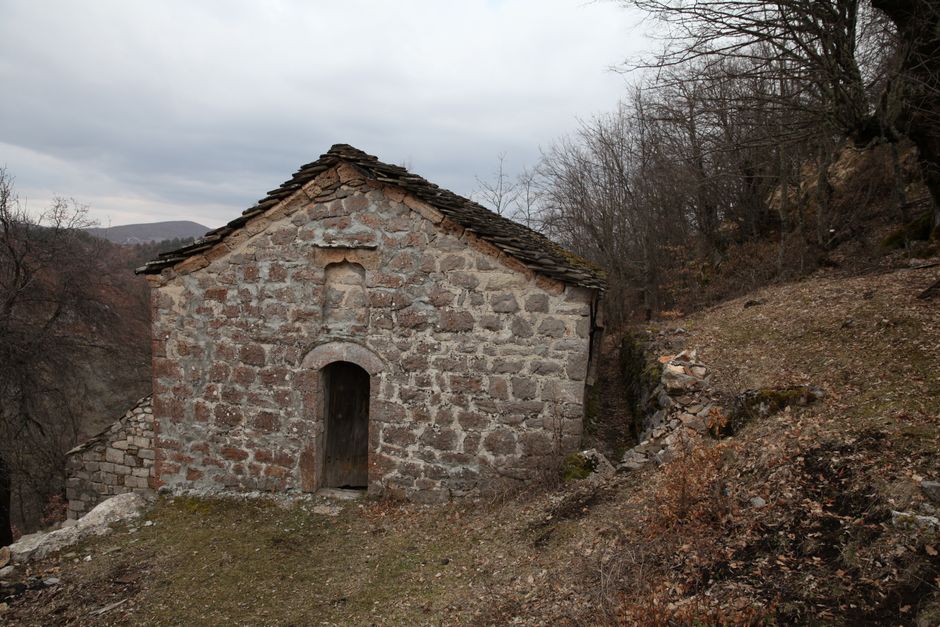
The Macedonian Trail — On the other side, the trail from Smiljevo is more defined, with wooden markers and a clearer path. The village of Smiljevo is a traditional mountain settlement, with stone houses and a small museum that tells the story of the region. The trail follows the ridge, offering panoramic views of the Korab Gorge and the surrounding peaks. The ascent is less steep than the Albanian side, but the distance is longer. There are a few shepherd huts along the way, where you can sometimes find water or a place to rest. Entry is free, but donations to the local community are appreciated.
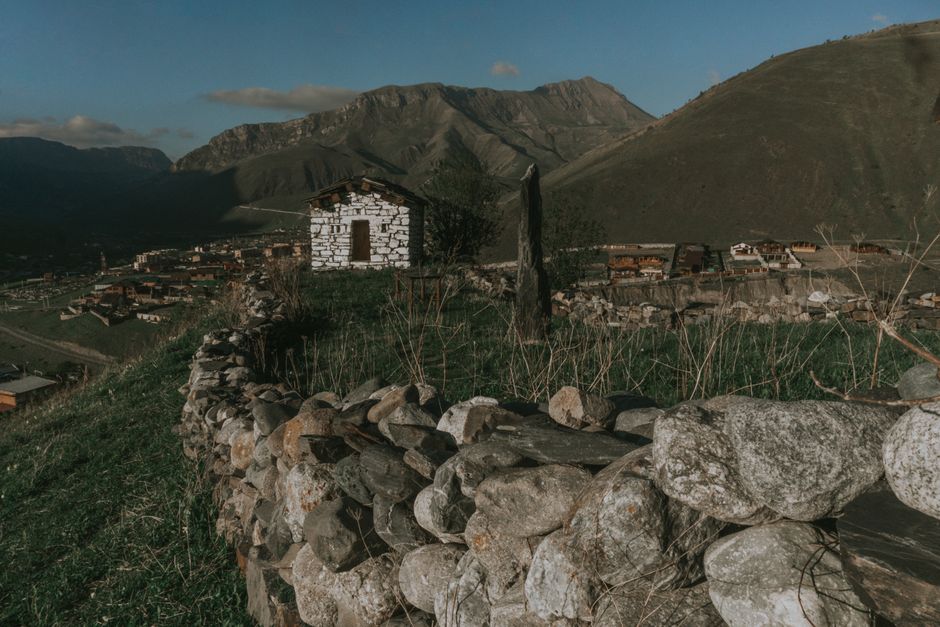
The Border Crossing Point — The actual border crossing is a chaotic affair. There is no official checkpoint on the summit, so you have to navigate the fence and find a way through. This is where the experience becomes truly raw. You might encounter a border guard, a shepherd, or just the wind. The key is to be respectful, to move slowly, and to be prepared for the unexpected. The crossing is not marked on most maps, so you'll need to rely on local knowledge and a good GPS. It's a moment of tension, but also of triumph, as you step from one country to another without a passport stamp.
What to Eat & Drink
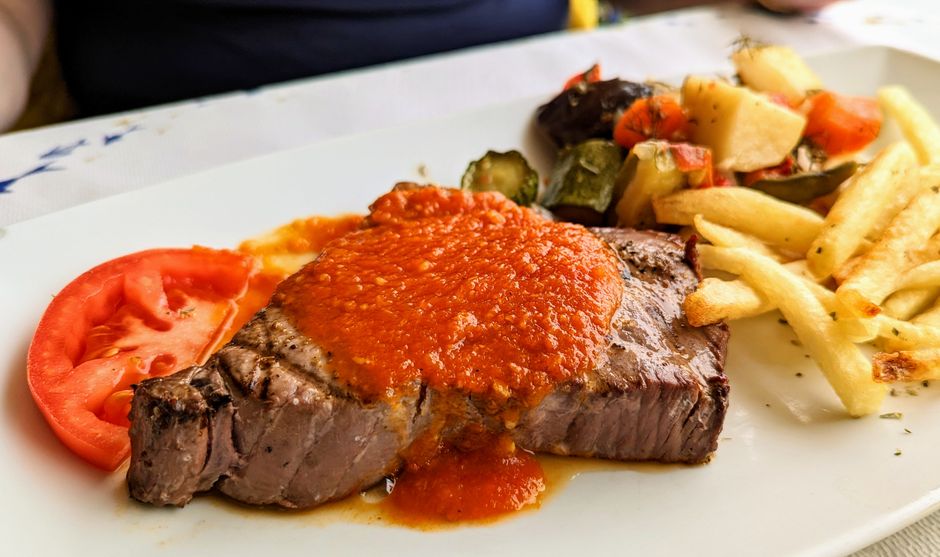
Food on the mountain is sparse, so you'll need to prepare for this. In the villages below, you can find simple, hearty meals that fuel the body for the climb. In Qafa Thanë, look for a small tavern that serves trileçe 2-4 EUR, a sweet dessert that provides a quick energy boost. In Smiljevo, try the moussaka 5-8 EUR, a layered dish of potatoes, meat, and cheese that is filling and satisfying. For a quick snack, banitsa 1-3 EUR is a flaky pastry filled with cheese, perfect for a trailside break. Water is scarce, so bring at least 3 liters per person. There are no restaurants on the mountain itself, so pack all your meals in advance.
Nightlife
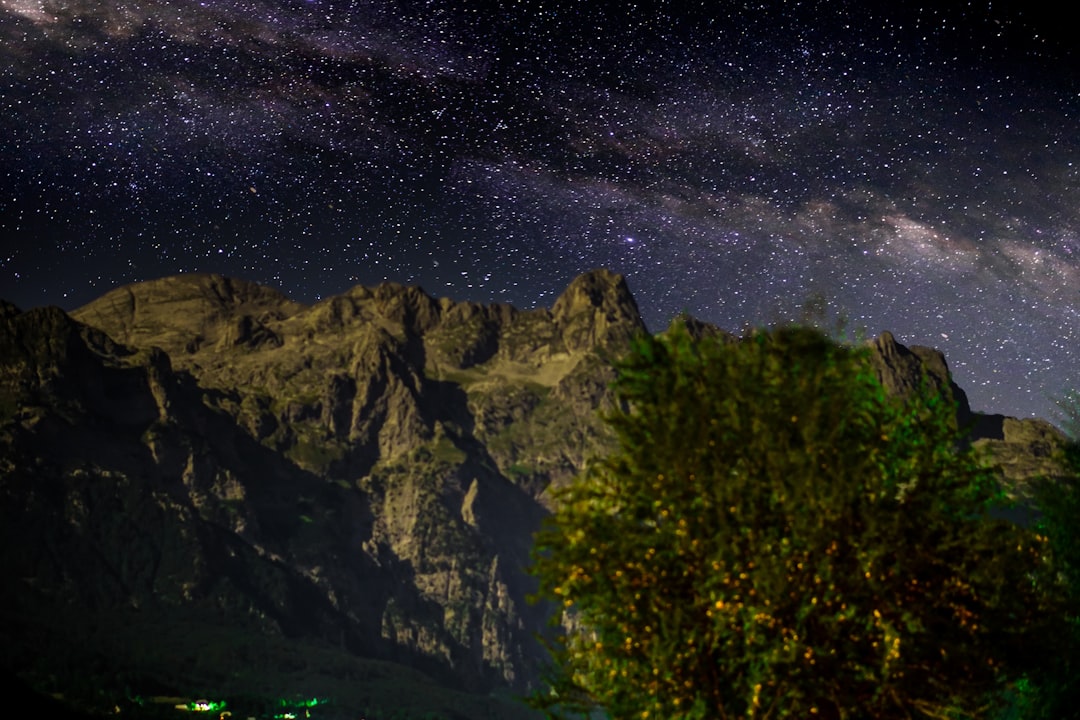
Nightlife on Korab is non-existent. The only light you'll see is the stars, and the only music is the wind. If you're looking for bars and clubs, you'll need to head back to the cities. The beauty of this mountain is its silence, its isolation, and its rawness. Embrace it. Sleep in a tent or a shepherd hut, and let the darkness wash over you. It's a different kind of party, one that connects you to the earth and the sky.
Getting There & What to Expect
The nearest town to the Albanian approach is Tepelenë, about 50 km away. You can take a bus from Tirana 3-5 EUR or rent a car . The drive to Qafa Thanë is rough, with unpaved roads and steep turns. On the Macedonian side, the nearest town is Bitola, about 40 km away. Buses run regularly from Skopje 5-8 EUR. The drive to Smiljevo is easier, but still requires a 4x4 vehicle. Accommodation is limited. In Qafa Thanë, you can find a basic guesthouse . In Smiljevo, there are a few family-run pensions . Camping is possible on the mountain, but you must bring all your own gear. The best time to visit is from June to September, when the weather is stable and the trails are clear. Winter conditions are extreme, and the border crossing is not recommended.
Search accommodation in Tepelena on Booking.com →
The Last Mile
As I stood on the summit, the wind whipping around me, I felt a strange sense of peace. The border, the politics, the history — it all faded away. There was just the rock, the sky, and the endless horizon. This mountain doesn't care about your nationality, your background, or your beliefs. It only cares about your respect, your effort, and your willingness to face the unknown. Crossing the border on foot is not just a physical challenge; it's a mental one. It forces you to confront your limits, to push through the fear, and to find the strength within yourself. It's a raw, unpolished experience that stays with you long after you've descended. If you're looking for comfort, look elsewhere. If you're looking for something real, come to Korab.
Comments