


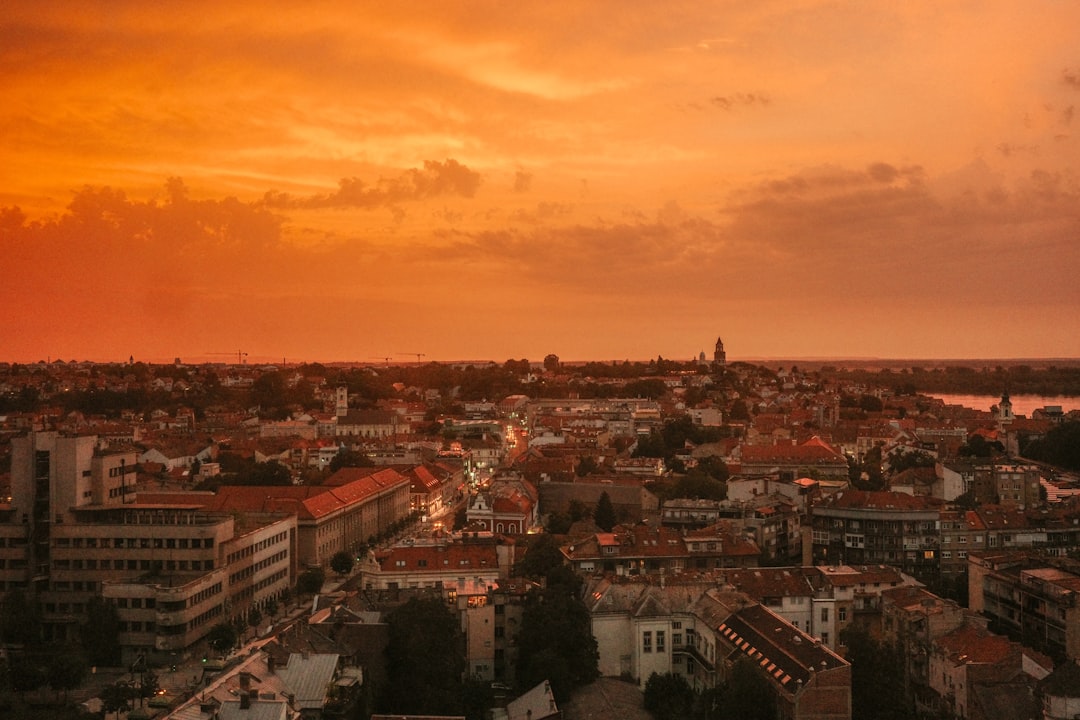
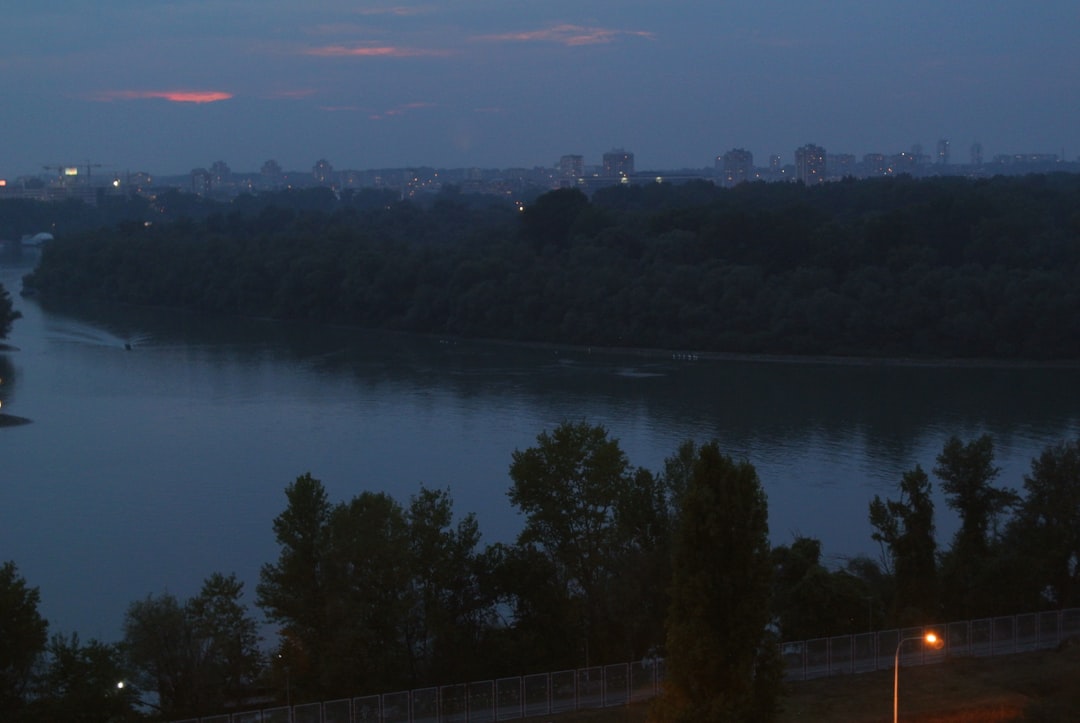
I stood on the stone ramparts of Kalemegdan Fortress with a cigarette burning down to my fingers, watching two great rivers argue about who owned the horizon. The Sava, dark and swift, cuts a sharp right-angle into the Danube, which rolls in like a slow, indifferent barge of history. Below me, the city of Belgrade sprawls in chaotic layers of Ottoman minarets, Austro-Hungarian facades, and brutalist concrete. The wind here doesn't just blow; it carries the grit of a thousand years of empires crashing into each other. I'm not here for the polite postcard view. I'm here because this fortress is the only place in the Balkans where you can feel the weight of survival in your bones.
Belgrade isn't just a capital; it's a scar tissue on the map of Europe. It has been destroyed, rebuilt, sacked, and liberated more times than I can count. Standing on these walls, you realize that the view isn't just scenery. It's a warning. The fortress didn't just watch the rivers; it choked them, controlled them, and bled for them. The air tastes of river mud and old stone. It's heavy, humid, and utterly alive. This is the front line of the continent, and it never really ended.
History & Identity
The story of Kalemegdan Fortress is not a happy one. It is a chronicle of stubbornness. For over two millennia, this strategic confluence has been the prize that every major power in European history wanted to hold. The Romans called it Singidunum, building the first fortifications to guard the Danube frontier. Later, the Byzantines, the Bulgars, the Hungarians, the Serbs, the Ottomans, and the Austro-Hungarians all took turns holding the keys. Each conqueror left their mark, layering stone upon stone until the fortress became a palimpsest of military architecture.
The name "Kalemegdan" itself is a fusion of history. "Kale" is Turkish for fortress, and "Megdan" is Turkish for square or field, but the site was originally known as "Grad" to the Serbs. The Ottoman occupation lasted for nearly five centuries, shaping the defensive structures you see today. When the Austrians finally took control in the 18th century, they transformed the medieval stronghold into a modern Vauban-style fortress, complete with bastions, moats, and underground tunnels. The last major destruction came in 1806 during the First Serbian Uprising, when the Serbs blew up the Ottoman magazine, leveling much of the old town. What remains is the Baroque-era shell, a testament to military engineering that finally surrendered to the public.
Today, the fortress is no longer a military site. It was opened as a park and public space in the late 19th century, but the ghost of its violent past lingers in the narrow corridors and the cold stone. It is the spiritual heart of Belgrade, a place where history is not taught in a classroom but walked upon. The identity of Belgrade is tied inextricably to this rock. If you remove Kalemegdan, you remove the anchor that holds the city's soul to the earth.
Where to Go
The Upper Fortress — The open plateau at the top offers the iconic view of the river confluence. It's a vast green space dotted with cannons from different eras, a timeline of warfare in bronze and iron. Walk to the edge and look down at the Belgrade Water Tower, a quirky concrete sculpture that looks like a giant test tube. It's free, open 24/7, and best visited at sunset when the light hits the Danube just right.
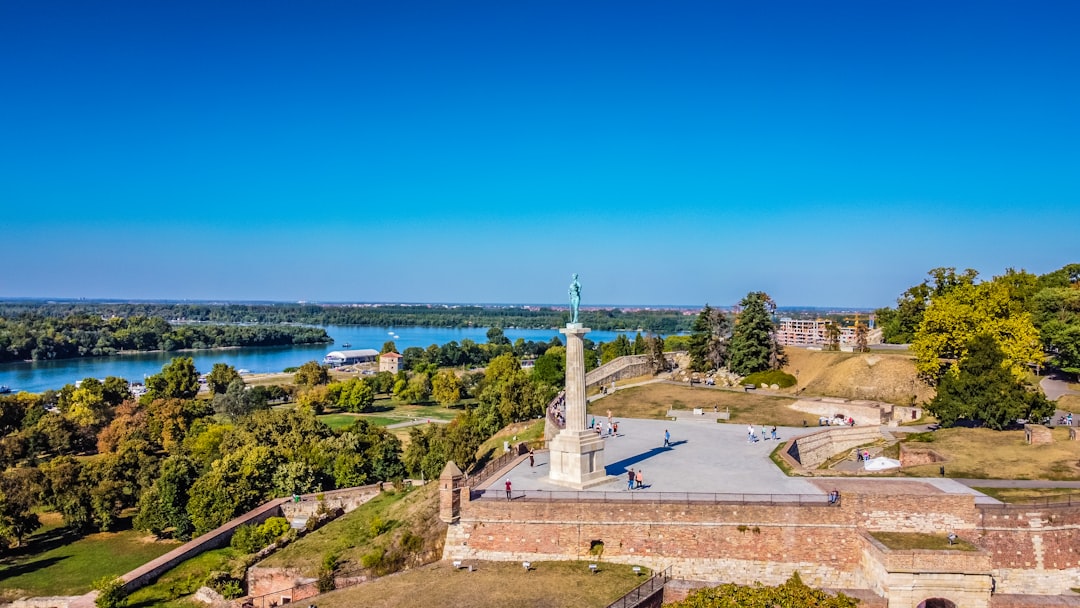
The Clock Tower — Perched on a rocky outcrop within the fortress walls, this 19th-century tower offers a slightly different vantage point. The clock face is visible from miles away. Climbing the stairs inside is a bit of a squeeze, but the view from the top is unobstructed. It's a quiet spot away from the main crowds, perfect for a moment of reflection. Entry is free.
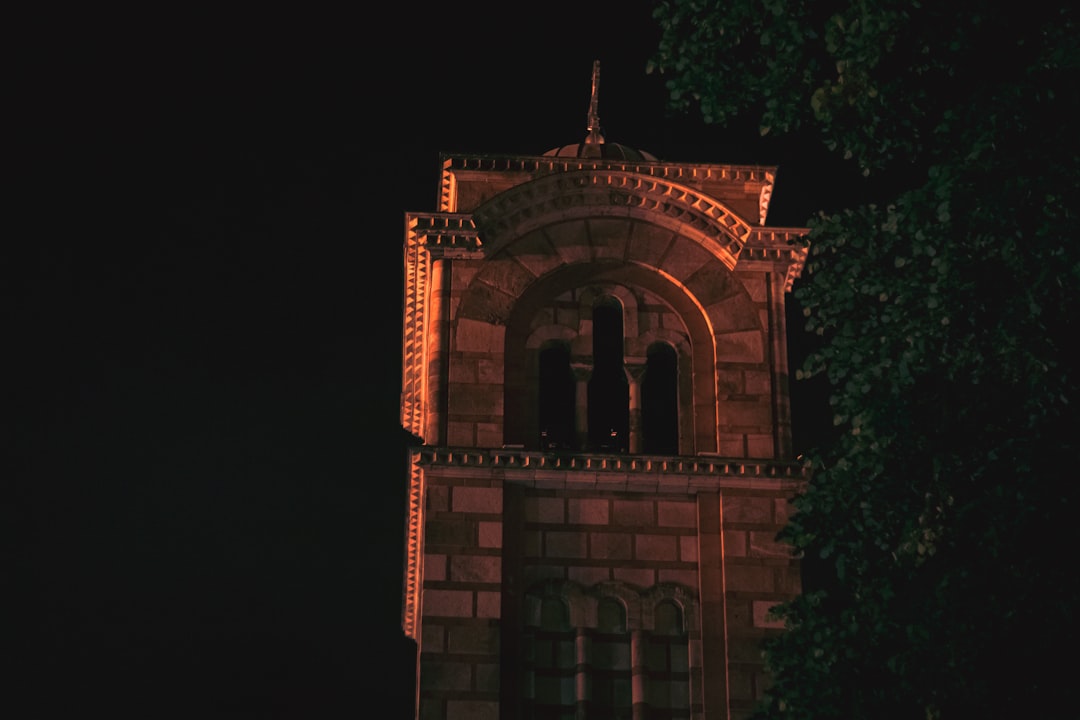
The Roman Well — A deep, ancient well located within the fortress grounds, dating back to the Roman period. It's one of the few surviving structures from the Singidunum era. The stone walls are cold and damp, and the depth is unsettling. It serves as a stark reminder of how long humans have been digging for water and survival on this specific rock. No entry fee.
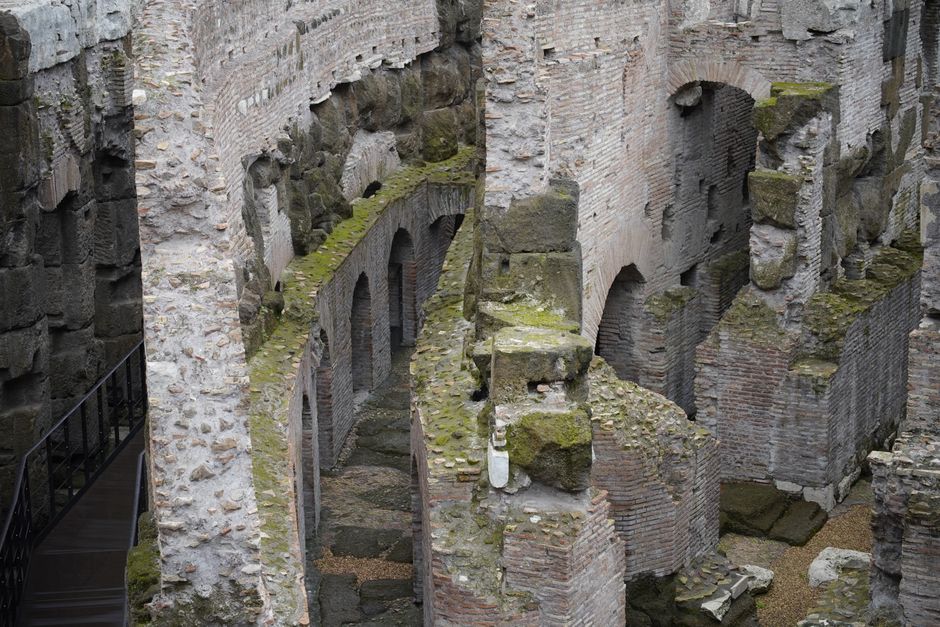
The Military Museum — Located in a restored 18th-century building within the fortress, this museum houses an extensive collection of weapons, uniforms, and artifacts from the Balkan wars. The collection is surprisingly extensive, ranging from medieval swords to Cold-era hardware. It's not just a display of death; it's a archive of the region's turbulent past. Entry is approximately 5-8 EUR.
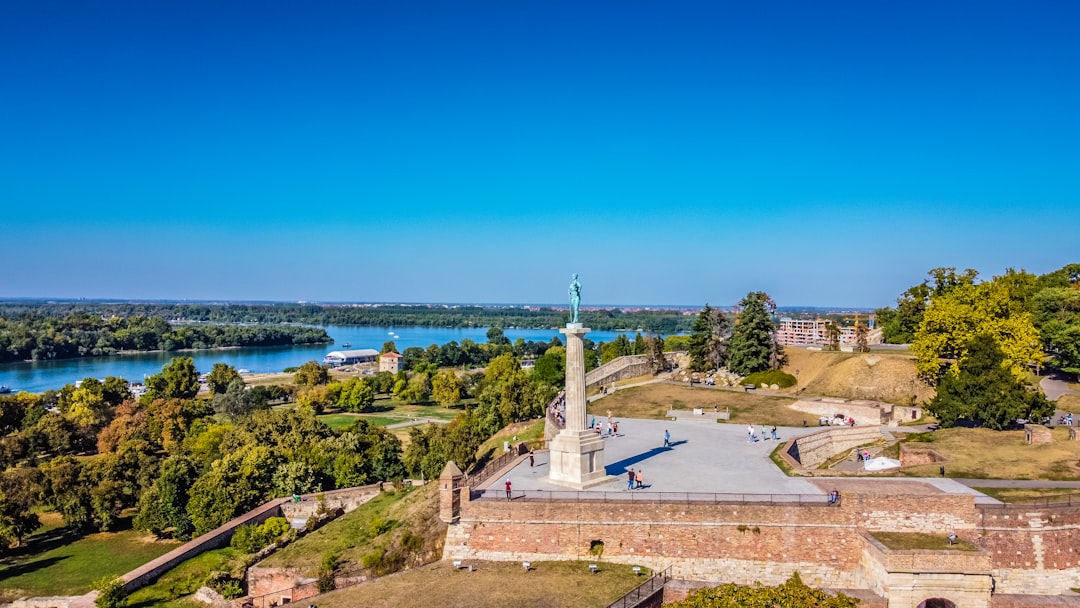
The Monument to King Milan — A bronze statue of King Milan Obrenović, who ruled Serbia in the late 19th century. It stands on a pedestal within the park, facing the city. The king is depicted in a contemplative pose, symbolizing the modernization of Serbia. It's a focal point for local history buffs and a good photo op. Free to view.
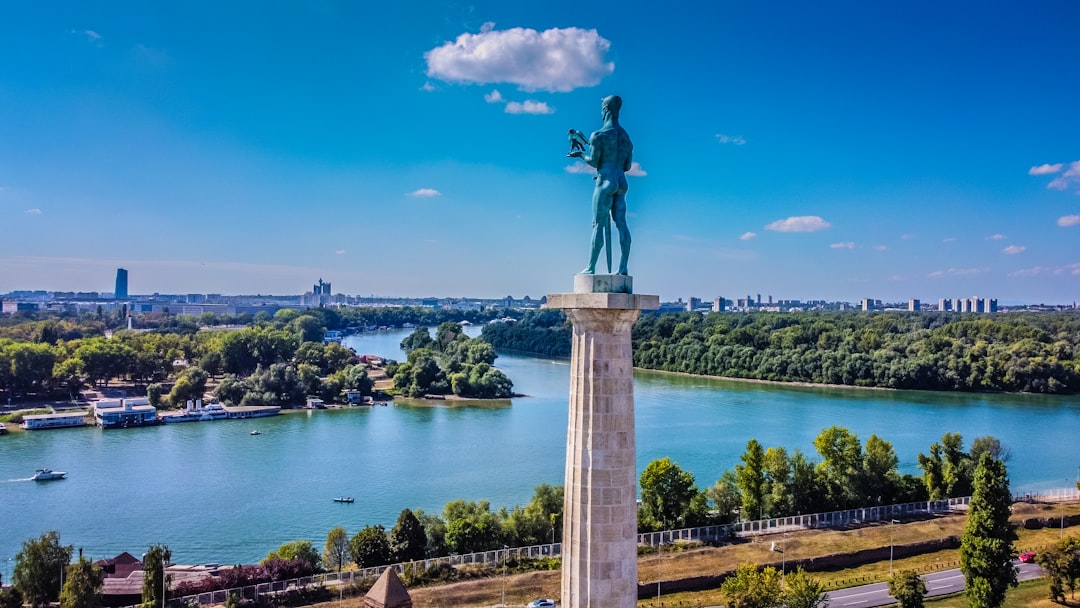
The Sculpture "The Return of the Prodigal Son" — A striking modern sculpture by Miodrag Živković, depicting a group of figures emerging from the stone. It symbolizes the resilience of the Serbian people. The bronze figures are weathered but powerful, set against the backdrop of the fortress walls. It's a poignant piece of art that fits the mood of the place perfectly. Free to view.
What to Eat & Drink
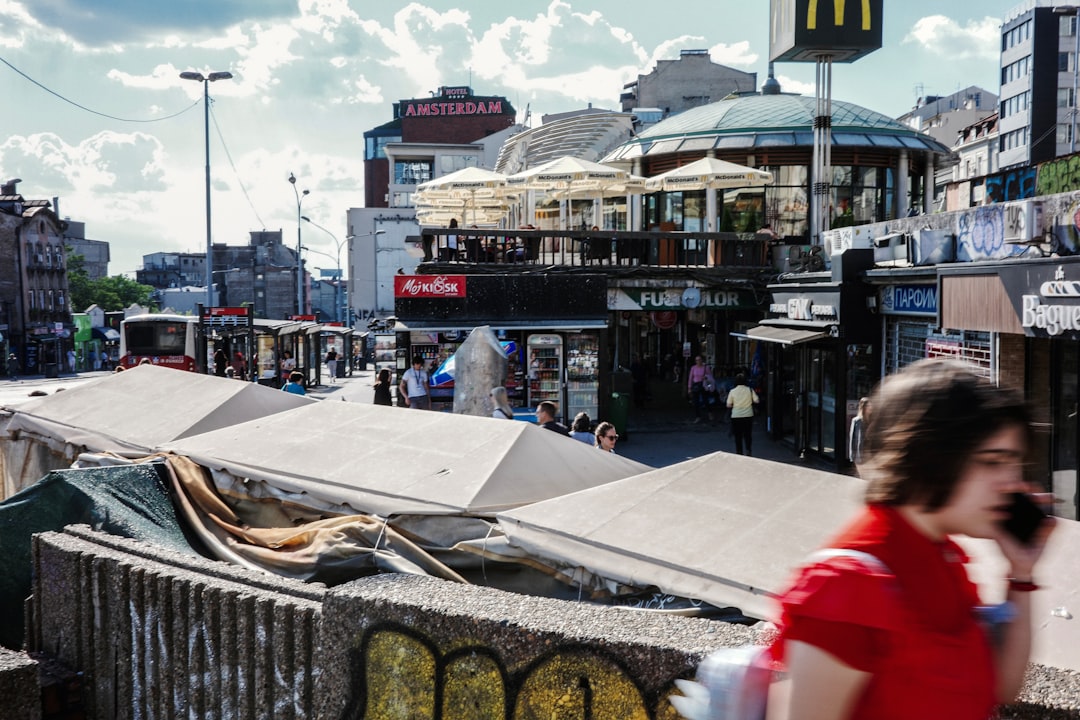
You don't eat inside the fortress itself, but the surrounding area of Skadarlija and the main square, Trg Republike, are packed with options. For a quick bite, grab a roful — a sweet, fried doughnut dusted with sugar — from a street vendor near the entrance. It costs about 1-2 EUR and is the perfect fuel for walking the ramparts. If you're hungry for something more substantial, head to the nearby Skadarlija quarter, the bohemian heart of Belgrade.
In Skadarlija, you'll find ćevapi — small grilled meat sausages served with flatbread and onions — for around 4-6 EUR. Pair it with a šopska salata (shredded vegetables with feta and walnuts) for 3-4 EUR. For a sit-down meal, budget 10-15 EUR per person for a traditional Serbian dish like goulash or roasted pork. The restaurants here are lively, with live music and wooden tables. For a cheaper option, look for pljeskavica (a large Serbian burger) in nearby fast-food spots for 3-5 EUR.
Don't leave without trying rakija, the local fruit brandy. A small glass costs about 2-3 EUR in a standard bar. It's strong, clear, and tastes of plum or grape. It's the liquid currency of the Balkans. For a more relaxed vibe, head to the cafes around Trg Republike, where you can get a coffee for 1.5-2.5 EUR and watch the city buzz. The food scene here is robust, affordable, and deeply rooted in tradition.
Nightlife
Belgrade's nightlife is legendary, and it spills over from the fortress area into the surrounding streets. Skadarlija, while more touristy, offers a charming evening atmosphere with traditional music and candlelit tables. It's not the place for raving, but for a late-night drink and some starogradske pesme (old city songs), it's unbeatable. The bars here are cozy, with wooden interiors and live accordion music.
For a more modern vibe, head towards the main square and the Knez Mihailova pedestrian street. Bars like King's Club and Big Foot are nearby, offering everything from cocktails to craft beer. Cover charges are usually low, around 2-5 EUR, or free if you buy a drink. The energy shifts from the historical solemnity of the fortress to the electric pulse of the city. Belgrade stays up late, often until dawn, and the fortress is just the starting point of the night.
As night falls, the fortress itself lights up, casting long shadows across the grass. It's a surreal contrast to the clubbing scene below. You can find quiet corners in the park to escape the noise, or dive straight into the action. The choice is yours, but the energy of Belgrade is infectious.
Getting There & What to Expect
The nearest airport is Belgrade Nikola Tesla Airport, located about 18 km northeast of the city center. From the airport, you can take a bus to the main bus station (Autokomanda) for about 2-3 EUR, which takes 30-40 minutes. From there, a taxi to the fortress costs around 5-7 EUR. Buses and trams connect all major parts of the city, with a single ride costing ~1 EUR. The fortress is easily accessible on foot from the city center, a 10-15 minute walk from the main square.
Accommodation in Belgrade ranges from budget hostels for 15-25 EUR per night to mid-range hotels for 40-70 EUR per night. Luxury options can exceed 100 EUR. The best months to visit are spring (April-May) and autumn (September-October), when the weather is mild and the crowds are thinner. Summer can be hot and crowded, while winter is cold but offers a stark, atmospheric beauty. Children of all ages can visit the fortress; it's a large, open park with plenty of space to run around. Just watch your step on the uneven stone paths.
Search accommodation in Belgrade on Booking.com →
The Last Light
I left the fortress as the sun dipped below the horizon, painting the Danube in shades of orange and purple. The city lights began to flicker on, a million tiny stars reflecting off the water. I felt a strange sense of peace, despite the violent history of the place. Belgrade has survived it all. It has been burned, bombed, and besieged, but it always rebuilds. Kalemegdan is not just a fortress; it's a symbol of that resilience. It stands guard over the rivers, watching the world go by, indifferent to the chaos below. As I walked back into the city, the noise of traffic and music washed over me, but I carried the silence of the fortress with me. It's a place that demands respect, not just for its history, but for its endurance. In a region defined by conflict, Belgrade is the proof that life goes on.
Comments