


The rain in the Dinaric Alps doesn't fall; it attacks. I stood shivering on a slick rock ledge, my boots sliding on moss that felt like wet velvet, while a local guide named Marko laughed and pointed toward a chasm that dropped away into nothing. "You think you know waterfalls," he shouted over the roar, "but you haven't seen these." This isn't the polished, ticketed grandeur of a European theme park. This is Jablanica National Park, a place where the infrastructure ends and the wild begins. I came here looking for a hike; I stayed because the sheer, dripping scale of it made my phone feel like a useless brick. The air smelled of pine resin and wet stone, and for the first time in months, I forgot to check my notifications.
Most travelers fly over this part of Serbia, eyes fixed on Belgrade or the mountains of Montenegro. They miss the raw, unvarnished beauty of the Zlatibor District. Jablanica isn't about convenience. It's about earning your view. The trails are muddy, the elevations are steep, and the crowds are non-existent. If you want a selfie with a perfect backdrop, go to the coast. If you want to feel small against the power of nature, you come here.
The Green Lungs of the West
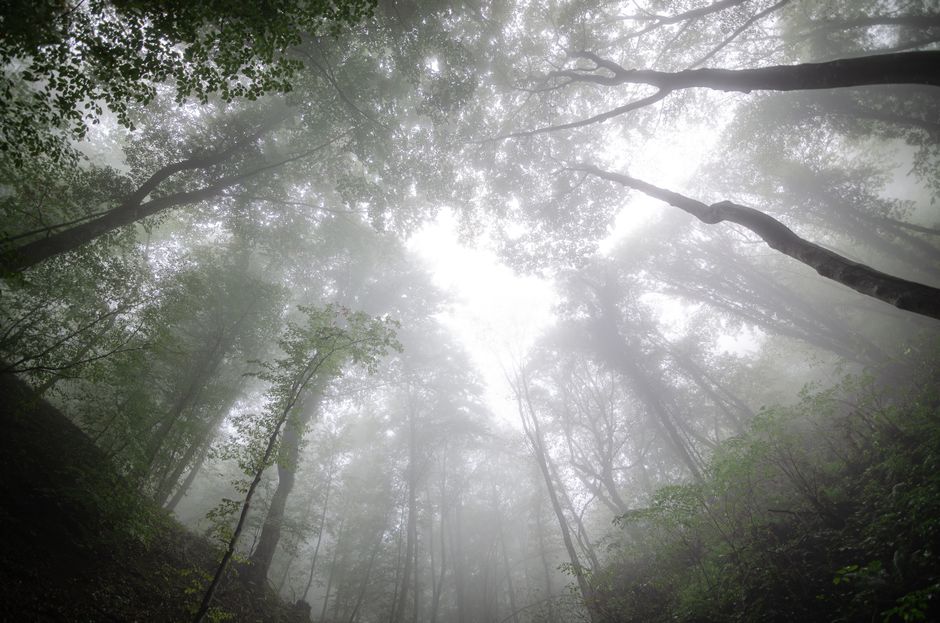
Established in 2016, Jablanica National Park protects a vast swath of forested mountain terrain. It's one of the newest national parks in Serbia, which means it lacks the heavy-handed commercialization of older sites. The park spans over 12,000 hectares, dominated by dense stands of beech, spruce, and fir. This is old-growth forest, untouched by significant logging for decades. The biodiversity is staggering, with species that haven't been seen in the Balkans for centuries.
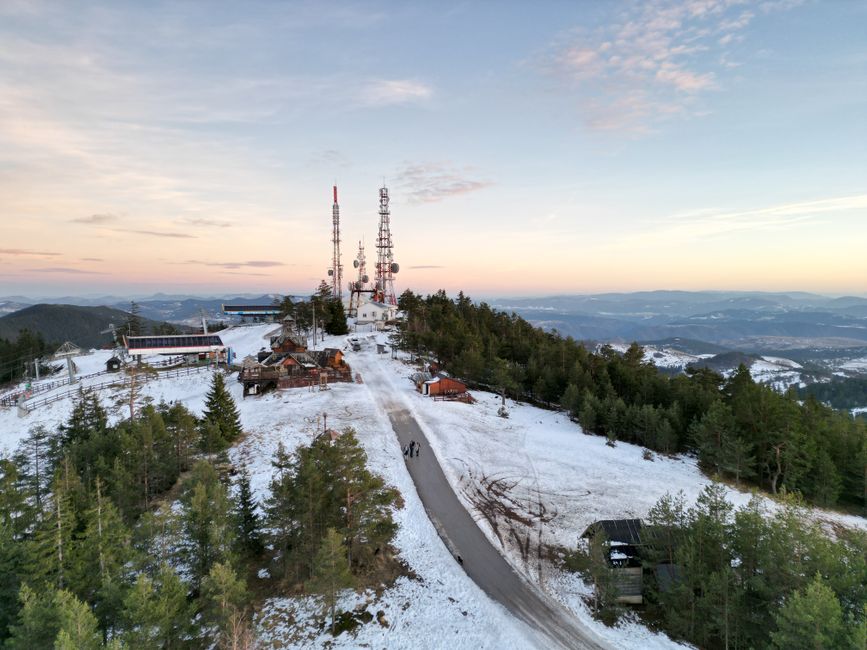
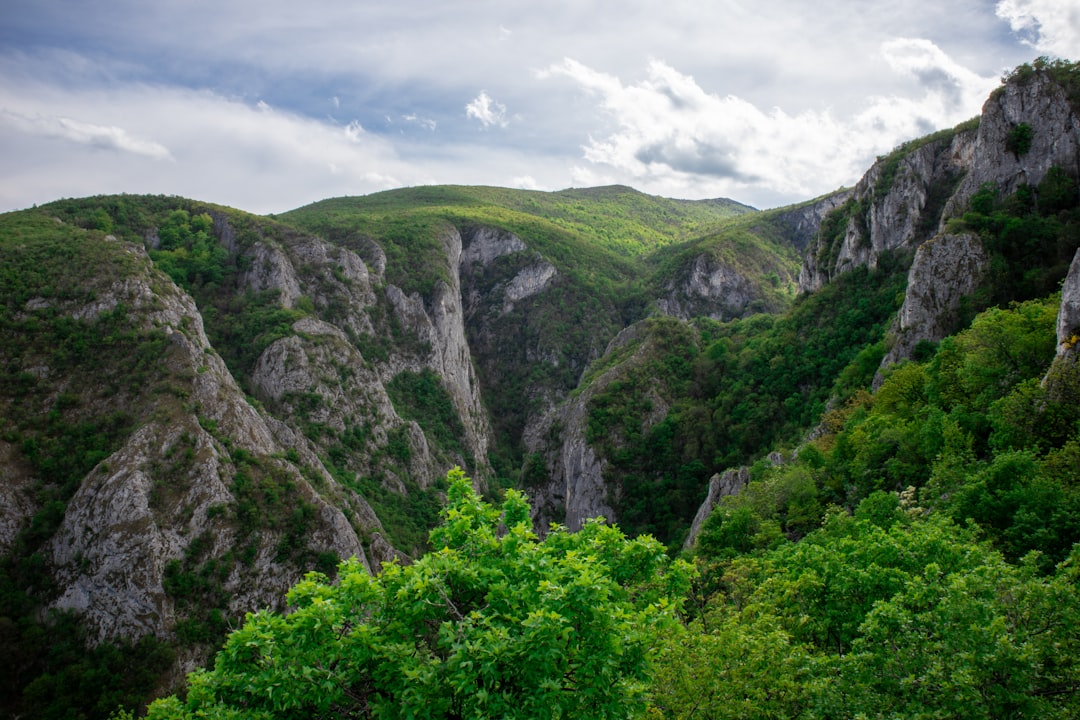
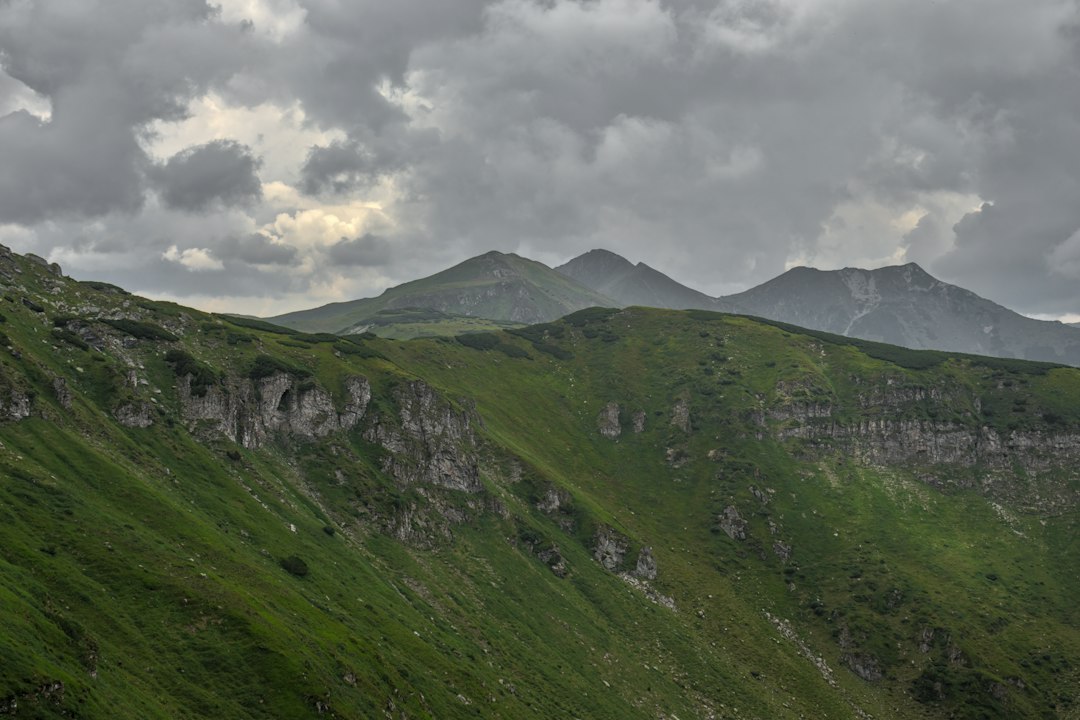
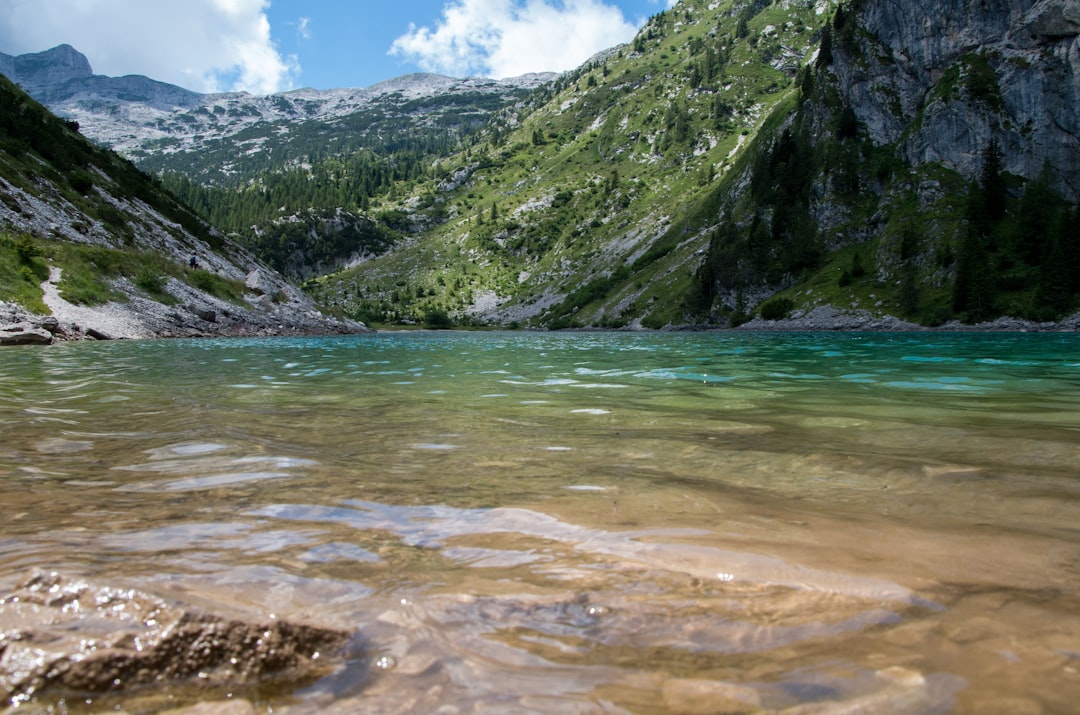
The park's heart is the Drina River basin. The water here is glacial, cold, and clear. It cuts through the limestone, creating deep gorges and feeding the cascades that draw visitors. The landscape is a mix of high-altitude plateaus and deep, shadowed valleys. In summer, the meadows explode with wildflowers. In winter, the snow covers everything in a silent blanket, turning the park into a skier's paradise, though the lifts are few and far between.
What makes Jablanica unique is its isolation. It sits right on the border with Bosnia and Herzegovina, a region that has historically been overlooked by mass tourism. This isolation has preserved not just the forests, but the local culture. The villages nearby still operate on a slower clock. You'll find sheep herds on the roads and locals who greet you with a nod rather than a sales pitch.
Chasing the Cascades
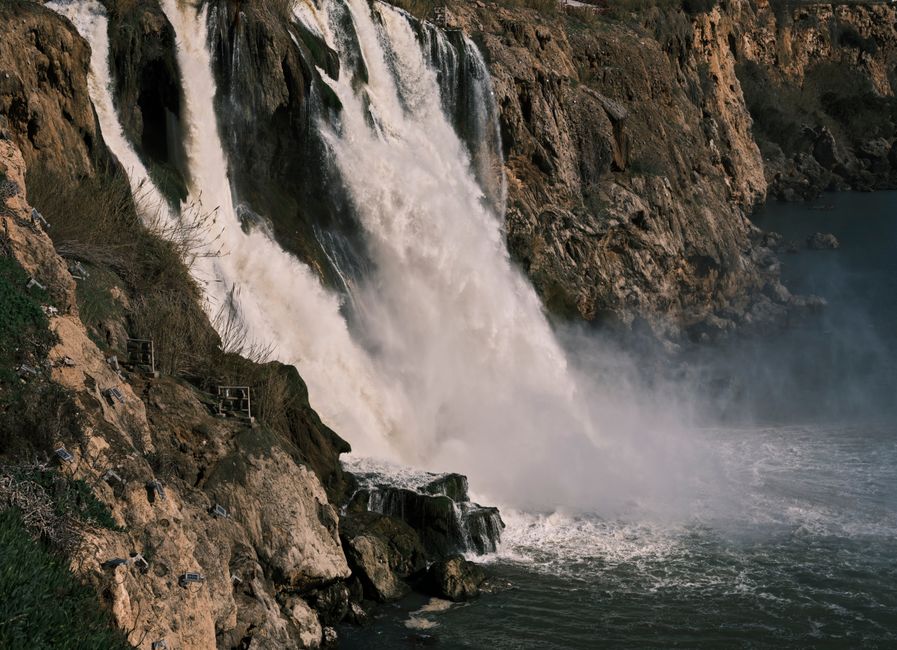
The main draw for most visitors is the water. Jablanica is famous for its waterfalls, and they don't disappoint. The most iconic is the Jablanica Waterfall, a three-tiered cascade that drops 60 meters into a pool of turquoise water. The hike to the top is short but steep, winding through ferns and underbrush. When you reach the viewing platform, the roar is deafening. The mist coats your face, and the spray feels like a cold slap of reality. It's not a gentle trickle; it's a force of nature.
Further into the park, you'll find the Bunić Waterfall, a hidden gem that requires a bit more effort to reach. This waterfall is wider but shorter, spreading across a rock face like a white curtain. The trail here is less maintained, with wooden steps that creak underfoot and roots that trip the unwary. The reward is a sense of discovery. You feel like you've stumbled upon a secret that the guidebooks haven't revealed yet.
For the adventurous, the Sirogojno Ethnographic Complex is nearby, offering a contrast to the wild landscape. It's an open-air museum of traditional wooden houses, relocated from various parts of Western Serbia. While not inside the national park proper, it's a logical stop on the same trip. The craftsmanship of the houses is intricate, with carved balconies and steep roofs designed to shed heavy snow. It's a tangible link to the past, showing how people lived in harmony with these mountains for centuries.
On the Ground: Trails and Terrain
The trail network in Jablanica is expanding but remains rugged. The main trail to the Jablanica Waterfall is about 2 kilometers round-trip, with an elevation gain of roughly 150 meters. It's suitable for most fitness levels, but the terrain can be slippery after rain. Wear boots with grip. The trail to Bunić Waterfall is longer, around 4 kilometers, with steeper sections and rocky paths. Allow at least 2 hours for this hike.
For mountain biking, the park offers a network of forest roads that are less crowded than the hiking trails. The surface is mostly dirt and gravel, with some rocky patches. The climbs are tough, but the descents are fast and technical. If you're not an experienced rider, stick to the main roads. The views from the ridges are worth the effort, offering panoramic shots of the Drina Valley and the border mountains.
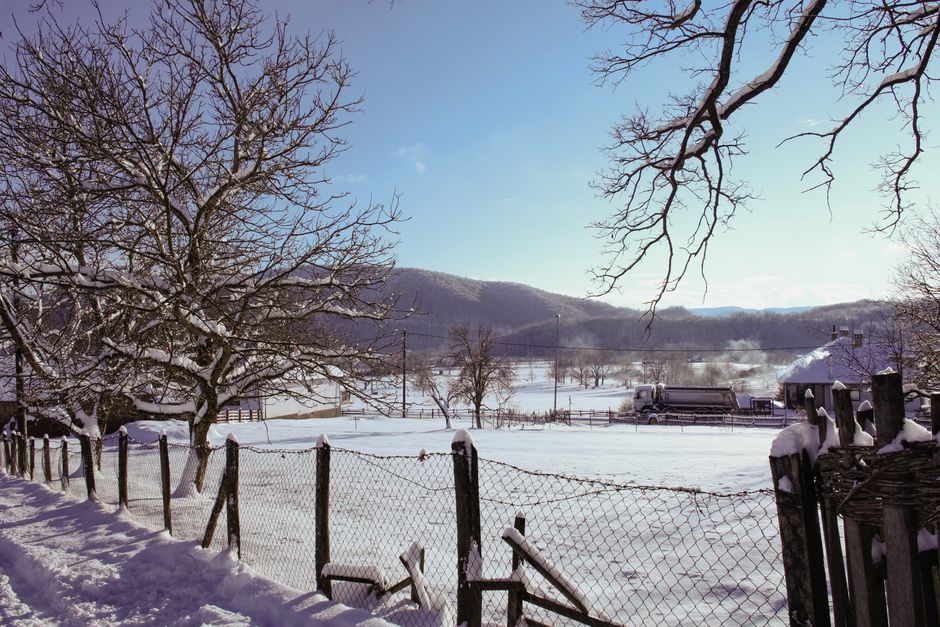
In winter, the park transforms. The Zlatibor Mountain ski resort is nearby, but Jablanica itself offers cross-country skiing and snowshoeing trails. The silence of the snow-covered forest is profound. Tracks are marked, but conditions change quickly. Check with local guides before venturing out alone. The temperature can drop well below freezing, and the cold bites through layers quickly.
Getting There & What to Expect
The nearest major town is Novi Pazar, about 40 kilometers away. From Novi Pazar, you can take a local bus or drive to the park entrance. The road is paved but winding, with sharp turns and steep gradients. Drive carefully. The nearest airport is in Niš, which is about 2 hours away by car. From Belgrade, the drive takes roughly 4 hours.
Accommodation in the park is limited. There are a few mountain huts and private rooms in nearby villages. Expect to pay around 30-50 EUR per night for a basic room. If you're camping, there are designated areas near the visitor center. Bring your own food and water, as options inside the park are scarce. The nearest grocery store is in the village of Žuto Brdo, where you can find basic supplies and some local delicacies like smoked cheese and homemade rakija.
The best time to visit is from May to October. Spring brings wildflowers and flowing water, while autumn offers crisp air and colorful foliage. Summer can be hot, but the shade of the forests provides relief. Winter is for the brave, with snow and ice making trails challenging. Regardless of the season, always check the weather forecast and trail conditions before heading out. The mountains here don't forgive unpreparedness.
Search accommodation in Novi Pazar on Booking.com →
The Verdict: Why You Should Go
Jablanica National Park isn't for everyone. It demands effort, respect, and a willingness to embrace the elements. But if you're tired of crowded tourist traps and sanitized nature, this is the place for you. The waterfalls are powerful, the forests are ancient, and the silence is deafening. It's a reminder that the wild still exists in the Balkans, waiting for those willing to seek it out.
I left Jablanica with muddy boots, aching legs, and a renewed sense of perspective. The phone stayed in my pocket. The view stayed in my head. If you're looking for a quick fix, go elsewhere. If you're looking for a real experience, pack your boots and come to the Drina basin. The mountains are waiting, and they don't care if you're ready.
Comments