


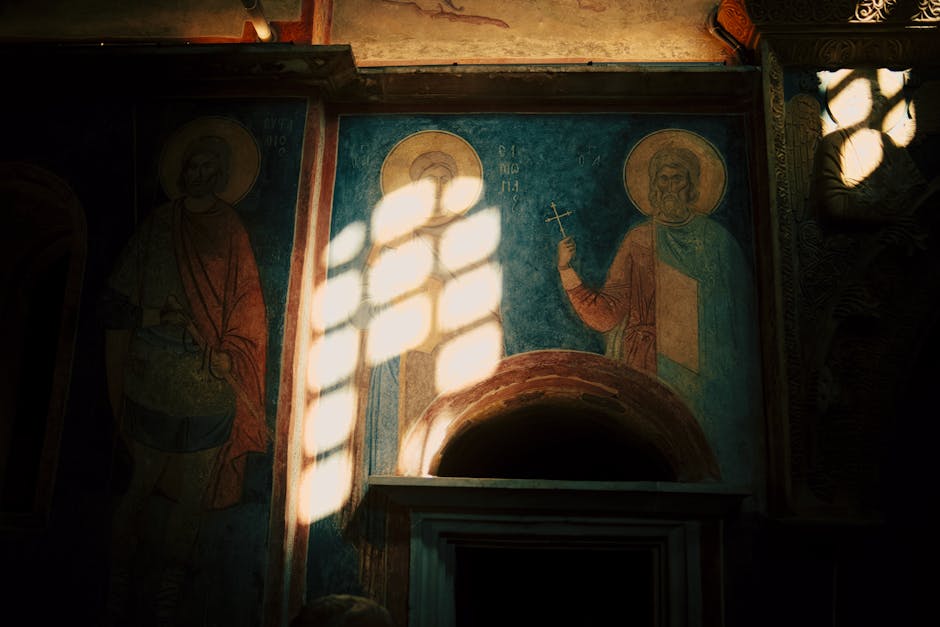
The rain in Podgorica had turned the asphalt to black slush by the time I grabbed a taxi heading north, desperate for something that felt older than my own bones. The driver, a chain-smoking local with a cigarette dangling from his lip, didn't ask where I was going. He just knew. You can't miss the pull of Cetinje. It’s not just a city; it’s a gravitational anomaly in the Balkans. As we wound up the mountains, the air grew thin and smelled of wet pine and distant woodsmoke. I wasn't looking for a postcard. I was looking for the place where Montenegrin identity was forged in fire and faith, right under the shadow of the Cetinje Monastery.
Stepping through the iron gates of the monastery complex, the noise of the modern world didn't just fade; it vanished. The silence here is heavy, pressurized. It’s the kind of quiet that makes you check your own pulse. This isn't a tourist trap designed for selfie sticks. It’s a fortress of spirituality and political history, where kings were crowned and rebels found their last refuge. The architecture here doesn't whisper; it shouts in stone, wood, and gold leaf, telling a story of survival against the Ottoman tide and the internal squabbles of the Petrović dynasty.
History & Identity
The Cetinje Monastery is the spiritual and historical nucleus of Montenegro. Founded in 1484 by Metropolitan Đorđe, it served as the seat of the Metropolitan of Montenegro and later the residence of the ruling Petrović-Njegoš dynasty. For centuries, this wasn't just a church; it was the de facto capital of the nation. The monastery’s architecture evolved from a simple stone chapel into a sprawling complex that reflects the shifting tides of power, art, and survival in the Balkans.
The current structure you see today is largely the result of a major reconstruction in the 17th century under Metropolitan Sava Petrović. The Ottoman Empire’s reach was long, and the monastery faced constant threat. The architecture had to be defensive as much as devotional. Thick stone walls, minimal windows on the lower levels, and a commanding position on the plateau overlooking Cetinje were not aesthetic choices; they were survival strategies. The monastery survived fires, invasions, and political upheavals, each scar adding to its layered, complex identity.
Today, the complex is a UNESCO World Heritage Site, part of the larger "Cetinje Historic Centre" designation. It houses the Royal Tombs, the National Museum of Montenegro, and the main church dedicated to the Dormition of the Theotokos. The juxtaposition of the sacred and the political is palpable. You walk through courtyards where bishops plotted statecraft and where the first Montenegrin constitution was drafted. The architecture is a physical archive of a people who refused to disappear.
Cetinje MonasteryWhere to Go
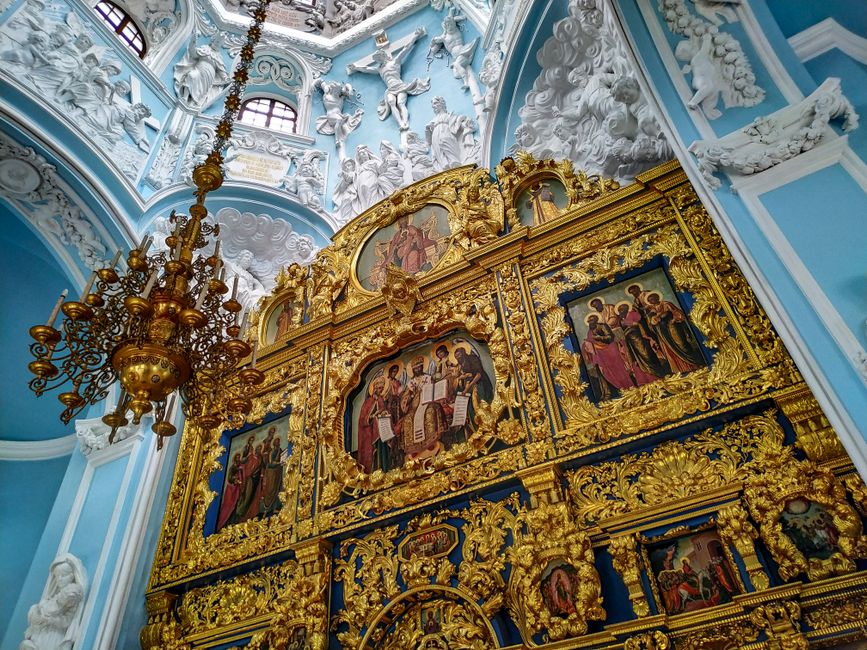
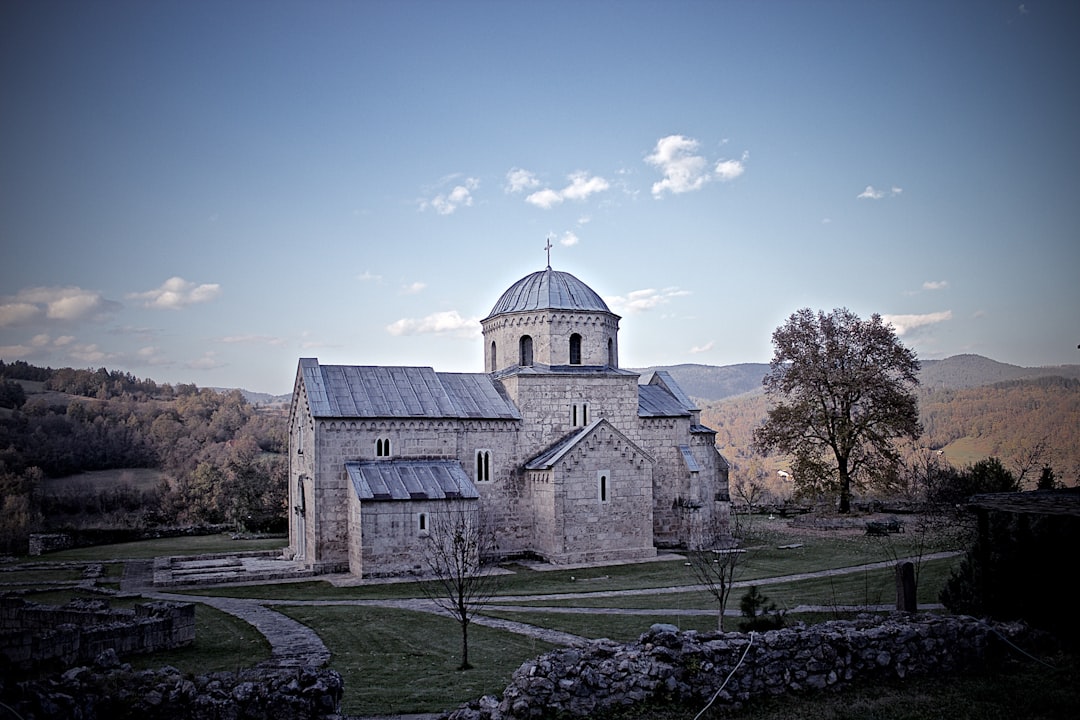
The Main Church (Crkva Uspenja Presvete Bogorodice) — The heart of the complex. This is where the architectural drama peaks. The exterior is deceptively simple, clad in white stone, but step inside and you are hit by a wall of gold. The interior is adorned with frescoes dating back to the 15th century, some of the oldest in Montenegro. The iconostasis, carved from wood and covered in gold leaf, is a masterpiece of Balkan ecclesiastical art. The ceiling frescoes, painted in a mix of Byzantine and Renaissance styles, depict biblical scenes with a raw, emotional intensity that feels immediate. Entry is free, but donations are expected. Visit early morning to avoid the tour buses.
The Royal Tombs (Kneževske Grobnice) — Located in the courtyard, this small chapel houses the remains of the Petrović-Njegoš rulers. The architecture here is somber, Gothic-inspired, with a dark, intimate atmosphere. The tombs are simple stone sarcophagi, but the weight of history is crushing. This is where the lineage of Montenegrin kings rests, including Prince-Bishop Danilo I and King Nikola I. The contrast between the modesty of the tombs and the grandeur of their legacy is striking. It’s a place for quiet reflection, not loud tourism.
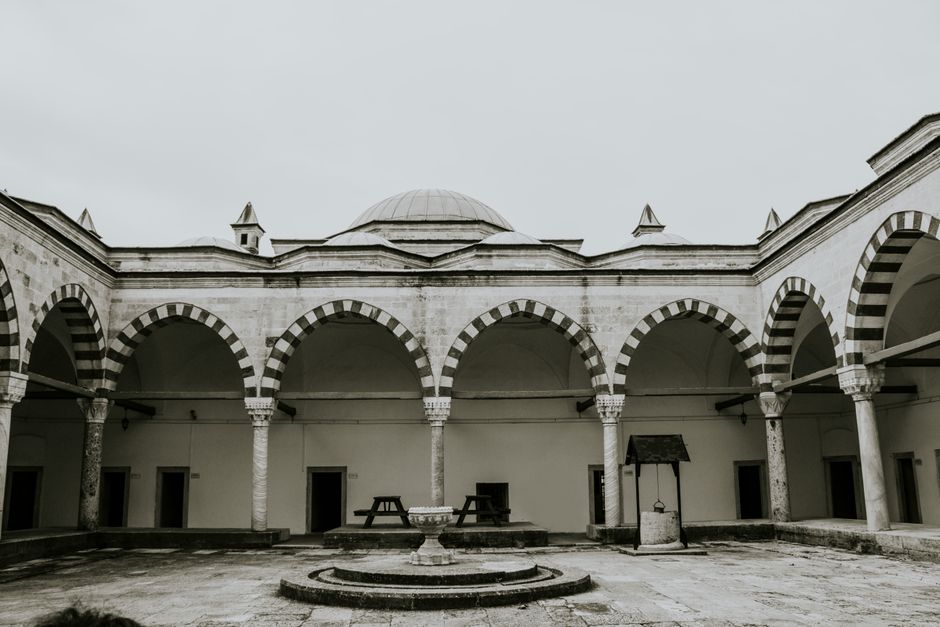
The National Museum of Montenegro — Housed within the monastery complex, this museum is an architectural treasure in itself. The building, originally part of the monastic quarters, has been adapted to display artifacts spanning Montenegrin history. The exhibits include ancient jewelry, Ottoman weapons, and personal items of the Petrović dynasty. The architecture of the museum spaces retains the original stone arches and vaulted ceilings, creating a seamless blend of old and new. Entry fee is 5 EUR. Allow at least one hour to explore.
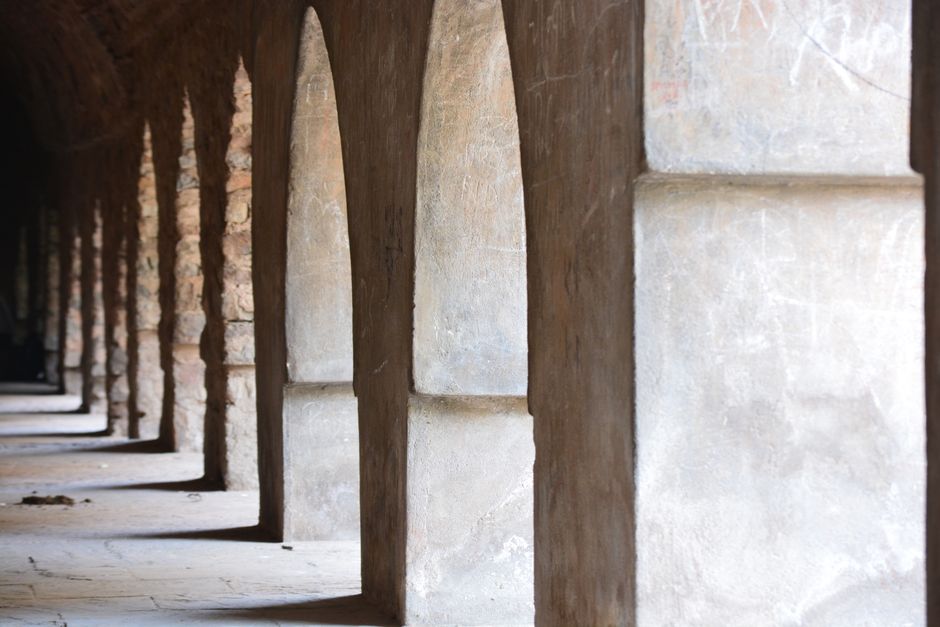
The Bell Tower — A standalone structure in the courtyard, the bell tower is a prime example of Montenegrin Orthodox architecture. Its simple, robust form contrasts with the ornate interior of the church. The bells themselves are historical artifacts, some dating back centuries. The tower offers a vantage point over the courtyard and the surrounding city, reinforcing the monastery’s role as a watchful guardian of Cetinje.
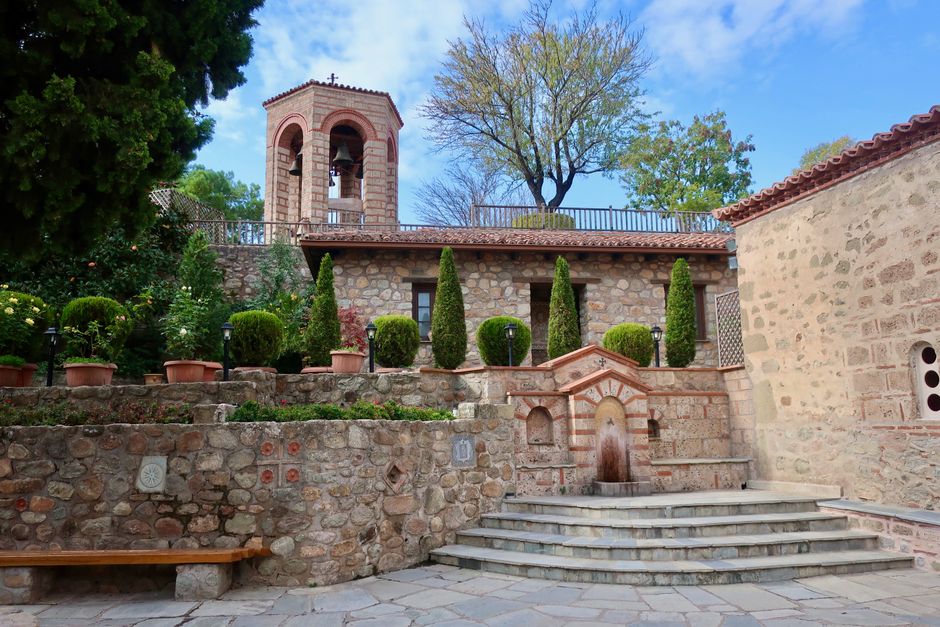
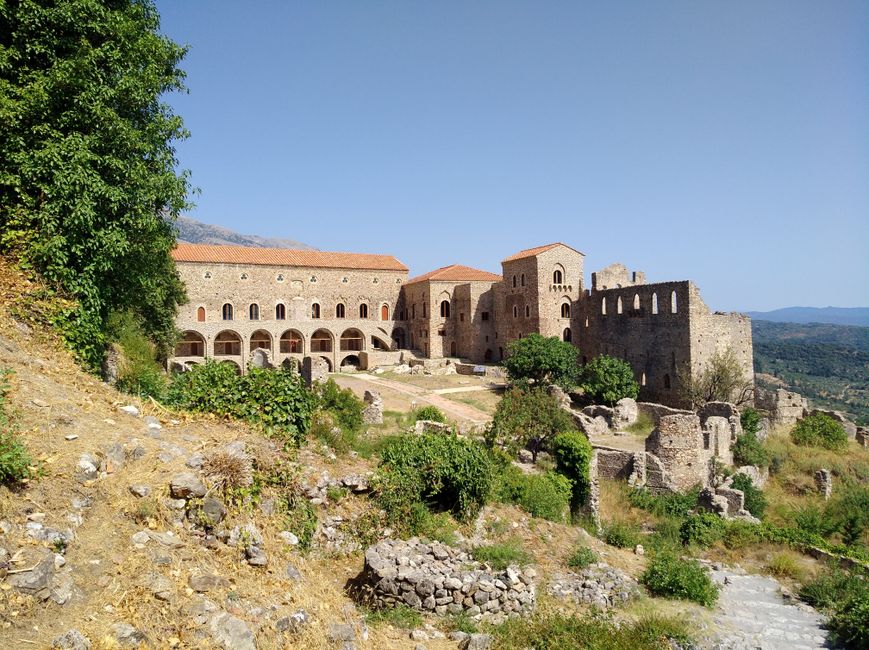
The Old Monastery Complex (Stari Manastir) — Just a short walk from the main complex, this smaller, older structure dates back to the original founding in 1484. It’s less grand, more weathered, and far less visited. The architecture here is raw, with exposed stone and minimal decoration. It feels more authentic, more connected to the early days of the monastery. It’s a place to escape the crowds and feel the raw history of the site.
What to Eat & Drink
Food in Cetinje is not about gourmet dining; it’s about sustenance, tradition, and community. The local cuisine is heavily influenced by the mountainous terrain and the monastic tradition of fasting. Expect hearty, simple dishes made from local ingredients.
Ćevapi — Small grilled meat sausages, usually served with somun (flatbread) and onions. A staple of Balkan street food. Price: 3-5 EUR per portion. Njeguški Pršut — Dry-cured ham from the nearby Njeguši village. A must-try delicacy. Price: 8-12 EUR per plate. Kajmak — A creamy, fermented milk product, often served with bread. Price: 2-4 EUR per serving. Komovina — A traditional alcoholic beverage made from sour milk. Strong, acquired taste. Price: 2-3 EUR per glass.
Budget breakdown: Street food or take-away meals like ćevapi or burek will cost you 3-5 EUR. A sit-down meal at a local konoba (tavern) with a main course and a drink will run 8-15 EUR per person. Mid-range restaurants in the town center might charge 15-25 EUR per person for a three-course meal.
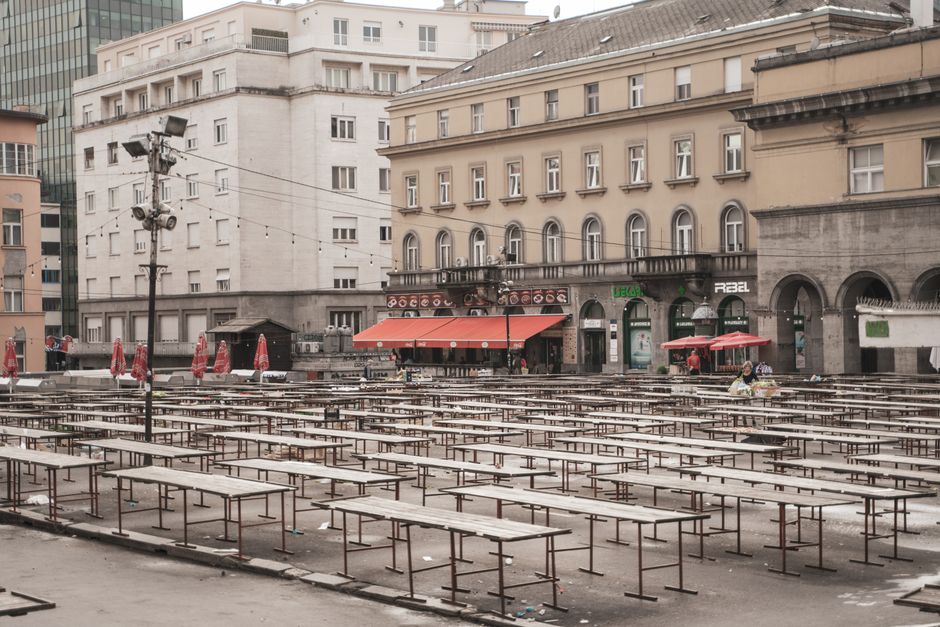
The main food district is around King Nikola's Square and the streets leading down to the Old Town. Look for small, family-run konobas with outdoor seating. The Cetinje Bazaar is also worth a visit for fresh produce, local cheeses, and spices. For budget travelers, there are a few food courts and fast-food options near the bus station, but the local konobas offer a far better experience for a similar price.
Nightlife
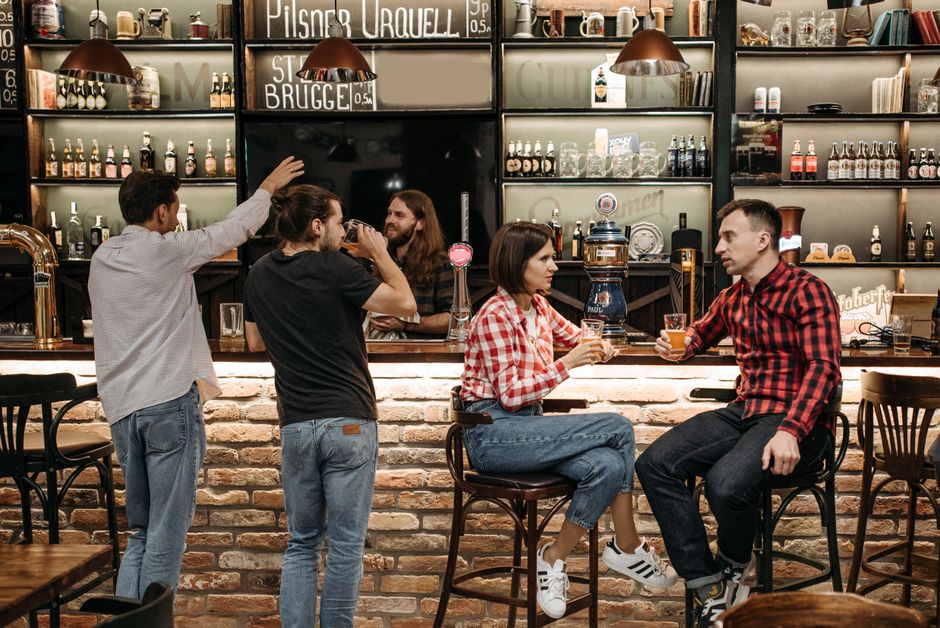
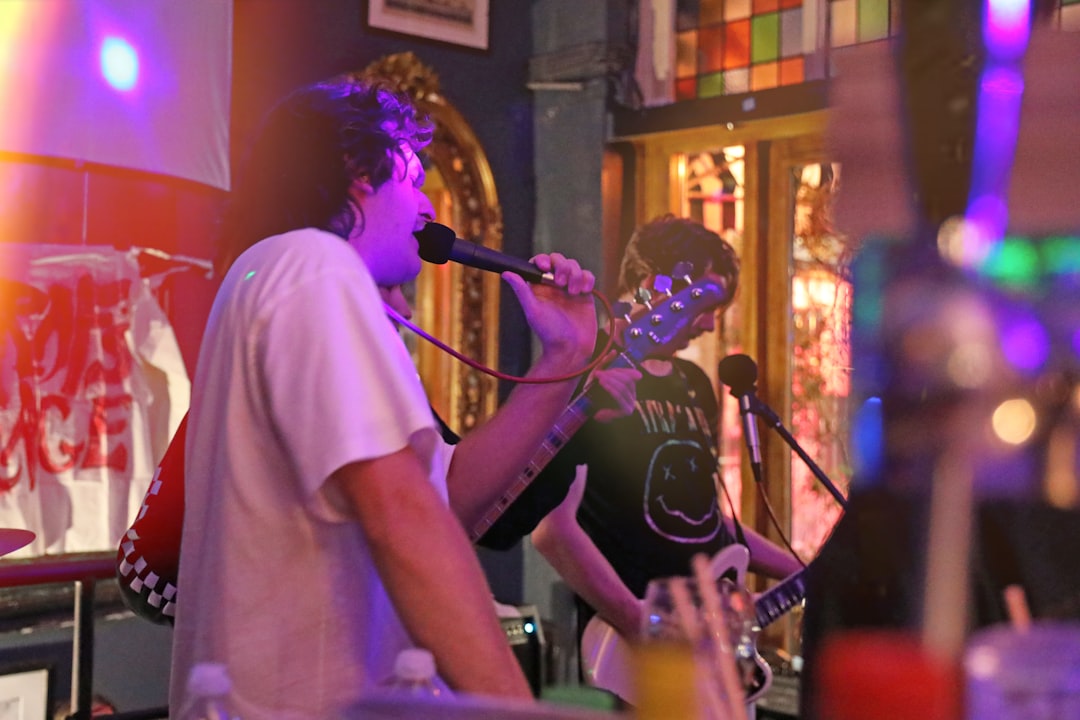
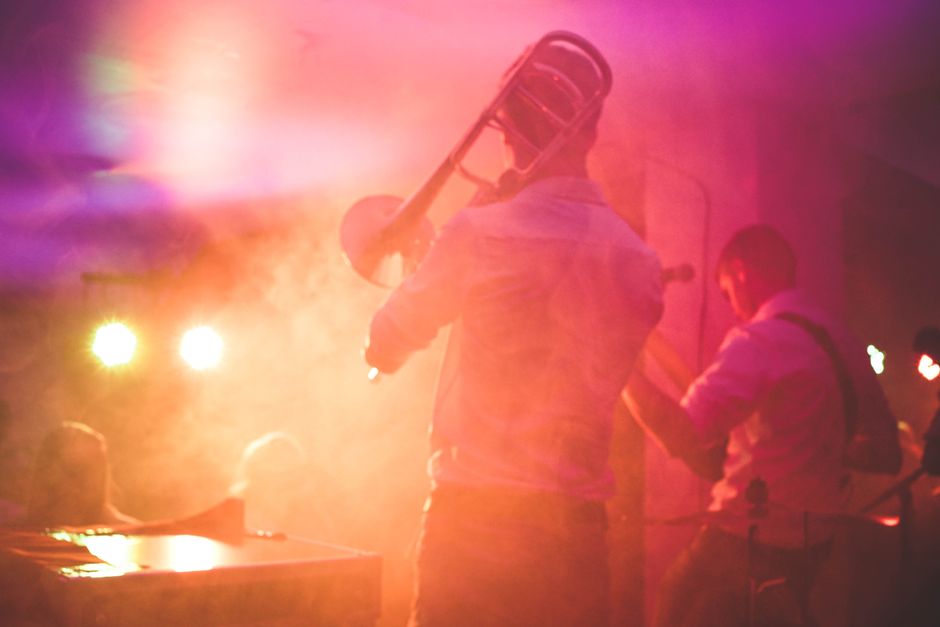
Nightlife in Cetinje is not about clubs or raves. It’s about conversation, music, and lingering into the night. The town has a small, intimate vibe, with bars and cafes clustered around the main square and the pedestrian zones.
Bar Kralj — A popular spot near the square, known for its live acoustic music and local craft beers. The atmosphere is relaxed, with a mix of locals and tourists. Cover charge: None. Caffe Bar Sava — Named after the famous Metropolitan, this is a historic bar with a bohemian vibe. Expect poetry readings, jazz music, and strong coffee. Cover charge: None. Pub 1000 — A more modern pub with a wider selection of beers and occasional live bands. Popular with younger crowds.
The main nightlife district is the pedestrian zone around King Nikola's Square and the streets leading to the Old Town. Bars usually open around 6 PM and stay open until 1 AM. Music styles range from traditional Montenegrin folk to jazz and acoustic covers. It’s a place to unwind after a day of historical exploration, not a place to party until dawn.
Getting There & What to Expect
The nearest major airport is Podgorica Airport (TGD), located about 30 km south of Cetinje. From Podgorica, you can take a bus or a taxi to Cetinje. Buses run frequently, taking about 45 minutes and costing 2-3 EUR. Taxis take about 30 minutes and cost 15-20 EUR. From Podgorica city center, buses and trains are also available, with similar travel times and costs.
By car, Cetinje is easily accessible from Podgorica via the E65 highway. The drive takes about 30-40 minutes. Parking in Cetinje is limited, so expect to park on the outskirts and walk into the town center. The monastery is located on a plateau, so be prepared for some uphill walking.
Accommodation in Cetinje ranges from budget hostels to mid-range hotels. Budget hostels cost 15-25 EUR per night. Mid-range hotels cost 40-70 EUR per night. There are also several guesthouses and apartments available for short-term rental.
The best time to visit Cetinje is between May and October, when the weather is mild and pleasant. July and August can be hot and crowded. Winter is cold and snowy, but the town has a unique charm during this season, especially if you’re interested in the monastic traditions of the Orthodox Church.
Search accommodation in Cetinje on Booking.com →
The Weight of Stone
Leaving the monastery as the sun dipped below the mountains, I felt a strange heaviness in my chest. It wasn't just the altitude. It was the accumulation of centuries, of prayers, of political maneuvering, of survival. The architecture of the Cetinje Monastery isn't just about beauty; it’s about endurance. Every stone, every fresco, every carved beam tells a story of a people who refused to be erased. In a region often defined by conflict and division, this place stands as a testament to the power of faith and identity. It’s not a pretty postcard. It’s a raw, unvarnished truth, carved in stone and gold. And that’s why it matters.
Comments