


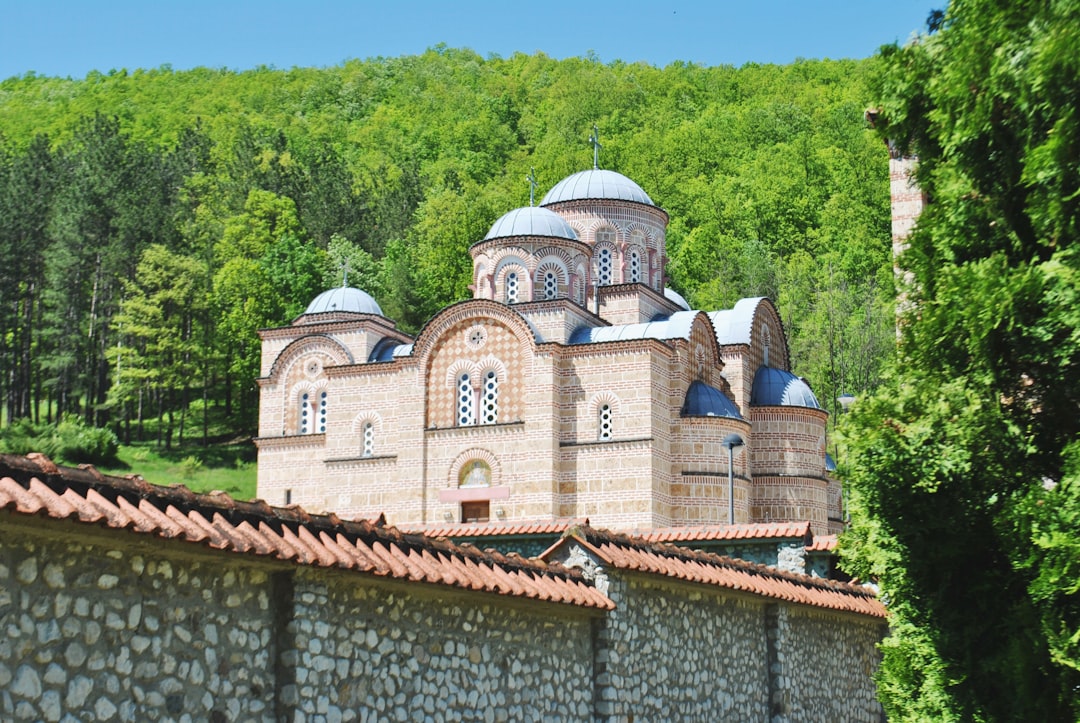
It is minus two degrees in the Serbian Morava valley, and my breath hangs in the air like a ghost refusing to leave. I am standing in the nave of Studenica Monastery, and the silence is so absolute it feels physical, pressing against my eardrums. A local monk, his face carved from the same limestone as the walls, watches me with eyes that have seen centuries pass. He doesn't speak. He just points upward. I look up. The frescoes are not just paint; they are a screaming, vibrant testimony to a kingdom that burned itself to ash. This isn't a tourist stop. It is a time capsule sealed in stone and iconography, where every brushstroke is a political statement and every saint is a reminder of who used to rule this land. The air smells of beeswax, old stone, and the faint, metallic tang of history. I feel small. I feel exposed. And I feel the weight of the Nemanjić dynasty crushing down on me, not as a historical footnote, but as a living, breathing presence.
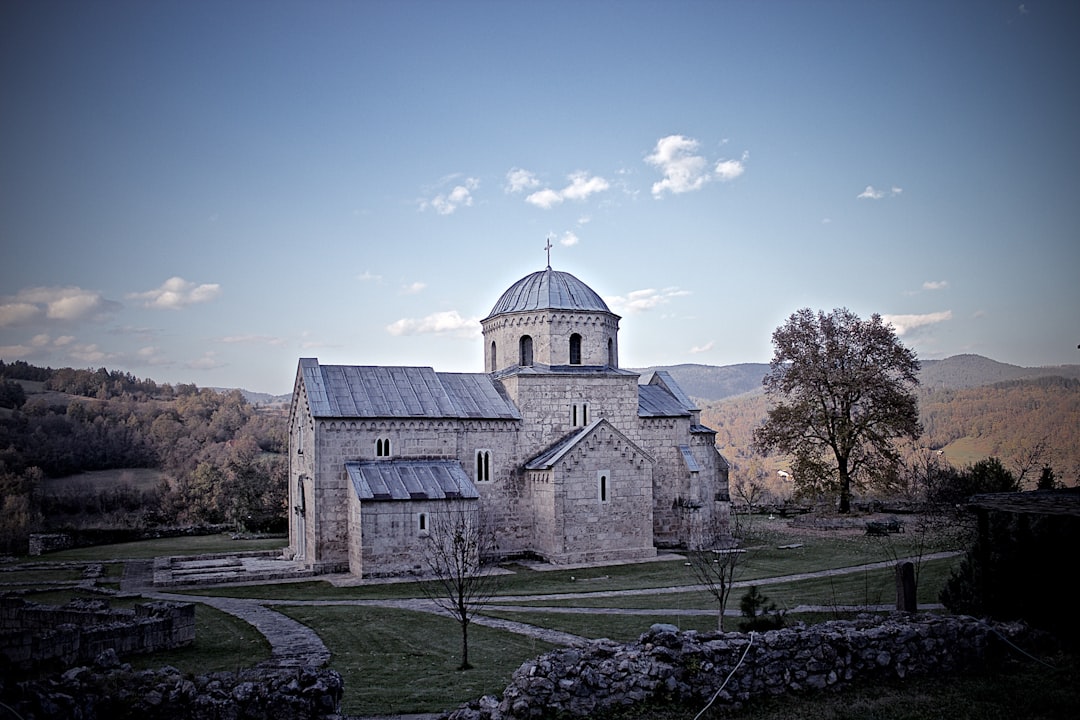
Studenica is not just a monastery. It is the cradle of Serbian medieval art, the spiritual and political heart of the first Serbian empire. Founded in the late 12th century by Stefan Nemanja, the founder of the Nemanjić dynasty, this complex was built to rival the great monasteries of Constantinople. It is a UNESCO World Heritage site, yes, but that label does nothing to capture the raw, emotional power of its interior. The architecture is a blend of Byzantine and Romanesque styles, a architectural hybrid that mirrors the cultural hybridity of medieval Serbia. The stone is white, luminous, and cold, creating a stark contrast with the fiery reds, golds, and blues of the frescoes. Walking through its corridors, you are not just looking at art. You are walking through a manifesto. A manifesto of faith, power, and identity. And it is a manifesto that is still being read, still being debated, and still being felt by those who live and work within its walls.
History & Identity
The story of Studenica begins with a king who gave up his crown. Stefan Nemanja, the first ruler of the Nemanjić dynasty, abdicated in 1196 to become a monk, taking the name Symeon. He founded Studenica as his spiritual retreat and the dynastic mausoleum. The monastery was built to project the power and piety of the new Serbian state, asserting its independence from Byzantine and Hungarian influence. The architecture reflects this ambition. The main church, dedicated to the Virgin Mary, is a three-nave basilica with a single dome, a design that was both innovative and symbolic. The dome represents the heavens, the church the earth, and the underground crypt the underworld. It is a cosmological model in stone, a microcosm of the medieval universe.
But Studenica was more than a mausoleum. It was a cultural center, a school, and a library. The frescoes that cover its walls were painted by some of the greatest artists of the medieval world, including the anonymous masters who worked in the "Studenica School" style. These frescoes are not just decorative. They are theological, political, and historical documents. They depict the lives of Christ, the Virgin Mary, and the saints, but they also depict the Nemanjić rulers as holy figures, bridging the gap between the earthly and the divine. The king is shown as a saint, the queen as a martyr, and the dynasty as a chosen line. This is iconography as propaganda, a visual language that legitimized the Nemanjić rule and cemented their place in Serbian history.
The monastery suffered through centuries of war, destruction, and neglect. It was sacked by the Ottomans, abandoned by the monks, and stripped of its treasures. But it survived. It was restored in the 19th and 20th centuries, and today it stands as a testament to the resilience of Serbian culture. The frescoes have been cleaned and restored, revealing their original vibrancy and detail. The architecture has been stabilized, and the complex has been reopened to the public. But it is not a museum. It is a living monastery, with a small community of monks who still live and pray within its walls. They are the guardians of this legacy, the keepers of the flame that Nemanja lit over eight centuries ago.
Where to Go
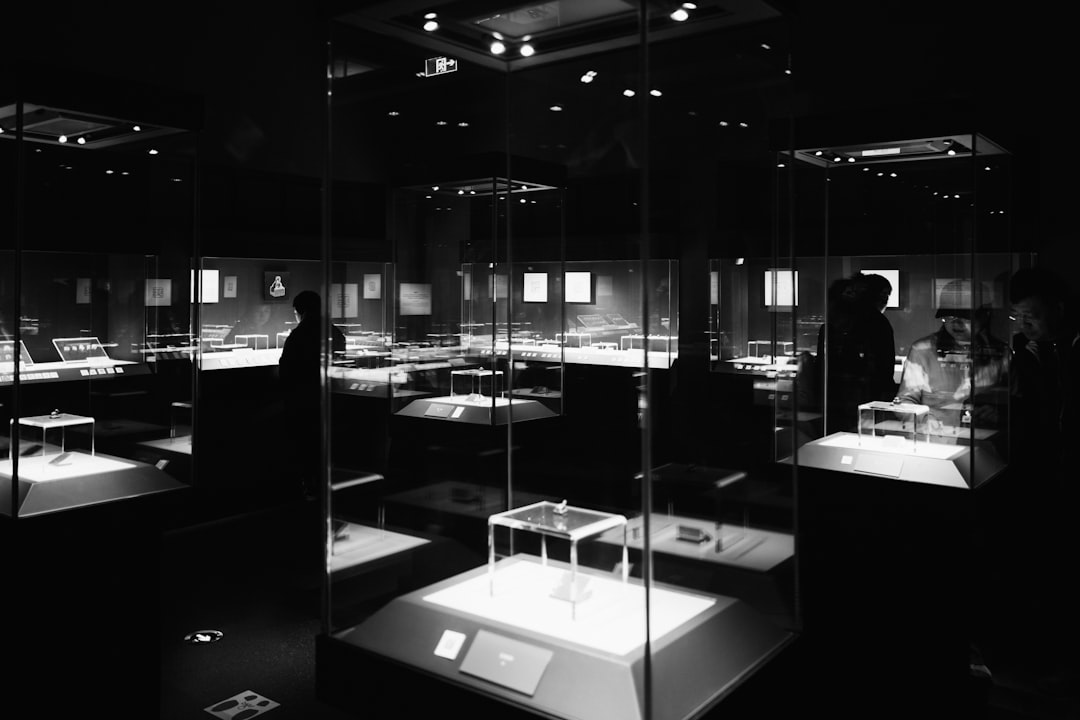
The Main Church — The heart of the complex, dedicated to the Virgin Mary. The interior is a kaleidoscope of frescoes, covering every inch of wall and ceiling. The dome features a stunning depiction of Christ Pantocrator, surrounded by angels and prophets. The narthex contains the tomb of Stefan Nemanja, a simple stone slab that belies the historical significance of its occupant. Entry is 5 EUR, and it is best visited early in the morning to avoid the crowds. The light filtering through the small windows creates a dramatic, almost ethereal atmosphere, highlighting the gold leaf and vibrant colors of the paintings.
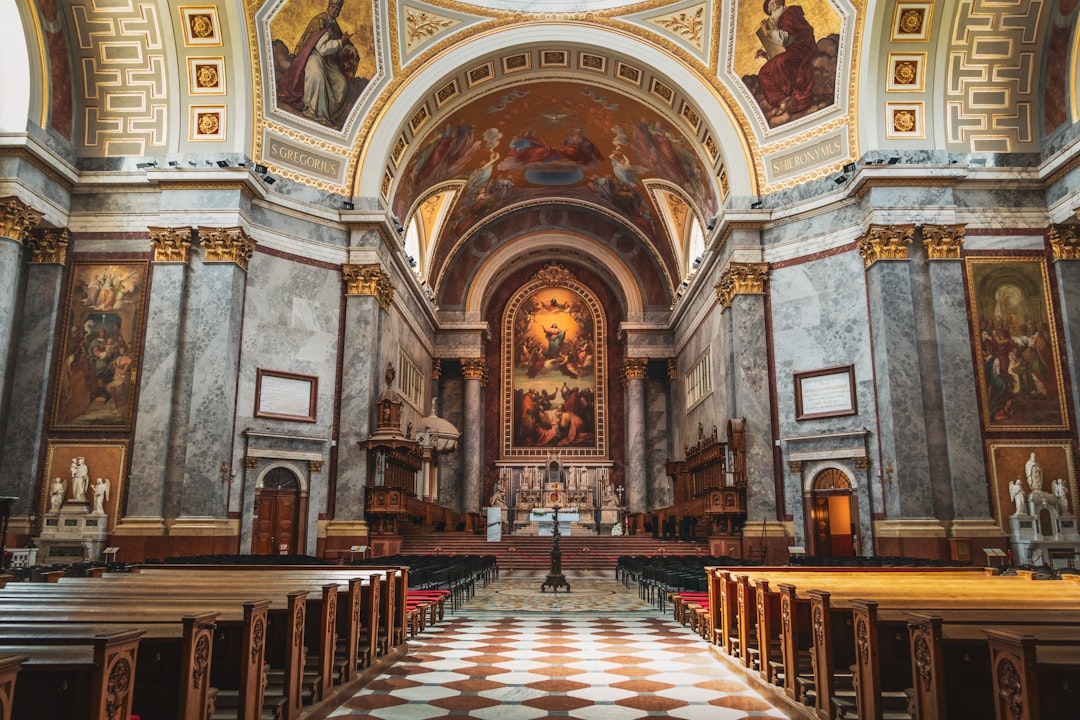
The Refectory Church — A smaller, later addition to the complex, dating from the 13th century. It houses some of the finest examples of the "Studenica School" of painting, characterized by their delicate lines, subtle shading, and emotional intensity. The frescoes here are less grandiose than those in the main church, but they are more intimate, more personal. They depict scenes from the lives of the saints, but also everyday life in the monastery. Entry is included in the main church ticket. The atmosphere is quiet, contemplative, and deeply moving. It is a place to sit, to reflect, and to let the centuries wash over you.
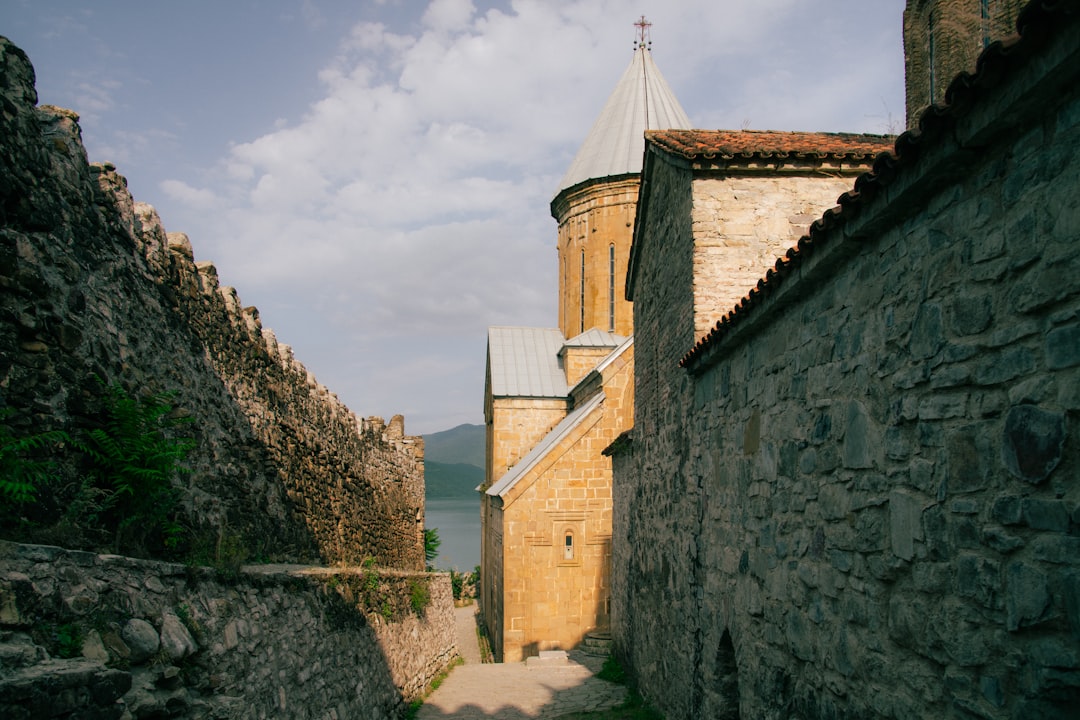
The Cloisters — The stone cloisters surround the main church, providing a covered walkway for the monks. They are adorned with frescoes depicting the lives of the apostles and the early church. The architecture is simple, functional, and beautiful, with arches and columns that create a sense of rhythm and movement. The cloisters are a place to escape the sun, the rain, and the crowds, to find a moment of peace and solitude. They are also a place to observe the daily life of the monastery, to watch the monks as they go about their duties, to listen to the sound of their chants echoing through the stone corridors.
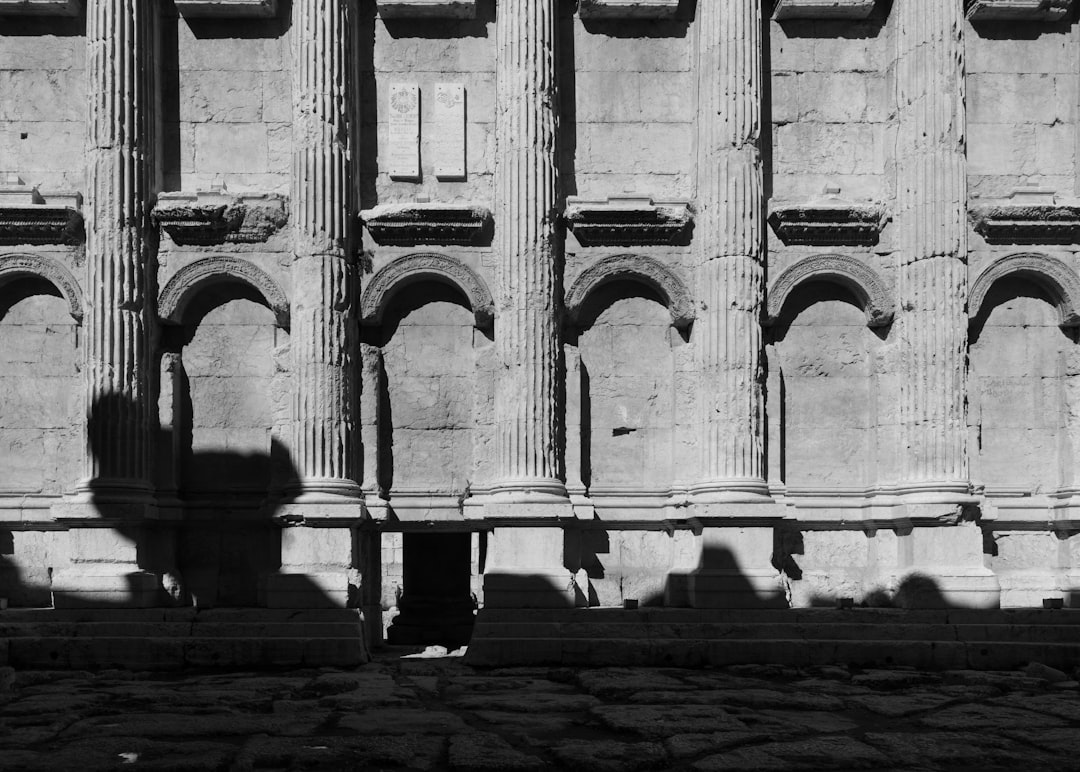
The Museum — A small but fascinating collection of medieval artifacts, including icons, manuscripts, and liturgical objects. The museum provides context for the frescoes and the architecture, explaining the historical and cultural significance of the monastery. It is a must-visit for those who want to understand the deeper meaning of what they are seeing. Entry is 3 EUR. The staff are knowledgeable and passionate, eager to share their knowledge and answer questions. The museum is a treasure trove of history, a window into the medieval world.
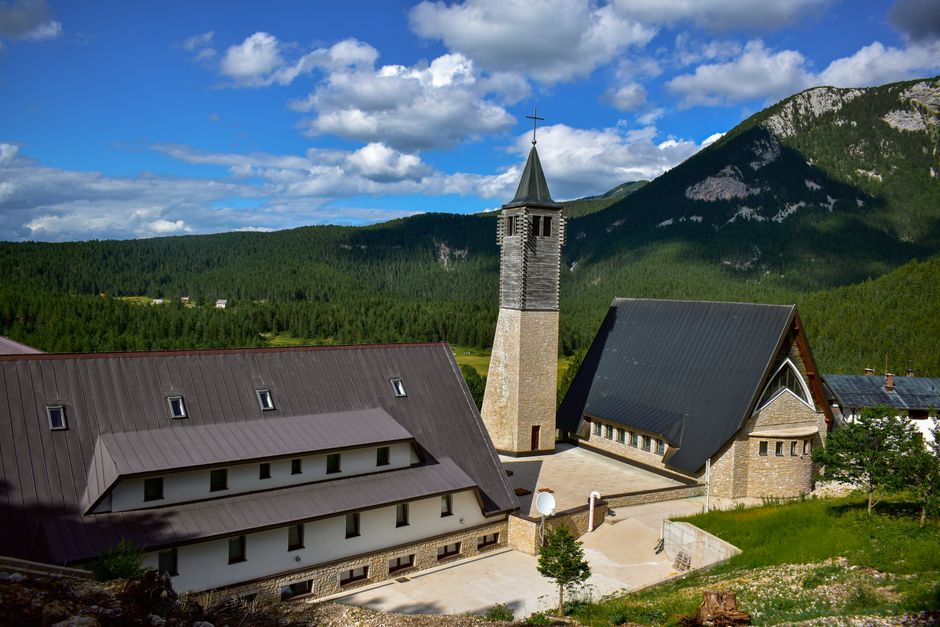
The Bell Tower — A tall, slender structure that dominates the skyline. It houses a large bell that is rung for services and special occasions. The tower offers a panoramic view of the surrounding valley, a lush green landscape that contrasts sharply with the stark white stone of the monastery. Climbing the tower is a bit of a hike, but the view is worth it. It is a place to see the monastery from a new perspective, to appreciate its scale and its setting. Entry is free, but donations are appreciated.
What to Eat & Drink
The village of Studenica is small, but it has a few good options for food and drink. The monastery itself does not have a restaurant, but there are several cafes and taverns within walking distance. The local cuisine is simple, hearty, and delicious, featuring fresh produce, meat, and homemade bread. Ćevapi — small grilled meat sausages served with onions and somun bread — are a must-try, costing 3-5 EUR. Šopska salata — a fresh salad of tomatoes, cucumbers, onions, and peppers, topped with sirene cheese — is a refreshing accompaniment, costing 2-3 EUR. Proja — a cornbread made with sirene cheese — is a local specialty, costing 1-2 EUR.
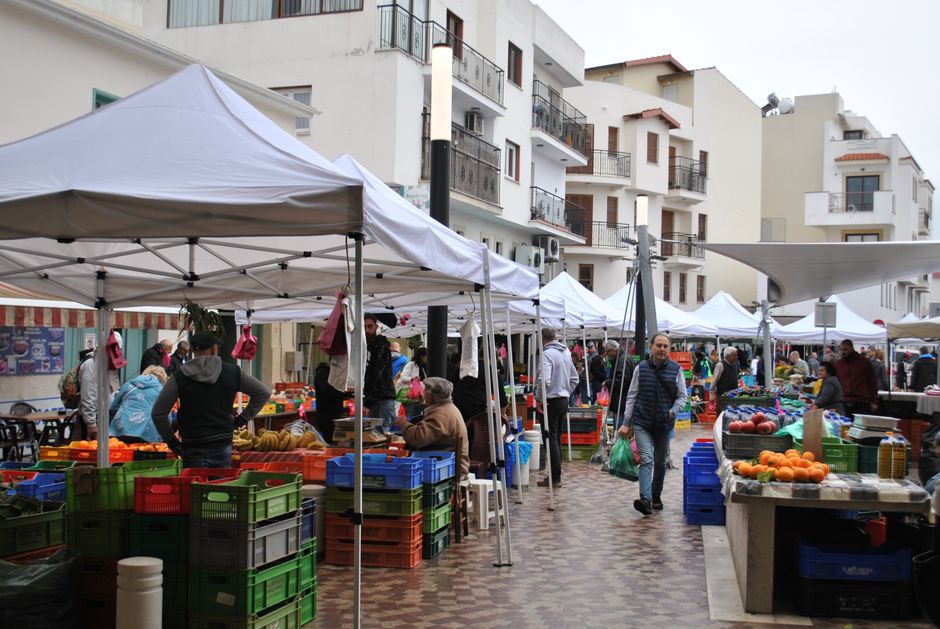
For a sit-down meal, head to one of the local taverns, where you can enjoy a full course meal for 10-15 EUR per person. The food is good, the prices are reasonable, and the atmosphere is friendly and welcoming. For a budget option, there are several bakeries and cafes where you can grab a quick bite to eat for 2-4 EUR. The Studenica Market is a good place to find fresh produce, local cheeses, and homemade preserves. It is open on weekends, and it is a great place to sample local flavors and meet the locals.
Nightlife
Studenica is not a nightlife destination. It is a place of peace, of reflection, of history. There are no clubs, no bars, no late-night entertainment. The only nightlife is the sound of the crickets, the rustle of the wind in the trees, and the distant chanting of the monks. But this is not a drawback. It is a feature. It is a chance to disconnect, to slow down, to appreciate the simple pleasures of life. It is a chance to sit outside with a glass of Rakija — a strong fruit brandy — and watch the stars come out. It is a chance to listen to the silence, to let it fill you up, to let it heal you.
If you are looking for nightlife, head to the nearby town of Gornji Milanovac, which has a few bars and clubs. But if you are looking for peace, for quiet, for a sense of connection to the past, then Studenica is the place to be. It is a place to turn off your phone, to turn off your worries, to turn on your soul. It is a place to remember who you are, where you come from, and where you are going. And that is a kind of nightlife that money can't buy.
Getting There & What to Expect
The nearest airport is Belgrade Nikola Tesla Airport, which is about 150 km away. From Belgrade, you can take a bus to Gornji Milanovac, which takes about 2 hours and costs 5-7 EUR. From Gornji Milanovac, you can take a taxi to Studenica, which takes about 30 minutes and costs 10-15 EUR. Alternatively, you can rent a car in Belgrade, which gives you more flexibility and allows you to explore the surrounding area. The drive from Belgrade to Studenica takes about 2 hours, and the roads are good. The scenery is beautiful, with rolling hills, green valleys, and small villages.
Accommodation in Studenica is limited, but there are a few guesthouses and hostels available. A budget hostel room costs 15-25 EUR per night, and a mid-range hotel room costs 30-50 EUR per night. It is best to book in advance, especially during the peak season (May to October). The best time to visit is in the spring or autumn, when the weather is mild and the crowds are small. The summer can be hot and crowded, and the winter can be cold and snowy.
Search accommodation in Studenica on Booking.com →
When you visit Studenica, come prepared. Dress modestly, as it is a place of worship. Remove your shoes before entering the church. Do not flash your camera, and do not touch the frescoes. Be respectful of the monks and the other visitors. And most importantly, be open. Be willing to let the place speak to you, to let it change you. It is a powerful place, a sacred place, a place of history and beauty. It is a place that will stay with you long after you leave.
The Weight of Stone
I leave Studenica as the sun sets, casting long shadows across the white stone. The air is cold, but my blood is hot. I feel charged, energized, alive. This place has done something to me. It has shaken me, stirred me, awakened me. It has reminded me of the power of history, the beauty of art, the depth of faith. It has reminded me that we are not just individuals, but part of a larger story, a larger tapestry, a larger human experience. And that story is worth telling, worth preserving, worth fighting for.
As I drive away, I look back in the rearview mirror. The monastery stands silent, majestic, eternal. It is a beacon in the darkness, a light in the storm, a testament to the human spirit. It is a reminder that even in the face of destruction, even in the face of despair, beauty can survive. Art can survive. Faith can survive. And so can we. So I drive on, carrying the weight of Studenica in my heart, knowing that I will never forget it, never leave it, never be the same.
Comments