


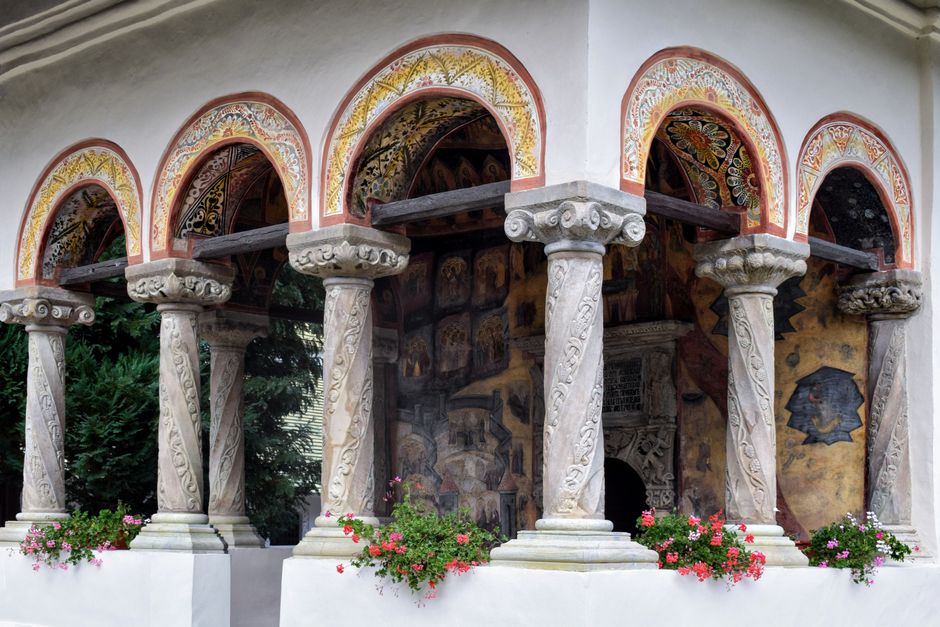
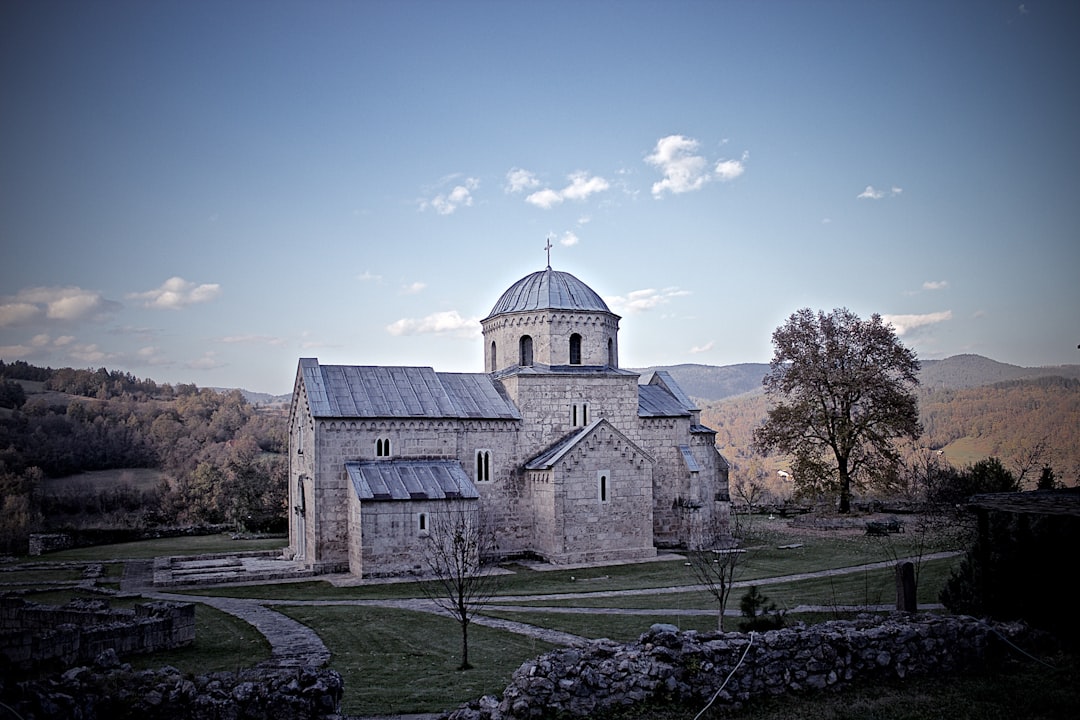
The air in Horezu tastes like wet limestone and old incense. I arrived just as the light was failing, that bruised purple hour when the Olt River turns to mercury and the mountains of Oltenia look like they are about to collapse onto the town. I was looking for silence. Instead, I found a monastery that refuses to whisper. Horezu Monastery Horezu Monastery doesn't sit quietly in its valley like the ascetic hermitages of Moldavia. It stands there, chest puffed out, plastered in a riot of baroque stucco and frescoes that seem to vibrate against the grey rock. It feels less like a place of retreat and more like a declaration of war against austerity. The locals, sipping turka coffee in the square, don't treat it like a museum. They treat it like a neighbor who is slightly too loud but ultimately essential.
This is not the sanitized heritage tourism of Western Europe. This is the Balkan heartland, where history is written in blood and icon paint. The architecture here is a collision of Brâncovenesc style and Wallachian pragmatism. I spent three days here, ignoring the guidebooks, just walking the perimeter, touching the cold stone, and trying to understand how a religious complex became a symbol of political resistance. The answer isn't in the theology. It's in the mortar.
History & Identity
The story of Horezu begins with Constantin Brâncoveanu Constantin Brâncoveanu, the last prince of Wallachia before the Ottoman Empire tightened its noose. He didn't just build a monastery; he built a fortress of faith. Commissioned in 1690, the complex was intended to be a center of learning and a testament to Romanian sovereignty. But Brâncoveanu's ambition cost him everything. Executed in Istanbul in 1714 along with his four sons, his legacy lives on in these walls. The monastery became a target during the communist era, its monks persecuted, its treasures looted. Yet, it survived. Today, it stands as a UNESCO World Heritage site, part of the Circumscriptio of Wallachian monasteries, but it retains a raw, unpolished energy that feels distinctly Oltenian.
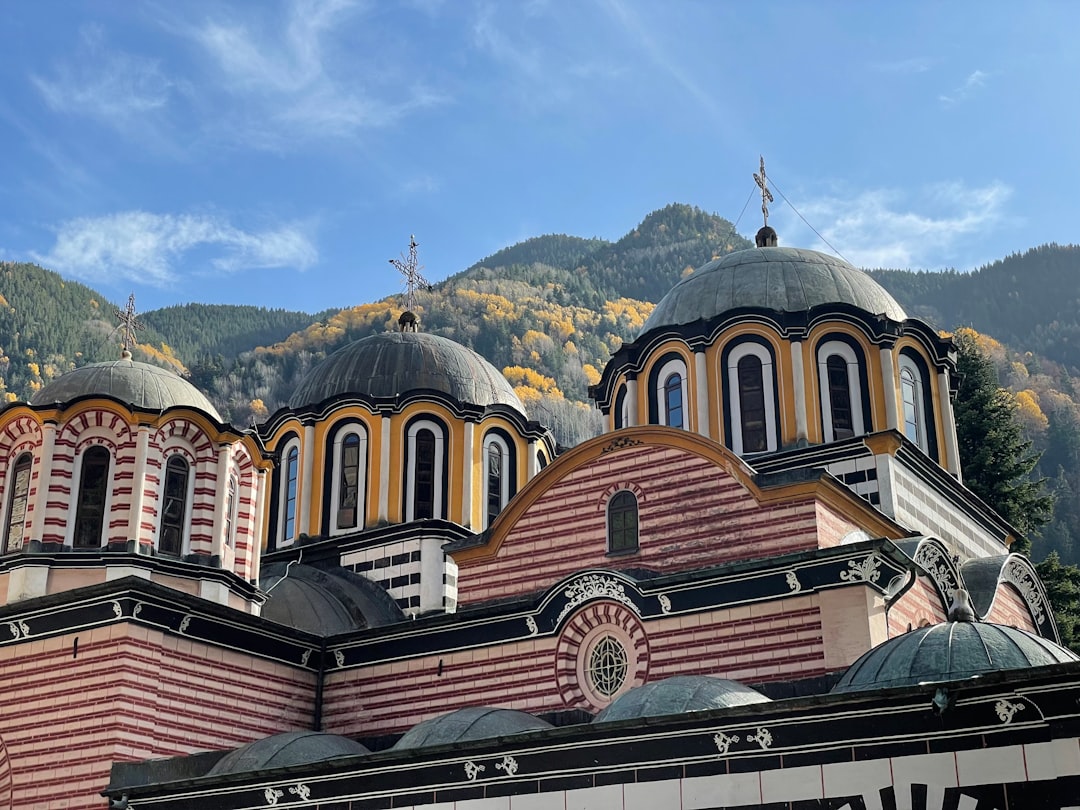
The architecture is a direct reflection of Brâncoveanu's personality: ornate, defiant, and deeply rooted in the land. The Brâncovenesc style is characterized by intricate stone carvings, floral motifs, and a fusion of Byzantine and Baroque elements. At Horezu, you see this in the facade of the main church, where the stucco work seems to bloom like frozen lace against the dark stone. It is a style that says, "We are here, and we are beautiful," even in the face of destruction. The monastery also houses the Brâncovenesc School of iconography, which influenced religious art across the Balkans for centuries.
Where to Go
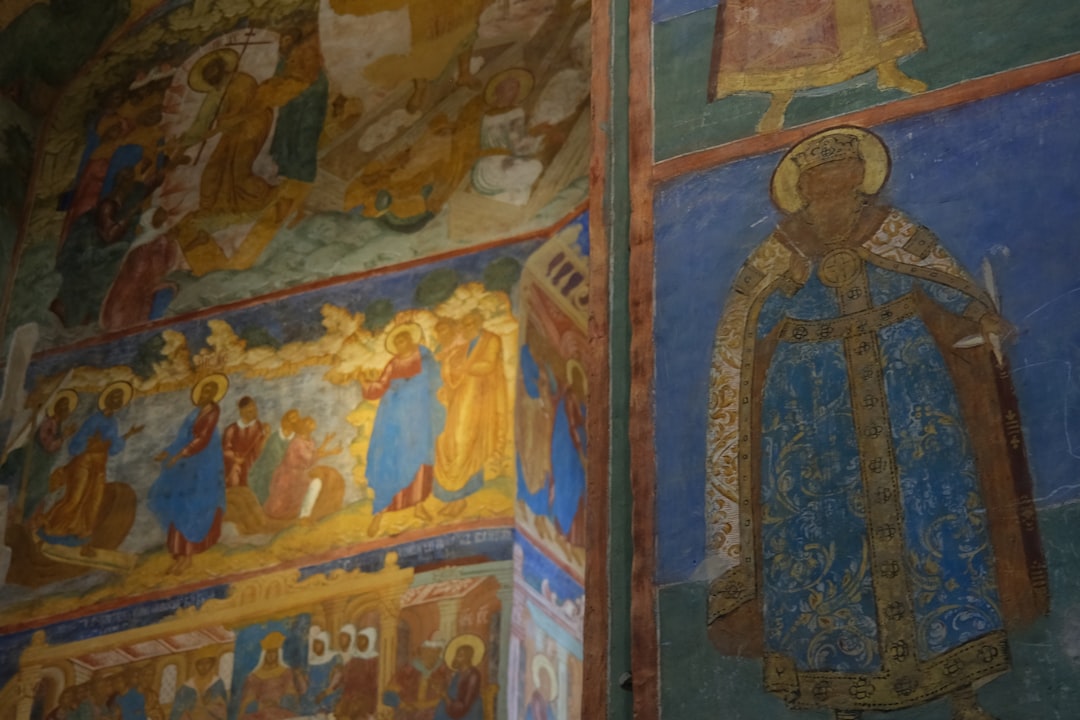
The Main Church (Biserica Mărtirilor) — The heart of the complex. The interior is dark, humid, and overwhelming. The frescoes, painted by masters like Teofan and David, cover every surface. The ceiling is a maze of gold leaf and biblical scenes that seem to shift in the candlelight. Entry is free, but donations are expected. Avoid Sundays if you want to photograph the interior without a crowd.
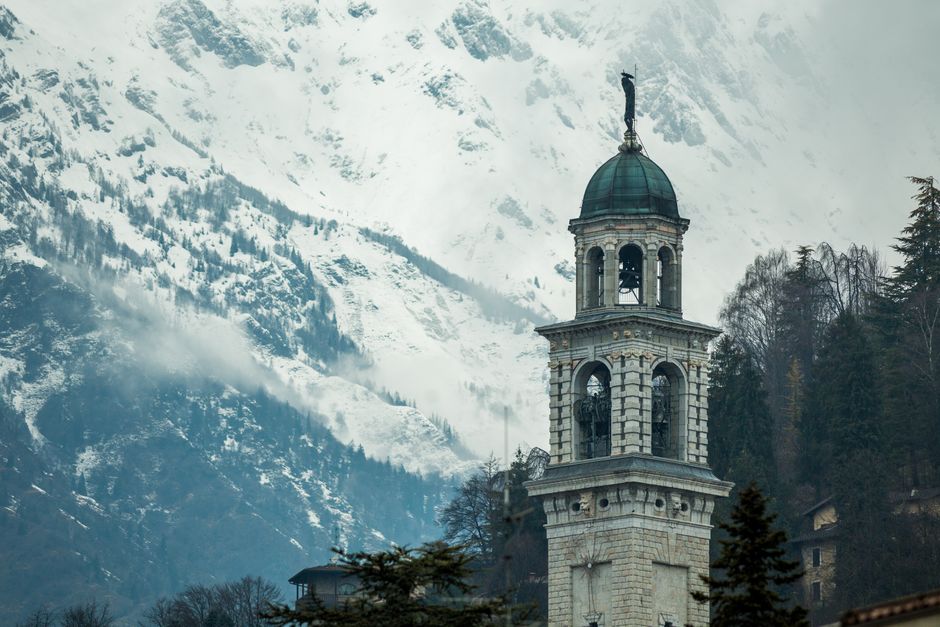
The Bell Tower — A separate structure that dominates the skyline. Built in the 18th century, it is a masterpiece of Brâncovenesc architecture. The stone carvings at the base are incredibly detailed, featuring rosettes and geometric patterns. You can climb to the top for a view of the Olt Valley, but the stairs are steep and the space is cramped. The view is worth it, however. You can see the river winding through the green hills and the town of Horezu sprawling below.
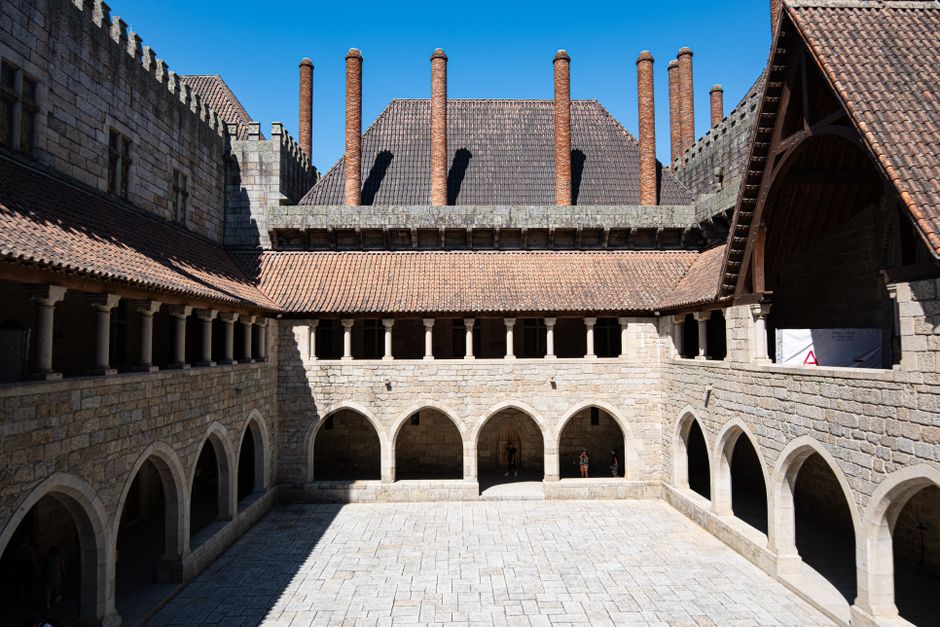
The Princely Palace — Once the residence of Constantin Brâncoveanu, this building now houses a small museum. The rooms are sparsely furnished, but the architecture is stunning. The windows are large, allowing light to flood the stone corridors. The museum displays icons, manuscripts, and artifacts from the monastery's history. Entry is around 5-8 EUR. It is quiet here, a stark contrast to the vibrancy of the church.
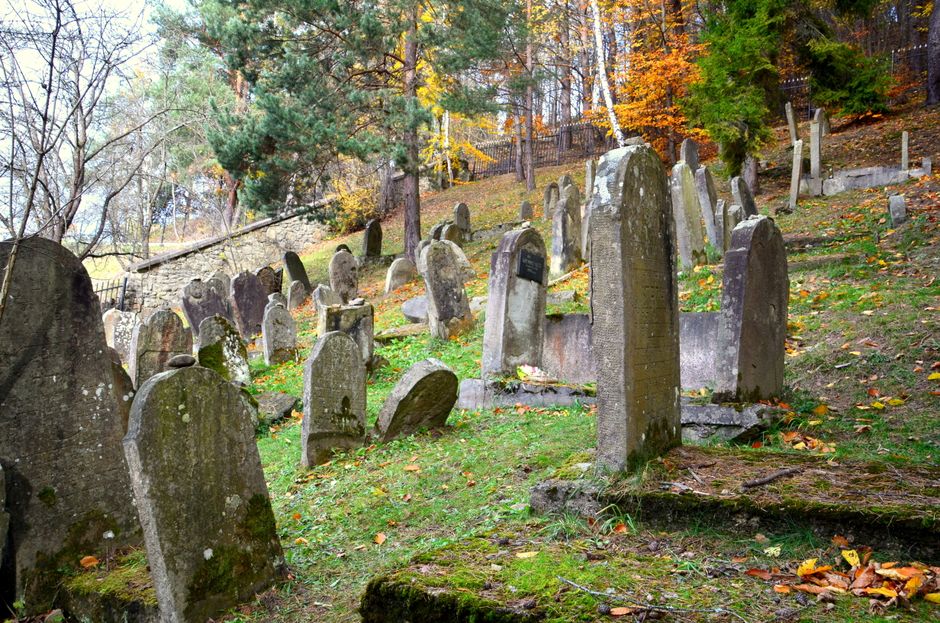
The Monastery Cemetery — A place of profound silence. The tombs are simple, carved from local stone, and covered in moss. It is a reminder of the monks who lived and died here, many of them under difficult conditions. The atmosphere is heavy, but not oppressive. It is a place for reflection. Walk slowly. Respect the dead.
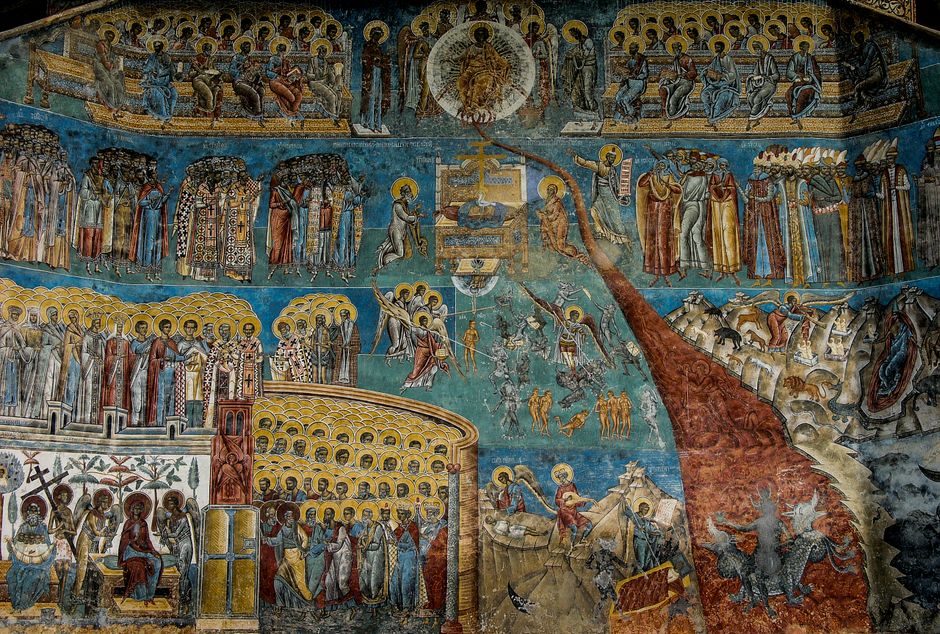
The Icon Museum — Located in a wing of the complex, this museum houses a collection of Brâncovenesc icons. The paintings are small but incredibly detailed, with vibrant colors that have survived centuries. The museum is small, but the collection is significant. Entry is often included with the main complex ticket. Spend at least an hour here. The craftsmanship is extraordinary.
What to Eat & Drink
The food in Horezu is not about refinement; it is about sustenance and tradition. The monastery itself does not have a restaurant, but the town offers plenty of options. Sarmale (cabbage rolls with rice and meat) are the staple, typically costing 8-12 EUR for a hearty portion. Mămăligă (cornmeal porridge) is served with almost every meal, often topped with cheese and sour cream. Plăcinte (fried pastries) are the best street food, available from small kiosks near the Olt River for 2-4 EUR each. Try the ones with cheese or pumpkin. Țuică (plum brandy) is the drink of choice, strong and clear, sold in small glasses for 1-3 EUR. Do not drive after drinking it. The roads in Oltenia are winding and dangerous at night.
For a sit-down meal, head to Piața 1 Decembrie in the town center. There are several local restaurants here, such as Casa de Oaspeți and Restaurant Horezu. Expect to pay 15-25 EUR for a full meal with wine. The wine is local, often Merlot or Fetească Neagră, grown in the nearby vineyards. The atmosphere is casual, with locals playing dominoes in the corner. It is a good place to people-watch.
Nightlife
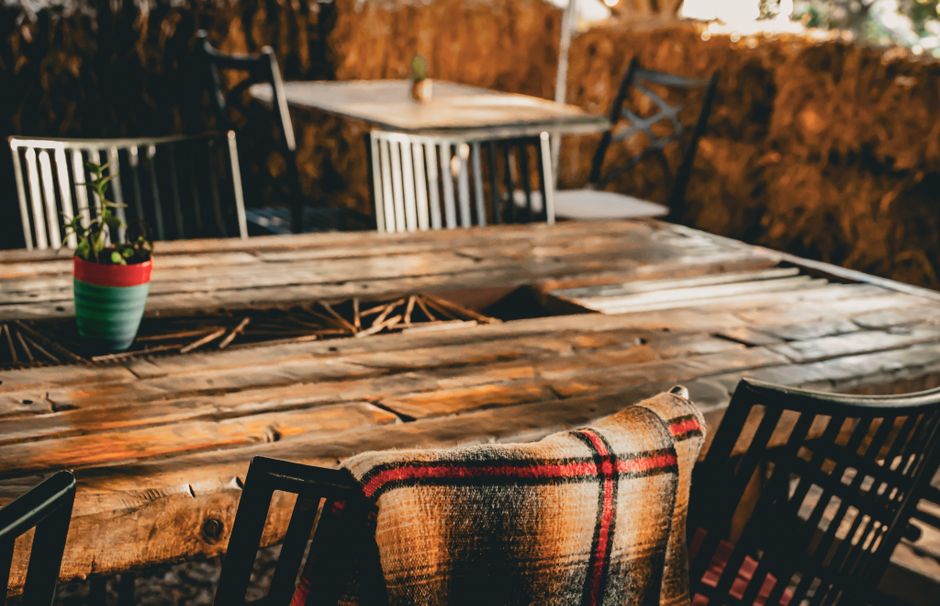
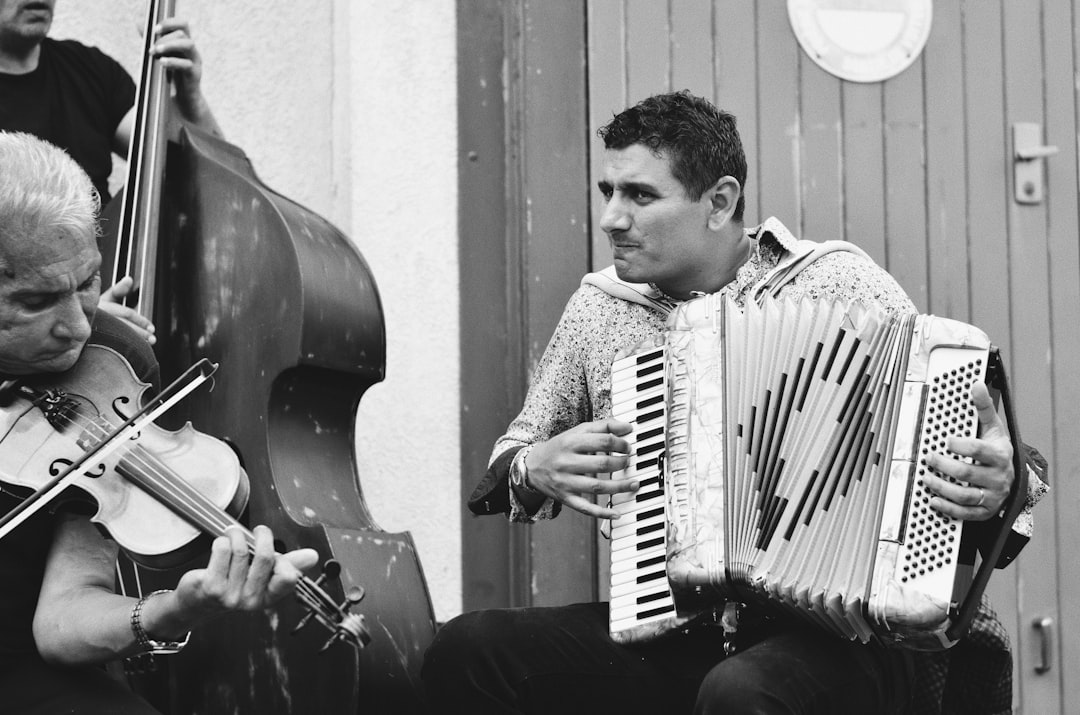
Do not come to Horezu for nightlife. This is not Bucharest. The town goes to sleep early. However, there are a few small bars near the Olt River where you can have a quiet drink. Bar Olt is a local favorite, with live folk music on weekends. The music is traditional, played on accordion and violin, and the crowd is mostly locals. Entry is free, but drinks cost 3-6 EUR. It is a good place to hear stories and see the real Oltenia. The atmosphere is warm, even in winter.
Getting There & What to Expect
Horezu is located in Vâlcea County, about south of Bucharest. The best way to get there is by car. The DN67 road is in decent condition, but drive carefully, especially at night. Bus services run from Bucharest and Craiova, with a journey time of about 3-4 hours. Tickets cost around 10-15 EUR. If you are coming from Sibiu or Alba Iulia, the drive takes about 2-3 hours.
Accommodation is limited but affordable. Pensiunea Horezu and Hotel Olt offer clean rooms with private bathrooms for 30-50 EUR/night. Camping is possible in designated areas near the Olt River, but facilities are basic. The best time to visit is between May and October, when the weather is mild and the countryside is green. Winter is cold and snowy, but the monastery takes on a different, more mystical quality.
Search accommodation in Horezu on Booking.com →
The Stone That Bleeds
I left Horezu as the sun was rising, painting the Olt Valley in shades of orange and pink. The monastery stood silent, its frescoes hidden in the shadows. But I could still feel the energy, the defiance, the beauty. This is not just a place to visit. It is a place to understand. Constantin Brâncoveanu knew that stone outlasts flesh. He built Horezu to last. And it has. In a region scarred by empires and ideologies, Horezu remains. It is a testament to the power of art, faith, and stubbornness. Do not just look at it. Feel it. The stone is still warm.
Comments