


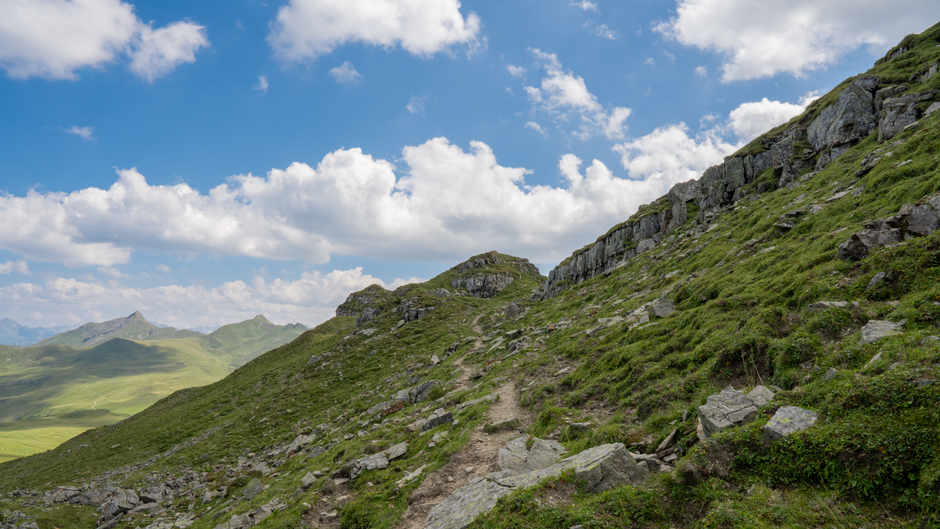
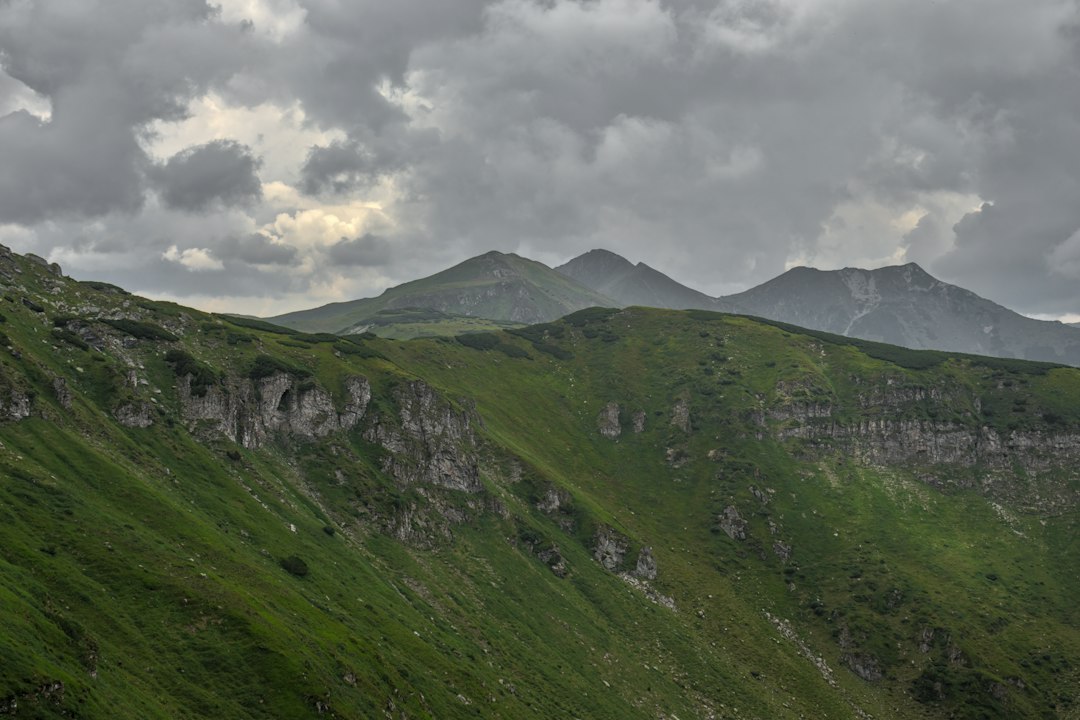
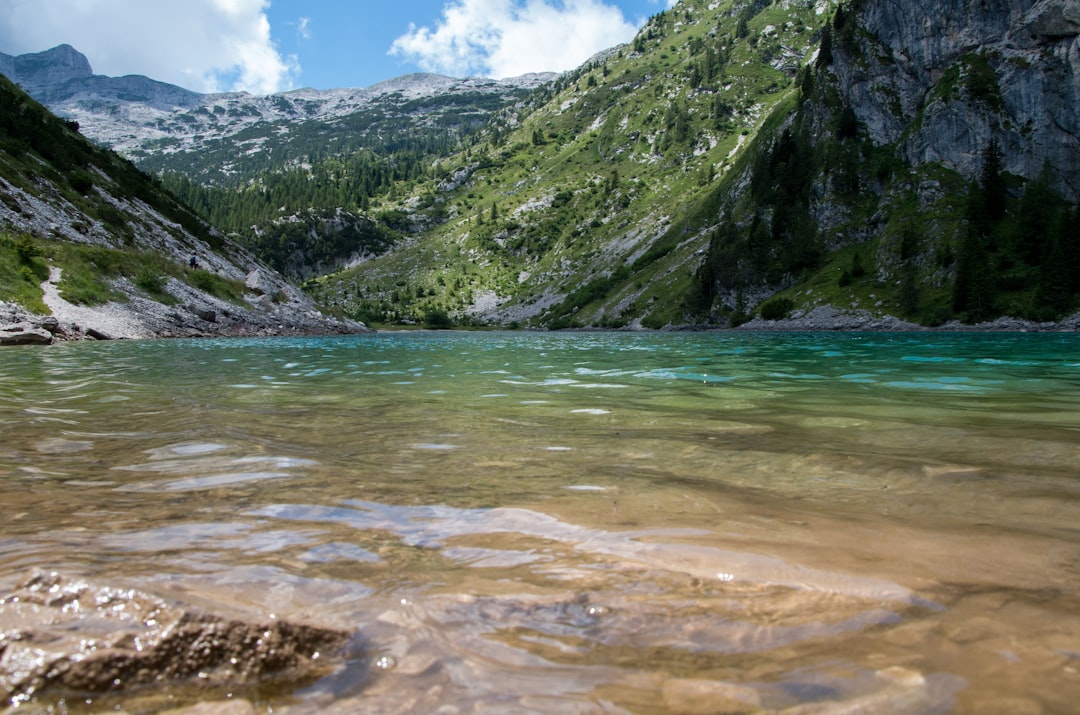
The air at 1,800 meters doesn't just feel thin; it feels expensive. I was sitting on a jagged outcrop of limestone in the heart of Durmitor National Park, watching a hawk circle above a valley that looked like it had been carved by a god with a grudge and a chisel. My boots were caked in the red dust of the Albanian borderlands, my water bladder was half-empty, and I had just realized that the map I’d been trusting was lying to me about the next three hours. This is the Via Dinarica. It’s not a trail for the faint of heart, the unprepared, or anyone who thinks a "hike" is a leisurely stroll through a manicured park with a coffee shop at the top. It is a brutal, beautiful, unforgiving spine of the Balkans, and the Montenegro section is where the rubber really meets the rock.
I’ve walked the trails of the Pirin, the peaks of the Rila, and the coastal paths of Croatia, but nothing prepared me for the sheer verticality of this place. The Via Dinarica Southern Trail cuts through some of the most dramatic karst landscapes on Earth, weaving through glacial lakes, dense beech forests, and exposed ridges that will make your knees shake. It’s a route that demands respect, rewards endurance, and punishes arrogance. If you’re thinking of tackling it, here’s what you need to know, stripped of the tourist brochure gloss and down to the bone.
History & Identity: The Trail That Connects Nations
The Via Dinarica isn’t just a hiking path; it’s a statement. Conceived in 2010 by a group of mountaineers and environmentalists from Slovenia, Croatia, Bosnia and Herzegovina, Montenegro, and Albania, the trail aims to connect the Dinaric Alps from the Adriatic Sea to the Aegean. It’s a project born out of a desire to preserve the natural heritage of the region and promote sustainable tourism. In Montenegro, the trail passes through some of the country’s most iconic landscapes, from the towering peaks of Durmitor to the serene waters of Skadar Lake.
The history of this region is as rugged as the terrain. For centuries, these mountains have been a refuge for rebels, shepherds, and outlaws. The trails themselves are often ancient paths used by shepherds moving their flocks between seasonal pastures. Walking them today, you can almost hear the echoes of those who came before you. The trail also passes through historic towns and villages that have survived wars, earthquakes, and economic upheaval, each with its own unique story and character.
But the Via Dinarica is more than just a historical route; it’s a symbol of unity in a region that has seen too much division. It connects people across borders, fostering a sense of shared identity and purpose. For hikers, it’s an opportunity to experience the raw beauty of the Balkans while supporting local communities and conservation efforts. It’s a trail that challenges you physically and mentally, but also rewards you with a deeper understanding of the land and its people.
Where to Go: The Peaks, Passes, and Hidden Gems
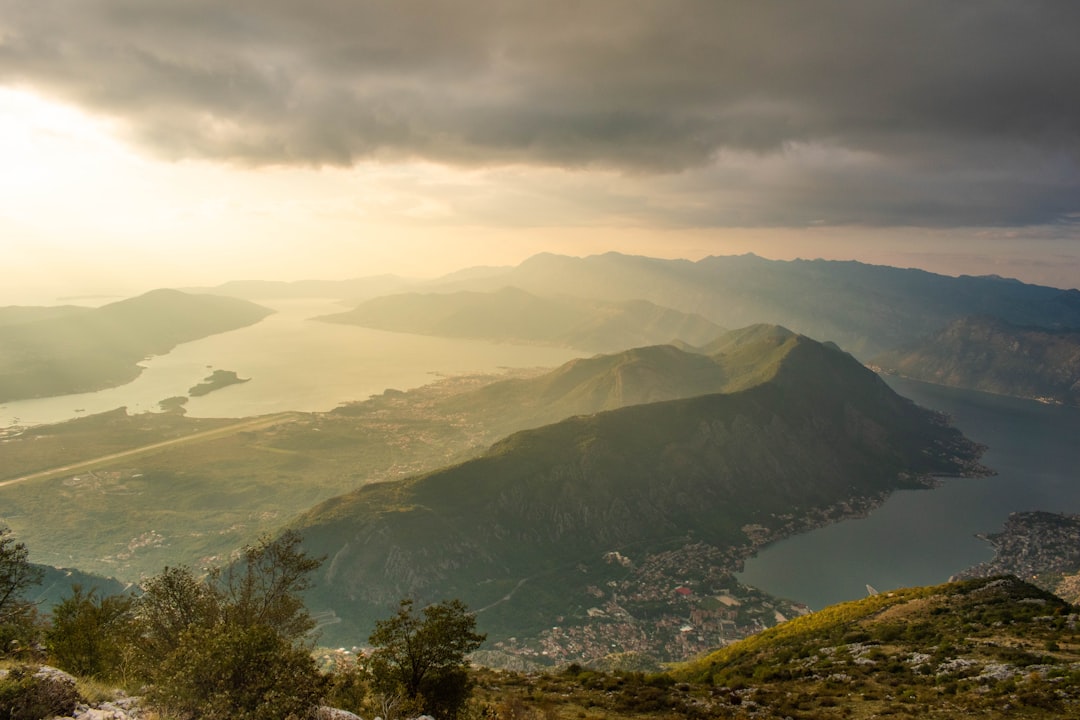
Mount Lovćen — The crown jewel of Montenegro’s hiking scene, Lovćen offers a challenging ascent to its summit, topped by the mausoleum of Petar II Petrović-Njegoš. The trail from the village of Njeguši is steep but well-marked, with stunning views of the Bay of Kotor and the surrounding mountains. Entry to the mausoleum is 5 EUR, and the climb takes about 2-3 hours round trip. Best visited in the morning to avoid afternoon clouds.
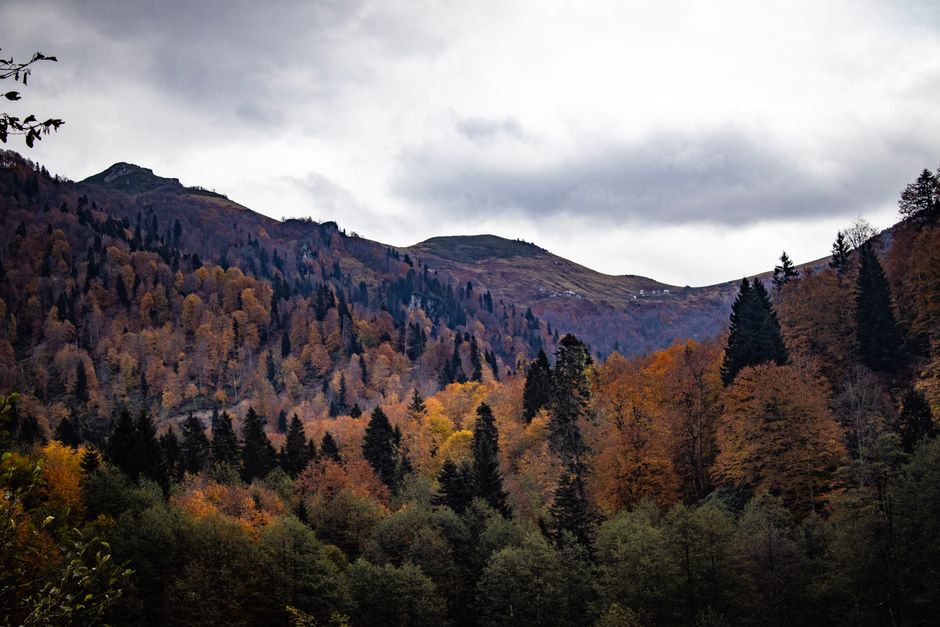
Biogradska Gora National Park — A primeval forest of ancient beech and spruce trees, Biogradska Gora is a haven for nature lovers. The trail to the peak of Bobotov Kuk is a strenuous day hike, but the views from the top are worth every step. The park also features several glacial lakes, including the pristine Biogradsko Lake, which is surrounded by a network of walking trails. Entry to the park is 3 EUR, and there are several mountain huts available for overnight stays.
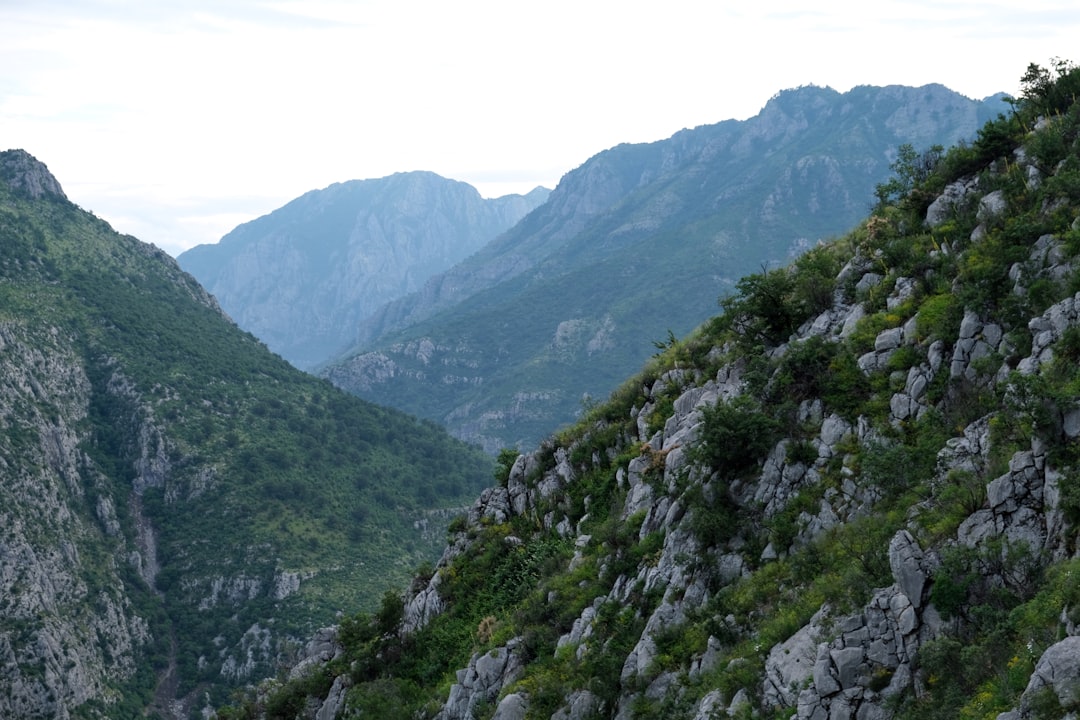
Prokletije Mountains — Also known as the Albanian Alps, the Prokletije are the highest and most rugged mountains in the Balkans. The trail through this region is for experienced hikers only, with steep ascents, rocky terrain, and unpredictable weather. However, the rewards are immense: remote valleys, crystal-clear lakes, and a sense of true wilderness that is rare in Europe. There are no facilities here, so you must be self-sufficient.
Rijeka Crnojevića — A charming village on the edge of Skadar Lake, Rijeka Crnojevića is a great starting point for hikers looking to combine mountain trails with lakeside relaxation. The village is home to the historic Crnojević Monastery, one of the oldest printing houses in the Orthodox world. The surrounding area offers gentle walks along the lake shore and more challenging hikes into the nearby hills.
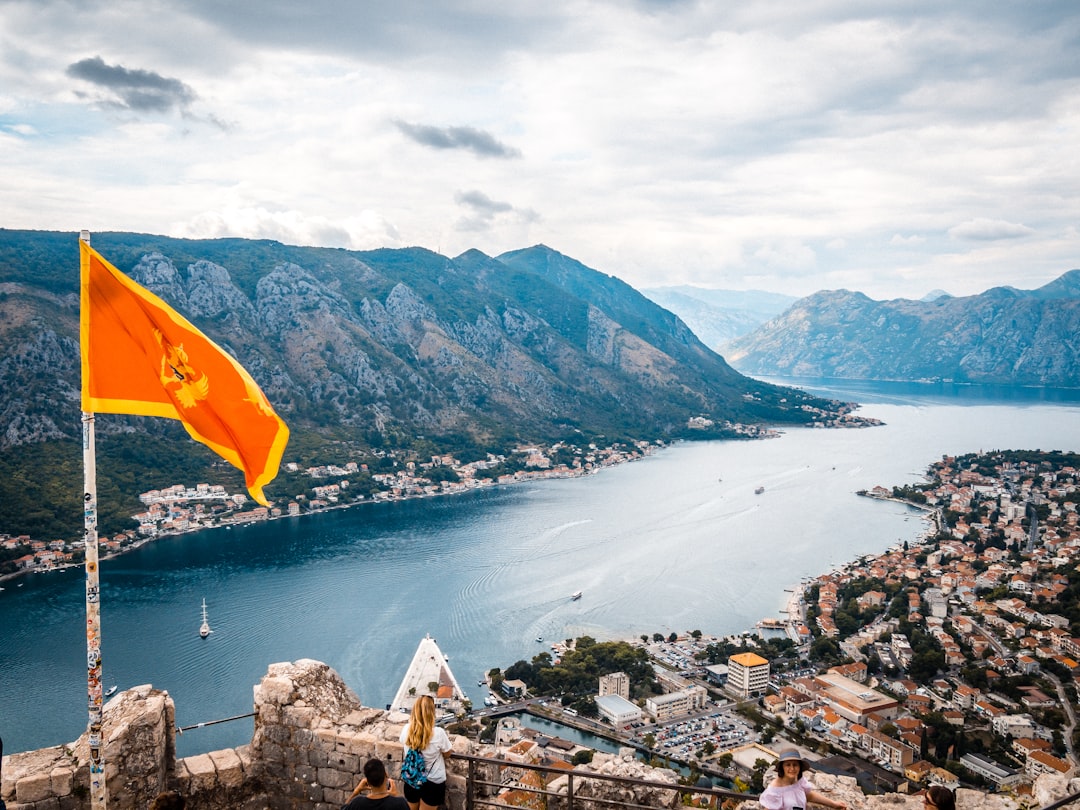
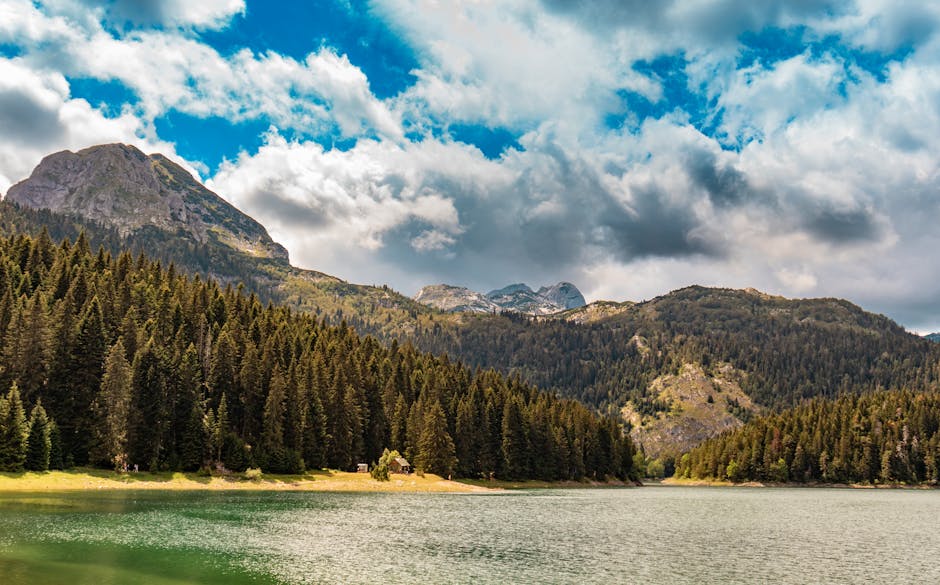
Žabljak — The gateway to Durmitor National Park, Žabljak is a lively mountain town with a range of accommodations, restaurants, and gear shops. The trail to the Seven Lakes of Durmitor is a classic day hike, offering breathtaking views of glacial lakes nestled among towering peaks. The town also serves as a base for more ambitious treks into the heart of the park.
What to Eat & Drink: Fuel for the Mountains
Hiking in Montenegro is a calorie-burning affair, so you’ll need to eat well. The local cuisine is hearty and flavorful, perfect for refueling after a long day on the trail. Here are some must-try dishes:
Njeguški pršut — A dry-cured ham from the village of Njeguši, this delicacy is a staple of Montenegrin cuisine. It’s typically served in thin slices with bread and a glass of local wine. Price: 8-12 EUR per portion.
Čvarci — Crispy pork cracklings, often served as an appetizer or snack. They’re salty, crunchy, and addictive. Price: 3-5 EUR per portion.
Potica — A traditional rolled cake filled with walnuts, honey, or cheese. It’s a perfect dessert to end a meal. Price: 2-4 EUR per slice.
Rakija — A strong fruit brandy, usually made from plums, grapes, or figs. It’s a popular digestif and a great way to warm up after a cold day on the trail. Price: 2-3 EUR per shot.
Budget breakdown: Street food and take-away options can be found for under 5 EUR per meal, while sit-down local restaurants typically cost 8-15 EUR per person. Mid-range restaurants with a more extensive menu and better ambiance will set you back 15-25 EUR. In Žabljak and Njeguši, there are several well-known food streets and markets where you can sample local specialties. For budget travelers, look for bakeries and kiosks offering fresh bread, cheese, and fruit for a quick and affordable snack.


Nightlife: Where to Unwind After the Trail
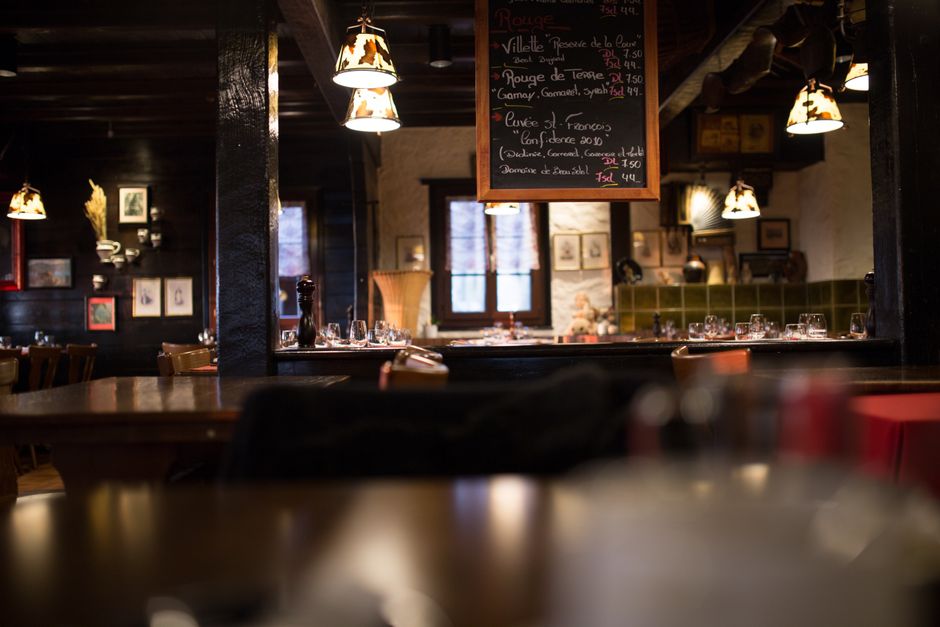
After a long day of hiking, there’s nothing like a cold beer and a good story to wind down. While Montenegro isn’t known for its nightlife, the mountain towns have their own charm. In Žabljak, the main square is lined with cafes and bars where locals and tourists alike gather to socialize. The atmosphere is relaxed and friendly, with live music on weekends. In Njeguši, you’ll find a few cozy taverns serving local wine and rakija, perfect for warming up after a chilly day.
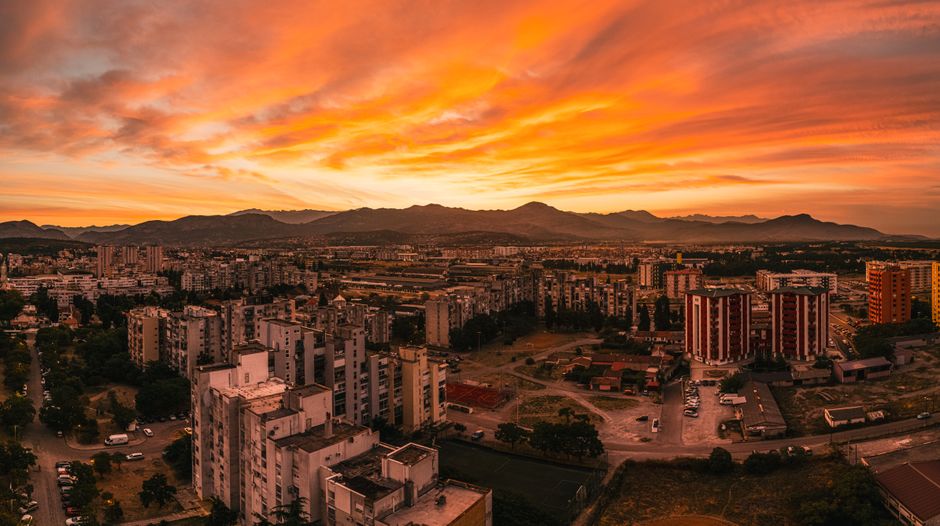
For those looking for a more vibrant scene, head to Podgorica, the capital of Montenegro. The city has a thriving nightlife scene, with bars, clubs, and restaurants catering to all tastes. The Old Town area is particularly popular, with narrow streets filled with venues offering everything from traditional folk music to electronic beats. Cover charges at clubs are typically 5-10 EUR, and drinks range from 2-5 EUR.
Getting There & What to Expect
The nearest major airport to the Via Dinarica Southern Trail in Montenegro is Podgorica Airport, which has connections from major European cities. From Podgorica, you can take a bus or train to Žabljak, the main gateway to Durmitor National Park. The journey takes about 3-4 hours and costs around 10-15 EUR. Alternatively, you can rent a car, which gives you more flexibility to explore the region at your own pace.
Accommodation options range from budget hostels and mountain huts to mid-range hotels and guesthouses. In Žabljak, a night in a hostel costs around 15-25 EUR, while a mid-range hotel will set you back 40-60 EUR. Mountain huts in the national parks are cheaper, with dorm beds starting at 10-15 EUR, but you need to book in advance, especially during peak season. Typical meal prices in mountain huts are 5-8 EUR for a simple lunch and 10-15 EUR for dinner.
The best months to hike the Via Dinarica Southern Trail are June to September, when the weather is warm and the trails are clear. However, be prepared for sudden changes in weather, especially at higher altitudes. Always carry waterproof gear, a first-aid kit, and plenty of water and food. The trail is well-marked, but it’s still a good idea to have a map and a compass, as well as a guidebook or app for additional information.
Search accommodation in Podgorica on Booking.com →
The Final Ascent: Why You Should Go
Standing on the summit of Bobotov Kuk, the highest peak in Durmitor, I felt a sense of accomplishment that no gym membership or weekend stroll could ever provide. The wind was howling, the clouds were swirling around me like a living thing, and the world below seemed impossibly small. This is what hiking the Via Dinarica is all about. It’s not just about reaching the top; it’s about the journey, the challenges, and the moments of pure awe that come when you push yourself to the limit.
The trail is tough, but it’s also incredibly rewarding. It forces you to slow down, to pay attention to your surroundings, and to appreciate the beauty of the natural world. It’s a place where you can escape the noise and distractions of modern life and connect with something deeper, something primal. And when you finally reach the end of the trail, you’ll know that you’ve earned every step.
So, if you’re looking for a hiking experience that will test your limits, challenge your perceptions, and leave you with memories that will last a lifetime, look no further than the Via Dinarica Southern Trail in Montenegro. Just make sure you pack extra socks. You’ll need them.
Comments