


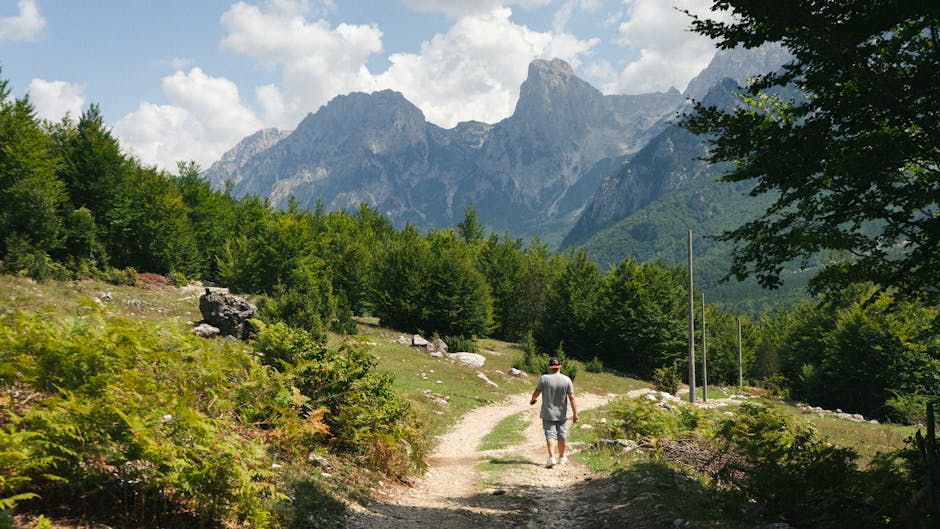
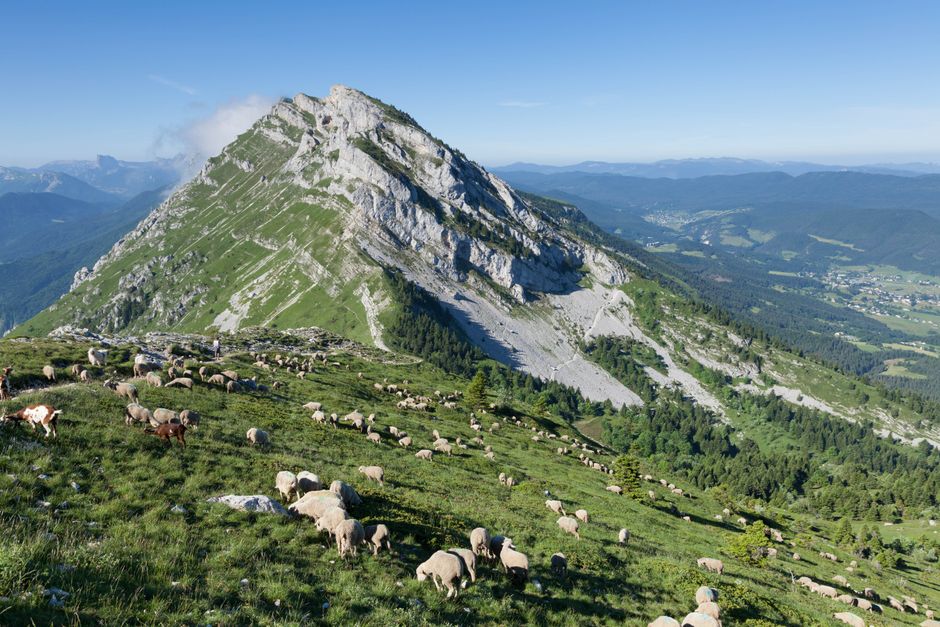
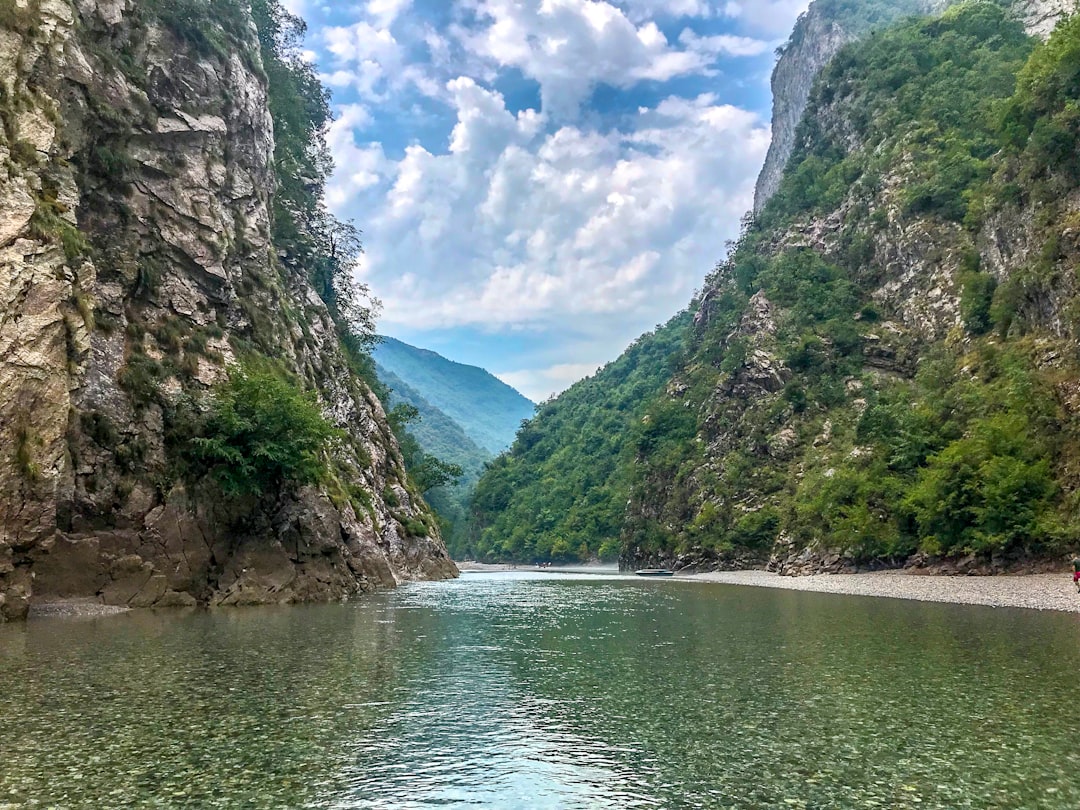
The air up here doesn't smell like Europe. It smells like pine resin, wet limestone, and the faint, metallic tang of old conflict. I am sitting on a ridge in the **Accursed Mountains**, watching a shepherd herd sheep across a slope so steep it defies gravity. My boots are caked in mud from three days of walking where maps simply give up. This is the Via Dinarica, the longest long-distance hiking trail in the Balkans, stretching over 1,200 kilometers along the spine of the Dinaric Alps. It is not a polished tourist product. It is a raw, unapologetic scar across the borders of Slovenia, Croatia, Bosnia and Herzegovina, Montenegro, and Albania. There are no signposts telling you which way to go. There is just the rock, the rain, and the ghosts of the past.
I met a local man in a village near Žabljak who looked at my backpack with a mixture of pity and respect. "You walk for the view," he said, pouring rakija into a glass that had seen better decades. "We walk because the land is all we have left." That is the reality of hiking the Dinaric Alps. This trail does not just traverse geography; it cuts through a century of wars, revolutions, and shifting borders. Every peak tells a story of resistance. Every valley holds the silence of villages emptied by time and conflict. If you are looking for comfort, go to Split. If you are looking for truth, lace up your boots and head north.
The Spine of the Balkans
The Via Dinarica is not a single trail but a concept, a dream realized by a group of passionate hikers and geographers. It follows the Dinaric Alps Dinaric Alps, a mountain range that forms a natural barrier between the Adriatic coast and the Pannonian Plain. The trail is divided into three main sections: the Northern, Central, and Southern. The Northern section starts in Slovenia Slovenia near Bohinj Lake Bohinj, winding through the limestone karst of Triglav National Park Triglav National Park. It is the most accessible part, with well-marked paths and mountain huts. But as you descend into Croatia Croatia, the trail becomes wilder, passing through the dense forests of Lika and the rugged peaks of Velebit Velebit Nature Park.
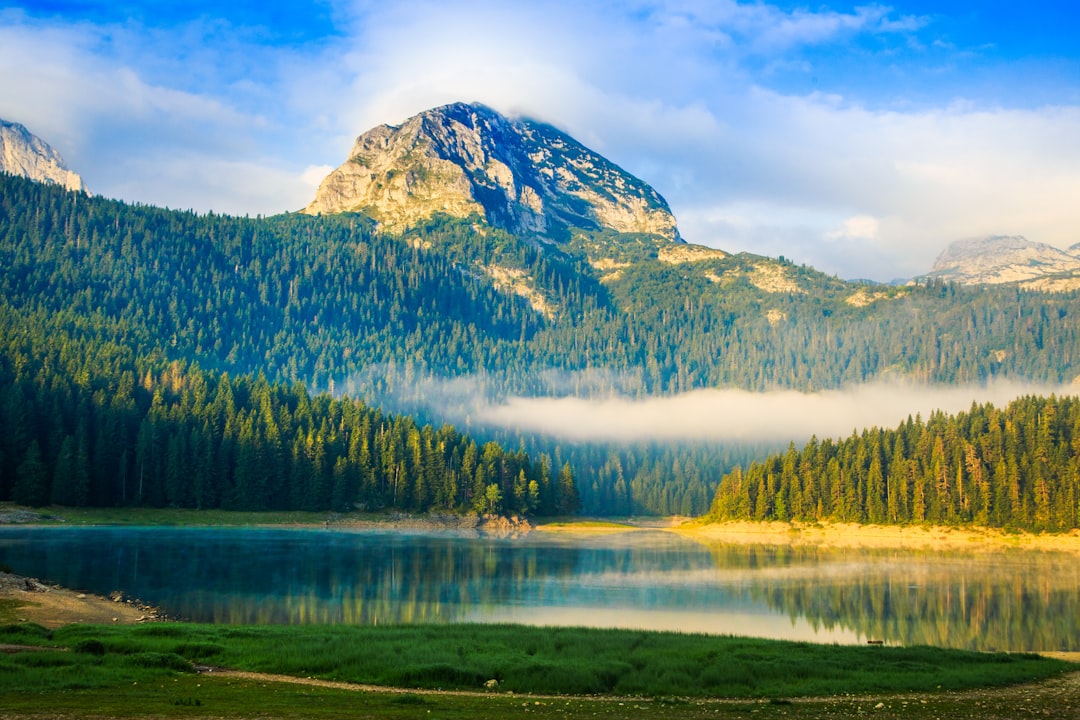
The Central section crosses Bosnia and Herzegovina Bosnia and Herzegovina, the heart of the Dinaric wilderness. This is where the trail gets serious. You will hike through the Durmitor National Park Durmitor National Park in Montenegro Montenegro, a UNESCO World Heritage site known for its dramatic canyons and glacial lakes. The Southern section ends in Albania Albania, in the Prokletije Prokletije mountains, also known as the Accursed Mountains. This is the most remote and challenging part of the trail, where the terrain is jagged and the weather is unforgiving. The trail is not officially maintained in many parts, so navigation skills are essential. You are not just hiking; you are exploring.
Routes & Trail Info
The Via Dinarica is too long for most hikers to complete in one trip. Most people tackle a section. The most popular and accessible section is the Durmitor loop in Montenegro. This route starts in Žabljak Žabljak, a town perched at 1,450 meters. The loop takes you around the Black Lake Black Lake (Durmitor) and up to the Tarabosh peak, the highest point in Durmitor. The total distance is about 30 kilometers, with an elevation gain of 1,500 meters. It takes two to three days to complete. The trail is well-marked with red and white paint on rocks and trees. The difficulty is intermediate, suitable for hikers with good fitness and some experience.
For those seeking a greater challenge, the Prokletije section in Albania is a different beast. The trail crosses the border between Albania and Kosovo Kosovo. There are no marked trails here. You need a GPS, a topographic map, and the ability to navigate by compass. The terrain is steep and rocky, with frequent ascents and descents. The weather can change in minutes, from bright sunshine to heavy rain and fog. The highest peak in this section is Radohimë, at 2,656 meters. The trail is not for beginners. It is for those who want to test their limits. The reward is solitude and a sense of accomplishment that is hard to find elsewhere.
Another option is the Velebit traverse in Croatia. This trail runs along the ridge of the Velebit mountain range, from the Adriatic coast to the interior. The trail is marked but not always clear. You will hike through dense forests, open meadows, and rocky ridges. The highest point is Sveta Gera, at 1,757 meters. The trail takes about five days to complete. The difficulty is intermediate to advanced, depending on the section. The views from the ridge are spectacular, with the Adriatic Sea on one side and the Pannonian Plain on the other.
Getting There & What to Expect
The nearest major city to the Durmitor section is Podgorica Podgorica, the capital of Montenegro. From Podgorica, you can take a bus to Žabljak Žabljak. The bus ride takes about four hours and costs around 10-15 EUR. The trailhead is in the center of Žabljak. There are several guesthouses and hostels in town. A bed in a hostel costs around 15-25 EUR per night. A room in a guesthouse costs around 40-60 EUR per night. Meals in local restaurants cost around 10-20 EUR per person. The best time to hike is from June to September, when the weather is warm and the trails are dry. In winter, the mountains are covered in snow and the trails are closed.
For the Prokletije section, the nearest town is Peshkopi Peshkopi in Albania. From Peshkopi, you can take a minibus to the village of Theth Theth or Valbona Valbona. These villages are the starting points for many hikes in the Accursed Mountains. The minibus ride takes about two hours and costs around 5-10 EUR. Accommodation in Theth and Valbona is basic but cheap. A bed in a guesthouse costs around 10-20 EUR per night. Meals cost around 5-10 EUR per person. The best time to hike is from July to September. In winter, the mountains are impassable.
For the Velebit traverse, the nearest city is Rijeka Rijeka in Croatia. From Rijeka, you can take a bus to Kršan Kršan or Punat Punat. These towns are the starting points for the trail. The bus ride takes about one hour and costs around 5-10 EUR. Accommodation in these towns is limited but available. A bed in a hostel costs around 20-30 EUR per night. Meals cost around 10-20 EUR per person. The best time to hike is from May to October.
The Weight of the Mountains
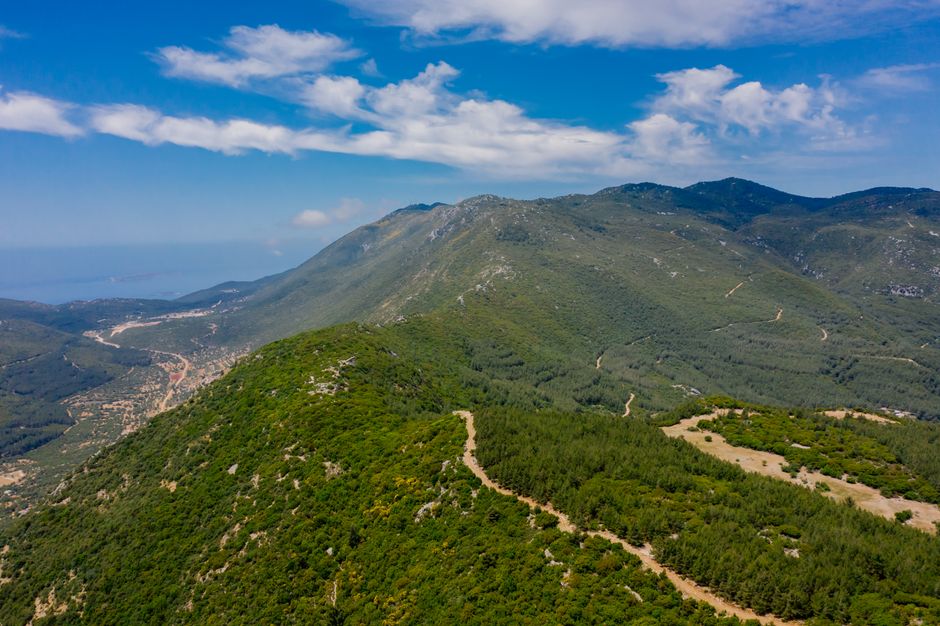
As I descended from the ridge, my legs burned with the familiar ache of exhaustion. But my mind was clear. The mountains had stripped away the noise of the modern world. There was no internet, no electricity, no distractions. Just the sound of the wind and the crunch of boots on stone. I thought about the people who had walked these trails before me. The shepherds, the smugglers, the soldiers. They had all faced the same challenges. The same beauty. The same silence.
The Via Dinarica is not just a trail. It is a testament to the resilience of the Balkan people. It is a reminder that nature is indifferent to our borders and our conflicts. The mountains do not care about politics. They only care about survival. And in that indifference, there is a strange comfort. If you are willing to walk, to suffer, to listen, the mountains will show you who you are. Not who you want to be. Who you are. That is the gift of the Dinaric Alps. It is not easy. It is not comfortable. But it is real. And in a world of fakes, that is the most valuable thing you can find.
Comments