


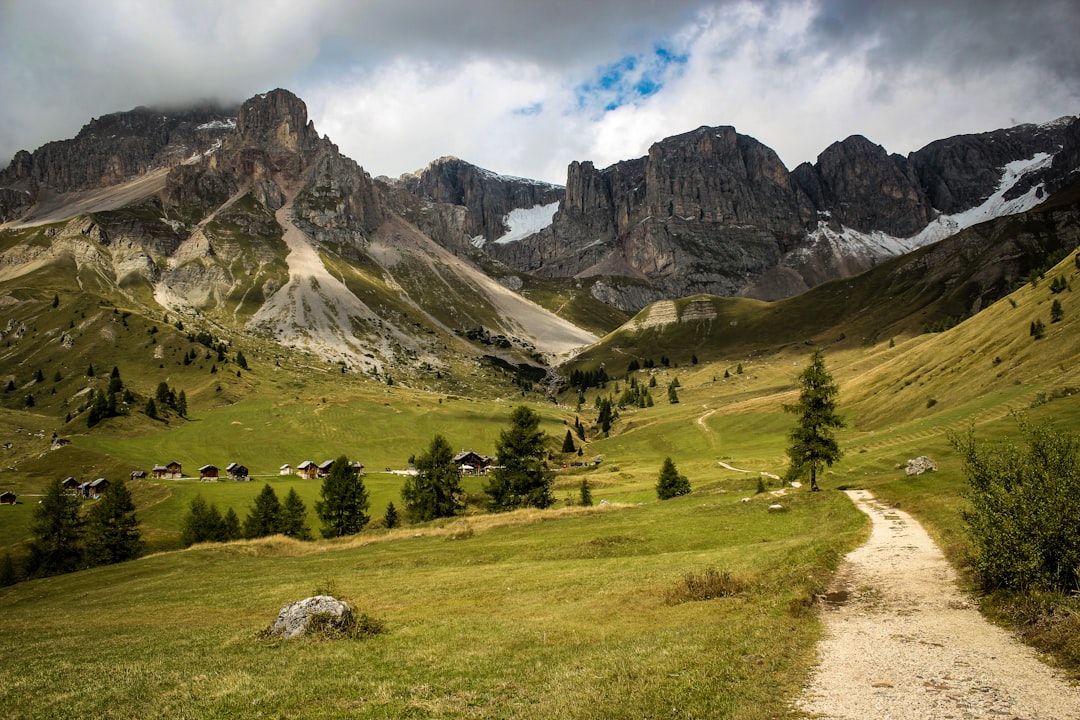
I sat on a jagged outcrop of limestone, my boots caked in the red dust of Montenegro, watching a shepherd drive a flock of sheep across a ridge that looked like it had been carved by a giant's chisel. There was no cell signal. There was no Wi-Fi. There was just the wind howling through the Durmitor National Park peaks and the smell of woodsmoke drifting from a village so remote it might as well have been from another century. I was three days into a section of the Via Dinarica, and I realized I hadn't checked my phone in 48 hours. It was terrifying. It was liberating. It was the most honest I had felt in years.
This isn't a hike for the faint of heart or the over-prepared. The Via Dinarica is not a manicured park path with coffee shops every kilometer. It is a 1,200-kilometer beast that stitches together the rugged spine of the Dinaric Alps, running from the Adriatic coast of Montenegro up through Bosnia and Herzegovina, Croatia, and finally to the Slovenian border. It is a trail of ghosts, of border crossings that used to mean war, and of villages that are slowly fading back into the forest. I came to hike it. I stayed to understand why this region holds onto its wildness with such ferocity.
The Geography of Isolation
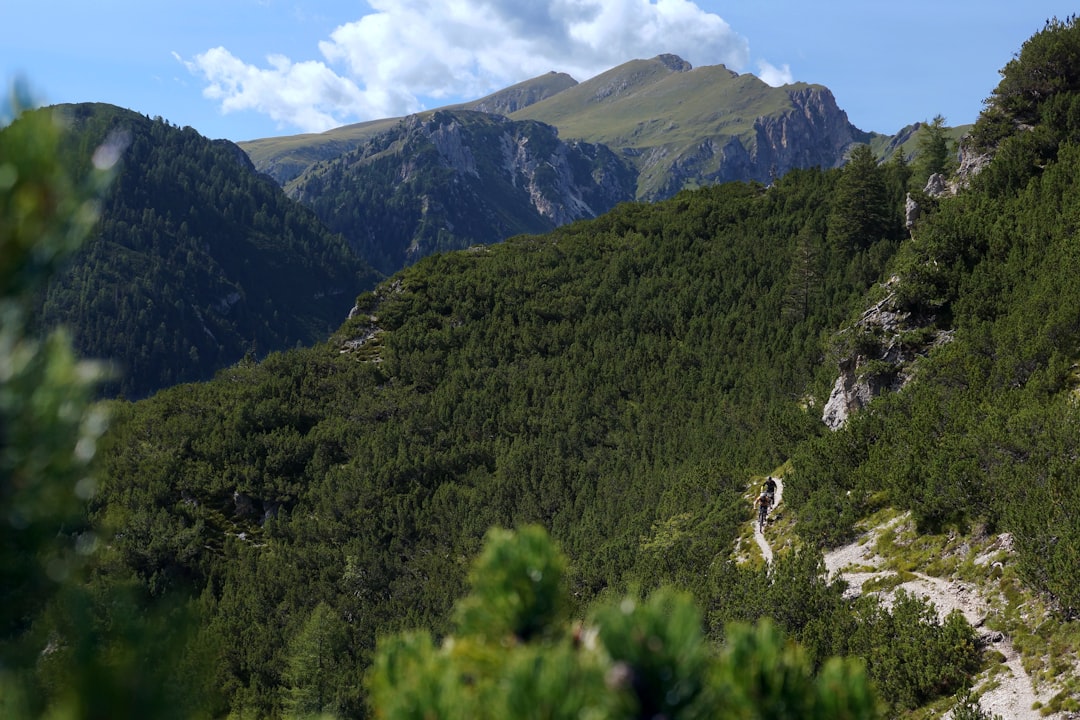
The Dinaric Alps are not gentle hills. They are karst landscapes, defined by limestone that drains water underground, leaving behind dramatic canyons, deep sinkholes, and towering peaks. Hiking the Via Dinarica means navigating a terrain that looks the same from every angle: steep, rocky, and unforgiving. The trail is not a single paved road. It is a network of old shepherd paths, military roads from the Yugoslav era, and narrow ridges that cling to the side of mountains.
What makes this trail unique is the silence. In the Western Alps, you hear the hum of cable cars and the chatter of tourists. Here, you hear the wind. You hear your own breathing. You hear the distant bleat of a goat. The isolation is profound. In Bosnia, for example, you can hike for an entire day without seeing another soul. This is not a place to come for a selfie. This is a place to come to disappear. The landscape demands respect. One wrong step on a loose scree slope can turn a pleasant afternoon into a serious emergency.
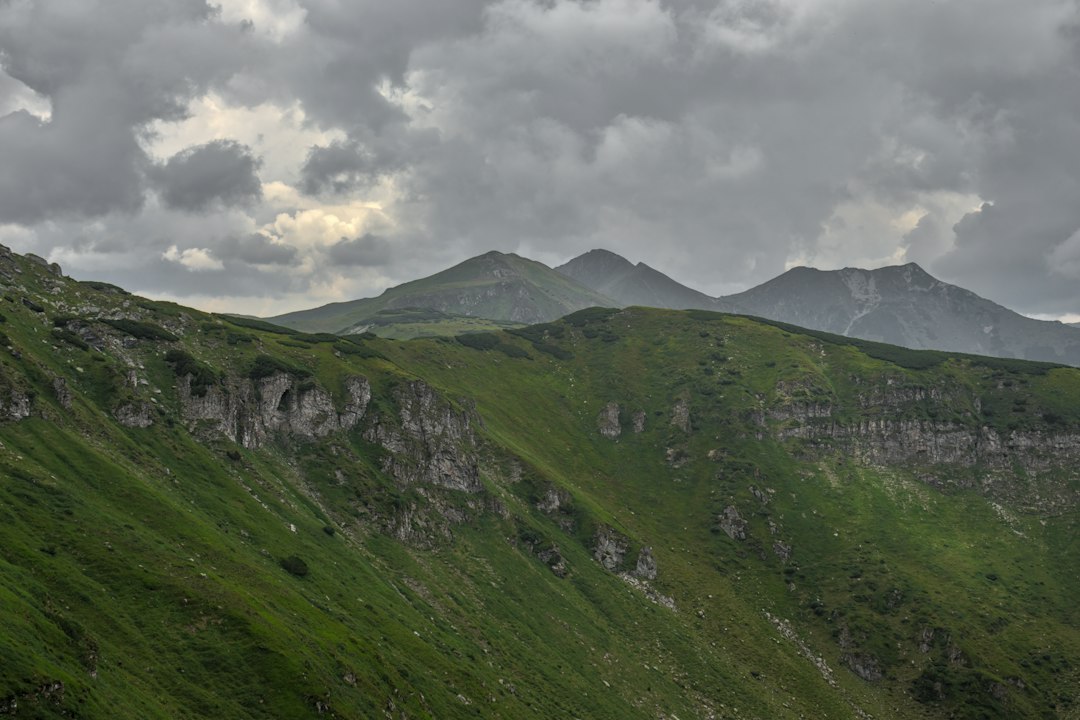
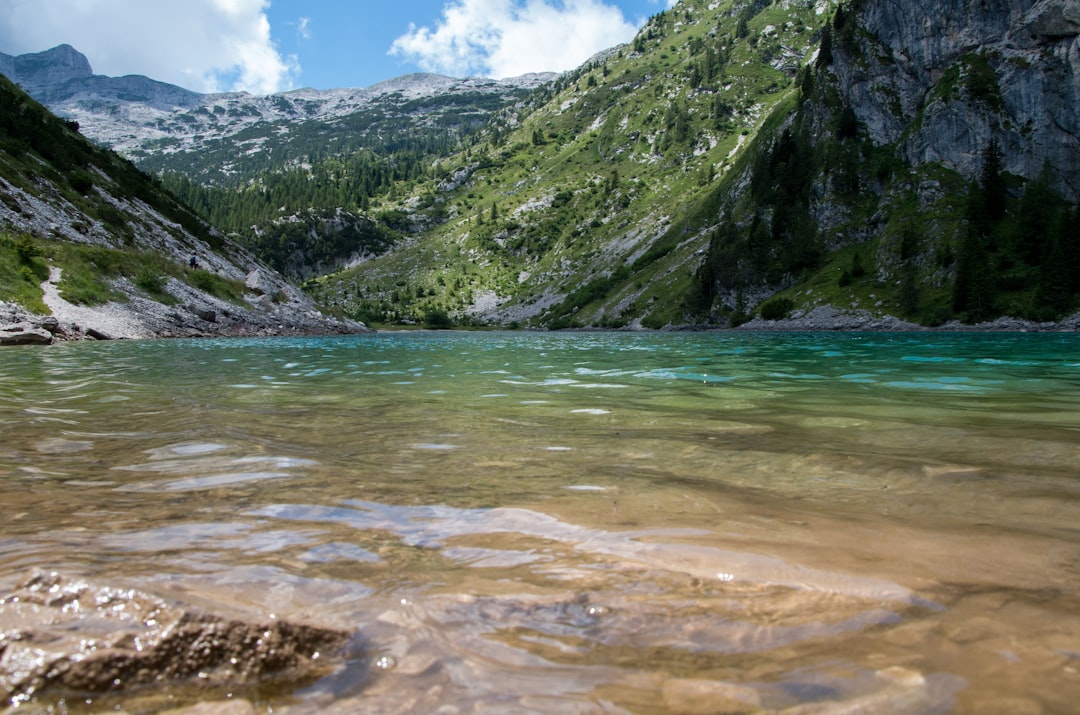
Yet, the beauty is undeniable. The views from the summits of Bobotov Kuk in Montenegro or Maglić in Bosnia are some of the most dramatic in Europe. The contrast between the dark green forests of beech and pine and the pale gray limestone creates a visual palette that is stark and stunning. The water, when you find it, is crystal clear, flowing from underground springs in rivers that cut through the rock like knives.
From Coast to Summit: The Montenegro Section
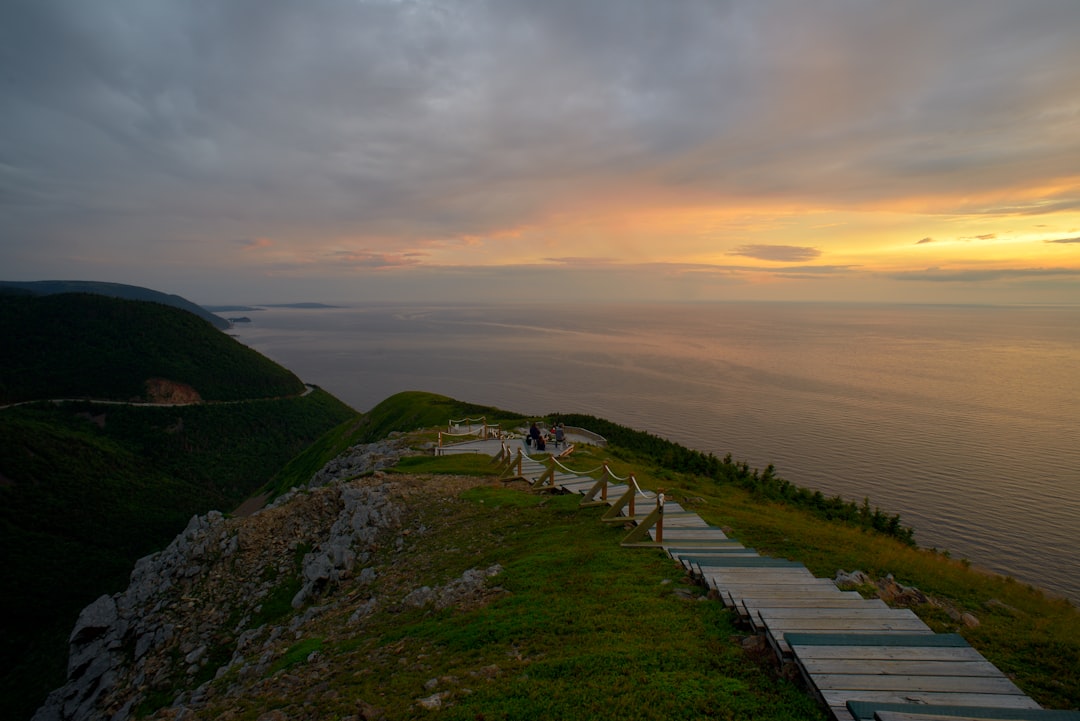
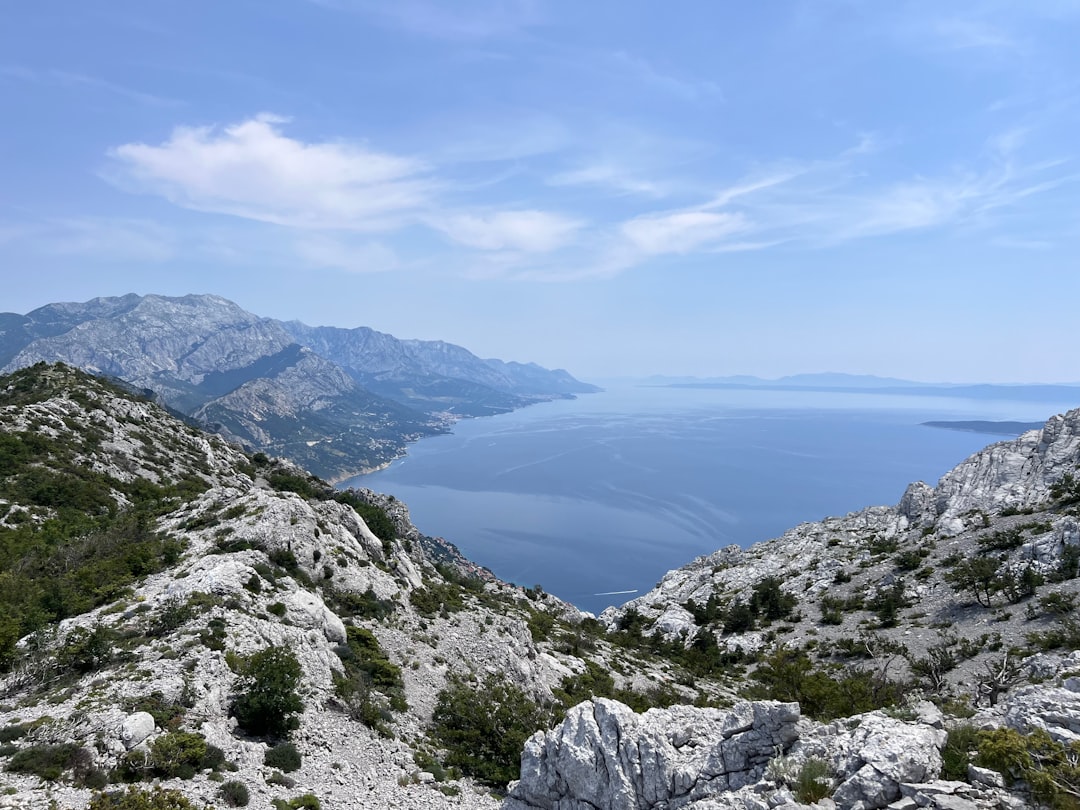
The southern end of the Via Dinarica begins in Bar, a small port town on the Adriatic coast. From here, the trail climbs inland, gaining elevation rapidly as it heads toward the heart of Montenegro. The first section takes you through the Lovćen National Park, where the views of the Bay of Kotor are spectacular. The trail then pushes north into the Durmitor National Park, a UNESCO World Heritage site known for its glacial lakes and towering peaks.
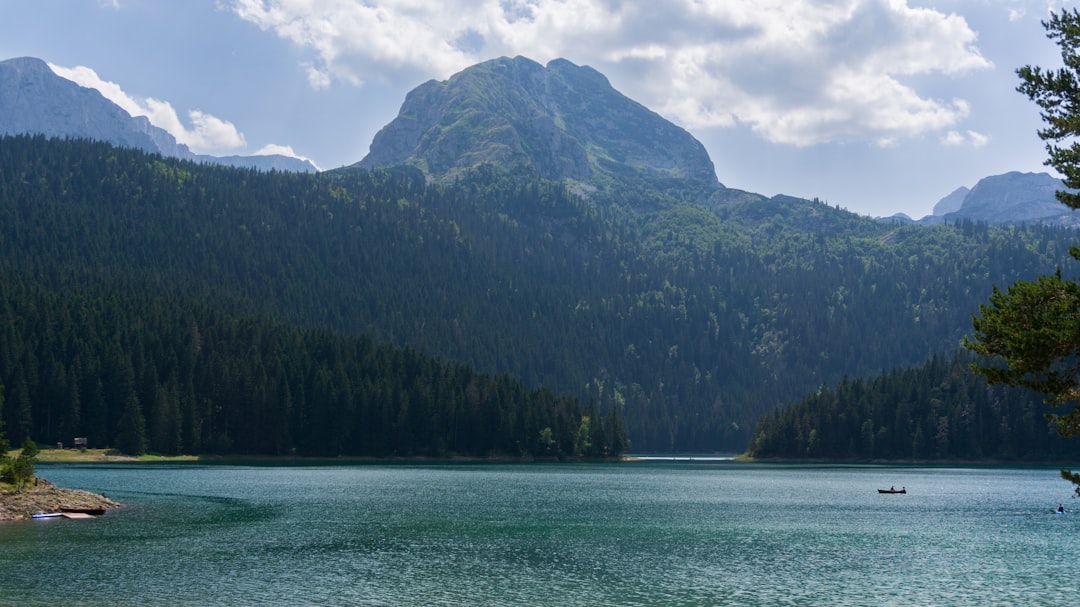
This section is the most physically demanding part of the trail. The elevation gains are steep, and the terrain is rugged. You will be scrambling over rocks, crossing streams on wooden bridges, and sleeping in mountain huts that are basic but welcoming. The Crno Jezero (Black Lake) is a highlight, a glacial lake that sits at the foot of Bobotov Kuk. The reflection of the peaks on the water's surface is a moment of pure magic, especially in the early morning mist.
As you continue north, the landscape changes. The forests become denser, and the villages become more remote. You will pass through Žabljak, the main town in the Durmitor region, which serves as a good base for resupply. From here, the trail heads into Bosnia, crossing the border at Pljevlja. The transition is subtle, marked only by a change in the language on the signs and a slight shift in the cultural vibe.
The Heart of the Trail: Bosnia and Herzegovina
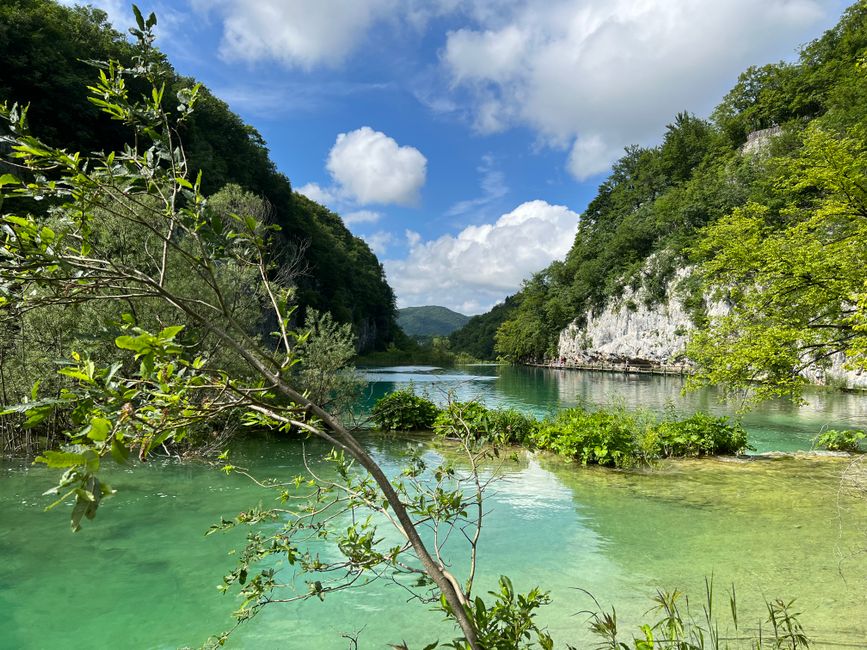
Bosnia and Herzegovina is the longest and most challenging section of the Via Dinarica. The trail here passes through some of the most remote and least visited parts of the Balkans. The Una National Park is a stunning area, with the turquoise waters of the Una River carving through a dramatic canyon. The trail follows the river for a while, offering some of the most beautiful scenery on the entire route.
But it is not all beauty. The trail also passes through areas that were heavily affected by the war in the 1990s. You will see old bunkers, abandoned military equipment, and villages that were destroyed and never fully rebuilt. It is a sobering reminder of the history of this region. But it is also a testament to the resilience of the people. Despite the scars of the past, the Bosnians are incredibly welcoming to hikers. You will be invited into homes for coffee and food, and you will hear stories of loss and survival that are both heartbreaking and inspiring.
The trail in Bosnia is less well-marked than in Montenegro or Slovenia. You will need to rely on your map and compass, and you will need to be prepared for long stretches without facilities. The mountain huts are few and far between, so you will need to carry enough food and water for several days. But the reward is a sense of solitude and wilderness that is rare in Europe.
The Final Push: Croatia and Slovenia
As you leave Bosnia, the trail enters Croatia, passing through the Northern Velebit National Park. This is a rugged and remote area, with long stretches of trail that are often snow-covered even in summer. The views from the summits are spectacular, looking down on the Adriatic Sea and the islands of the Croatian coast. The trail here is less crowded, and you will often have the path to yourself.
The final section of the Via Dinarica takes you into Slovenia, ending at the Triglav National Park. This is a more developed and popular area, with better facilities and more marked trails. The landscape is greener and more lush, with dense forests and alpine meadows. The trail culminates at the summit of Mount Triglav, the highest peak in Slovenia and a symbol of the country's national identity. Standing on the summit, looking back at the long journey behind you, is a moment of profound satisfaction.
Routes & Trail Info
The Via Dinarica is divided into three main sections: South (Montenegro), Central (Bosnia and Herzegovina, Croatia), and North (Croatia, Slovenia). Each section has its own challenges and rewards. The South section is the most popular and well-marked, with good facilities and a variety of routes. The Central section is the longest and most challenging, with long stretches without facilities and less marked trails. The North section is the shortest and most developed, with good facilities and a variety of routes.
For most hikers, the recommended route is to start in Montenegro and hike north. This allows you to build up your fitness and experience before tackling the more challenging sections in Bosnia and Croatia. The total distance is approximately 1,200 kilometers, and it typically takes 40-50 days to complete the entire trail. However, most hikers choose to hike a section of the trail, rather than the entire thing. The Montenegro section is a great choice for a first-time hiker, as it is well-marked and has good facilities. The Bosnia section is for experienced hikers who are comfortable with self-sufficiency and navigation.
Key Route: Montenegro Section (Bar to Pljevlja)
Distance: ~120 km (one-way)
Elevation Gain: ~4,000 m
Duration: 5-7 days
Difficulty: Intermediate to Experienced
Starting Point: Bar, Montenegro
Ending Point: Pljevlja, Montenegro (border with Bosnia)
Getting There & What to Expect
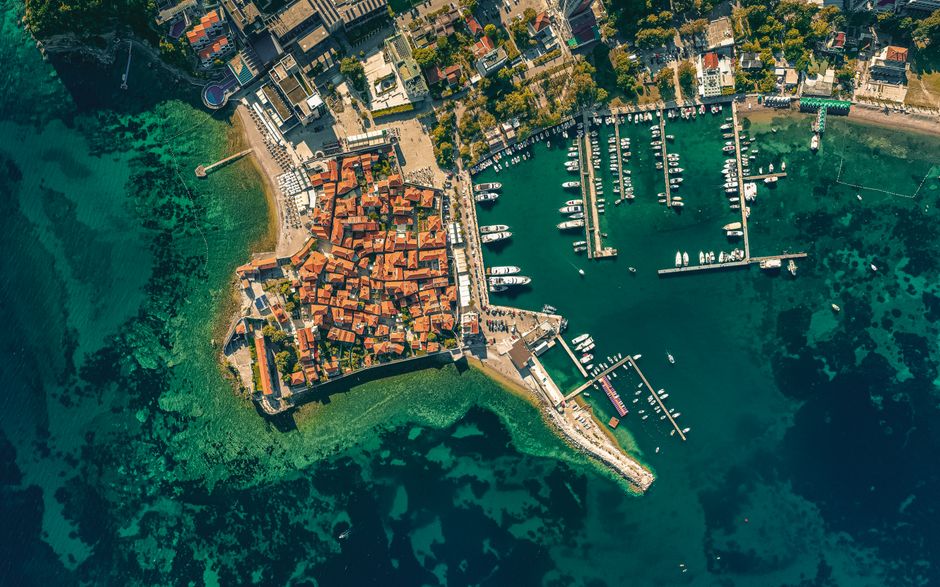
Getting to the start of the Via Dinarica in Bar is relatively easy. You can fly into Podgorica Airport and take a bus or taxi to Bar, which is about a two-hour drive. From Bar, you can start hiking immediately. There are several hostels and guesthouses in Bar, with prices ranging from 15-30 EUR per night. Meals in local restaurants are affordable, with a typical meal costing 5-10 EUR.
As you hike north, the facilities become more sparse. In Žabljak, you will find more options for accommodation and food, with prices similar to Bar. However, in the more remote sections of the trail, you will need to carry your own food and water. Mountain huts are available, but you should book them in advance, especially during the peak season (June to September). A night in a mountain hut typically costs 10-20 EUR, including a simple meal.
The best time to hike the Via Dinarica is from June to September. The weather is warm and dry, and the days are long. However, this is also the peak season, so expect more crowds on the trail. If you prefer solitude, consider hiking in May or October, but be prepared for cooler temperatures and the possibility of rain. Children can hike the easier sections of the trail, but the more challenging sections are not recommended for young children.
Search accommodation in Bar on Booking.com →
The Ghosts of the Trail
I stood on the summit of Bobotov Kuk, the wind whipping my hair across my face, and I felt a strange sense of peace. Below me, the landscape stretched out like a vast, green carpet, dotted with villages and forests. I thought about the people who had walked this trail before me: the shepherds, the soldiers, the refugees, the dreamers. I thought about the history of this region, a history of war and peace, of loss and hope. And I realized that the Via Dinarica is not just a trail. It is a story. A story of resilience, of survival, of the human spirit. And I was honored to be a part of it.
When I returned to civilization, I felt a strange sense of loss. The noise, the crowds, the constant connectivity—it all felt overwhelming. I missed the silence. I missed the solitude. I missed the sense of being alive in a way that I had never felt before. I knew that I would be back. I knew that the trail was waiting for me. And I knew that when I returned, it would change me again.
The Via Dinarica is not for everyone. It is hard. It is lonely. It is unforgiving. But it is also beautiful. It is honest. It is real. And in a world that is increasingly fake, that is a rare and precious thing. So pack your bag. Lace up your boots. And go find your own piece of the wild.
Comments