


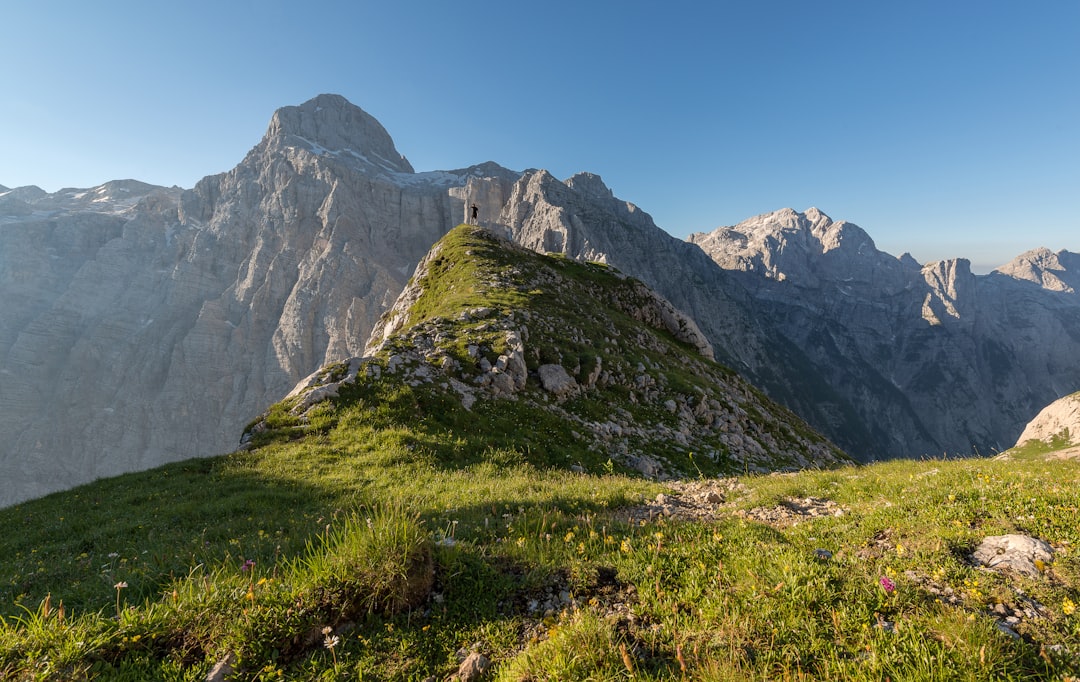
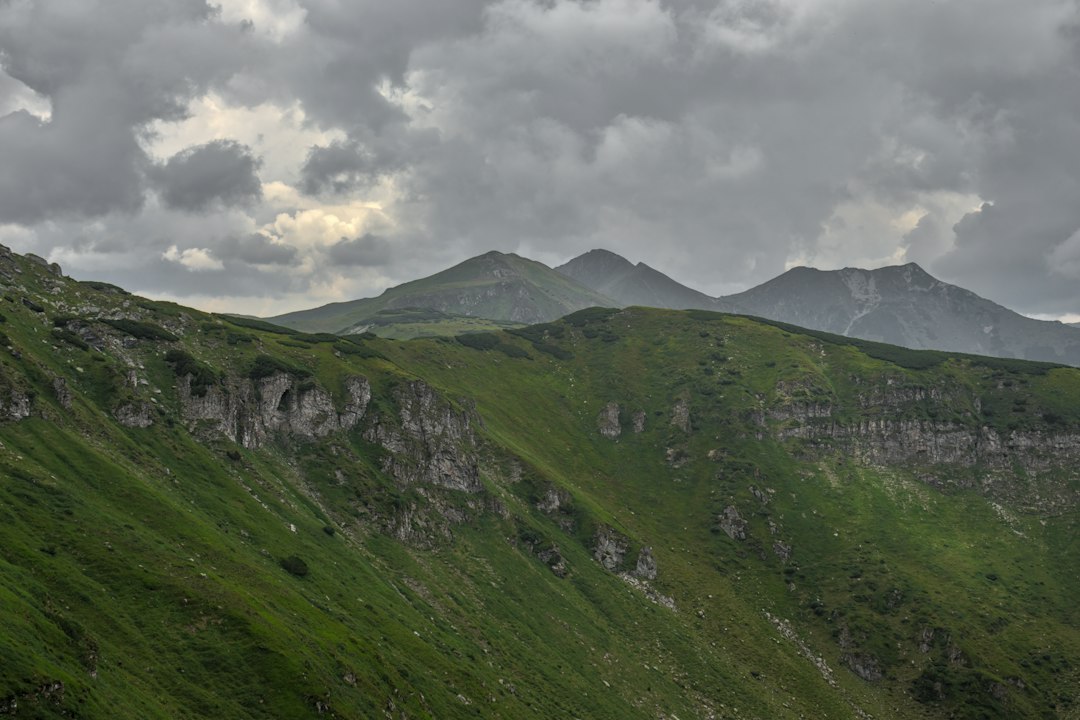
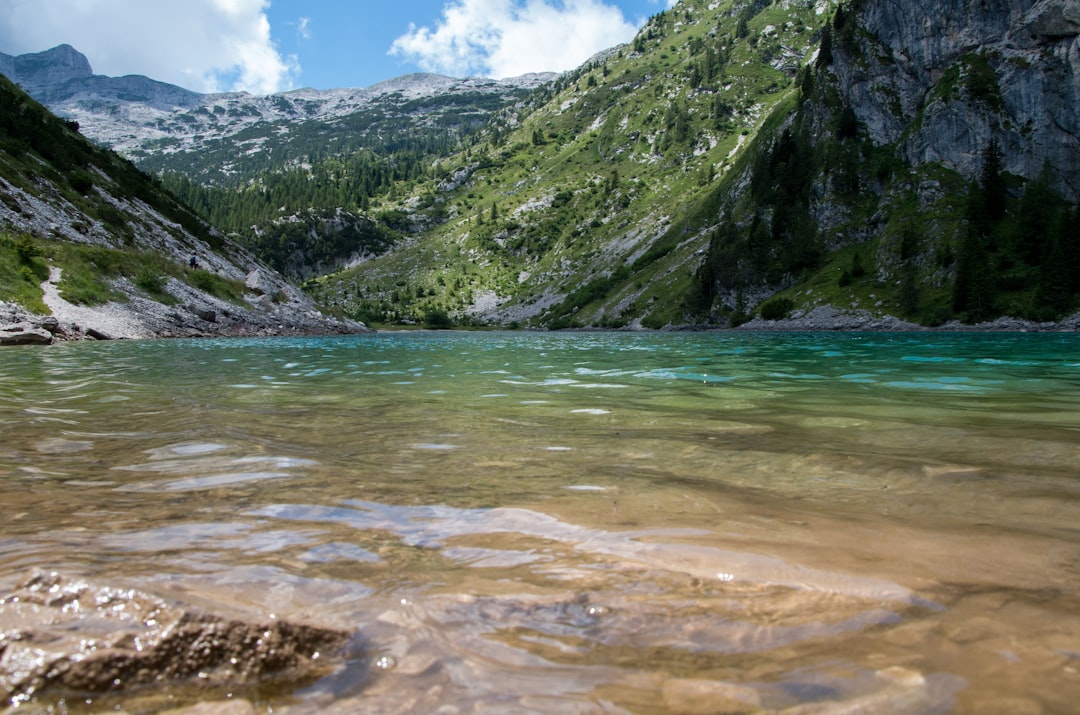
The rain in the Julian Alps doesn't fall; it assaults. It hammered my Gore-Tex shell like gravel thrown by an angry giant, turning the trail into a slurry of grey mud and pine needles. I was standing knee-deep in muck near Vršič Pass, watching a German couple with pristine North Face gear laugh as their trekking poles slipped out of their hands. This isn't a spa retreat. This isn't a gentle stroll through a manicured park. This is the Via Dinarica, the 1,200-kilometer spine of the Balkans, and in Slovenia, it bites back. I came here to find clarity; I found blisters, hypothermia, and the most aggressive wind I've ever felt in my face. But standing there, shivering and miserable, I also found the raw, unfiltered beauty of the Triglav National Park that you simply cannot buy in a postcard.
The Via Dinarica is a trail with a political scar tissue. Conceived in the 1960s by Yugoslav mountaineers, it was meant to stitch together the fractured republics of the former Yugoslavia into a single hiking artery. For decades, it was a ghost trail, overgrown and forgotten. Now, it's being resurrected, section by section. The Slovenian leg, running from the Austrian border down to the Croatian border, is the most developed, the most rugged, and arguably the most beautiful. It's not for the faint of heart. It's for the stubborn, the curious, and the those who believe that suffering on a mountain is a form of prayer.
History & Identity
The Via Dinarica was born from a dream of unity. In the 1960s, under the banner of "Yugoslavia," a group of visionaries wanted to create a trail that would traverse the entire Dinaric Alps, connecting people across national borders. It was a bold idea in a time of political tension. The trail was never fully completed, and with the breakup of Yugoslavia in the 1990s, it fell into disrepair. Sections were lost, markers faded, and the trail became a shadow of its former self.
Today, the trail is being revived by a network of volunteers, local hiking clubs, and environmental groups. The Slovenian section, managed by the Julian Alps Hiking Club, is the most well-maintained. It's a testament to the power of local initiative and the enduring appeal of the great outdoors. The trail is more than just a path; it's a living history lesson, a reminder of a time when borders were fluid and the mountains were a shared heritage.
The identity of the Julian Alps is deeply tied to the Via Dinarica. The mountains are the heart of Slovenian national identity, symbolizing strength, resilience, and beauty. The trail offers a way to experience this identity firsthand, to walk in the footsteps of those who came before and to feel the pulse of the land. It's a journey through time, culture, and nature, all rolled into one.
Where to Go
Vršič Pass — The highest pass in the Julian Alps, this is the traditional starting point for many hikers on the Via Dinarica. The pass is a dramatic gateway to the high mountains, with sweeping views of the Triglav National Park. The trail begins here, winding its way through alpine meadows and dense forests. Entry fee: None. Best time to visit: Summer.
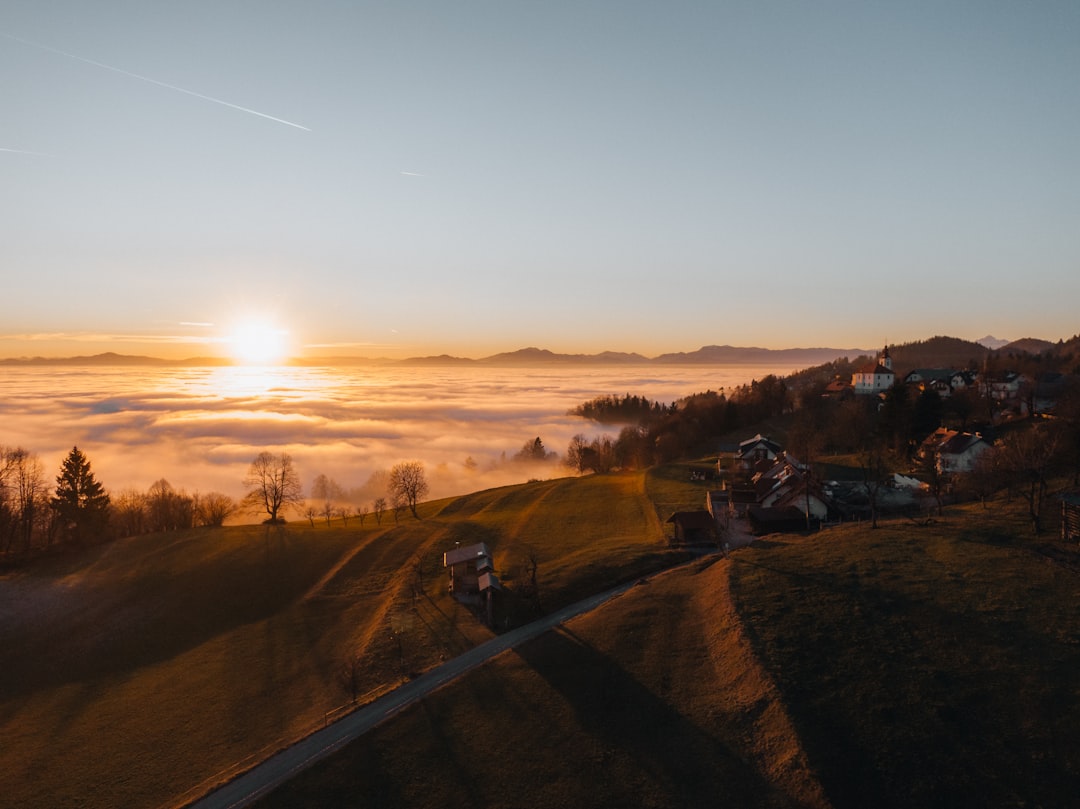
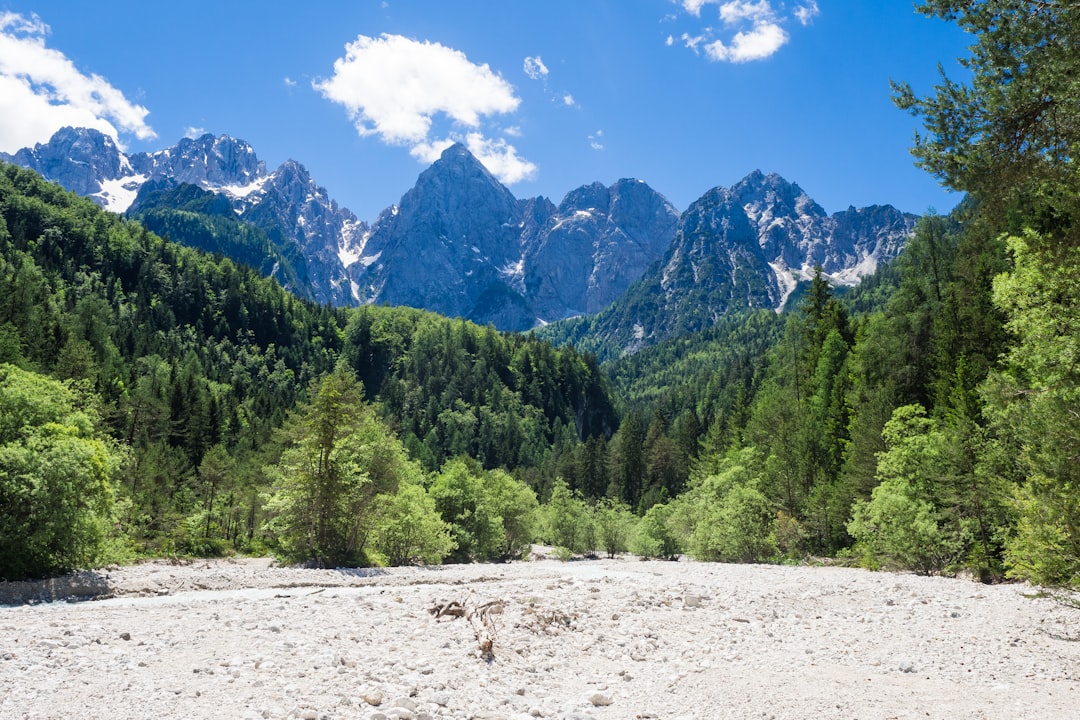
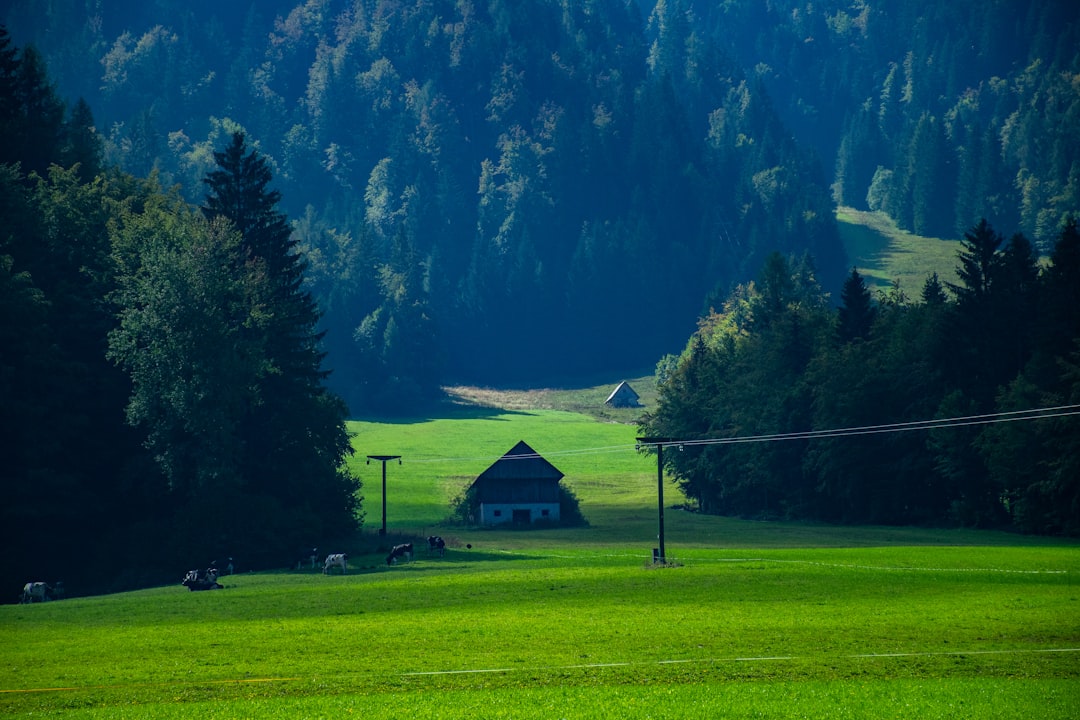
Planica Valley — Known for its ski jumping hills, Planica is also a great starting point for the Via Dinarica. The valley is lush and green, with a network of trails that wind through forests and along rivers. The trail from Planica to Vršič Pass is a challenging but rewarding hike, with stunning views of the surrounding mountains. Entry fee: None. Best time to visit: Summer.
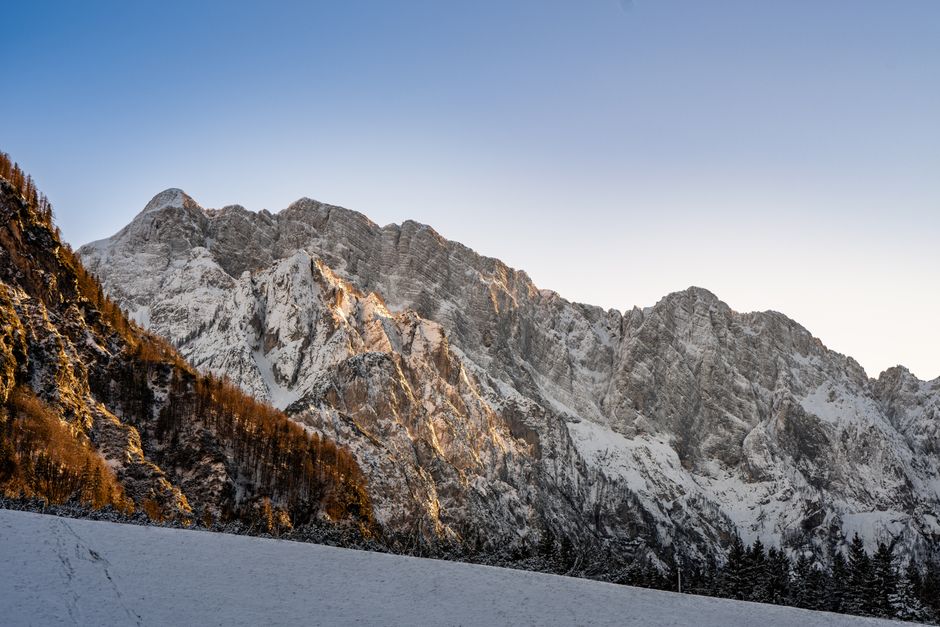
Triglav — Slovenia's highest peak, Triglav is the crown jewel of the Julian Alps. The summit offers panoramic views of the entire mountain range, and the hike to the top is a rite of passage for many Slovenians. The trail to Triglav is steep and challenging, but the reward is worth it. Entry fee: None. Best time to visit: Summer.
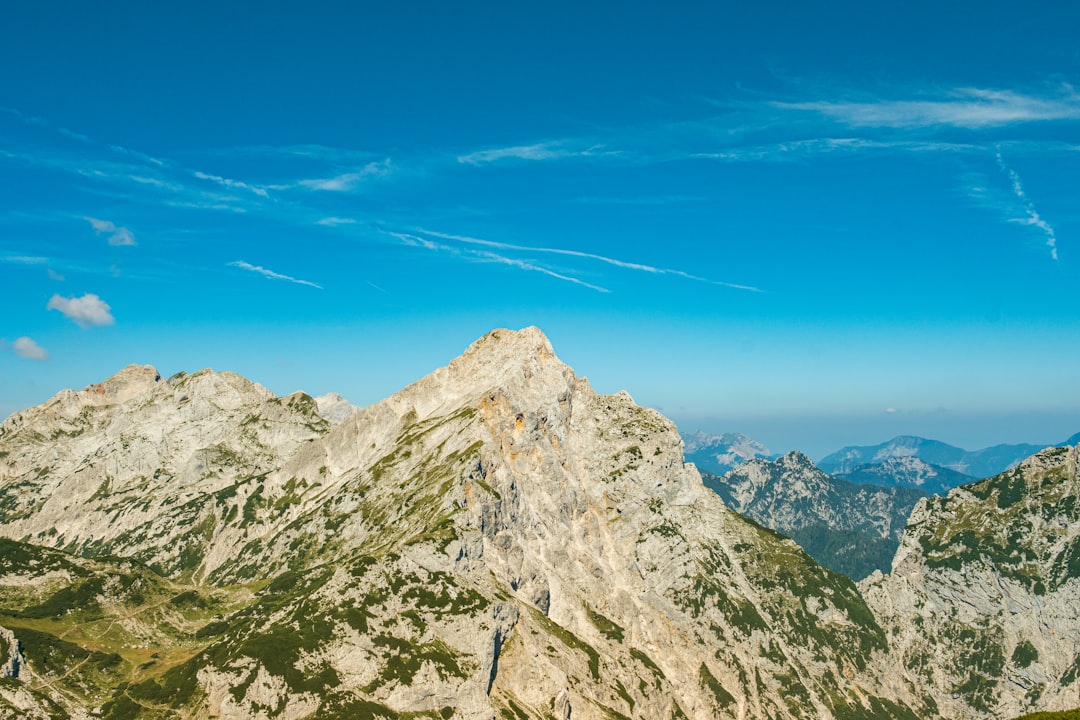
Jezersko — A popular hiking destination, Jezersko is home to several alpine lakes and a network of trails that wind through forests and meadows. The village is a great base for exploring the Julian Alps, with plenty of accommodation and dining options. Entry fee: None. Best time to visit: Summer.
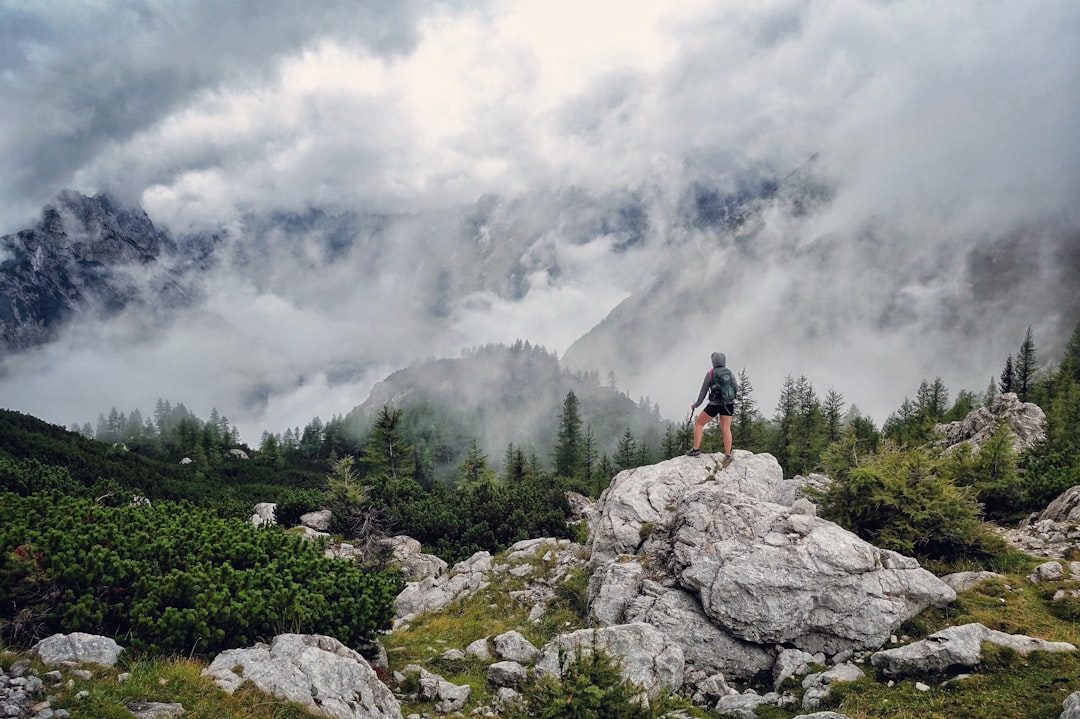
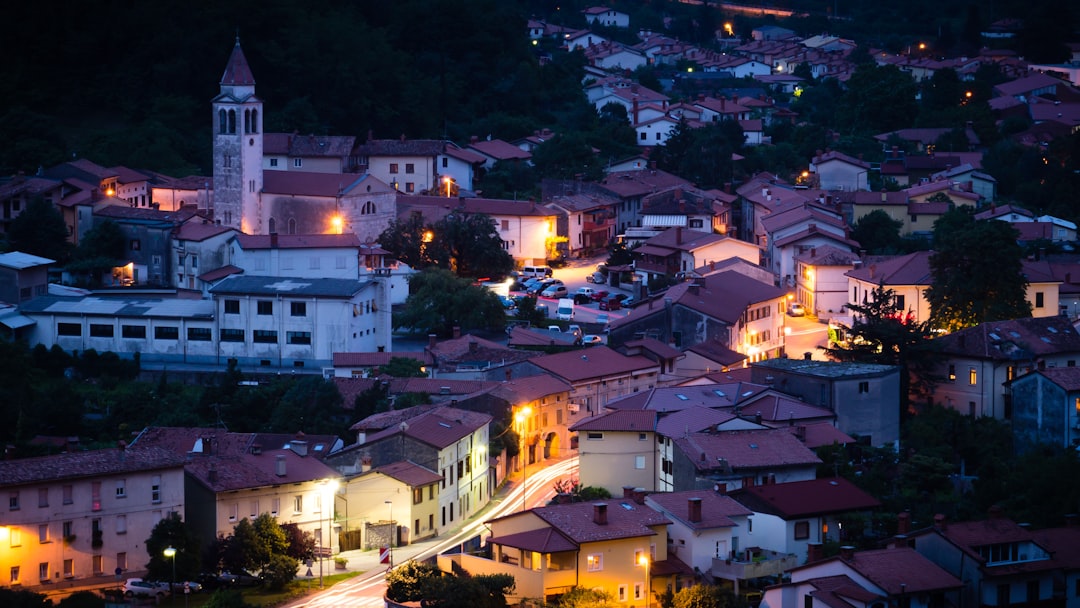
Kranjska Gora — A popular ski resort in winter, Kranjska Gora is a great starting point for the Via Dinarica in summer. The town is located at the foot of the Julian Alps, with easy access to the trail. The trail from Kranjska Gora to Vršič Pass is a classic hike, with stunning views of the surrounding mountains. Entry fee: None. Best time to visit: Summer.
What to Eat & Drink
Štruklji — A traditional Slovenian dish, štruklji are rolled dumplings filled with cheese, poppy seeds, or meat. They're a hearty and filling meal, perfect for refueling after a long day on the trail. Price: 8-12 EUR.
Štruklji — A traditional Slovenian dish, štruklji are rolled dumplings filled with cheese, poppy seeds, or meat. They're a hearty and filling meal, perfect for refueling after a long day on the trail. Price: 8-12 EUR.
Štruklji — A traditional Slovenian dish, štruklji are rolled dumplings filled with cheese, poppy seeds, or meat. They're a hearty and filling meal, perfect for refueling after a long day on the trail. Price: 8-12 EUR.
Budget breakdown: Street food / take-away 5-10 EUR per meal; sit-down local restaurant 15-25 EUR per person; mid-range 25-35 EUR.
Food streets: Kranjska Gora has a charming main street with several cafes and restaurants. Jezersko has a small village center with a few dining options.
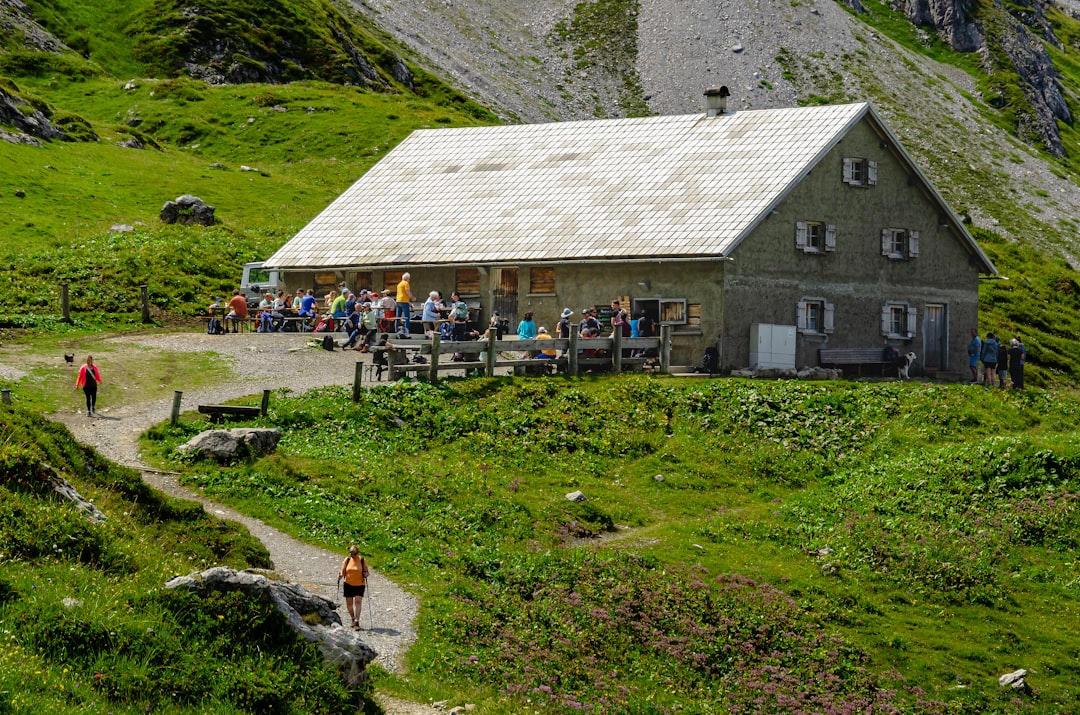
Take-away and food court options: Most mountain huts offer simple take-away meals, such as sandwiches, soups, and pastries. Price: 5-10 EUR.
Nightlife
The Julian Alps are not known for their nightlife. Most villages and towns close up early, and the focus is on the outdoors. However, there are a few spots where you can grab a drink and relax after a long day on the trail.
Kranjska Gora — The main street has several bars and cafes where you can grab a beer or a coffee. The atmosphere is relaxed and friendly, with a mix of locals and tourists.
Jezersko — A small village with a few bars and cafes. The atmosphere is quiet and peaceful, perfect for unwinding after a day of hiking.
Getting There & What to Expect
Nearest airport: Ljubljana Jože Pučnik Airport is the closest major airport, with connections to major European cities. From Ljubljana, you can take a bus or train to Kranjska Gora or Jezersko, which takes about 2-3 hours. Bus fare: 15-20 EUR. Train fare: 15-20 EUR.
Car options: Driving from Ljubljana to Kranjska Gora or Jezersko takes about 1.5-2 hours. The roads are well-maintained, but can be winding and challenging in winter. Parking is available in most villages.
Accommodation price range: Budget hostel 20-40 EUR/night; mid-range hotel 50-100 EUR/night. Mountain huts are also available, with prices ranging from 30-60 EUR/night.
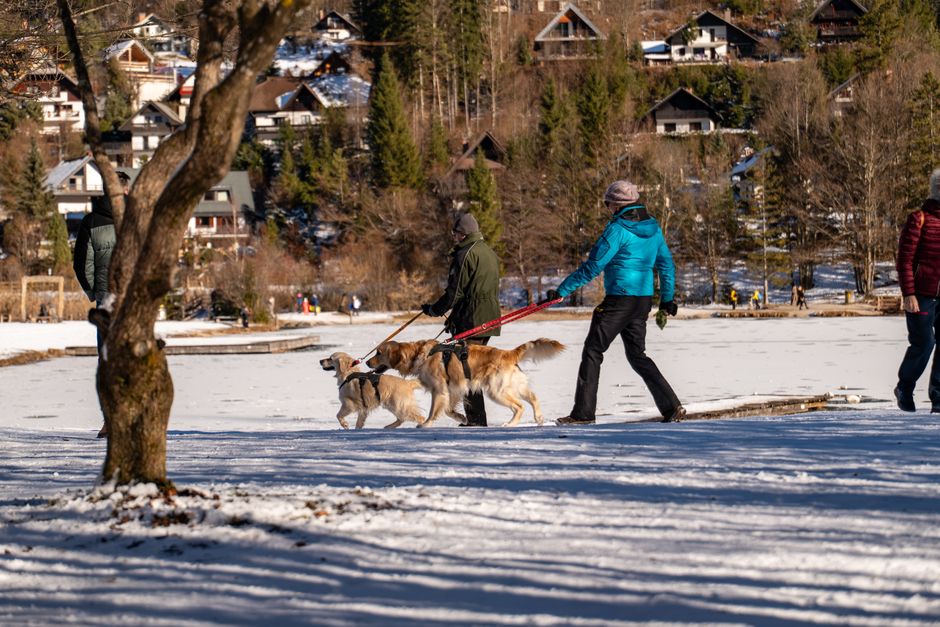
Best months to visit: June to September. The weather is warm and dry, and the trails are in good condition. Winter is also possible, but requires specialized equipment and experience.
Search accommodation in Kranjska Gora on Booking.com →
The Aftermath
I left the Via Dinarica with aching joints, a bruised ego, and a soul that felt strangely light. The trail had taken everything from me — my comfort, my certainty, my illusion of control — and in return, it had given me something far more valuable. A sense of belonging to something larger than myself. A connection to the land, to the history, to the people who had walked this path before me. It wasn't easy. It wasn't pretty. But it was real. And in a world that's increasingly fake, that's worth more than any postcard.
Comments