


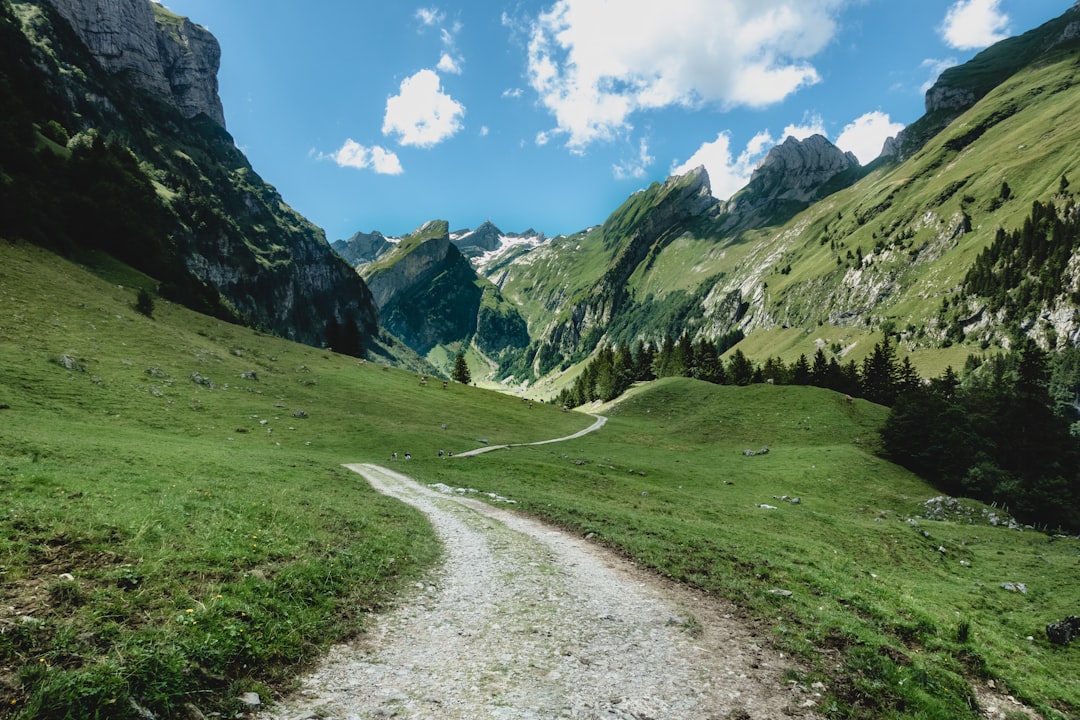
The coffee in Herceg Novi tastes like burnt sugar and diesel, a fitting fuel for the madness I’ve just signed up for. I’m sitting on a plastic stool, staring at a crumpled map that looks less like a hiking guide and more like a topological nightmare. The Via Dinarica isn’t a trail; it’s a 1,200-kilometer spine of limestone, pine, and stubbornness stretching from the Adriatic coast in Montenegro all the way to the Slovenia border. My boots are still warm from the bus ride, my backpack smells like wet wool, and the locals are looking at me like I’ve just announced I’m going to swim across the Adriatic Sea with a pocket knife. They’re not wrong to be concerned. This isn’t a gentle stroll through a national park. It’s a brutal, beautiful, and often confusing traverse of the Dinaric Alps, where the weather changes in minutes and the trails vanish into goat paths.
I’m not here for a postcard. I’m here to see if the Via Dinarica lives up to the hype of being the Balkans’ answer to the Appalachian Trail, minus the convenience stores and cell service. The air is thick with the scent of juniper and woodsmoke. Somewhere up the mountain, a shepherd is yelling. I adjust my strap, take a sip of the terrible coffee, and realize I’m about to spend the next week trying not to break my legs on the Accursed Mountains. Let’s move.
History & Identity
The Via Dinarica didn’t start as a tourist project. It was born in 2010 from a desire to connect the fragmented Balkans, a region historically divided by borders, wars, and empires. The Dinaric Alps have always been a barrier and a bridge, a place where Ottoman and Austro-Hungarian influences clash and blend. The trail follows old shepherds’ paths, military roads, and forgotten trails used by partisans and smugglers alike. It’s a route of resilience.
Today, the trail is a symbol of regional cooperation, managed by a consortium of NGOs from Montenegro, Bosnia and Herzegovina, Croatia, and Slovenia. The identity of the trail is raw and unpolished. There’s no grand infrastructure, no branded wayfinding signs every 50 meters. You’re walking through living history, where villages still rely on livestock and the mountains dictate the rhythm of life. The trail connects isolated communities, offering a lifeline to tourism while preserving the rugged character of the Balkan Peninsula.
Where to Go
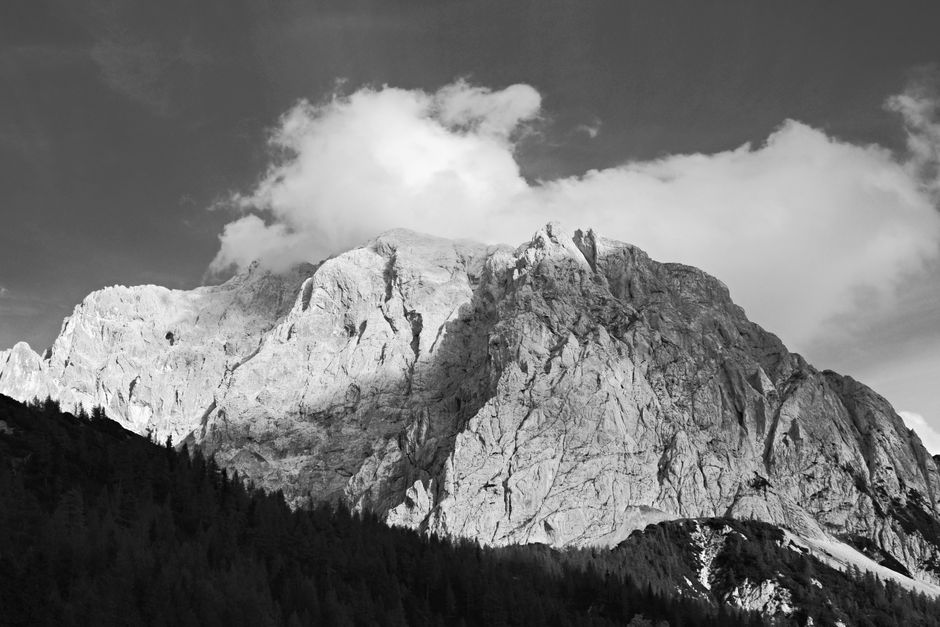
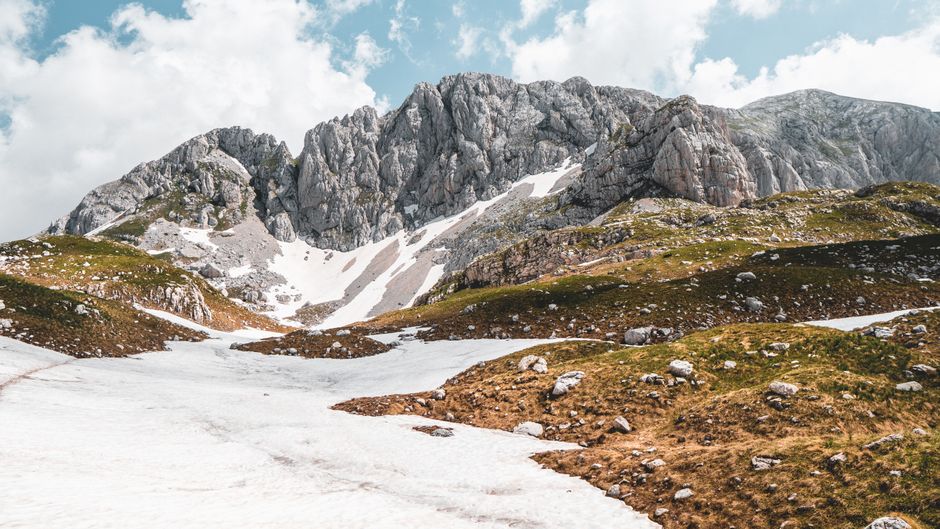
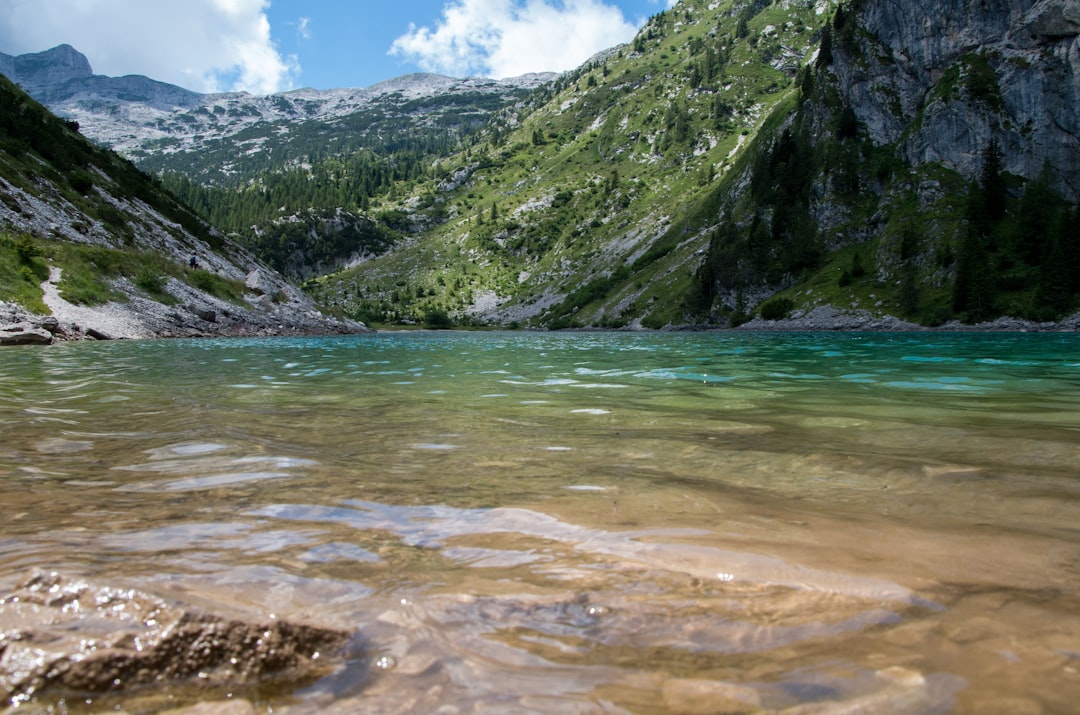
Prokletije National Park — The starting point for many, this park in northern Montenegro is the crown jewel of the Via Dinarica. Known locally as the Accursed Mountains, it’s a land of jagged peaks, deep valleys, and alpine lakes. The hiking here is serious, with steep ascents and exposed ridges. Entry is free, but permits may be required for camping. Best visited in July and August for snow-free trails. Prokletije National Park
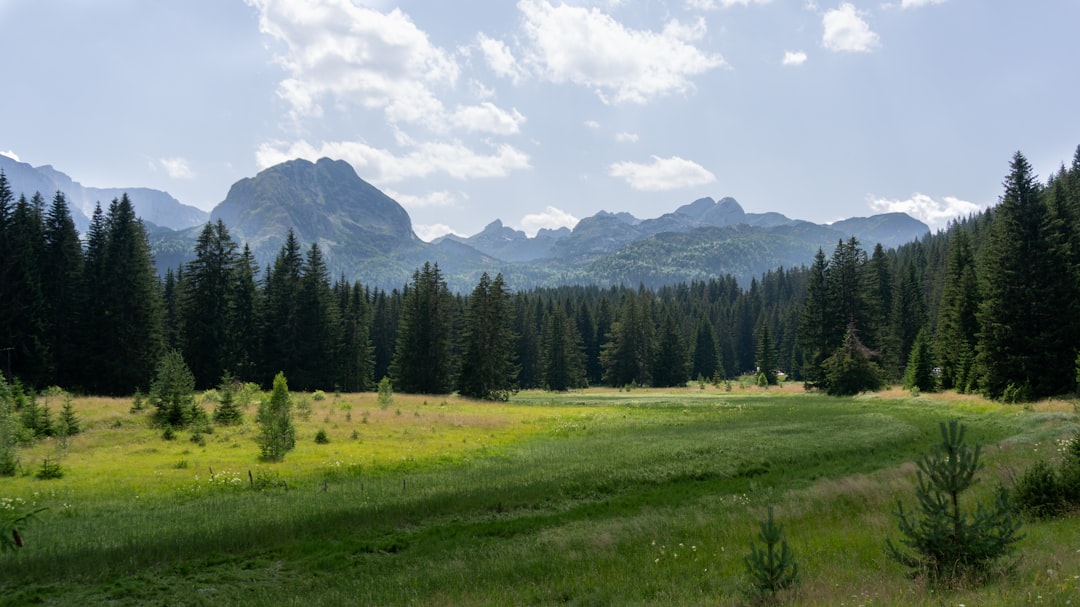
Biogradska Gora National Park — A short hop north from Prokletije, this park is a primeval forest of spruce and beech, centered around the pristine Biogradsko Lake. It’s a place of silence and ancient trees, some over 500 years old. The trail winds through dense canopy, offering a stark contrast to the exposed peaks. Entry fee is 3 EUR for hikers. Visit in late spring for wildflowers. Biogradska Gora National Park
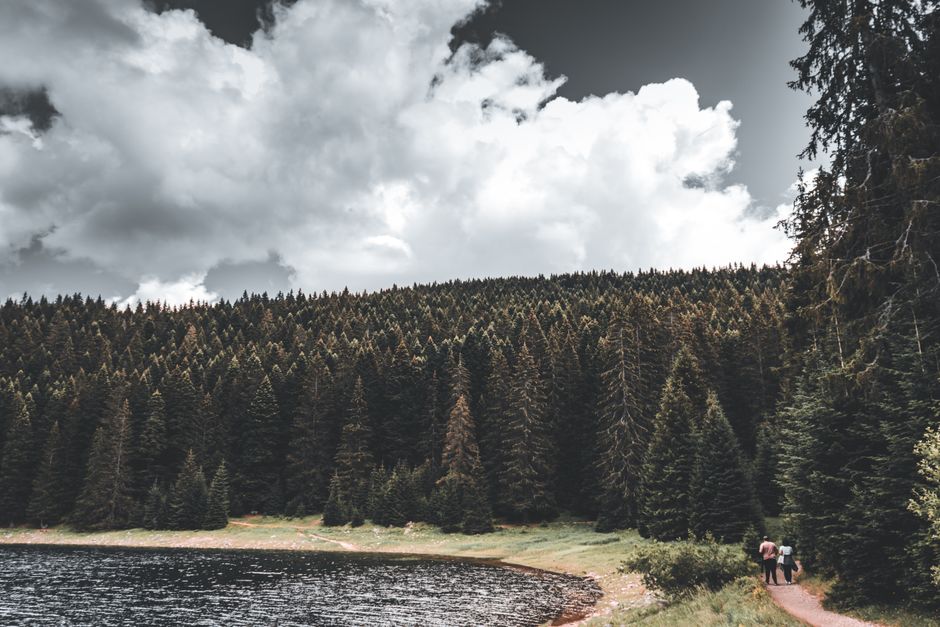
Una National Park — Crossing into Bosnia and Herzegovina, this park is dominated by the turquoise Una River, which carves through narrow gorges and cascades over waterfalls. The Veliki Buk waterfall is a highlight, a powerful drop that feeds into the river. The trail follows the riverbank, offering cool shade and stunning views. Entry is 5 EUR. Best in June when water levels are moderate. Una National Park
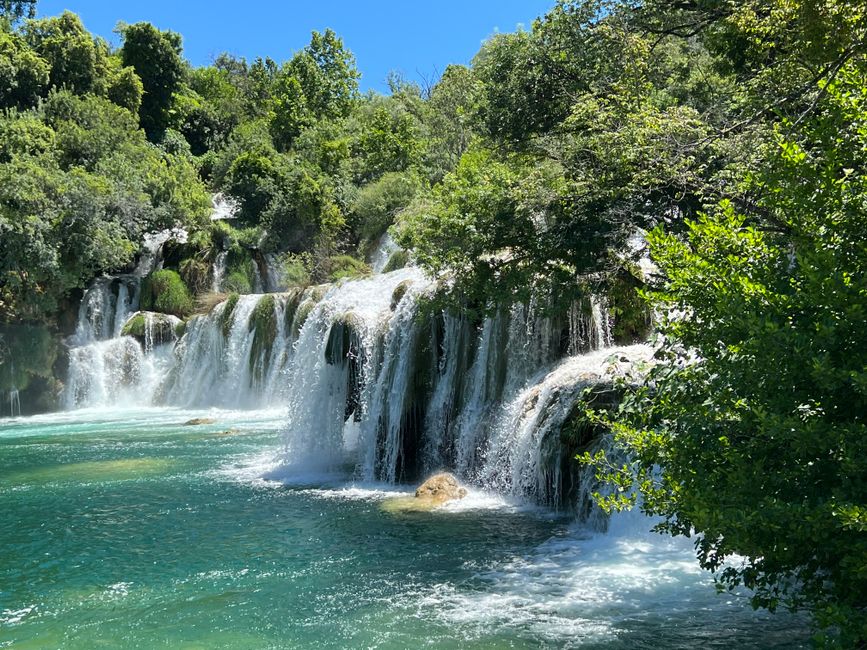
Plitvice Lakes National Park — The most famous park in Croatia, this UNESCO site is a series of 16 terraced lakes linked by waterfalls. The Via Dinarica skirts the park, allowing hikers to experience the limestone formations and emerald waters. Entry is 20 EUR in high season. Visit early morning to avoid crowds. Plitvice Lakes National Park
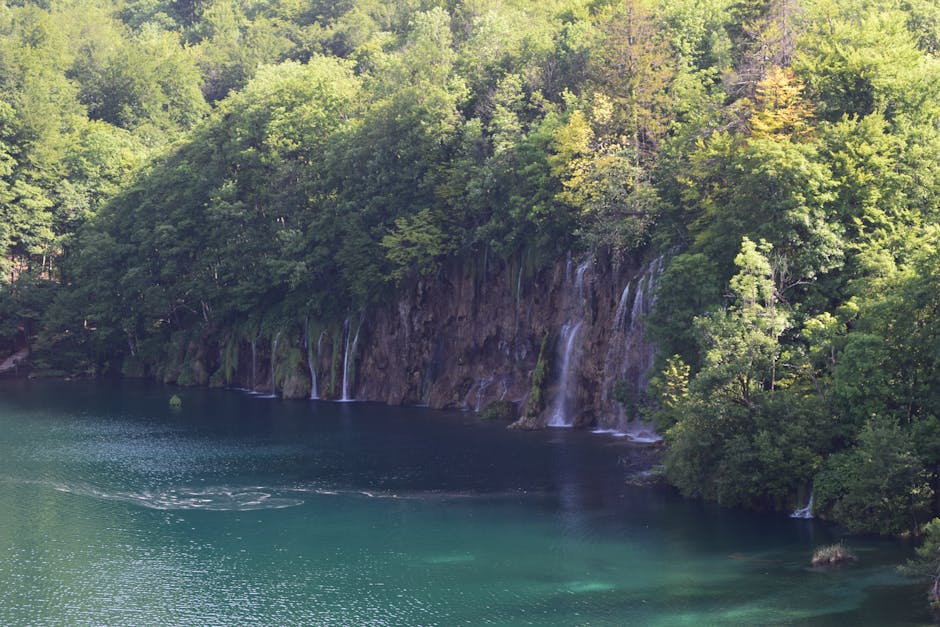
Triglav National Park — The final stretch in Slovenia leads to Mount Triglav, the country’s highest peak and a national symbol. The park offers alpine meadows, glacial lakes, and the iconic Triglav Lake. The trail connects to the Julian Alps hiking network. Entry is free. Best in July and August. Triglav National Park
What to Eat & Drink
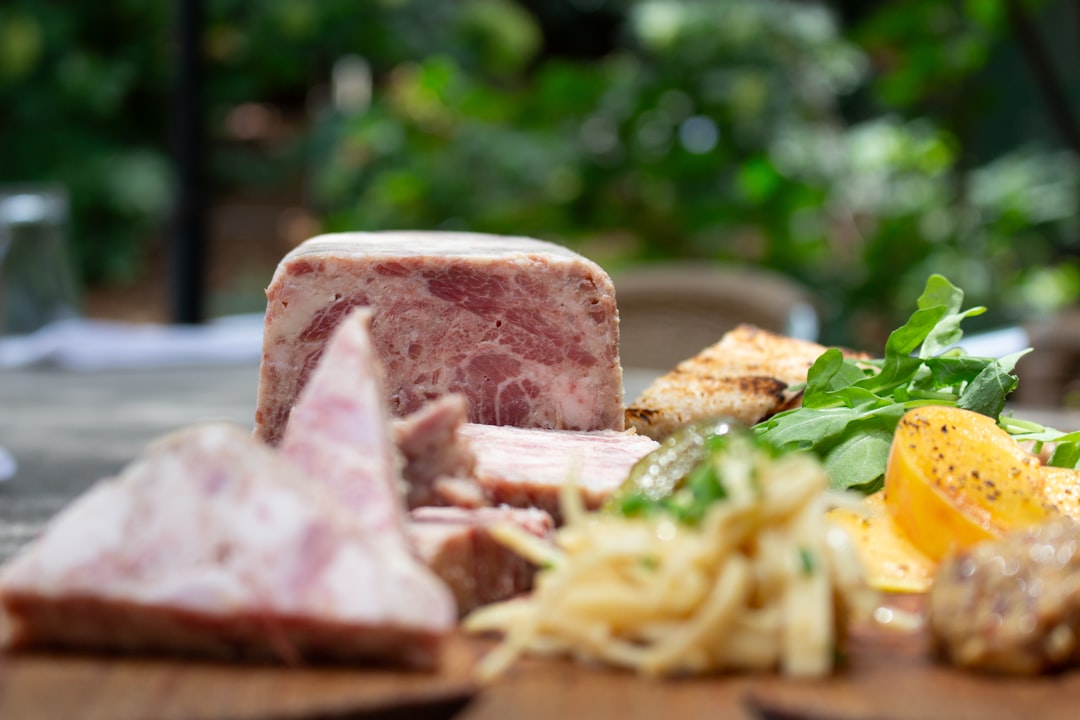
You won’t find gourmet dining on the Via Dinarica, but the food is hearty, local, and cheap. Njeguški pršut — a dry-cured ham from Montenegro — is a staple, often served with polenta. Expect to pay 8-12 EUR for a plate in a mountain restaurant. Ćevapi — grilled minced meat sausages — are ubiquitous in Bosnia, costing 4-6 EUR for a portion of 10. Štrukli — rolled dough with cheese — is a Croatian comfort food, 5-7 EUR in a local konoba. Idrijski žlikrofi — tiny ravioli from Slovenia — are a delicacy, 10-15 EUR in a traditional inn. Rakija — fruit brandy — is the drink of choice, 2-4 EUR per shot, and it’ll warm you up fast.
Budget travelers can survive on street food and take-away. Pita — flaky pastry with meat or cheese — is 1-3 EUR per slice in Bosnia and Montenegro. Supermarkets in towns like Herceg Novi or Sarajevo offer bread, cheese, and fruit for 5-10 EUR a day. Sit-down meals in local restaurants range from 8-15 EUR per person, while mid-range hotels or ethno lodges charge 15-25 EUR. Food courts are rare, but market stalls in Sarajevo or Mostar offer cheap eats. Drink water from streams if you filter it, and always carry snacks — the trail is long between villages.
Nightlife
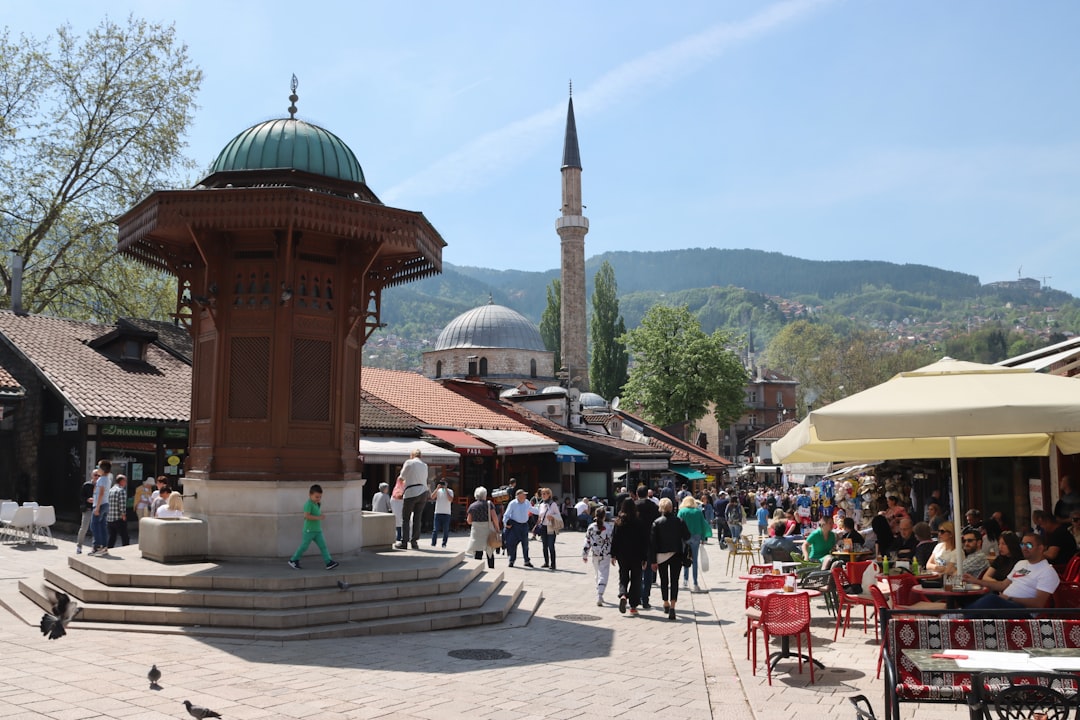
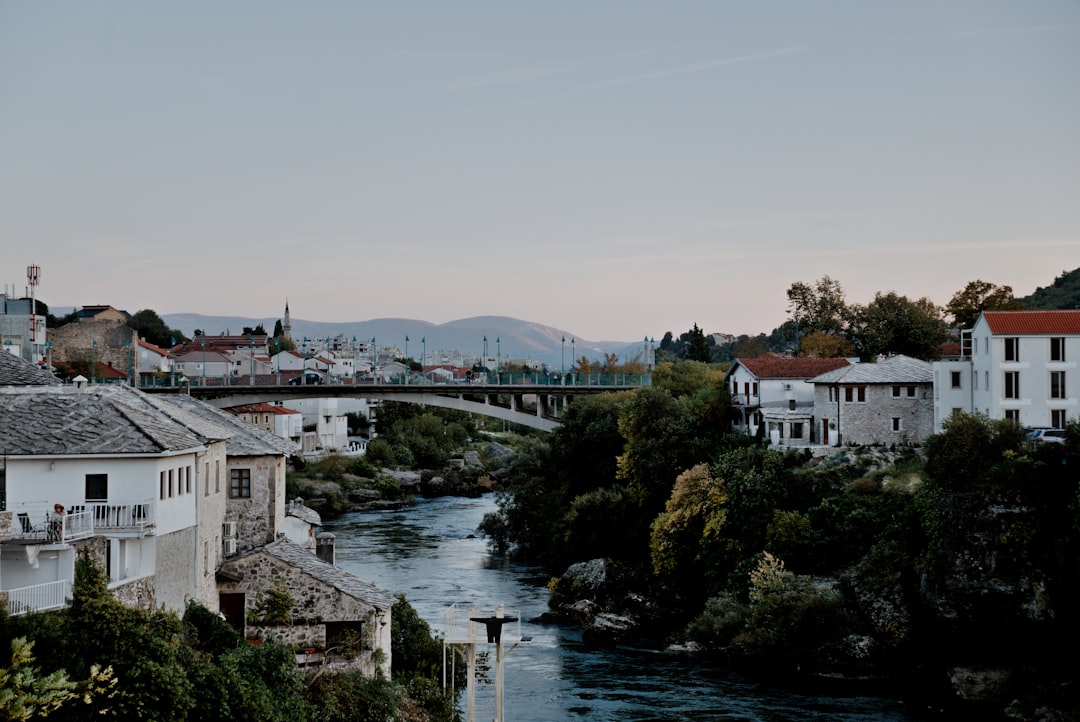
Nightlife on the Via Dinarica is a myth. You’re in the mountains, not a city. But when you reach towns like Sarajevo or Mostar, the bars and clubs come alive. Baščaršija in Sarajevo is the old bazaar, filled with kafanas serving rakija and live music. Mostar’s Old Bridge area has bars with views of the Neretva River, where locals drink beer and wine until midnight. In Ljubljana, Tromostovje is the student district, with cheap drinks and indie music. Cover charges are rare, but expect to pay 2-4 EUR for a beer in a tourist area. The vibe is relaxed, local, and unpretentious. You’re not here to party; you’re here to recover.

Getting There & What to Expect
The Via Dinarica starts in Herceg Novi, Montenegro, accessible from Tivat Airport (10 EUR bus) or Podgorica Airport (20 EUR bus, 2 hours). From Belgrade, it’s a 30 EUR bus ride to Sarajevo (6 hours), then a local bus to Bihac or Mostar. Car rental is 40-60 EUR/day, but parking at trailheads is free. The trailhead for the Prokletije section is in Žabljak, a 15 EUR bus ride from Podgorica. Children can hike the easier sections from age 10, but the high peaks are for experienced hikers only.
Accommodation ranges from mountain refuges (15-25 EUR/night) to budget hotels (30-50 EUR/night) in towns like Žabljak or Mostar. Camping is free in most areas, but bring a tent and sleeping bag. Meals in refuges are 10-15 EUR per person. Best months to visit are June to September, when snow is melted and weather is stable. The trail is marked with paint blazes, but a map and compass are essential. The Via Dinarica is a challenge, but it’s also a journey through the soul of the Balkans.
Search accommodation in Herceg Novi on Booking.com →
The Final Push: Why You Should Walk It
My legs are screaming, my feet are blistered, and I haven’t seen a paved road in three days. But as I stand on a ridge in the Accursed Mountains, looking down at a valley that stretches into Bosnia, I understand why people do this. The Via Dinarica isn’t about the destination. It’s about the grind, the silence, the moments when you’re alone with the wind and the stone. It’s a trail that demands everything and gives back nothing but the truth. And that’s worth the price of admission.
Comments