


I stood on a ledge of limestone so thin it felt like a mistake of geology, the Adriatic Sea a bruised purple smear forty meters below. The wind on the Velebit range doesn't just blow; it hunts. It ripped at my rain jacket, trying to peel me off the rock face like a sticker left too long in the sun. This isn't the Croatia of postcards and gelato. This is the spine of the country, a jagged, vertical wall of karst that separates the Dalmatian coast from the Pannonian plains. I came here to get lost, and the mountain obliged, swallowing the GPS signal and leaving me with nothing but the crunch of gravel under my boots and the distant, mocking cry of a chough.
The Velebit Wall is a hiking route for people who think "scenic overlook" is an insult. It is a technical, exposed traverse that demands respect, not just a passport. I met a local shepherd near the trailhead who didn't look up from his coffee when I told him my plan. He just pointed a crooked finger at the sky, muttered something about the weather changing faster than a politician's promise, and went back to his newspaper. I should have listened. By noon, the clouds had descended like a heavy wool blanket, reducing visibility to the length of my trekking poles. But that's the point. You don't hike the Velebit to feel comfortable. You hike it to feel small, to feel the raw, indifferent power of the stone.
The Anatomy of a Wall
The Velebit range is divided into three distinct sections, each with its own personality and its own set of teeth. The Western Velebit is the most popular, a labyrinth of glacial lakes and deep gorges that feels like a prehistoric puzzle. The Central Velebit is higher, more remote, and home to the Dinara, the highest peak in Croatia, though technically just across the border in Bosnia. The Eastern Velebit is the most desolate, a stark, lunar landscape of bare rock and scree that feels like the end of the world. The Velebit Wall route primarily traverses the Western and Central sections, connecting a series of mountain huts that serve as lifelines for hikers attempting the long-distance traverse.
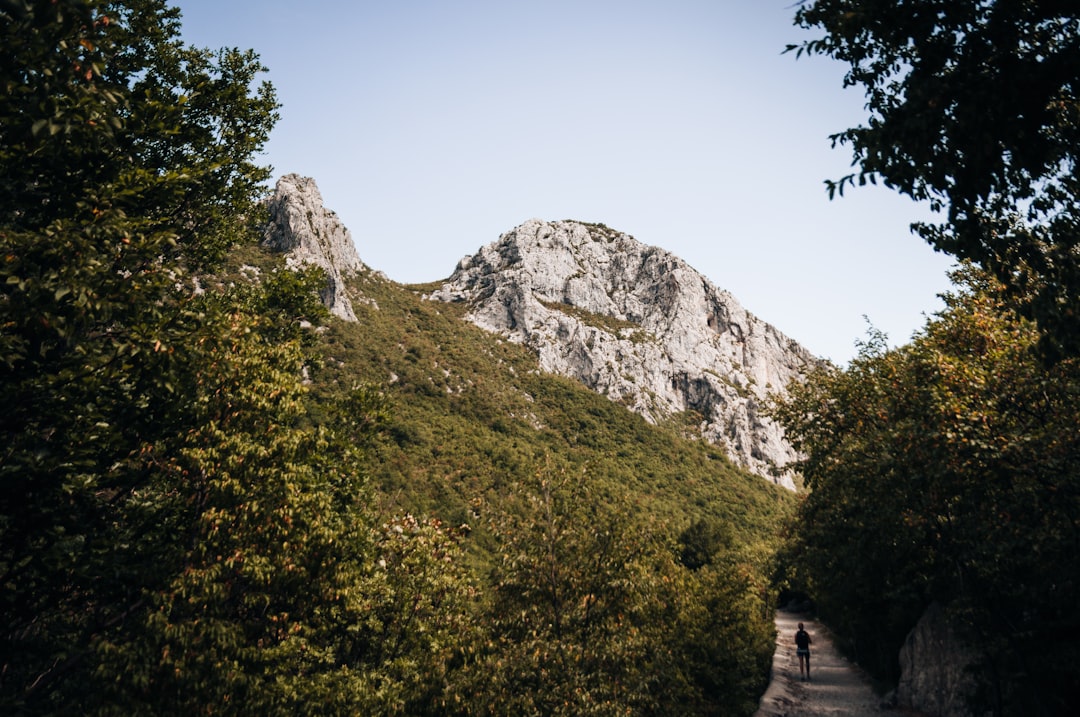
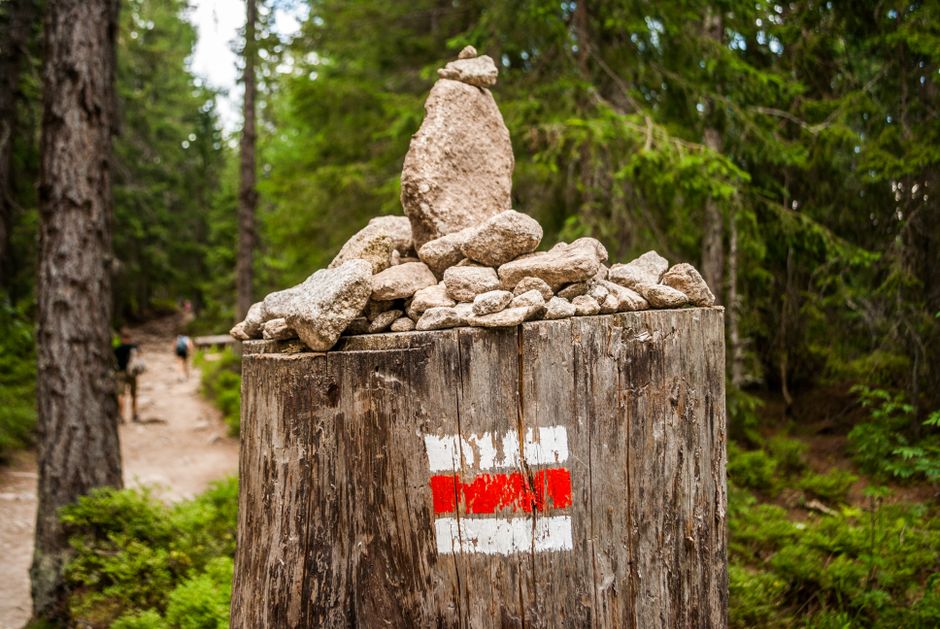
The terrain is unforgiving. There are no gentle slopes here, only steep ascents and even steeper descents. The trail is marked with red and white paint on rocks, but in a storm, those markers can disappear, leaving you to navigate by instinct and compass. The vegetation is sparse, dominated by dwarf pine, juniper, and hardy grasses that cling to the rock. The air is thin and cold, even in summer, and the weather can shift from brilliant sunshine to a sleet storm in minutes. It's a place that strips away pretense. You can't hide behind your phone or your status here. You're just a body moving over stone, trying to stay dry and stay alive.
The Trailhead and the Ascent
Most hikers begin their journey at the Paklenica National Park, a dramatic gorge system that serves as the gateway to the Velebit Wall. The park offers two main trails: the Big Canyon and the Small Canyon. The Big Canyon is a slot canyon hike, a narrow, winding path that cuts through towering rock walls. It's a great warm-up, but it's nothing compared to the wall itself. From the park, you take a bus or a taxi to the village of Starigrad Paklenica, the main hub for Velebit hikers. From there, you can start the wall hike, but most people begin further up, at the Velebit Wall trailhead near the Crnopac hut. The ascent from the coast is steep and relentless, gaining over 1,000 meters in just a few kilometers. It's a brutal start, but the view from the top, when the clouds break, is worth every burning quad.
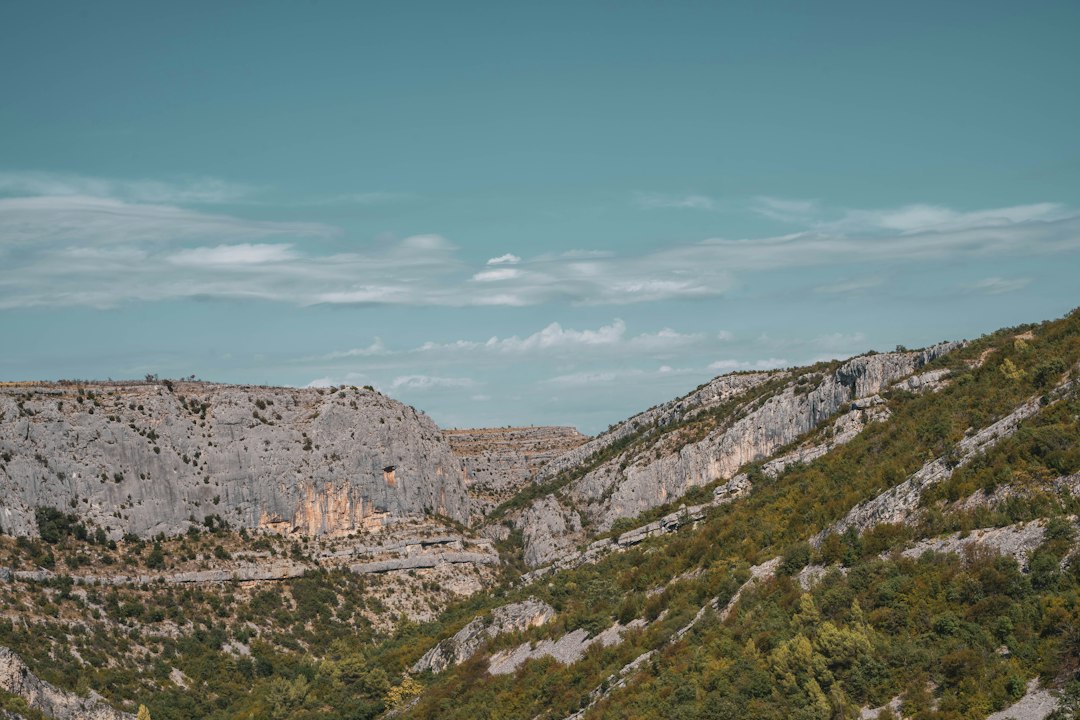
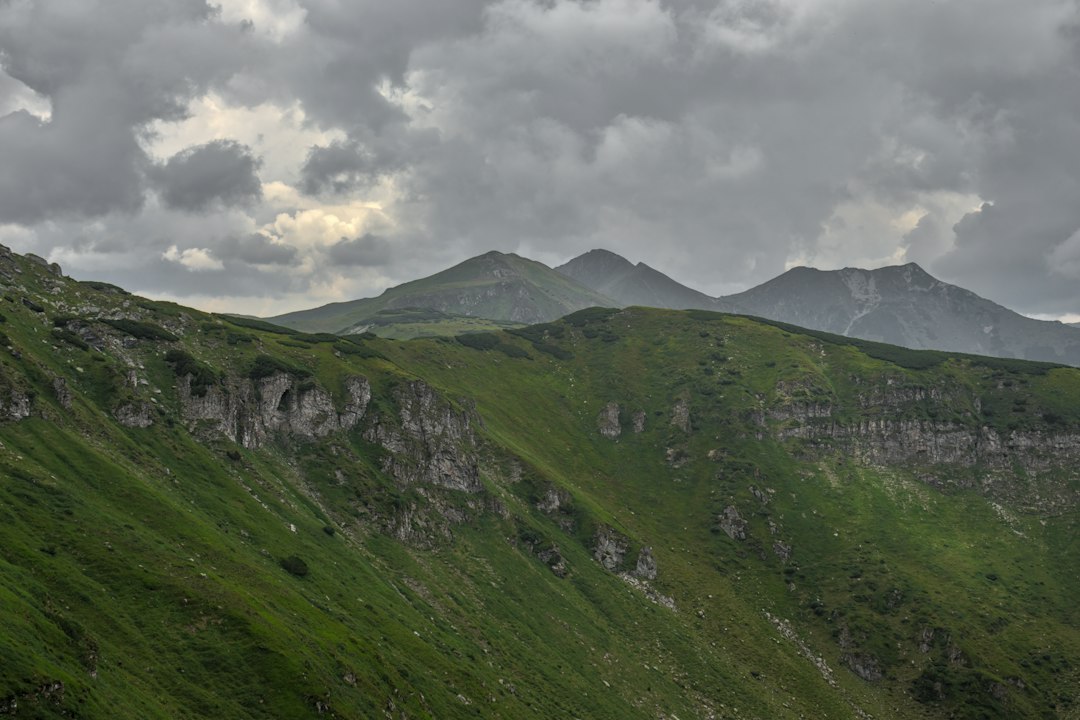
The trail follows the ridge, offering panoramic views of the Adriatic Sea and the Dalmatian islands. On a clear day, you can see all the way to Montenegro. The rock is a mix of limestone and dolomite, slippery when wet and razor-sharp when dry. You need good boots, gloves, and a head for heights. The exposure is real. There are sections where the drop-off is sheer, and a slip could mean a long, painful fall. But there's also a sense of freedom, of being on top of the world, that you don't find in a city or a beach resort. The wind is constant, a reminder that you're in a wild place, not a theme park.
Mountain Huts and the Taste of Survival
The Velebit Wall route is dotted with mountain huts, or "planinarske kuće," that provide shelter, food, and a place to dry out. These huts are run by local hiking clubs, and the service is basic but friendly. The food is hearty and simple: stew, pasta, and plenty of bread. It's not gourmet, but it's hot, and it's fuel. The prices are reasonable, especially compared to the coast. A meal and a bed might cost 25-35 EUR, a small price to pay for warmth and safety. The huts are often crowded in the summer, so booking ahead is essential. But even if you don't book, the locals are usually willing to squeeze you in, especially if you're wet, cold, and miserable. They've seen it all.
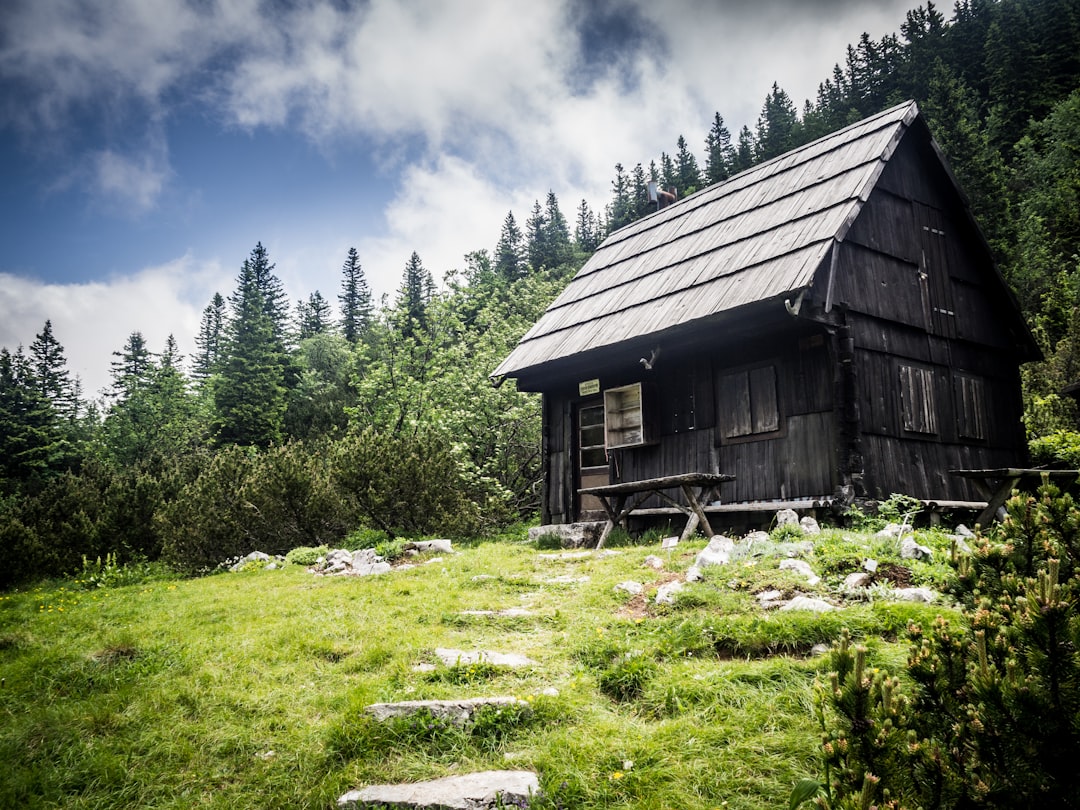
One of the most iconic huts is the Velebit Wall Hut, perched high on the ridge. It's a small, stone building with a view that stretches for miles. The interior is spartan, with wooden tables and bunks, but the atmosphere is electric. Hikers from all over the world gather here to swap stories, compare blisters, and complain about the weather. It's a place of camaraderie, of shared suffering and shared triumph. You'll meet Italians, Germans, Austrians, and locals, all united by their love of the mountain. It's a microcosm of the hiking world, a place where language barriers dissolve over a shared pot of coffee.
Routes & Trail Info
The full Velebit Wall traverse is a multi-day hike, typically taking 5-7 days to complete. The route is well-marked, but it requires good fitness and experience. Here are the main sections:
Section 1: Paklenica to Crnopac — Starting point: Paklenica National Park parking lot. Distance: 12 km (one-way). Elevation gain: 1,200 m. Estimated duration: 5-6 hours. Difficulty: Intermediate. This section involves a steep ascent from the park to the ridge, with stunning views of the canyon below. It's a good warm-up for the rest of the wall.
Section 2: Crnopac to Velebit Wall Hut — Starting point: Crnopac Hut. Distance: 8 km (one-way). Elevation gain: 300 m. Estimated duration: 3-4 hours. Difficulty: Intermediate. This section follows the ridge, with exposed sections and breathtaking views. It's the most scenic part of the hike, but also the most demanding in terms of exposure.
Section 3: Velebit Wall Hut to Mrzli Vrh — Starting point: Velebit Wall Hut. Distance: 10 km (one-way). Elevation gain: 500 m. Estimated duration: 4-5 hours. Difficulty: Experienced. This section is the most technical, with steep ascents and descents, and some scrambling. It's for experienced hikers only, but the reward is a sense of accomplishment that's hard to match.
Getting There & What to Expect
The nearest major city is Zadar, about 50 km from the trailhead. You can fly into Zadar Airport, then take a bus or a taxi to Starigrad Paklenica. The bus takes about an hour, and costs around 5-10 EUR. From Starigrad, you can take a local bus to the Paklenica National Park, or hire a taxi. The taxi will cost more, but it's faster and more convenient. The trailhead is well-signed, and there's parking available. The best time to hike is from June to September, when the weather is warm and the trails are dry. But even in summer, bring rain gear and a warm layer. The mountain can be unpredictable.
Accommodation options are limited. The mountain huts are the best bet, but they fill up fast. There are also some guesthouses in Starigrad Paklenica, but they're more expensive. A night in a guesthouse might cost 40-60 EUR, while a hut is 25-35 EUR. Food prices are similar. A meal in a restaurant in Starigrad might cost 10-15 EUR, while a meal in a hut is 8-12 EUR. It's a cheap place to eat, if you know where to look. The key is to be prepared. Bring enough water, food, and gear to survive a night out if things go wrong. The mountain doesn't care if you're unprepared. It will test you, and it will win if you're not ready.
Search accommodation in Starigrad Paklenica on Booking.com →
The Descent into the Stone
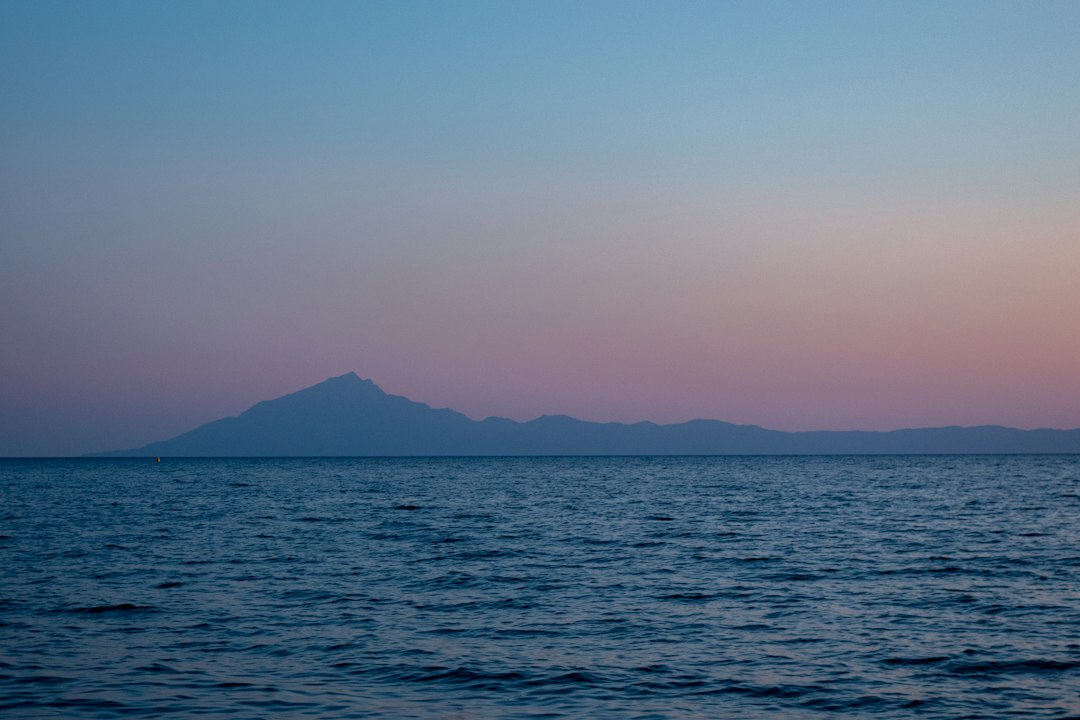
By the time I reached the end of the wall, my legs were shaking, my feet were blistered, and my soul was full. I sat on a rock, watching the sun dip below the horizon, painting the sky in shades of orange and purple. The wind had died down, and the silence was profound. I thought about the shepherd, and his warning about the weather. He was right. The mountain had changed on me, just like he said. But I had changed too. I was harder, tougher, more alive. The Velebit Wall doesn't just test your body; it tests your spirit. It strips away the noise of the world, leaving you with nothing but the stone, the wind, and yourself. And in that silence, you find something real. Something true. I packed my bag, stood up, and started the long walk down. I knew I'd be back. The wall calls, and eventually, you have to answer.
Comments